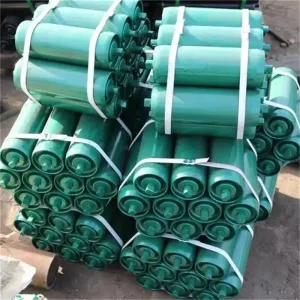
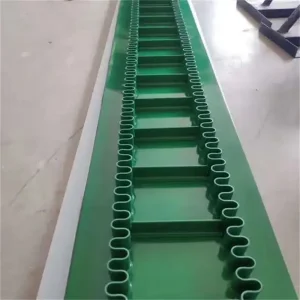
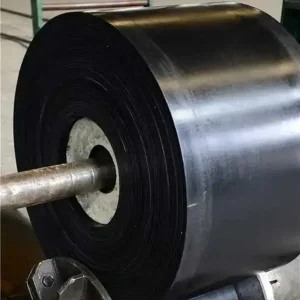
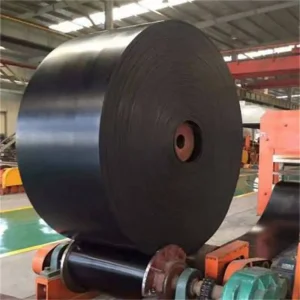
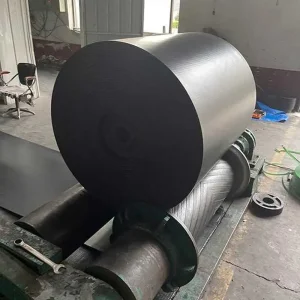
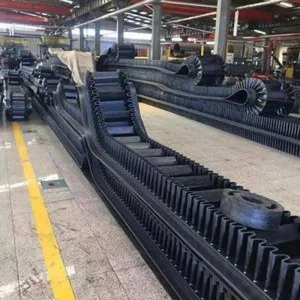
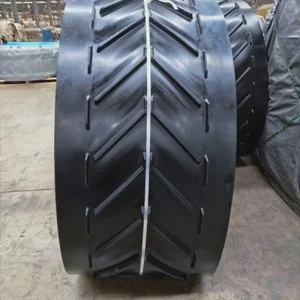
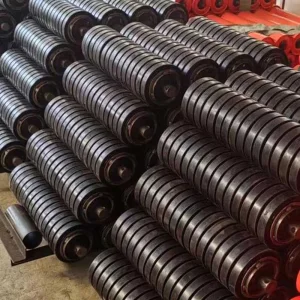
China Browning Idler Sprockets Manufacturer & Factory

Premium Power Transmission Solutions & Heavy-Duty Industrial Conveying Ecosystems. Engineered for Uncompromised Operational Reliability.

22 Years Of Experience
22+
Years of Industrial Expertise
30+
Acres of Production Facility
100%
Quality Control Verification
ISO9001
International Certification

Industrial Whitepaper: The Strategic Integration of Browning Idler Sprockets and Heavy-Duty Conveying Systems

In modern industrial manufacturing and bulk material handling, efficiency is closely tied to mechanical reliability. At the center of these operations are power transmission components and conveyor belt systems. Working together, they keep heavy industries moving. As a globally recognized manufacturer, Hebei Boao Rubber Technology Co., Ltd. (operating under our premier brand "Jinao") has spent over 22 years developing comprehensive industrial solutions. We integrate high-precision power transmission components—such as Browning-compatible idler sprockets—with heavy-duty belting systems.

This technical whitepaper examines the design principles, material choices, and system configurations that protect industrial drive systems from premature wear. We look closely at how Browning-style sprockets and advanced rubber belting work together to support heavy operations worldwide.

Key Objective: To help engineering procurement specialists, plant managers, and system designers optimize their mechanical setups. By using premium materials, correct heat treatment, and matching sprockets with conveyor systems, operations can minimize downtime and get the most out of their machinery.

1. The Critical Role of Browning Idler Sprockets in Industrial Drivetrains

Idler sprockets are essential for maintaining correct chain tension and alignment in power transmission systems. Browning-style idler sprockets are widely recognized for their precision and durability. They are commonly used in demanding environments like mining, grain handling, steel production, and port facilities.

These components are designed to:

  • Prevent Chain Whipping & Vibration: By keeping the tension constant on the slack side of the drive, idlers reduce vibration. This prevents premature wear on both the chain and the driver/driven sprockets.
  • Improve Chain Wrapping: Idlers help the chain wrap more securely around smaller sprockets. This increases the contact area and distributes the load across more teeth, preventing slippage.
  • Overcome Obstacles: In complex machinery, idler sprockets allow the chain to route around structural barriers without losing power transmission efficiency.

2. Material Science and Manufacturing Standards

Heavy-duty industrial applications place high demands on sprockets. Standard, unhardened sprockets can wear out quickly under abrasive loads. At our Hebei boye manufacturing facility, we use high-grade medium carbon steel (such as C45 or 1045 steel) and premium alloy steels to build our drive products. This ensures they can withstand challenging operating conditions.

The manufacturing process includes several key steps:

  • Precision Machining: We cut tooth profiles to precise tolerances using CNC machinery. This guarantees smooth chain engagement and reduces friction.
  • Induction Hardening: The sprocket teeth are heat-treated to a hardness of Rockwell C 45–55. This creates a hard, wear-resistant outer layer while keeping the core ductile enough to absorb shocks.
  • Bearing Configurations: We configure our Browning-compatible idlers with high-quality sealed ball bearings, needle bearings, or bronze bushings to suit different load and speed requirements. Double-sealed bearings with premium grease are standard, protecting against dust and moisture.

3. Market Trends in Power Transmission & Bulk Sourcing

Global industrial markets are changing, and procurement teams are adapting. There is a growing focus on total cost of ownership (TCO) rather than just initial purchase price. Sourcing managers are looking for partners who can supply both conveyor belts and matching mechanical components (like idlers, rollers, and sprockets) to ensure compatibility.

Key market trends include:

  • Demand for Anti-Corrosive Treatments: Industries like fertilizer production, chemical processing, and seaside ports require sprockets with protective finishes, such as zinc plating, black oxide, or stainless steel construction.
  • Smart Monitoring Systems: Modern factories are starting to use sensors on idler shafts to monitor temperature and vibration in real-time. This allows for predictive maintenance and helps prevent unexpected breakdowns.
  • Unified Supply Chains: Plant managers prefer sourcing their mechanical components and rubber belting from a single, qualified manufacturer. This simplifies maintenance and ensures the parts are designed to work together.

Engineering Advantages

Our products are engineered for demanding industrial environments. We combine advanced metallurgy, precision manufacturing, and strict quality control to deliver reliable performance.

High-Grade Metallurgy

We use carbon and alloy steels that undergo precision heat treatment. This results in hardened teeth that resist wear, paired with a tough core that handles high torque without cracking.

System Compatibility

Our sprockets are designed to match standard ANSI and DIN chains. They align precisely with our idlers and conveyor systems to ensure smooth operation and minimize wear.

Sealed Bearing Technology

Equipped with high-performance bearings and multi-lip seals, our sprockets keep contaminants out. This design retains lubrication in dusty, wet, or chemically harsh environments.

Hebei Boao Rubber Technology: Production Strength

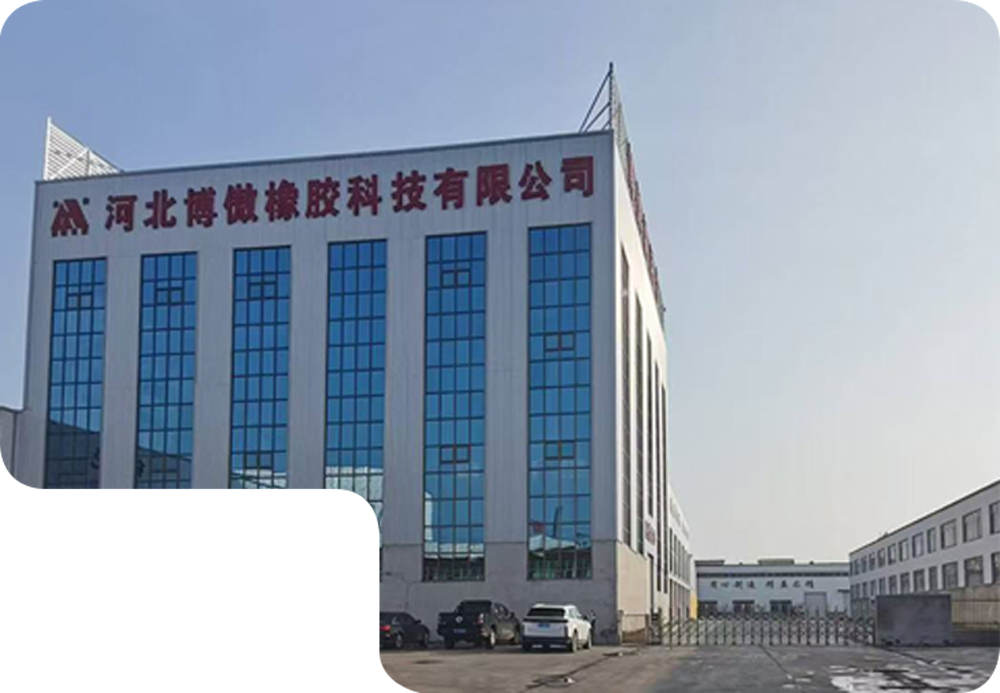
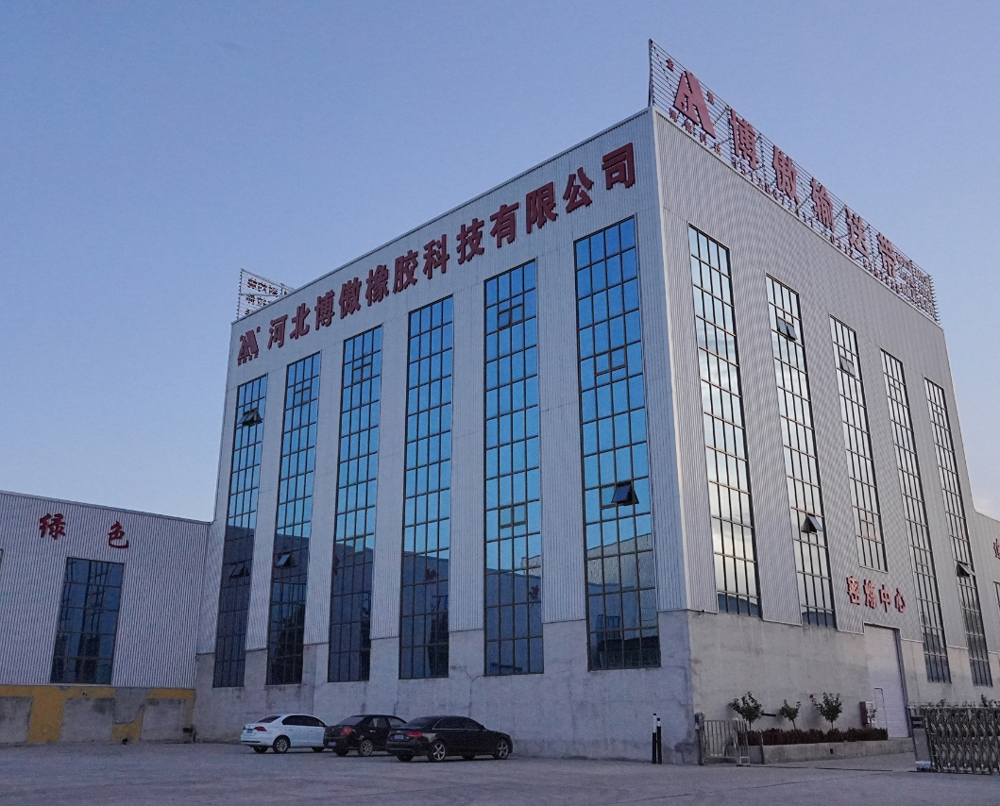
A look inside our 30-acre manufacturing center in Boye, Baoding, where we combine advanced production machinery with strict quality testing.

Two Decades of Manufacturing Integrity

Founded in 2004, Hebei Boao Rubber Technology Co., Ltd. has grown into a modern manufacturing enterprise. We integrate product development, scientific research, design, and production. Our primary brand, "Jinao", represents our commitment to quality in both domestic and international markets.

Our facility houses advanced production lines for rolling, shaping, vulcanization, and machining. We maintain an independent chemical analysis lab and a physical testing center to verify every batch of raw materials before production begins. This strict process ensures that only fully compliant products leave our factory.
Quality Policy: "Every raw material is tested; every production step is monitored; every finished component is verified." This approach has earned us international quality management system certifications and long-term partnerships with leading industrial firms.
Boao Quality Control Laboratory

Our Production Infrastructure

Production Facility 1 Production Facility 2 Production Facility 3 Production Facility 4 Production Facility 5 Production Facility 6 Production Facility 7 Production Facility 8

Global Partnerships & Field Deployments

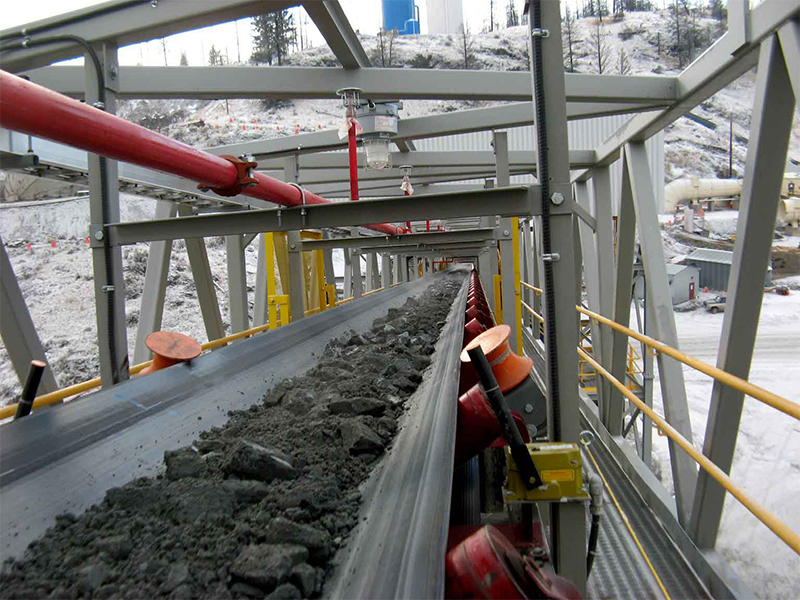
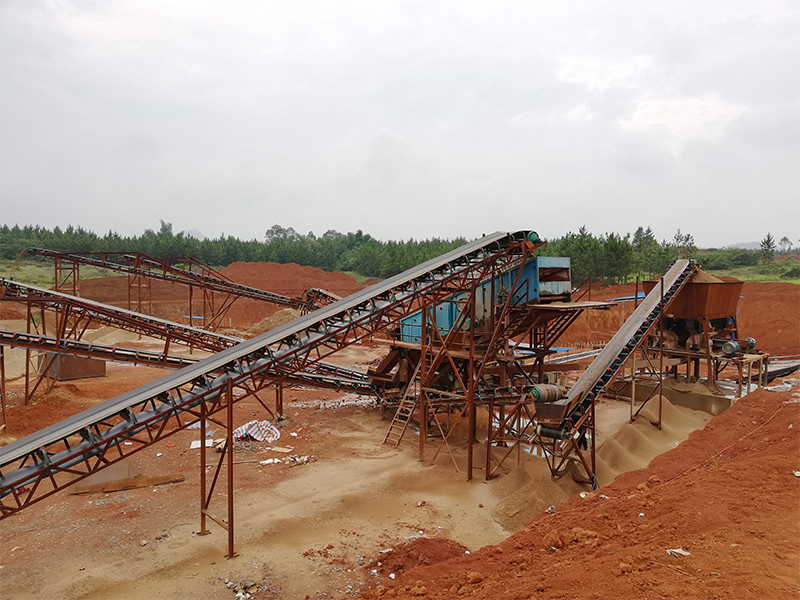
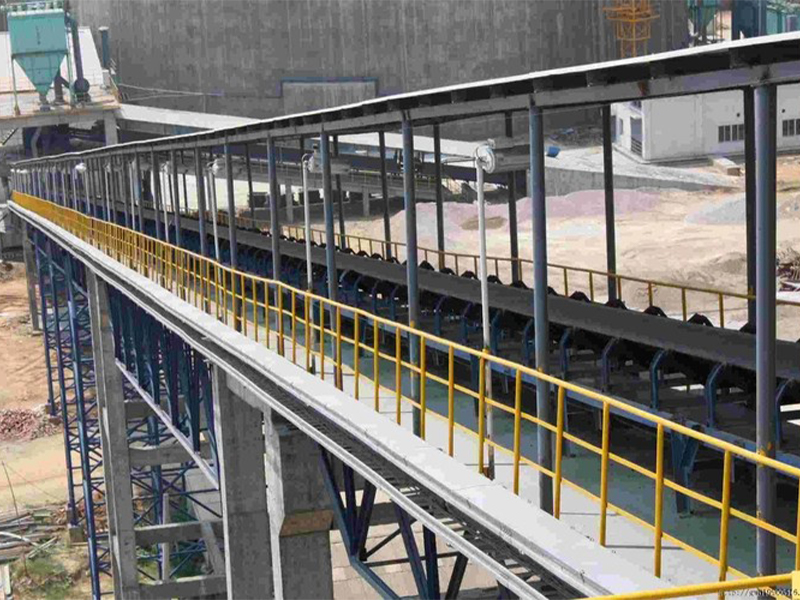
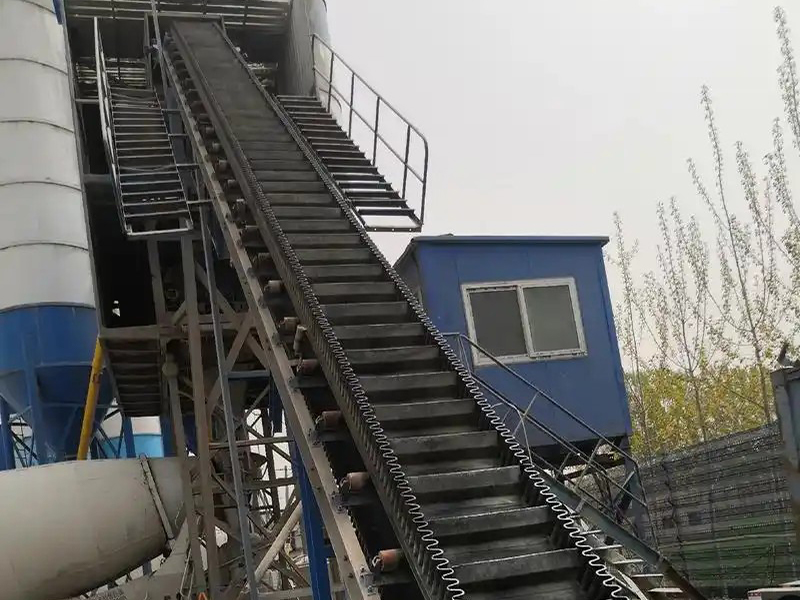
Our systems and components operate in demanding settings, including steel mills, mining operations, and cement plants.
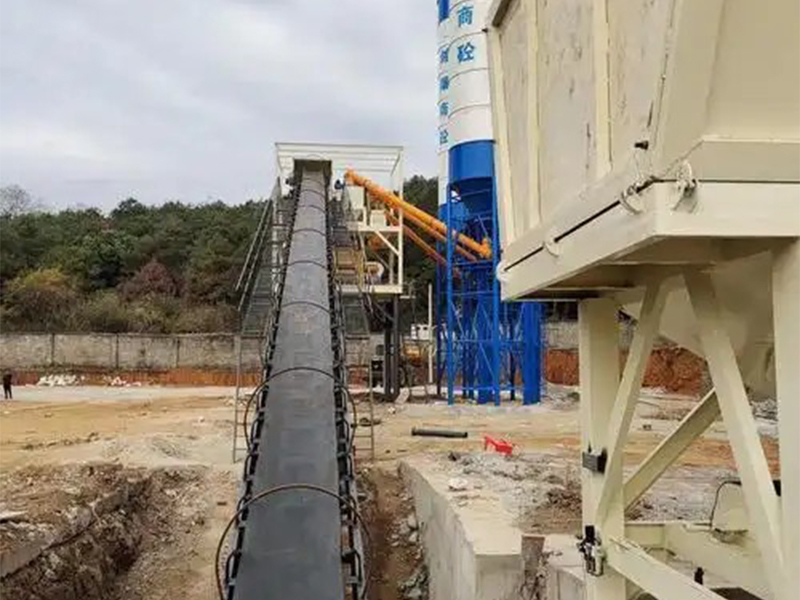
China Railway Group Mixing Plant
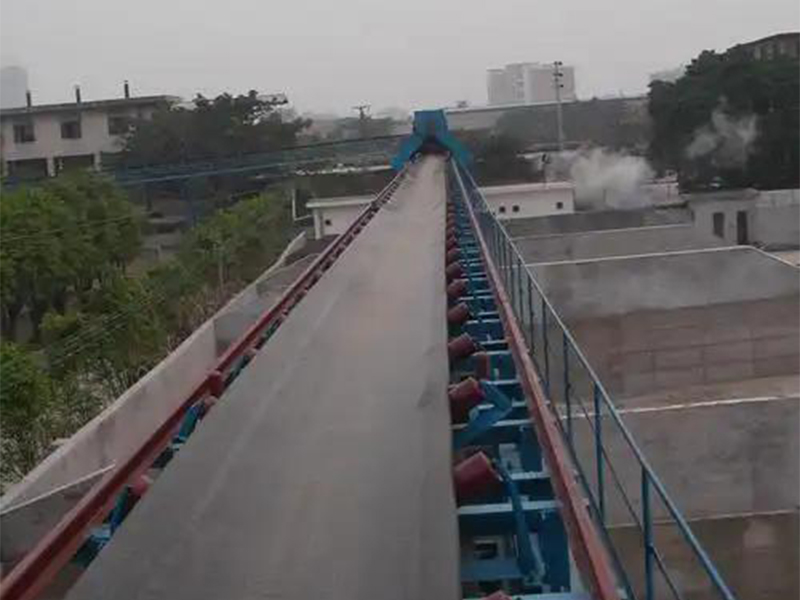
China Railway Group

Conch Cement

Conch Cement

Datong Coal Group

Datong Coal Group

Tsingshan Group

Tsingshan Group

Jidong Cement Group
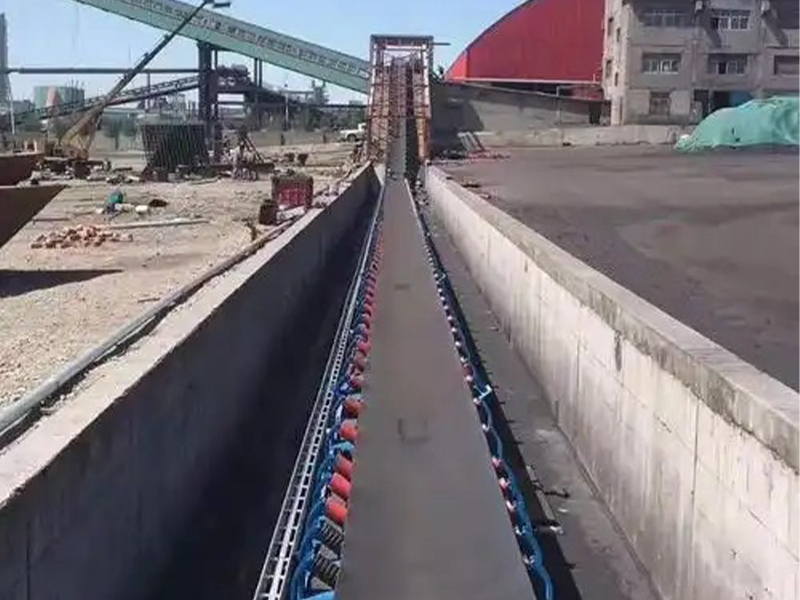
Jidong Cement Group

Jinmei Group Coal Conveying Line
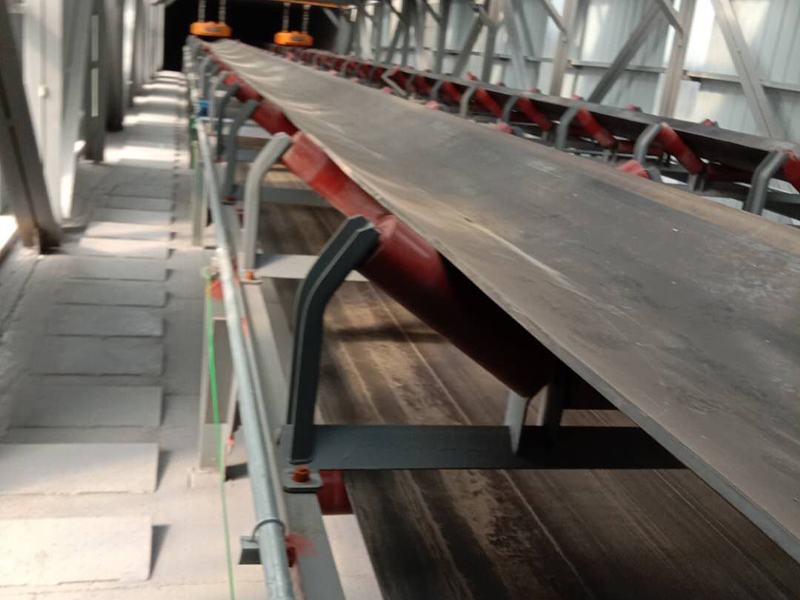
Jinmei Group

Taihang Steel

Taihang Steel

Puyang Steel Group

Puyang Steel Group

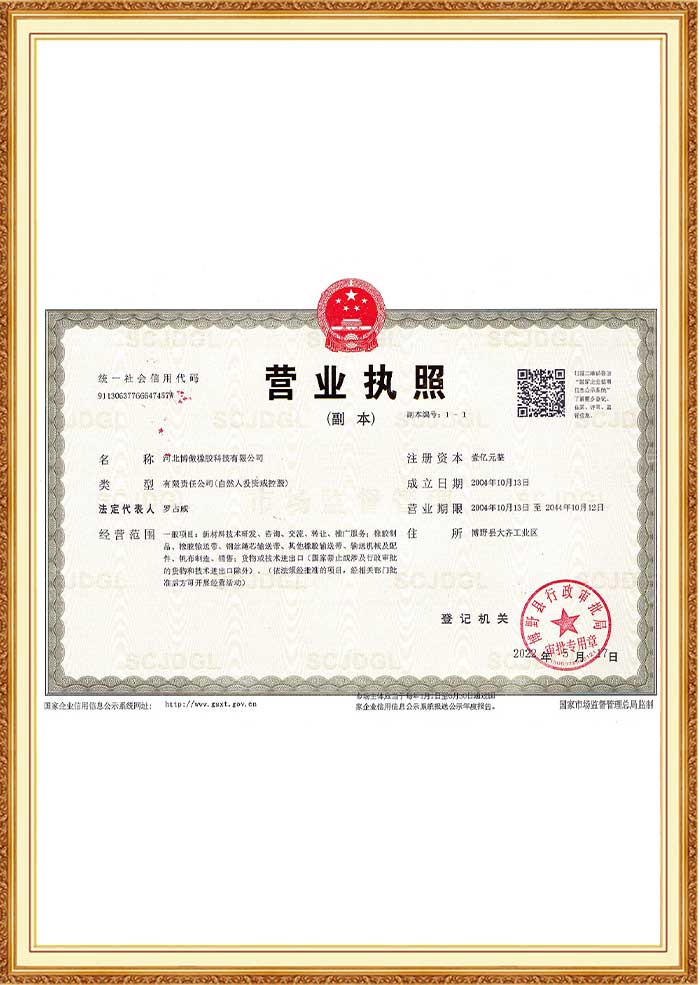
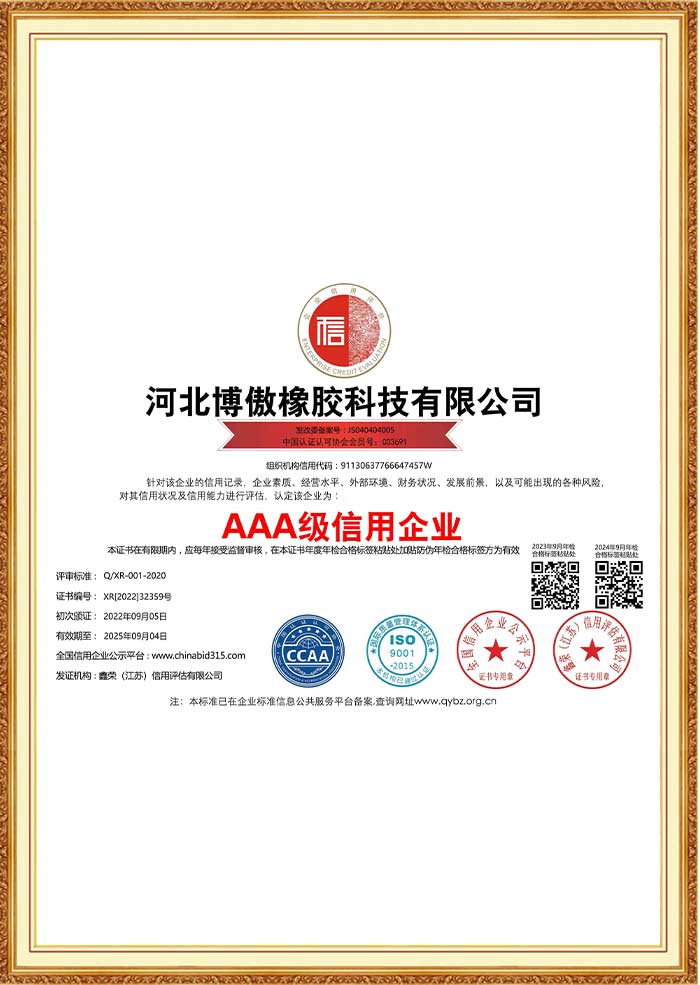
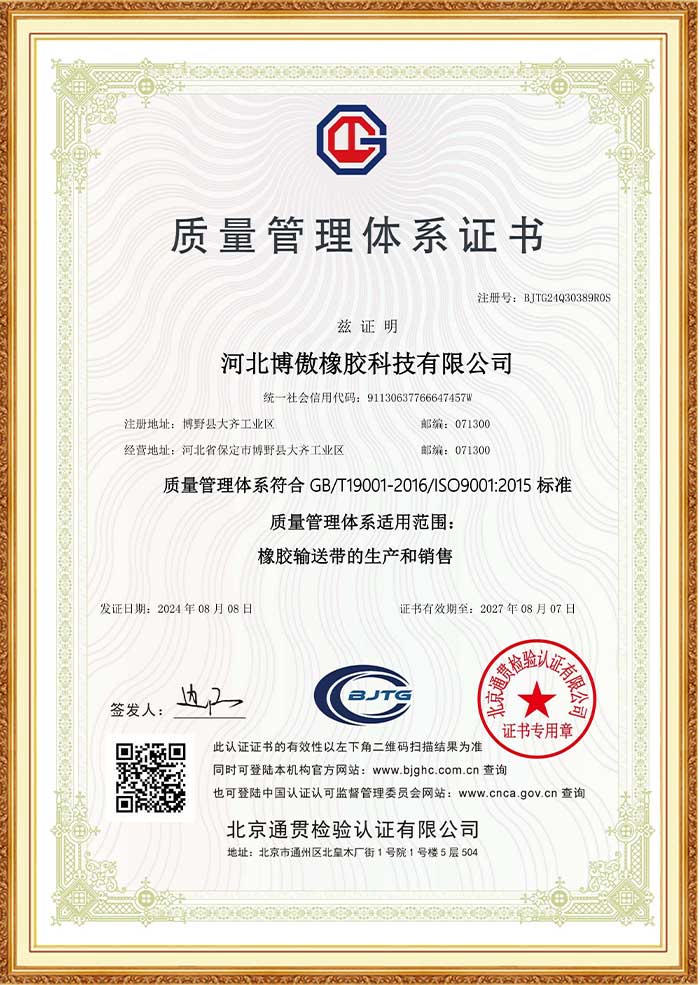
Certified Industry Standards

Our quality management systems are certified to meet international standards for consistency, safety, and reliability.
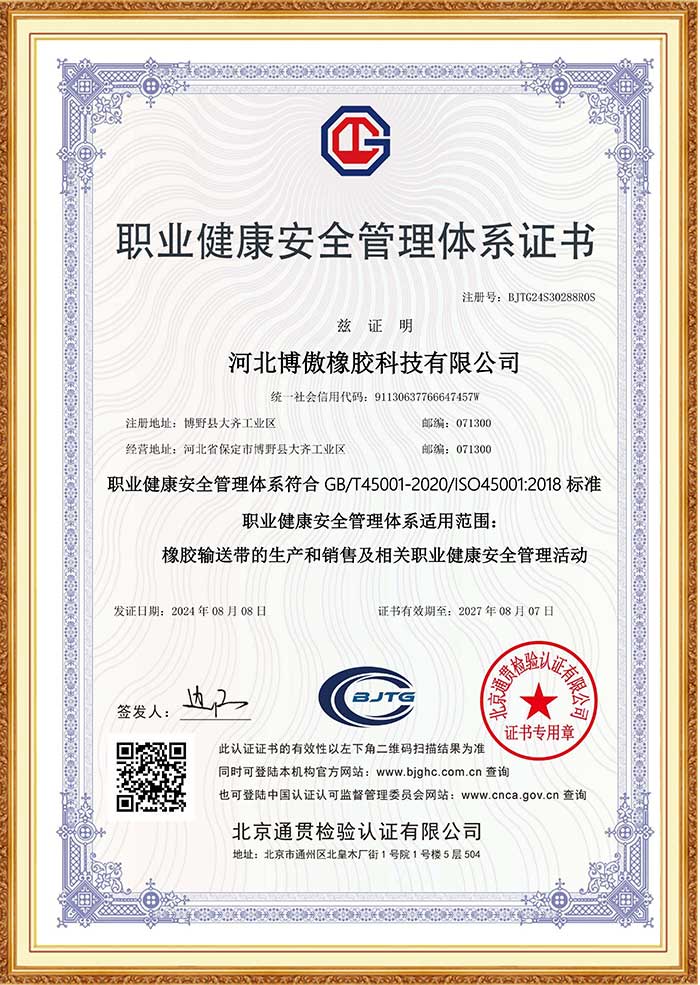
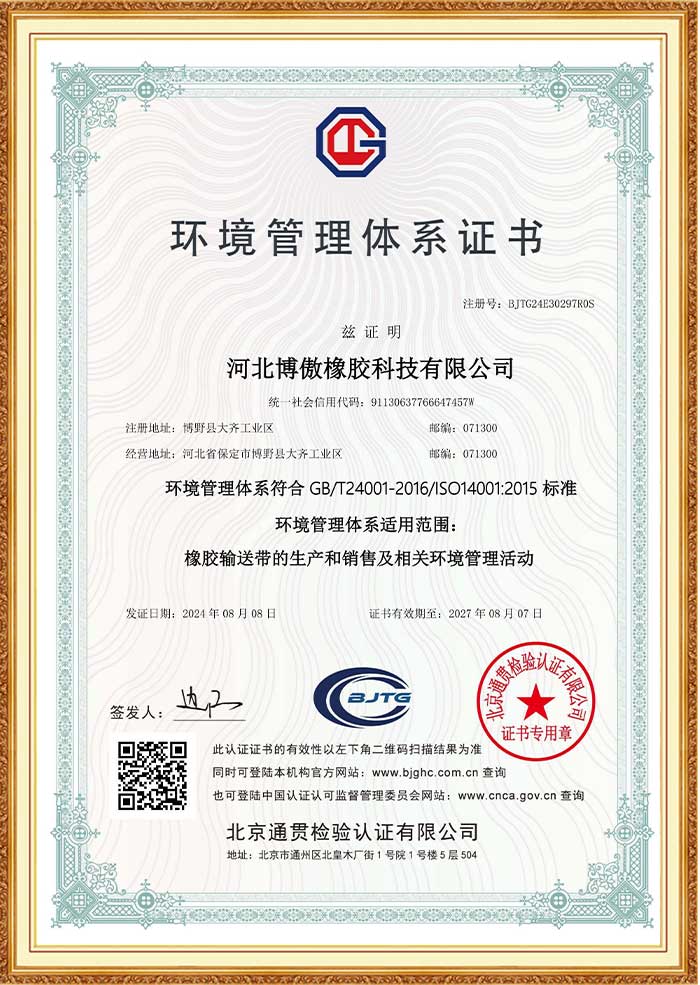
ISO Certification 1
ISO Certification 2
ISO Certification 3
ISO Certification 4
ISO Certification 5

Technical Support & Maintenance Programs

We offer full support for our power transmission components and conveyor installations, helping to extend their operating life.

Plan & Inspection

Our team provides regular on-site inspections to check sprocket alignment, chain wear, and belt tension, identifying potential issues early.

Maintenance Services

We assist with planned component replacement, belt splicing, rubber surface repairs, and regular servicing of conveyor gearboxes.

Technical Standards

Our work focuses on improving overall conveyor efficiency, reducing belt friction, and extending the life of mechanical components.

Resource Planning

We work with clients to manage spare parts inventories, ensuring critical sprockets and rollers are available to minimize downtime.

4. System Synergy: Integrating Power Drives with Conveyor Infrastructure

Efficient material handling requires all parts of a conveyor system to work together. Even a high-grade belt cannot perform well if the drive system is poorly aligned or slipping. Similarly, a high-precision sprocket cannot prevent belt tracking issues if the idler rollers are worn out.

We design our systems to ensure smooth integration:

  • Optimized Tension Profiles: We match the elasticity of our conveyor belts (using NN or EP fabric plies) with the drive tension of the sprockets to reduce strain on the system during startup.
  • Shock Absorption: In impact zones (such as hopper discharge points), we install rubber buffer idlers to absorb shocks. This protects both the conveyor belt and the driving sprockets from sudden load spikes.
  • Matching Shaft Dynamics: The shaft speeds, keyway dimensions, and bearing capacities of our idler rollers and sprockets are designed to match standard conveyor specifications, ensuring simple installation and reliable performance.

5. Global Procurement and Supply Chain Logistics

Modern procurement teams face challenges from fluctuating material costs and shipping delays. Sourcing from a manufacturer with integrated production of both rubber belting and mechanical components helps simplify logistics.

Our supply chain services offer:

  • Standardized Compliance: We build components to ANSI and DIN standards, making them direct replacements for existing parts in Western machinery without requiring modifications.
  • Strategic Inventory: We maintain inventories of common sprockets, bearings, and standard conveyor belts to reduce lead times for urgent replacements.
  • Secure Export Packaging: All metal components receive anti-rust coatings and are packed in reinforced wooden crates to prevent damage during sea transport.

6. Technology Roadmap & Sustainable Manufacturing

We are continually upgrading our manufacturing processes to meet modern efficiency and environmental standards. Our development plans include:

  • Advanced Surface Treatments: We are testing new thin-film ceramic coatings to increase sprocket wear life in highly abrasive or corrosive environments.
  • Energy-Efficient Design: By refining the tooth profiles of our sprockets, we aim to reduce friction losses and lower the energy required to run conveyor drives.
  • Sustainable Production: Our manufacturing plant uses energy-efficient heat treatment processes and recycles scrap metal and rubber compound leftovers to minimize waste.

Frequently Asked Questions

Technical answers to common questions about sprocket selection, installation, and system maintenance.

What materials are used in Browning-compatible idler sprockets?
Our sprockets are made from medium carbon steel (such as C45 or 1045) or alloy steel. The teeth are induction hardened to Rockwell C 45–55 to resist wear, while the center remains ductile to handle shock loads.
How do I select the right bearing for my idler sprocket?
Bearing selection depends on your operating conditions. For high-speed, light-to-moderate loads, double-sealed ball bearings are standard. For heavy loads and slower speeds, bronze bushings or needle rollers are preferred. In wet or dusty environments, multi-lip seals are recommended to keep grease in and contaminants out.
Can you manufacture custom sprocket profiles based on drawings?
Yes, our engineering department can produce custom sprockets. We work from your CAD drawings or physical samples to match specific tooth profiles, bore sizes, keyways, and widths.
How do you verify the quality of your rubber conveyor belts?
We operate an on-site laboratory to test tensile strength, elongation, abrasion resistance, and rubber adhesion. Every production run undergoes physical testing to ensure it meets international standards before shipment.
What is the standard lead time for international bulk orders?
Standard products typically ship within 20 to 30 days of order confirmation. Custom designs or large-volume orders may require 40 to 50 days, depending on raw material availability and production scheduling.

Submit Sourcing Inquiry

Contact our engineering and sales team for product specifications, custom quotes, or technical assistance with your material handling setups.