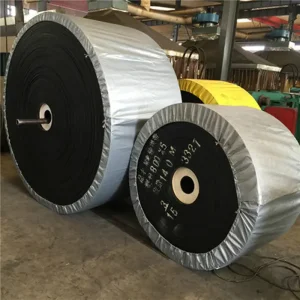
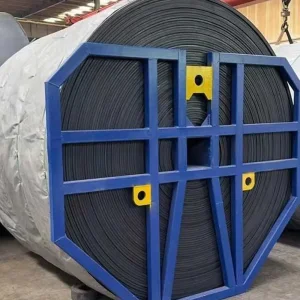
Best Wide Rubber Belt Manufacturer & Factories

High-Strength Heavy-Duty Bulk Handling Systems, Multi-Ply Textile Reinforced Belting, and Wear-Resistant Compounds Engineered for Critical Industrial Conveying

Premium Heavy-Duty Conveyor Solutions

Explore our high-performance heavy-duty wide rubber belts, impact rollers, and system accessories engineered to maximize bulk material handling efficiency.
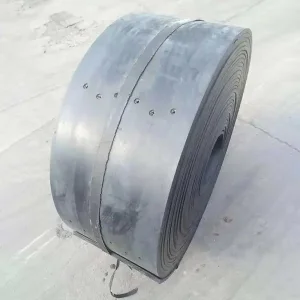
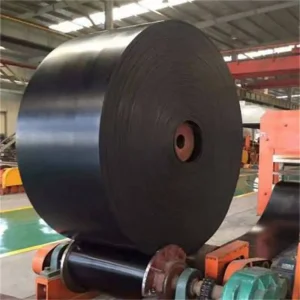
China Rubber Lifting Conveyor Belt

China Rubber Lifting Conveyor Belt - High-Quality Suppliers & Factory for Industrial Use

View Specifications
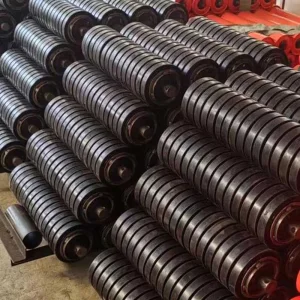
China Suppliers Factory Impact Idler Roller

China Suppliers Factory Impact Idler Roller - Corrosion-Resistant Rubber Buffer for Belt Conveyors

View Specifications
Best Suspended Conveyor Belt Machine Rollers

Best Suspended Conveyor Belt Machine Rollers from China - Quality Idlers by Leading Suppliers and Factory Manufacturer

View Specifications
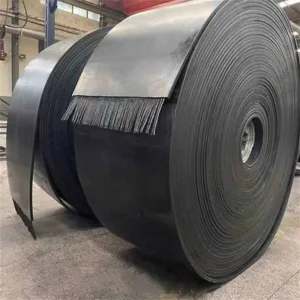
China Nylon Rubber Conveyor Belts

China Nylon Rubber Conveyor Belts | High-Quality Polyamide (NN) Conveyor Belt Factory Manufacturer

View Specifications
China Steel Wire Rope Core Conveyor Belt

China Steel Wire Rope Core Conveyor Belt - High Strength Suppliers & Factory for Mining, Coal, and Material Transport

View Specifications
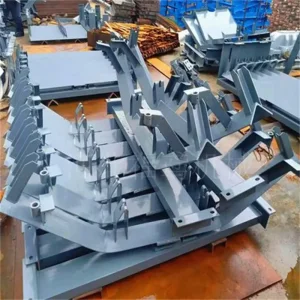
Best Conveyor Belt Idler Roller Brackets

Best Conveyor Belt Idler Roller Brackets - Standard Dimensions by Bandwidth from China Suppliers and Factory Manufacturer

View Specifications
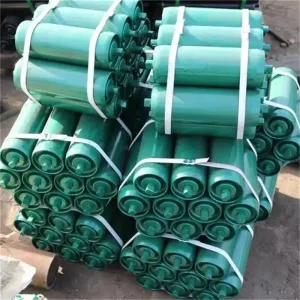
Best Conveyor Belt Idler Roller Suppliers

Best Conveyor Belt Idler Roller Suppliers, Factory

View Specifications
China PVC-PU Lightweight Conveyor Belt

China PVC-PU Lightweight Conveyor Belt Suppliers and Factory - High-Quality Solutions for Various Applications

View Specifications

Executive Summary: The Role of Wide Rubber Belts in Modern Bulk Operations

In modern industrial logistics, heavy-duty wide rubber belts constitute the absolute backbone of continuous transport operations. In massive industries ranging from coal fired power plants and underground metallurgical mining lines to deepwater port loading terminals, the performance stability of a wide rubber conveyor belt directly impacts daily production capacity and operational safety. Because bulk materials are often abrasive, corrosive, heavy, and hot, selecting conveyor systems engineered by an authoritative manufacturer with proven materials testing laboratories is vital to reducing downtime and optimizing the total cost of ownership (TCO).

As industrial processing lines evolve toward higher capacities and faster conveying velocities, the demand for high-strength, low-elongation textile plies (polyester and nylon fabric) and anti-corrosive steel wire core matrices has experienced unprecedented growth. Global commercial operations can no longer afford system interruptions caused by belt tracking failures, premature rubber cover degradation, or low splicing efficiency. This whitepaper analyzes how advanced manufacturing facilities combine advanced chemical formulations and mechanical engineering principles to deliver resilient supply chains capable of meeting these critical industrial needs.

"Efficiency is not merely about conveying material; it is about maximizing belt service lifespan, maintaining structural load integrity over long spans, and minimizing energy loss across hundreds of return idlers under extreme environments."
22 Years Experience Logo

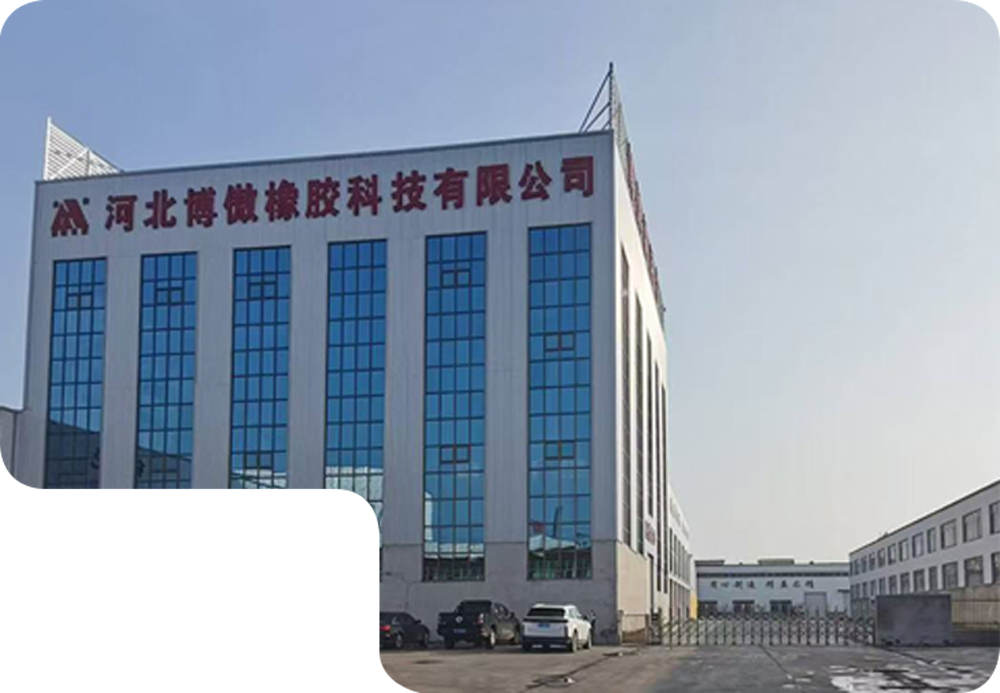
Hebei Boao Rubber Technology Co., Ltd.

Est. 2004 | Boye County Industrial Park

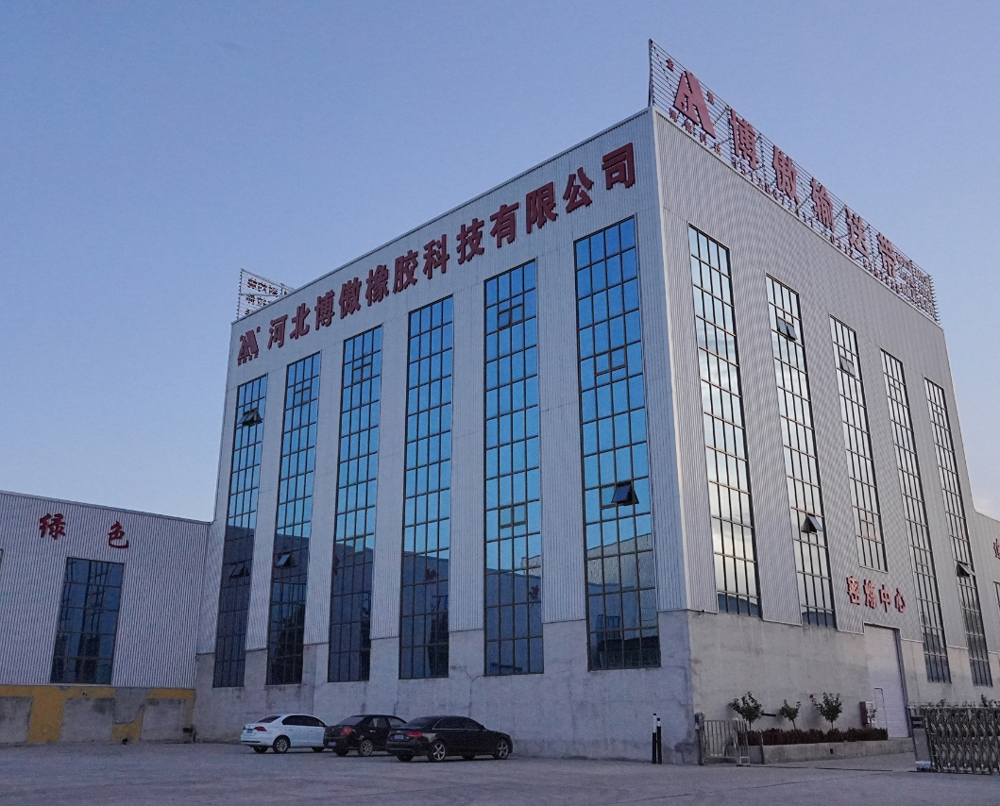
Located within the famous Boye County Rubber Industrial Park, Baoding City, Hebei Province, Hebei Boao Rubber Technology Co., Ltd. (producing the renowned "Jinao" brand) is a leading integrated manufacturing enterprise in China. Spanning over 30 acres, we deliver comprehensive bulk material handling solutions, from molecular compounding and raw material vulcanization to customized physical field installation design.

Equipped with high-precision rolling, calendering, high-temperature vulcanizing presses, and a comprehensive in-house chemistry laboratory, our factory operates strictly under the ISO 9001 international quality management system, ensuring that unqualified raw materials never enter our gates and no substandard belt ever leaves our dock.

Decades of Manufacturing Leadership & Performance Benchmarks

Statistical indicators demonstrating our production scale, industrial footprint, and quality controls.
22+
Years Industry Experience
30+
Acres of Smart Production Plant
100%
In-House Chemical & Physics Testing
20+
Global Industrial Markets Served
Production Facility 1
Calendering Equipment
Vulcanization Press Area
Rubber Testing Laboratory
Finished Roll Storage

Technological Innovations & Global Market Trends

Analyzing the evolution of rubber compounding and the transition of B2B procurement strategies toward intelligent, sustainable conveyor systems.

Evolution of Polymeric Reinforcements: Transitioning from Cotton to EP and Steel Wire Cord

The industrial history of conveyor belting is defined by the quest for higher tensile load capacities and minimal stretching. While early wide belts relied on heavy multi-ply cotton canvases, modern systems utilize sophisticated polymeric matrices like Polyester (EP) and Polyamide/Nylon (NN) fibers, or high-tensile steel wire ropes. Polyester (EP) fabric belts offer high modulus, low elongation under load, and excellent resistance to water vapor and organic rot, making them the standard choice for medium-to-long span bulk material handling. Nylon (NN) plies provide superior elasticity and resistance to impact shocks, making them highly suitable for aggressive dump points and heavy mechanical drop zones. For extra-long-distance and high-tension material transport, steel wire rope core conveyor belts represent the pinnacle of engineering, offering extremely low stretch and long service cycles over cross-country terrain.

Multi-Ply Textile Plies (EP / NN)

Features superior adhesion properties between rubber interlayers, high resistance to structural fatigue, and great flexibility over troughing idlers.

Steel Wire Rope Cores

Engineered for high tension over long cross-country spans. Provides anti-tear properties and works alongside smart electronic rip detection systems.

Specialty Chemical Compounds

Includes high-temperature resistant compounds (handling up to 250°C), flame retardant elastomers (DIN 22102 standards), and acid/alkali proof barriers.

China Factory 4.0: Forging Supply Chain Resilience & High-Capacity Manufacturing

In today's highly volatile economic environment, procurement managers prioritize supply chain resilience and cost efficiency. Hebei Boao Rubber Technology Co., Ltd. addresses these demands by implementing intelligent Factory 4.0 manufacturing methods. Through computer-controlled compounding, automatic dosage of rubber polymers and carbon blacks, and high-pressure vulcanizing presses, we maintain consistent physical properties across every batch. Our centralized production model in Boye County leverages local raw material reserves and efficient logistics infrastructure to shorten lead times, helping overseas operations maintain optimal backup stock levels without locking up working capital.
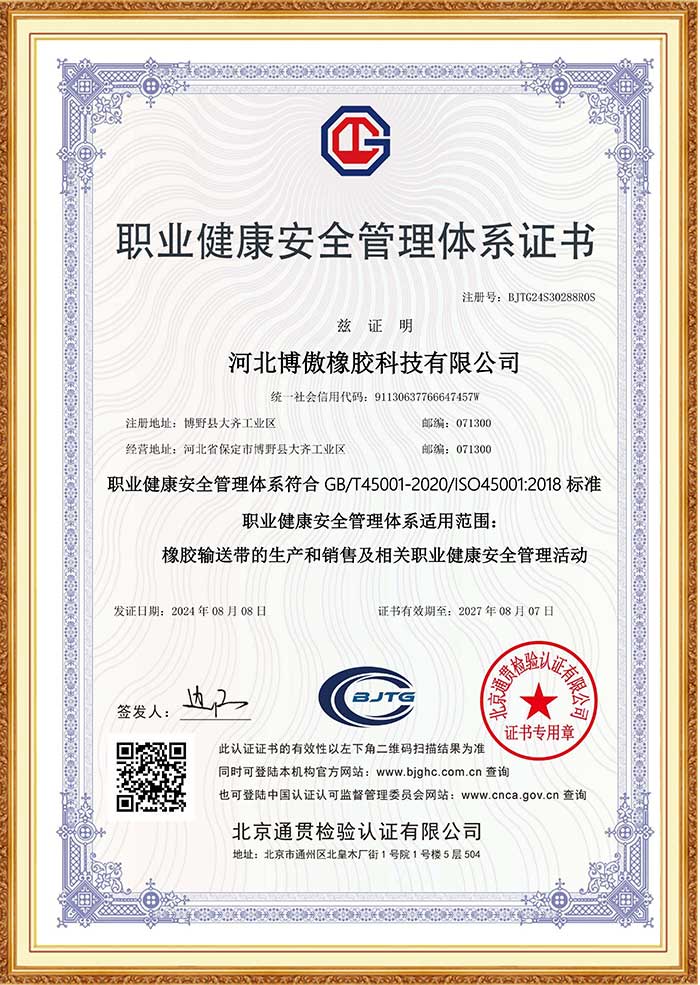
Quality Inspection in Lab
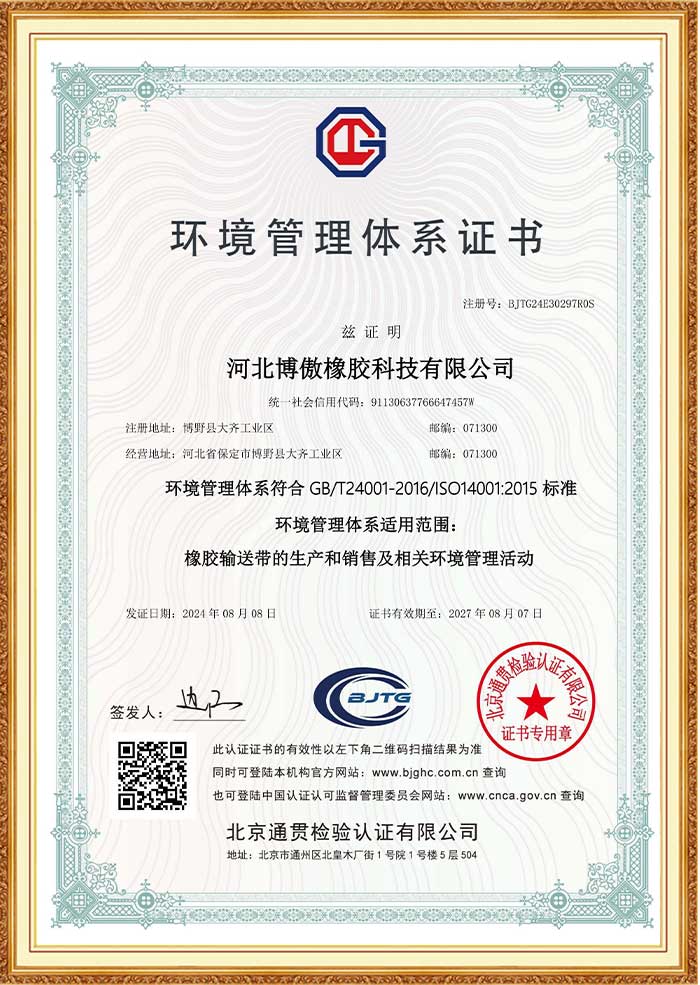
ISO Certification
Quality Certificate

Rigorous Quality Assurance & Modern Test Laboratories

At Hebei Boao, quality control is integrated into every stage of production. Our independent chemical analysis room and physics testing laboratory allow us to continuously monitor raw materials—including raw rubber polymers, dynamic plasticizers, and high-tensile steel wire. We perform rigorous tests on each batch, evaluating tensile strength, elongation at break, cover-to-carcass adhesion, and abrasion resistance index (ISO 4649/DIN 53516 standards).

Our commitment to quality is backed by advanced inspection equipment and structured quality control processes. Our specialized quality control team inspects every meter of vulcanized wide rubber belt before packaging, checking dimension tolerances, profile thickness, and edge straightness to prevent operational tracking errors. This strict protocol ensures that only fully compliant, high-performance belts leave our facility for customer sites.

Comprehensive Product Engineering & Support Services

From custom compounding to field vulcanization services, we provide comprehensive support for your bulk material transport operations.

Jinao Brand Product Families

Our product lineup is designed to handle diverse bulk conveying challenges, from standard materials to highly demanding environments:

  • Layered Fabric Conveyor Belts: Available in high-strength NN (Nylon), EP (Polyester), and PP core constructions for versatile industrial applications.
  • Extreme Temperature Solutions: Engineered for high-temperature and cold-resistant applications, maintaining elasticity and compound integrity.
  • Chemical Resistant Conveying: Formulated with acid, alkali, oil, and ozone-resistant elastomers for demanding processing lines.
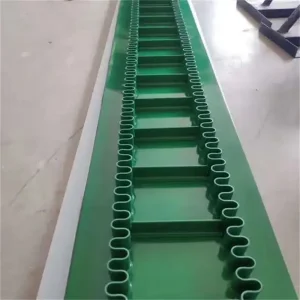
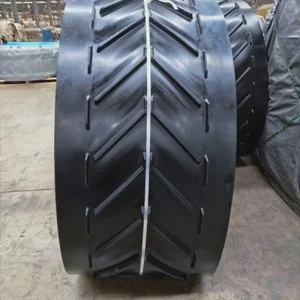
  • High Inclination Designs: Includes patterned conveyor belts (herringbone and custom profiles) and wavy corrugated sidewall belts to prevent material fallback on steep inclines.
  • Conveyor Supporting Accessories: A full range of accessories, including heavy impact idlers, return rollers, self-aligning brackets, pulleys, and ceramic lagging.

Lifecycle Technical Services & Site Support

To help clients maximize belt service lifespan, we offer integrated technical services designed to reduce operational downtime:

  • Preventive Maintenance Planning: Regular system inspections, thickness testing, and hot/cold vulcanized splicing recommendations.
  • Optimized Buffer Stock: We coordinate safety inventory levels to support continuous production and quick emergency replacements.
  • Custom Engineering: Tailored belt width, carcass tensile strength, cover thickness, and compound selection to match specific industrial environments.

Proven Industry Performance & Collaboration Cases

Our heavy-duty conveyor systems are trusted by leading global enterprises across cement, steel, mining, and power generation sectors.
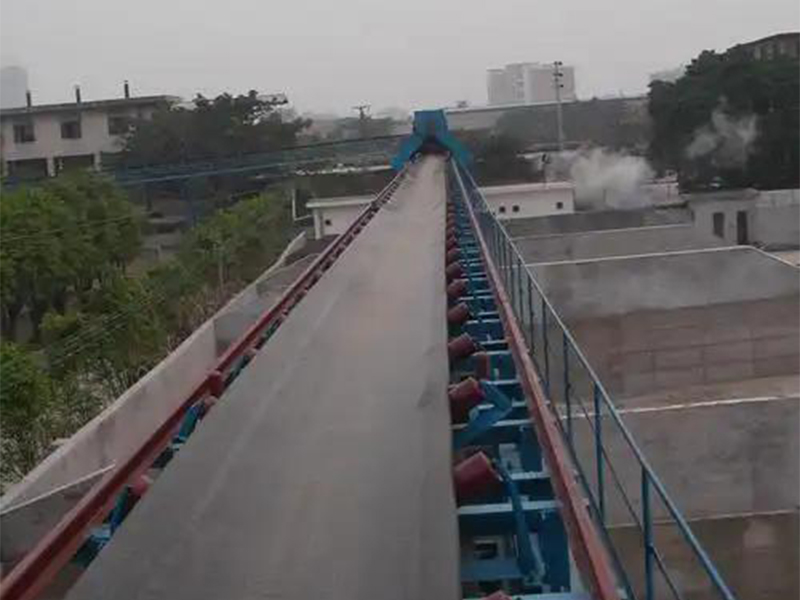
Conch Cement Processing

Conch Cement Co.

Supplied high-abrasion resistant EP conveyor belts for limestone transport, achieving a 35% increase in operational service life.
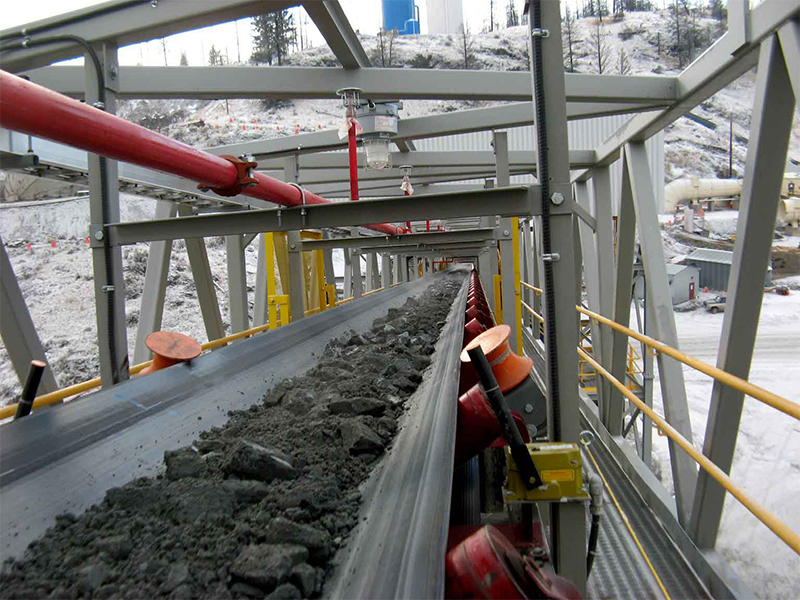
Datong Coal Transport

Datong Coal Mine Group

Installed high-strength flame-retardant steel cord belts in deep underground mining lines to ensure safety and continuous material flow.
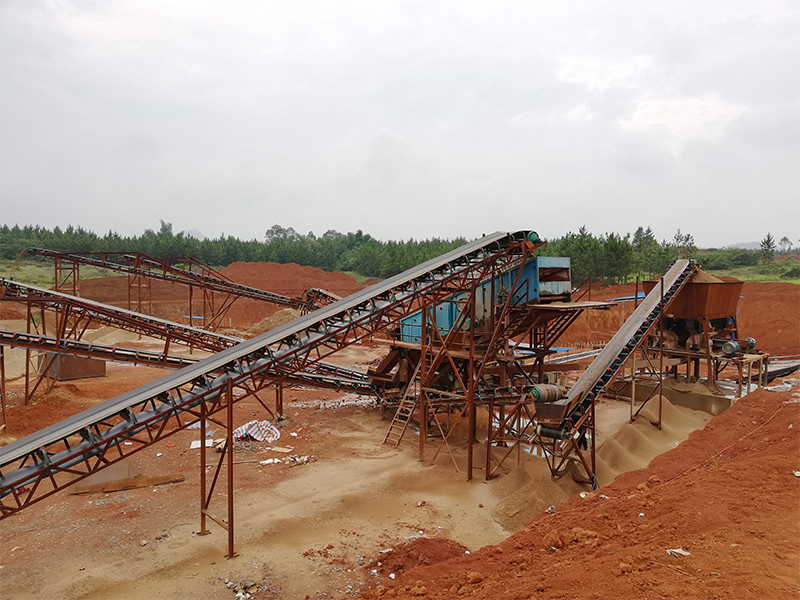
Tsingshan Metallurgy

Tsingshan Holding Group

Deployed specialized oil and heat-resistant wide rubber belts for handling high-temperature sintered ores in nickel smelting operations.
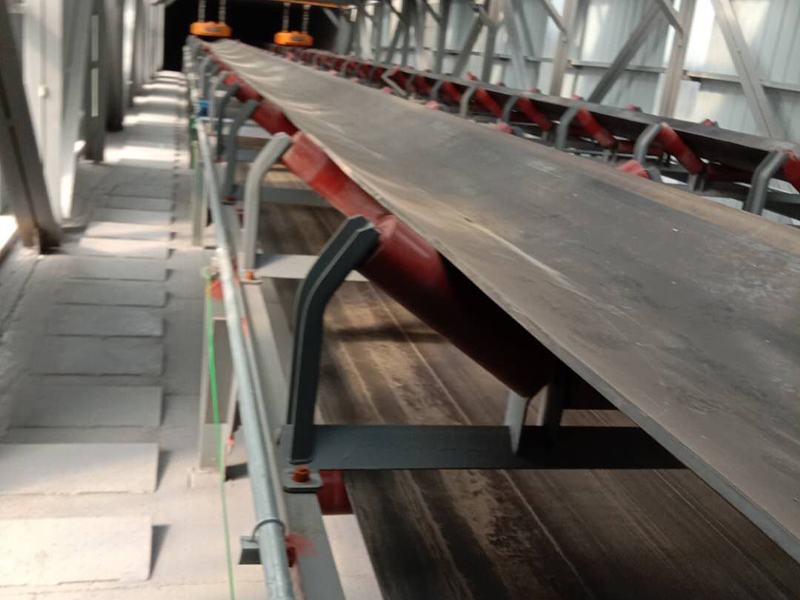
Taihang Steel Plant

Taihang Steel Group

Customized heavy-duty heat-resistant rubber conveyor belts designed to withstand hot blast furnace charge materials up to 220°C without compound cracking or inter-ply delamination.
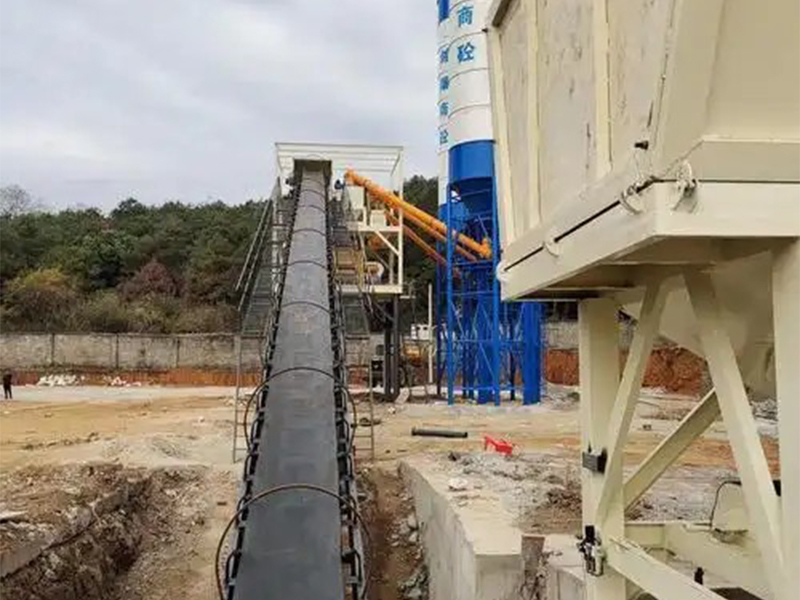
China Railway Mixing

China Railway Group Mixing Plant

Supplied high-inclination corrugated chevron pocket belts to handle aggregate materials at steep angles, optimizing spatial layout in tight infrastructure sites.

Additional Industrial Applications & Project Footprints:

Jidong Cement Group: Clinker transport lines
Jinmei Group: Long-distance overland coal transport
Puyang Steel Group: Sintered material handling systems
Zijin Mining: Heavy copper ore processing crushers

Technical FAQ: Wide Rubber Conveyor Belting

Find authoritative answers to common engineering and procurement questions regarding design, material selection, and maintenance.

Q1: What are the main differences between Polyester (EP) and Nylon (NN) fabric reinforcements?
EP (Polyester-Polyamide) fabric is woven with a polyester warp (longitudinal) and a nylon weft (transverse). This structure provides a high modulus and low elongation under load, making EP belts ideal for long-distance transport where minimal stretch is required. In contrast, NN (Nylon-Nylon) fabric uses nylon in both warp and weft directions, offering higher elasticity, excellent flexibility, and superior resistance to heavy impact. NN belts are typically preferred for shorter distances with heavy drop zones and high impact forces.
Q2: How does cover thickness selection affect the service lifespan of a wide rubber conveyor belt?
The rubber covers (top and bottom) shield the inner fabric or steel cord carcass from wear, impact, and chemical attack. The top cover, which makes contact with the material, is typically thicker (e.g., 4mm to 10mm) to handle abrasive wear. The bottom cover is usually thinner (e.g., 2mm to 4.5mm) as it primarily contacts the pulleys and idlers. Choosing the correct cover grade (such as DIN X, Y, or W) and thickness helps optimize wear resistance, preventing premature exposure and failure of the internal carcass.
Q3: Which rubber compounds are recommended for conveying materials at temperatures above 150°C?
For high-temperature applications (up to 200°C - 250°C), standard natural rubber compounds are replaced with specialty synthetic elastomers, such as EPDM (Ethylene Propylene Diene Monomer) or SBR (Styrene-Butadiene Rubber) blends. EPDM offers excellent resistance to thermal degradation, oxidation, and ozone crack formation, ensuring the belt carcass remains protected from heat transfer when carrying hot materials like cement clinker, slag, or foundry sand.
Q4: How do corrugated sidewall conveyor belts achieve vertical lift angles of up to 90 degrees?
Corrugated sidewall belts use flexible, reinforced vertical rubber walls along the outer edges, combined with horizontal rubber cleats spaced along the center. This design creates pockets that hold materials securely, preventing fallback and spillage. This configuration allows bulk materials to be conveyed at angles ranging from 30° to 90°, making it an effective solution for facilities with limited space.
Q5: Why is checking the rubber's abrasion loss index (DIN 53516 / ISO 4649) crucial for mining operations?
The abrasion loss index measures a rubber compound's resistance to wear from abrasive materials, expressed in cubic millimeters (mm³) of material lost during testing. A lower value indicates higher abrasion resistance. For mining operations handling highly abrasive materials like quartz, iron ore, or granite, using a cover rubber with low abrasion loss (e.g., less than 90 mm³) is essential to prevent premature wear and extend the belt's service life.

Need a Customized Engineering Solution?

Get in touch with the technical sales team at Hebei Boao Rubber Technology. We will design and manufacture conveyor belts tailored to your specific application requirements.

Request Technical Quotation

Specialty Conveyor Systems & Components

Explore our secondary selection of lightweight conveyor belts, high-strength patterned options, and heavy-duty steel wire core lines.
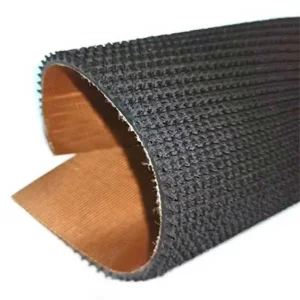
China PU PVC Lightweight Conveyor Belt

China PU PVC Lightweight Conveyor Belt Suppliers - Durable Factory Made Solutions for Various Applications

View Specifications
China Patterned Rubber Conveyor Belt

China Patterned Rubber Conveyor Belt Manufacturer, Factory

View Specifications
China Suppliers Factory of Patterned Conveyor Belts

China Suppliers Factory of Patterned Conveyor Belts: Magic Carpet, Concave, and Convex Designs

View Specifications
Best Heat-Resistant Rubber Conveyor Belts

Best Heat-Resistant Rubber Conveyor Belts from China Factory - Reliable Suppliers for Ordinary and Strong Heat Resistant Options

View Specifications
Best Lightweight Conveyor Belt

Best PVC-PU Lightweight Conveyor Belt - Quality China Supplier & Factory for Durable Solutions

View Specifications
Best Anti Tear Steel Wire Rope Conveyor Belt

Best Anti Tear Steel Wire Rope Core Conveyor Belt - High Quality from China Suppliers & Factory Manufacturers

View Specifications
China Suspended Conveyor Belt Rollers

China Suspended Conveyor Belt Rollers - Trough Shape Idlers from Trusted China Suppliers and Factory Manufacturer

View Specifications
China Anti Tear Steel Wire Rope Conveyor Belt

China Anti Tear Steel Wire Rope Core Conveyor Belt - Reliable China Suppliers & Factory for High-Performance Solutions

View Specifications