Engineered to handle extreme loads, heavy abrasions, temperature variations, and strict hygienic requirements.
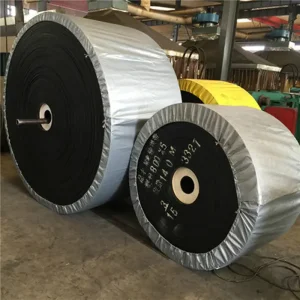
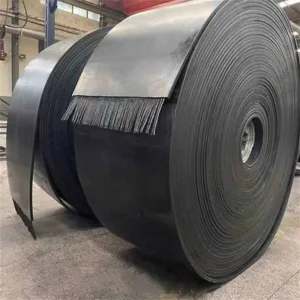
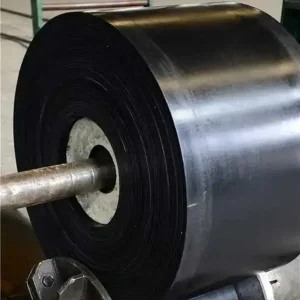
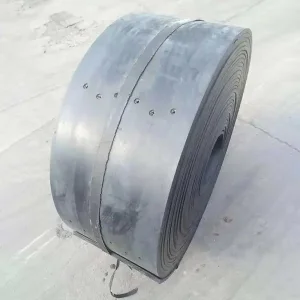
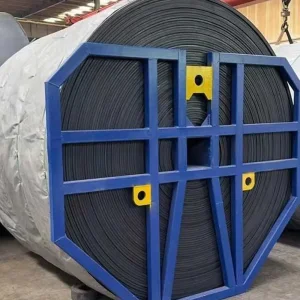
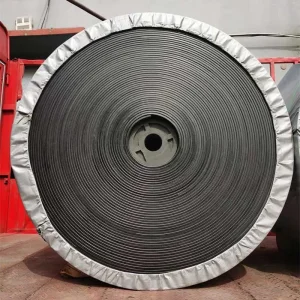
Analyzing high-reliability manufacturing matrices, global user intent trends, and material performance criteria.
In modern industrial processes, the selection of the correct conveying medium is a decision that impacts not just operational throughput, but regulatory compliance, product integrity, and systemic lifecycle costs. While standard black rubber conveyor belts dominate the heavy bulk material industries—such as coal mining, steel metallurgy, and construction logistics—the White Rubber Belt has carved out a vital, non-negotiable niche in specialized, clean, and marking-sensitive manufacturing ecosystems.
A "white rubber belt" is not merely a standard belt with a color modifier. It represents a completely different compounding philosophy. In traditional black rubber, carbon black serves as both a primary reinforcing agent and a volumetric filler, granting the polymer its signature high tensile strength and abrasion resistance. In white rubber belt manufacturing, carbon black is systematically omitted and replaced with non-toxic, non-marking reinforcing fillers such as precipitated silica and titanium dioxide. This critical shift in chemical composition prevents carbon migration and marking while maintaining FDA food-contact standards. At the same time, it requires highly specialized manufacturing facilities to prevent cross-contamination from standard black rubber compounding runs.
Through semantic search analysis of global procurement datasets, we identify key search clusters driving user intent around "White Rubber Belt Manufacturers & Factory":
A Professional China Conveyor Belt Manufacturer Integrating Design, R&D, and Production since 2004.
Founded in 2004, Hebei Boao Rubber Technology Co., Ltd. is located in the Rubber Industrial Park of Boye County, Baoding, Hebei Province, China. Boao covers a modern industrial footprint exceeding 30 acres. Over more than 22 years of continuous engineering evolution, the company has developed under its flagship "Jinao" brand, becoming an integrated production hub for conveyor belts and supporting conveying machinery components.
Our production facilities host state-of-the-art manufacturing lines for rubber mixing, calendering, fabric forming, continuous vulcanization, and material testing. We monitor every step of the process—from the initial formulation of high-purity natural and synthetic rubber compounds to the final quality testing of multi-ply fabric carcasses.
By operating an independent chemical analysis room and physical test laboratory on-site, our quality control team runs real-time checks on tensile strength, elongation at break, abrasion loss index, and polymer aging properties. We strictly enforce a Zero-Defect shipping protocol: raw materials that fail input validation are barred from the compounding room, and finished products that fail performance testing do not leave the factory.
Bridging the gap between high-strength rubber compounding and pristine clean-room operating limits.
Historically, clean processing applications relied on lightweight PVC (Polyvinyl Chloride) or PU (Polyurethane) belts. While these options are thin and easy to clean, they face limitations in demanding industrial environments. When handling bulk agricultural grains, crushed sugar beets, high-temperature processed foods, or chemical fertilizers, PVC and PU belts struggle with high-stress loads, tearing, heat aging, and chemical degradation.
To address this, modern material engineering developed the heavy-duty White Rubber Belt. By incorporating multi-ply synthetic fabric reinforcements (such as high-tensile Polyester-Polyamide EP or Nylon-Nylon NN fibers) with thick white rubber covers, these belts offer the load capacity of standard black industrial belts alongside the hygiene and non-marking qualities required for clean applications.
Formulating a white rubber belt involves replacing carbon black with clean, high-performance alternatives without compromising physical properties:
| Polymer Cover Type | Standard Operating Temp | Oil & Fat Resistance | Abrasion Resistance | Primary Applications |
|---|---|---|---|---|
| White NBR (Nitrile) | -20°C to +100°C | Outstanding | Very High | Food processing, meat handling, oily grain transport, cosmetics |
| White EPDM | -40°C to +150°C | Moderate | Excellent | Baking plants, chemical powder handling, high-heat clean processes |
| White SBR / NR | -30°C to +80°C | Poor | Outstanding | Gypsum board plants, paper mills, sorting facilities, clean packaging |
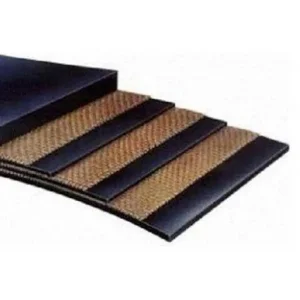
The carcass is the backbone of the belt, defining its load-carrying capacity and elongation properties. Nylon (NN) fabrics provide high elasticity, strong impact resistance, and excellent flexibility for deep troughed setups. Polyester (EP) fabrics, on the other hand, offer lower elastic stretch, meaning less take-up adjustment during long-distance conveying, alongside resistance to moisture and rotting. Modern manufacturing standards require vulcanized edges to seal fabric plies against external humidity, dust, or bacterial ingress, ensuring consistent performance over time.
How automation, raw material sourcing stability, and automated vulcanization lines optimize production costs and quality.
The global industrial landscape relies on stable and resilient supply chains. China's conveyor belt manufacturing sector has transitioned from manual, labor-intensive processes to highly automated Industry 4.0 manufacturing. This transition is evident at Hebei Boao Rubber Technology's Boye County facility, where modern technology supports every stage of production.
A key aspect of this resilience is the regional industrial cluster in Hebei. Boye County acts as a central hub for rubber technology, offering access to high-purity raw materials, synthetic polymers, advanced chemical additives, and high-tensile fabric weaves. This density of supply chain partners minimizes internal transport costs, ensures stable material availability, and reduces overall lead times.
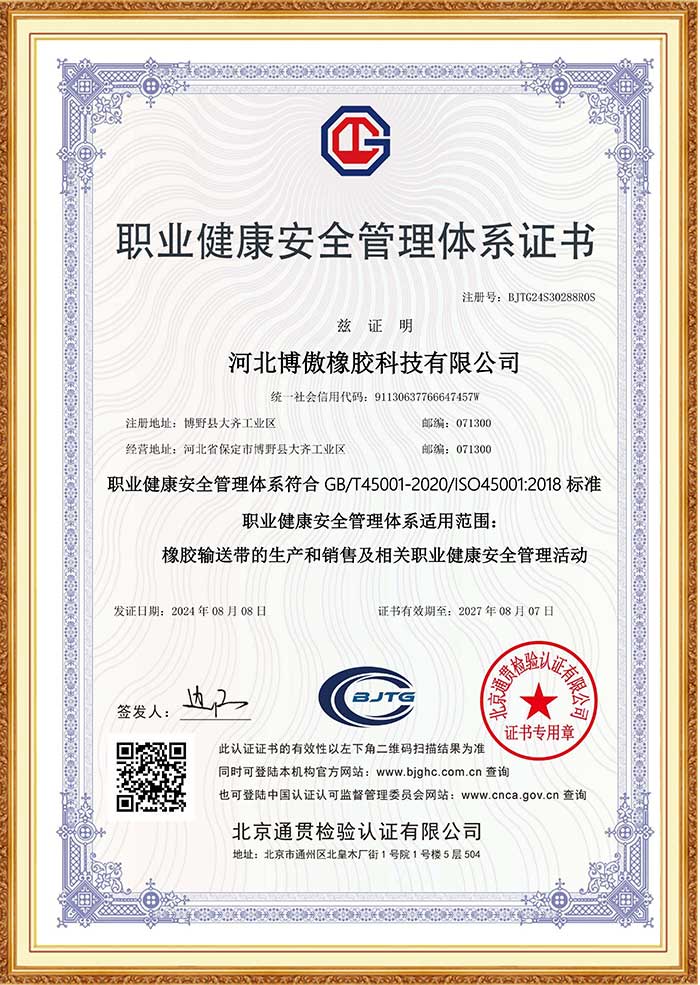
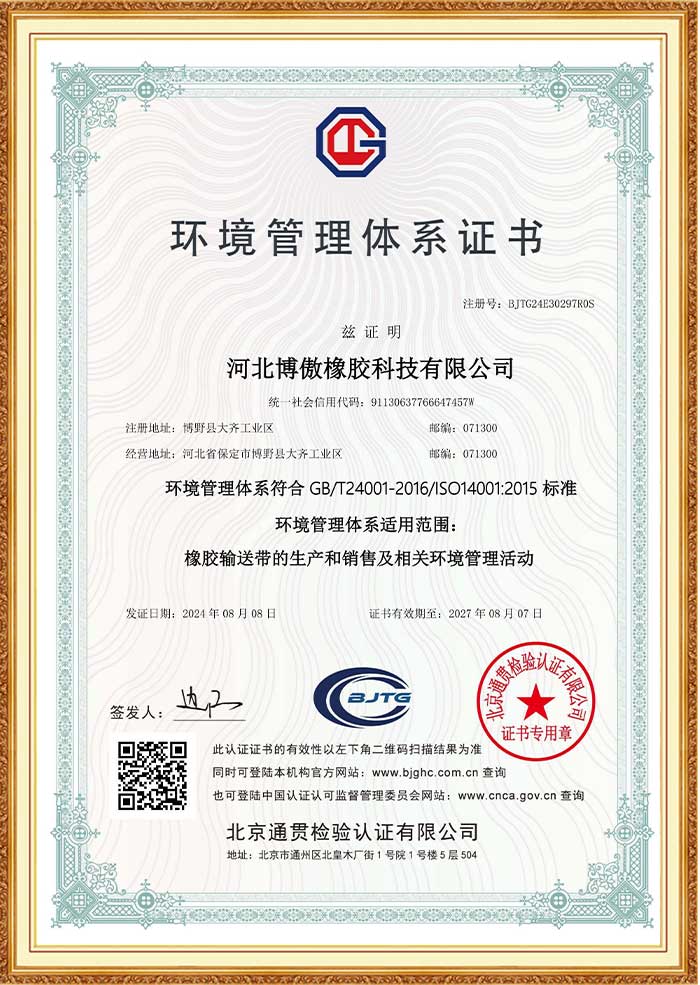
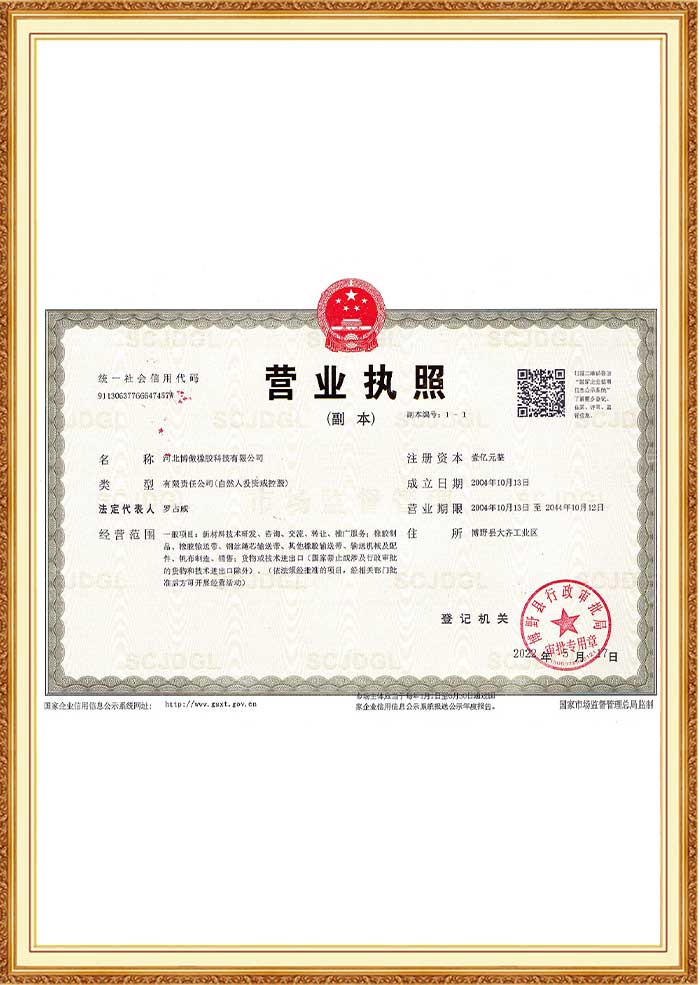
For international buyers, this modernization translates directly to reliable quality and competitive pricing. High-precision manufacturing reduces material waste, while automated testing helps ensure that exports meet international specifications, minimizing the risk of downtime for end users.
Analyzing the performance demands of diverse global operating environments.
No single conveyor belt formulation can meet the requirements of every industry. Industrial operations face varying challenges, from high-heat processing environments to heavy material impact and corrosive chemical atmospheres. Choosing the right belt requires aligning its specifications with the demands of the application:
Grain elevators and silos handle massive volumes of corn, soybeans, wheat, and oilseeds. These systems require flame-retardant (FR) rubber compounds and anti-static covers to prevent dust explosions in enclosed spaces, alongside oil-resistant compounds to withstand organic seed oils.
Conveying sinter, coke, ores, and hot steel parts requires belts capable of enduring continuous temperatures over 200°C. Steel wire rope core belts and specialized multi-ply EPDM heat-resistant covers help prevent thermal cracking and carcass deformation under these conditions.
Acid and alkali-resistant conveyor belts are essential for handling chemical salts, fertilizers, and processed ores. These belts utilize rubber compounds designed to resist chemical swelling, surface cracking, and ply separation caused by exposure to acids and bases.
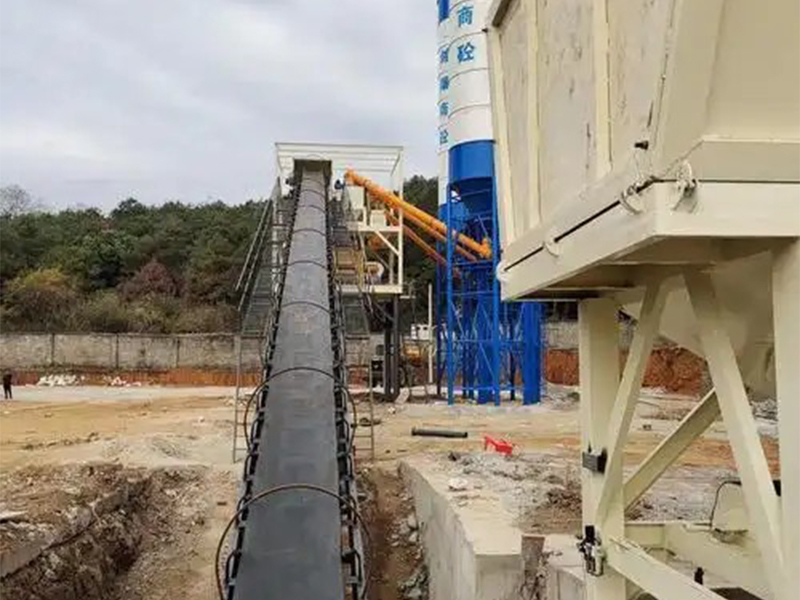
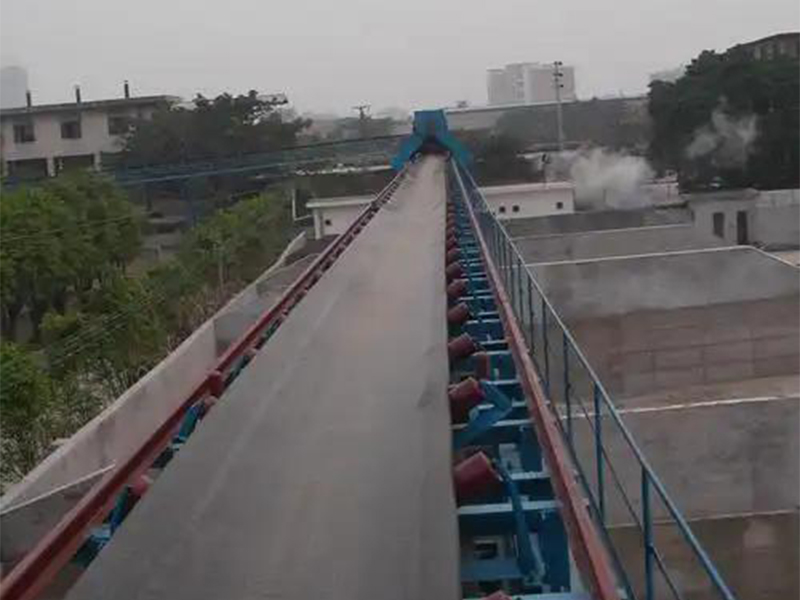
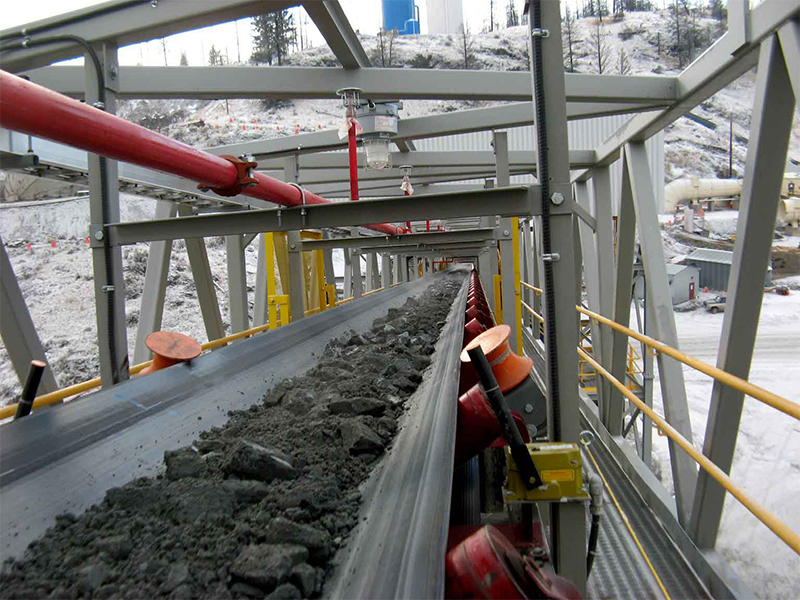
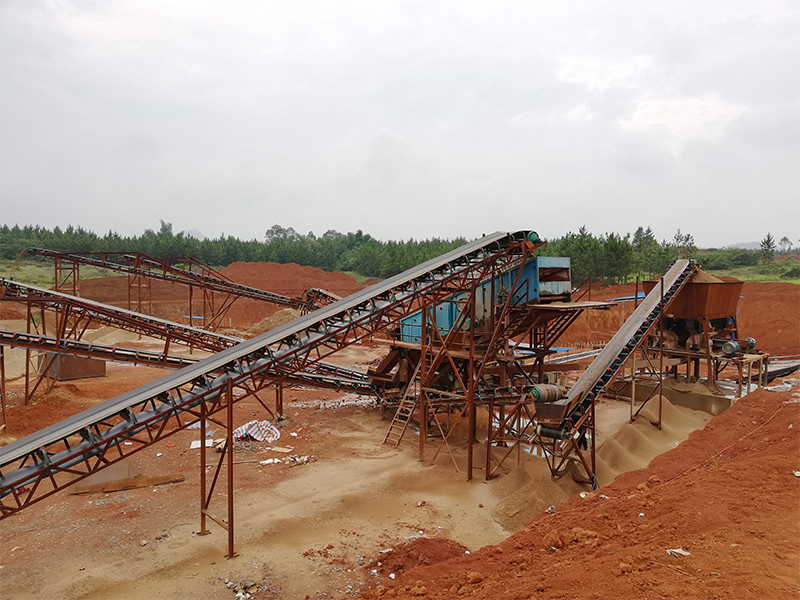
Hebei Boao's conveyor products are utilized across several major heavy industry operations throughout China. Our belts support continuous material transport lines for leading cement plants, steel manufacturers, and resource extraction groups:
Maximizing belt service life, reducing unscheduled downtime, and optimizing conveying operations.
A conveyor belt represents a significant capital investment. Achieving a low cost-per-ton of hauled material requires active maintenance and lifecycle management. Hebei Boao provides technical support plans to assist clients in maintaining their systems, extending service life, and resolving operational issues:
Our technical team performs on-site evaluations of conveyor structures, analyzing alignment, pulley lagging wear, idler rotation resistance, and tracking stability. Identifying mechanical issues early helps prevent uneven wear and edge damage to the conveyor belt.
We supply vulcanizing materials, hot-splicing compounds, and cold-bonding repair kits. Standardized splicing methods preserve structural integrity at the joint, helping maintain high tensile strength across the entire loop.
For key facilities, we coordinate safety stock programs to manage emergency replacements. Maintaining replacement belts in controlled storage helps operators respond quickly to unplanned belt failures and minimize downtime.
Addressing the core technical questions of global procurement managers and system designers.
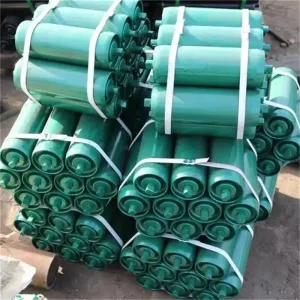
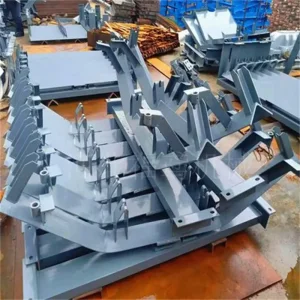
Precision-machined brackets, idlers, and support components ensuring optimal tracking and structural longevity.
 Boao Rubber