Explore our elite engineering series built to optimize material flow, withstand harsh temperatures, and deliver high impact protection in diverse industrial applications.
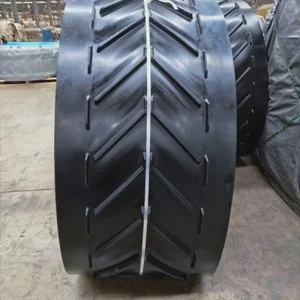
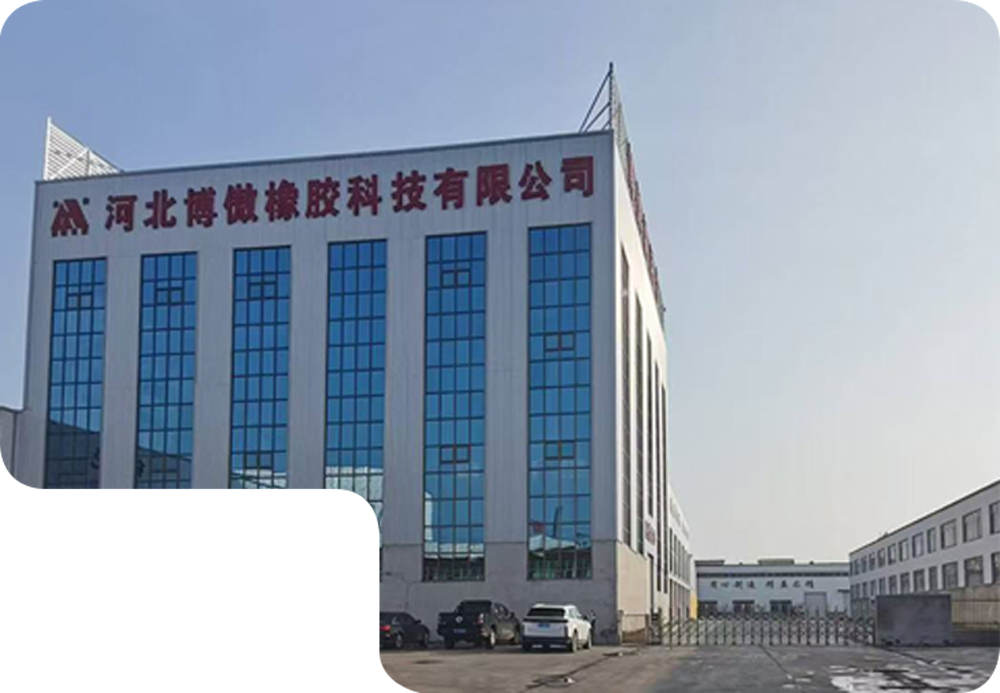
Hebei Boao Rubber Technology Co., Ltd. is located in the Rubber Industrial Park of Boye County, Baoding, Hebei Province. Founded in 2004, the company covers an area of over 30 acres. Our products are recognized and widely distributed under our premium registered trademark, the "Jinao" brand.
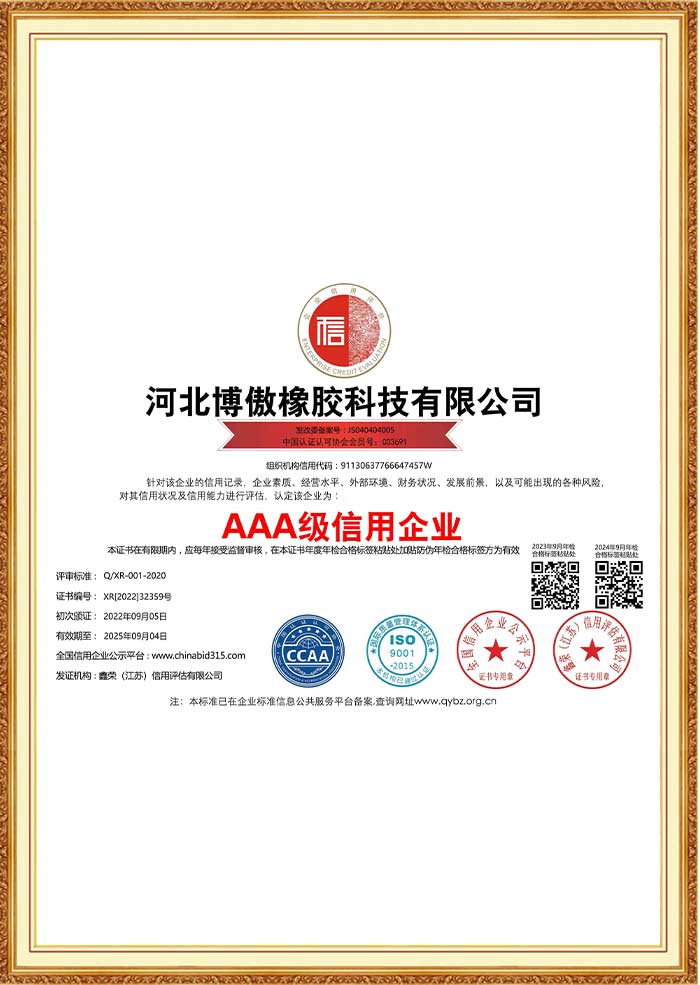
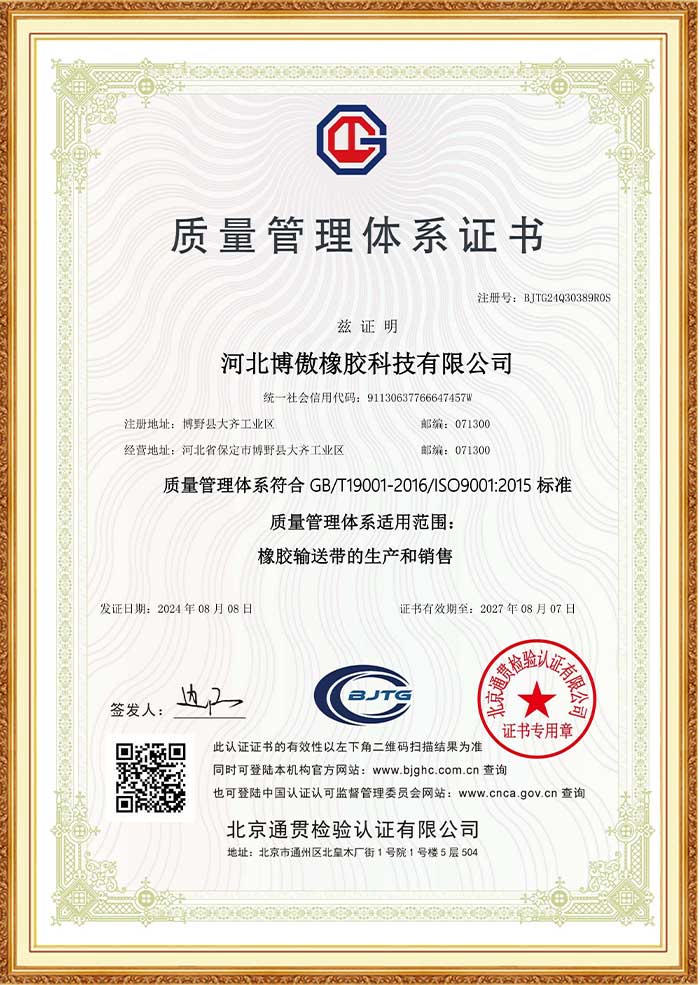
We are a professional manufacturer in China integrating product research, design, chemical composition analysis, specialized manufacturing, and full-cycle technical customer support for heavy-duty rubber belts, industrial tape machine belts, and conveyor system support accessories. We have proudly passed the international quality management system certification (ISO 9001), ensuring that our operational processes meet high-level quality controls from raw polymers to finished delivery packages.
Our facility houses multiple advanced process lines for raw compounding, calendering, molding, vulcanization, and material stress-strain testing. This allows us to offer extensive customization for challenging heavy industrial requirements.
Under strict adherence to top industry guidelines, we leverage our unique manufacturing footprint to balance performance with raw material cost-savings.
We maintain an on-site, independent chemical analysis facility and advanced physics lab. This enables our technicians to trace every workflow phase—from the grading of raw crude rubber and reinforcing polymers to finished product load tests. Unqualified inputs are rejected at the gate; items that fall below DIN/ISO requirements never leave our loading docks.
Our quality control department is staffed by experienced rubber compound specialists and field testing engineers. Operating state-of-the-art tensile testing rigs, ozone aging chambers, fire-performance combustion chambers, and ultrasonic steel wire fault locators, we systematically eliminate variables that could compromise field operation lifespan.
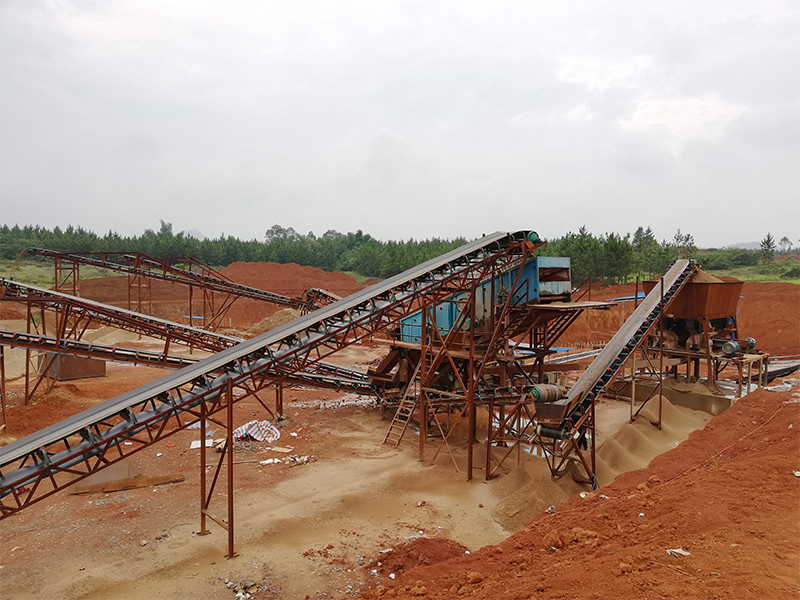
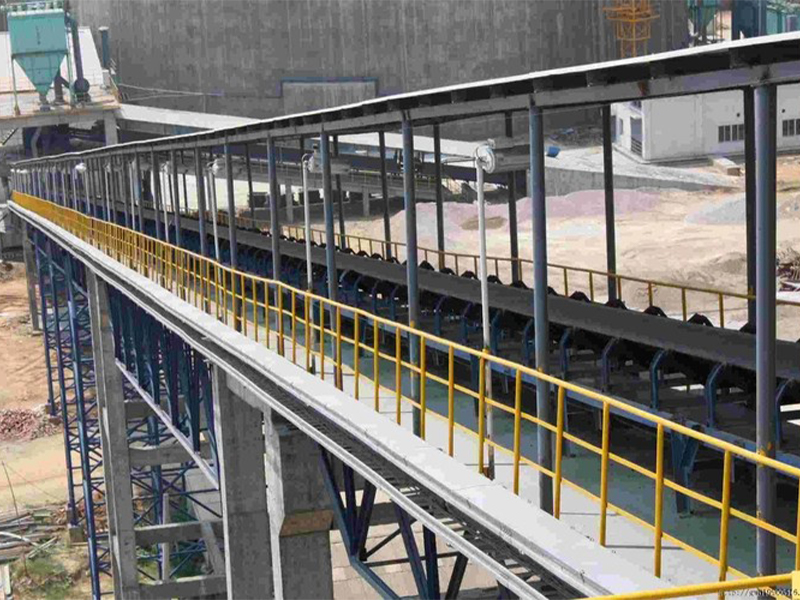
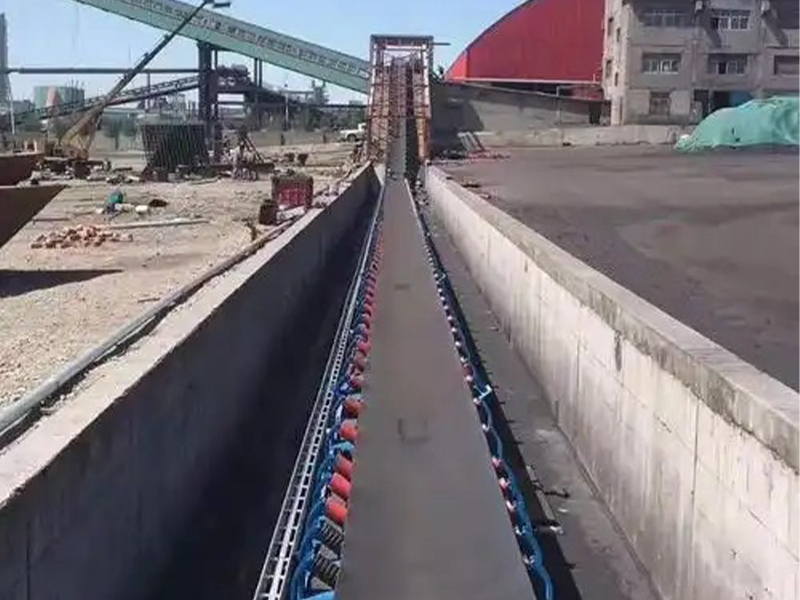
Boao belts are deployed across demanding environments worldwide and in key industrial clusters throughout China. Our products provide durable material transport in high-throughput ports, coal generation plants, steel blast furnaces, deep-shaft mines, and agricultural bulk hubs.
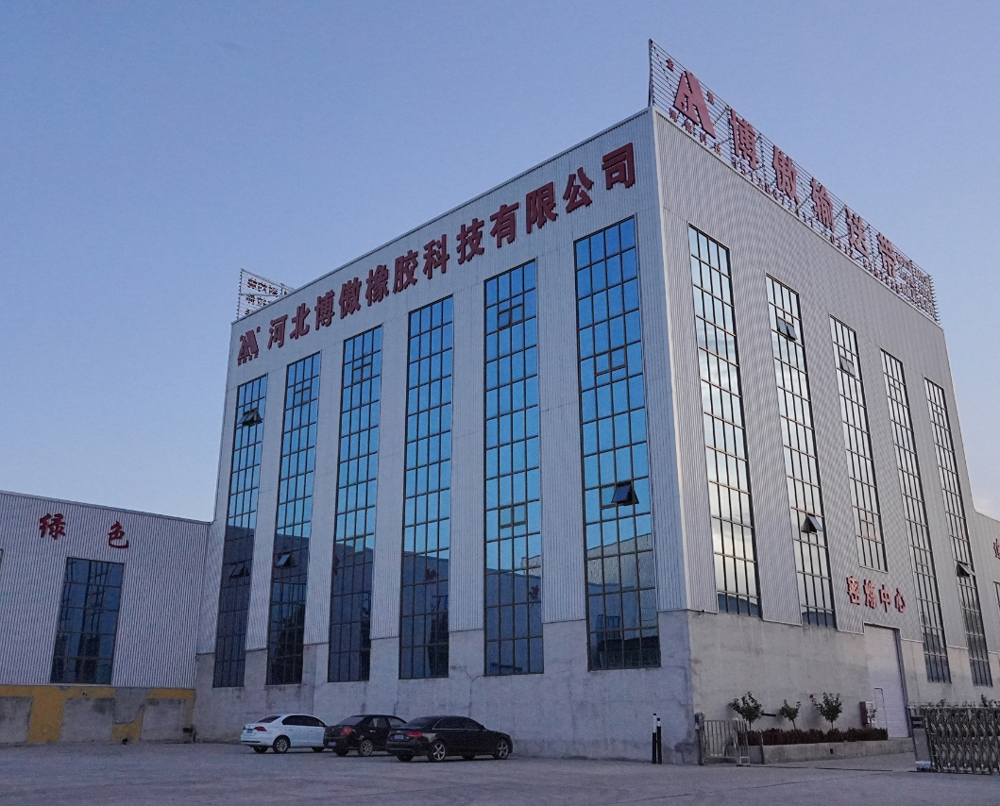
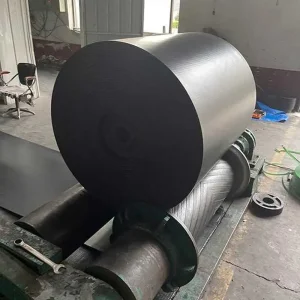
In the modern industrial landscape, rubber conveyor belts (commonly translated or referred to as tape machine belts) function as the primary structural system for bulk materials transport. Moving coal, crushed aggregates, high-temperature slag, or chemical fertilizers across long distances requires belts that survive extreme tensile stress, mechanical wear, temperature spikes, and abrasive loads. As a leading manufacturer, Hebei Boao Rubber Technology Co., Ltd. customizes elastomer chemical bonds to handle these challenging environments.
Understanding standard classifications helps engineers select the right belt for their specific conveyor layout. Below is a structural comparison based on DIN 22102 and ISO standards:
| Cover Grade (DIN 22102 / ISO) | Tensile Strength (Min. MPa) | Elongation at Break (Min. %) | Abrasion Loss (Max. mm³) | Primary Industrial Use Cases |
|---|---|---|---|---|
| Grade W | 18 | 400 | 90 | Extremely abrasive materials: crushed granite, quartzite, glass cullet, and abrasive ores. |
| Grade X | 25 | 450 | 120 | Heavy-impact rocks, high-drop aggregate transfer points, sharp metallic slags. |
| Grade Y | 20 | 400 | 150 | General purpose: coal, cement dust, clay, wood chips, non-abrasive aggregates. |
| Grade Z | 15 | 350 | 250 | Light duty, agricultural grains, sand, and soil conveying systems. |
A rubber belt's structural performance relies on its internal carcass. We offer three primary types of reinforcement to meet different span and load requirements:
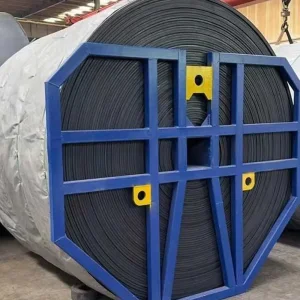
We maintain a modern quality management process. Every roll of Jinao brand rubber belt is certified and fully traceable.
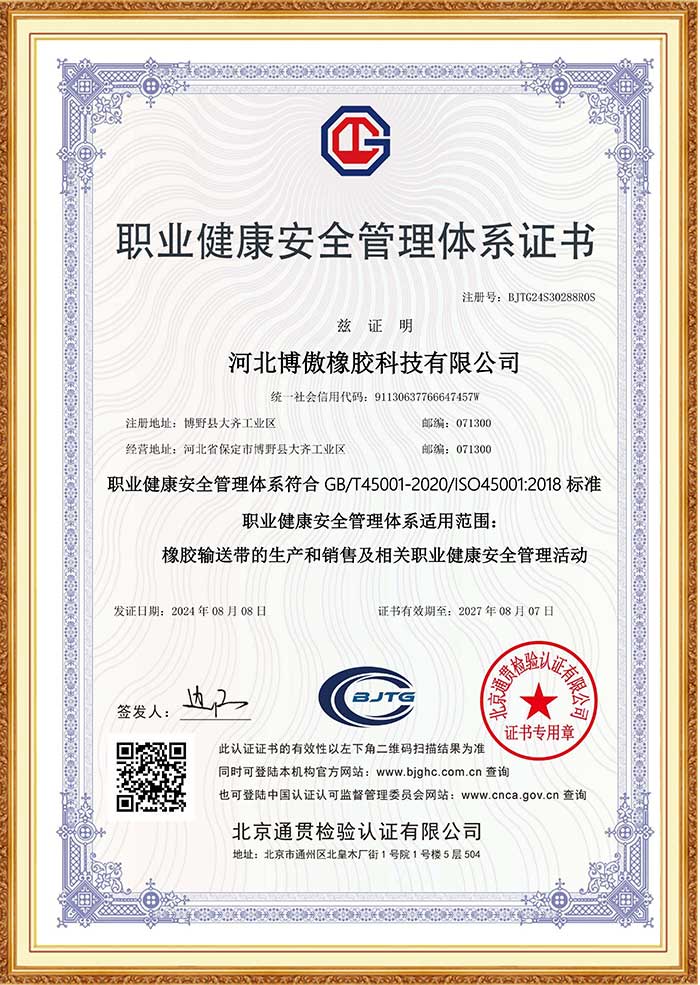
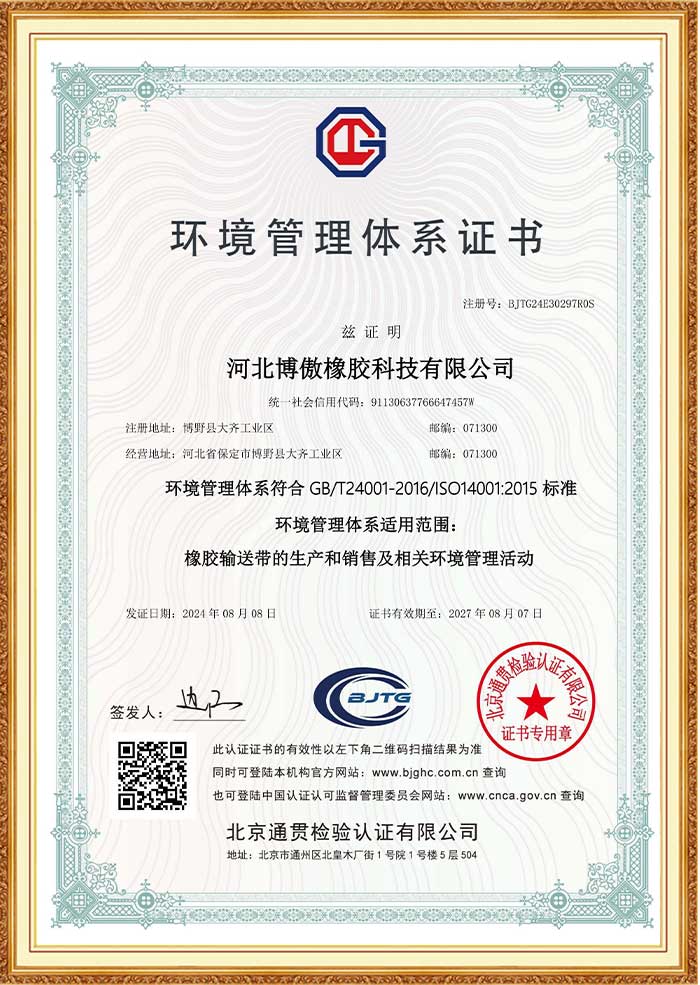
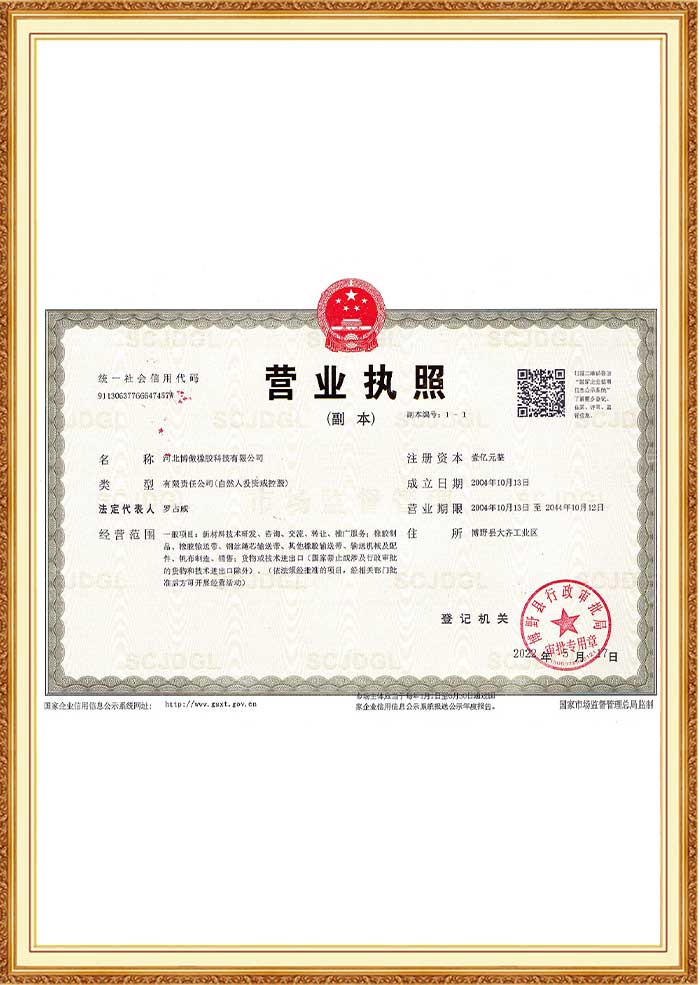
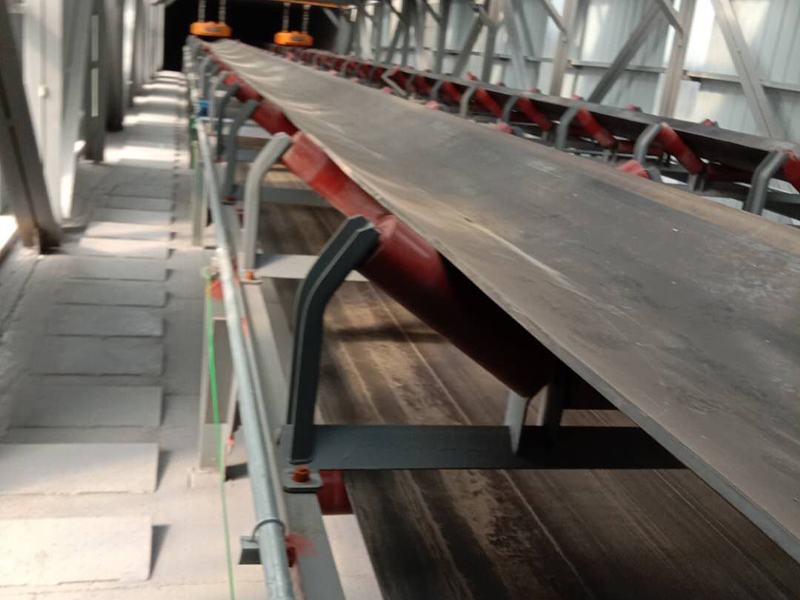
We provide a comprehensive range of bulk handling solutions, including specialized rubber covers and robust metal support frames.
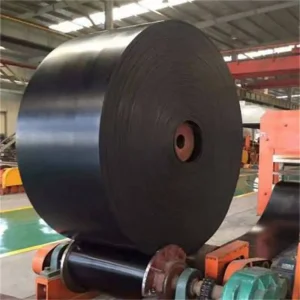
This series includes multi-ply fabric-reinforced belts, such as polyester (EP), nylon (NN), and cotton-polyester (PP) blends. It features specialized models for heat resistance, sub-zero cold conditions, acidic/alkaline environments, and oil-heavy processing facilities.
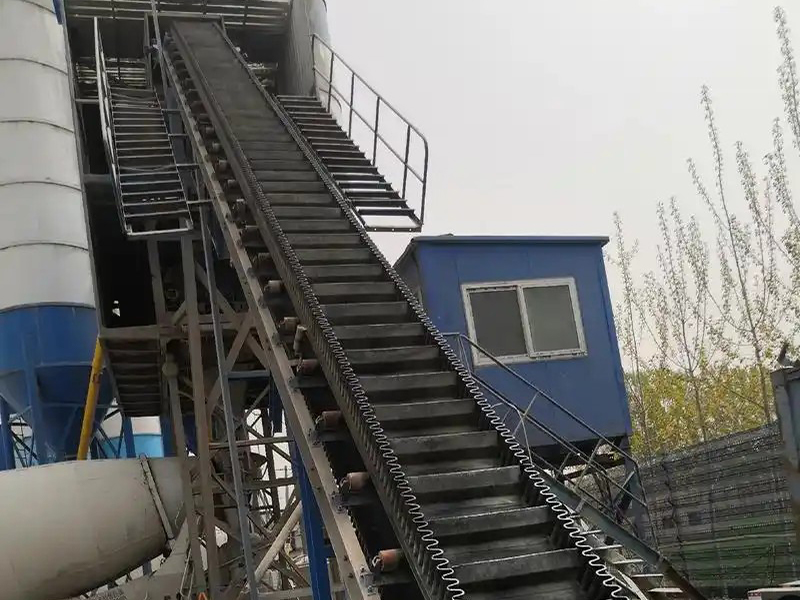
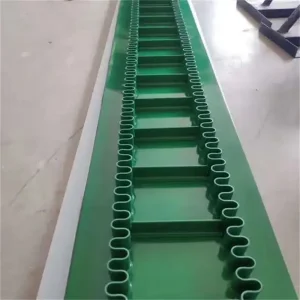
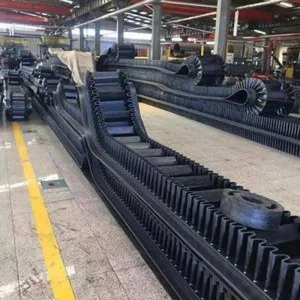
We supply unique configurations like steep incline corrugated sidewall belts, molded herringbone/V-pattern profiled belts, endless vulcanized joint loops, lifting bucket elevator belts, and high-impact steel wire mesh rip-stop designs.
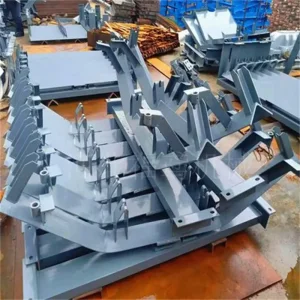
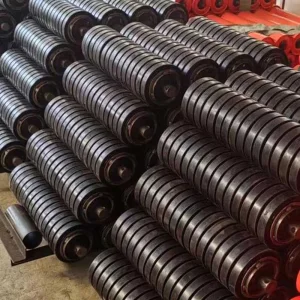
We manufacture matching conveyor system components, including troughing steel rollers, ceramic pulley lagging, self-aligning training idlers, high-impact rubber discs, steel support brackets, and drive pulley assemblies.
Purchasing rubber conveyor belts directly from factories in China offers key strategic advantages for procurement managers, distributors, and engineering contractors:
Our facility in the Rubber Industrial Park of Boye County, Hebei, is located within a major industrial cluster for raw materials, chemical additives, fabric weaving mills, and processing machinery. This proximity reduces raw materials transit times, helps control manufacturing costs, and streamlines production scheduling.
We operate multi-ram, high-pressure vulcanizing presses that apply consistent temperature and pressure across the entire belt width. This uniform curing helps prevent delamination, uneven wear, and splice failures under high tension.
We customize fabric counts, cover rubber thicknesses, and compound formulas to meet specific customer requirements. This targeted engineering provides cost-efficient configurations without over-specifying raw materials.
Jinao rubber belts are deployed in major operations nationwide, supporting key infrastructure, mining, and metallurgy organizations.
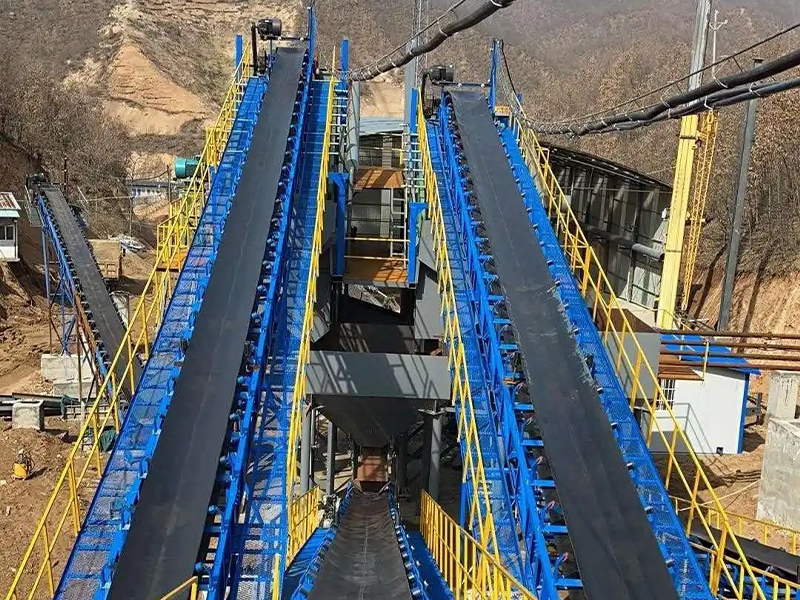
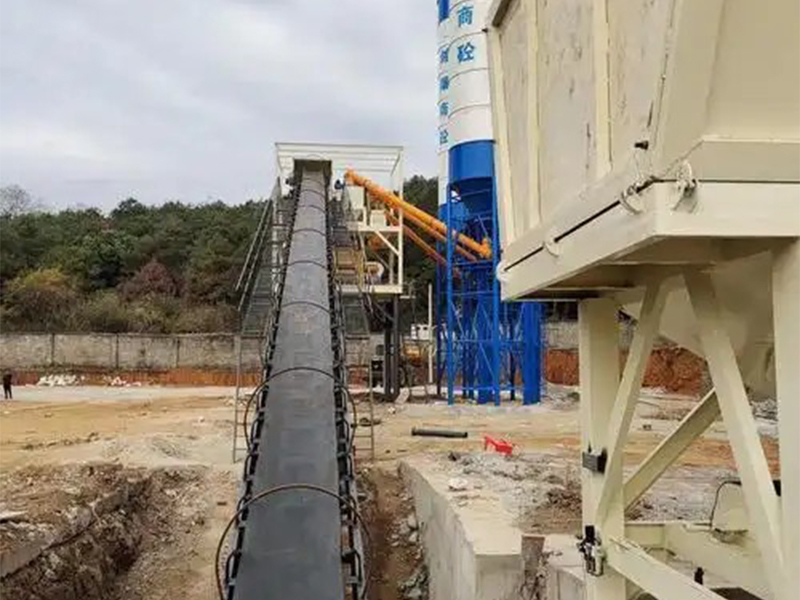
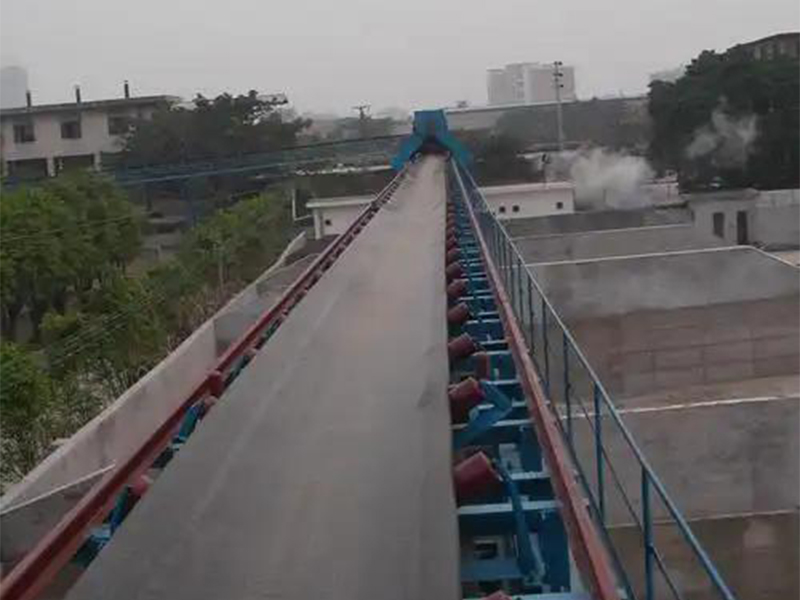
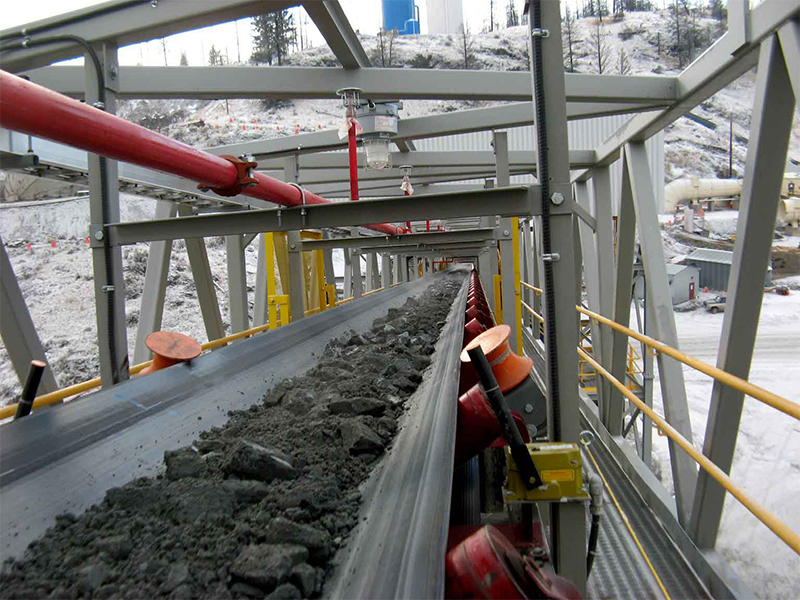
We go beyond manufacturing by providing full-service technical support, helping customers avoid dealing with multiple component vendors.
We provide preventative maintenance planning, carcass replacement, vulcanized splice repairs, structural inspections, and emergency technical support for conveyor belt installations.
We supply rubber repair materials, maintain safety stock levels for key clients, conduct routine inventory checks, perform vulcanized splicing, and provide regular structural monitoring.
Our service standards focus on optimizing belt system uptime, reducing cover rubber wear, preventing mistracking, and lowering total operating costs for our clients.
We develop custom service plans designed to extend belt life, stabilize mechanical performance, and minimize wear on pulleys and idlers.
Professional insights on polymer engineering, belt selection, and system troubleshooting.
Premature wear is often caused by mismatched rubber covers or improper loading chute design. If highly abrasive ore is dropped from a significant height, it causes micro-tears in standard covers. Using a high-grade cover, such as DIN Grade W, which features high abrasion resistance, and installing impact idler rollers at transfer points can help reduce wear.
Multi-ply fabric belts (EP or NN) are suitable for short to medium distances and lower tension systems. For long-distance overland conveyors, high lift heights, or high-capacity systems, Steel Wire Rope Core belts are preferred because they offer low structural elongation (under 0.2%) and high tensile strength.
Flame-retardant belts are formulated with specialized polymers containing chlorinated paraffin, antimony trioxide, or aluminum trihydrate. These compounds release flame-suppressing vapors when heated, helping to extinguish the flame once the heat source is removed and preventing flame spread along the conveyor system.
Polyester (EP) fabrics have a high initial modulus, meaning they stretch very little under load, making them ideal for long-distance conveyors. Nylon (NN) fabrics offer higher elasticity and impact resistance, which helps absorb shock loads at transfer points and allows for smaller pulley diameters.
Corrugated sidewall belts permit vertical transport of bulk materials at angles up to 90 degrees. By utilizing wavy sidewalls and horizontal cleats, they prevent material fallback, allowing plants to maximize vertical space and eliminate the need for long, traditional inclined conveyors.
We maintain an on-site testing lab that checks raw polymer grades before compounding. Our quality control team runs tensile tests, abrasion resistance tests, and ultrasonic checks on every batch to ensure conformity to international standards before shipping.
We provide tailored configurations, belt thickness options, and bulk roll packaging solutions to match your engineering requirements. Contact our engineering team for specifications and factory pricing.
INQUIRE NOWSelect from our range of lightweight fabric, nylon-reinforced, heat-resistant, high-angle, and elevator rubber conveyor belts.
 Boao Rubber