Engineered for high load capacities, minimal elongation, and unparalleled service lifetime under harsh industrial environments.
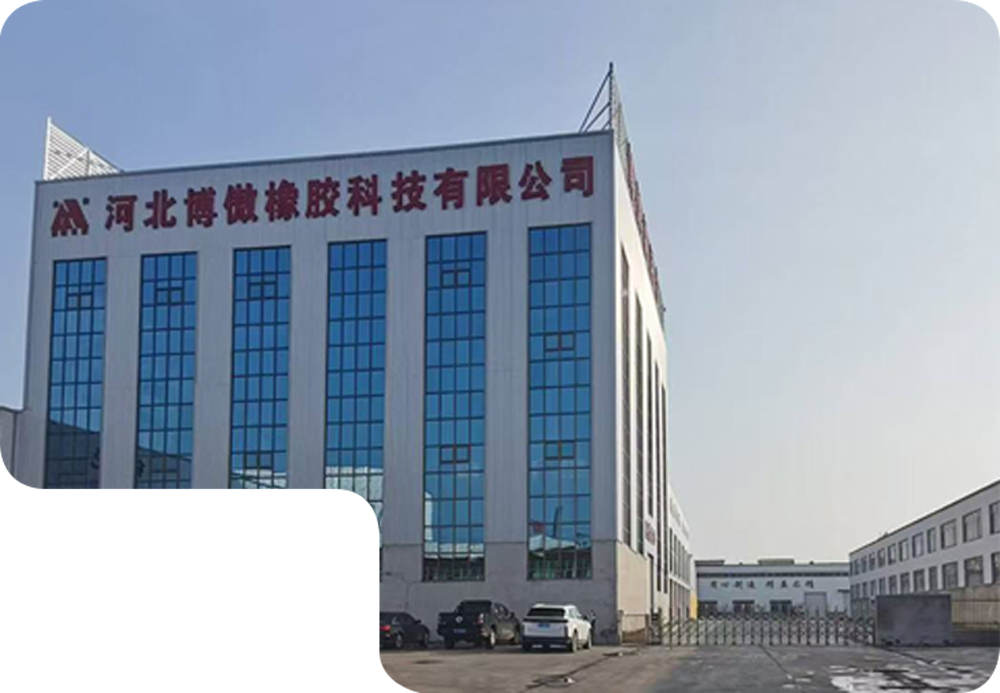
Industrial Vulcanization Authority
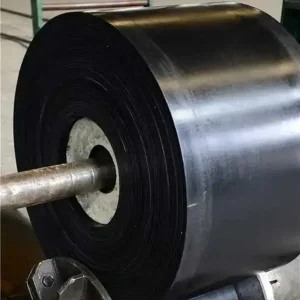
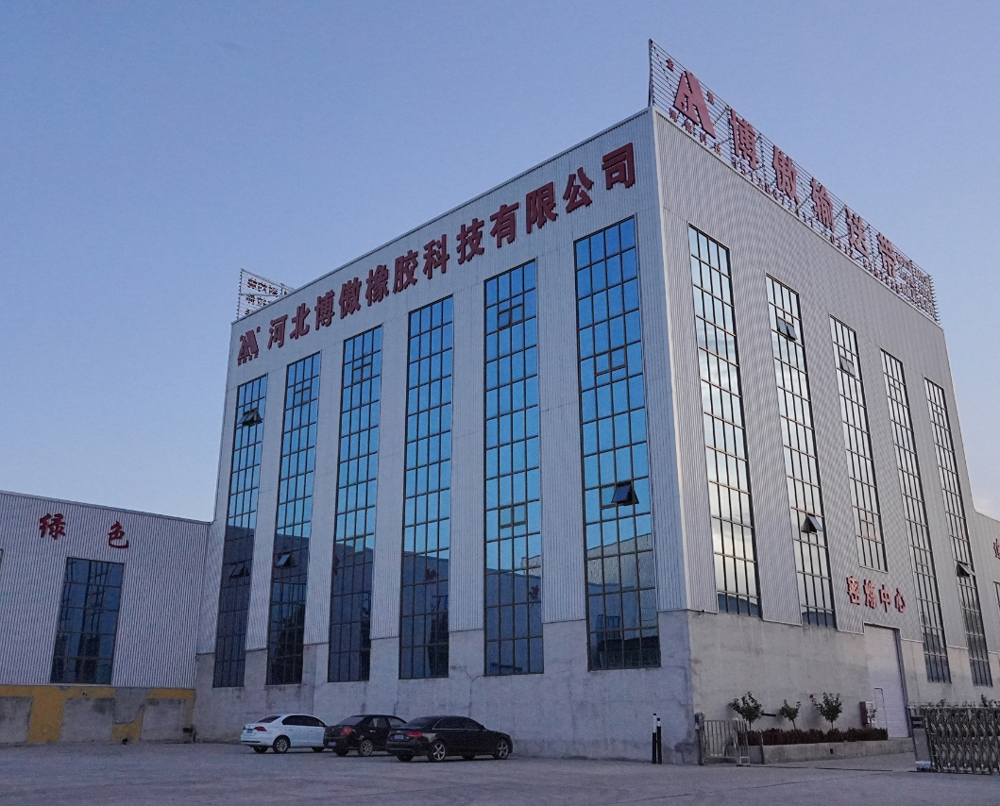
Founded in 2004 and spanning over 30 acres in the Rubber Industrial Park of Boye County, Baoding, Hebei Province, Hebei Boao Rubber Technology Co., Ltd. has developed into a premier industrial manufacturer integrating conveyor engineering, structural design, and advanced testing. Producing high-performance belts under our registered "Jinao" brand, our manufacturing systems satisfy the rigorous standards of ISO 9001, DIN 22131, and AS 1333.
Equipped with modern production lines for rolling, forming, vulcanization, and advanced chemical and physical testing labs, we monitor quality at every stage—from the raw steel cords and polymers to the final product shipment. Whether handling massive mining lines, steel works, or high-capacity ports, Jinao conveyor belts deliver maximum service life and efficient transport.
Understanding the critical demand for steel wire reinforced belts in high-tension, heavy-duty material handling operations.
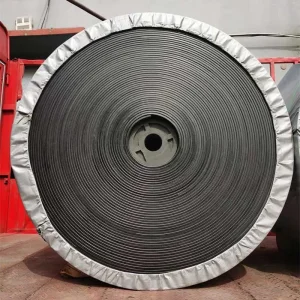
In modern bulk handling logistics, the transport of millions of tons of heavy material over kilometers requires a conveyor carcass that can withstand immense tensile loads with minimal elastic elongation. This is where steel cord conveyor belts are irreplaceable. Unlike multi-ply fabric belts, which suffer from mechanical wear and creep under high tensions, steel cord conveyor belts rely on longitudinally aligned, zinc-galvanized high-carbon steel wire ropes embedded inside robust synthetic rubber matrices.
Globally, demand is driven by the scaling up of extraction operations in mining (coal, iron ore, copper), massive handling capacities at deepwater port terminals, cement factories, metallurgical operations, and chemical manufacturing. As supply chains move towards longer overland systems to bypass trucking costs, belts must feature high tensile strengths (up to ST7500 and beyond), superior impact damping, outstanding troughability, and flame resistance. High-quality steel cord conveyor belts reduce structural friction, drop power consumption, and eliminate splice failures.
Steel cord cores deliver high tensile strengths, letting engineers design overland transport routes stretching tens of kilometers without intermediate transfer stations, minimizing complex transfer maintenance points.
With an elastic stretch rating under 0.1% at design load, take-up stroke requirements are reduced, saving space and structural cost at drive stations and tail pulleys.
Without a rigid transverse fabric structure, steel cord belts form deeper troughing angles (up to 45° or higher). This increases load cross-sections, preventing spillage on fast-running lines.
Standard design parameters for "Jinao" steel cord conveyor belts, matching international performance benchmarks.
| Belt Specification (DIN 22131) | Tensile Strength (N/mm) | Max Cord Diameter (mm) | Cord Pitch (mm) | Cover Thickness Top/Bottom (mm) | Approximate Weight (kg/m²) |
|---|---|---|---|---|---|
| ST 630 | 630 | 2.8 | 12.0 | 5.0 + 5.0 | 17.8 |
| ST 1000 | 1000 | 4.0 | 12.0 | 6.0 + 6.0 | 22.5 |
| ST 1600 | 1600 | 5.0 | 15.0 | 6.0 + 6.0 | 27.9 |
| ST 2000 | 2000 | 5.8 | 15.0 | 8.0 + 6.0 | 33.2 |
| ST 3150 | 3150 | 7.4 | 15.0 | 8.0 + 8.0 | 41.5 |
| ST 4000 | 4000 | 8.9 | 17.0 | 8.0 + 8.0 | 49.6 |
| ST 5400 | 5400 | 11.3 | 17.0 | 10.0 + 10.0 | 64.1 |
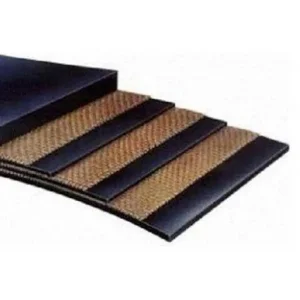
Carcass Core: We use open-twist, zinc-galvanized high-tensile steel cords. The zinc coating forms a chemical bond with our proprietary adhesive rubber compound, protecting cords against internal corrosion, micro-friction, and cord fatigue under cyclic bending stresses.
Adhesion Compound: The middle rubber compound penetrates the spaces inside each steel strand. This full rubber penetration protects the wires from moisture-driven corrosion and distributes shear force evenly during operations, preventing steel cord pull-out under tension.
Boye County in Baoding, Hebei, is a major industrial hub for rubber conveyor belts. At Hebei Boao Rubber Technology, we turn this regional scale into efficiency for global purchasers. Our raw materials, from high-grade natural rubber and advanced carbon blacks to specialized zinc-plated steel cords, are sourced directly from domestic partners, reducing material lead times and handling costs.
Efficiency goes beyond supply logistics; it is built into our production machinery. We operate multi-roll calendering systems that keep cover thickness tolerances within fractions of a millimeter. Our automated flat vulcanizing presses apply uniform temperature and pressure across the entire belt width, ensuring balanced compound curing and curing consistency. These automated processes reduce waste, cut energy consumption, and lower manufacturing costs while maintaining high quality standards.
Every batch of "Jinao" brand conveyor belts undergoes strict testing before leaving our facility. We operate an independent physical laboratory and a chemical analysis room. Our technicians test incoming raw materials and inspect finished belts to guarantee performance.
Our quality control program includes:
Inside our ISO-certified Baoding factory: precision calendering, heavy vulcanization, and advanced testing setups.
Adapting conveyor belts to match local site challenges, extreme temperatures, and chemical exposures.
Designed for sinter plants, cement clinker lines, and chemical processing. We use custom EP/EPR cover profiles that resist thermal cracking, hardening, and structural degradation over long thermal exposures.
For operations in Nordic countries, Northern China, and Canada. Standard rubber cover materials lose elasticity in extreme cold. Jinao cold-resistant formulations keep their flexibility and impact absorption under sub-zero temperatures.
For fertilizer facilities, copper leaching mines, and chemical processing plants. Our specialty cover polymers resist chemical swelling, softening, and deterioration, protecting the steel cord core from corrosion.
Essential for underground coal mines and silos. We engineer self-extinguishing covers to prevent fire propagation along the conveyor gallery, meeting MSHA, DIN, and AS safety criteria.
For sorting hard ores and handling aggregate materials. By embedding transverse textile or high-tensile steel cord breakers above the steel core, we prevent sharp rocks from puncturing the belt.
A cost-effective solution for overland conveyors. Formulated cover compounds reduce power consumption by decreasing indentation losses as the belt runs over idlers.
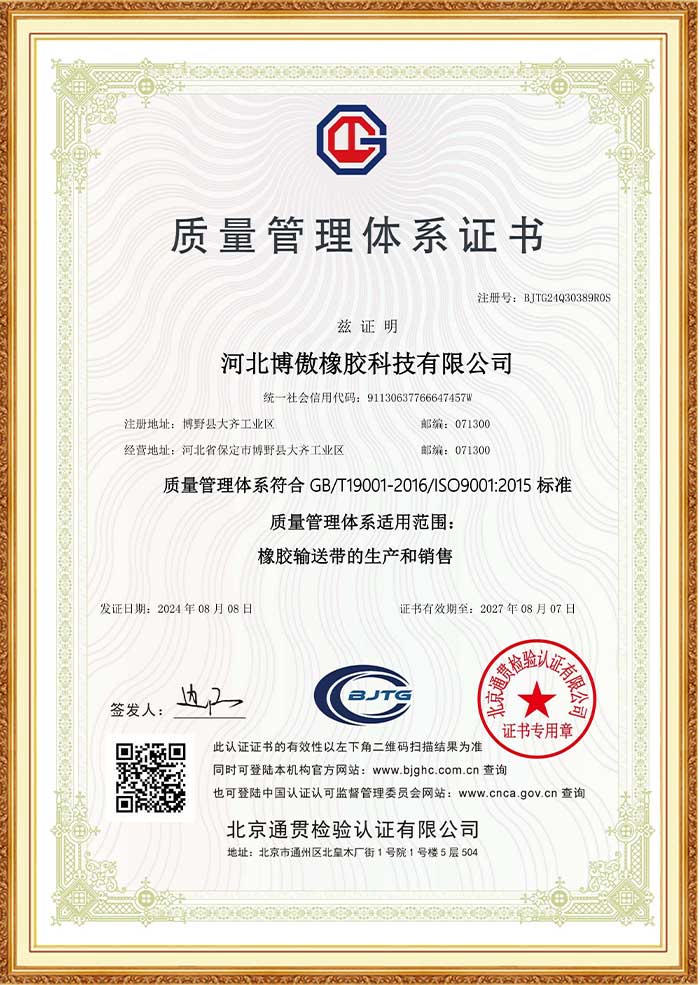
Our manufacturing and quality systems conform to international certifications to ensure product reliability.
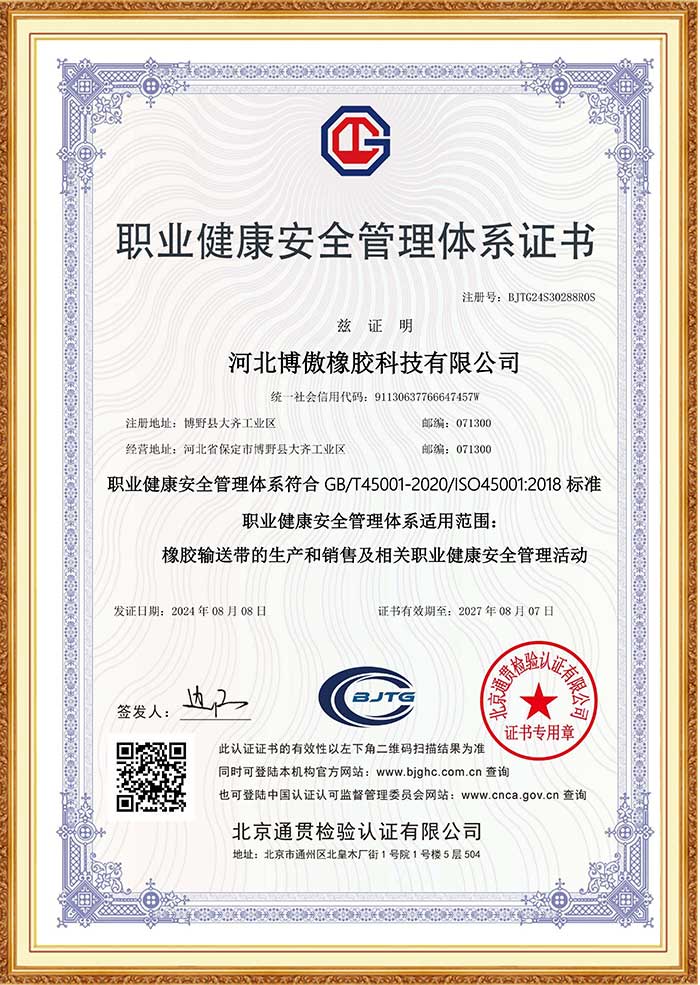
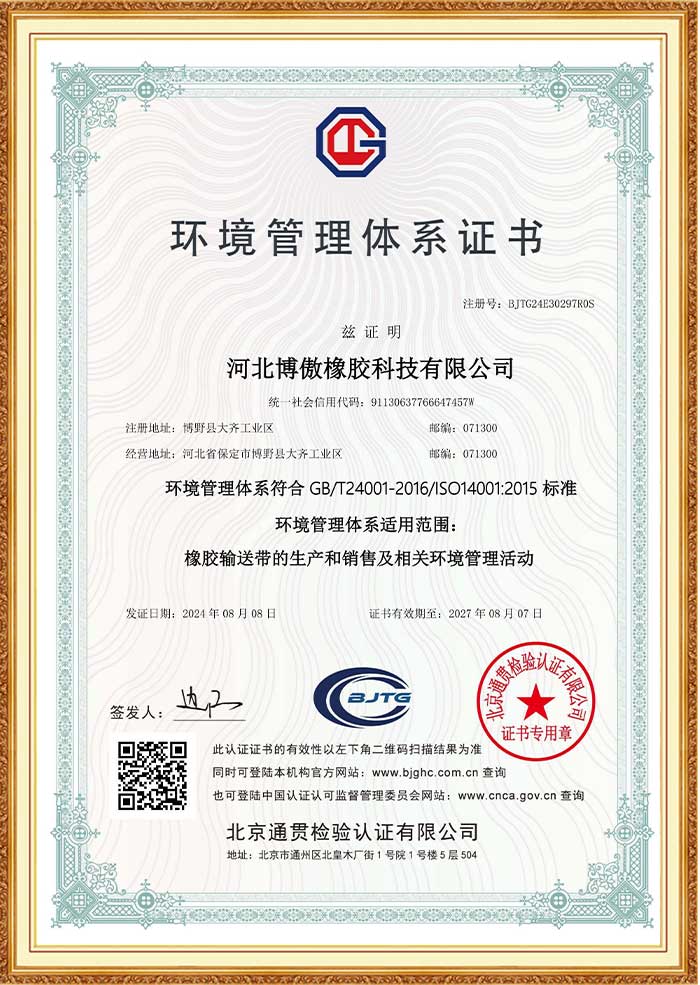
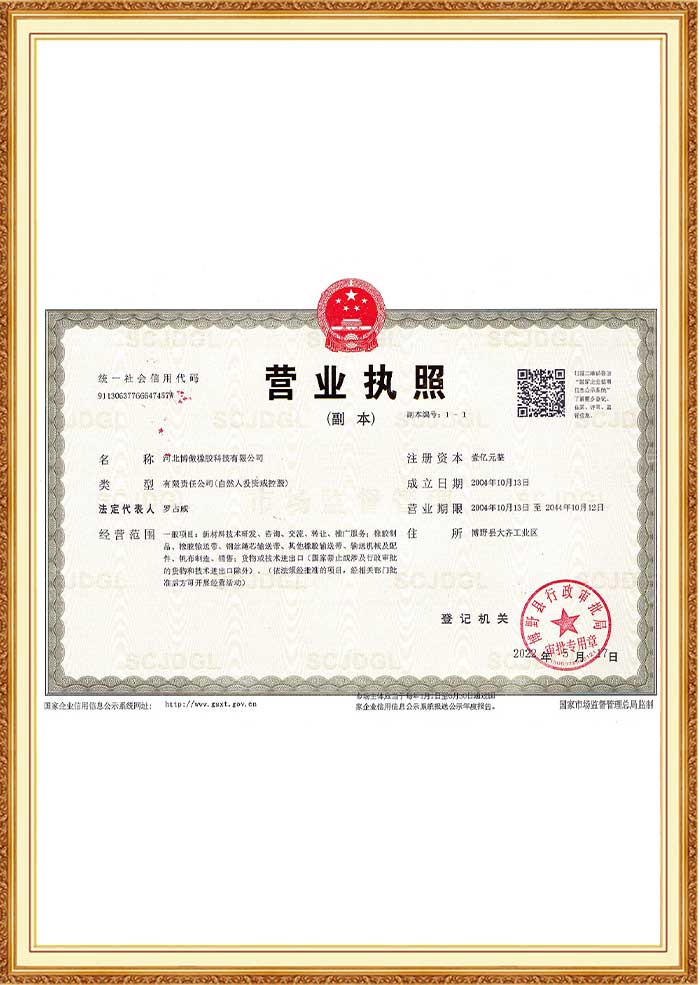
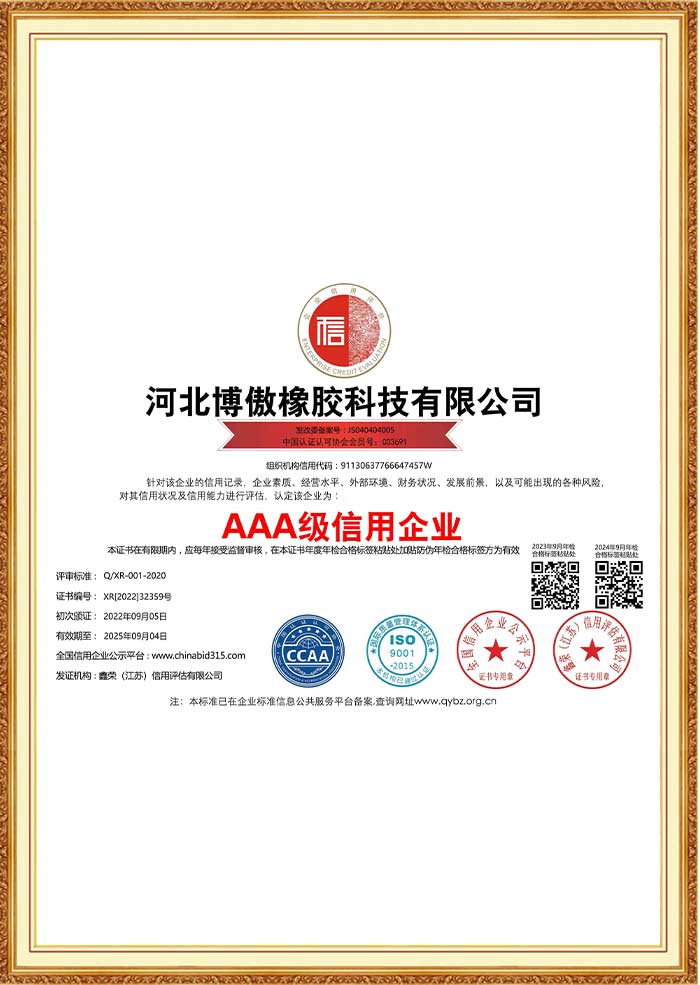
How Hebei Boao supports operations in major domestic and global industrial groups.
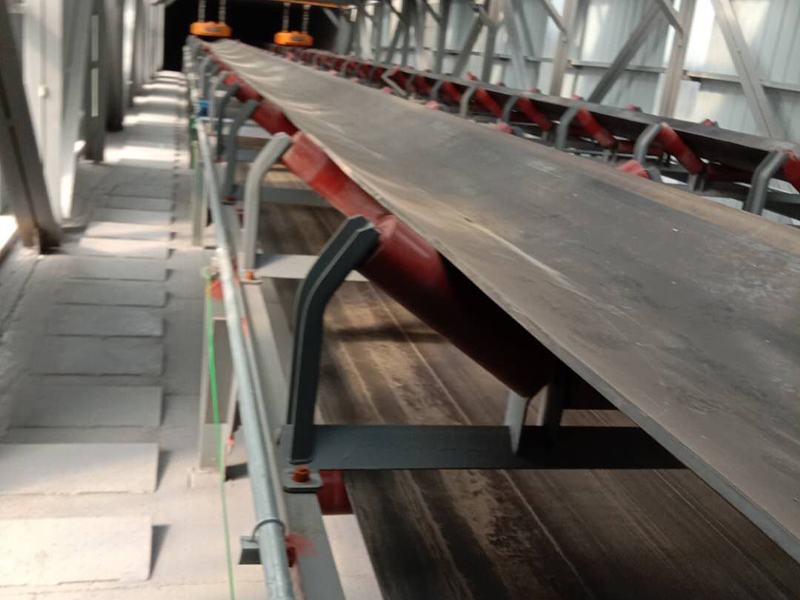
We supplied heat-resistant conveyor belts to transport high-temperature sinter materials at Taihang Steel's main processing lines, reducing replacement downtime.
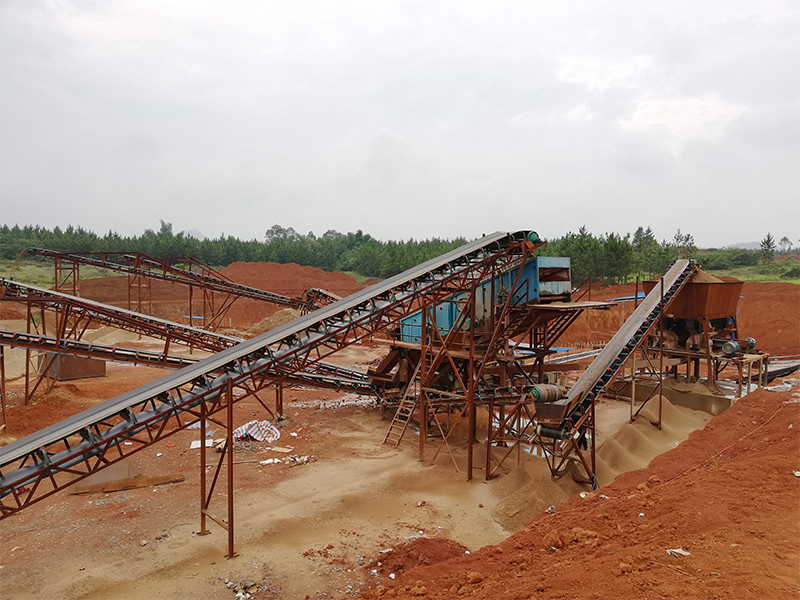
Our heavy-duty steel cord belts handle high-tonnage raw nickel ore transport, providing high tension resistance and durability.
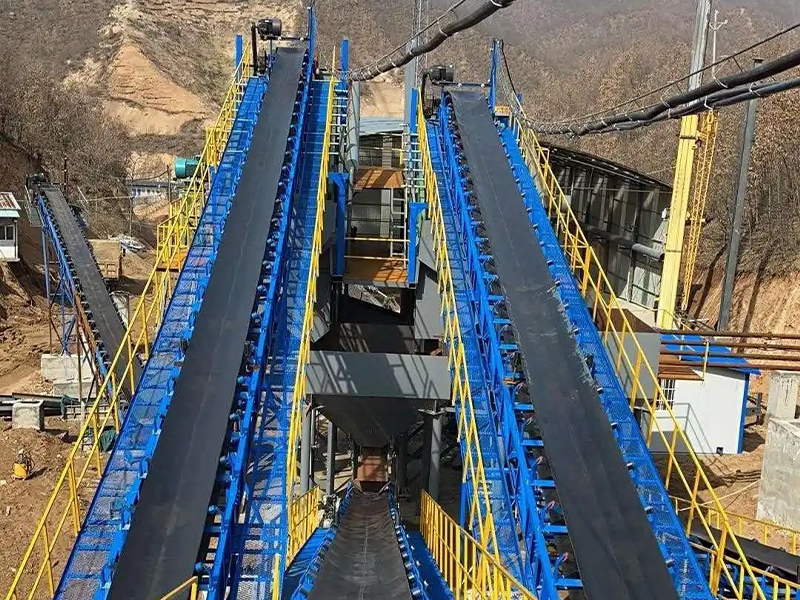
We engineered impact-absorbing steel wire rope core belts for Zijin Mining to handle rough, abrasive copper ores, preventing costly punctures.
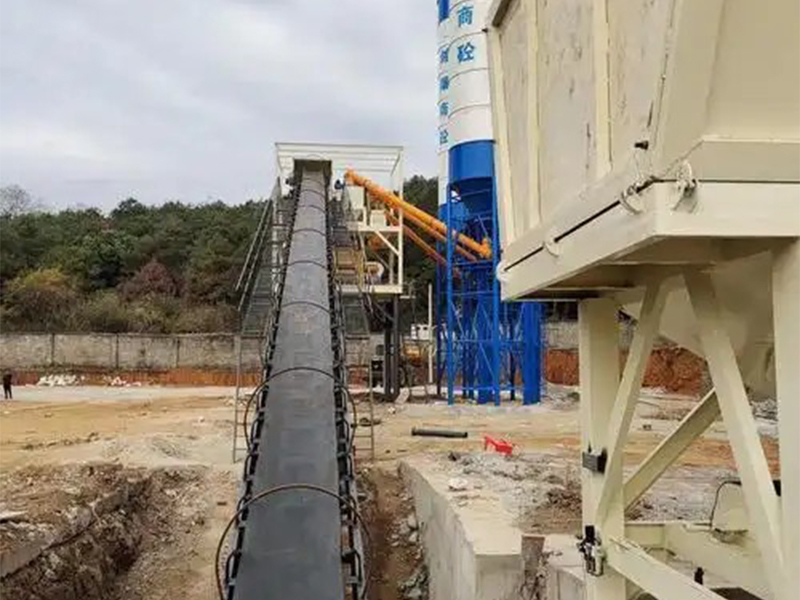
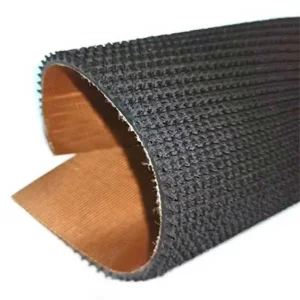
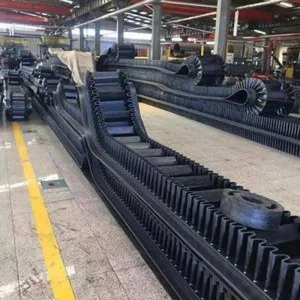
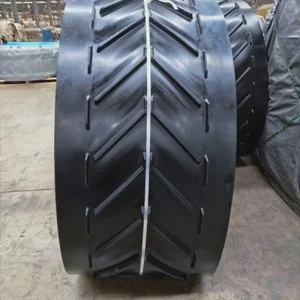
We provided customized high-inclination patterned belts for steep-angle aggregate handling at China Railway's concrete batching plants.
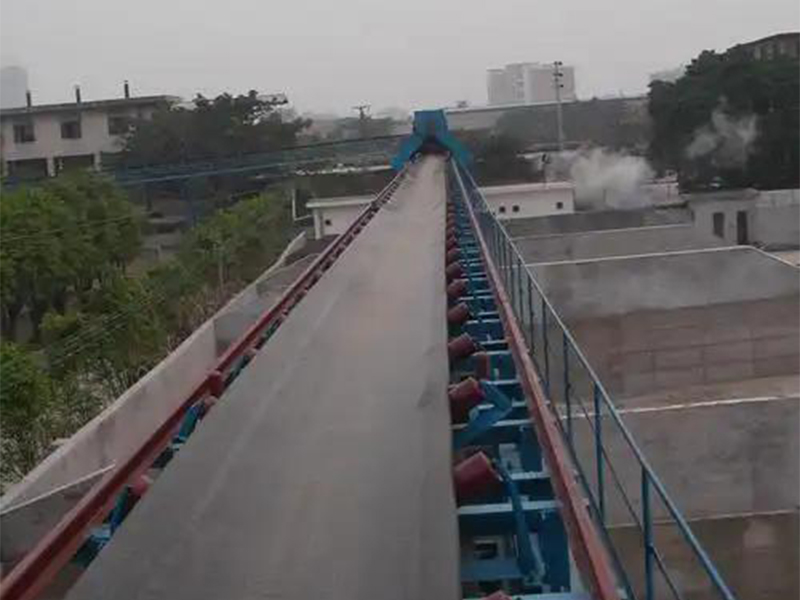
For Conch Cement, we supplied abrasion-resistant steel cord belts to transport limestone raw meal over long distances with minimal cover wear.
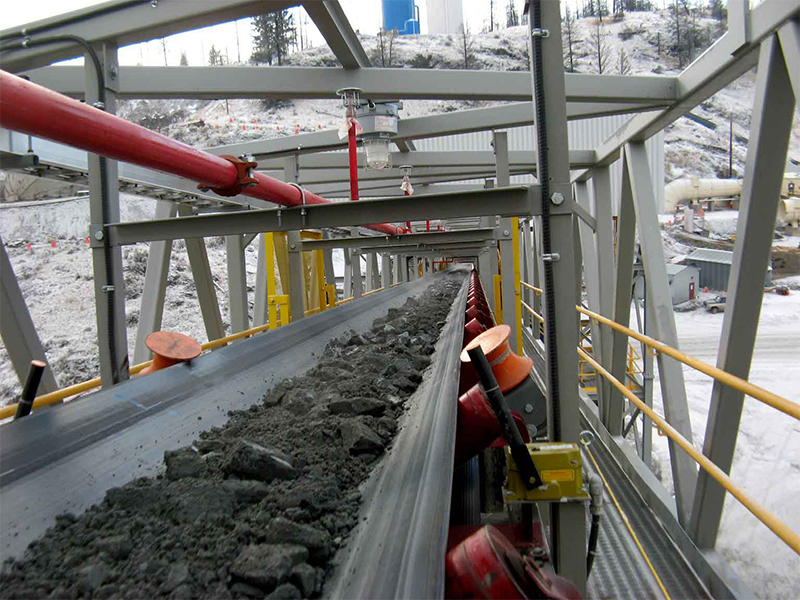
We supplied flame-retardant steel wire rope core belts for underground transport, meeting safety criteria for coal mining environments.
For heavy bulk materials, selecting a conveyor belt involves several technical trade-offs. Purchasing teams should evaluate more than just upfront material costs. The total cost of ownership (TCO) is influenced by installation splicing labor, ongoing power requirements, and unplanned maintenance downtime.
Important parameters to review with Boao's engineers include:
The conveyor industry is evolving from passive components into intelligent, energy-saving material handling systems. As operations scale up, monitoring internal belt conditions becomes a key priority.
At Hebei Boao Rubber Technology, we are advancing research in three key areas:
Expert engineering answers about the installation, maintenance, and technical selection of steel cord conveyor belts.
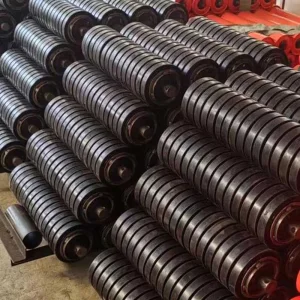
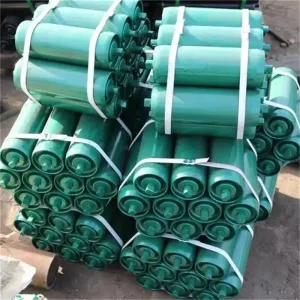
High-reliability supporting accessories to reduce belt wear and optimize conveyor system energy efficiency.
 Boao Rubber