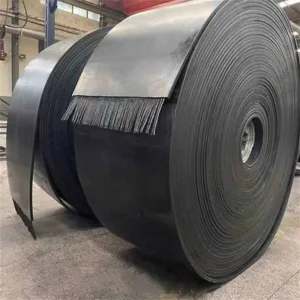
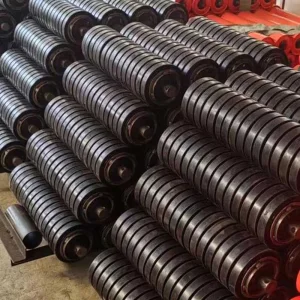
Direct supply of engineered conveyor systems, high-durability fabrics, and impact-resistant support systems from Hebei Boao Rubber Technology.
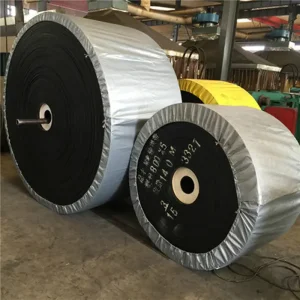
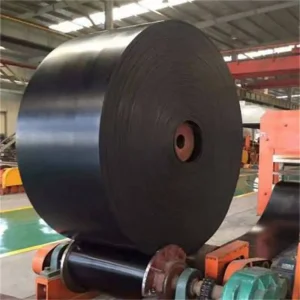
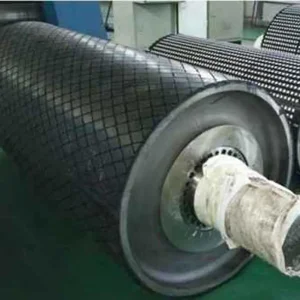
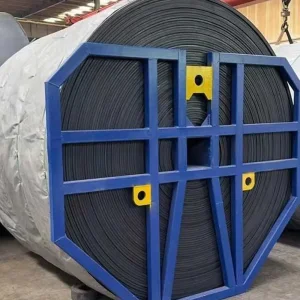
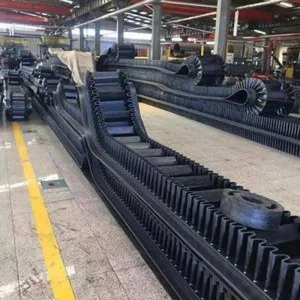
In modern heavy industries, conveyor systems serve as the structural vascular system for bulk material transport. Historically, the procurement of conveyor components was locked in a binary choice between purchasing high-ticket new vulcanized belts or settling for subpar grade scrap. Today, the macro-industrial landscape is undergoing a massive shift driven by economic pragmatism and resource circularity. The secondary life-cycle and repurposed rubber belting sector has transitioned from a localized recycling alternative into a highly standardized, globally traded commodity class.
The life expectancy of an industrial-grade rubber conveyor belt—typically manufactured with premium compounds of Natural Rubber (NR), Styrene-Butadiene Rubber (SBR), or Nitrile (NBR)—frequently outlasts its original project lifespan. Large-scale mining infrastructure projects, coal terminals, and deep-sea port facilities frequently decommission entire material handling networks during retrofitting, process expansions, or mine closures. This leaves behind thousands of meters of structurally sound, high-tensile fabric and steel cord rubber belts.
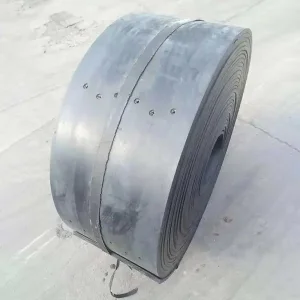
Instead of allowing these high-value components to enter landfills, industrial developers rely on experienced manufacturers like Hebei Boao Rubber Technology to inspect, recondition, and slit these assets. These products are then reintroduced as "Second Hand Rubber Belting" or "Repurposed Industrial Belts". This practice preserves the embedded mechanical energy of the carcass, reducing greenhouse gas emissions and environmental impact compared to producing new vulcanized rubber from scratch.
To evaluate the structural integrity of used conveyor belting, procurement officers must understand its core physical layers:
Industrial procurement departments globally face a double challenge: optimizing operational expenses (OPEX) and meeting environmental targets. The market demand for second-hand and surplus rubber belting spans multiple sectors:
In aggregate quarries and sand/gravel handling, the highly abrasive nature of materials quickly wears down new belts. By utilizing premium-grade used belts, operators can significantly lower their cost-per-ton throughput without risking structural failure.
In agricultural feedlots, dairy farms, and bulk grain facilities, repurposed rubber strips are widely used as heavy-duty scrapers, floor liners, windbreaks, and cow mats. The weather-resistant SBR/NR compounds outperform thin agricultural-grade plastics, offering long service life under heavy traffic and exposure to livestock.
In underground mining and civil excavation, surplus belts serve as temporary roadway mats, structural hanging curtains for dust control, or protective backing sheets against blast fragments.
| Belting Grade Class | Tensile Core Type | Ideal Application Environment | Key Performance Advantage |
|---|---|---|---|
| Factory Surplus (Unused) | Steel Cord / Heavy EP Fabric | Mainline heavy overland conveyors, steel mills | Equivalent to new at 60-70% of standard B2B pricing |
| Grade-A Reconditioned | Multi-ply Nylon (NN) / EP | Aggregate quarries, recycling facilities, ash handling | Inspected, edge-trimmed, high residual wear thickness |
| Repurposed Industrial Grade | Fabric Reinforcement (SBR Cover) | Agricultural lining, cattle chute mats, machinery buffers | Cost-effective alternative, thick compound protection |
Unifying traditional rubber vulcanization craftsmanship with digital testing and supply chain predictability.
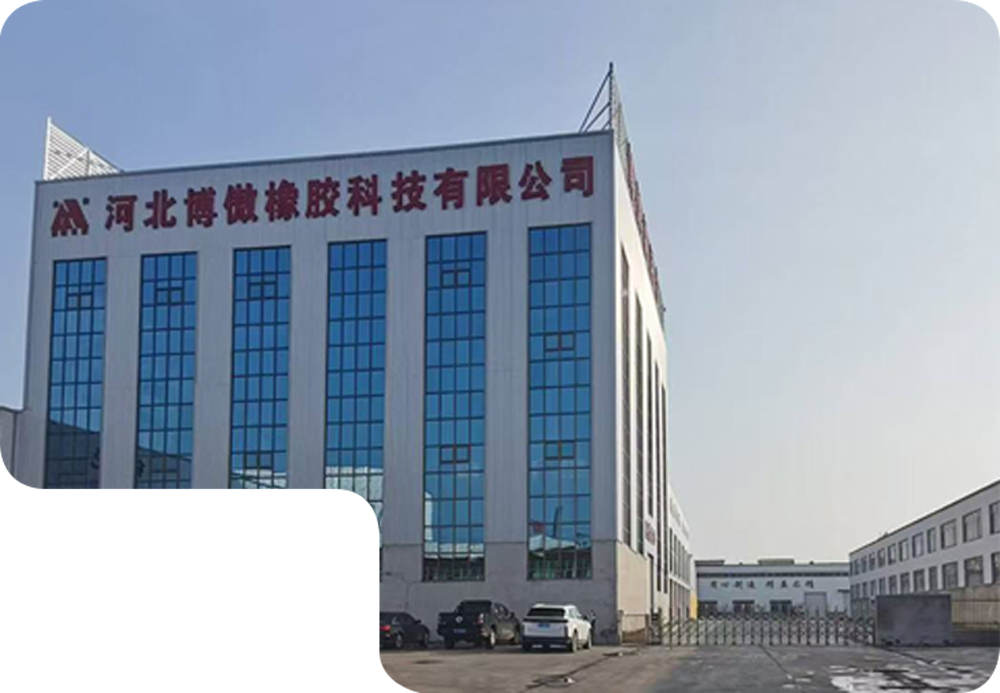
Est. 2004 | Boye County Rubber Industrial Park
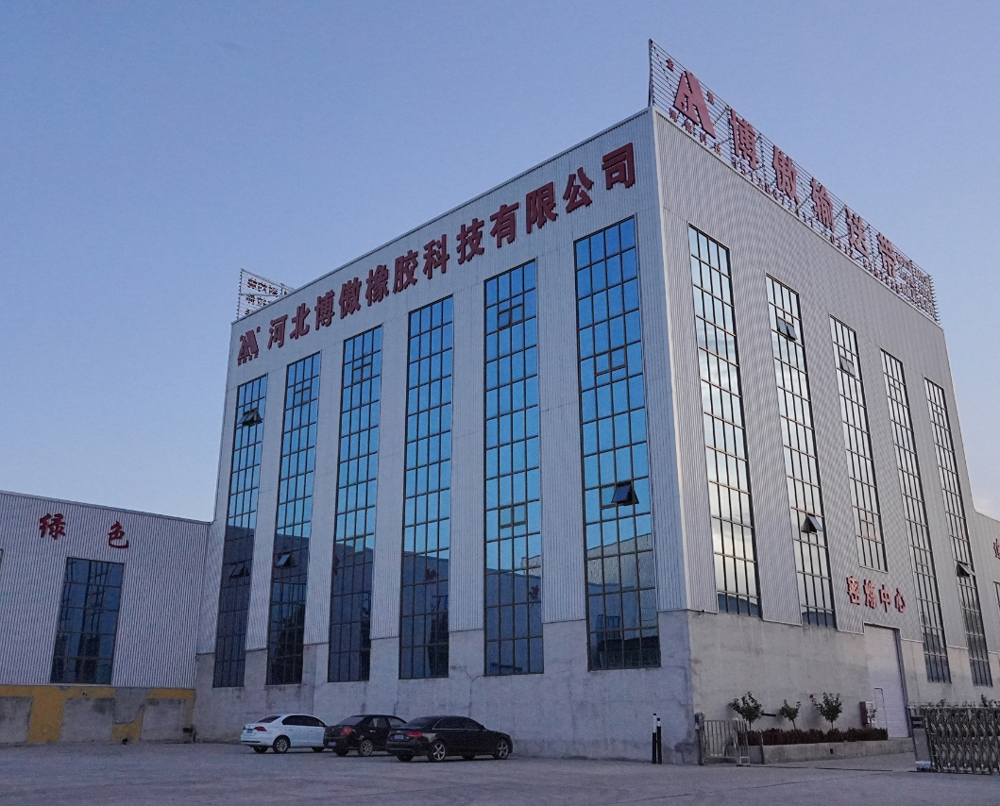
Located within the industrial hub of Boye County, Baoding, Hebei Province, Hebei Boao Rubber Technology Co., Ltd. (under the brand **"Jinao"**) operates on over 30 acres of advanced manufacturing space. Over the past two decades, we have evolved from a local manufacturer into a global B2B provider of conveyor belts and support components.
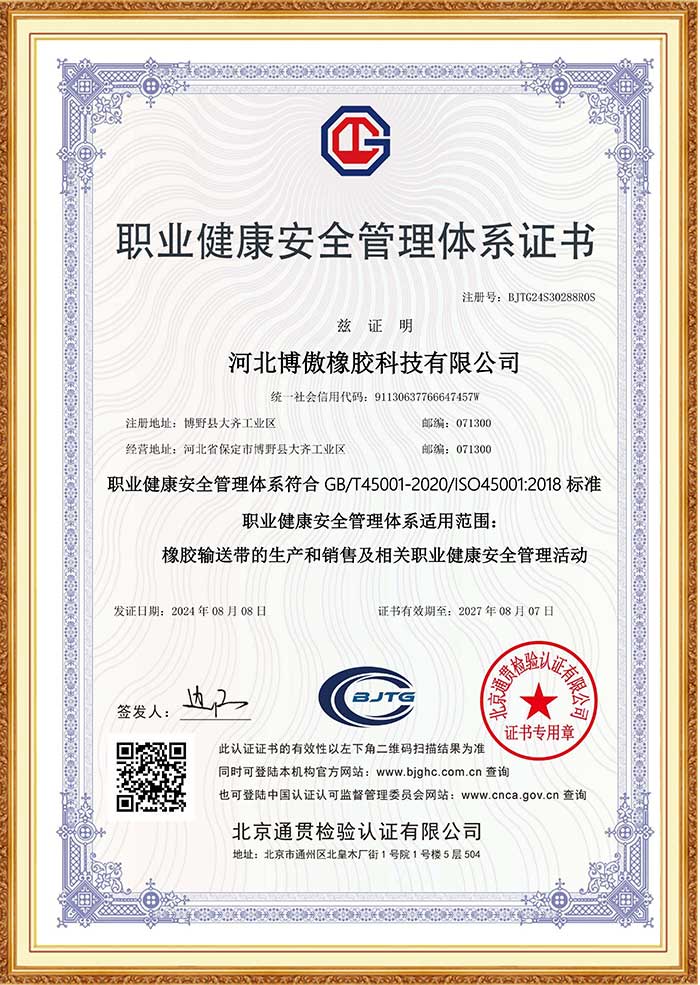
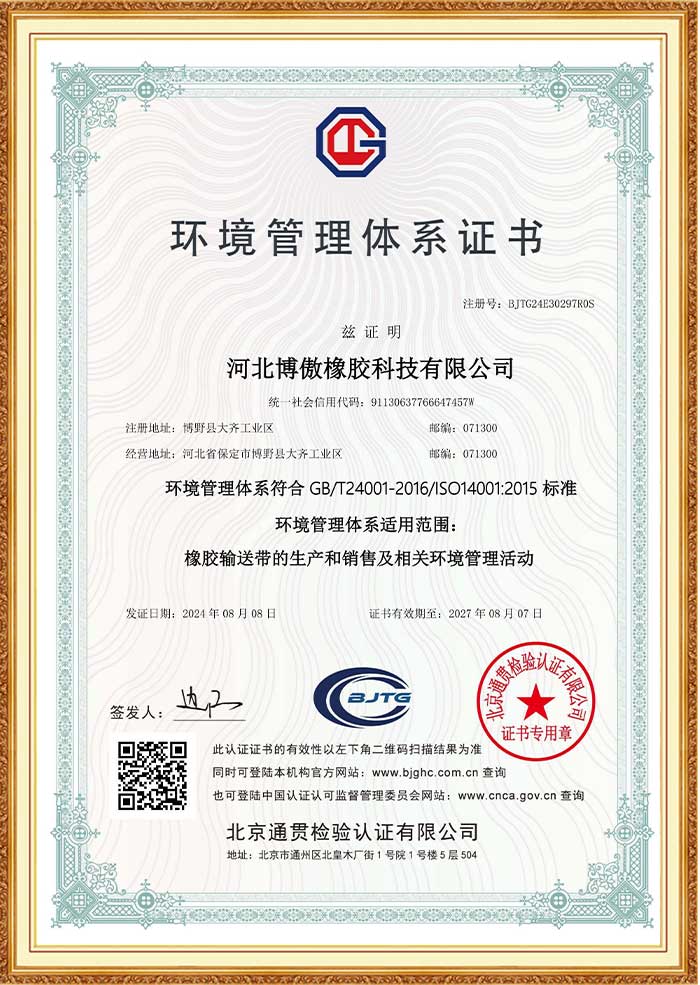
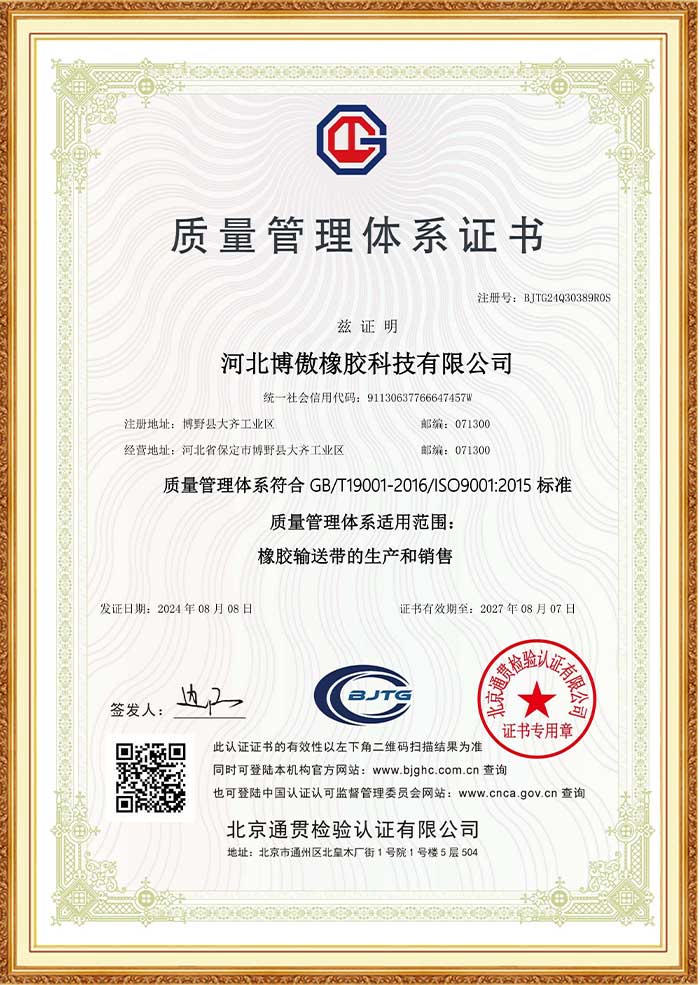
Our facility houses multiple advanced production lines for rolling, forming, vulcanization, and material testing—extending from raw rubber formulation to finished belt certification. Our operations are certified under the ISO 9001 International Quality Management System, ensuring that every batch of conveyor belts meets global industrial standards.
Under our Factory 4.0 framework, we integrate sustainable raw materials with automated curing systems. This allows us to offer both newly engineered conveyor systems and high-grade surplus/repurposed solutions.


Ensuring every belt—new, surplus, or reconditioned—meets strict laboratory testing requirements before delivery.
Hebei Boao operates an independent chemical analysis lab and physical testing room. We monitor every stage of production, from raw polymer sourcing to final vulcanization and edge slitting. Our strict "Zero Defect" policy ensures that only certified products leave our facility.
Our quality control team uses precision physical testing equipment to verify tensile strength, elongation at break, and DIN abrasion loss. For reconditioned or surplus belts, we measure remaining cover thickness and test the strength of the fabric carcass plies.
With a comprehensive logistics network, Hebei Boao products are exported to regional markets worldwide. Our conveyor systems are utilized in steelworks, metallurgical plants, coal mines, cement plants, power stations, fertilizer plants, agricultural silos, and ports.
Not all second-hand belts are suitable for all applications. Proper specification alignment is critical to ensure operational safety and system uptime. The primary grades are classified below:
Fabric-reinforced belts are widely used for general conveying needs. EP (Polyester/Nylon) belts feature low longitudinal stretch and high transverse flexibility, making them suitable for long-distance conveyors operating under humid or wet conditions. NN (Nylon/Nylon) belts offer excellent impact absorption and high fatigue resistance, which is critical for system nodes with large drop heights.
For secondary applications, used EP/NN belts are highly reliable options for containment walls, buffer flaps, industrial floor protection, and low-tension scrap conveyors.
Steel wire rope core conveyor belts are engineered for high-tension, long-distance overland conveying. They utilize dynamic hot-vulcanized rubber compounds surrounding high-tensile steel cables to ensure low elongation.
When sourcing second-hand steel cord belts, non-destructive testing (such as electromagnetic scan imaging) is used to verify the alignment and condition of the internal steel cables. This ensures the belt can handle heavy loads in operations like bulk iron ore or coal transport.
Our products are utilized by major mining, steel, and infrastructure organizations to support critical operations.
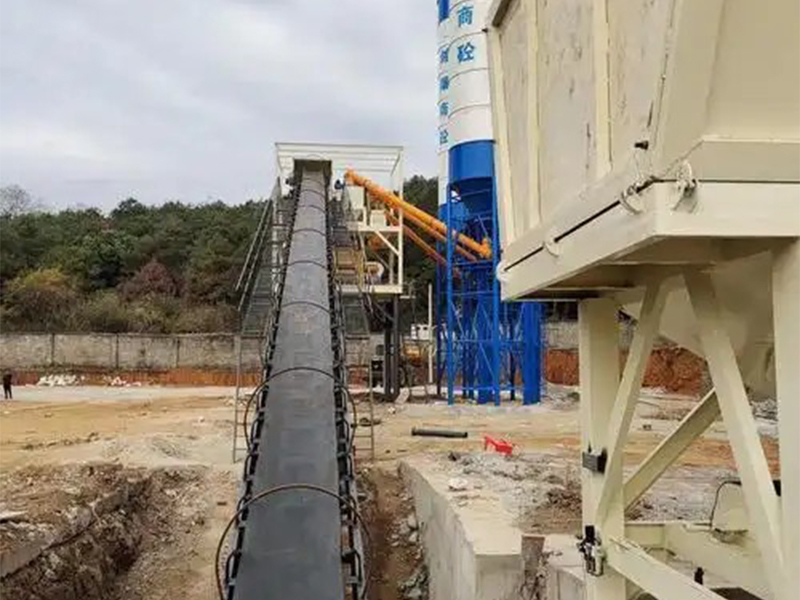
China Railway Group Mixing Plant
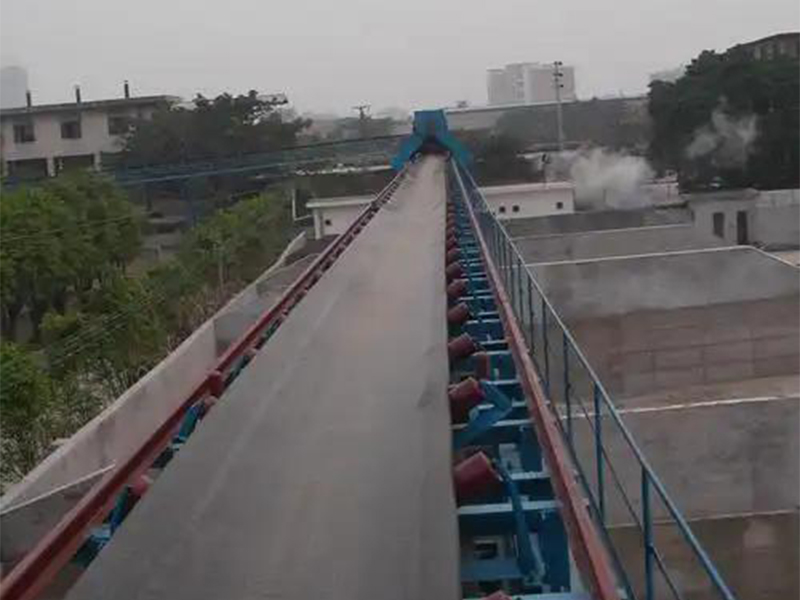
Conch Cement
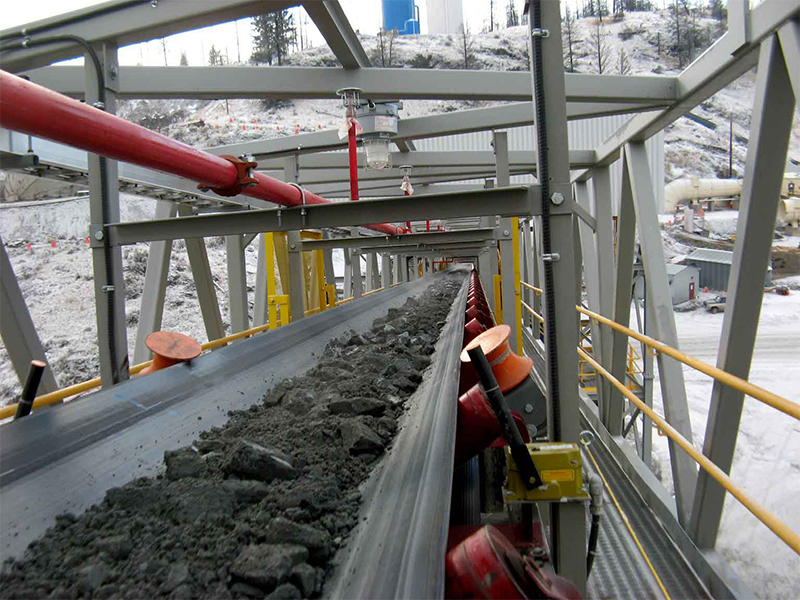
Datong Coal Group
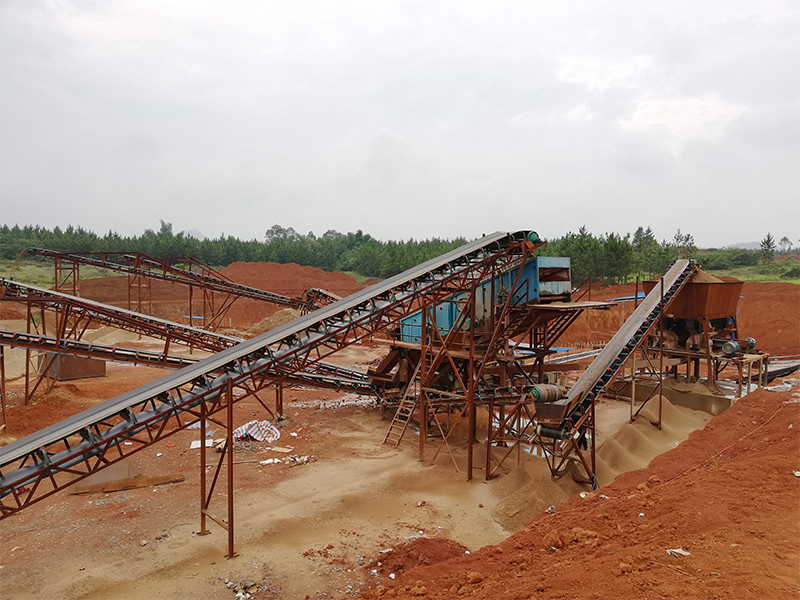
Tsingshan Group
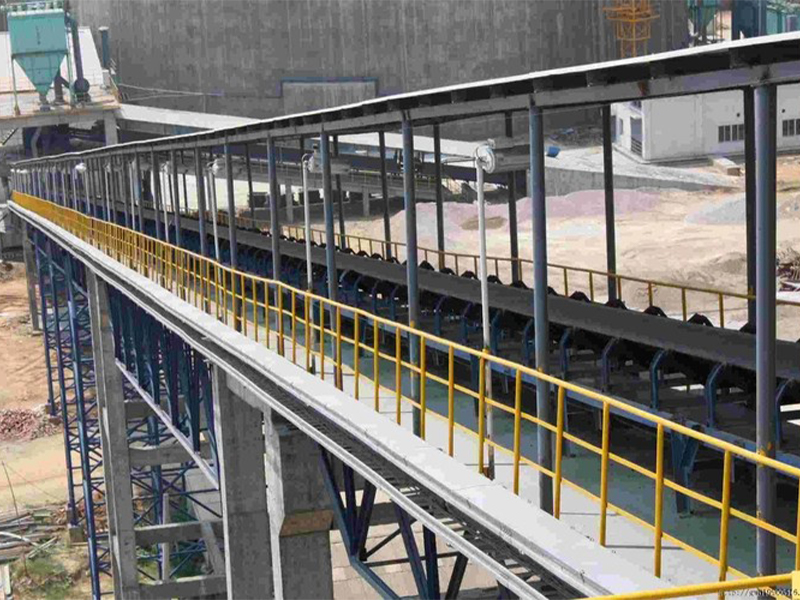
Jidong Cement Group
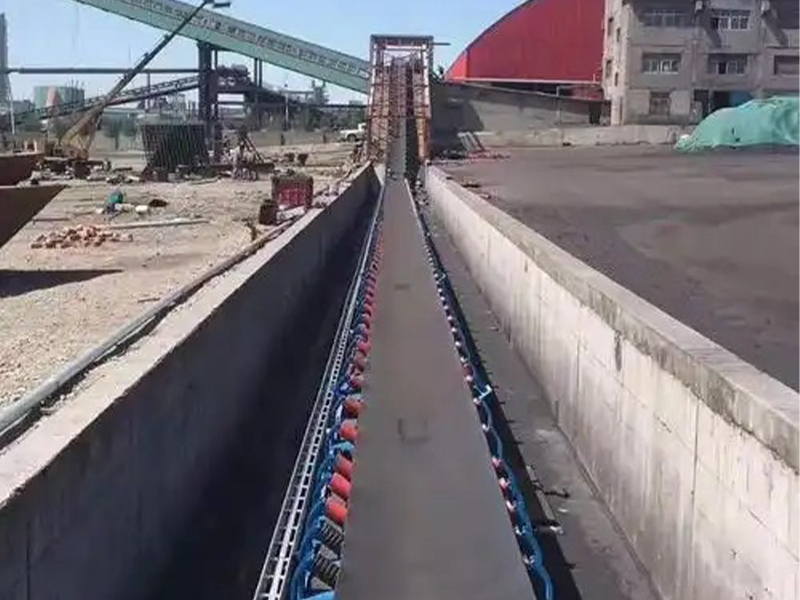
Jinmei Group Coal Conveying Line
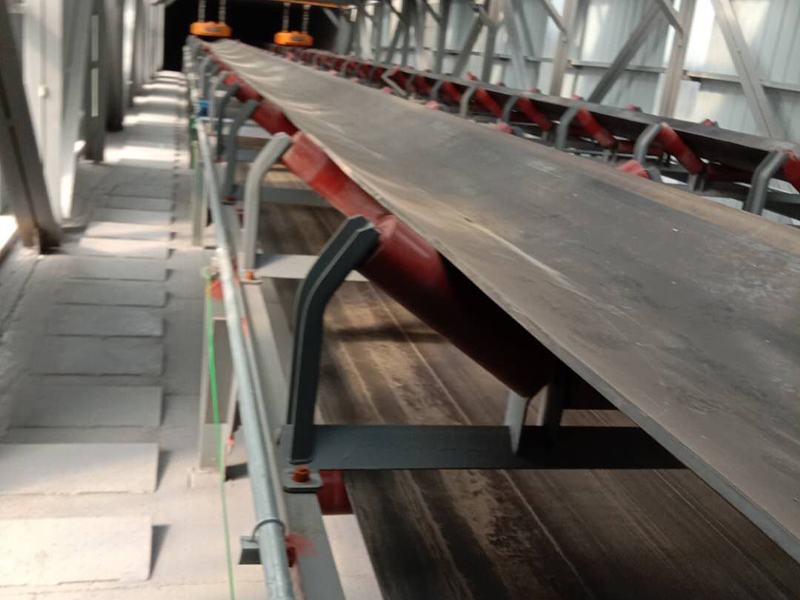
Taihang Steel
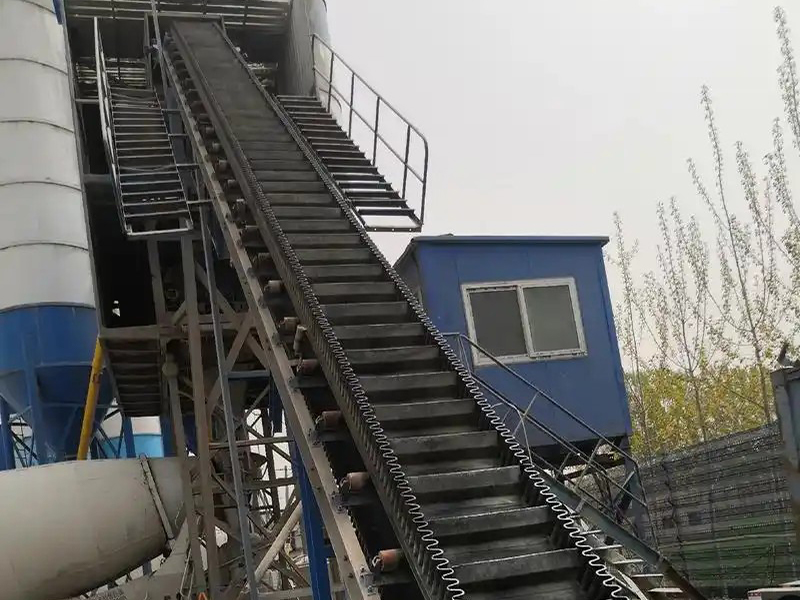
Puyang Steel Group
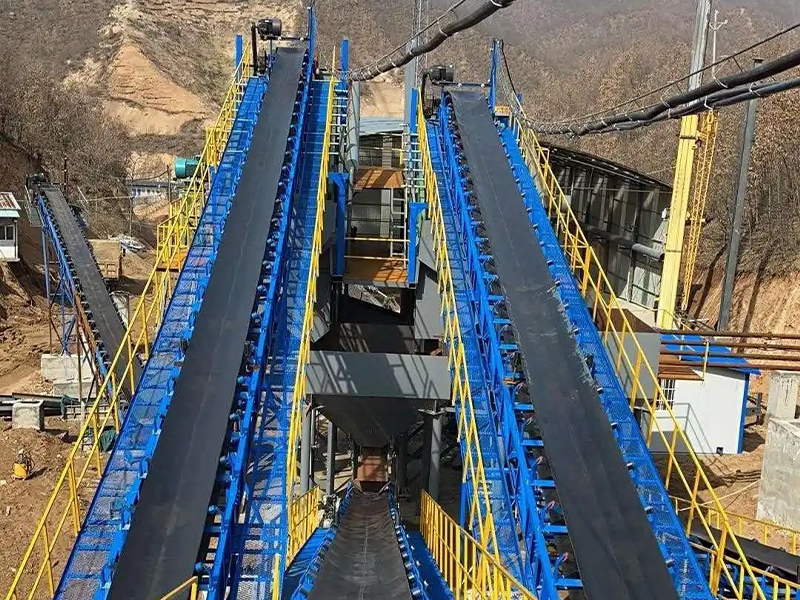
Zijin Mining
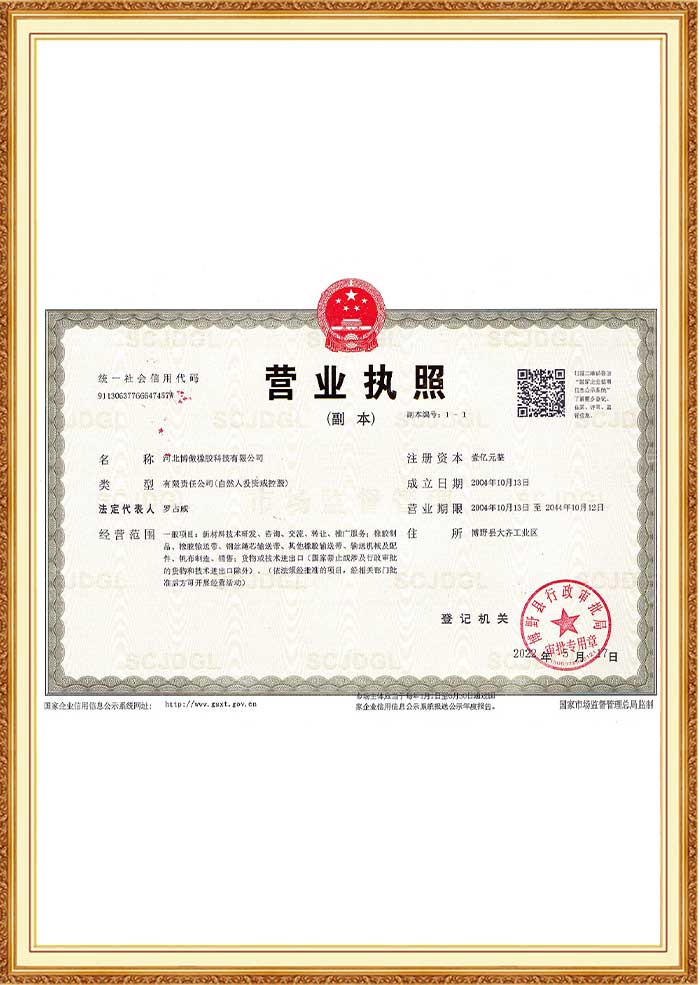
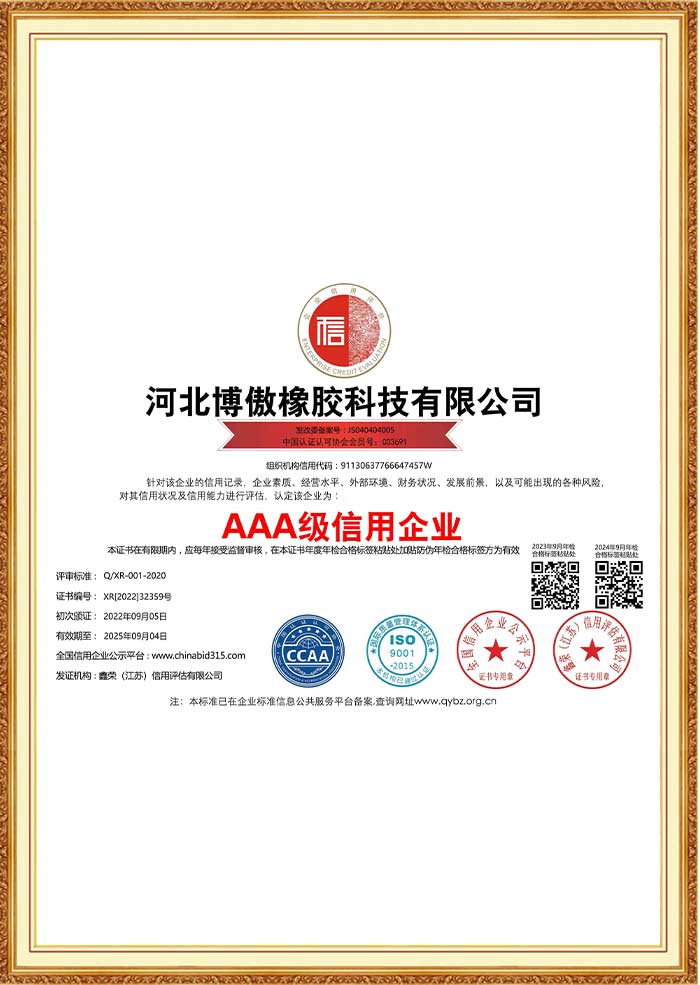
Verification of Hebei Boao Rubber Technology's compliance with international ISO standards.
Engineered for specific operational challenges, from sub-zero cold conditions to high-angle transport needs.
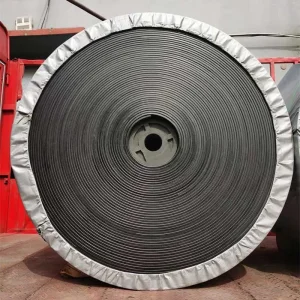
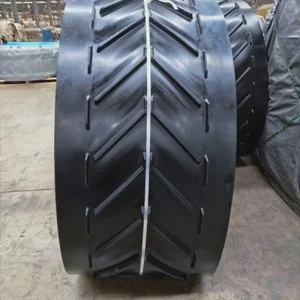
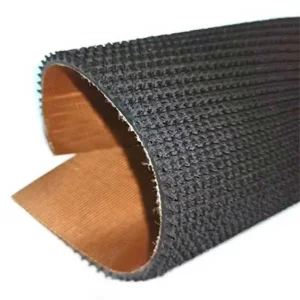
Comprehensive service plans to optimize conveyor system lifespan, reduce downtime, and ensure safe operations.
We provide planned replacement, structural repairs, regular inspection, preventive maintenance, and emergency response operations for conveyor belt networks.
Supply of high-quality conveyor belts and splicing compounds, maintaining target safety stocks to support uninterrupted production, inventory management, and joint bonding services.
Focused on improving conveyor system operational efficiency, reducing belt wear, and supporting long-term performance through structured preventive care.
Designed to ensure the safe, stable, and cost-effective operation of bulk material handling equipment, extending the service life of conveyor assets.
Expert B2B insights on evaluating structural integrity, calculating wear life, and selecting the right belt grade.
 Boao Rubber