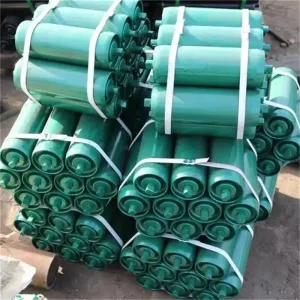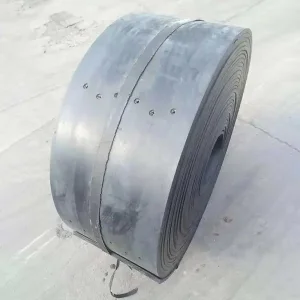
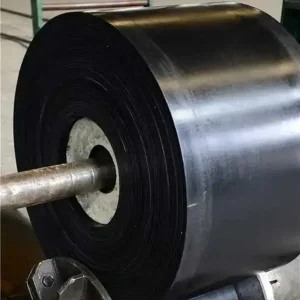
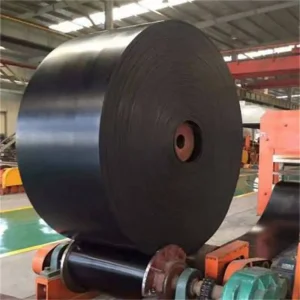
In modern raw material processing, minerals, metallurgy, and logistical nodes require heavy industrial conveyor belts of robust design to withstand severe stresses. As a leading Best Rubber Pulley Belt Manufacturer, Hebei Boao Rubber Technology Co., Ltd. (brand: "Jinao") integrates advanced polymer processing technology with heavy mechanical expertise. Over 22 years of R&D has positioned the brand as a key supplier of critical industrial belting solutions globally.
Industrial material handling operations suffer significant downtime losses when conveyor lines degrade. The choice of conveyor and pulley belt configuration depends on operational realities: extreme wear, high impacts, extreme thermal dynamics, acid-alkali chemistry, and sub-zero environments. Our systems are engineered to improve overall system efficiency, reduce carcass fatigue, and extend service lifetimes.
Hebei Boao Rubber Technology Co., Ltd. is located in the Rubber Industrial Park of Boye County, Baoding, Hebei Province. Founded in 2004, the enterprise has grown to occupy a state-of-the-art facility covering more than 30 acres. Our "Jinao" brand is synonymous with product development, research, structural design, manufacturing, and technical customer service for industrial conveyor systems and mechanical accessories.
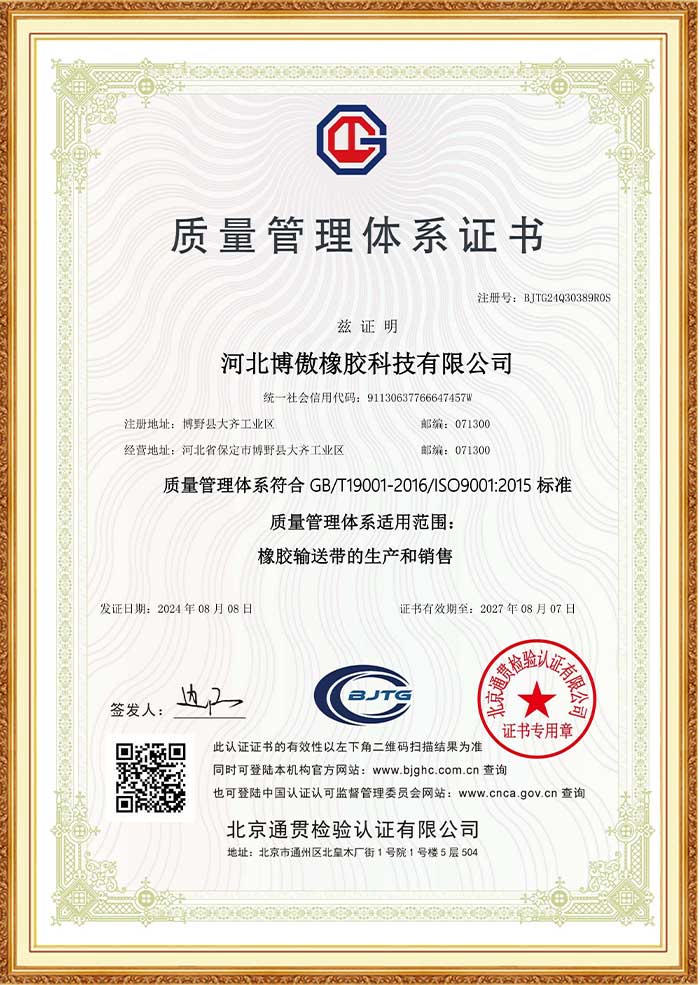
Our production floor has advanced rolling, forming, vulcanization, and material properties testing lines. Our facilities enable rigorous quality control of rubber belts from raw materials to finished products, complying with international standards.
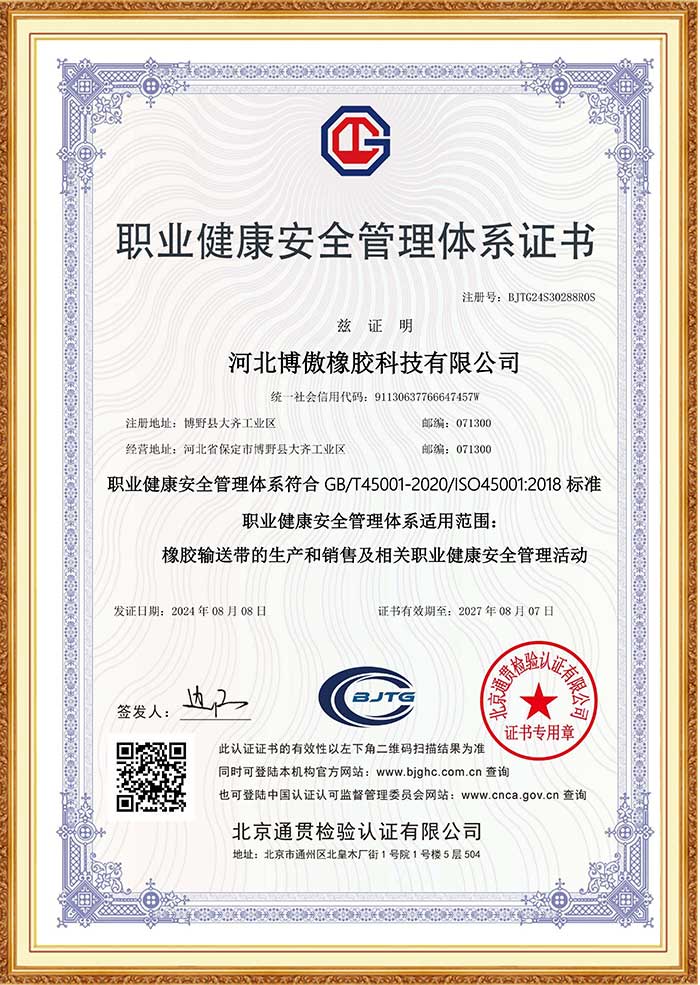
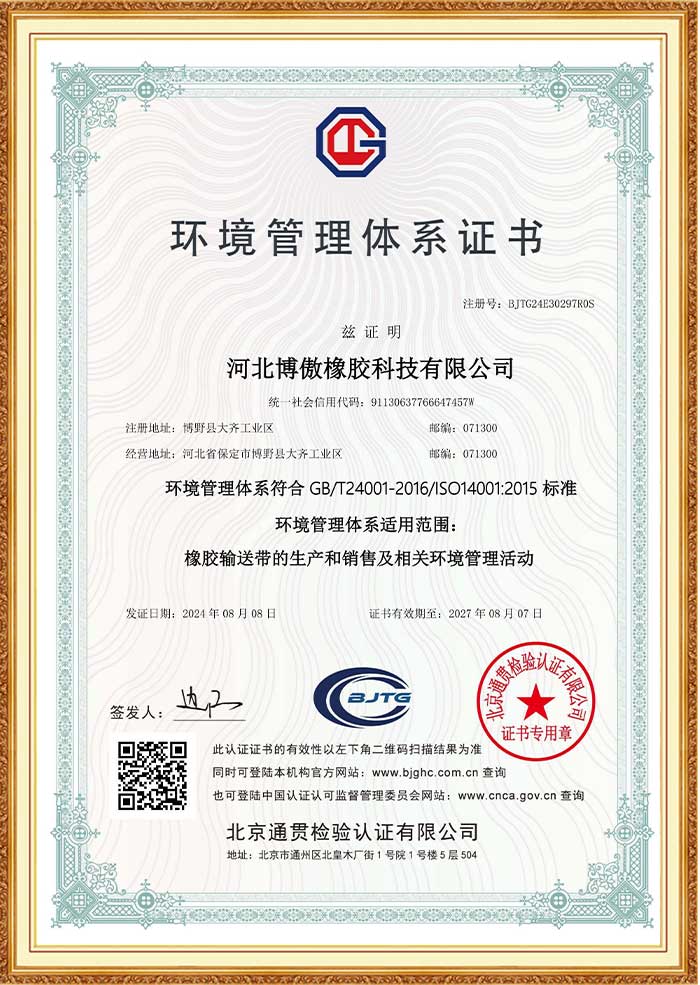
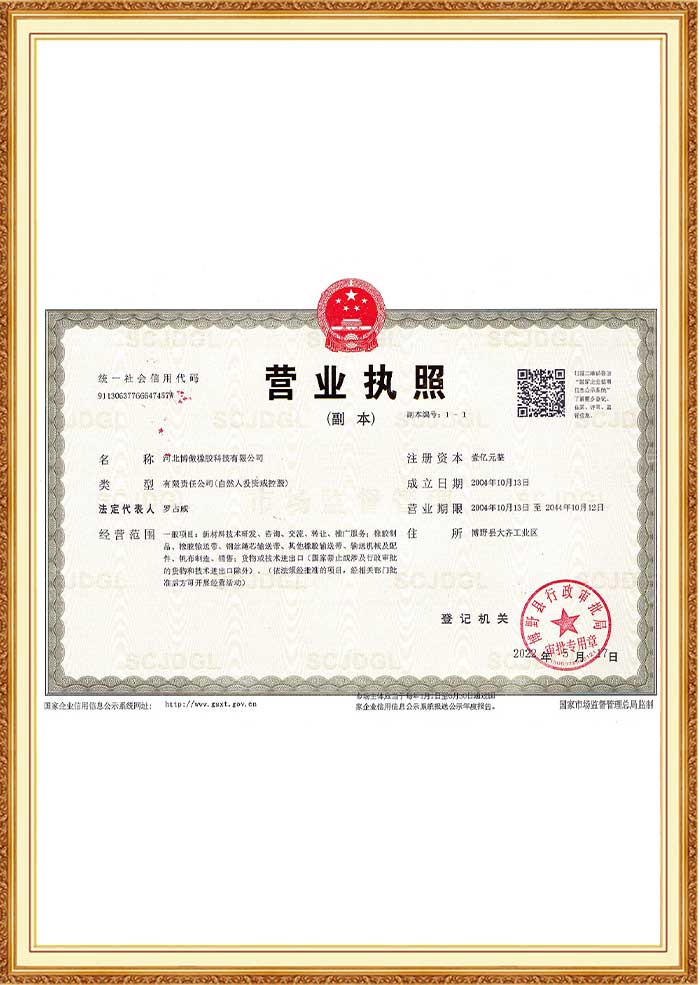
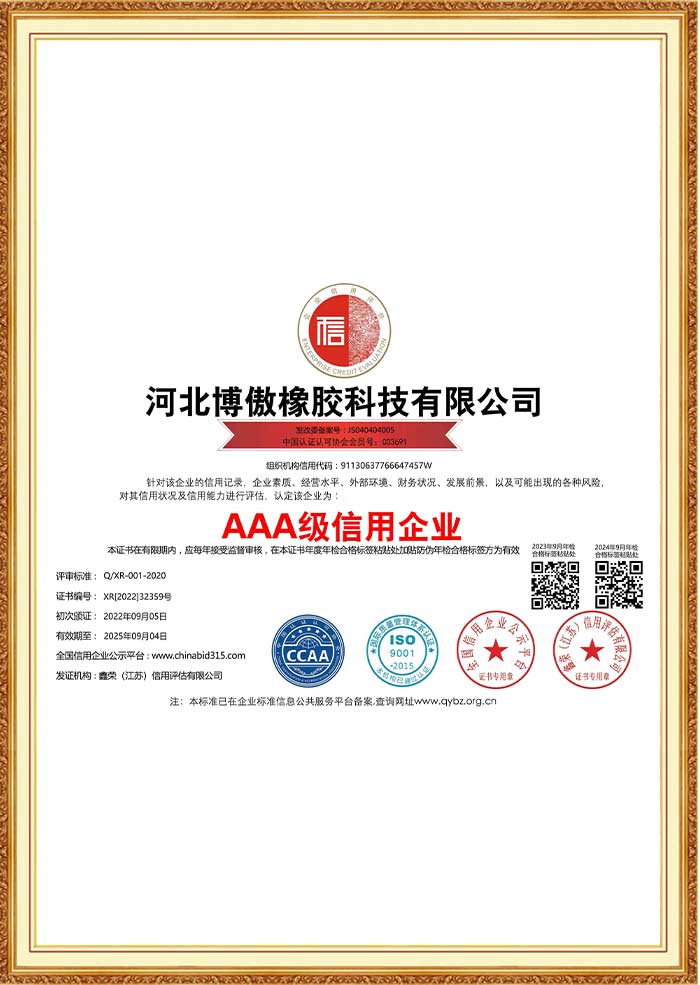
Rapid urbanization and commodity trades have placed high demands on bulk logistics networks. Material handling pipelines require reliable, continuous conveyor solutions to prevent operational bottlenecks.
Modern high-capacity conveyors operate at high speeds, meaning greater pulley friction, carcass tension, and mechanical wear. Standard belting solutions run the risk of premature catastrophic failure.
Conveyor systems contribute significantly to industrial energy consumption. Using low-rolling-resistance (LRR) compounds on pulley covers can reduce energy costs by up to 15%.
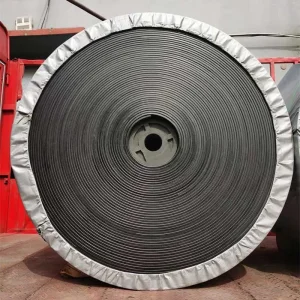
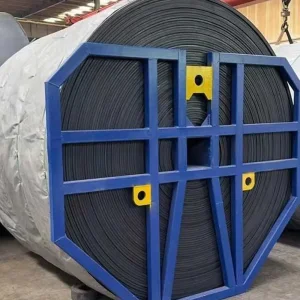
| Belt Classification | Reinforcing Carcass Layer | Tensile Strength Range | Primary Application Field | Unique Compound Advantage |
|---|---|---|---|---|
| Polyamide (NN) Belt | Nylon Multi-Ply Fabric | 100 - 630 N/mm | Aggregate Quarrying, Cement Plants | Superior flexibility, high-impact resistance |
| Polyester (EP) Belt | Polyester-Cotton Warp/Weft | 100 - 800 N/mm | Port Terminals, Coal Mines | Low elongation, high dimensional stability |
| Steel Wire Rope Core | High-Tensile Zinc Coated Cables | 630 - 5400 N/mm | Heavy Mining, Long-Distance Transport | Extreme tear resistance, minimum elongation |
| Acid & Alkali Resistant | Synthetic fabric or steel wire | As specified per carcass | Chemical factories, Fertilizer production | Special rubber shield against chemical degradation |
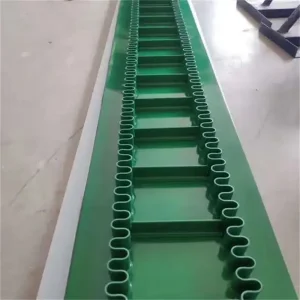
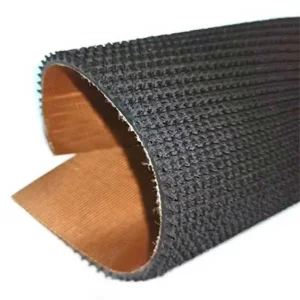
| PVC-PU Lightweight | Monofilament inter-ply fabric | 80 - 350 N/mm | Logistics sorting, Food processing | Low weight, oil resistant, clean conveyance |
The global industrial landscape relies on reliable component supply lines. China's manufacturing clusters, specifically the Boye County industrial zone in Hebei Province, offer structural supply chain advantages.
Our facility handles all stages of production internally. From compounding and calendar rolling of uncured rubber to carcass preparation, hot vulcanization pressing, and final inspection testing, we monitor the entire manufacturing cycle. This minimizes outsourcing risks and ensures consistent product quality.
Located near the Tianjin/Qingdao deep-water ports, we offer reliable shipping routes to North America, Europe, Australia, and Southeast Asia. With our safety stock logistics strategy, we can quickly ship components to minimize down-time for global operations.
Handling hot sinter, coke, and slag at temperatures exceeding 200°C requires conveyor belts with specialized heat-resistant covers to prevent structural breakdown.
Extremely abrasive materials and wet environments require high-tensile steel wire core belts with anti-abrasion covers to prevent punctures and tears from heavy falling rocks.
Transporting limestone and clinker requires durable, low-sag bucket elevator belts that can withstand heavy, continuous vertical tension.
The development of heavy industrial conveyor systems is driven by smart sensing and compound improvements. As a leading manufacturer, our technology roadmap focuses on two main areas:
We are working to integrate electromagnetic sensors and RFID chips directly into the steel wire core matrix. This will allow operators to monitor belt wear, core breaks, and structural defects in real time, shifting maintenance from reactive to predictive.
Our R&D team is developing low-rolling-resistance (LRR) rubber compounds. These compounds reduce the indentation losses that occur when the belt passes over idlers, helping facilities reduce energy consumption.
By combining aramid fibers with high-strength synthetic fabric blends, we aim to produce high-tensile belts that are lighter than steel cord versions. This will help reduce mechanical wear on motor drives and pulley components.
We provide complete technical support for your conveyor systems. Our engineers assist with compound selection, installation, tracking, alignment, and emergency repairs.
We conduct comprehensive field audits of your pulley setups, tension values, and environmental exposure to identify potential wear issues before installation.
Our chemists formulate rubber covers to match the specific chemical, abrasive, and thermal demands of your facility, ensuring reliable, long-term performance.
We provide vulcanization materials and hot-splicing instructions to ensure the seam strength of the joints matches the rating of the carcass.
We work with major logistics hubs to maintain backup stock for our clients, helping reduce lead times and preventing extended downtime during emergencies.
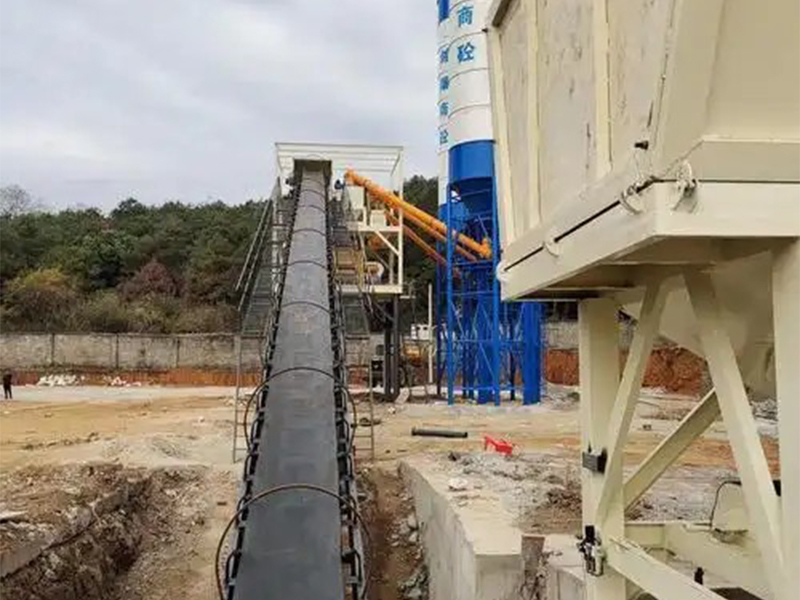
China Railway Group Mixing Plant
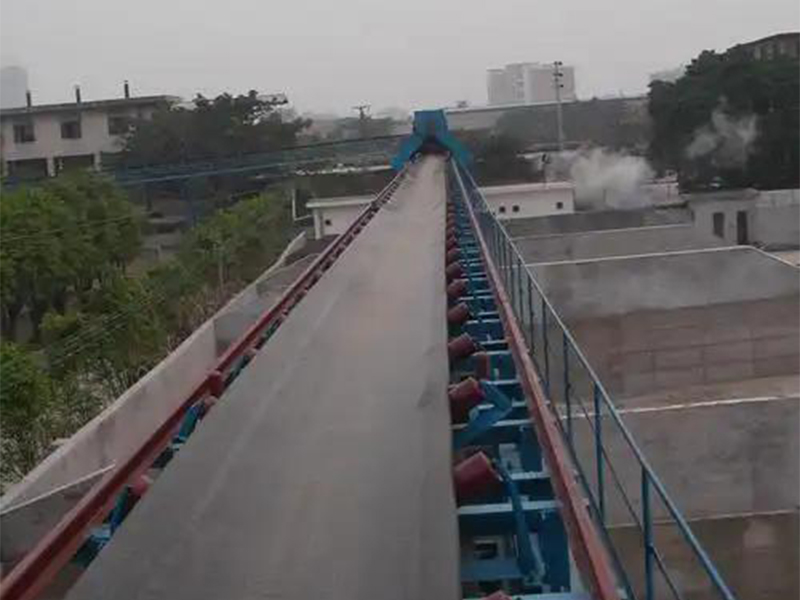
Conch Cement
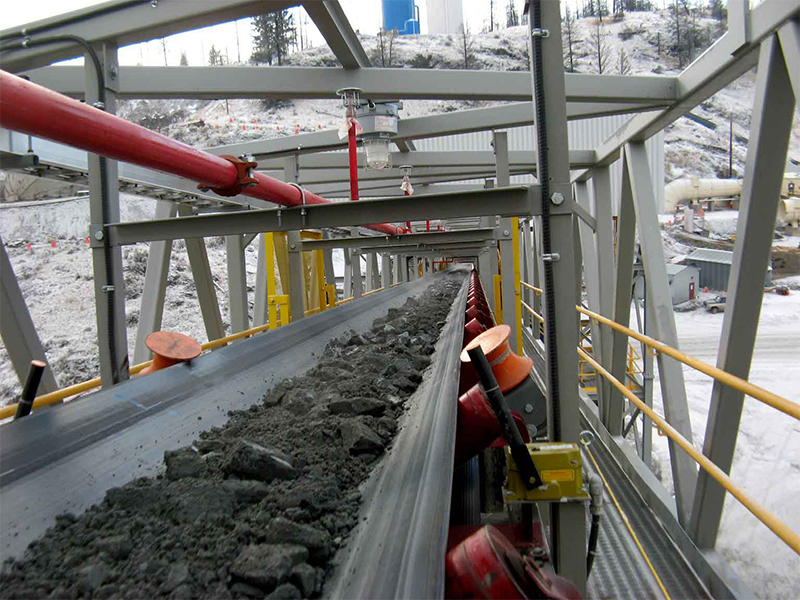
Datong Coal Group
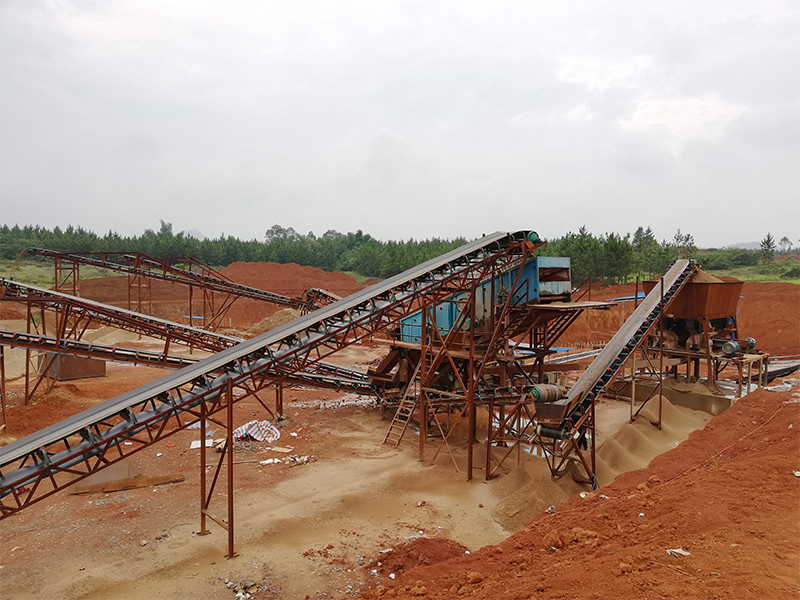
Tsingshan Group
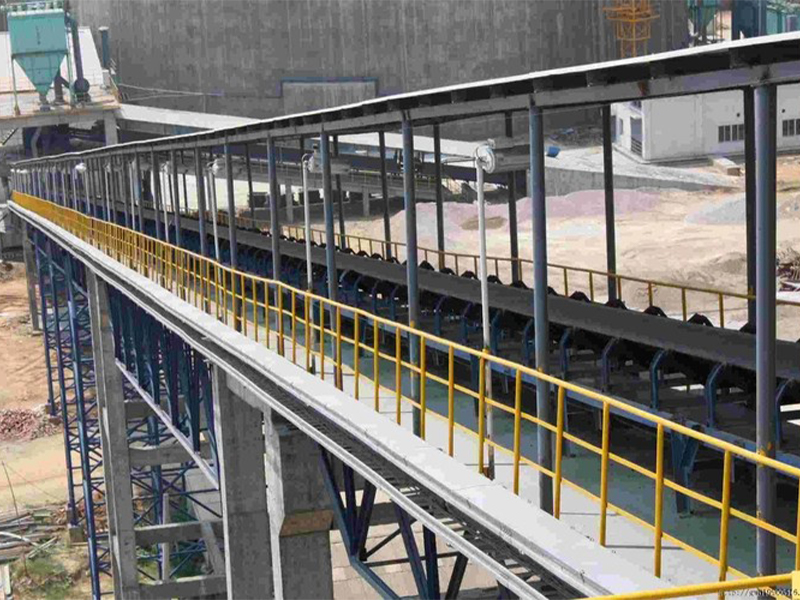
Jidong Cement Group
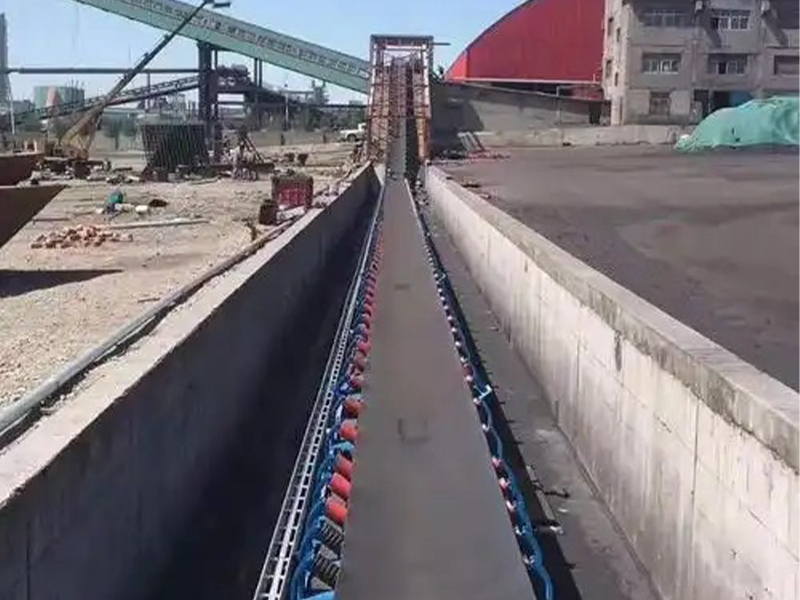
Jinmei Group Coal Conveying Line
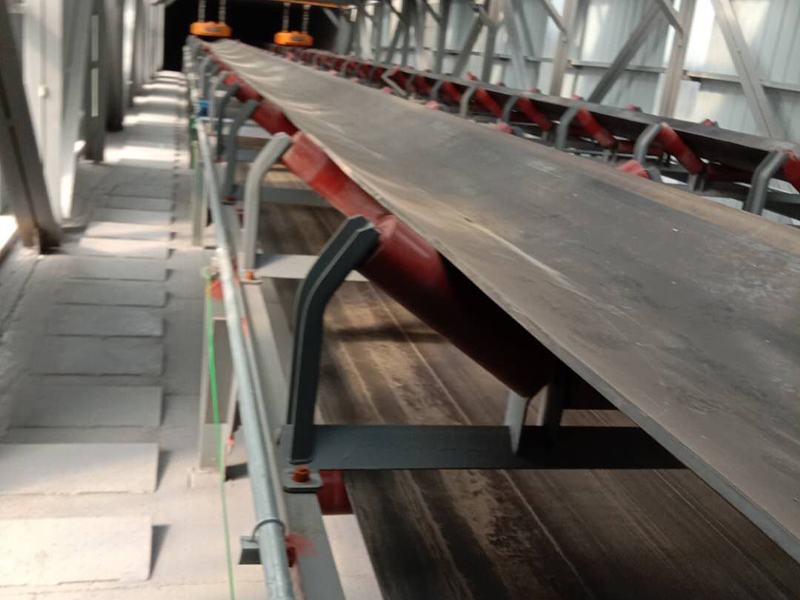
Taihang Steel
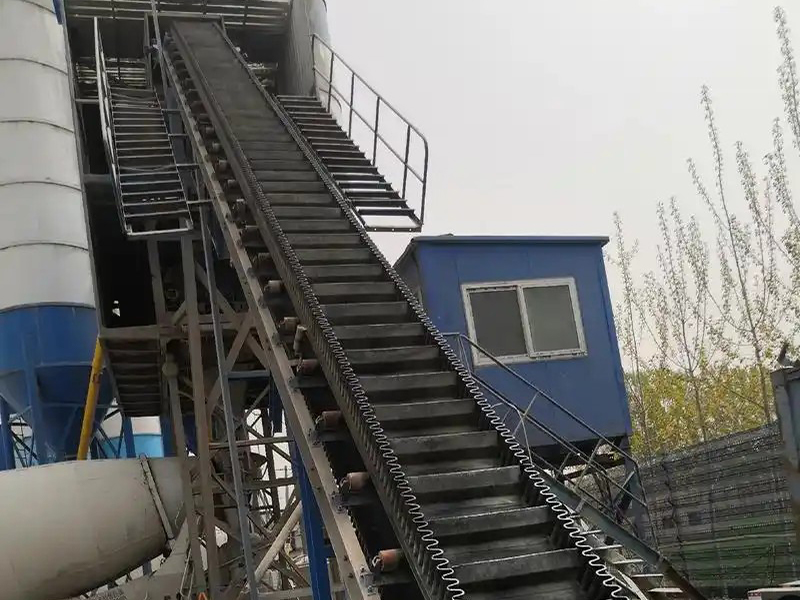
Puyang Steel Group
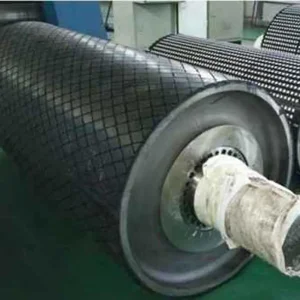
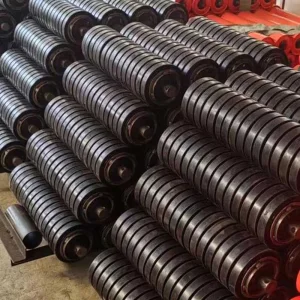
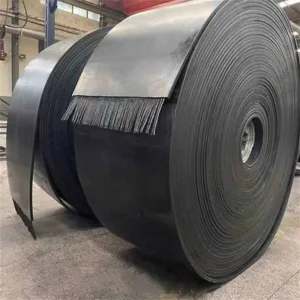
 Boao Rubber