Explore our premium selection of industrial conveyor solutions engineered for maximum tensile strength, extreme heat tolerance, chemical resistance, and long-term durability in severe environments.
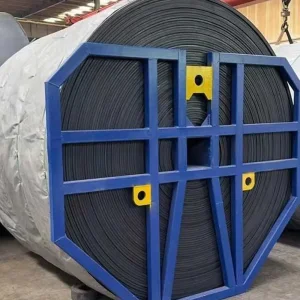
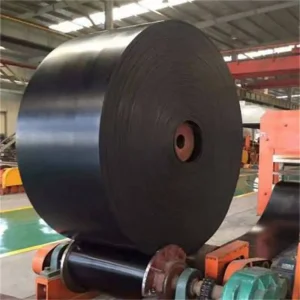
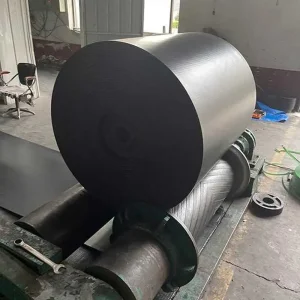
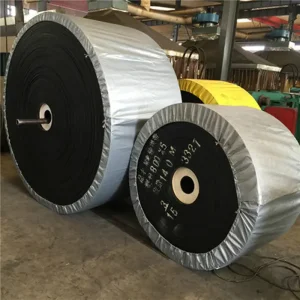
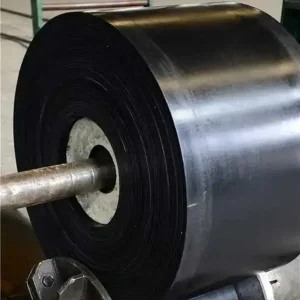
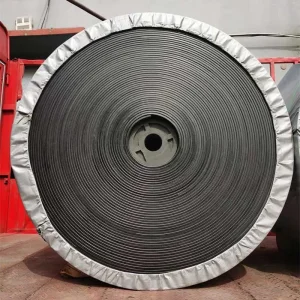
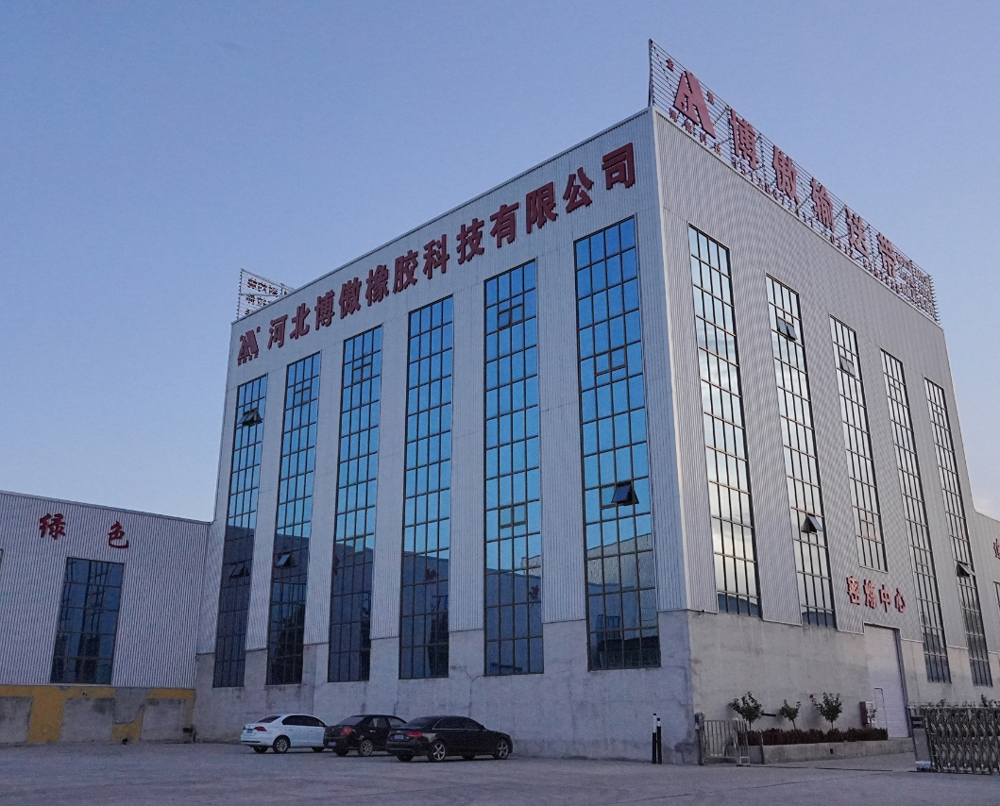
Established in 2004, Hebei Boao Rubber Technology Co., Ltd. is a leading manufacturer specializing in heavy-duty conveyor systems, reinforced rubber belting, and comprehensive material handling components. Our state-of-the-art production base covers over 30 acres in the Rubber Industrial Park of Boye County, Baoding, Hebei Province, China.
Under our flagship brand, "Jinao", we integrate research, engineering design, raw material testing, advanced vulcanization, and professional after-sales services. Our facility features multiple automated rolling, forming, vulcanizing, and testing production lines, ensuring that every product complies with international quality standards. With over 22 years of technical expertise, our mission is to deliver maximum operational uptime and reduced cost-per-ton handling solutions to our global partners.
Large-scale industrial procurement for reinforced rubber belting has shifted from transactional purchasing to life-cycle value optimization. Engineering procurement managers look for strategic manufacturing partners that can guarantee reliable adhesion values, minimized splice-joint failure rates, and low elongation profiles. As conveyor systems grow longer and faster, belting parameters must match precise mechanical specifications: tensile strength (N/mm), cover thickness ratios, steel cord diameters, and ply counts.
At Boao Rubber Technology, we support supply chains by offering tailored technical documentation, precise material safety data sheets, and comprehensive physical property certifications. Whether you require standard DIN 22102 specifications or customized tensile properties, we provide the technical clarity needed to lower your Total Cost of Ownership (TCO).
Our compound formulations are scientifically configured to withstand mechanical and environmental challenges. By matching raw polymers (SBR, BR, NR, NBR, EPDM) with reinforced carbon blacks and specialized vulcanizing agents, we produce covers that resist abrasive wear, high temperature cycles, oils, and harsh chemical acids or bases.
Our factory produces belts matching international testing frameworks such as ISO 10247, DIN 22102, AS 1332, JIS K6322, and MSHA flame retardancy ratings. This enables engineers to implement systems that operate without premature failure under intense structural demands.
Our diversified manufacturing lineup provides direct, high-value solutions across critical macro industries, maximizing uptime under harsh physical demands.
Designed for long-distance, heavy-duty mining networks. These belts combine high-tensile steel wire cords with specialized transverse steel breakers or high-modulus textile layers. This prevents longitudinal tears caused by trapped metal, heavy stone drops, or mechanical faults.
Engineered to handle sinter, clinker, cement, and slag up to 250°C (with peak temperatures reaching 300°C). Utilizing premium EPDM cover compounds, these belts resist ozone aging, cover cracking, and premature structural hardening under continuous thermal load.
Essential for underground coal mining, energy-generation plants, and grain silos. Formulated to meet global flame retardancy standards, these belts prevent flame propagation, dissipate static electricity, and self-extinguish when the heat source is removed.
Engineered for chemical processors, fertilizer plants, and metal refining facilities. Our proprietary synthetic rubber compounds prevent swelling, cracking, or surface peeling when exposed to concentrated acids, bases, or corrosive compounds.
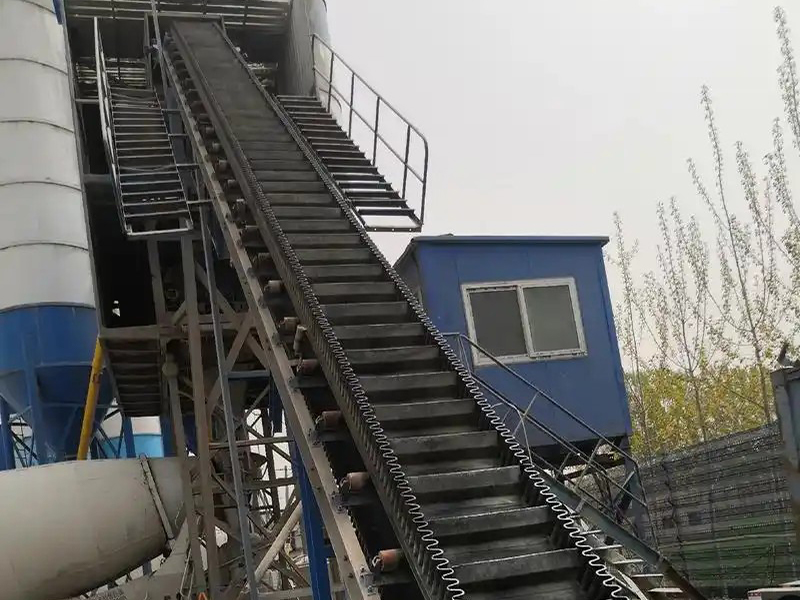
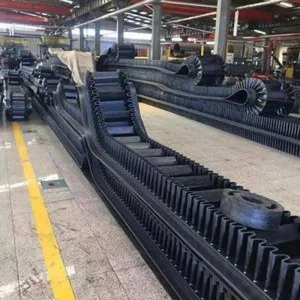
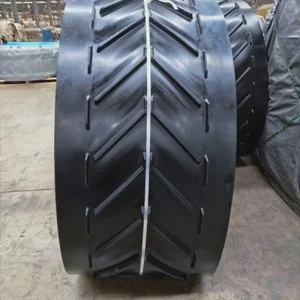
Includes Chevron, Wavy Edge, and Sidewall belts. These designs facilitate high-inclination material transport (up to 90 degrees), saving floor space and preventing material fallback on steep conveyor inclines.
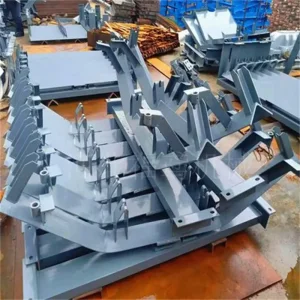
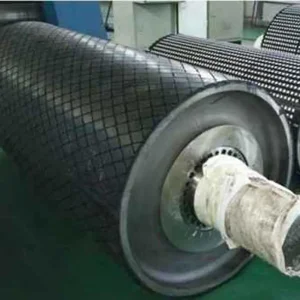
We supply precision-machined support products including troughing idlers, impact rollers, return brackets, and pulleys. These components maintain correct belt tracking, reduce load impact, and extend belt operating life.
Use this guide to match your system capacity, mechanical configurations, and environmental conditions to the correct reinforced belting carcass style.
| Carcass Type | Reinforcement Core | Tensile Strength Range | Elongation at Break | Key Application Environment |
|---|---|---|---|---|
| EP (Polyester/Nylon) | Synthetic Polyester Warp & Polyamide Weft | 100 - 630 N/mm per ply (Multi-ply up to 2500) | Low (≤ 1.5% at rated load) | Medium to long distances, mining, aggregate, cement, general bulk materials |
| NN (Nylon/Nylon) | Polyamide warp & weft synthetic fibers | 100 - 500 N/mm per ply | Moderate (Excellent elasticity) | High-impact load points, quarries, operations with high mechanical flexing |
| Steel Cord (ST) | High-tensile zinc-coated steel wire cables | ST 500 to ST 5400 N/mm | Extremely Low (≤ 0.2%) | Long-distance overland conveyors, high-capacity underground mining |
| Solid Woven (PVC/PVG) | Interwoven cotton/polyester heavy fabric | 680 - 2000 N/mm | Low to Moderate | Underground coal mining, grain storage facilities, high explosion-risk zones |
| EPDM Heat-Resistant | Reinforced EP fabric / Glass fiber breaker | Up to 2000 N/mm | Low | Metallurgical processing, sinter handling, cement clinker lines up to 250°C |
Choosing the correct carcass reinforcement is vital to prevent longitudinal stretching and splice failures. High-modulus EP (Polyester-Nylon) fabrics offer lower stretch compared to NN (Nylon-Nylon), reducing the required stroke in gravity take-up systems. For long-distance transport networks, Steel Cord (ST) belts deliver minimal stretch, allowing for spacing between support towers of several kilometers.
Conveyor operation accounts for a significant portion of bulk terminal energy consumption. Boao is developing next-generation Low Rolling Resistance (LRR) compounds for pulley-side covers. By minimizing the viscoelastic deformation of the rubber as it passes over idlers, LRR technology can reduce system power requirements by 10% to 15%, lowering overall operational costs.
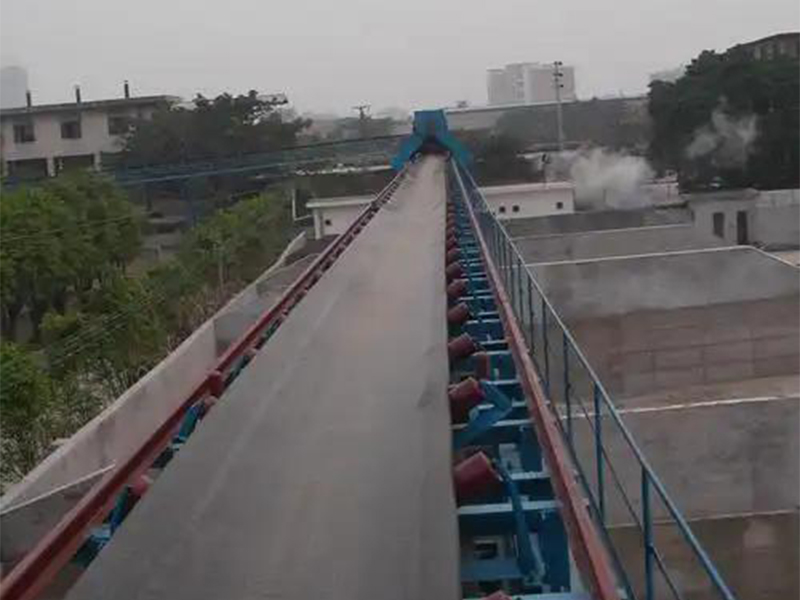
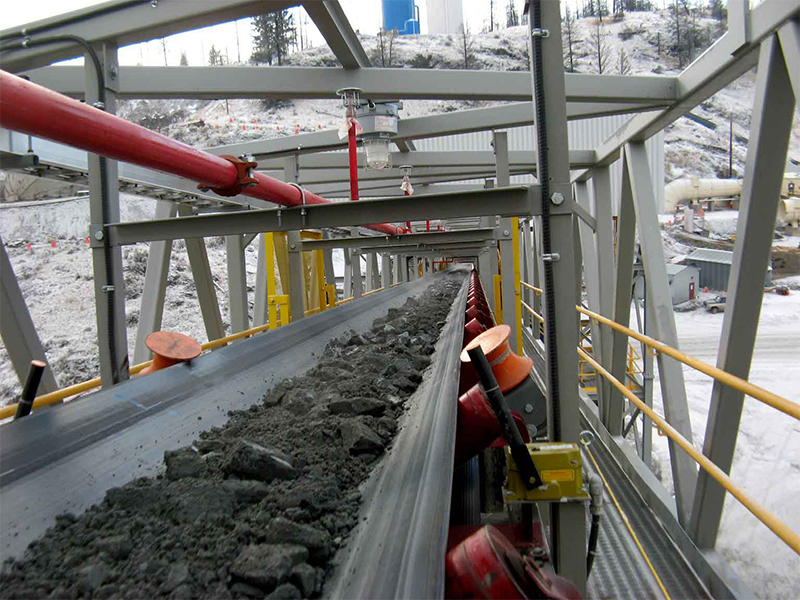
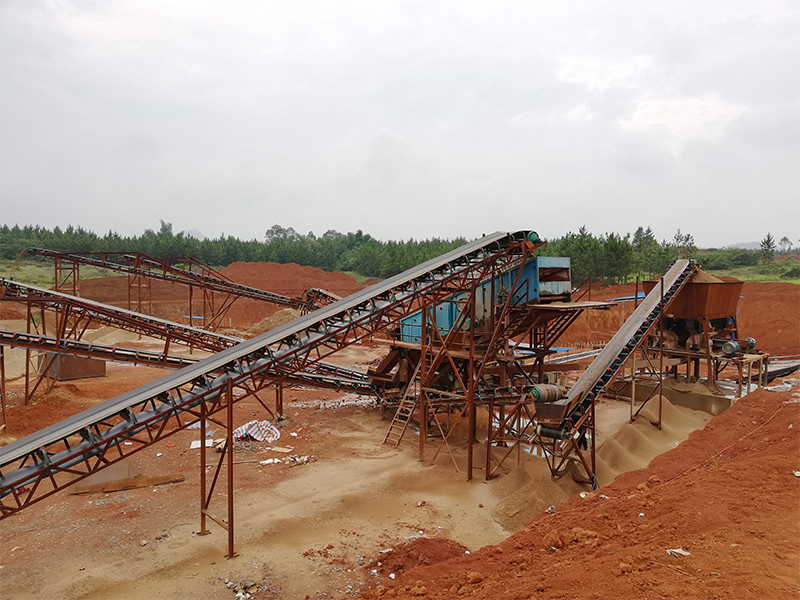
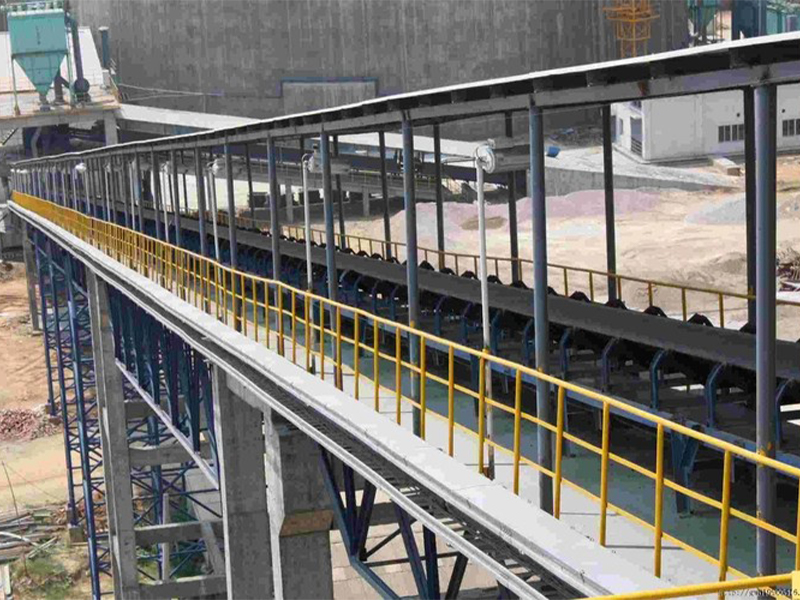
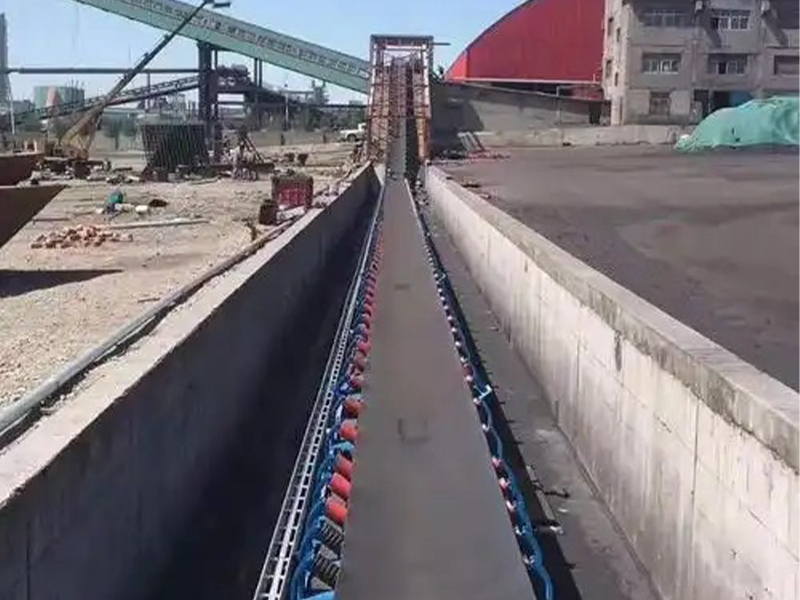
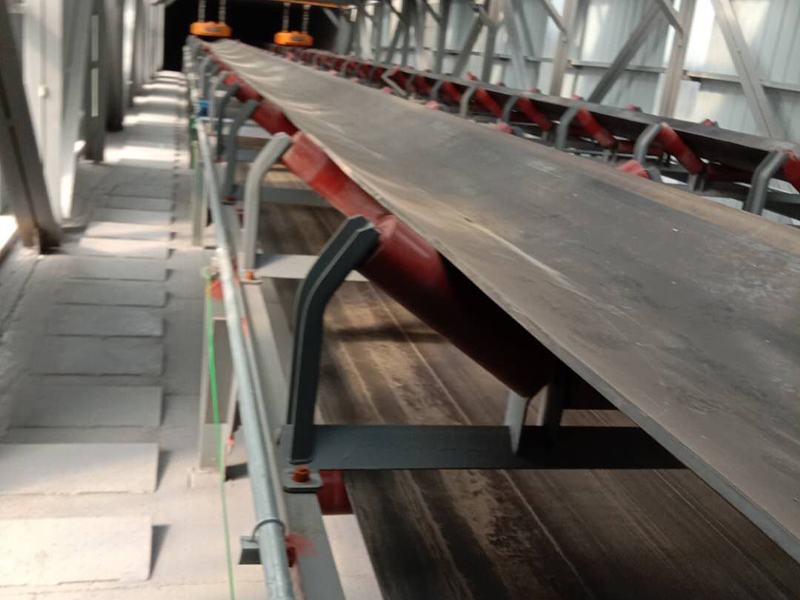
Our products are deployed in critical mining, power generation, steel manufacturing, and port operations worldwide, delivering reliable performance under continuous load.
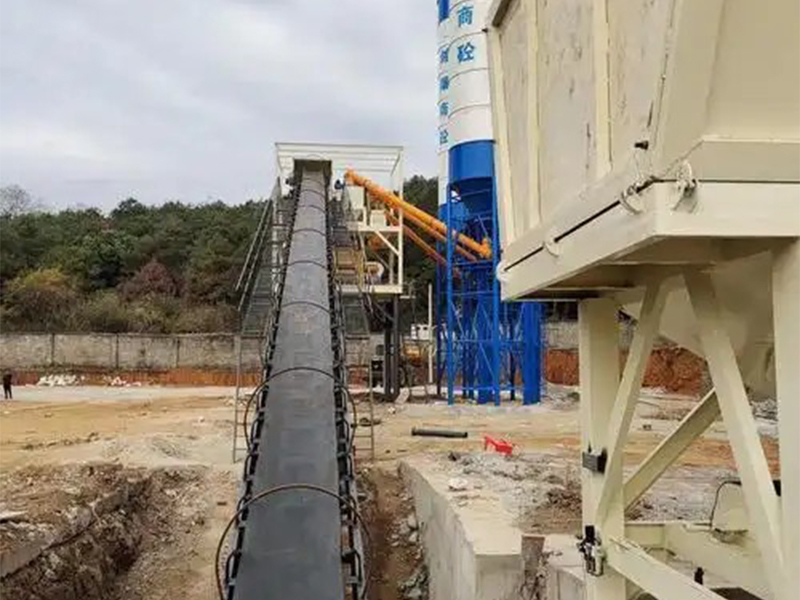
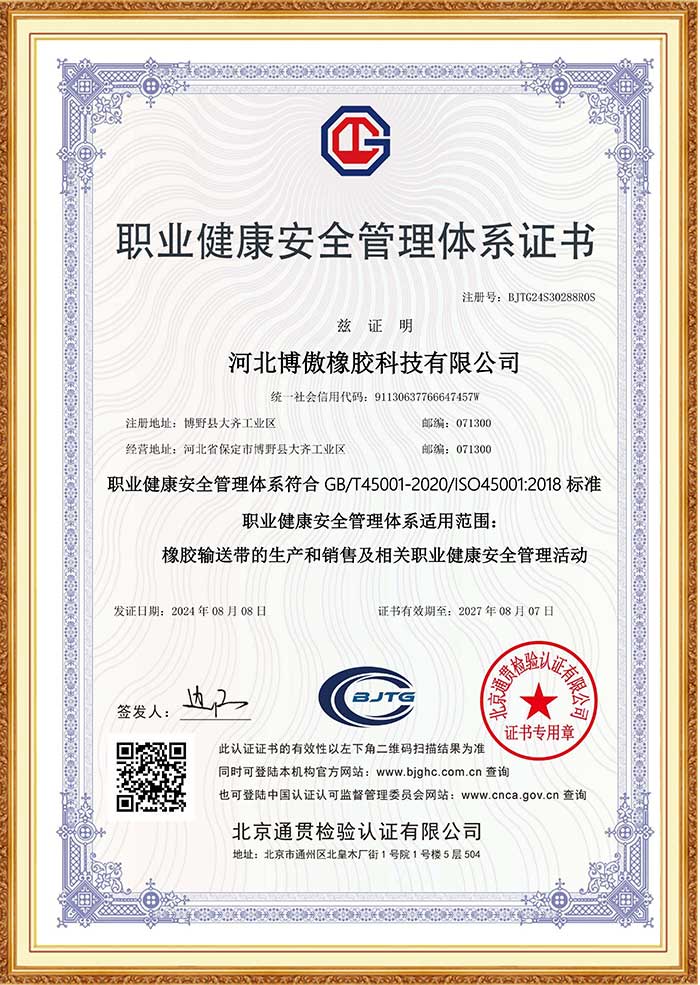
We maintain rigorous testing standards across every phase of production. Our facilities and products carry international quality certifications, confirming compliance with global safety requirements.
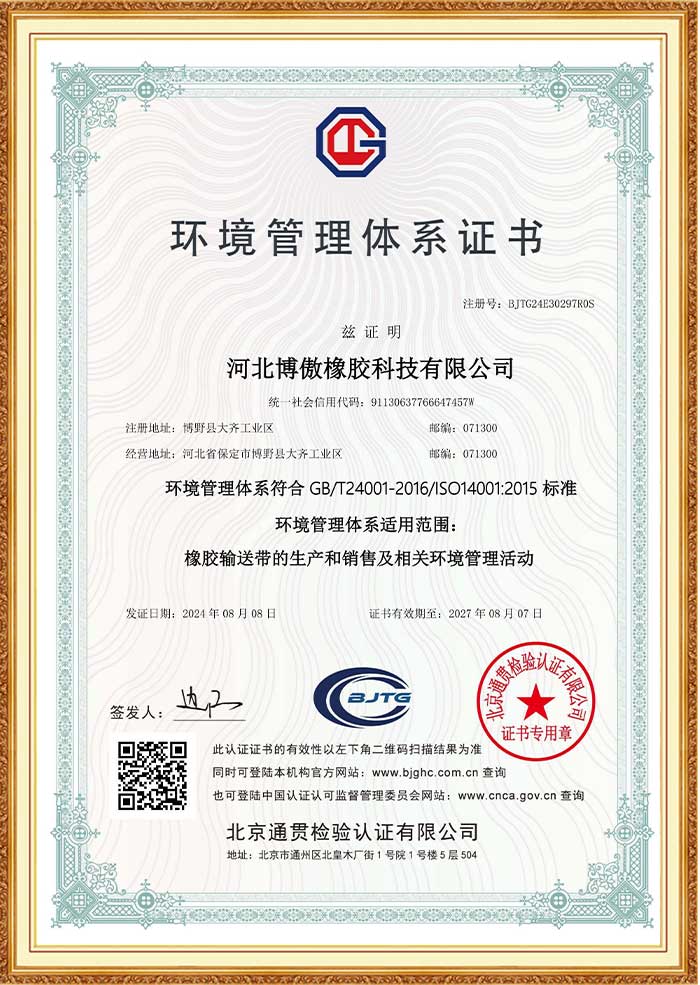
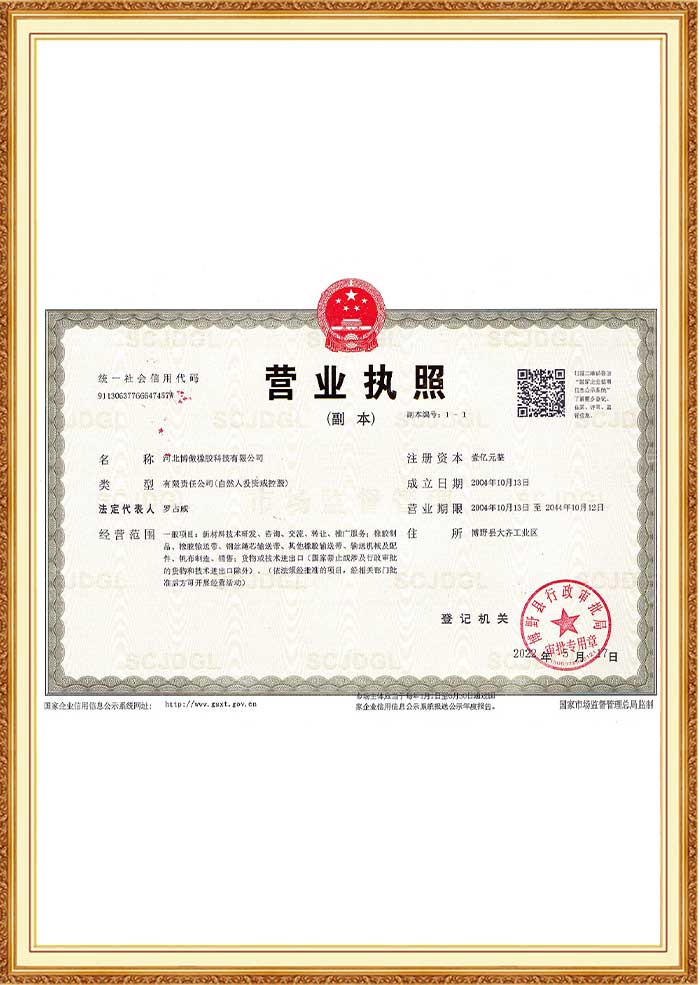
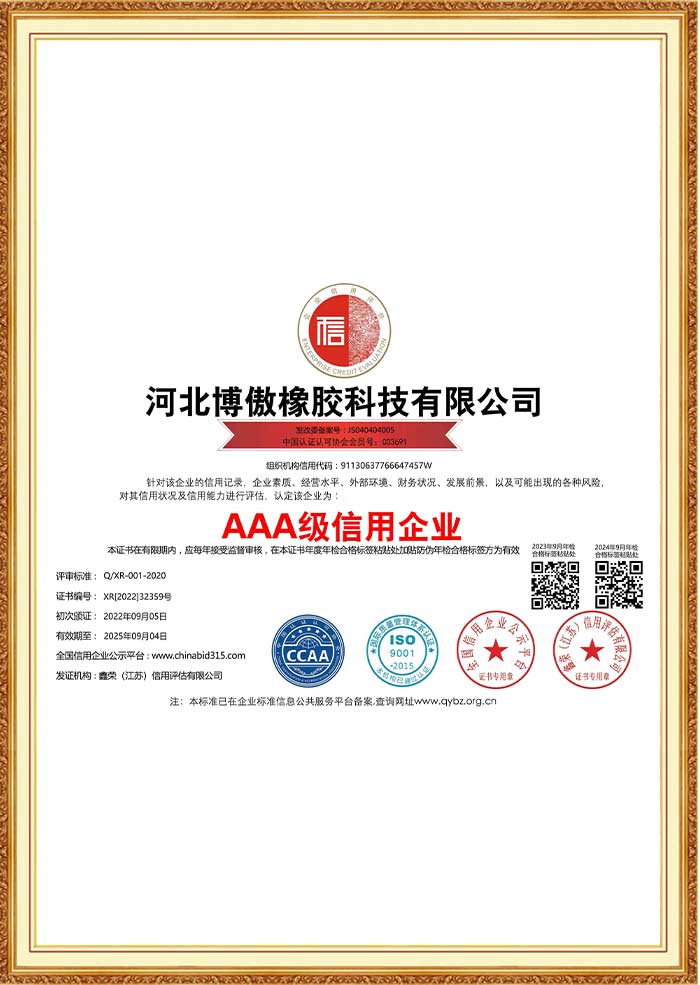
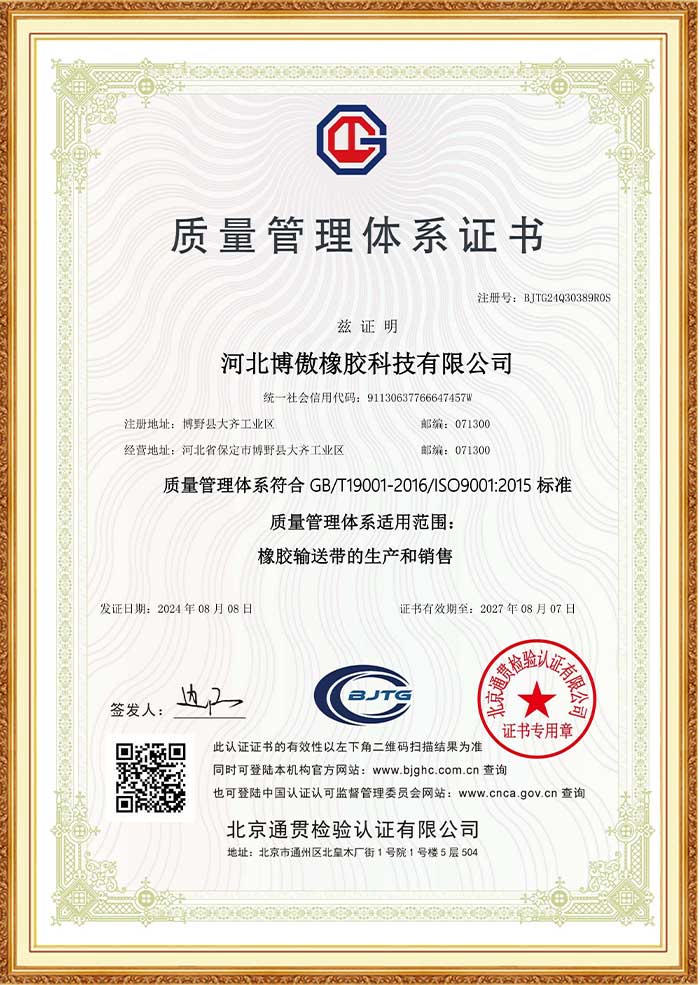
Every batch of raw rubber, vulcanizing agent, carbon black, and textile fabric undergoes thorough inspection before entering the production floor. Our facility includes a chemical analysis laboratory and a physics lab, allowing us to monitor critical mechanical values including:
We provide technical support designed to keep your conveyor lines running efficiently. Our engineering teams assist with system sizing, transition distance layout, and drive power calculation. By coordinating belt specifications with proper idler spacing, we help minimize belt wear and energy consumption.
| Service Phase | Operational Details | Engineering Standards achieved |
|---|---|---|
| Pre-Sale Consultation | Conveyor parameter analysis, cover compound matching, sizing calculations. | Prevents premature belt selection errors and matches carcass structure to tension limits. |
| Production Tracking | Strict testing at every processing step; raw material verification to final vulcanization inspection. | Guarantees zero-defect manufacturing and compliance with ISO 9001 quality controls. |
| Installation Guide | Detailed splicing and joint-making procedures (hot vulcanization, cold bonding, mechanical fasteners). | Maximizes splice efficiency and reduces joint failure risk at start-up. |
| After-Sales Inspection | Periodic wear reviews, tension adjustment advice, troubleshooting for belt tracking issues. | Extends operational life and minimizes unplanned production downtime. |
Get authoritative, engineering-focused answers to common questions about selecting, maintaining, and optimizing heavy-duty reinforced rubber conveyor belts.
Work directly with our factory to secure technical plans, product data sheets, and custom quote support. Our engineers are ready to assist you in designing a reliable, long-lasting conveyor layout.
View our range of supporting components, including profiled belts, high-inclination sidewalls, troughing idlers, and heavy-duty bracket accessories.
 Boao Rubber