Explore our elite collection of high-performance idlers, buffer rollers, and specialized rubber conveyor belts engineered for heavy industrial applications.
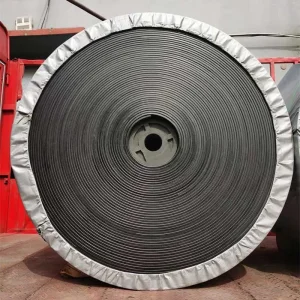
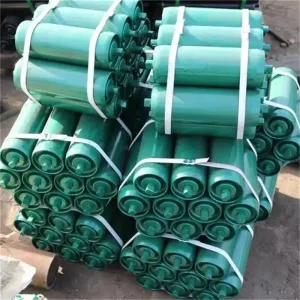
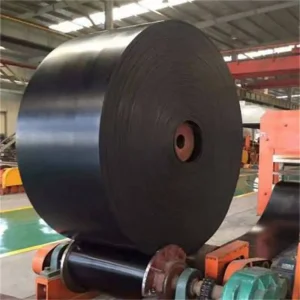
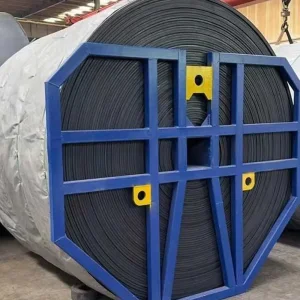
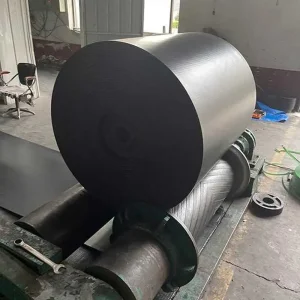
In modern bulk material handling, conveyor system reliability represents the margin between peak profitability and catastrophic down-time. Within this dynamic, Neoprene Idler Rollers (often referred to as chloroprene rubber rollers) act as vital component points. Unlike standard natural rubber or generic polyurethane rollers, neoprene (polychloroprene) is chemically structured to deliver high resistance to environmental factors, extreme physical stresses, and chemical exposures.
From a molecular standpoint, the addition of chlorine into the polymer backbone provides neoprene with stability that surpasses standard hydrocarbon rubbers. For global procurement specialists and maintenance directors, using neoprene-coated idlers ensures protection against oil absorption, ozone degradation, structural abrasion, and thermal degradation. This translates directly to an extended L10 bearing life and a reduction in Total Cost of Ownership (TCO).
“The selection of elastomer coating on idler rollers defines the conveyor system's overall wear pattern. In harsh marine, industrial chemical, or mining environments, Neoprene is the baseline standard for non-negotiable longevity.” – Industry Whitepaper Extract.
Selecting the appropriate roller coating material requires cross-referencing mechanical demands with environmental constraints. The following comparison illustrates why Neoprene remains the leading choice for high-demand setups:
| Performance Characteristic | Neoprene (Polychloroprene) | Natural Rubber (NR) | EPDM | Polyurethane (PU) |
|---|---|---|---|---|
| Shore A Hardness Range | 60 - 80 Shore A | 50 - 75 Shore A | 50 - 85 Shore A | 70 - 95 Shore A |
| Operating Temperature | -30°C to +120°C | -50°C to +80°C | -40°C to +150°C | -30°C to +80°C |
| Oil & Grease Resistance | Excellent (Aliphatic Oils) | Poor | Poor | Good |
| Ozone & Weathering | Excellent | Poor | Outstanding | Excellent |
| Impact & Abrasion Absorption | Excellent (Elastic Cushioning) | Outstanding | Moderate | Outstanding (Stiff) |
| Acid & Alkali Resistance | Good to Very Good | Fair | Excellent | Poor |
The global requirement for neoprene idler rollers and high-durability support structures is expanding, driven by the growth of large-scale infrastructure projects, modern automated mining, and high-capacity port processing facilities. In regions such as North America, Australia, Western Europe, and South America, heavy-duty material conveyors operate 24/7 under stringent environmental and safety guidelines. The costs associated with bearing failures, belt wear, and material carryback have pushed engineers to demand components with tighter tolerances and higher material grades.
In this context, Chinese factories have transitioned from basic manufacturing hubs to leaders in precision engineering and high-efficiency material processing. This shift is exemplified by industrial hubs like the Rubber Industrial Park of Boye County, Baoding, Hebei Province, which supports advanced manufacturing operations.
By housing raw polymer formulation, precision steel shaft machining, vulcanization, and dynamic balancing testing under one single facility, Chinese manufacturers eliminate external middleman logistics, reducing production turnaround times by up to 35% compared to Western counterparts.
Advanced chemical engineering laboratories allow local producers to tailor rubber formulations for specific tasks, whether it is high flame retardancy, low-temperature flexibility (-40°C), or superior abrasion resistance.
Adherence to global engineering standards (such as CEMA, DIN, ISO, and AS) ensures that products manufactured in China fit seamlessly into existing conveyor infrastructure across the globe, without structural modification.
Neoprene idlers are not generic, one-size-fits-all components. Their structural variations are engineered to solve specific operational challenges across distinct localized scenarios:
Marine salt spray, intense UV exposure, and moisture lead to rapid rusting of raw steel cores and breakdown of standard rubbers. In these environments, neoprene covers protect the steel roller shell from corrosion while resisting the degrading effects of salt-saturated air.
At steel mills, rollers must handle high ambient temperatures and exposure to industrial lubricants and process oils. The flame-retardant and oil-resistant properties of premium neoprene compounds keep these idlers operational, preventing premature swelling and catastrophic belt jams.
Subterranean mining requires strict fire safety standards. Neoprene formulations containing flame-suppressing elements meet the requirements of international flame-retardant standards (e.g., MSHA, DIN, and ISO specifications). This makes them suitable for carrying dry, highly combustible coal loads safely.
Conveying hot, abrasive cement clinker generates high surface temperatures and dust contamination. Neoprene impact and return rollers absorb shock at transfer points, helping to maintain belt tracking and prevent cover abrasion.
Under the leading product brand "Jinao", we are a professional manufacturer in China integrating product development, design, and manufacturing for global material handling networks.
Founded in 2004 and located in the core Rubber Industrial Park of Boye County, Baoding, Hebei Province, Hebei Boao Rubber Technology Co., Ltd. has developed into a major production-oriented enterprise. We design, manufacture, and distribute heavy-duty conveyor belts and accessories.
Our manufacturing facility includes specialized lines for rolling, vulcanization, machining, and material testing. Our operations are supported by our independent chemical analysis room and physical laboratory. This setup ensures that every batch of rubber compounds and finished idlers undergoes testing before shipping. We inspect raw polymer viscosity, vulcanization behavior, tensile strengths, bearing alignment, and dynamic run-out, helping us maintain consistent quality.
Production Line

Vulcanization Setup
Machining Shop
Heavy Equipment

Storage Facilities
Raw Material Warehouse
Inspection Station
Custom Finishing
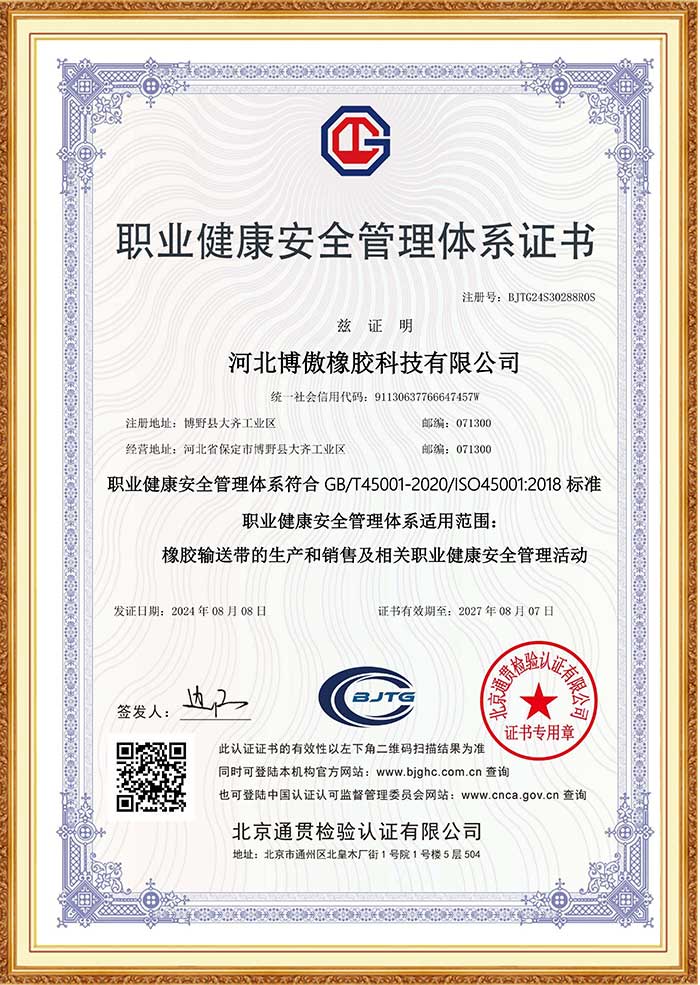
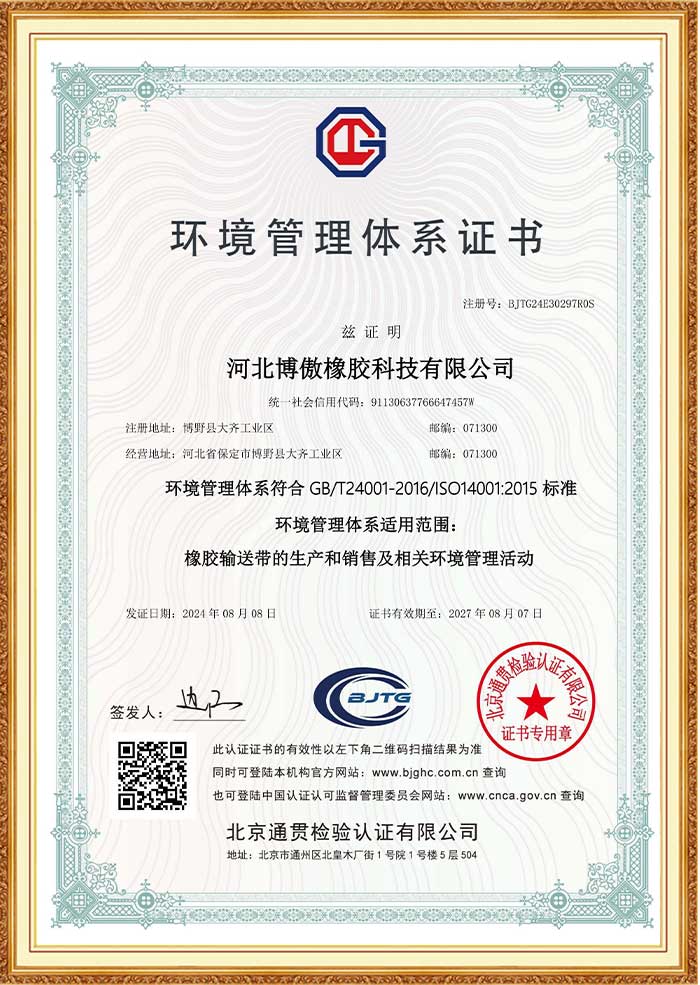
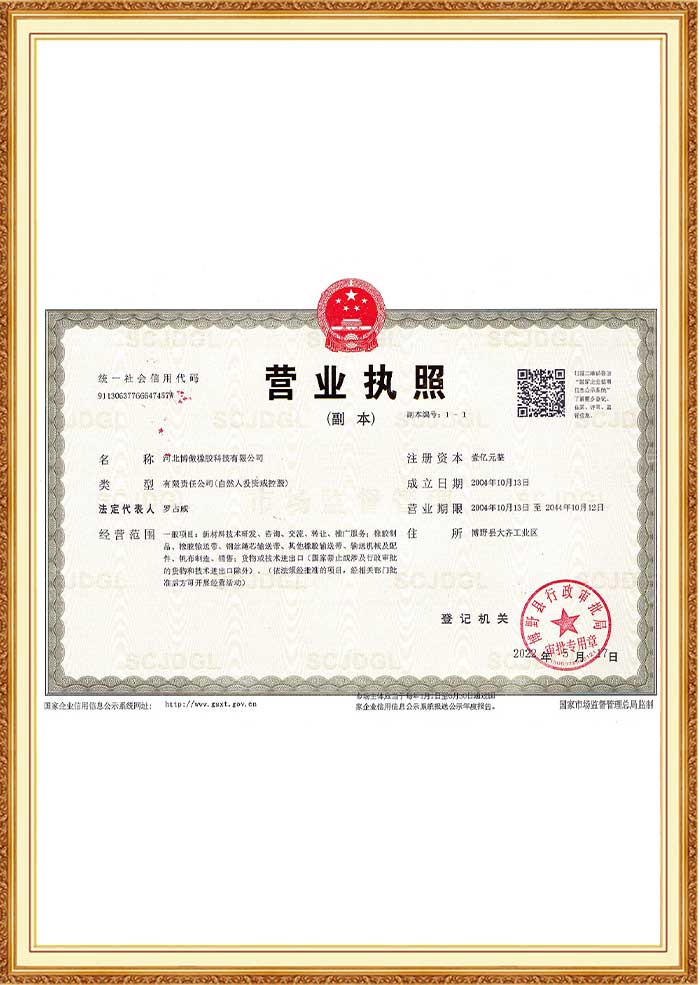
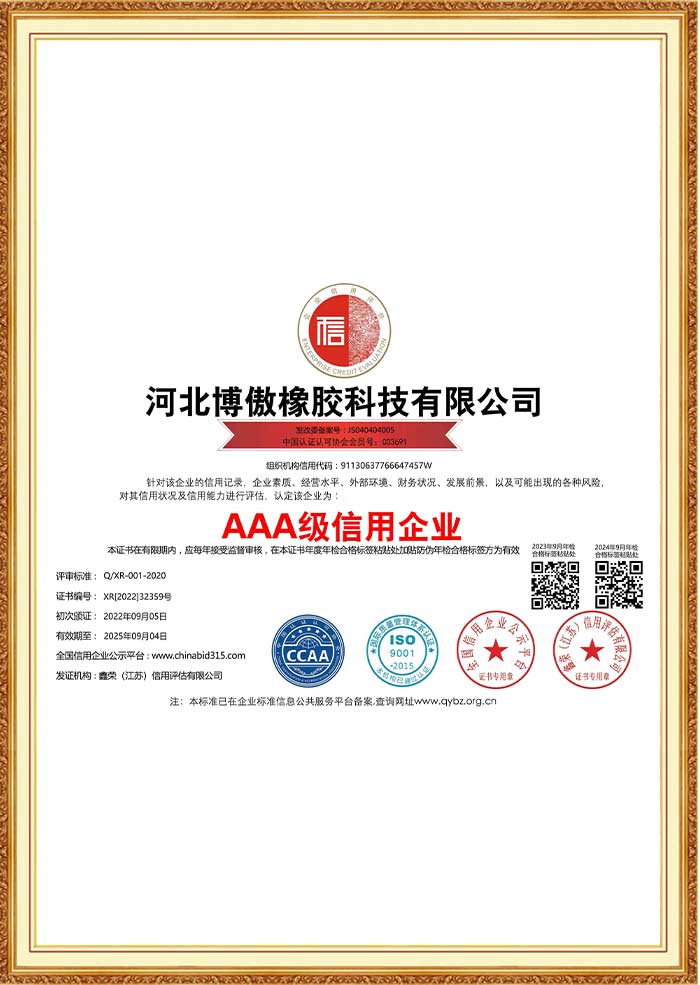
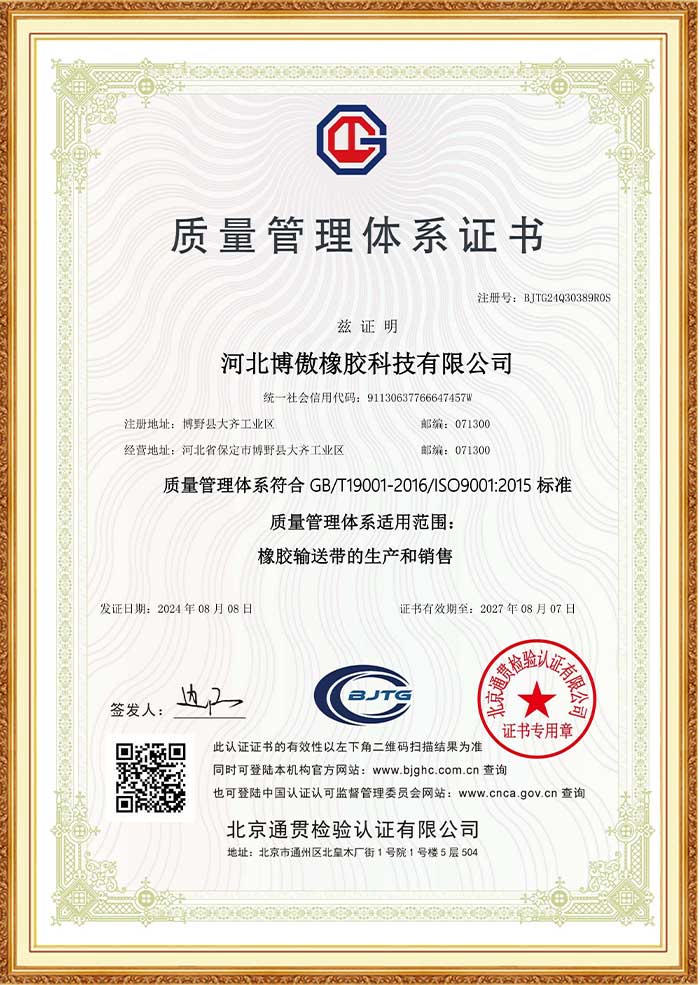
We maintain a rigorous quality management system certified to international standards. Our components are used by global corporations across demanding operating conditions.
ISO9001 Certificate
Manufacturing License
Safety Approval Cert
SGS Testing Audited
National Standards Conformity
China Railway Group
Conch Cement
Datong Coal Group
Tsingshan Group
Taihang Steel
We provide integrated support programs designed to optimize equipment runtime, reduce maintenance overhead, and extend the lifespan of your conveyor assets.
We supply high-grade neoprene components, standard rollers, and vulcanized rubber belts. We also establish safety stocks to ensure prompt response to operational needs, manage storage environments to prevent elastomer aging, and provide on-site splicing support.
Our focus is on maximizing conveyor system efficiency, reducing belt wear, preventing material tracking deviations, and optimizing component replacement intervals to support operational continuity.
We perform systematic replacement and repair schedules alongside thermal imaging audits of bearing configurations, designed to extend roller service life and avoid unplanned system shutdowns.
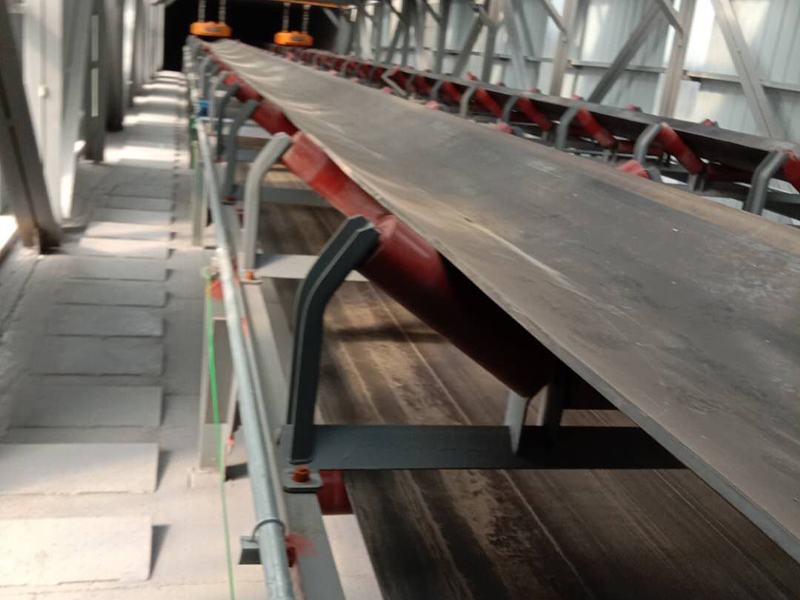
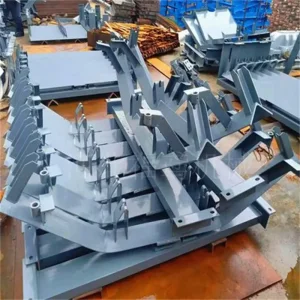
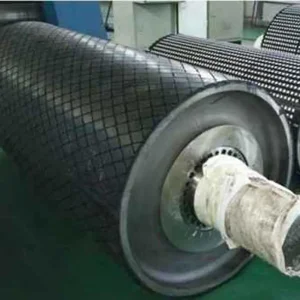
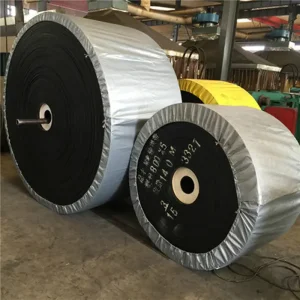
Discover our comprehensive collection of idler rollers, brackets, and structural conveyor equipment designed for reliable material transport.
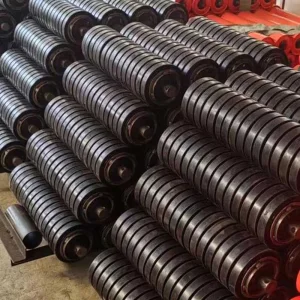
Detailed technical answers to common queries regarding design specifications, operational limits, and raw material sourcing for neoprene idler configurations.
 Boao Rubber