Industry White Paper

Best Laminated Conveyor Belts Factories & Factory

Pioneering High-Performance Multi-Ply Rubber Compounding & Structural Mechanics for Heavy-Duty Material Transport

Global Market Overview

The Strategic Position of Laminated Conveyor Belts in Modern Bulk Logistics

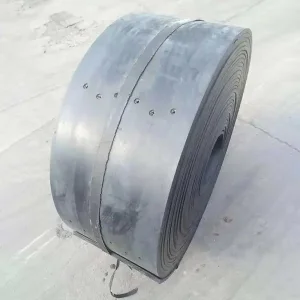
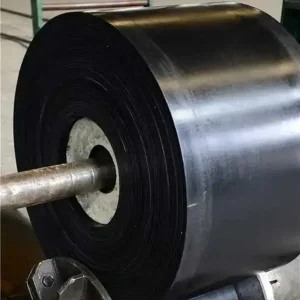
In the contemporary industrial system, bulk material logistics form the vital pipelines of global trade, infrastructure, and heavy manufacturing. At the core of these pipelines is the laminated conveyor belt (often referenced as multi-ply or layered textile conveyor belts). The term "laminated" highlights the composite engineering where multiple layers of synthetic fabrics—typically Polyester-Nylon (EP), Nylon-Nylon (NN), or specialized cotton blends—are vulcanized and integrated with custom-engineered rubber matrices. This laminated configuration creates structural synergy, providing high tensile strength, outstanding flexibility, and optimized impact dissipation.

Currently, the global industrial market is witnessing a rapid structural transition. Regions such as South America, Australia, and Africa are experiencing intense mining cycles, raising the demand for conveyor belts that can handle extreme loads over long distances. Simultaneously, the focus on smart logistics in ports and terminals across the Asia-Pacific region, along with strict environmental and safety regulations in Europe and North America, is pushing technology demands beyond standard boundaries. Modern procurement offices are no longer looking for simple physical conveyor bands; instead, they seek systematic material handling partnerships that offer high operational reliability, reduced downtime, and verified compliance with local environmental and fire safety codes.

"The modern laminated conveyor belt is a high-tech composite structure, not just a simple vulcanized rubber strip. By layering high-density polymer matrices with advanced synthetic fabrics, factories can customize the tensile modulus and elongation traits to meet demanding operating conditions."
Product Lineup

Premium Laminated Belting & Supporting Components (Showcase I)

Explore Hebei Boao's advanced product lineup, including heavy-duty belt configurations and supporting structural components.
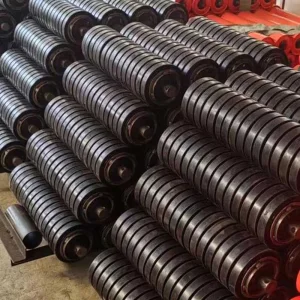
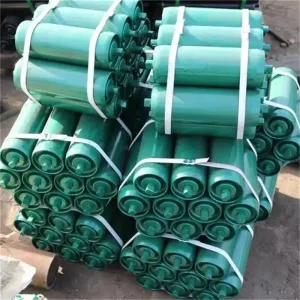
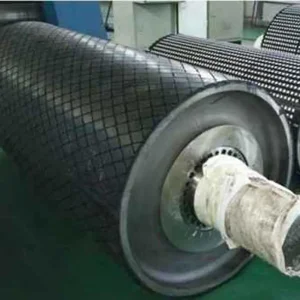
Rubber Buffer Idler Roller

China Suppliers Factory Rubber Buffer Idler Roller for Corrosive Environments - Impact Resistance and Durability

View Details
Flame Retardant Conveyor Belt

Best Flame Retardant Rubber Conveyor Belt from China Suppliers - High-Quality Factory Manufactured Solutions

View Details
Heat-Resistant Conveyor Belt

China Heat-Resistant Rubber Conveyor Belts from China Suppliers - Quality Factory Options Available

View Details
Durable Bucket Elevator Belts

China Rubber Lifting Conveyor Belt Suppliers | Durable Factory-Direct Bucket Elevator Belts

View Details
Rubber Lifting Conveyor Belt

China Rubber Lifting Conveyor Belt - High-Quality Suppliers & Factory for Industrial Use

View Details
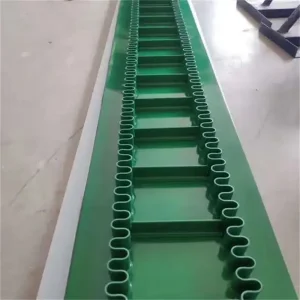
Lightweight PVC-PU Conveyor Belts

China Lightweight PVC-PU Conveyor Belts from China Suppliers - High-Quality Factory Options

View Details
Acid and Alkali Resistant Conveyor Belt

Best Acid and Alkali Resistant Conveyor Belt Supplier in China - High-Performance Factory Products

View Details
Suspended Conveyor Belt Rollers

China Suspended Conveyor Belt Rollers from China's Leading Suppliers - Durable Idlers

View Details
Authorized Profile

Hebei Boao Rubber Technology Co., Ltd.

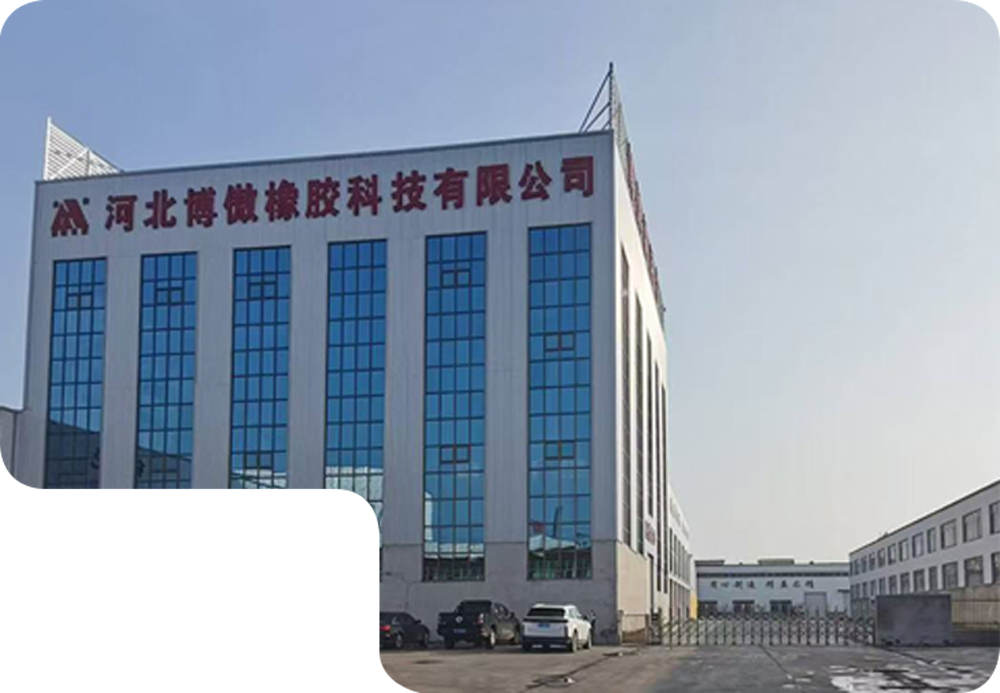
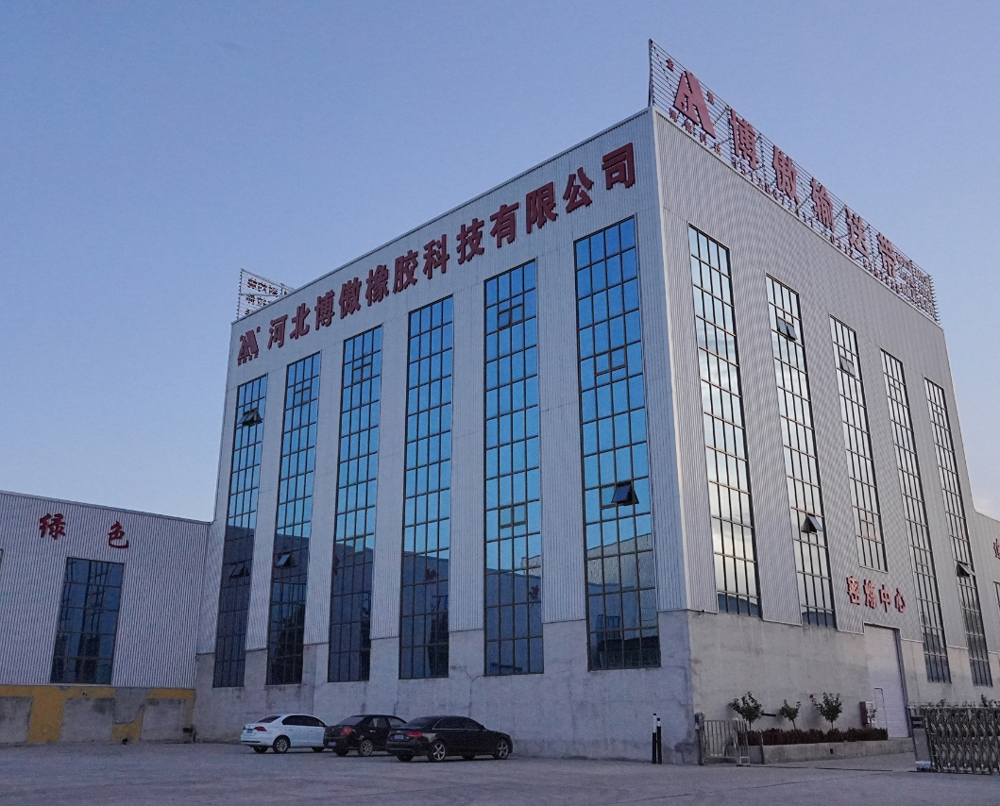
Established in 2004 and covering a sprawling industrial campus of over 30 acres, Hebei Boao Rubber Technology Co., Ltd. has grown over 22 years into a leading manufacturer of high-performance conveyor systems. Located in the Rubber Industrial Park of Boye County, Baoding, Hebei Province, the company sits within China's premier rubber manufacturing cluster. Under the renowned "Jinao" brand, Boao operates state-of-the-art rolling, forming, vulcanization, and material testing facilities.

Boao operates a vertical research and manufacturing model. The facility houses an independent chemical analysis laboratory and a physics testing suite, ensuring that raw polymer arrivals, fabric ply treatments, and finished laminated products are fully tested to international standards (including ISO, DIN, AS, and SANS specifications). Unqualified materials are kept off the production floor, and only certified goods leave the factory.

22+
Years of Experience
30+
Acres of R&D Space
ISO
Certified Quality
22 Years of Experience Badge

Inside Our Advanced Production Facilities

Production Process

Calendering Station

Production Line

Vulcanizing Line

Testing Facility

Forming Machine

Raw Rubber Processing

Physical Laboratory

Finished Belt Roll

Raw Material Check

Chemical Control

Rolling Section

Quality Inspector

Tension Testing

Packaging Yard

Edge Trimming

Shipping Area

Storage Center

Logistics Team

Packing Line

Engineering Manual

Structural Mechanics and Vulcanization Engineering of Laminated Belts

To understand why a laminated belt outperforms single-layer alternatives, one must look at the internal stresses that occur during operations. When traveling over drive pulleys and tail pulleys, the belt experiences bending stresses. The top cover is placed in tension, while the bottom cover is compressed. The neutral axis, which maintains a stable length, lies within the laminated fabric matrix.

By adjusting the fabric weave and warp/weft material configurations, our engineers optimize these internal mechanical properties:

  • Polyester-Nylon (EP) Plies: Polyester fibers run warp-wise (lengthwise), providing high tensile strength with low elongation at operational load. This minimizes the required take-up stroke. Nylon fibers run weft-wise (crosswise), offering excellent flexibility, impact resistance, and deep troughing capabilities.
  • Nylon-Nylon (NN) Plies: Both warp and weft fibers are constructed from Nylon 66. This configuration is ideal for heavy impact environments, steep-angle inclines, and settings that demand high flexibility, elastic recovery, and superior fastener holding strength.
  • The Skim Coat (Adhesion Layer): The quality of a laminated belt depends on the adhesion between its plies. Our factory uses a specialized RFL (Resorcinol-Formaldehyde-Latex) chemical treatment on the fabric, followed by the application of a high-tack rubber skim coat. This chemical bonding prevents ply separation even under severe bending and high impact.

Wear Classifications and Compound Selection

The outer rubber covers shield the inner textile core from wear, moisture, ozone, and chemical damage. Selecting the correct compound grade is vital to maximizing belt service life:

  1. DIN-X (ISO 10247 H Grade): Offers extreme abrasion resistance. Designed for conveying sharp, heavy rocks, metallic ores, and highly abrasive materials.
  2. DIN-Y (ISO 10247 D Grade): Provides balanced wear performance. Ideal for general-purpose applications handling coal, cement clinker, aggregates, and grain.
  3. Specialty Compounds: Formulated using polymers like EPDM (for high heat resistance up to 200°C), Nitrile/NBR (for oil resistance), and customized halogenated compounds (for self-extinguishing flame-retardant properties in underground operations).
Industrial Solutions

Macro-Industry Applications & Localized Engineering Scenarios

Providing customized material handling systems tailored to the operational demands of key global sectors.

Steel & Metallurgy

Designed to transport sintered ores, coke, and hot materials. Utilizing EPDM-based laminated heat-resistant belts prevents premature cracking and heat degradation at temperatures up to 250°C.

Mining & Ore Extraction

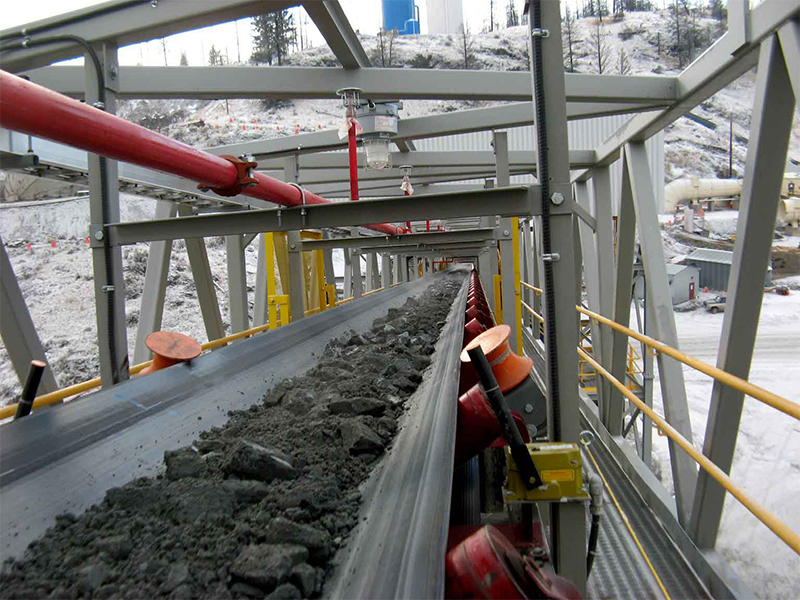
Specially engineered anti-tear steel wire rope and heavy-duty NN fabric conveyor belts. Built to withstand high drop-height impacts and raw mineral cuts in gold, copper, and iron ore mines.

Cement & Building Materials

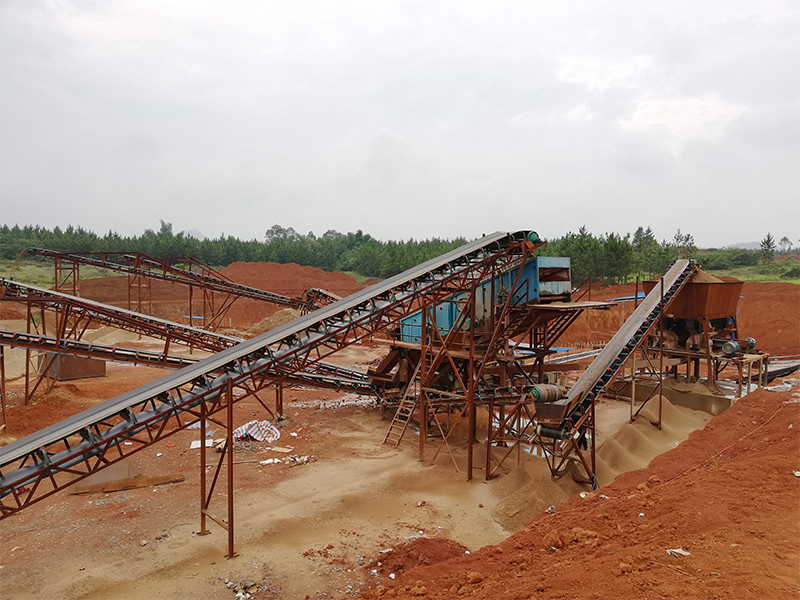
Perfect for carrying raw limestone, crushed aggregates, and clinker. Features high abrasion resistance (DIN-X/Y cover compounds) and specialized oil/acid-resistant formulations for chemical additives.

Power Stations (Coal Feed)

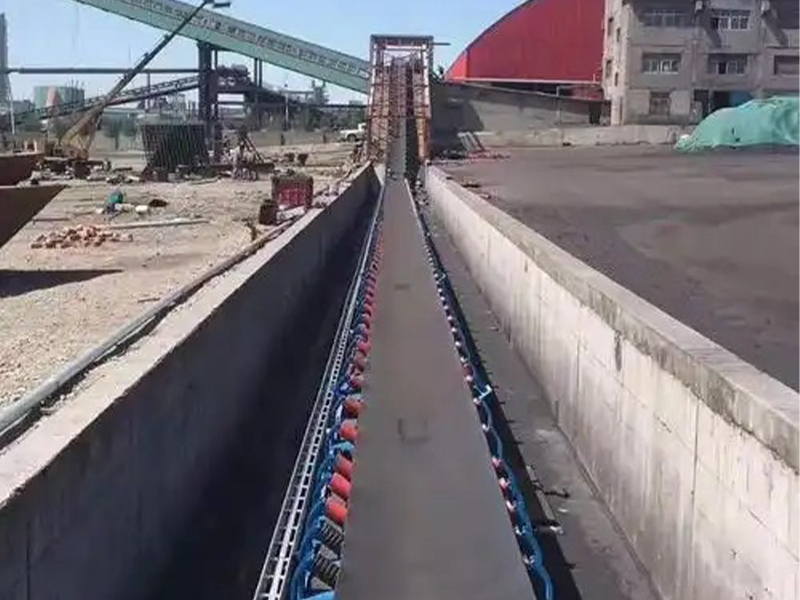
Underground and above-ground coal handling systems require strict flame-retardant performance. Our belts comply with EN12882, MSHA, and GB safety standards to ensure operations remain safe.

Ports, Docks & Bulk Terminals

For high-capacity, high-speed ship loaders. These belts use low-rolling-resistance bottom rubber to minimize power consumption over long overland conveyor spans.

Grain Storage & Food Silos

Features food-grade anti-static properties and vegetable oil resistance, preventing belt swelling and bacterial buildup during grain handling and bulk agricultural transport.

Technology Roadmap

The Future of Laminated Conveying: Green, Intelligent, and Ultra-Durable

To maintain a competitive edge, Hebei Boao focuses its R&D on emerging industry trends. The next generation of laminated conveyor belts centers on two core innovations: material sustainability and digital intelligence.

First, our chemical laboratory is developing **Eco-Compounding Systems**. By replacing traditional heavy-aromatic oils with bio-based plasticizers and incorporating recycled textile fabrics, we aim to lower the carbon footprint of our manufacturing process. We are also optimizing **Low Rolling Resistance (LRR) Rubber Compounds**. The energy consumed by long-distance overland conveyors is largely due to the indentation loss of the bottom rubber cover as it rolls over idlers. Applying LRR compounds can reduce energy usage by up to 15%, lowering overall operational costs.

Second, the industry is moving toward **Intelligent Monitoring**. By vulcanizing passive RFID tags and copper sensor loops directly into the laminated plies, conveyor systems can monitor belt health in real-time. These smart sensors detect rip starts, monitor belt stretch, and track splice wear, alerting operators before major failures occur.

On-Site Engineering

Comprehensive Technical Service Plan

At Hebei Boao, we believe quality service is just as important as high-performance products. We offer end-to-end technical support to ensure your conveyor systems operate at peak efficiency.

  • 1. Service Overview:

    Planned conveyor replacement, hot vulcanized splicing, repair services, system inspections, and emergency technical support.

  • 2. Scope of Services:

    We manage safety stock levels, maintain backup inventory, perform daily on-site inspections, handle hot/cold rubber bonding, and repair surface wear to maximize belt service life.

  • 3. Quality Standards:

    We focus on reducing operational friction, minimizing belt wear, and helping operators lower maintenance costs through standardized installation and alignment practices.

Quality Control Lab

Our quality control system operates on a zero-tolerance policy. Raw rubber materials undergo rheology checks to verify cure profiles, and incoming synthetic fabrics are tested for tensile strength and heat shrinkage.

After vulcanization, finished belts undergo rigorous testing. We check inter-ply adhesion strength, run abrasion tests, and perform safety flame tests in our ISO-certified facilities.

Testing Equipment
Partners & Compliance

Proven Performance and Certified Standards

Trusted by global industrial enterprises and certified by international quality agencies.

Collaboration Cases

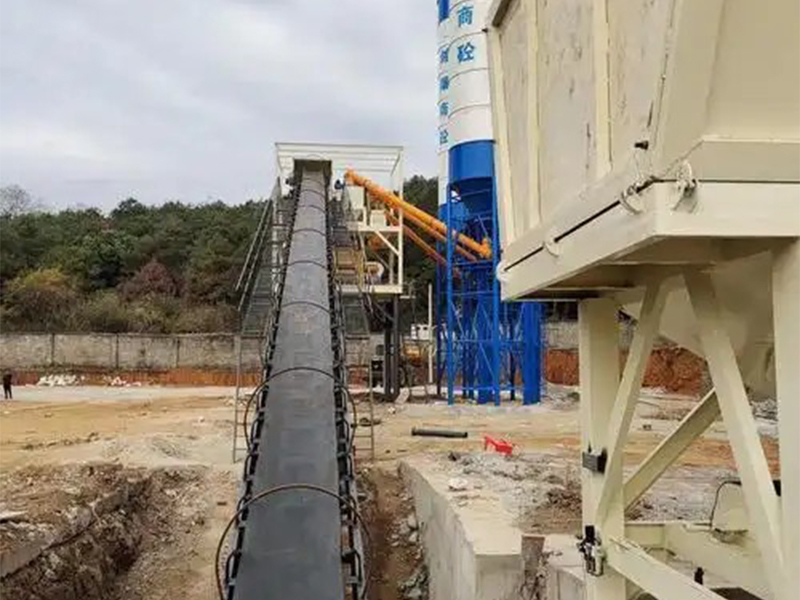
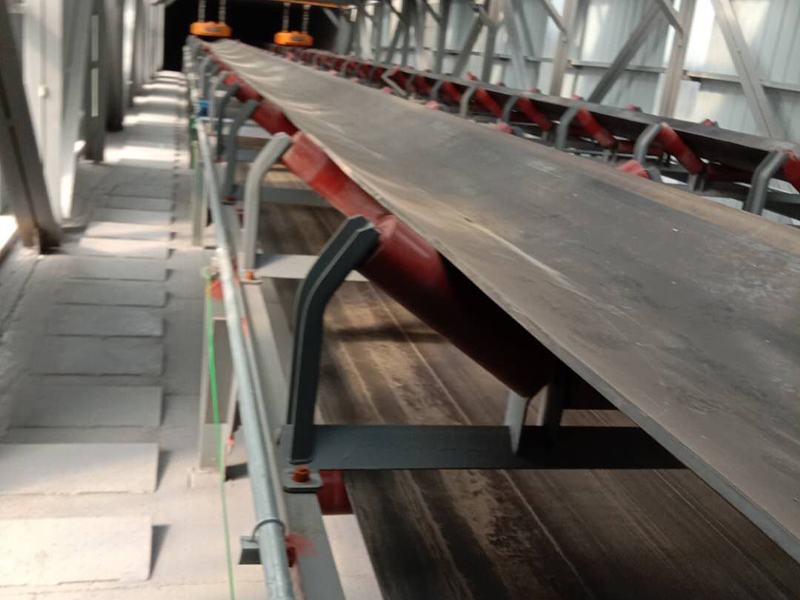
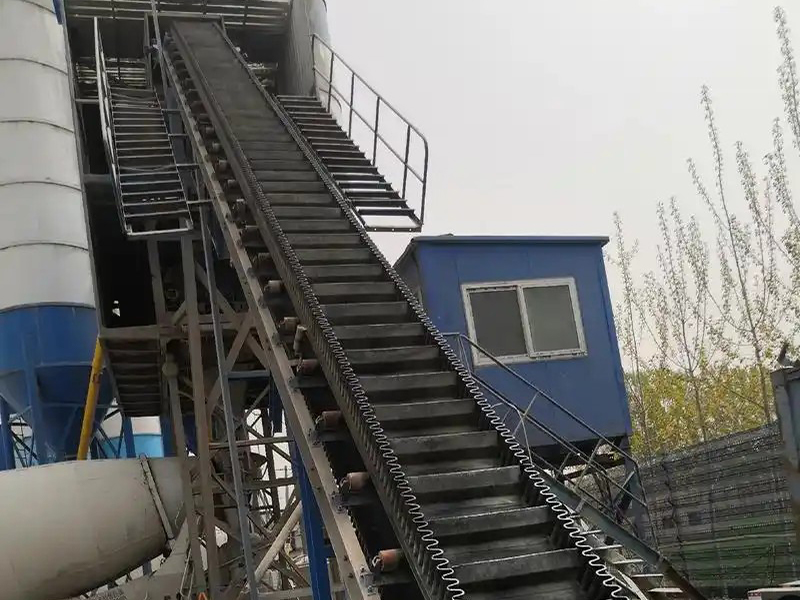
China Railway Group Mixing Plant

China Railway Group

Conch Cement

Conch Cement

Datong Coal Group

Datong Coal Group

Tsingshan Group

Tsingshan Group

Jidong Cement Group

Jidong Cement Group

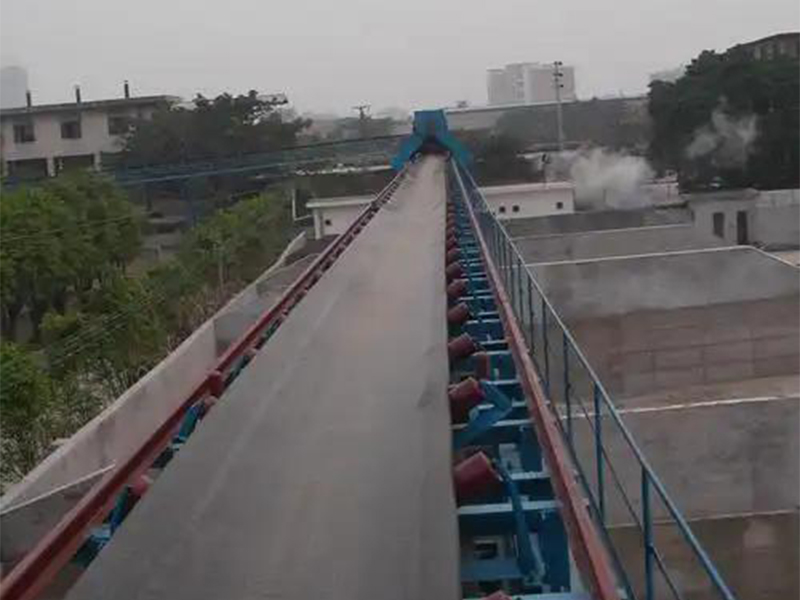
Jinmei Group Coal Conveying Line

Jinmei Group

Taihang Steel

Taihang Steel

Puyang Steel Group

Puyang Steel

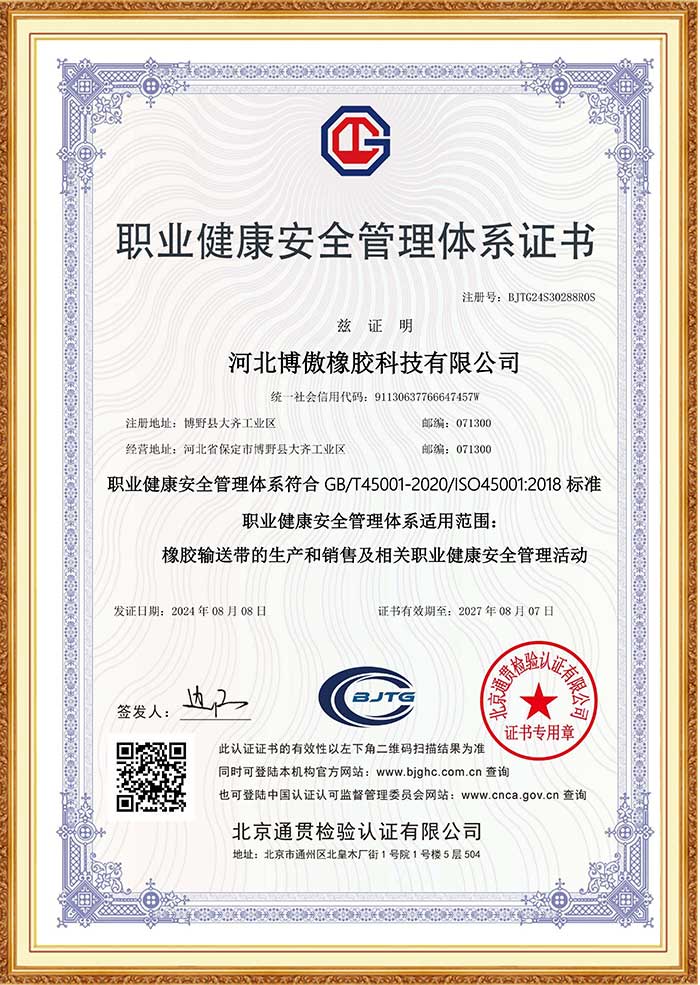
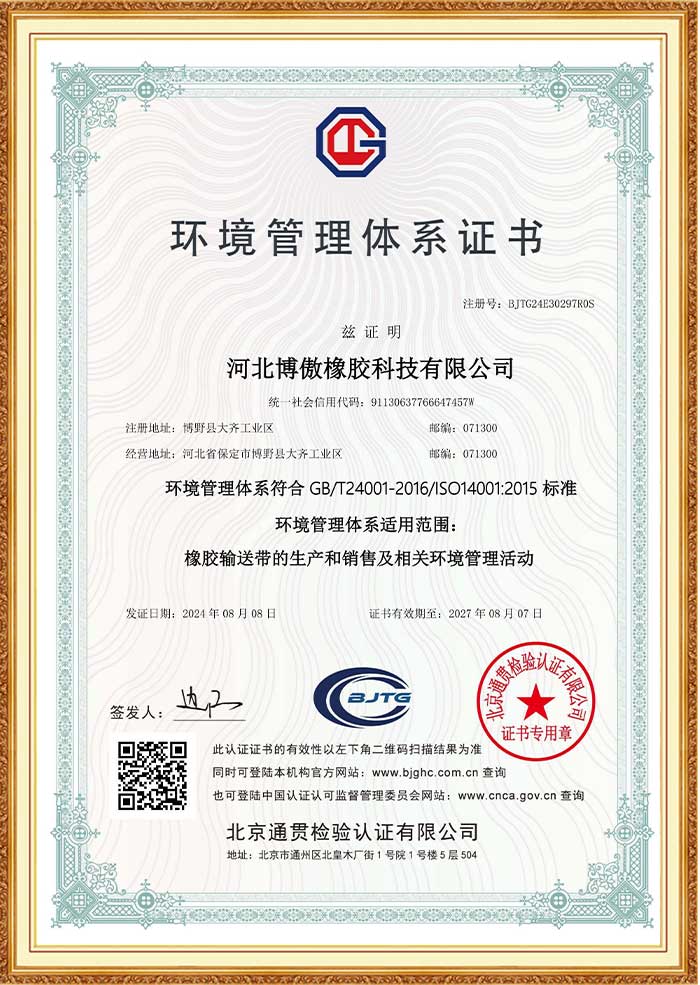
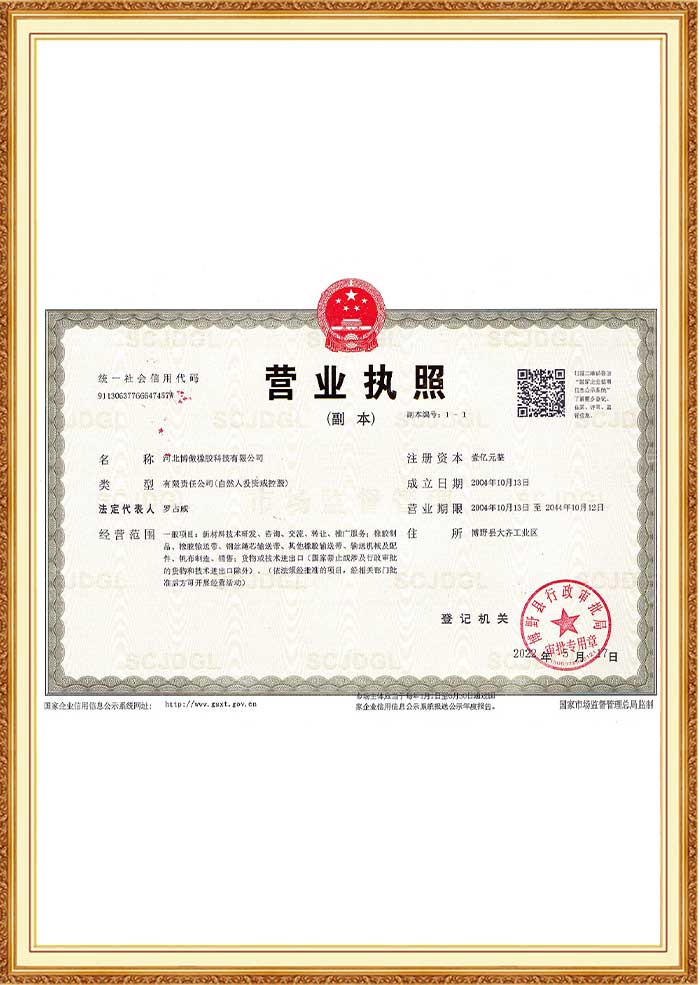
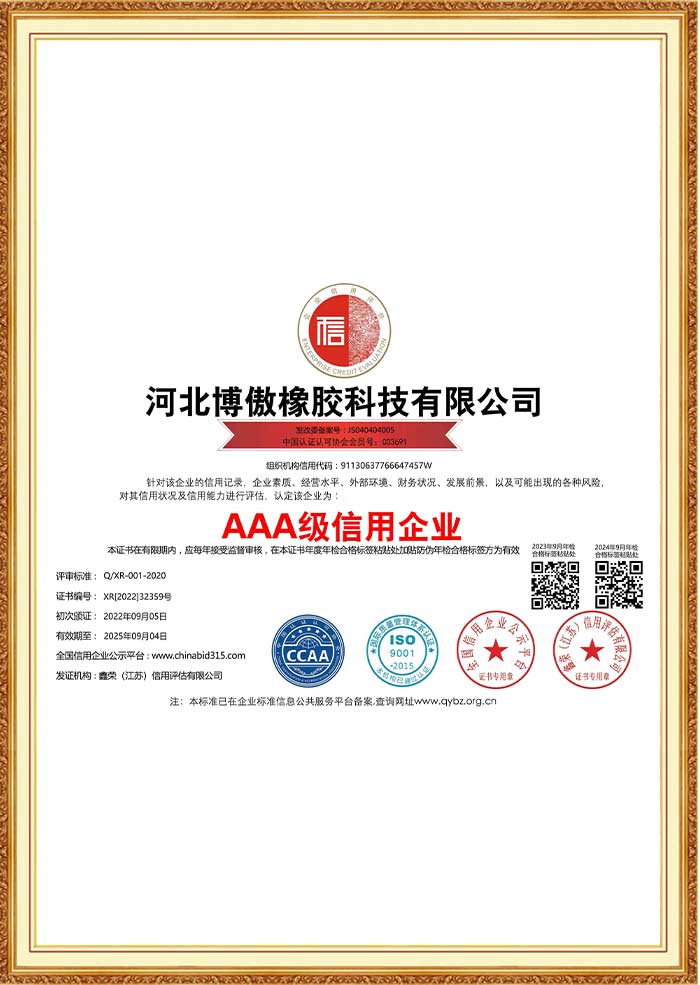
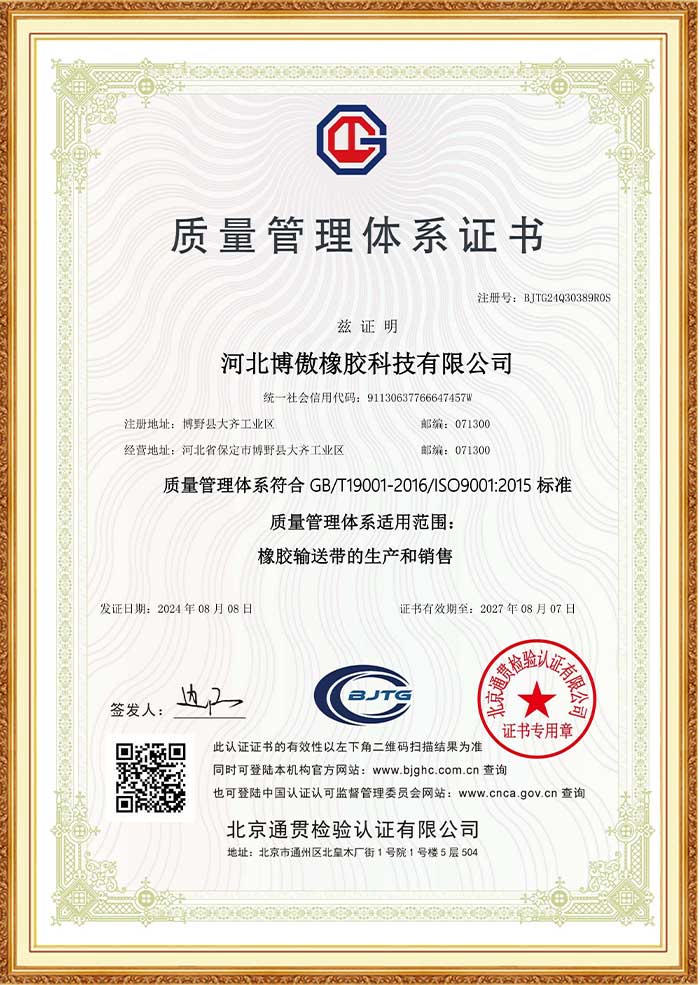
Our Quality Certificates

Certificate 1 Certificate 2 Certificate 3 Certificate 4 Certificate 5
FAQ Center

Laminated Conveyor Belting: FAQ

Technical answers to common engineering, selection, and purchasing questions.

Q1: What are the main benefits of using EP fabric over NN fabric?
EP (Polyester-Nylon) fabric conveyor belts feature a polyester warp and a nylon weft. They offer lower elongation under load, meaning they stretch less and require shorter take-up strokes. EP belts also have high dimensional stability and excellent moisture resistance. NN (Nylon-Nylon) belts, made with nylon in both directions, provide higher elasticity and superior impact resistance. They are best suited for deep-troughing systems and setups experiencing high mechanical shock.
Q2: How do I select the right cover rubber thickness for a laminated belt?
Selecting cover thickness depends on the material's particle size, weight, sharpness, and the loading drop height. Typically, heavy mining applications use a thicker top cover (e.g., 6mm or 8mm) to absorb impact and resist cutting, combined with a thinner bottom cover (e.g., 2mm or 3mm) for driving against pulley surfaces. For non-abrasive materials, thinner profiles like 3mm + 1.5mm are sufficient.
Q3: What causes ply separation in laminated belts, and how can it be avoided?
Ply separation is usually caused by excessive bending fatigue from undersized pulleys, high dynamic stress during starting and stopping, or poor fabric treatments during manufacturing. Selecting pulleys that match your belt's ply rating and choosing a manufacturer that uses high-quality skim-coat rubber and RFL treatments will prevent premature separation.
Q4: Can laminated rubber belts be used in high-temperature applications?
Yes, they can. However, standard rubber will harden and crack at elevated temperatures. For materials over 80°C (up to 200°C), you should choose heat-resistant rubber compounds. These compounds are formulated with heat-stable polymers like EPDM to protect the inner textile plies from thermal damage.
Q5: What standard testing procedures are run before shipment?
Every production batch undergoes comprehensive testing, including tensile strength and elongation tests (both full belt and cover rubber), abrasion resistance tests, ply adhesion testing, cover-to-ply adhesion checks, hardness tests, and thickness measurements. Safety-critical belts also undergo flame-retardant and anti-static evaluations.
Product Lineup

Premium Laminated Belting & Supporting Components (Showcase II)

Explore Hebei Boao's advanced product lineup, including heavy-duty belt configurations and supporting structural components.
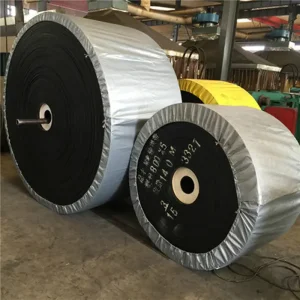
Anti Tear Steel Wire Rope Belt

Best High-Quality Anti Tear Steel Wire Rope Core Conveyor Belt from China Suppliers for Safe Material Transport

View Details
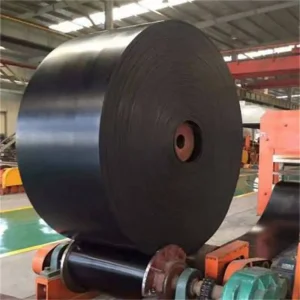
Nylon Rubber Conveyor Belt

Best Nylon rubber Conveyor Belt /Polyamide (NN) Conveyor Belt Manufacturer, Factories

View Details
Trough-Type Idler Rollers

China Suppliers Factory - High-Quality Conveyor Trough-Type Idler Rollers for Efficient Material Handling

View Details
Flame Retardant Belt

Best Flame Retardant Rubber Conveyor Belt from China Suppliers | Reliable Factory Solutions

View Details
Lightweight Conveyor Belts

China Lightweight PVC-PU Conveyor Belts from China Factory: Top Quality Suppliers for Your Needs

View Details
Rubber Lifting Conveyor Belt

China Rubber Lifting Conveyor Belt Suppliers - High-Quality Factory Production for Bucket Elevators

View Details
Conveyor Trough-Type Idler

China Conveyor Trough-Type Idler Rollers Manufacturer, Manufacturers

View Details
Heat-Resistant Conveyor Belt

China Heat-Resistant Rubber Conveyor Belts from China Suppliers - High-Quality Products

View Details