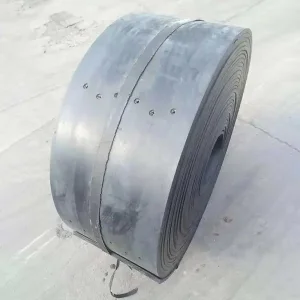
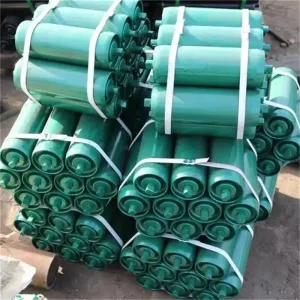
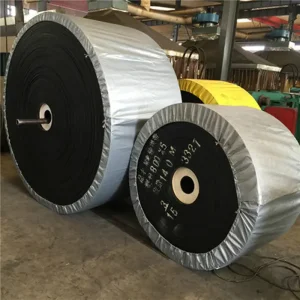
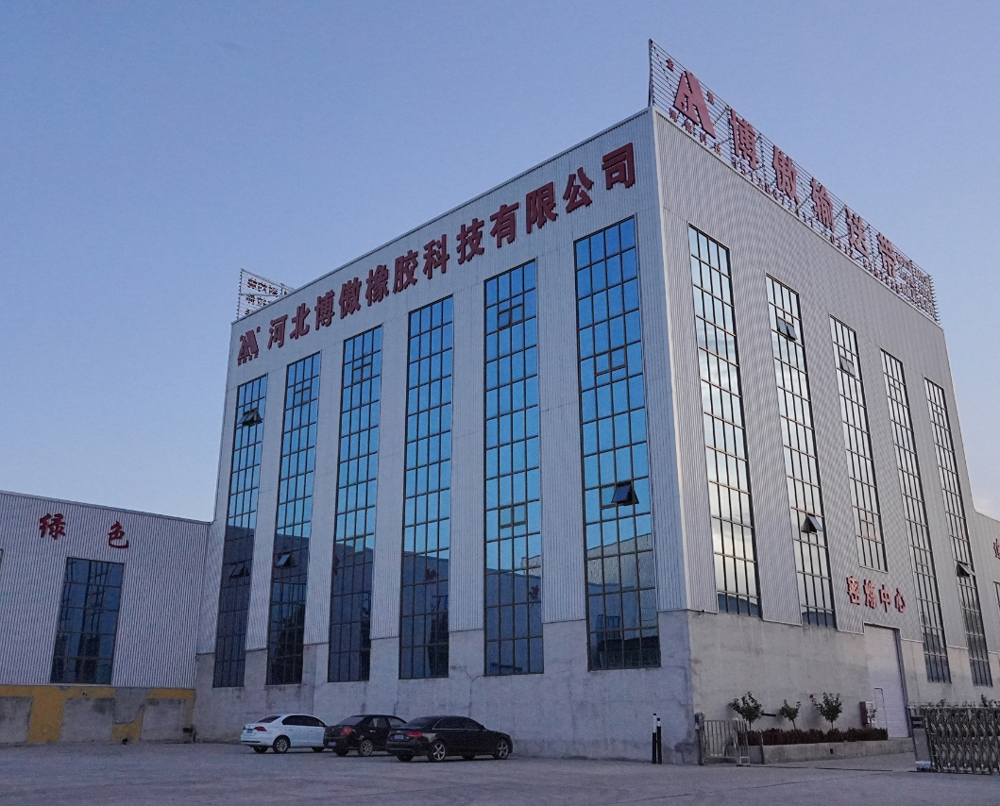
Established in 2004, Hebei Boao Rubber Technology Co., Ltd. (producing under our premium brand "Jinao") is a pioneer in manufacturing high-performance conveyor belts and custom idler roller systems. Spanning over 30 acres in the Boye County Industrial Zone, our manufacturing plant incorporates complete compounding, calendering, molding, and high-pressure vulcanization lines.
Our production facilities are integrated with state-of-the-art chemical analysis and physical testing laboratories, ensuring that from raw polymer testing to tensile resistance validation of the finished textile carcass, every single meter of our conveyor belts complies with absolute international standard parameters (DIN, ISO, AS, and SANS).
As a dynamic island economy in Central Africa, São Tomé and Príncipe is experiencing strategic development in its agricultural processing, maritime logistics, and infrastructure construction sectors. Given the archipelago's distinct geographical profile—featuring mountainous volcanic terrain, tropical humidity, and corrosive coastal marine atmospheres—the demands placed on industrial material transport systems are exceptionally rigorous. Heavy-duty rubber and patterned conveyor belts are critical utilities in maintaining efficient operations within these sectors.
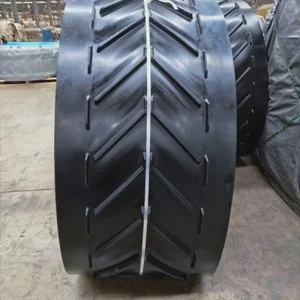
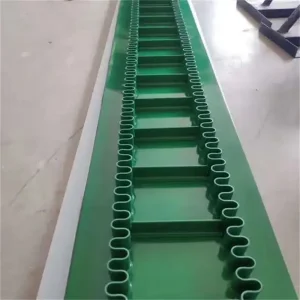
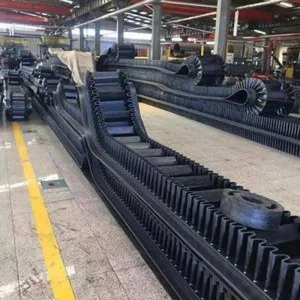
The primary economic driver in São Tomé and Príncipe is agriculture, dominated by cocoa beans, copra, and palm oil production. Traditional flat belts fail when conveying bulk agricultural raw materials across variable inclines. Wet cocoa beans, raw palm fruits, and organic waste tend to slide back down the conveyor line, leading to material spillage, system clogs, and costly downtime. Chevron and U-shaped patterned conveyor belts overcome this by mechanically holding materials in place, permitting stable conveyance at angles of up to 40 degrees.
Furthermore, palm oil extraction plants require specific chemical-resistant elastomers. Raw oil palm fruits discharge highly destructive fatty acids that quickly swell and degrade standard natural rubber compounds. We supply Nitrile (NBR) and specialized synthetic rubber-blended patterned conveyor belts that withstand acid and oil absorption, guaranteeing structural integrity and long life in tropical processing plants.
Operating as an island nation, São Tomé’s main ports (such as the Port of São Tomé and Neves) serve as the vital entry and exit points for imports and exports. Modern cargo loading and unloading installations necessitate high-strength, low-wear chevron conveyor belts to load minerals, packaged goods, and bulk agricultural products onto shipping vessels. The salt-laden marine environment accelerates metal oxidation, making robust rubber conveyor belts with high ozone and UV resistance essential for continuous outdoor operations along the Atlantic coastline.
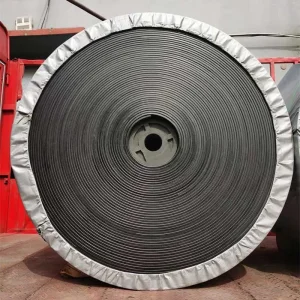
In local construction and quarrying projects, transporting volcanic rock, gravel, and sand presents high wear issues. We offer high-tensile multi-ply fabric conveyor belts (such as NN and EP carcass belts) featuring thickened, highly abrasive-resistant covers (DIN 22102 Y / W grades, less than 90 mm³ wear loss). This ensures long service life when moving sharp volcanic aggregates under heavy loads.
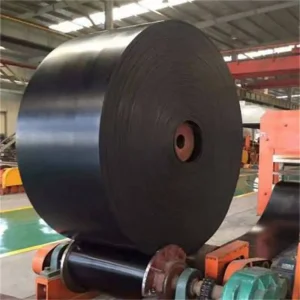
In the global bulk materials handling industry, the transition from simple canvas plies to modern EP (Polyester-Nylon) and Steel Cord reinforced carcasses has dramatically enhanced conveyor loading capacities. Today’s industrial operations require belts with minimum stretch, high impact damping, and reliable longitudinal flexibility. Patterned or profiled rubber conveyor belts are standard components in high-inclination plants globally, reducing footprint sizes by allowing steeper convey paths compared to traditional flat belt setups.
| Pattern Type | Common Profile Height (mm) | Maximum Incline Angle (°) | Primary Industrial Applications |
|---|---|---|---|
| Closed Chevron (V-shape) | 15, 25, 32 | 35° - 40° | Wet sand, cocoa beans, crushed minerals, palm kernels |
| Open Chevron (Crescent) | 15, 25 | 30° - 35° | Bagged cargo, agricultural seeds, wood chips |
| U-Shape Profile | 15, 25 | 25° - 30° | Coarse grains, fertilizers, dry cement aggregates |
| Fine Ribbed / Pit Pattern | 3, 5, 6 | 20° - 25° | Light food packaging, retail parcels, processed powder |
Hebei Boao Rubber Technology offers a reliable partnership for businesses in São Tomé and Príncipe seeking robust industrial supply lines. China’s advanced industrial cluster model enables Hebei Boao to secure high-quality raw materials—ranging from premium natural rubber compounds to high-tenacity polyester fabrics—at stable pricing, mitigating global inflation issues.
Our manufacturing plant in Hebei employs automated mixing terminals, precision multi-roll calendering lines, and advanced vulcanizing presses. This advanced machinery ensures consistent belt thickness, uniform pattern depth, and strong rubber-to-fabric adhesion. Compared to local or European suppliers, our streamlined production delivers superior specifications with shorter lead times, ensuring your operations remain online and efficient.
To maximize the lifespan of patterned conveyor belts operating in tropical coastal areas like São Tomé, proper installation and routine maintenance are essential. Below, our technical engineering team details key operational guidelines:
For rubber belts operating under high tension or steep inclines, hot vulcanized splicing is the recommended method. It provides up to 90% of the belt's original tensile strength. Cold adhesive bonding is suitable for fast, emergency repairs but may degrade under high humidity and heat. When performing vulcanization, ensure the workspace is kept dry and free of particulate contamination.
Misalignment is a primary cause of edge wear and damage on patterned belts. Ensure that conveyor structures are perfectly aligned and idlers are positioned perpendicular to the belt path. Take-up systems must apply even tension; insufficient tension leads to belt slippage on the drive pulley, generating heat that can damage the carcass.
Patterned belts cannot use standard flat scrapers, as they will damage the rubber profiles. Instead, install specialized rotary brush cleaners or high-pressure air knives at discharge points to clean material residue from between the chevron patterns, preventing carryback and material buildup on return idlers.
Industrial conveying systems are moving toward green manufacturing and smart technology. Hebei Boao is committed to adapting these innovations for the African market, focusing on durability and eco-friendly operations:
By optimizing rubber compounding formulas, we have reduced the rolling resistance between the conveyor belt and return idlers. This directly translates to up to 15% reduction in drive motor energy consumption, lowering operating costs for bulk handlers.
Future iterations of our heavy-duty belting lines can integrate RFID tags and copper sensor arrays. This allows real-time structural health monitoring, detecting internal ply separation and potential tears before they lead to catastrophic system failure.
For wet, loose agricultural products such as freshly harvested cocoa beans or palm fruits, a Chevron (V-shape) pattern belt is highly recommended. The chevron profile prevents slip-back on steep inclines (up to 30-40 degrees), allowing for smooth, continuous flow to processing or packaging machinery.
Our conveyor belts use custom-formulated anti-aging rubber covers enriched with antioxidant and anti-ozonant additives. The carcass consists of high-quality EP (Polyester-Nylon) fabric plies, which are naturally resistant to moisture, rot, and mildew, preventing internal cord decay in humid tropical environments.
Yes. Standard natural rubber degrades and swells when exposed to animal or vegetable fats. We manufacture custom oil-resistant (OR) conveyor belts using NBR (Nitrile Butadiene Rubber) blends, ensuring the belt maintains its physical properties and structural profile when conveying oily materials.
Production typical takes 15 to 20 working days, depending on custom width and thickness specifications. Cargo is dispatched from Tianjin Port (China) and shipped via major West African maritime routes directly to the Port of São Tomé or Neves. We handle export documentation to ensure efficient customs clearance.
Yes, we provide complete technical service plans. Along with our conveyor belts, we export cold bonding adhesives (e.g., Boao vulcanizing cements) and hot vulcanized splicing materials (including tie gum, cover rubber, and vulcanizing solutions) to ensure your local installation teams can achieve strong, long-lasting joints.
 Boao Rubber