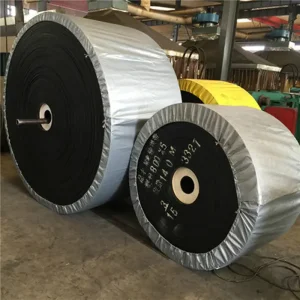
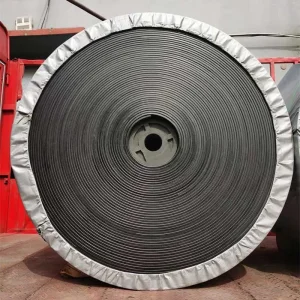
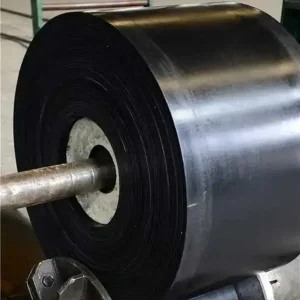
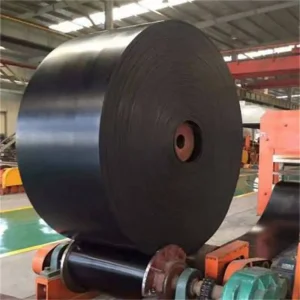
In heavy-duty bulk material transportation, layered conveyor belts constitute the primary structural mechanism for high-tension, long-distance material conveyance. As the industrial engine of western Japan, the Osaka and Kansai regions host a complex array of deep-water ports, steel refineries, chemical complexes, and waste recycling plants. Operating in these severe environments demands an advanced engineering understanding of carcass design, rubber polymers, mechanical stresses, and dynamic tensile strain.
This technical guide, curated by the engineering team at Hebei Boao Rubber Technology Co., Ltd. (Brand: Jinao), analyzes the mechanical architecture of multi-ply fabric belts, details local application paradigms in the Sakai-Senboku coastal industrial zone, and outlines how global procurement models leverage the strategic cost-to-performance ratio of high-end Chinese manufacturing.
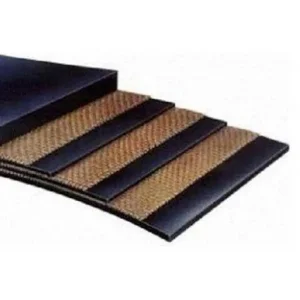
The internal textile carcass of a layered conveyor belt determines its core mechanical characteristics: tensile strength, longitudinal flexibility, impact absorption, and elastic modulus. Choosing between Polyester-Polyamide (EP) and Nylon-Nylon (NN) fabrics requires detailed calculation of the system's operational parameters.
EP (Polyester/Nylon) Fabric Belts: Composed of polyester warp fibers (longitudinal direction) and polyamide/nylon weft fibers (transverse direction). Polyester warp fibers exhibit high initial modulus and low elongation under load, which minimizes the take-up travel distance during tensioning. Polyamide weft fibers provide excellent transverse flexibility, allowing for optimal troughability on 3-roll and 5-roll idler sets. This makes EP belts the industry standard for medium-to-long distance conveyor installations in cement plants and quarries.
NN (Nylon/Nylon) Fabric Belts: Utilized primarily where high impact, rapid loading, and extreme flexibility are required. Nylon fibers in both warp and weft directions provide exceptional elasticity. This elastic recovery performance allows the belt to absorb heavy, high-drop impacts from run-of-mine ores without tearing the textile matrix. However, NN belts display higher operational elongation, requiring longer take-up travel (frequently 2% to 4% of total conveyor length) compared to EP alternatives.
| Mechanical Characteristic | EP Carcass (Polyester/Polyamide) | NN Carcass (Nylon/Nylon) | Steel Cord (ST Class) |
|---|---|---|---|
| Elastic Modulus (E-Modulus) | High (Low Elastic Stretch) | Medium-Low (High Elasticity) | Extremely High (Minimal Stretch) |
| Impact & Shock Resistance | Good | Excellent | Very Good (requires transverse breakers) |
| Troughability Index | Excellent (35° to 45° standard) | Superior | Requires specific transition length calculations |
| Moisture/Rot Resistance | Immune to bacterial decay | High resistance | Susceptible to corrosion if cover is breached |
The carcass of a conveyor belt provides its tensile strength, but the outer rubber cover serves as the primary barrier against environmental degradation, mechanical wear, and chemical attack. The formulation of cover rubber polymers determines the operational lifespan of the system.
Heat-Resistant Formulations: Operating in sintering plants, cement clinker lines, and chemical processing facilities involves material temperatures ranging from 120°C to over 250°C. Standard SBR (Styrene-Butadiene Rubber) covers degrade quickly under these conditions, hardening, cracking, and losing flexibility. To combat thermal degradation, we formulate covers using EPDM (Ethylene Propylene Diene Monomer) rubber. EPDM has a saturated polymer backbone that resists oxidation, ozone, and molecular chain scission at elevated temperatures, ensuring reliable operation up to continuous exposure limits of 200°C.
Acid and Alkali Resistant Formulations: In chemical processing, fertilizer production, and municipal waste handling, belts encounter acidic and basic media that swell and weaken natural rubber or general-purpose polymers. Our chemical-resistant covers utilize Chloroprene (CR) and Nitrile-Butadiene (NBR) blends. These materials resist chemical degradation, oil absorption, and swelling, preventing ply delamination and tracking instability.
The Kansai region, centered on the Osaka metropolitan area, hosts heavy industries with demanding material handling requirements. The Sakai-Senboku industrial zone features deep-water port terminals that receive bulk imports of coal, iron ore, and liquefied natural gas, alongside steel mills, cement plants, and waste-to-energy facilities.
Coastal Port Operations & Salt Spray Resistance: In Osaka Harbor and the Sakai Port zone, bulk handling equipment operates in high-humidity, marine environments with high salt concentrations. Here, steel cord belts face potential core corrosion if the cover is punctured. High-tension, multi-ply EP layered belts offer an alternative, combining high tensile strength with resistance to saltwater corrosion.
Foundry & Steel Mill Demands: Sintering plants and blast furnace coke lines in Sakai's heavy industrial zones require conveyor belts capable of carrying hot materials (often exceeding 180°C) over steep inclines. Standard heat-resistant belts can experience micro-cracking and loss of adhesion, leading to ply separation. Utilizing EPDM-based layered conveyor belts with reinforced cross-weaves helps prevent rapid wear and premature failures.
Urban Recycling and Waste-to-Energy Infrastructure: Osaka leads in urban waste management and recycling systems. Waste-to-energy and municipal sorting facilities handle a variety of municipal and industrial waste containing oils, solvents, and abrasive materials. To prevent swelling and tracking issues, these operations require oil-resistant, flame-retardant (FR) multi-ply conveyor belts manufactured to Japanese Industrial Standards (JIS K 6322).
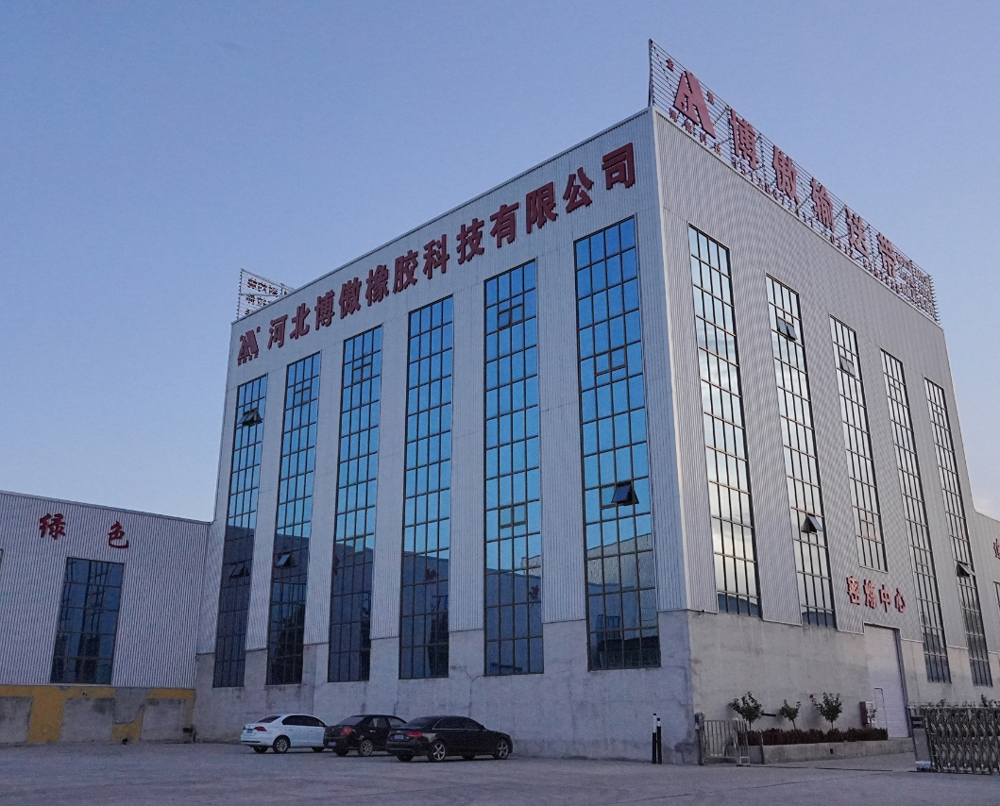
Located in the Rubber Industrial Park of Boye County, Baoding, Hebei Province, Hebei Boao Rubber Technology Co., Ltd. is a specialized manufacturer in China that integrates product development, research, design, manufacturing, and business services for conveyor belts and conveyor accessories. Founded in 2004, the company covers a manufacturing footprint of over 30 acres.
Under our brand "Jinao", we have developed production lines for rolling, forming, vulcanization, and material testing. We passed the international quality management system certification, establishing a production and quality control system that monitors the manufacturing process from raw material intake to final vulcanized roll output.
Our independent chemical analysis room and physics laboratory monitor every production stage. Raw material shipments and finished vulcanized rolls are checked for tensile strength, elongation, and cover abrasion loss to prevent out-of-specification products from leaving the facility.
Our quality control process utilizes testing equipment for cover rubber wear testing (DIN abrasion), multi-ply fabric adhesion testing, and ozone aging chambers. These tools verify performance parameters to ensure compliance with standards like DIN 22102 and JIS K 6322.
With our proximity to Tianjin Port and major shipping lines, we supply heavy industrial clients in Japan and globally. We offer direct-to-port delivery to Osaka Port, Kobe Port, and Sakai Port, providing containerized shipping with tracking for industrial supply chains.
For procurement officers in Osaka, sourcing conveyor belts from Hebei Boao Rubber Technology offers a balance of quality and cost. While Japanese domestic suppliers provide high quality, they operate with high production costs. Leveraging our manufacturing infrastructure in Boye County allows us to offer competitively priced bulk conveyor systems that meet international performance standards.
Our raw material procurement strategies, automated vulcanizing presses, and standardized multi-ply construction processes reduce overhead costs. We pass these savings directly to international buyers, helping them lower total cost of ownership (TCO) without sacrificing material performance.
Conveyor belts represent a significant capital investment. Preventing unplanned downtime in high-throughput applications like Osaka steel mills or port coal terminals requires a structured preventive maintenance program. We provide technical support throughout the life cycle of our products, from initial commissioning to splice inspections and routine maintenance.
We assist with scheduling belt replacements, coordinating supply chain delivery, and providing on-site splice preparation guidelines to minimize shutdown windows.
We provide vulcanizing repair kits, cold-bond repair strips, and technical advice to help restore damaged belts and prevent minor tears from causing catastrophic failures.
Our team performs diagnostic audits to review tracking, idler wear, transition distances, and scraper performance, helping to extend the service life of the belt.
The splice zone is often the weakest point of a multi-ply conveyor belt. Achieving structural integrity requires following step-splice procedures based on carcass specifications. Hot vulcanization using professional-grade splicing kits helps preserve up to 90% of the belt's nominal tensile strength, compared to mechanical fasteners which can reduce strength limits.
For EP layered conveyor belts, step-splicing involves peeling back individual fabric plies at specific angles (typically 22° or 45° to the belt edge) to form matching steps. Using our high-adhesion tie gum and cover compound, the splice is cured under controlled heat (145°C) and pressure (1.0 to 1.2 MPa) for a duration determined by the total belt thickness. This process helps prevent ply separation and preserves the belt's longitudinal flexibility.
To maintain quality consistency, our manufacturing processes are audited annually. Below are our international and domestic quality certificates.
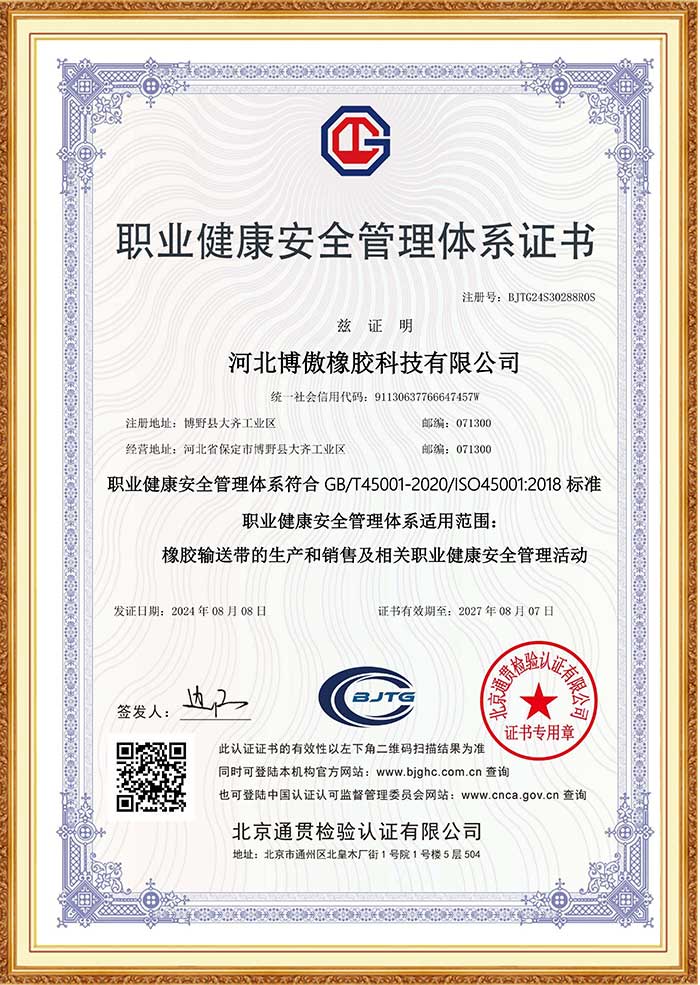
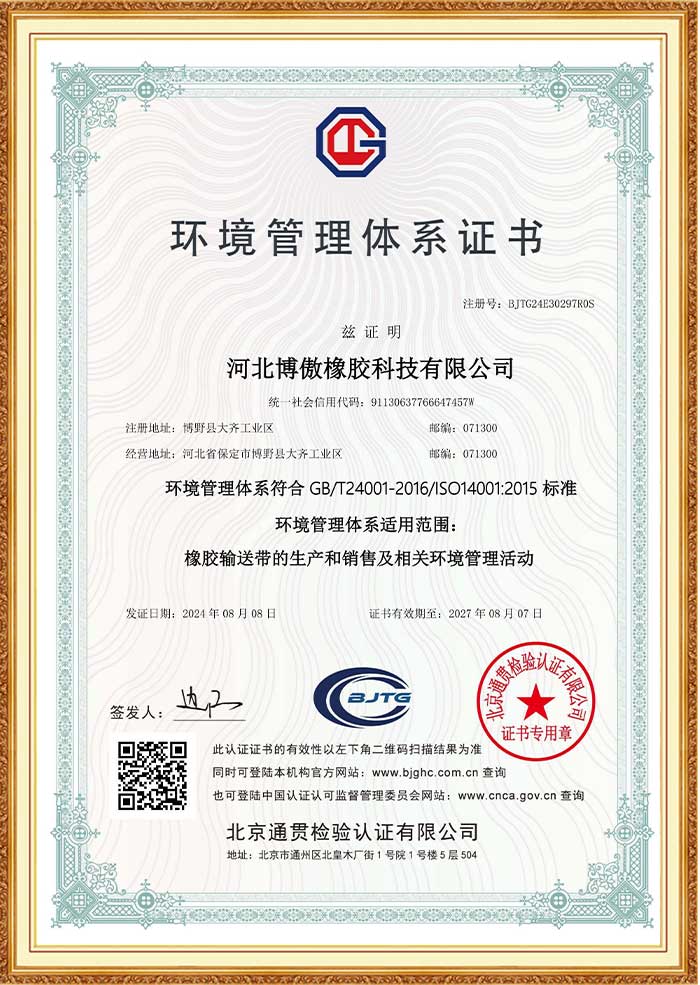
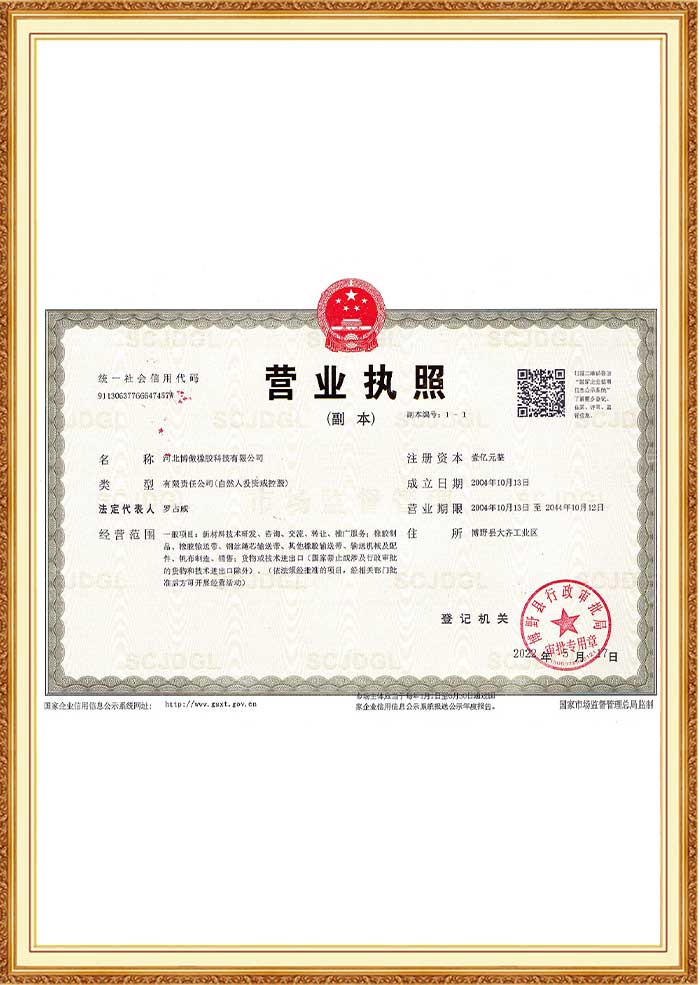
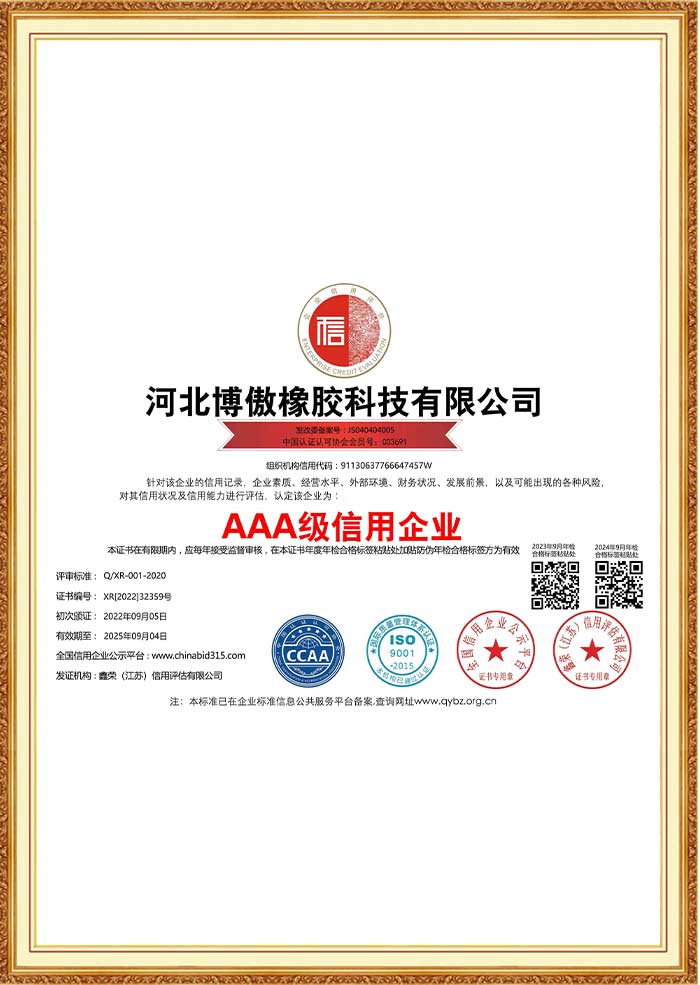
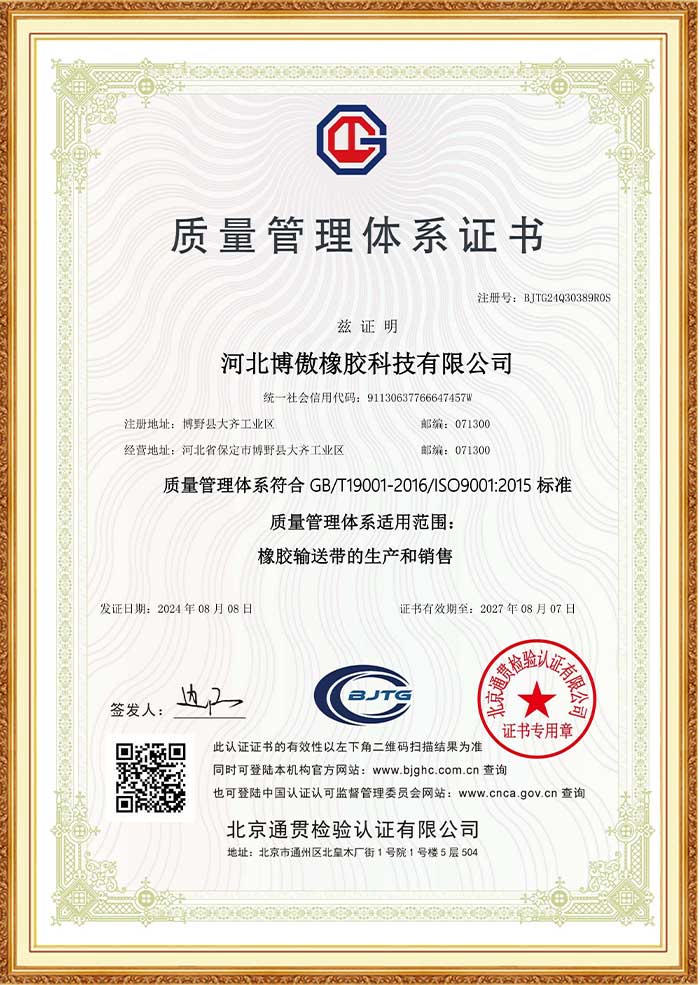
We supply bulk handling equipment to heavy industrial plants and coastal logistics projects. Below are examples of Jinao conveyor installations operating under severe conditions.
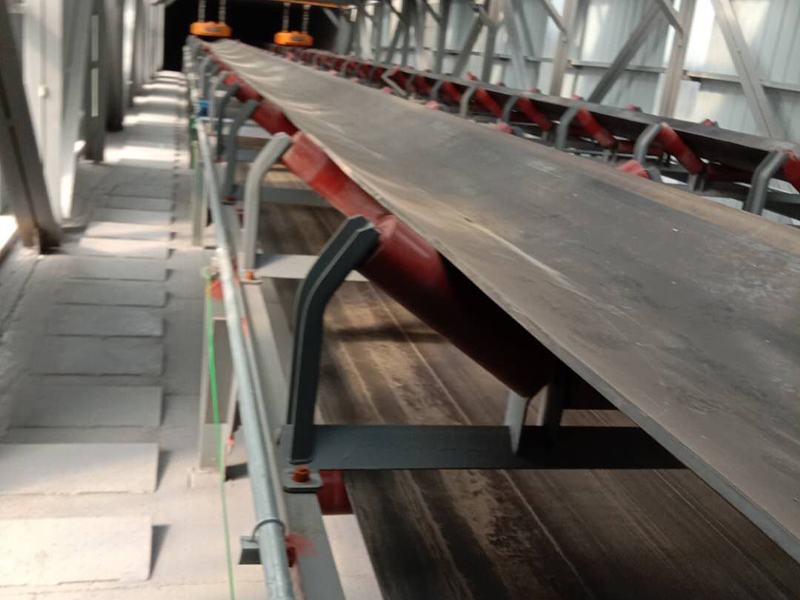
Sakai Steel Works Sintering Line
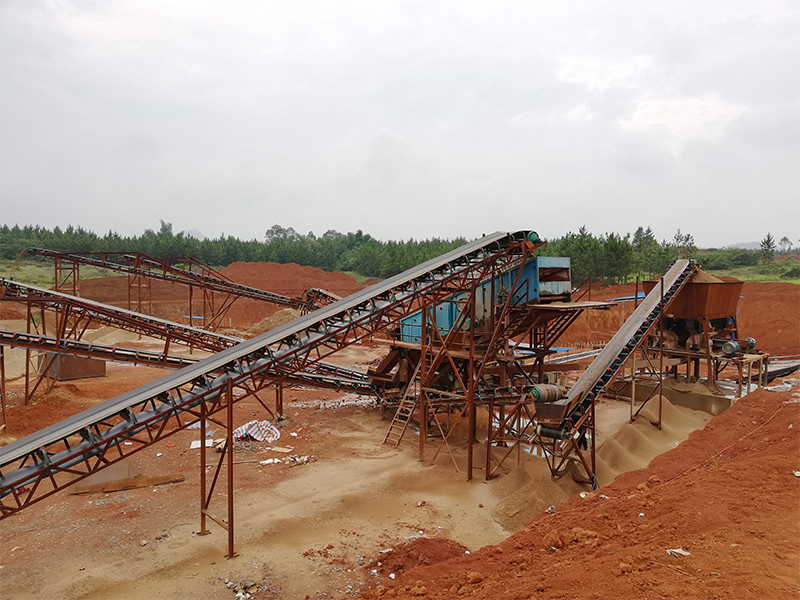
Osaka Tsingshan Alloys Plant
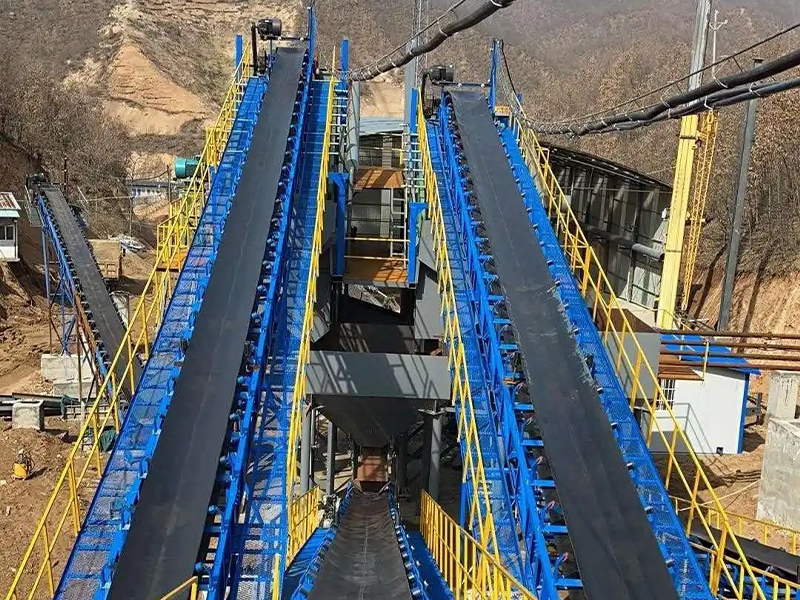
Hanshin Copper & Gold Mining
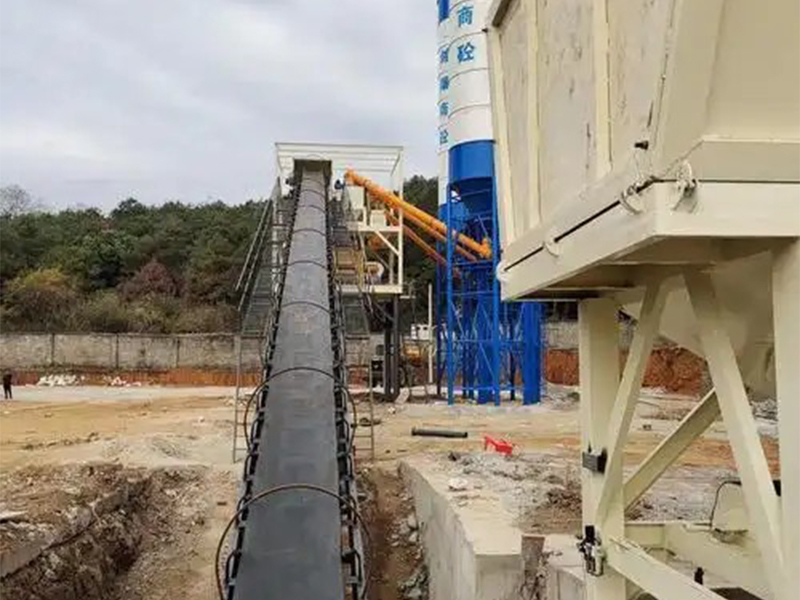
Kansai High-Speed Railway Mixing Plant
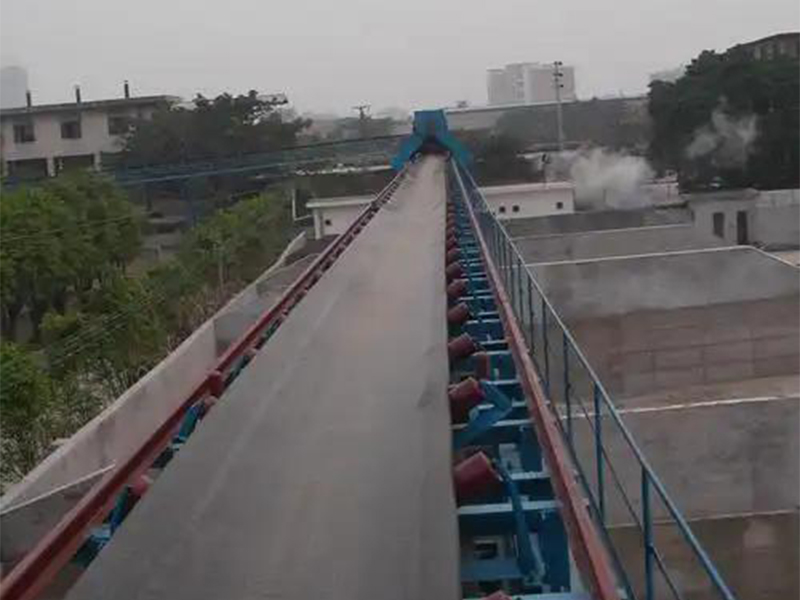
Yodogawa Cement Plant
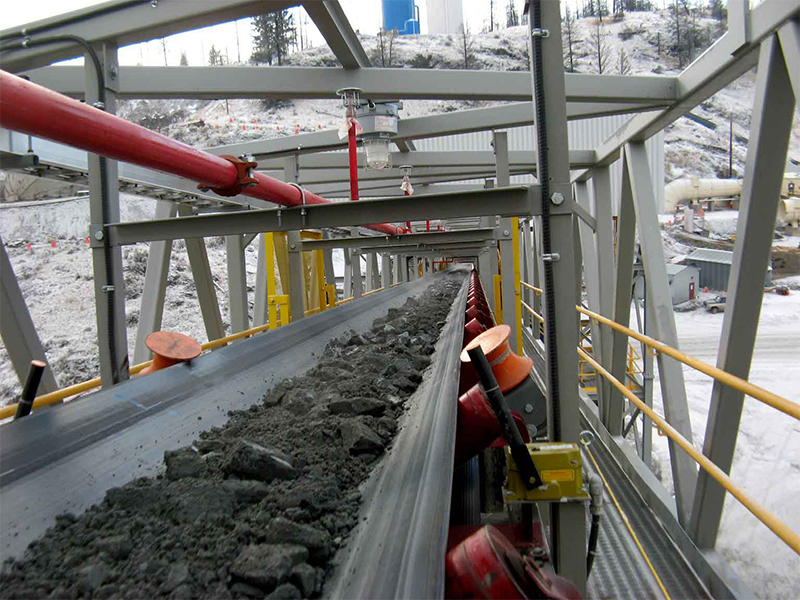
Kobe Port Coal Terminal Conveyor
Original high-integrity products available for Kansai regional infrastructure procurement.
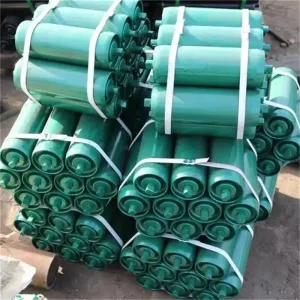
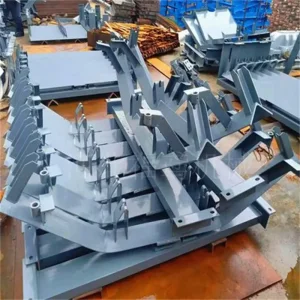
Global procurement teams handling material transport operations must evaluate physical conveyor parameters, chemical wear factors, and life-cycle economics when sourcing belts. Standardizing component specifications across multiple plants simplifies inventory management, while selecting specific covers for specialized lines helps limit premature belt failures.
1. Inter-Ply Adhesion Strength: Multi-ply conveyor belts undergo constant flexing over drive and take-up pulleys. If the inter-ply adhesion is insufficient (typically below 4.5 N/mm for synthetic plies), dynamic shear stresses can cause ply delamination. Purchasing guidelines should specify ASTM D378 or ISO 252 adhesion testing standards to verify structural integrity.
2. Cover Rubber Abrasion Limits (DIN 22102): For handling highly abrasive materials like crushed granite, iron ore sinter, or coke, cover wear resistance is a key factor in overall lifespan. Standard grade Y cover compound is limited to an abrasion volume loss of 150 mm³, while high-durability grade W covers are specified down to 90 mm³, helping extend life-cycle performance under heavy mechanical friction.
3. Joint Splicing Compatibility: High-tension applications require step-splice structures that match the belt's carcass properties. When purchasing replacement belts, procurement officers should request splice kit compatibility data and verified step-length recommendations (e.g., 200mm steps for EP100, 250mm steps for EP200) to ensure field splices achieve their target service life.
Engineering answers for conveyor operations, maintenance, and specification selection.
Contact the engineering team at Hebei Boao Rubber Technology for technical calculations, detailed product datasheets, and custom production quotes tailored for Osaka and international industrial environments.
Send Inquiry Now Boao Rubber