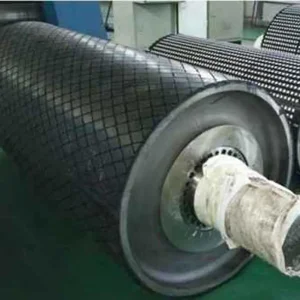
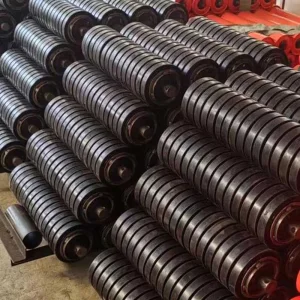
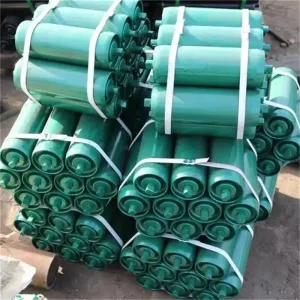
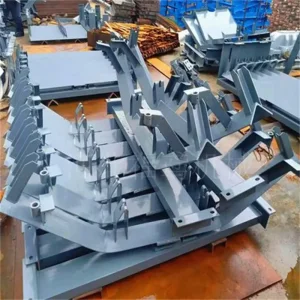
Engineered componentry designed to optimize operational throughput in central Eurasian mining corridors.
As the industrial powerhouse of Central Asia, Kazakhstan possesses extensive deposits of iron ore, chrome, manganese, copper, and coal. The extraction basins of Karaganda, the open-cast fields of Bogatyr Komir, and major metallurgical hubs like Temirtau present a highly demanding environment for bulk handling machinery. Conveyor systems operating in these areas are exposed to severe atmospheric gradients, ranging from summer peaks of +40°C to winter lows reaching -40°C.
Standard conveyor accessories often suffer rapid failure under these conditions. At sub-zero temperatures, standard rubber formulations lose their elasticity and crack, while bearing grease within idler rollers congeals, causing rotation lockup and subsequent belt wear. This drives up maintenance costs and results in unscheduled system downtime.
Providing reliable conveyor accessories for this market requires deep material expertise. Components must be engineered with cold-resistant compound structures, heavy-duty double-labyrinth sealing systems to prevent dust ingress, and high-tensile steel cores to withstand continuous high-impact loading.
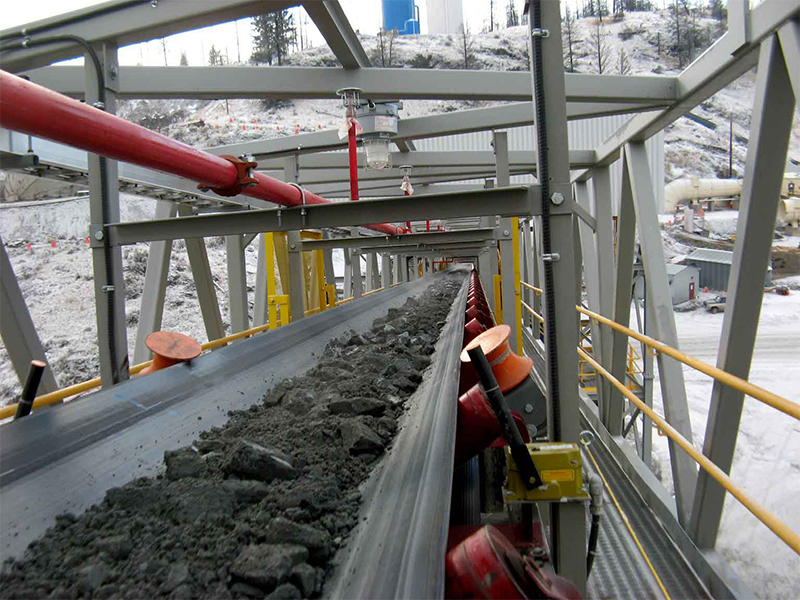
According to regional maintenance data from Central Asian mining operations, up to 68% of unexpected conveyor belt wear is caused by locked or misaligned idler rollers. When an idler stops turning, it turns into a fixed friction surface that quickly wears down the belt's bottom rubber layer.
By implementing specialized Jinao brand idler rollers fitted with low-drag grease and highly durable triple labyrinth seals, operations can extend the operational life of their belts by up to 40% and lower manual maintenance costs significantly.
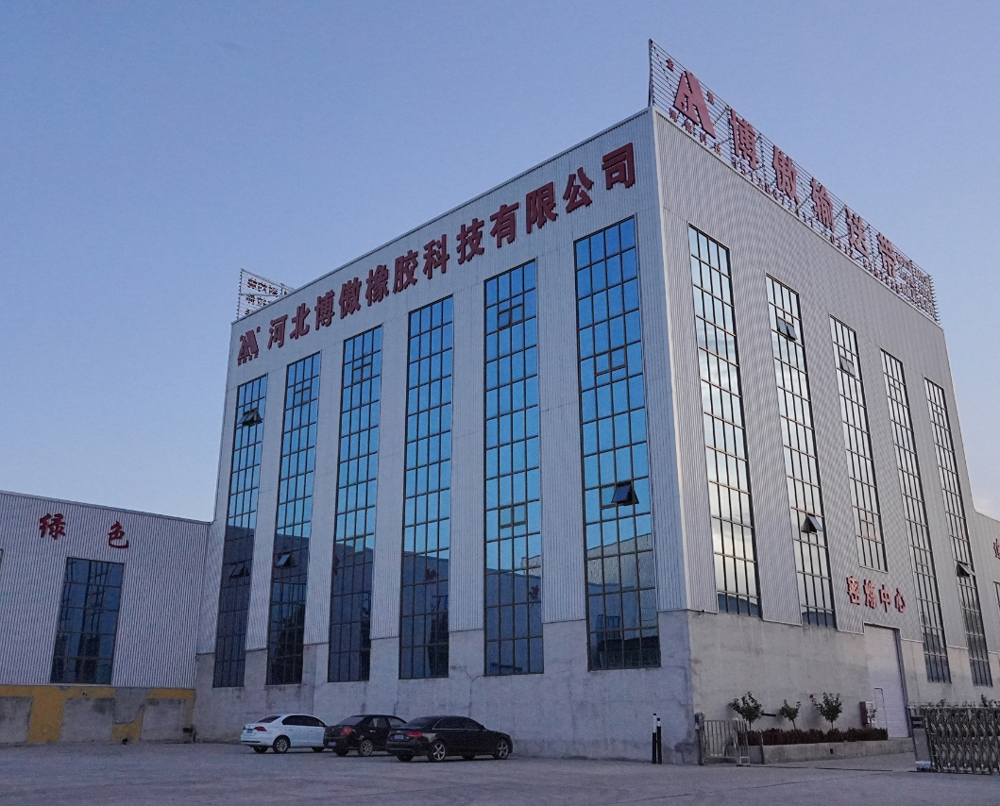
Established in 2004, Hebei Boao Rubber Technology Co., Ltd. is located in the Boye County Rubber Industrial Park, Baoding, Hebei Province. Over the last two decades, the company has grown into a leading developer and manufacturer of conveyor belts and matching transport machinery accessories under the recognized "Jinao" brand.
Boao operates a production facility covering over 30 acres, equipped with advanced processing lines for rolling, shaping, vulcanization, and material testing. Our quality control processes track every step from raw material inspection through to final product testing.
With independent chemical analysis and physical testing facilities, we check each batch of rubber for tensile strength, elongation at break, abrasion resistance, and performance in low temperatures. This ensures our products consistently meet industrial standards before shipment.


How Hebei Boao supports logistics, quality assurance, and product longevity across the Kazakh industrial corridor.
Located in Hebei, we are directly connected to the China-Europe railway routes. Shipments transit quickly through the Khorgos Dry Port or Dostyk, allowing us to deliver bulk orders directly to Almaty, Karaganda, or Astana with minimal delays.
Our chemical analysis laboratory monitors raw materials at input and checks physical properties prior to shipping. This testing verifies that our cold-resistant belts maintain flexibility even under extreme sub-zero conditions.
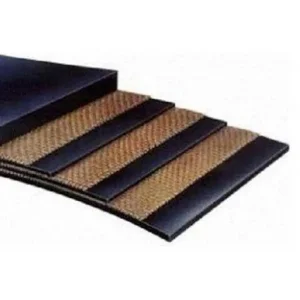
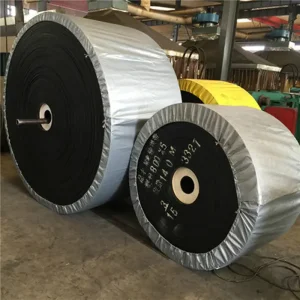
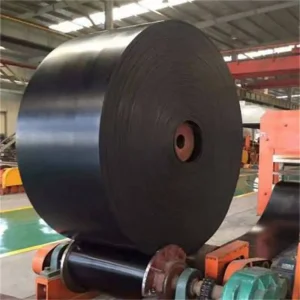
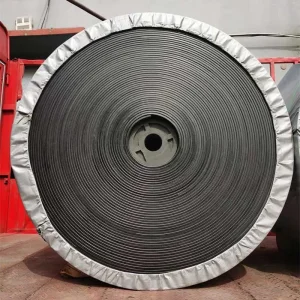
We supply customizable conveyor systems, ranging from multi-ply EP and NN fabric belts to high-tension steel wire cord designs. Additionally, we provide matching hardware, such as impact idler sets and corrosion-resistant mounting brackets.
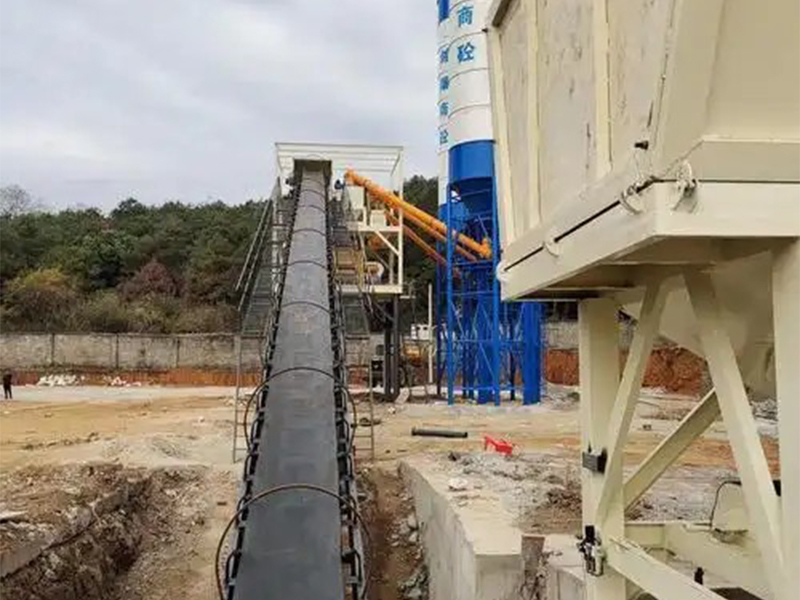
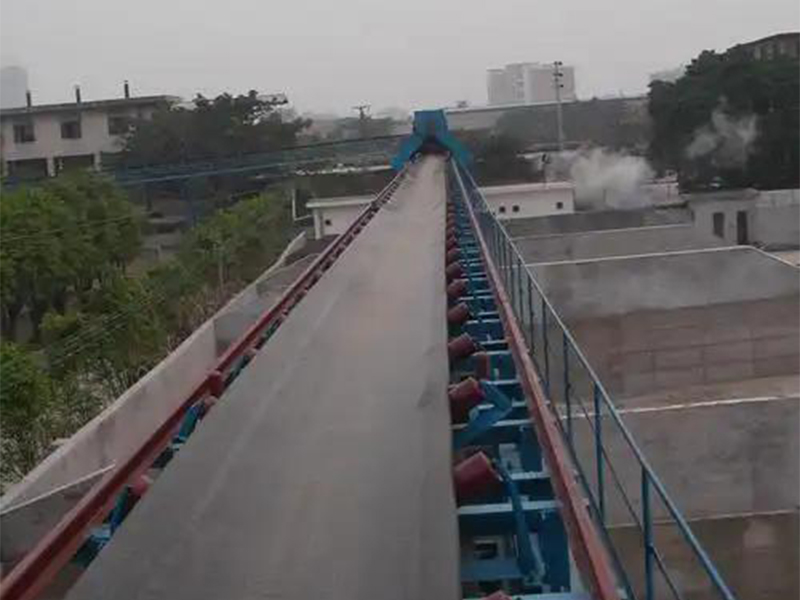
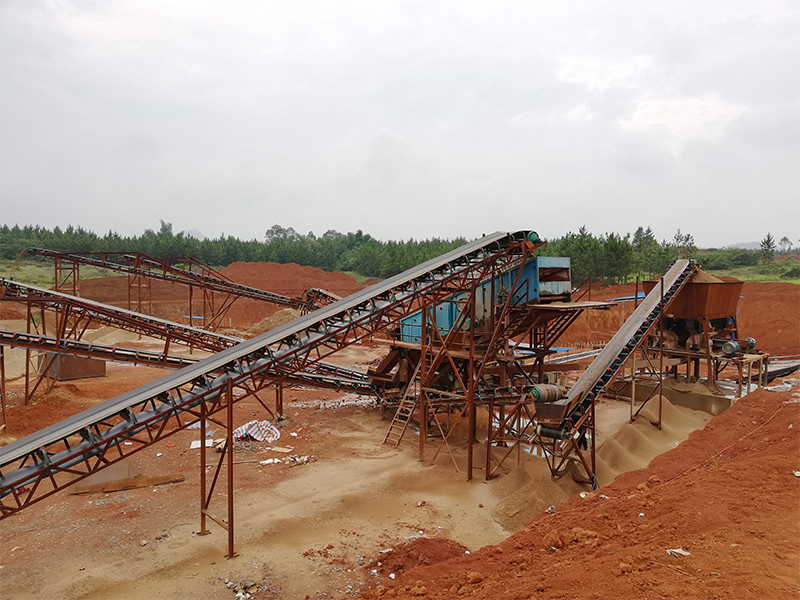
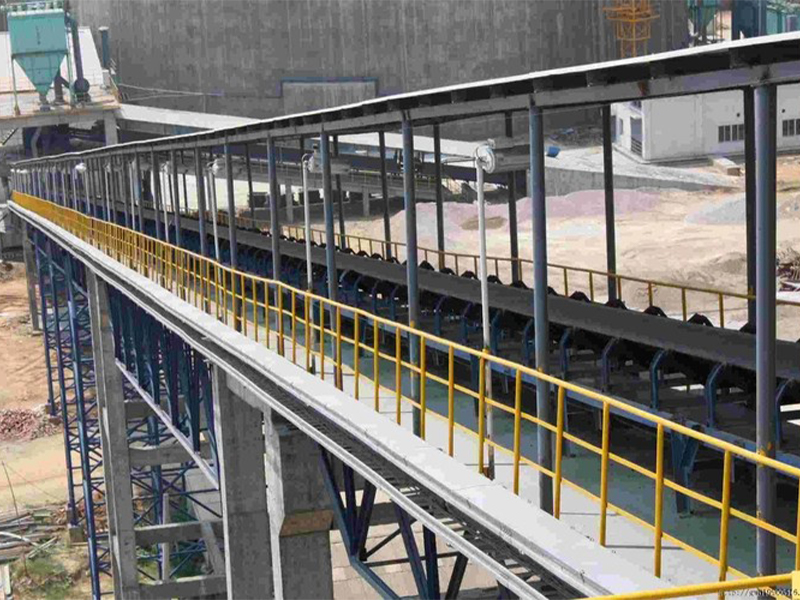
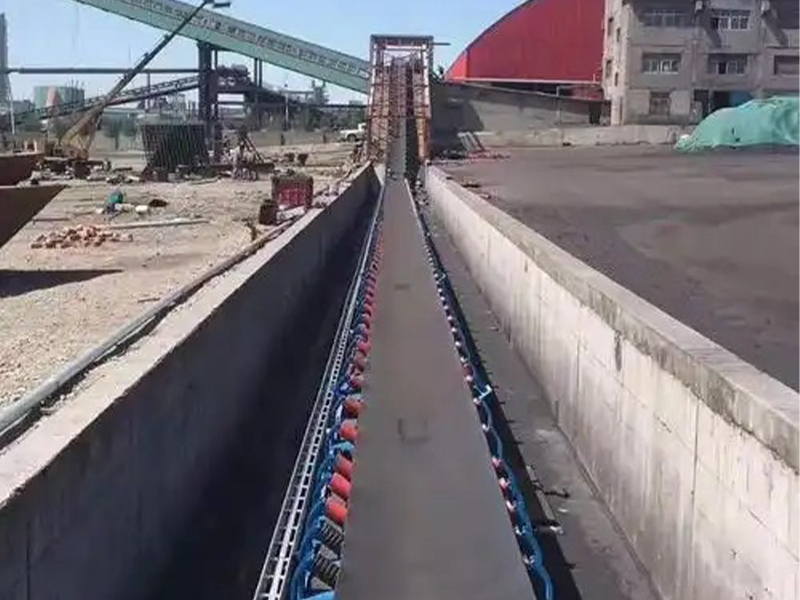
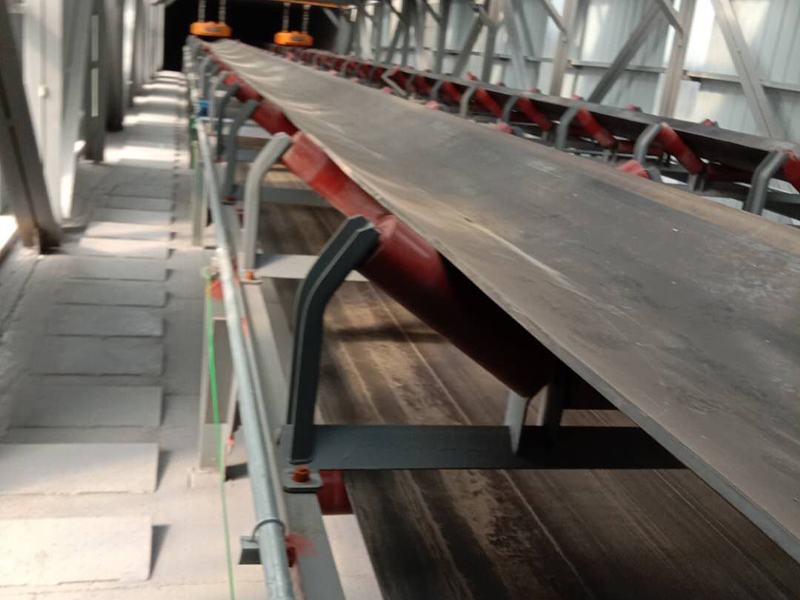
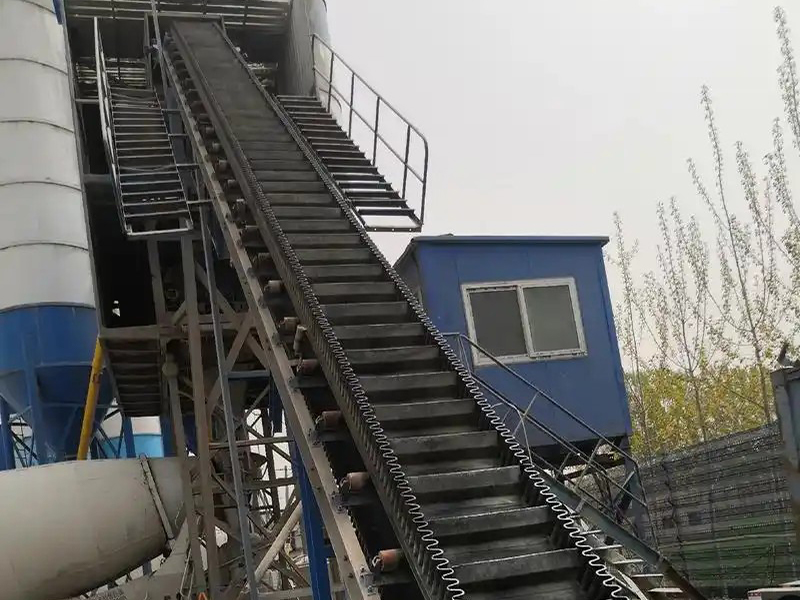
Heavy industries require robust bulk material transport. Below are the primary application scenarios in Kazakhstan where our "Jinao" products provide reliable service:
Engineering recommendations to optimize belt performance and splice life in low-temperature regions.
To ensure structural integrity in northern Kazakhstan, where winter temperatures drop below -40°C, conveyor belts must use rubber covers formulated with a blend of polybutadiene (BR) and styrene-butadiene rubber (SBR). This blend maintains rubber flexibility, preventing surface cracking under tension.
| Property / Test Parameter | Standard (DIN / ISO) | Cold-Resistant Grade (-50°C) | Flame-Retardant Grade (Mining) |
|---|---|---|---|
| Tensile Strength (Cover) | DIN 22102 | ≥ 20 MPa | ≥ 18 MPa |
| Elongation at Break | ISO 37 | ≤ 400% | ≤ 350% |
| Abrasion Loss | DIN 53516 | ≤ 90 mm³ | ≤ 120 mm³ |
| Cold Flexibility Limit | ASTM D2137 | Passes at -50°C | Passes at -25°C |
When executing cold-vulcanized splices on-site in Kazakhstan, it is crucial to perform the splicing procedure inside a heated shelter if ambient temperatures are below +5°C. Cold temperatures slow down the chemical cross-linking of the bonding adhesives, which can weaken the joint. For steel cord belts, hot vulcanization with temperature-controlled heating platens is recommended to ensure strong adhesion between the rubber and steel cables.
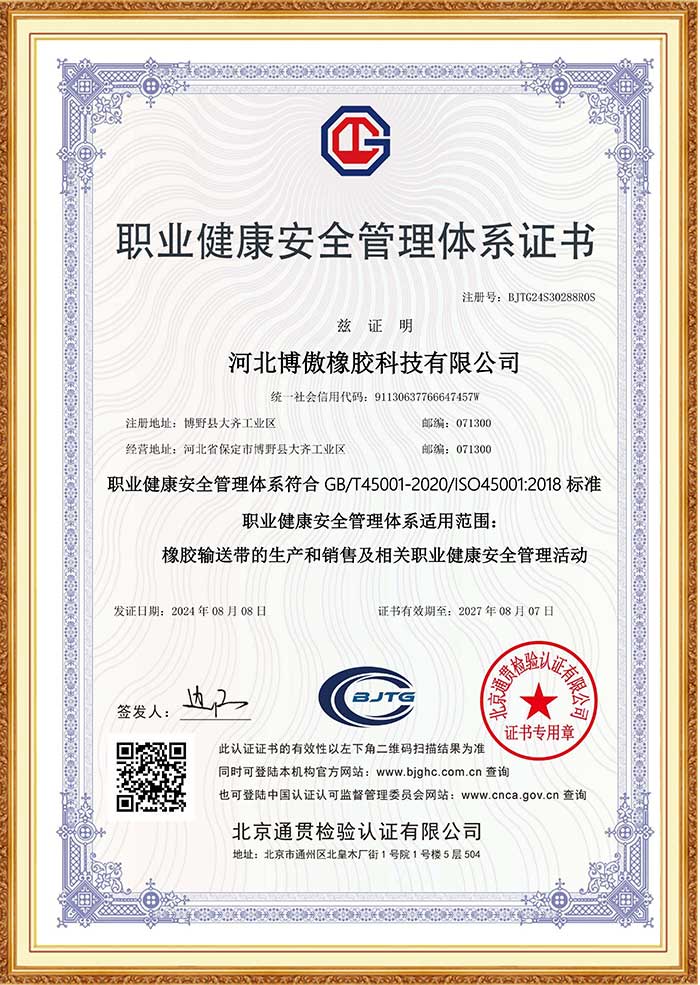
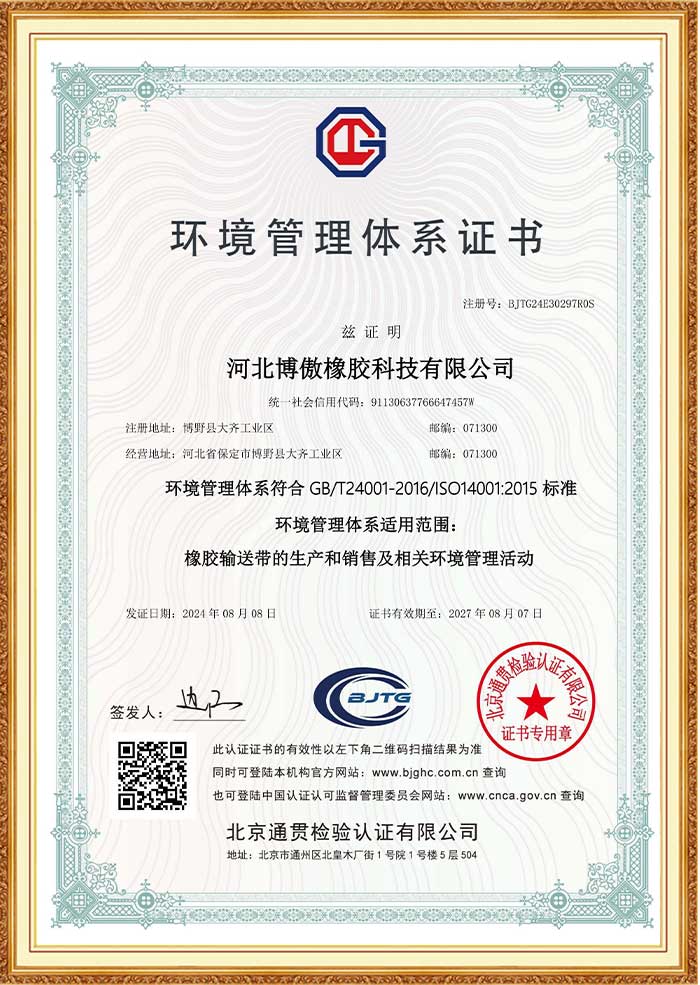
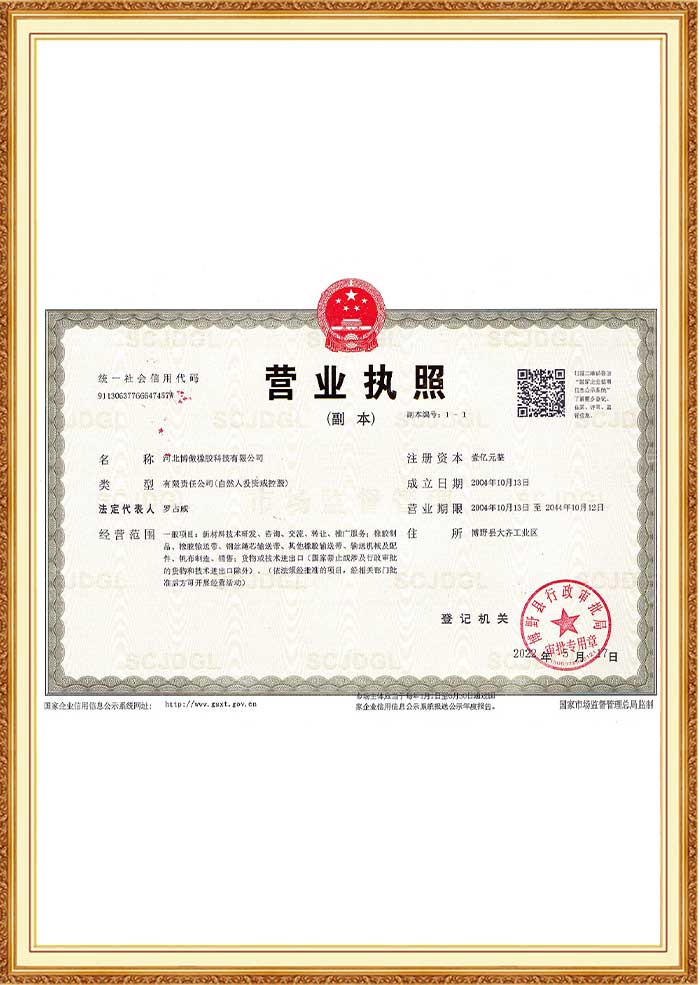
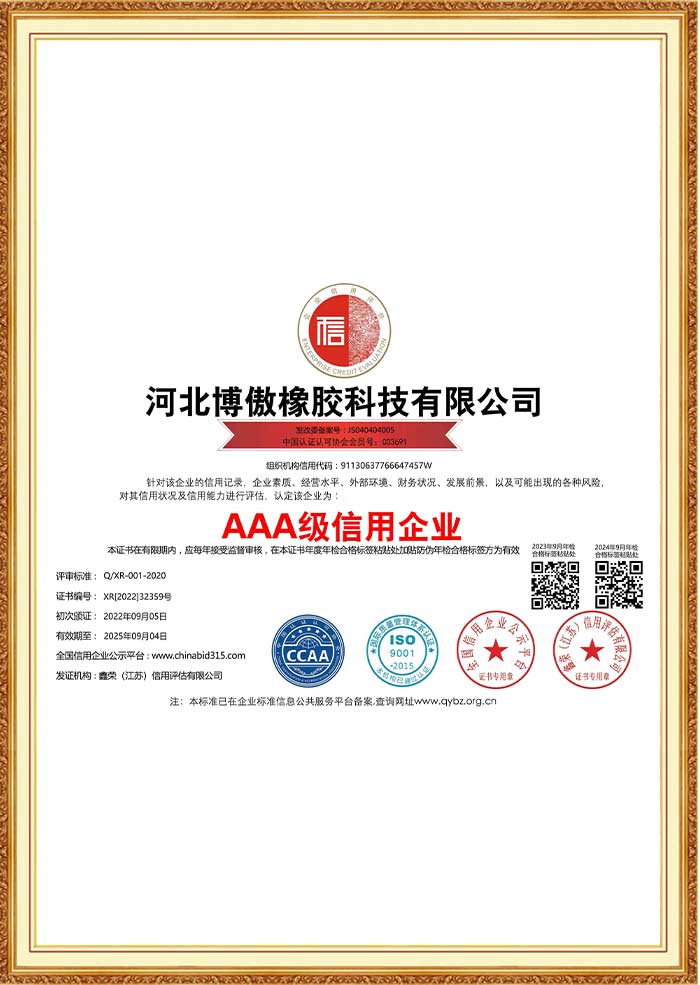
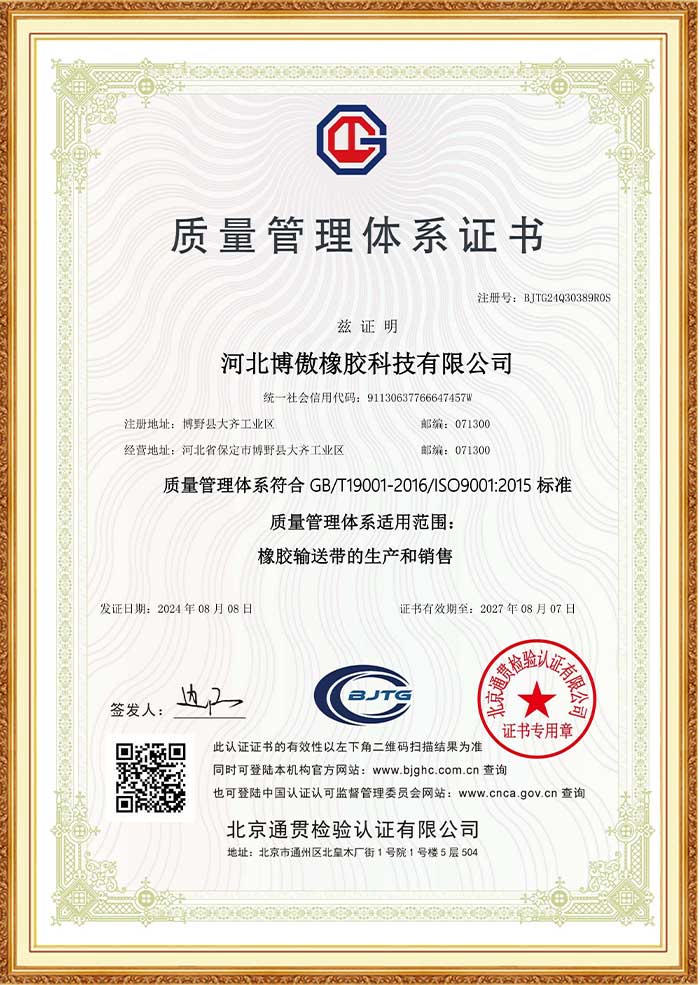
Our manufacturing and quality assurance workflows comply with international standards.
Proven operational performance across demanding metallurgical plants and bulk materials handling hubs.
Answering common engineering and procurement questions regarding operations in Central Asia.
Select high-specification components tailored for specialized applications and harsh operational environments.
 Boao Rubber