 Boao Rubber
New Zealand Bulk Material Handling & Conveyor Industry Whitepaper
Analyzing structural dynamics, seismic standards, environmental compliance, and technological optimization pathways for Australasia.
1. The Geological & Meteorological Challenge of New Zealand Industrial Operations
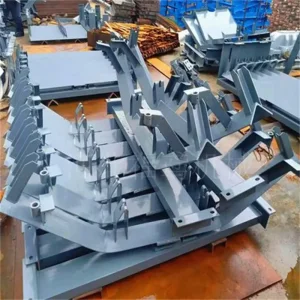
New Zealand's heavy industries—spanning from the aggregate quarries of Canterbury to the coal operations of the West Coast and the major timber mills of the Central North Island—operate under unique environmental stressors. High seismic activity demands conveying systems designed to absorb sudden structural shifts. Regular seismic design verification under the NZS 1170.5 standard is critical. Standard rigid framing systems fail under dynamic structural twisting, necessitating flexible suspended roller sets and high-tolerance idler frames that distribute load profiles without initiating belt misalignments or structural shearing.
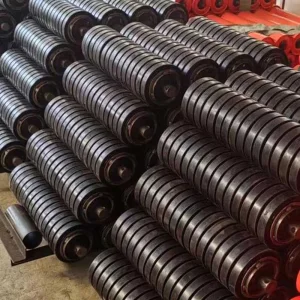
Furthermore, New Zealand’s maritime climate introduces pervasive high humidity and salt spray across coastal processing plants and ports (such as the Port of Tauranga and Lyttelton Port). This atmosphere accelerates galvanic corrosion on carbon steel conveyor frames and bearing housings. Standard conveyor accessories experience rapid degradation under these circumstances. To combat this, we specialize in supplying corrosion-resistant impact idlers and seals with IP66 or IP67 ratings, featuring multi-labyrinth sealing systems that keep ambient moisture and abrasive micro-particles out of critical bearing chambers.
Information Gain: Traditional conveying systems are designed for continental zones with stable geological structures. In New Zealand, conveyor systems must be built with structural compliance for active tectonic stress and maritime corrosion. A failure in a sealing ring or bearing casing can halt a multi-million dollar logistics chain within hours.
2. Material Science: Compounding for Abrasive and Corrosive Environments
Bulk materials handled in New Zealand range from highly abrasive volcanic iron sands at Taharoa to acidic fertilizer complexes in Napier and Southland. Standard general-purpose rubber belts deteriorate rapidly when exposed to these chemical compounds or physical cutting hazards. Achieving longevity requires deep understanding of rubber compounding.
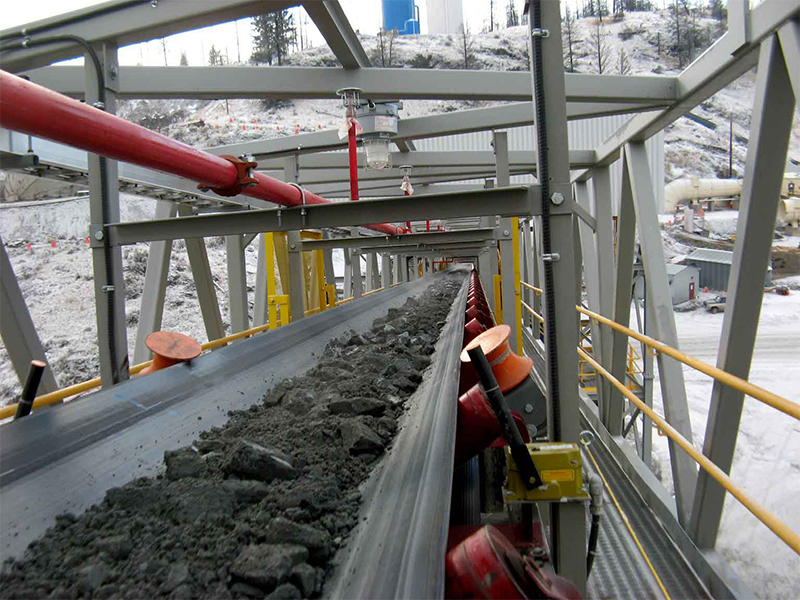
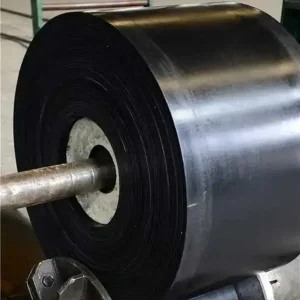
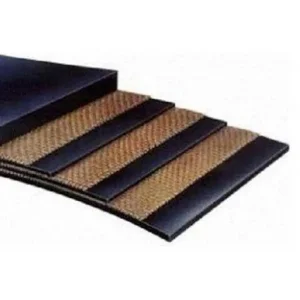
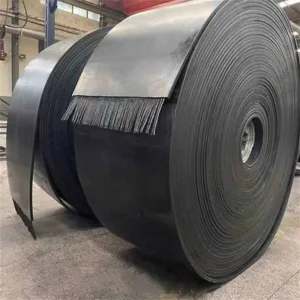
We utilize high-grade synthetic elastomers configured to combat physical and chemical degradation. For example, our Acid and Alkali Resistant Conveyor Belts are engineered with specialized rubber compounds that resist swelling, cracking, and loss of tensile strength in presence of chemical agents. For mining and heavy aggregate handling, we integrate advanced high-tensile Steel Wire Rope Core Conveyor Belts, which provide near-zero elongation profiles over kilometers of overland conveying, matching the demanding operations of large-scale cement plants like Golden Bay Cement.
| Conveyor Belt Type | Core Applications | Standard Compliance | Key Chemical Resistance |
|---|---|---|---|
| Steel Wire Rope Core | Long-distance overland bulk transport, deep-pit mining | ISO 15236, AS/NZS 1332 | High impact tear resistance, minimal elongation |
| Acid & Alkali Resistant | Chemical processing, fertilizer plants, pulp & paper mills | DIN 22102, GB/T 7984 | Sulfuric Acid, Phosphoric Acid, Sodium Hydroxide |
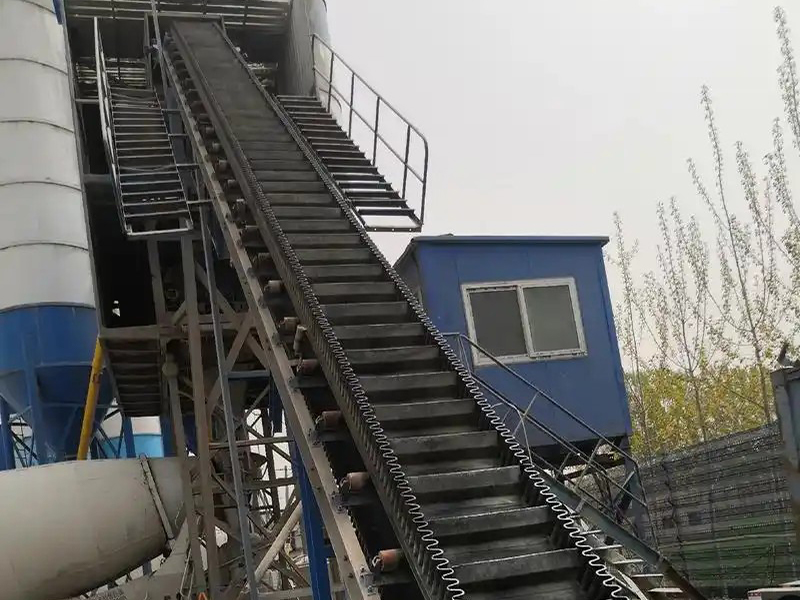
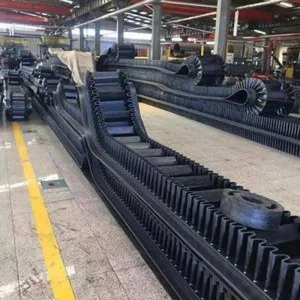
| High Angle Wavy Edge | Steep incline vertical lift in urban aggregate & silo logistics | AS 1332 Grade M/N | Space-saving vertical bulk routing |
| Rubber Buffer Impact Roller | Material transfer points, drop zones | ISO 5048, DIN 15207 | High kinetic energy dissipation (shock absorption) |
3. Global Procurement Economics & Total Cost of Ownership (TCO)
For industrial procurement directors, purchasing conveyor accessories is not just a capital expenditure (CAPEX) metric; it is a long-term operational expenditure (OPEX) driver. System failures due to poor idler alignment, high-friction bearings, or belt degradation increase energy consumption. The Indentation Rolling Resistance (IRR) of a conveyor belt alone accounts for up to 60% of a long conveyor system’s power usage. By choosing precision-engineered "Jinao" conveyor belts with energy-optimized rubber backing, operators can reduce energy requirements at their drive terminals by up to 15%, translating into substantial carbon emission reductions and cost savings.
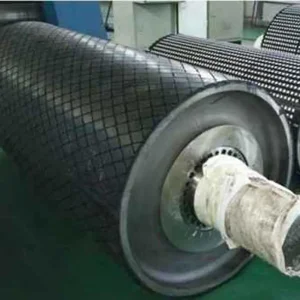
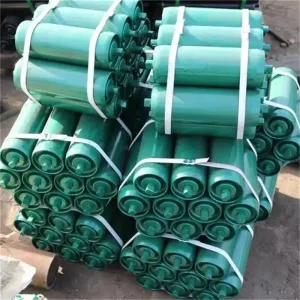
Our dual-sourcing integration strategy ensures that New Zealand operators maintain a safe buffer of critical components without over-allocating storage space. By stocking standardized idler rollers, ceramic lagging pulleys, and tensioning brackets, we ensure rapid logistics support for planned replacement cycles or emergency repairs.
4. Technological Roadmap: The Future of Smart Conveying
The global conveyor accessory industry is undergoing a digital transformation. The next generation of conveyor systems integrates predictive maintenance directly into the belt and idler framework. This includes:
- IoT-Enabled Smart Idlers: Temperature and vibration sensors embedded within the bearing housing, sending real-time telemetry to central control systems to identify imminent bearing failures before they cause belt tears.
- RFID Belt Wear Monitoring: Integrated passive transponders within the rubber layers of steel wire core belts, measuring cover thickness and detecting splits dynamically.
- Eco-Friendly Closed Pipe Conveying: Enclosed belt systems that protect materials from wind erosion, crucial for New Zealand's strict environmental regulations near urban waterways.