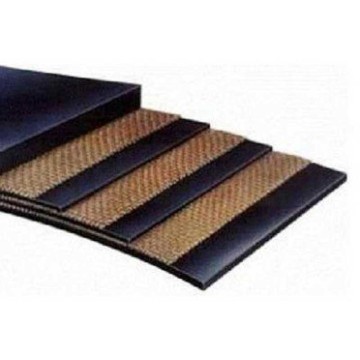
Direct from our certified China factories - Engineered for severe operating conditions and precision synchronization.
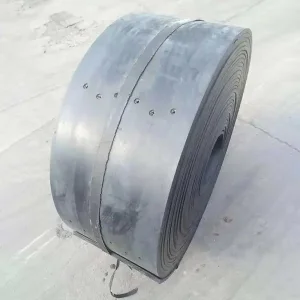
High-strength vertical material transport optimized for extreme elevator conditions.
View Details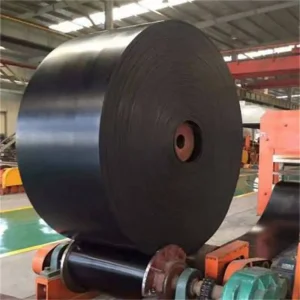
Polyamide core formulation delivering superior impact resistance and dynamic flexibility.
View Details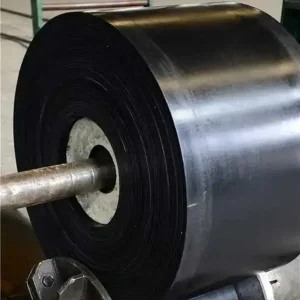
Specialty elastomer structure engineered for fertilizer plants and seawater exposure.
View Details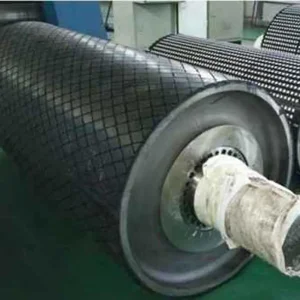
Low-resistance steel and composite idler designs ensuring efficient load management.
View Details
Heavy duty material handling components built with premium bearing housings.
View Details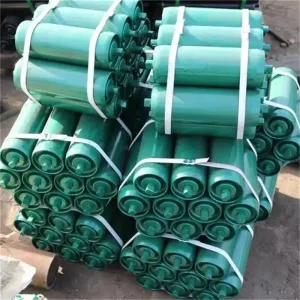
Self-aligning suspended roller configuration for variable angle trough belts.
View Details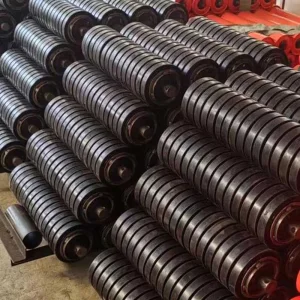
Impact-absorbing elastomeric rings designed for heavy dump point locations.
View Details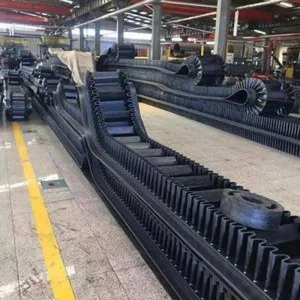
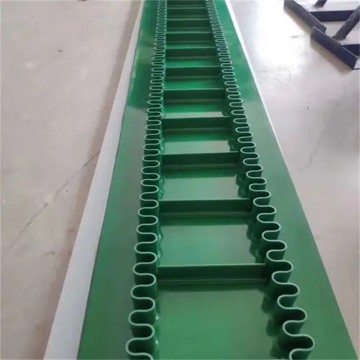
Corrugated sidewall structure allowing up to 90 degree steep incline conveying.
View DetailsModern industrial infrastructure requires specialized rubber formulations that withstand intense mechanical fatigue, dynamic shear stress, and environmental extremes. While a China timing belt rubber manufacturer concentrates on precision synchronous tooth profiling and high-modulus cord alignment, heavy-duty conveyor factories optimize tensile load limits, gouge resistance, and vulcanization kinetics.
At Hebei Boao Rubber Technology Co., Ltd., our engineering philosophy treats industrial rubber as a highly configurable polymer framework. By controlling cross-linking density through advanced sulfur curing and peroxide vulcanization, we produce rubber grades that deliver maximum dynamic longevity. This capability ensures that both our synchronous power transmission components and conveyor systems execute their duties under the most hostile working conditions.
Our flagship brand "Jinao" stands as a symbol of domestic polymer research, bridging the gap between raw rubber chemistry and high-throughput mechanical installations.
Custom-tailored rubber characteristics designed to survive specialized industry stressors.
Handling hot sinter, slag, and coke demands heat-resistant conveyor belts constructed from high-performance EPDM polymers. Our formulas prevent mechanical cracking and retain tensile strength under continuous operational temperatures up to 200°C.
Requires strict anti-tear protection, self-extinguishing flame-retardant properties, and high carcass elasticity. The integration of steel wire core reinforcements prevents high-energy puncture propagation during critical underground transport operations.
Corrosive acids and high-concentration alkalis cause standard rubber to swell and fail. Our specialized chemical-resistant formulas utilize high-nitrile compounds to ensure long-term stability in highly aggressive media.
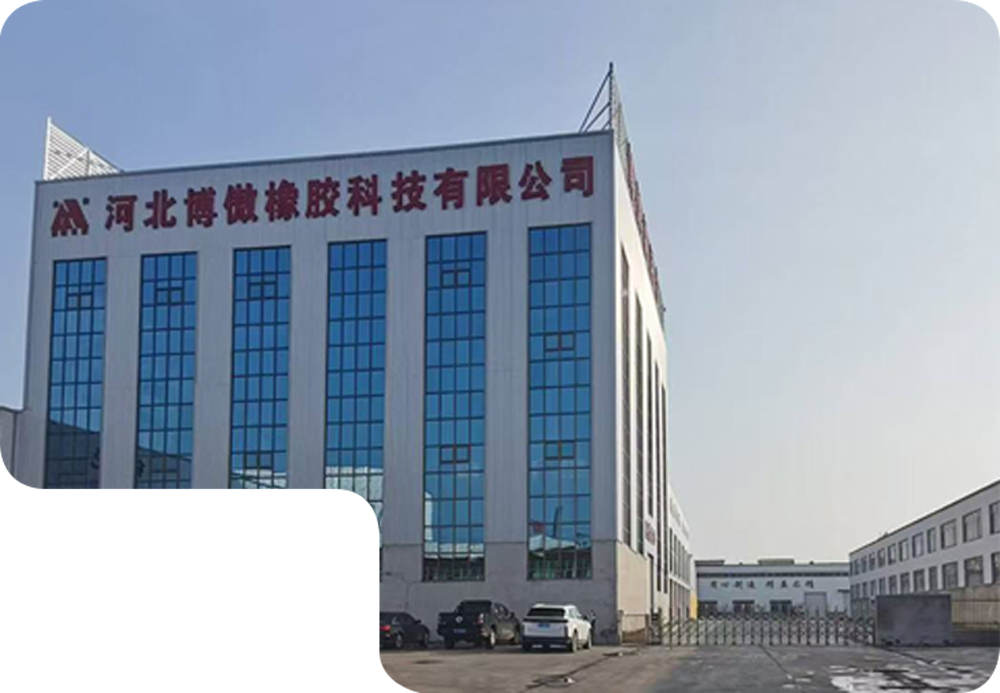
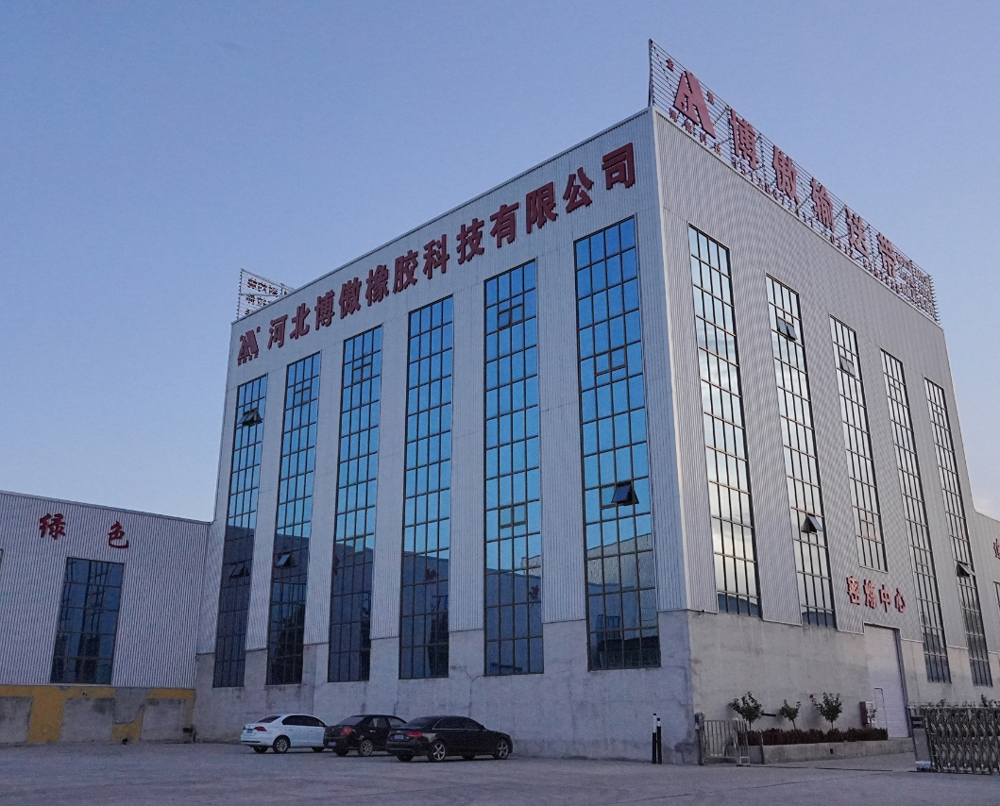
Located in the prestigious Rubber Industrial Park of Boye County, Baoding, Hebei Province, our production complex spans over 30 acres of advanced manufacturing space. Boao Rubber integrates chemical testing, compounding, high-pressure vulcanization, and finished product mechanical testing under a unified quality architecture.
We operate multiple production lines configured for heavy-duty calendering, carcass building, and continuously monitored vulcanization. Our plant ensures that every batch of compound—from base polymers to the final structured belts—conforms to international system specifications before leaving our facility.
On-site chemistry & physics laboratories monitoring structural integrity and polymer cross-linking.
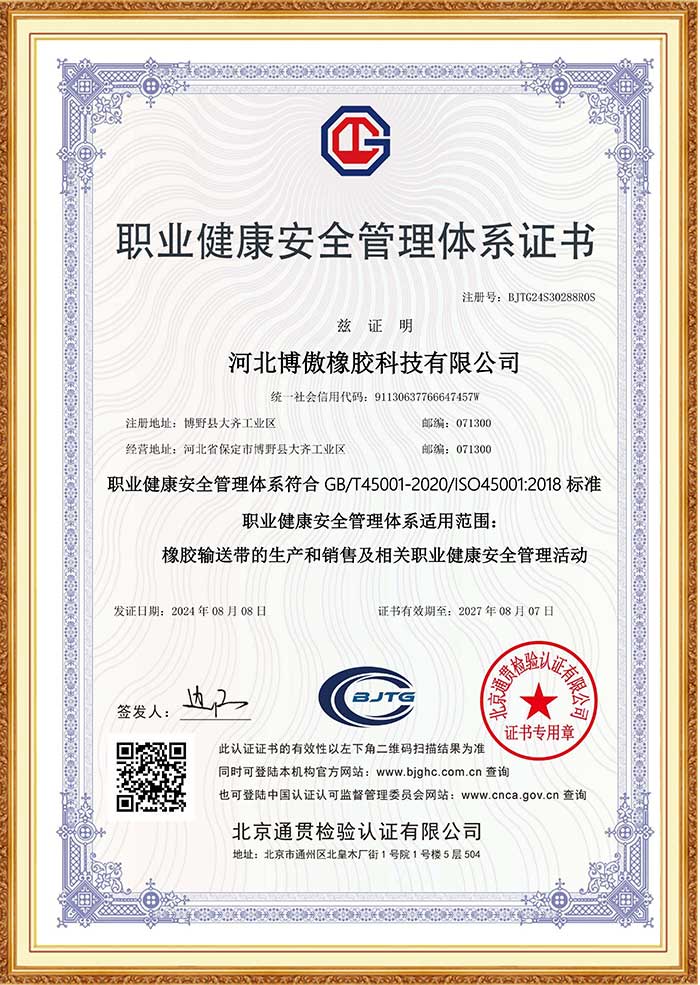
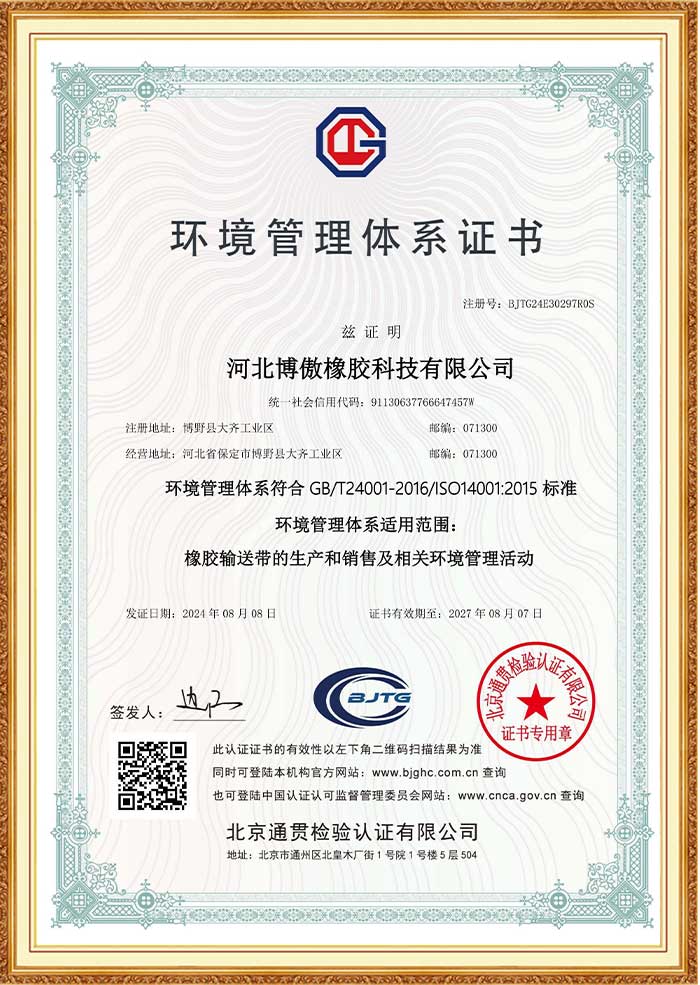
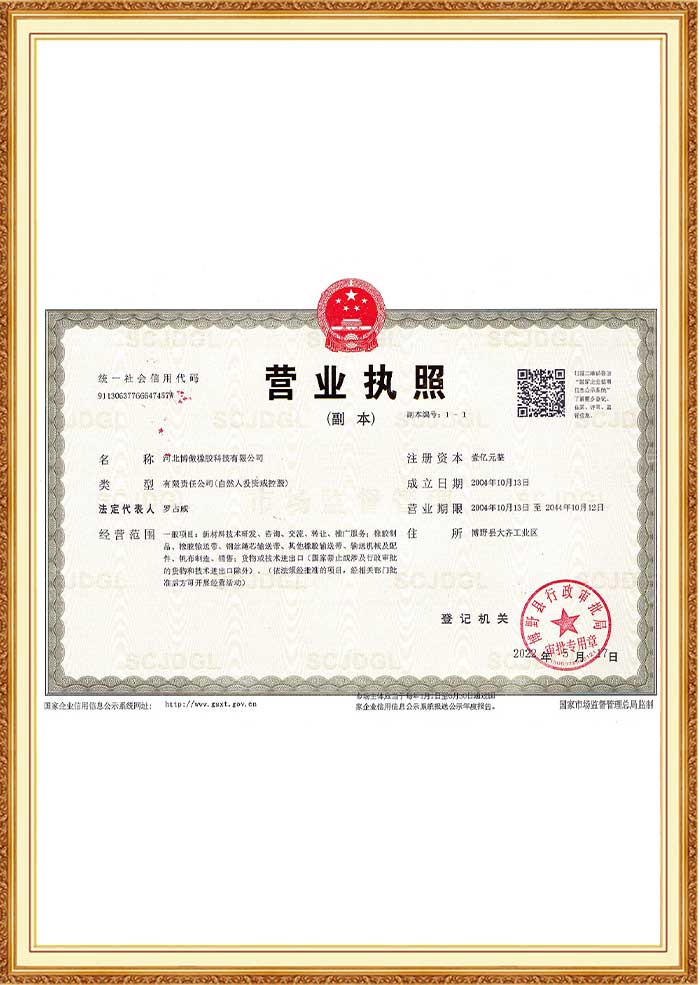
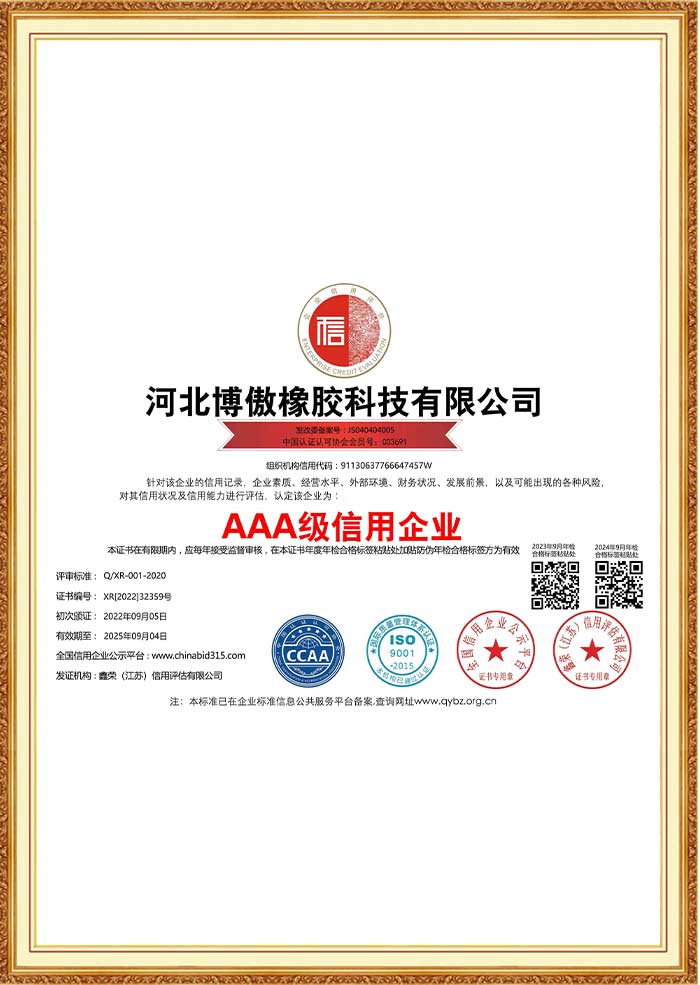
Passed international system certifications ensuring full compliance with high-performance criteria.
Understanding how regional clusters, raw material vertical integration, and deep logistical networks ensure uninterrupted supply.
Our direct integration with chemical suppliers in Hebei and neighboring provinces guarantees priority access to high-grade polymers, carbon black fillers, and specialized curing systems, insulating our global partners from sudden raw material shortages.
By deploying continuous mixing systems, large-scale multi-cylinder vulcanization units, and laser-guided carcass tension control systems, we minimize manual errors while maintaining a highly cost-efficient production operation.
Located near Beijing and Tianjin ports, we benefit from streamlined container transport and rapid customs clearance paths, securing reliable, cost-effective ocean and rail shipping routes to global industrial destinations.
The physical limitations of synchronous rubber timing belts and high-tension conveyor belts are defined by their internal reinforcement structures and polymer-to-reinforcement adhesion values.
Our core polymer architecture uses high-modulus, low-shrinkage fabrics (EP/NN) or high-tensile brass-coated steel cord matrices. During the curing cycle, advanced chemical bonding agents are activated within our formulation to guarantee excellent vulcanization interface adhesion, eliminating internal shearing risks even when subjected to small pulley wrap-around angles.
By optimizing compounding metrics, our conveyor and synchronous belt systems offer:
An extensive range of heavy industrial belts and supporting components engineered for extreme environments.
Tested and approved in large-scale logistics and extraction systems worldwide.
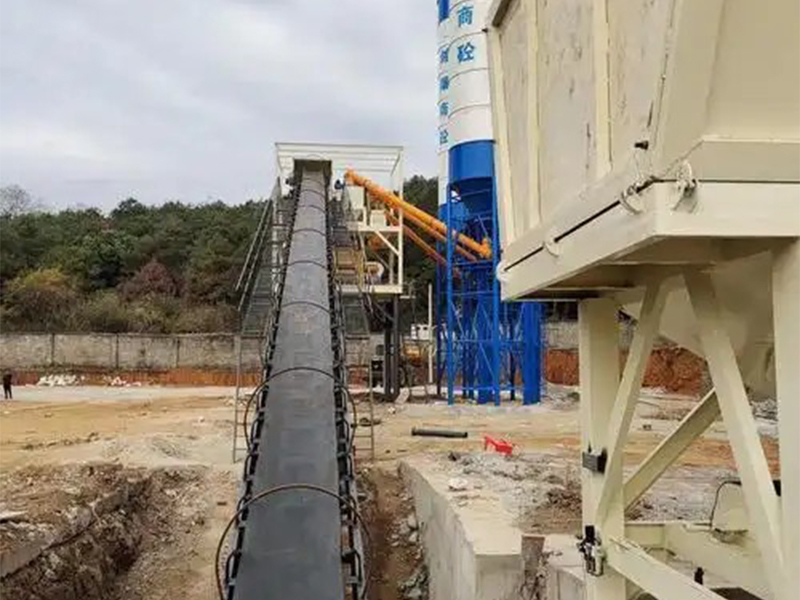
Mixing plant raw aggregate conveyor system.
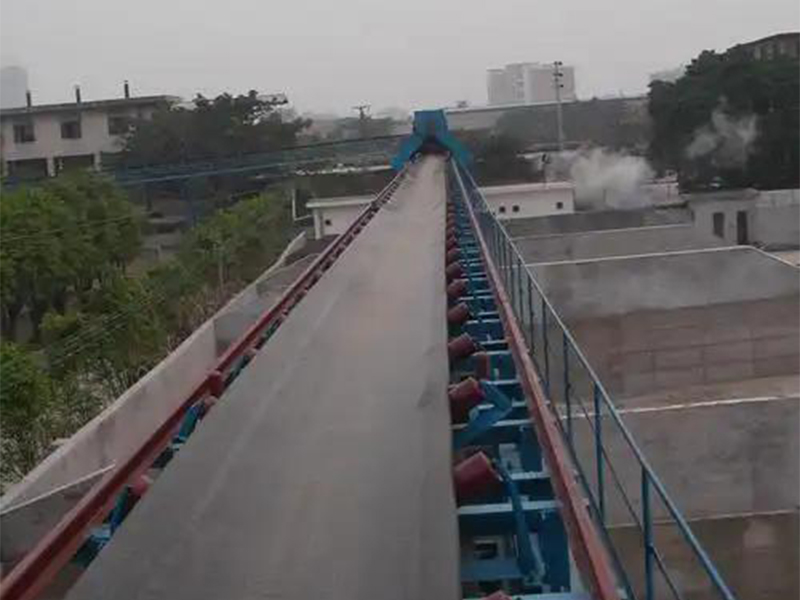
High-temperature clinker transport conveyor lines.
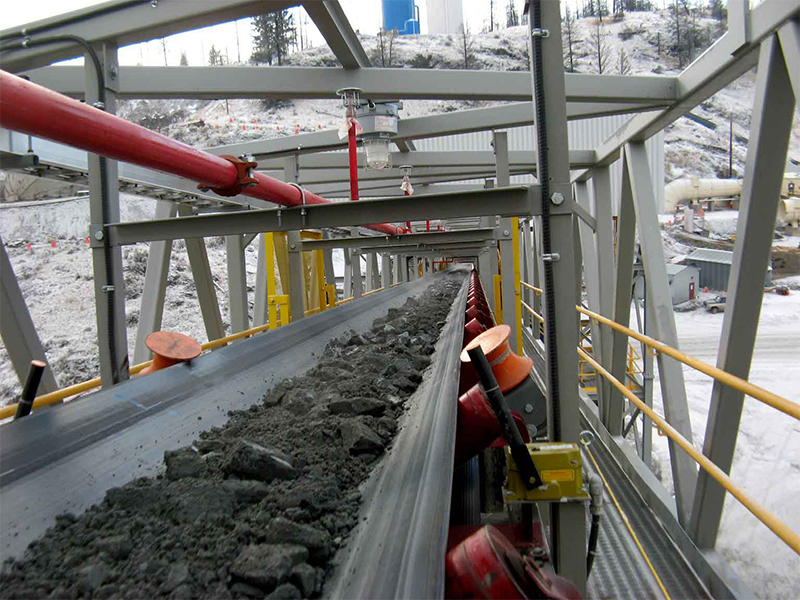
High-tensile underground main shaft conveyor belts.
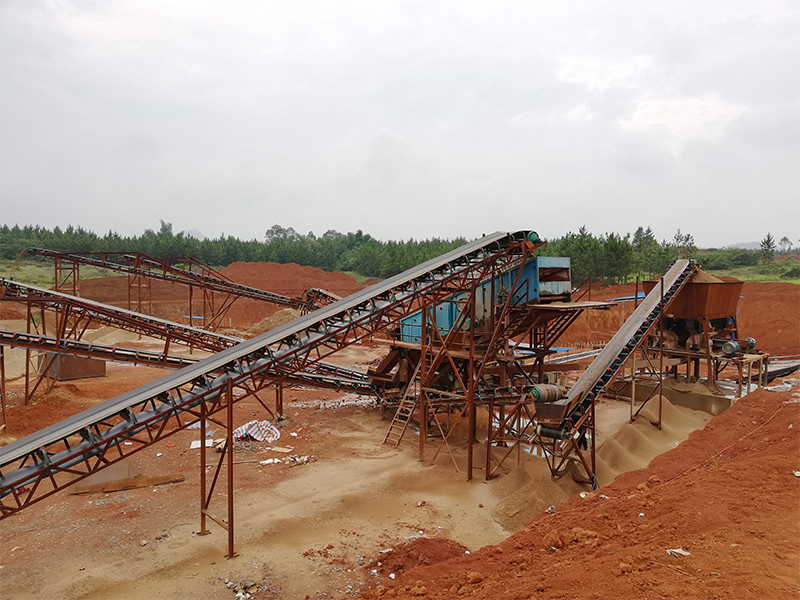
Heavy iron ore receiving and feeding conveyor networks.
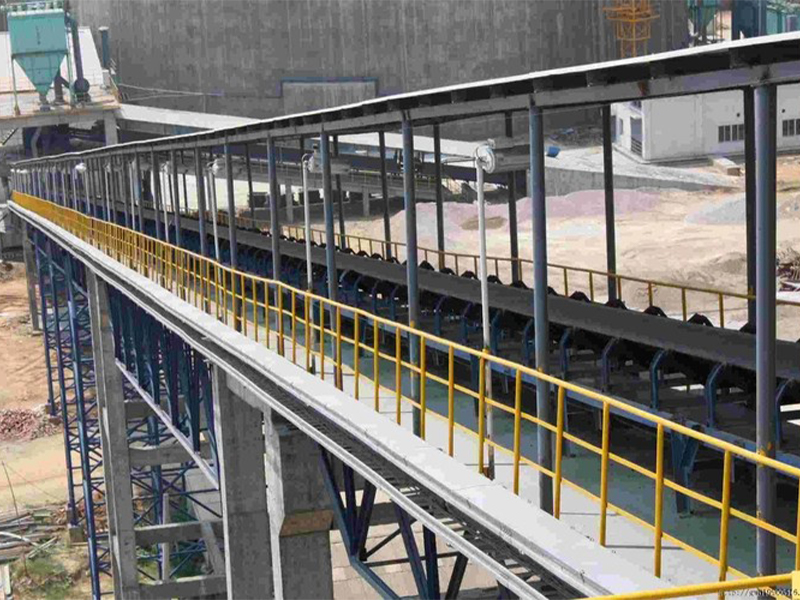
Limestone crushing and long-distance raw material routing.
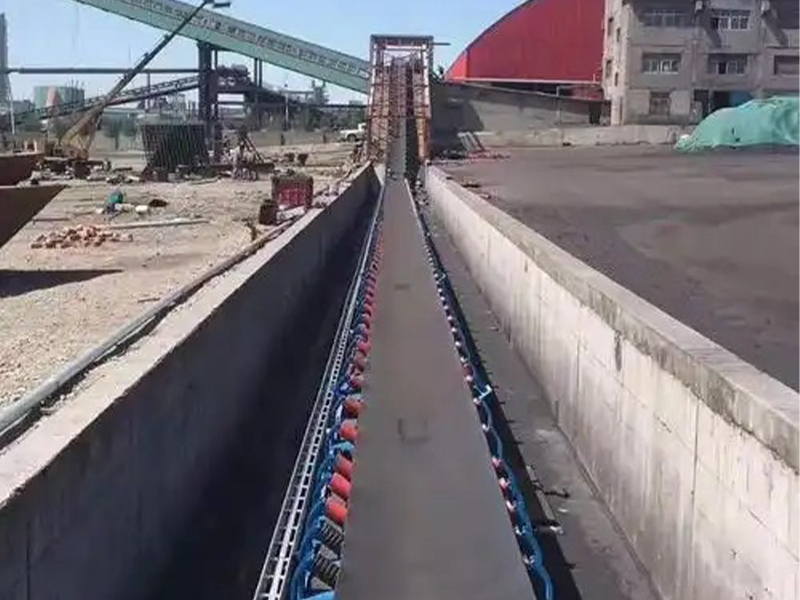
High-capacity long overland coal transport conveying loops.
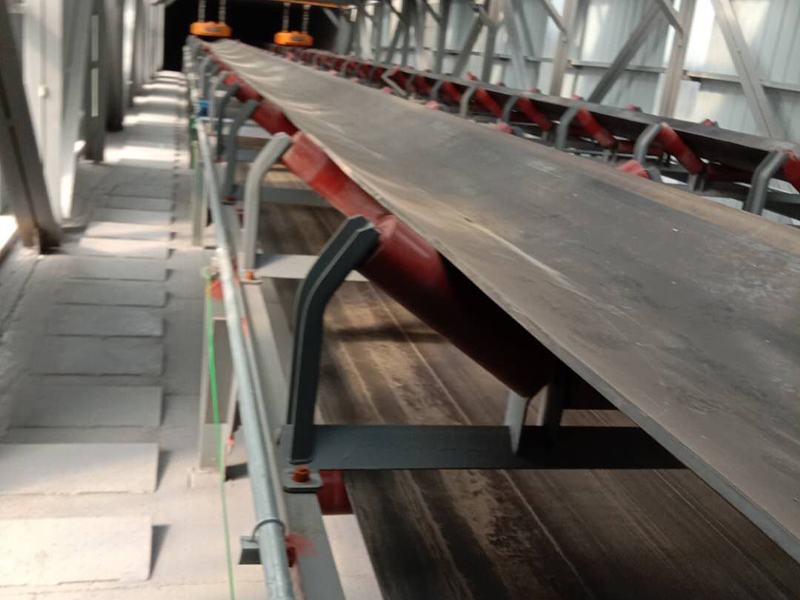
Sintered ore processing plant material distribution loops.
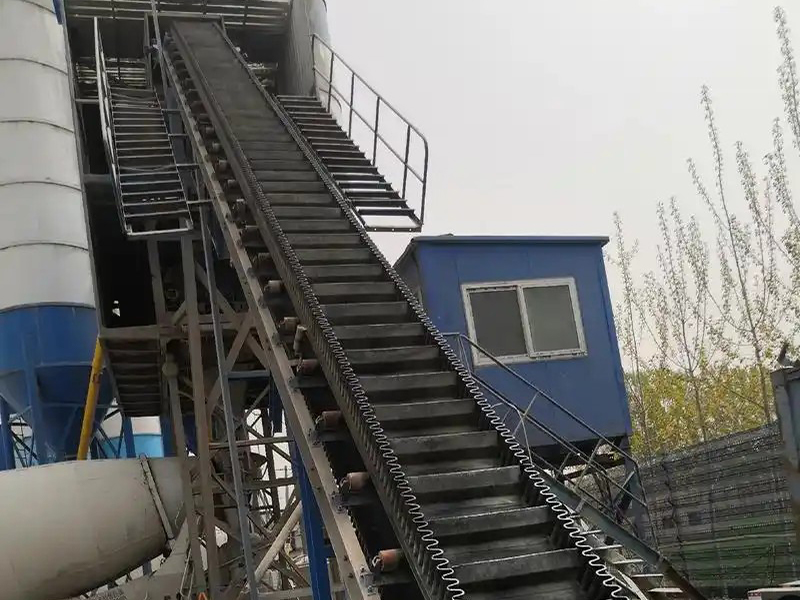
Heavy metallurgical blast furnace feeding lines.
Helping you transition from single product sourcing to integrated system optimization.
Supply of high-durability rubber belts and compounding materials. We maintain critical spare parts inventories for our global partners, manage dynamic stockpiles, provide vulcanizing splicing tools, and offer on-site or remote repair guidance.
We design rubber systems to match your operational load curves. Our goals are to lower conveyor energy draw, minimize belt slippage, prevent unexpected maintenance stops, and maximize system lifespan.
Every installation is backed by an engineering diagnostic file. We analyze structural forces, track wear rates, suggest pulley lining materials, and provide early warning assessments to guarantee equipment stability and safety.
Crucial engineering insights from our lead chemists and quality assurance directors.
The core difference lies in their dynamic shear stress profiles and reinforcement geometry. A timing belt rubber manufacturer utilizes polymers like chloroprene (neoprene) or high-performance polyurethane reinforced with fiberglass or aramid cords, focusing on maintaining precise tooth profile registration and preventing shear failure. In contrast, heavy conveyor factories formulate thicker elastomeric structures (using NR/SBR or EPDM compounds) reinforced by layered synthetic fabrics or steel wire cores, placing major emphasis on impact absorption, puncture prevention, and high-volume material handling capabilities.
EPDM (Ethylene Propylene Diene Monomer) features a fully saturated polymer backbone. This molecular structure gives it excellent resistance to thermal degradation, oxidation, and ozone attack. Standard SBR (Styrene-Butadiene Rubber) contains unsaturated double bonds that break down under continuous exposure to heat, leading to premature hardening, cracking, and loss of tensile strength. SBR is suitable for materials up to 80°C, while optimized EPDM compounds maintain mechanical stability and flexibility under continuous hot clinker or sinter transport up to 200°C.
We run an independent physical testing and chemical analysis laboratory. Every delivery of raw polymers, carbon black, and processing aids is tested prior to compounding. Our finished products undergo strict checks, including tensile strength verification, elongation tests, DIN abrasion index tests, and aging simulations. We strictly adhere to our dual control policy: unapproved raw materials are barred from production, and finished goods that do not meet exact specifications are never cleared for shipping.
Polyester (EP) fabrics feature a high modulus, low elongation under load, and excellent thermal stability. This makes them the standard choice for long-distance transport. Nylon (NN) fabrics offer exceptional elasticity, impact resistance, and dynamic fatigue life, which is highly beneficial for short-to-medium distance systems handling heavy, high-impact materials. Both systems use treated fabrics that form high-bond adhesion joints with our cover rubber, preventing ply separation over years of service.
Our quality management systems are certified to meet international standards for heavy engineering systems.
Complete your material handling infrastructure with high-performance rollers, brackets, and specialized belt designs.
Designed for high-impact material transport. Features excellent troughability and flex life.
View Details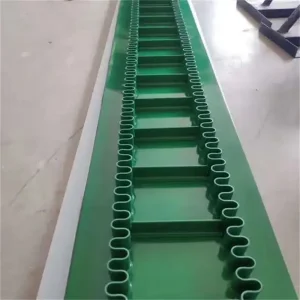
Durable, light-gauge processing belts for manufacturing, packaging, and sorting lines.
View Details
High-capacity vertical bulk material conveying without product rollback.
View Details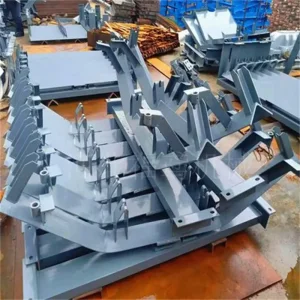
Supports frame and belt layouts for widths from 1500mm up to 1600mm.
View Details
Engineered cover rubber designed to withstand chemical washdowns and corrosive salts.
View Details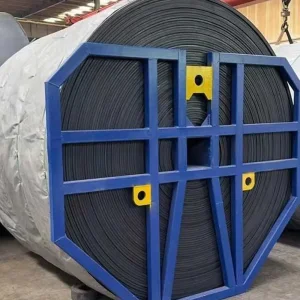
Ultimate puncture and tear protection designed for mining and quarry applications.
View Details
High-durability belts designed for phosphate fertilizer plants and chemical operations.
View Details
Self-cleaning suspended idler sets designed for bulk material handling lines.
View DetailsTransitioning from standard catalog purchasing to customized, application-specific rubber compounds helps eliminate premature belt wear and reduces system downtime. Connect with our engineering department in Hebei to discuss your operational environment, load requirements, chemical exposures, and system design.
We offer tailored physical mockups, compound test samples, and full engineering assessments to keep your bulk transport systems running reliably.
Our technical specialists review system configurations and respond to inquiries within one business day.
Provide your operating parameters (such as pulley diameter, temperature, chemical contact, and required tensile strength) to receive a detailed engineering recommendation.
 Boao Rubber