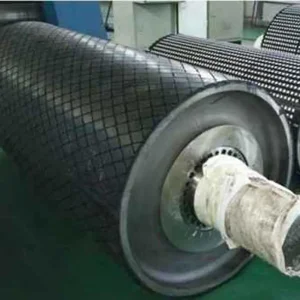
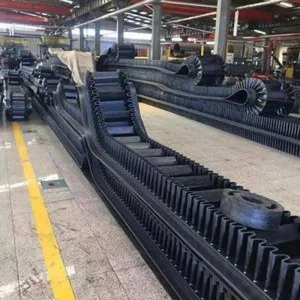
Heavy-duty industrial rollers, specialty compound belts, and dynamic tracking solutions manufactured under ISO 9001 quality compliance.
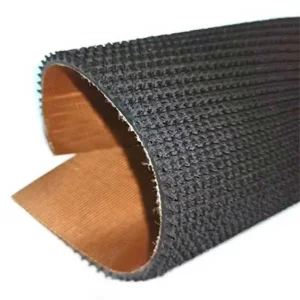
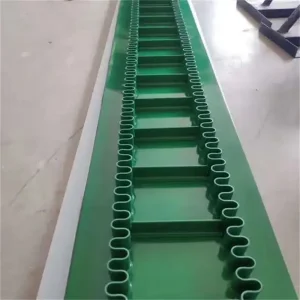
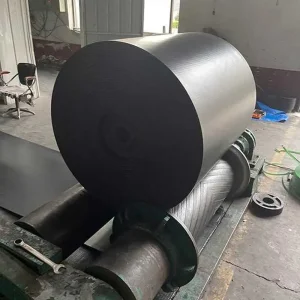
Conveyor belt tracking, also known as training, is the dynamic process of adjusting the belt path so that it runs consistently on the center line of the conveyor frame structure. When bulk materials are loaded off-center, or environmental variables like wind loads and temperature fluctuations disrupt system geometry, a conveyor belt can drift. Misalignment is a primary driver of edge damage, structural wear, safety hazards, and material spillage.
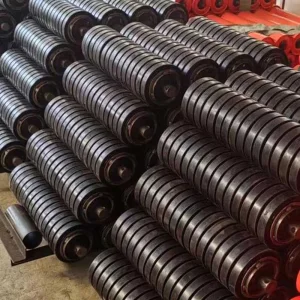
Standard static idlers cannot compensate for dynamic operational changes. This is where Self-Aligning Idlers (often referred to as training rollers or pivoting idlers) become essential. These assemblies are designed to detect minor deviations in the belt path and apply a corrective steering force back to the center line.
A self-aligning idler operates on a central pivot mechanism. When the belt drifts to one side, it contacts an edge guide roller or exerts a force differential on the troughing rolls. This force causes the pivoting frame to rotate slightly in the horizontal plane. The resulting skew creates a frictional force vector that guides the belt back to the center. This self-regulating loop is a key element of preventative maintenance in continuous conveyor systems.
When selecting self-aligning idlers, industrial engineers evaluate the dynamic load capacity, bearing protection configurations, and rotation sensitivity. The table below outlines standard performance metrics for heavy-duty training idlers applied in extreme environments:
| Parameter | Standard Duty (CEMA C) | Heavy Duty (CEMA D) | Extreme Duty (CEMA E / Mine Grade) |
|---|---|---|---|
| Roll Diameter | 89mm to 114mm | 127mm to 152mm | 152mm to 194mm |
| Bearing Configuration | 6204 / 6205 ZZ or Labyrinth | 6305 / 6306 Double Labyrinth | 6308 / 6310 Tri-Labyrinth Seal |
| Alignment Angle | 2° to 5° (Auto-pivoting) | 3° to 5° (Sensory Edge assisted) | Fully Dynamic Dual-Directional Pivot |
| Max Belt Speed | 3.5 m/s | 4.5 m/s | Up to 6.5 m/s |
Located in the Rubber Industrial Park of Boye County, Baoding, Hebei Province, Hebei Boao Rubber Technology Co., Ltd. was founded in 2004. Over the last 22 years, our facility has grown to cover more than 30 acres of advanced manufacturing space, establishing the "Jinao" brand as a globally recognized standard for industrial reliability.
We operate as a vertically integrated manufacturer in China, handling product development, material research, structural design, vulcanization, and finished component testing in-house. Our operation has secured international quality management system certifications, verifying that our production protocols consistently meet global industrial requirements.
To support high-stress applications, our factory maintains specialized production lines for rolling, forming, vulcanization, and material testing. This structural integration allows us to trace components back to the raw materials, ensuring consistent mechanical properties for every run.
We maintain an independent chemical analysis lab and a physics testing room to monitor and verify incoming compounds and metal alloys before they reach the assembly floor.
Every component is subjected to strict dimensional verification, dynamic balancing, and weld integrity inspection. Defective assemblies are filtered out before reaching packaging.
Our proximity to major ports allows us to maintain stable global delivery schedules, shipping durable bulk-handling systems to key industrial markets worldwide.
Modern conveyor component production relies on precise structural engineering and material consistency. At our Boye County manufacturing facility, we integrate raw material compounding with automated structural fabrication. This localized supply chain model reduces material handling overhead and ensures close quality control across production stages.
Our automation framework covers cutting, pressing, welding, and balancing operations for conveyor idlers and structural brackets. By using CNC machining stations and automated robotic welding arms, we maintain precise assembly tolerances. This reduces eccentricity, lowers rolling resistance, and increases overall bearing life.
Our production scheduling system tracks orders from raw steel plate fabrication through to final coating. This visibility allows us to adapt output to meet large project timelines, helping EPC groups and mineral operators keep projects on schedule.
We also secure direct partnerships with local chemical suppliers and steel mills. This stable sourcing framework insulates our clients from raw material market volatility, ensuring competitive, reliable pricing even during peak demand periods.
Industrial procurement teams require complete regulatory and engineering compliance when selecting conveyor components. We design and manufacture our products to align with established international standards, ensuring compatibility with existing bulk handling infrastructure.
Our products are engineered to conform to the specifications of the Conveyor Equipment Manufacturers Association (CEMA) and the Deutsches Institut für Normung (DIN). This ensures matching dimensional tolerances, bearing ratings, and load-carrying capacities for global operations.
For operations in dusty or wet environments, our idlers feature triple labyrinth seals. This design prevents fine dust particles, grit, and moisture from reaching the bearings, reducing the risk of premature bearing failure.
We test each idler to ensure low Total Indicated Runout (TIR) and balance. This minimizes vibration and noise at high belt speeds, extending the service life of both the idler and the conveyor belt.
Our quality management program includes traceability protocols. Each batch of raw steel, rubber compound, and bearing assembly is logged and tracked. This ensures that test certificates, metallurgical analysis records, and physical stress reports are available to engineering inspectors.
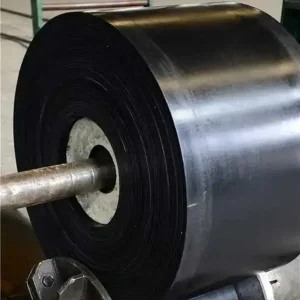
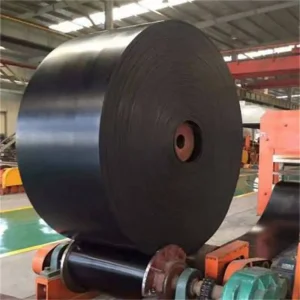
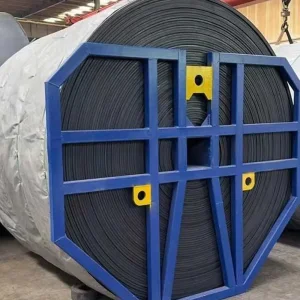
We manufacture a complete line of heavy-duty conveyor belts and structural support accessories for diverse bulk-handling environments.
Our operations comply with international quality audits, proving our manufacturing lines meet global supply requirements.
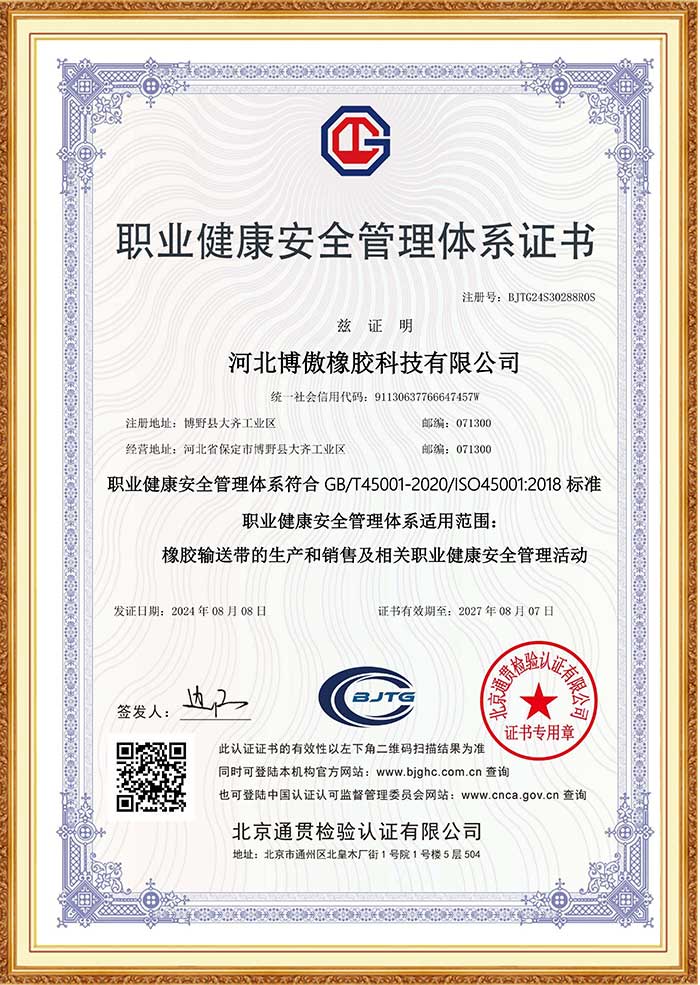
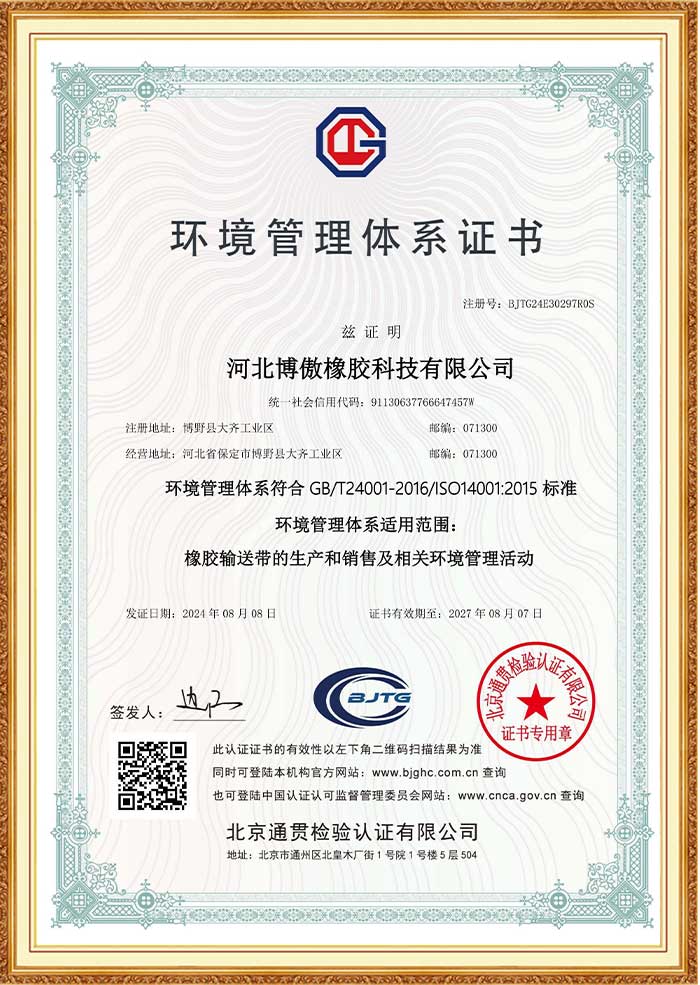
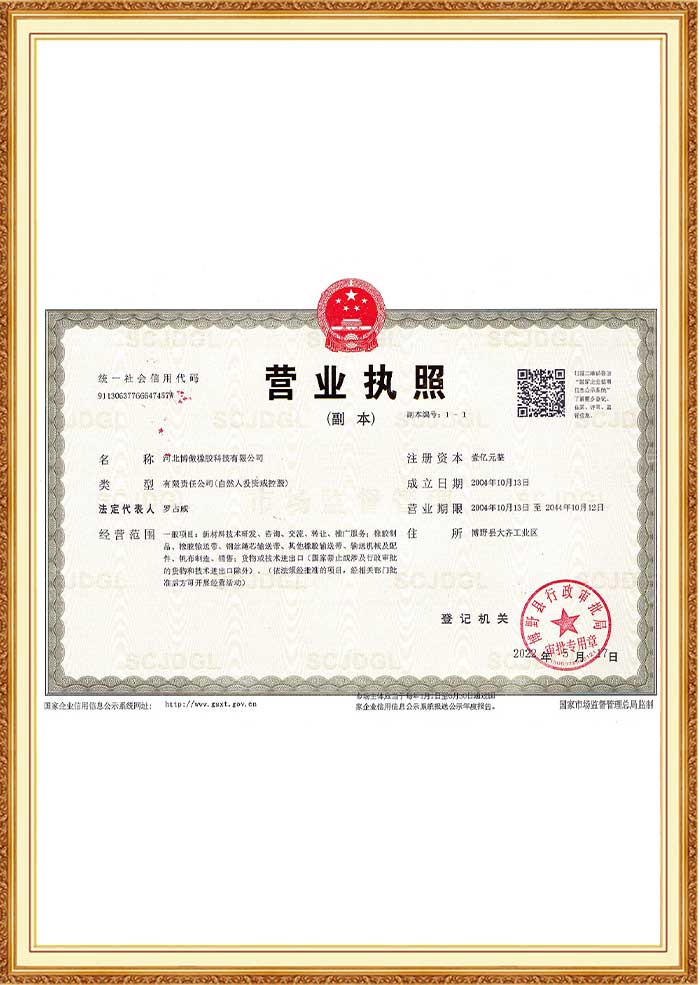
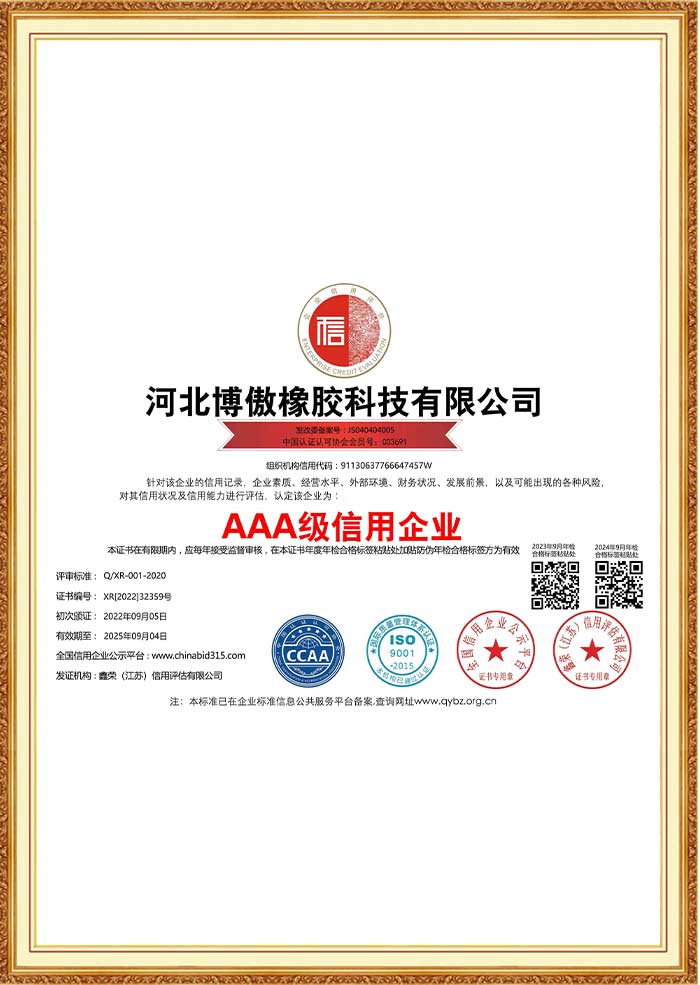
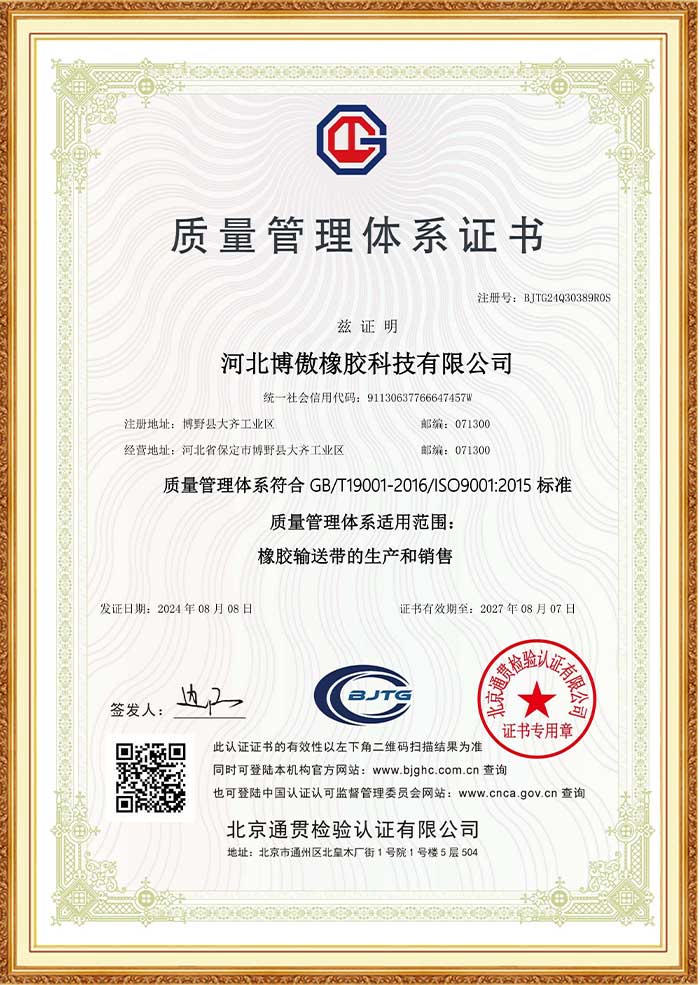
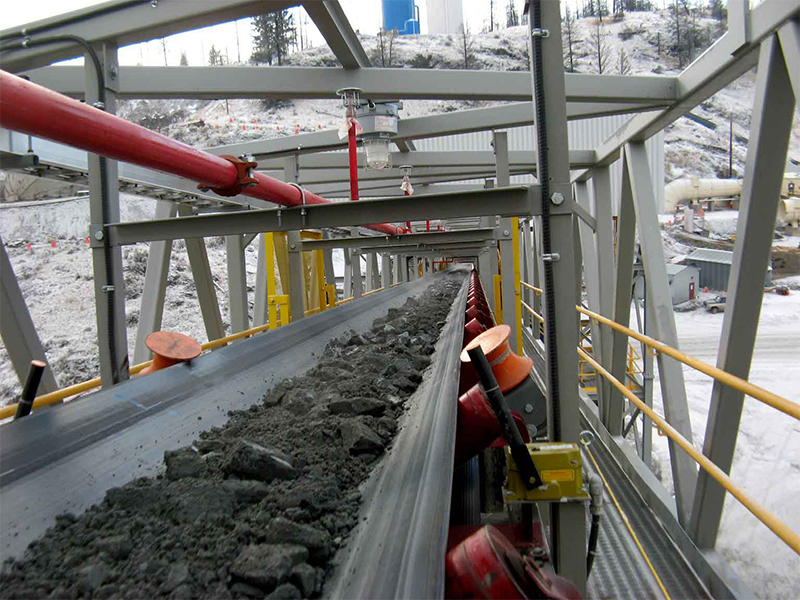
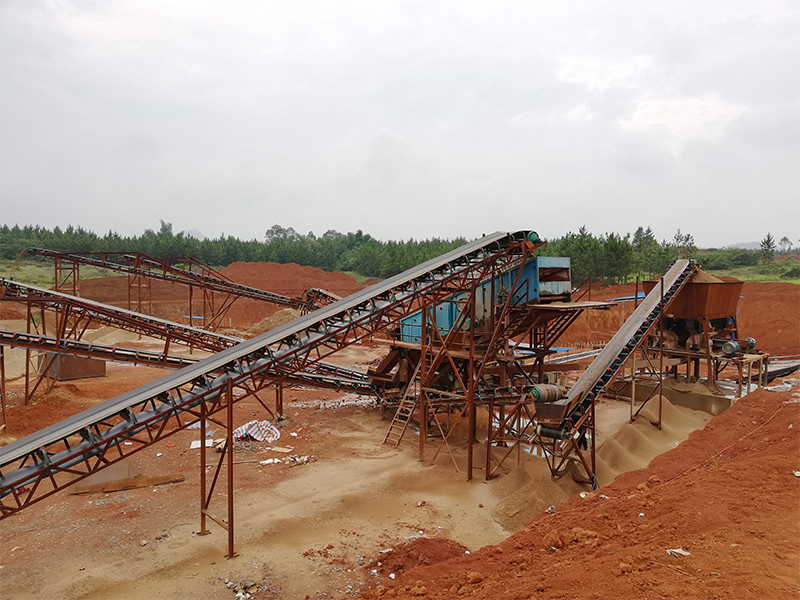
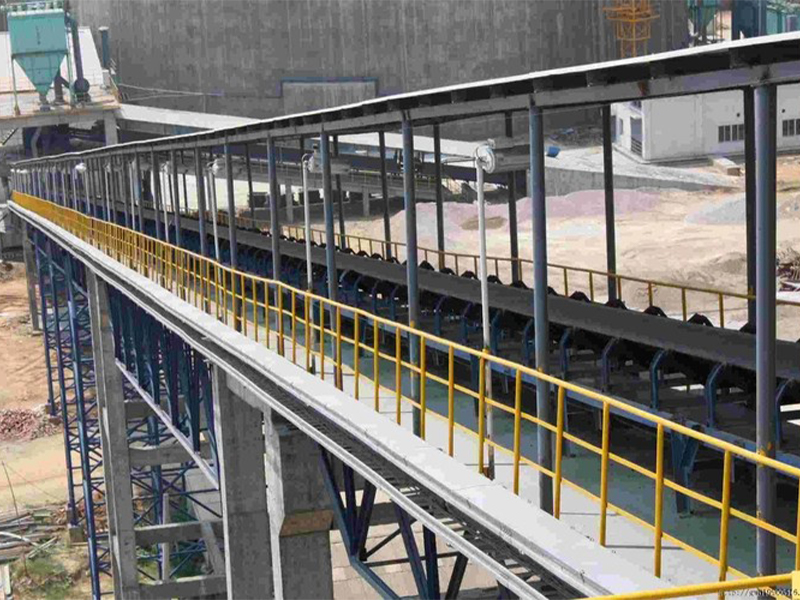
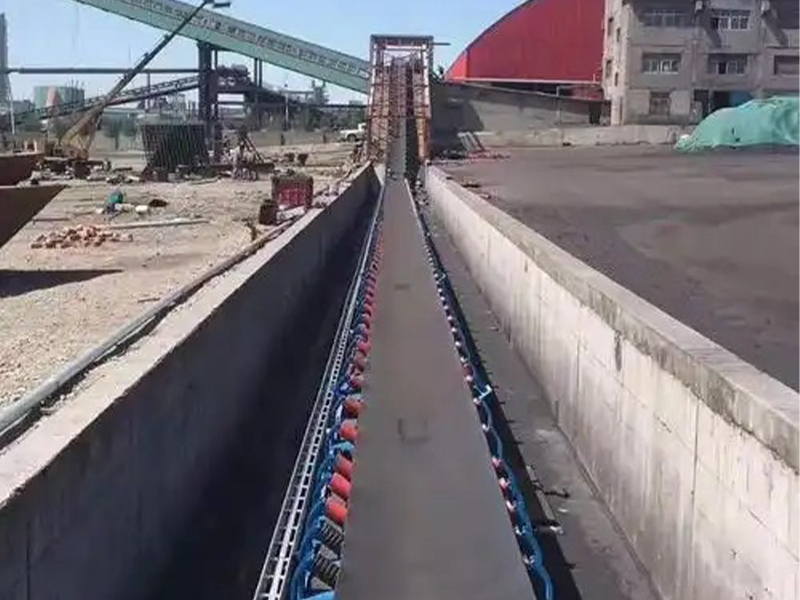
Our equipment operates in heavy-duty environments, supporting high-capacity material handling systems globally.
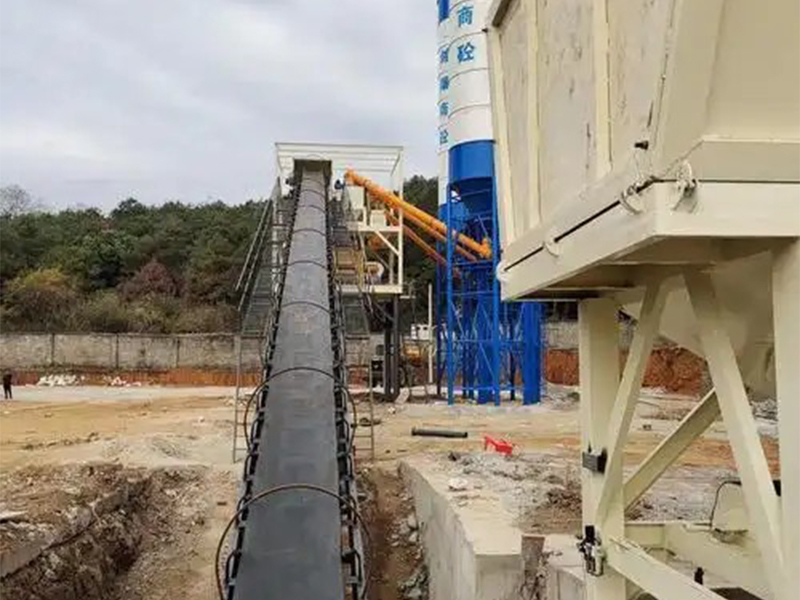
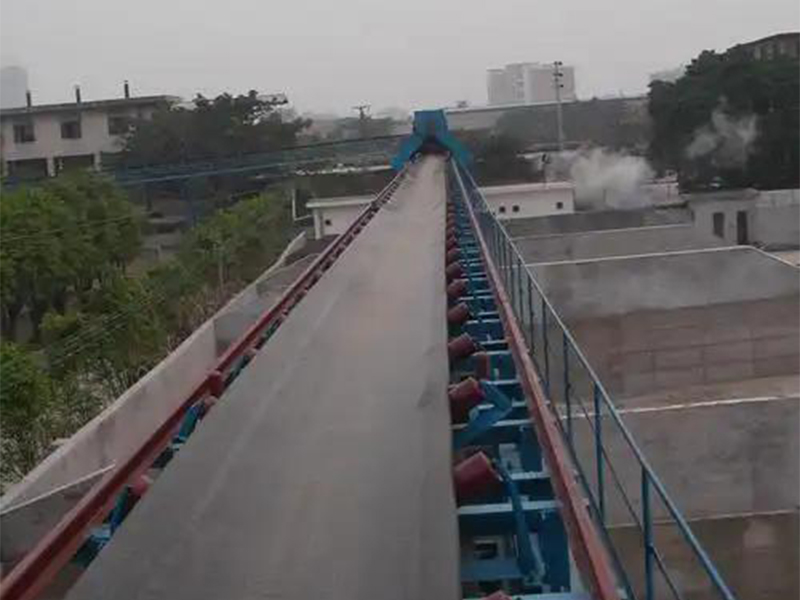
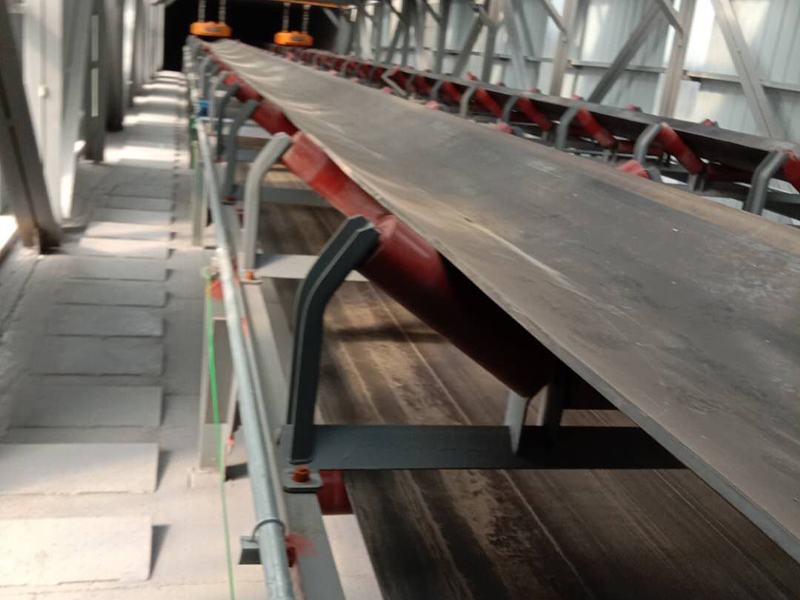
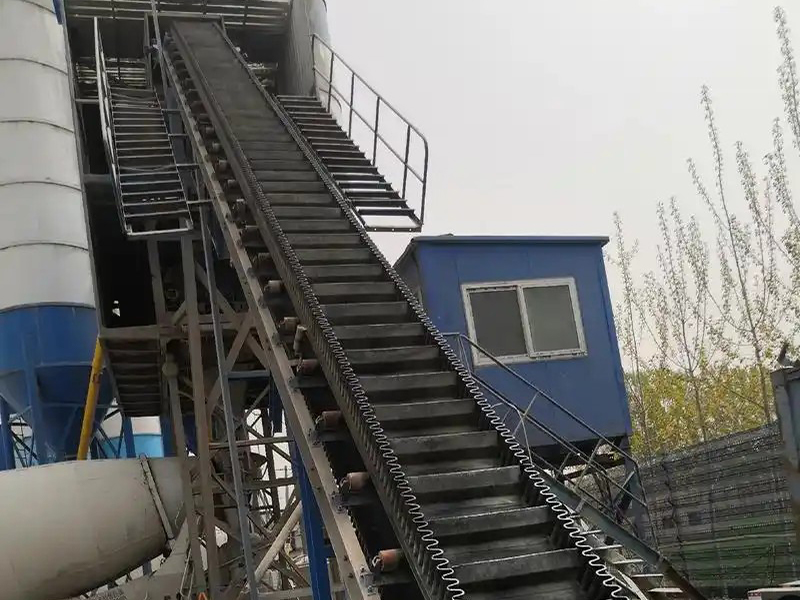
The requirements of modern material handling systems are shifting toward higher speeds, larger capacities, and lower energy footprints. To meet these demands, we are developing next-generation conveying technologies that incorporate advanced materials and smart monitoring systems.
For applications where corrosion, material adhesion, or noise levels are critical challenges, we are expanding our use of Ultra-High-Molecular-Weight Polyethylene (UHMWPE) roller shells. UHMWPE rollers offer several advantages over traditional steel pipes:
Our long-term technical roadmap includes the integration of IoT sensors within the bearing housings of our high-capacity training idlers. These sensor nodes monitor key operational indicators:
Large-scale conveying installations require dedicated engineering support to ensure correct component selection, installation, and performance. We provide support from initial design reviews through to installation and commissioning, helping clients integrate our products into their operations.
Our engineering team works with clients to analyze operational factors like material densities, drop heights, and climatic variables. This helps us supply correct belt compounds and idler specifications for each application, minimizing early wear and system downtime.
We manufacture all products in compliance with environmental and industrial safety standards. Our flame-retardant conveyor belts are certified for use in underground mining operations where safety regulations are strict.
We provide custom dimensional and design support to match existing structures. Our engineering department can adapt shaft configurations, bracket designs, and paint finishes to meet specific project guidelines.
We provide guidance for splicing, installation alignment, and maintenance practices to help operators maximize the service life of their conveyor systems.
Find answers to common technical, manufacturing, and procurement inquiries regarding our conveyor solutions.
These terms are often used interchangeably. Both refer to an idler assembly mounted on a central pivot that skews dynamically to guide a misaligned conveyor belt back to its center path. Training idlers can be configured for troughing, return, or flat-carrying belt runs.
We use high-grade seamless steel pipes, reinforced shafts, and triple-sealed deep groove ball bearings. Additionally, our rubber buffer idlers feature vulcanized impact rings that absorb shock at loading points, protecting both the roller and the belt.
Yes. Under our "Jinao" brand, we manufacture heat-resistant belts designed to handle materials up to 200°C (with peak temperatures higher for short intervals), as well as chemical-resistant formulations designed for acid, alkali, and oil exposure.
Standard production cycles range from 20 to 30 days depending on component specifications and material volume. Our proximity to major shipping ports in northern China allows for efficient logistics and transport planning.
Need support selecting components, confirming dimensional specifications, or planning system upgrades? Our engineering team is ready to assist with your project requirements.
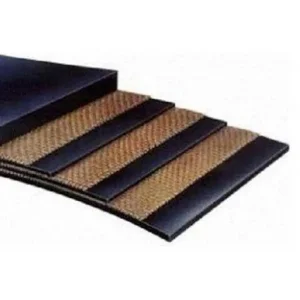
Request Technical QuoteExplore our range of wear-resistant covers, steel reinforcement plies, and support components.
 Boao Rubber