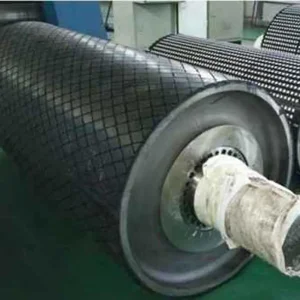
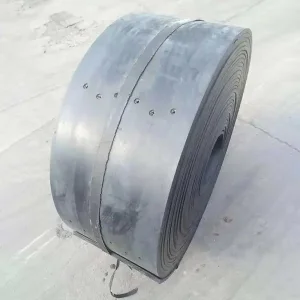
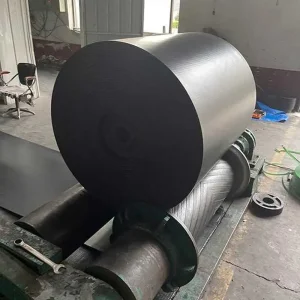
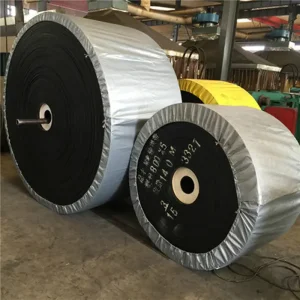
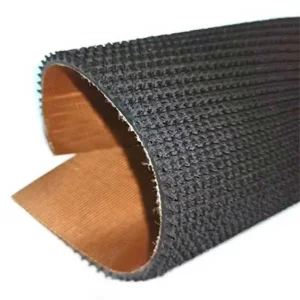
Engineered rubber belts and supporting structures built for the most demanding bulk handling requirements.
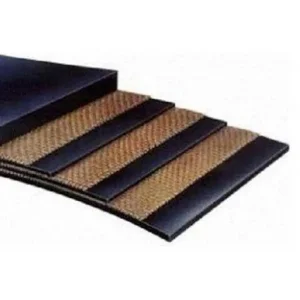
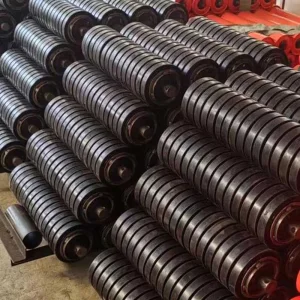
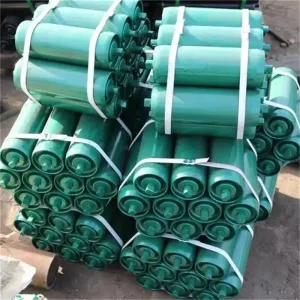
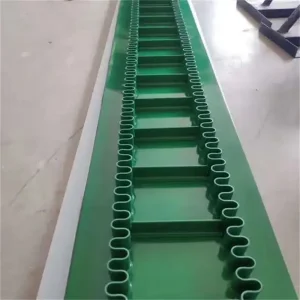
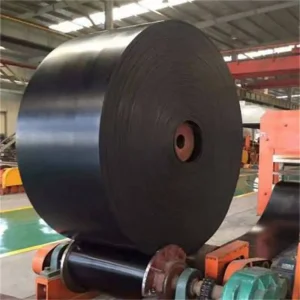
Brand Flagship: "Jinao"
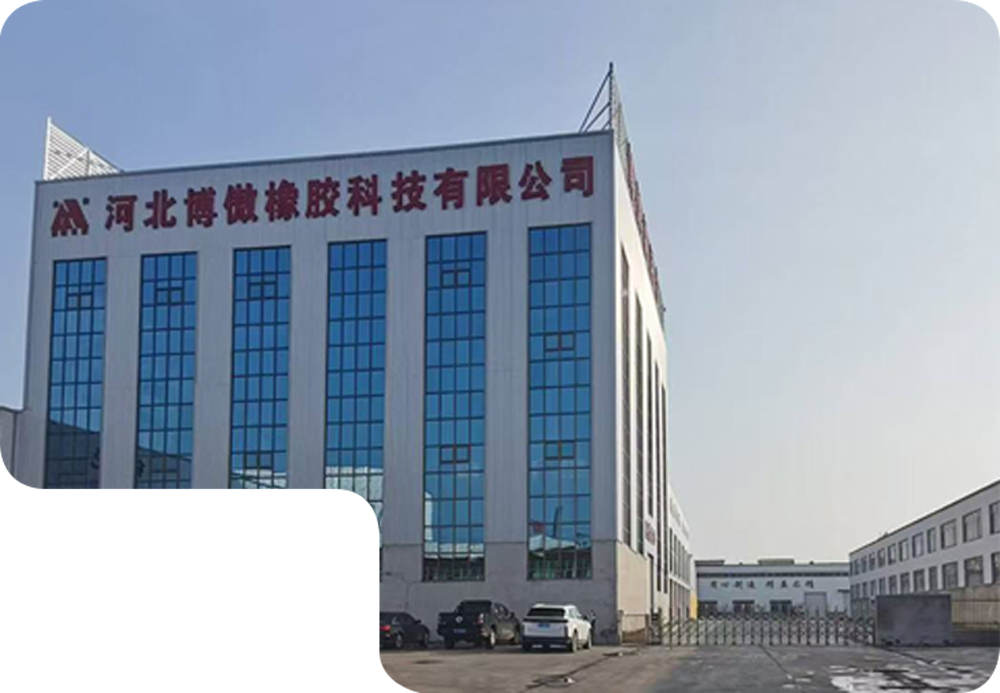
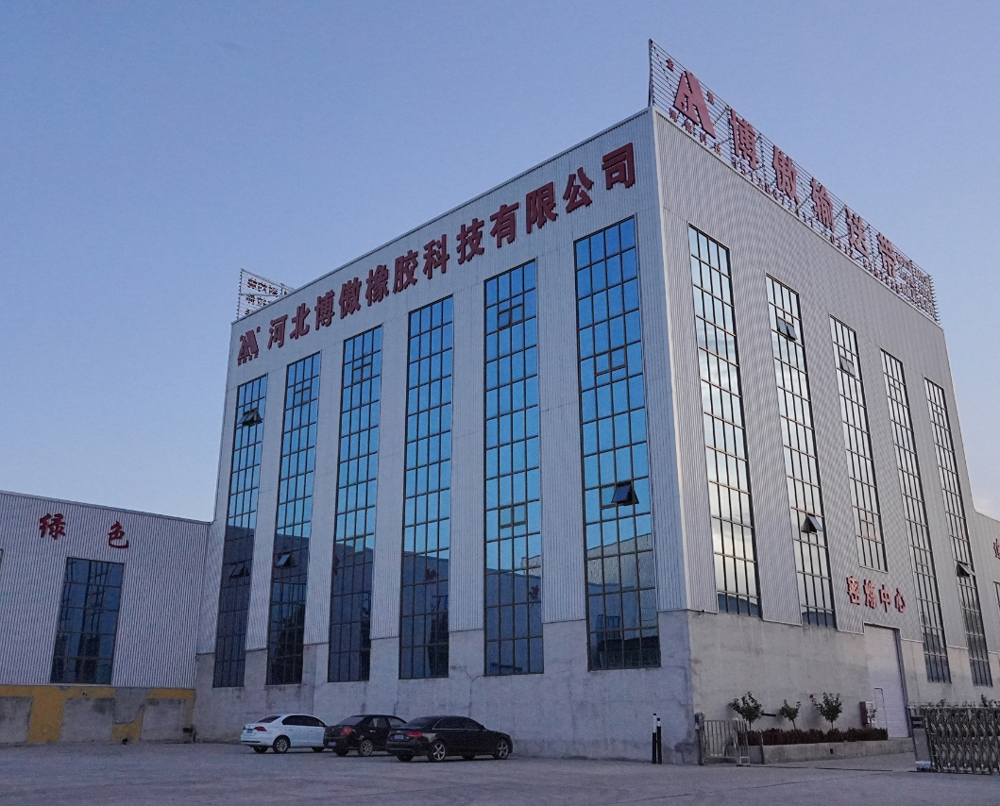
Hebei Boao Rubber Technology Co., Ltd. is strategically located in the heart of the Rubber Industrial Park of Boye County, Baoding, Hebei Province. Founded in 2004 and covering an expansive industrial manufacturing area of over 30 acres, we stand as a premier, state-certified enterprise integrating conveyor technology R&D, molecular material research, dynamic layout design, and full-scale manufacturing services.
Through our signature "Jinao" brand, we supply complex material handling components to critical sectors worldwide. Our facilities are backed by international quality management system certifications. We have established complete in-house manufacturing chains, encompassing raw rubber refining, precision rolling, high-stress carcass forming, massive vulcanization lines, and multi-stage testing setups that evaluate performance indicators from raw polymer compounds to final high-load conveyor belts.
Precision Calendering Line
Carcass Building Stage
Vulcanization Station
Quality Testing Center
Raw Rubber Mixing
Packaging & Dispatch
Laboratory Equipment
Heavy Steel Cord Loom
Our commitment to technical precision, laboratory inspection, and heavy industrial performance.
We run an in-house chemical analysis room and structural physics laboratory. This configuration permits real-time testing of every processing phase—from raw rubber inspection, adhesive ply vulcanization testing, to complete verification of structural integrity before shipment. No subpar material enters our warehouse; no non-standard belt leaves the facility.
Certified quality inspectors, advanced test instrumentation, and rigorous quality check protocols define our manufacturing flow. We carry out dynamic stress profiling, ozone resistance validation, cold-temperature flexing reviews, and micro-abrasion tests to achieve dimensional accuracy and reliable service life.
With an engineering team and a robust distribution footprint, our conveyor belts are deployed in heavy industries globally. Jinao belts carry bulk cargo across steel processing operations, metallurgy plants, coal reserves, electrical generation utilities, fertilizer silos, agricultural reserves, and maritime ports.
In the modern industrial landscape, rubber conveyor belts (commonly known in regional trading centers as "Rubber Wala Belts") serve as the foundation of bulk material conveying systems. From deep underground mining extraction lines to port terminals handling millions of tons of dry cargo, heavy-duty rubber belts are key to industrial continuity. Modern belt engineering relies on a balance of elastomer compounding, fabric reinforcement geometries, and surface wear chemistry to optimize transport performance.
An in-depth guide to rubber compound chemistry, reinforcing materials, and dynamic performance criteria.
Industrial bulk logistics demands high durability. Modern system operations require belts that resist abrasion, chemical attack, extreme temperatures, and mechanical fatigue. To achieve this, international regulatory bodies maintain rigorous standards. Hebei Boao designs its belts to comply with and exceed standard performance thresholds:
| Belt Grade Type | Standard Basis | Tensile Strength (Min) | Elongation at Break (Min) | Abrasion Loss (Max Volume) | Primary Industrial Use-Cases |
|---|---|---|---|---|---|
| Grade M (DIN X) | DIN 22102 / ISO 10290 | 25 MPa | 450% | 120 mm³ | Heavy abrasive rocks, quartz, metal ores, granite, and crushing stations. |
| Grade N (DIN Y) | DIN 22102 / ISO 10290 | 20 MPa | 400% | 150 mm³ | General coal transport, cement processing, aggregate pits, and sand plants. |
| Grade L (DIN Z) | DIN 22102 / ISO 10290 | 15 MPa | 350% | 200 mm³ | Light materials handling, agricultural grains, fertilizer packing, woodchips. |
| Flame Retardant (FR) | ISO 340 / MSHA / EN12882 | 20 MPa | 400% | 140 mm³ | Underground mining operations, grain elevators, indoor storage depots. |
| Heat Resistant (HR) | DIN 22102 (T1 to T3) | 18 MPa | 400% | 180 mm³ | Sintered ores, hot cement clinker, chemicals, chemical ash up to 200°C. |
The life expectancy of an industrial conveyor belt depends on two primary elements: the **Rubber Cover Compound** and the **Internal Reinforced Carcass**.
Combines a polyester warp (lengthwise) and polyamide/nylon weft (crosswise). Features low elongation, excellent dimensional stability, and strong impact resistance. Perfect for medium-to-long distance conveyor lines.
Warp and weft are both nylon fibers. Offers high elasticity, resistance to repeated flexing, and excellent troughability. Recommended for high-impact load points and high-speed operation.
Consists of high-tensile steel wire cords arranged with alternating left-and-right lay structures. Delivers low elongation under high tension. Ideal for long-distance, high-capacity, overland conveyor installations.
Specially engineered for oil and organic solvent resistance. Prevents structural swelling, softening, and cover peeling caused by oily materials like wood chips, oilseeds, and treated metal feeds.
To assist design engineers in calculating the physical requirements of a new system, the necessary drive tension ($T_e$) can be estimated using the basic operating formula:
Where:
Discover the range of products designed and manufactured under the Jinao Brand.
Our production facilities manufacture a variety of belts and matching accessories to provide complete material handling solutions.
Avoid the operational challenges of managing multiple vendors. Our factory delivers complete support—from pre-sale engineering calculations, physical compounding design, to installation coordination and emergency repair services.
Our heavy-duty belts are deployed by leading global industrial enterprises.
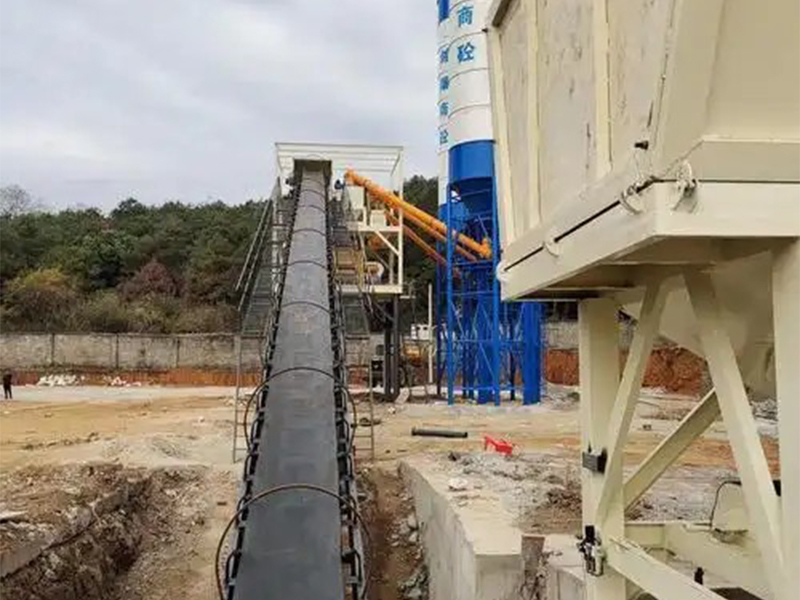
China Railway Mixing Plant
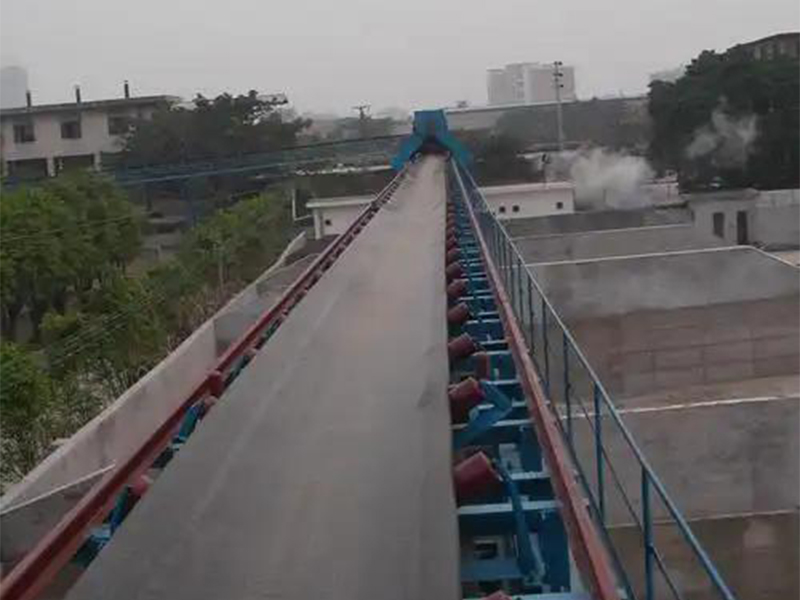
Conch Cement Group
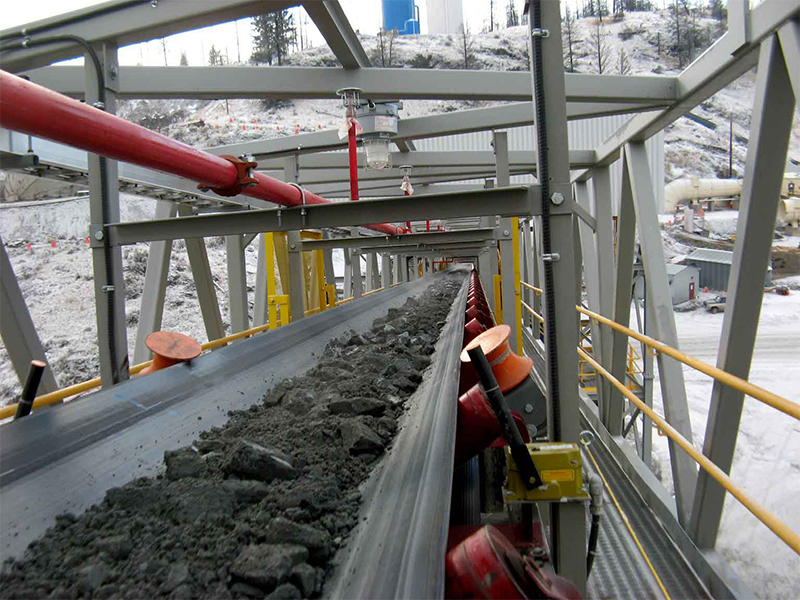
Datong Coal Group
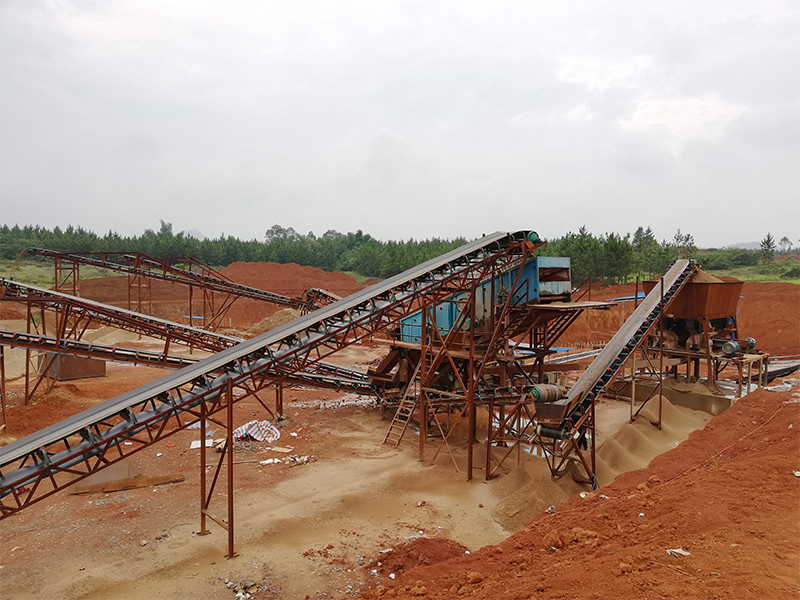
Tsingshan Group
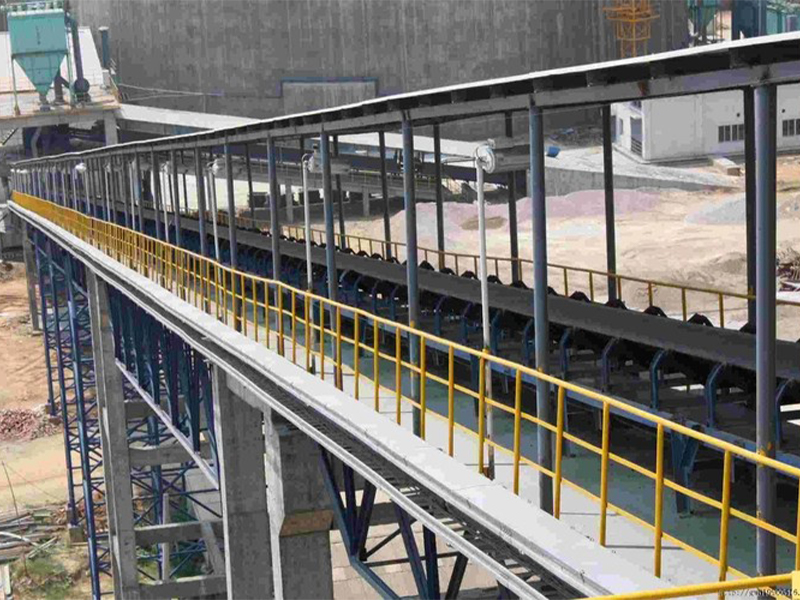
Jidong Cement Group
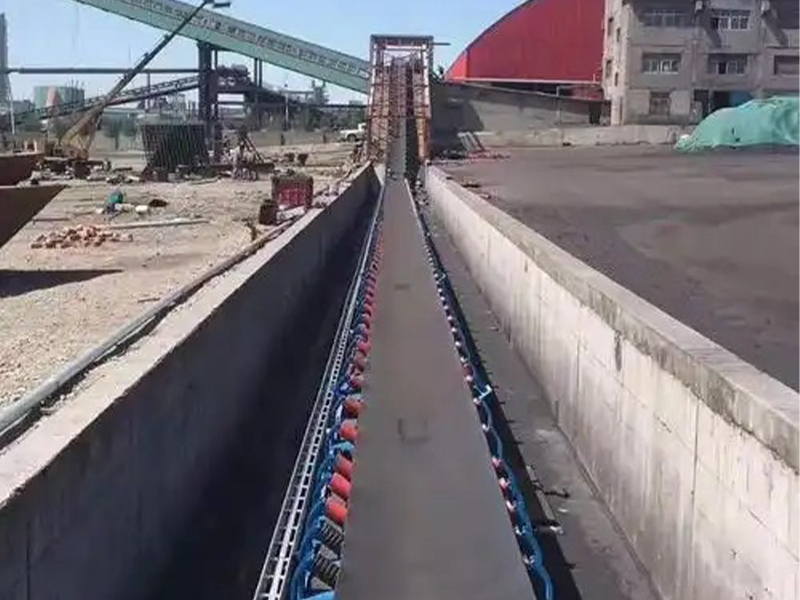
Jinmei Group Coal Line
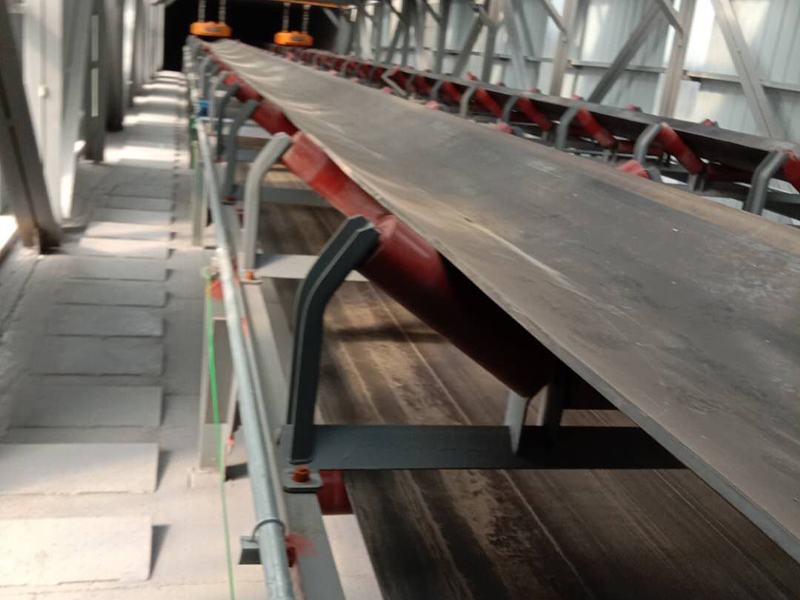
Taihang Steel Group
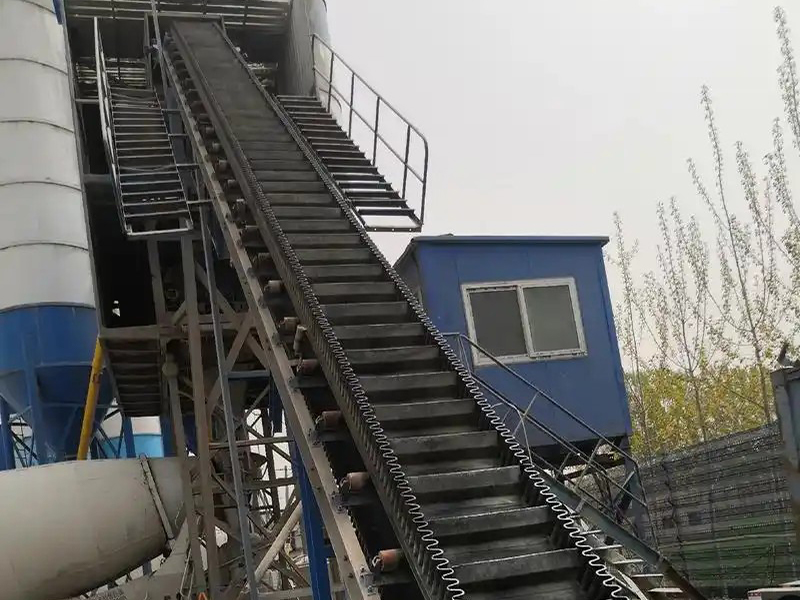
Puyang Steel Group
Our manufacturing and testing processes are certified to international standards.
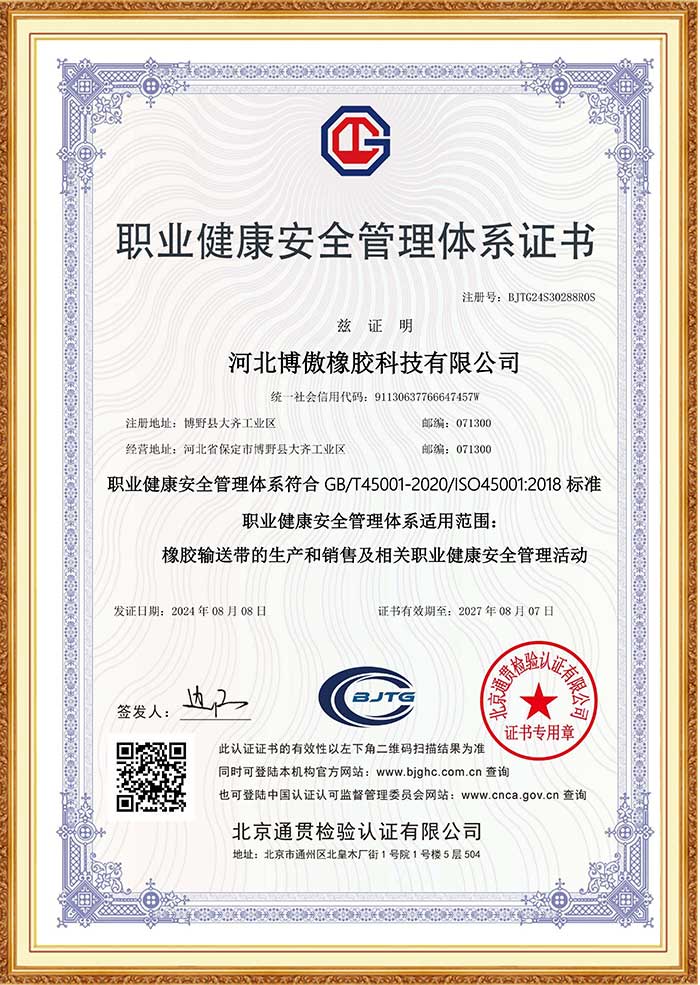
ISO9001 Certificate
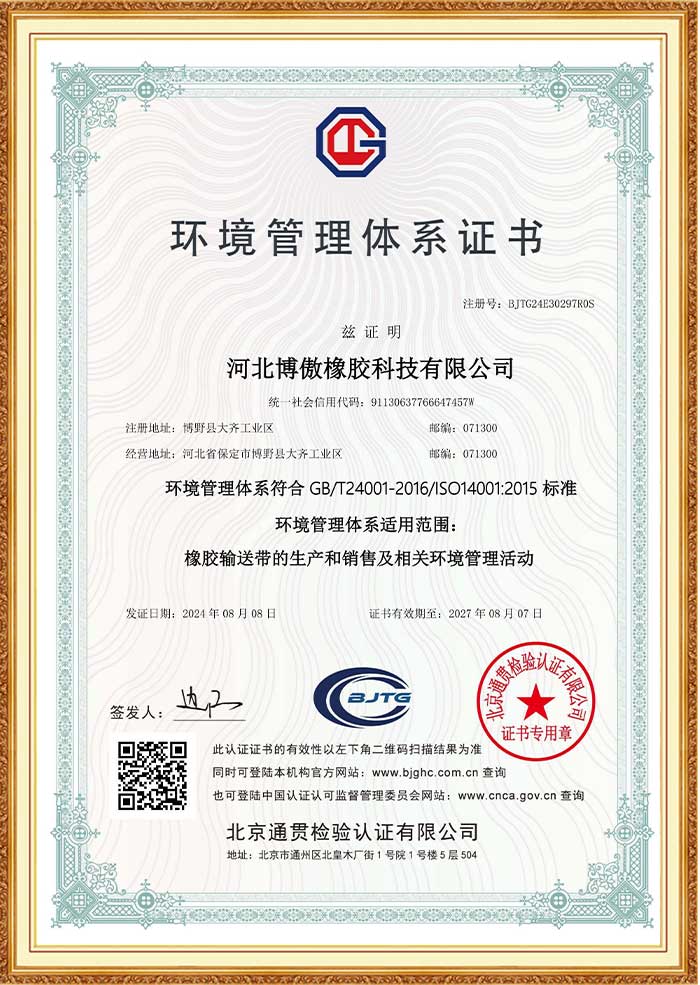
Environmental Certificate
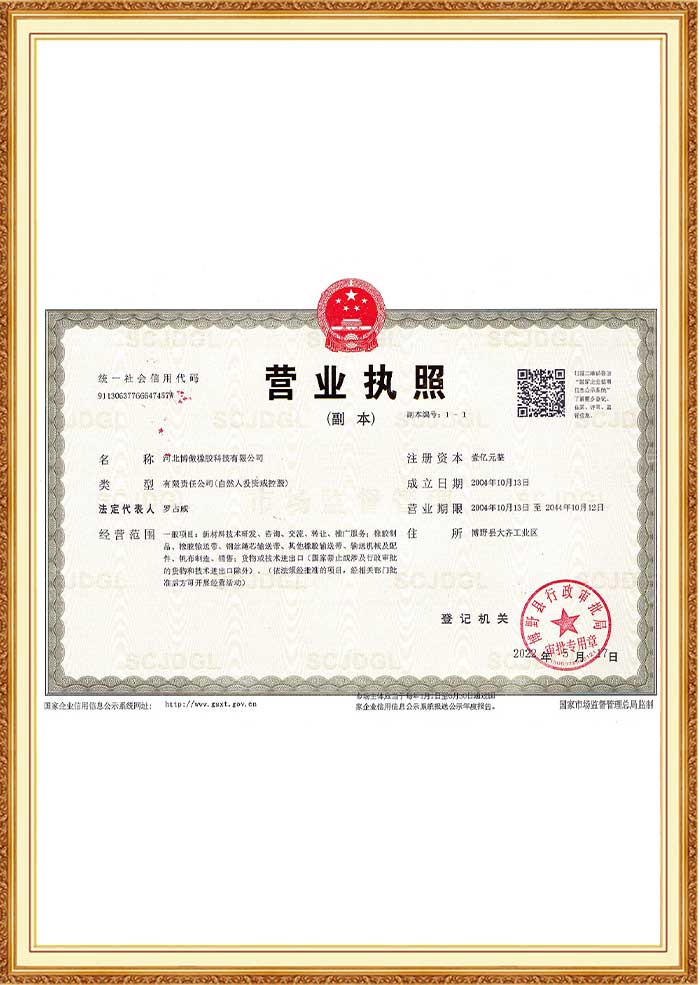
OHSAS Safety Standards
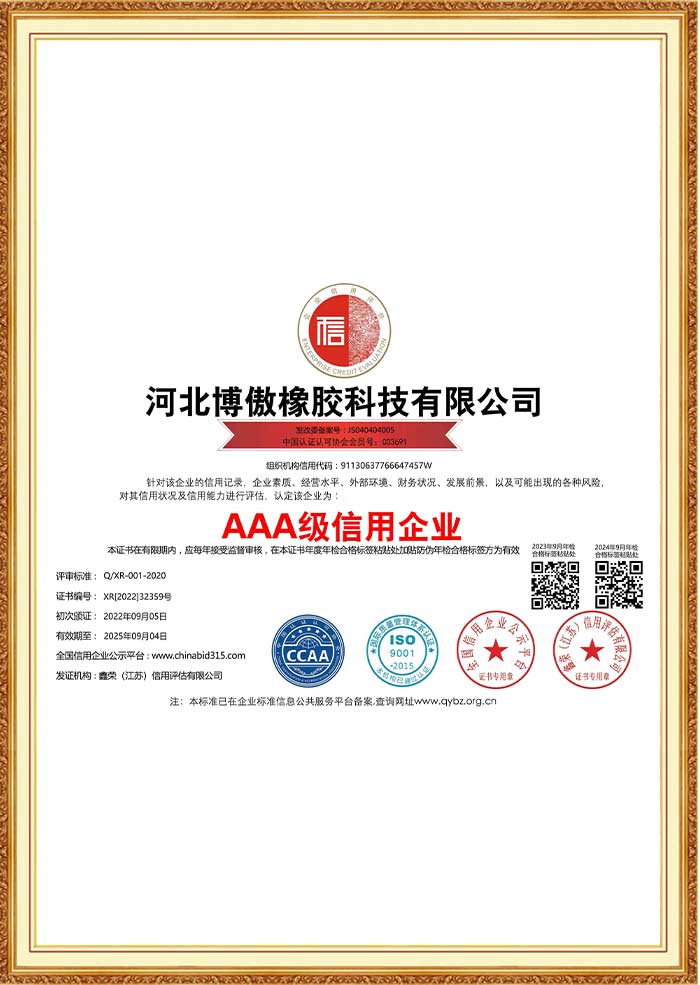
Mining Safety Approval
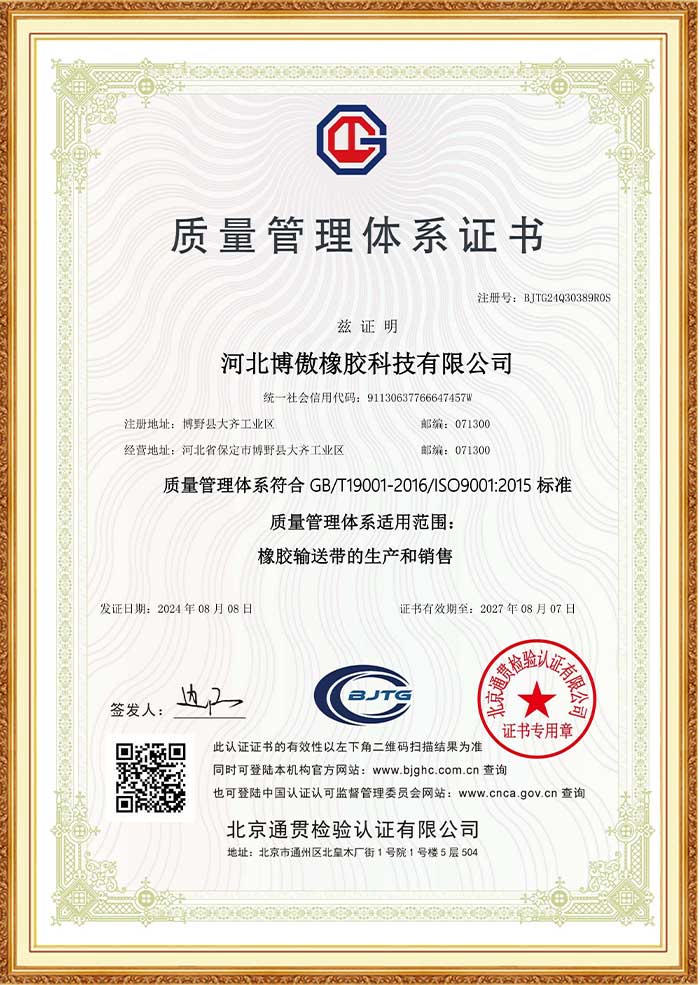
Export Compliance Certificate
Practical diagnostic solutions for common belt conveying challenges.
Industrial material handling systems operate under dynamic stresses. If challenges emerge, this technical troubleshooting guide can help plant engineers identify the core cause:
| Observed System Issue | Probable Underlying Cause | Corrective Action Method |
|---|---|---|
| Conveyor Belt Misalignment (Tracking issues) | Incorrect material feed placement, structural misalignment of idler frames, or material buildup on return rollers. | Adjust transition guides, clean return rollers, install centering idlers, and verify structural alignment. |
| Accelerated Cover Abrasion (Top surface wear) | Aggressive material drop angle, dry scraper blades pressing too hard, or incorrect cover compound grade. | Optimize drop height chutes, reduce scaper blade pressure, and upgrade to high-abrasion Grade M / DIN X compounds. |
| Slipping on Head Drive Pulley | Insufficient belt tension, worn pulley lagging, or dynamic water accumulation. | Increase counterweight tension, replace smooth pulley faces with grooved ceramic lagging, and clear drainage lines. |
| Carcass Delamination (Ply Separation) | Bending radius is too small for the ply count, high chemical degradation, or thermal overload. | Review pulley diameters against dynamic ply limits, and transition to heat or chemical-resistant compounds. |
Direct answers to commonly asked questions regarding specifications, installations, and ordering.
Complete your material handling system with our specialized conveyor belts and component designs.
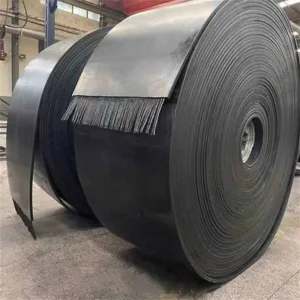
We are committed to providing you with the highest quality products and excellent services. If you have any questions or need assistance with our products, please feel free to contact us and we will be happy to assist you.
Inquire Now Boao Rubber