Explore our high-performance industrial components. Click the items below to view specific product details directly from our manufacturing line.
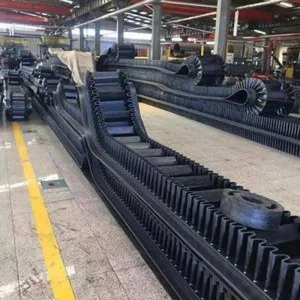
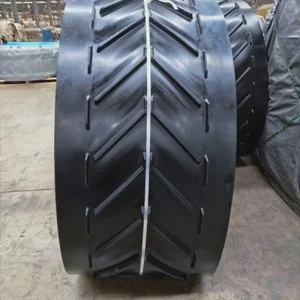
A Technical Whitepaper on Advanced Vulcanization, Tensile Performance, and Structural Integrity in Bulk Material Handling
In modern high-capacity material transport, the structural integrity of the conveyor line relies completely on the quality of the joint. Conveyor belts are the mechanical arteries of industries like mining, metallurgy, cement processing, thermal power generation, and port logistics. However, a conveyor system is only as strong as its weakest link—the splice. Rubber belt splicing is the process of joining two ends of a conveyor belt together, a critical procedure that directly impacts tensile strength, operating safety, and overall service life.
Over the past three decades, the technology behind rubber belt splicing has advanced from simple mechanical fasteners to complex chemical cross-linking and sophisticated hot vulcanization. Understanding these advancements is essential for global procurement departments and engineering specialists. By implementing optimized splicing procedures, heavy industries can reduce unscheduled downtime, prevent catastrophic belt failures, and maximize return on investment (ROI).
Selecting the correct splicing technique is determined by the conveyor belt's structural reinforcement (fabric vs. steel cord), tensile load, operating environment, and budget parameters. The industry relies on three main methodologies:
Integrating Advanced Polymer R&D, Design, Manufacturing, and Technical Service Programs
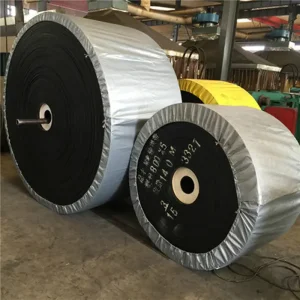
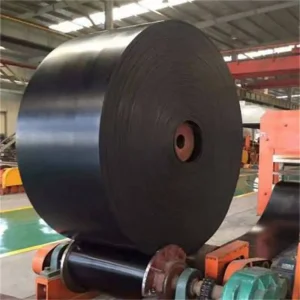
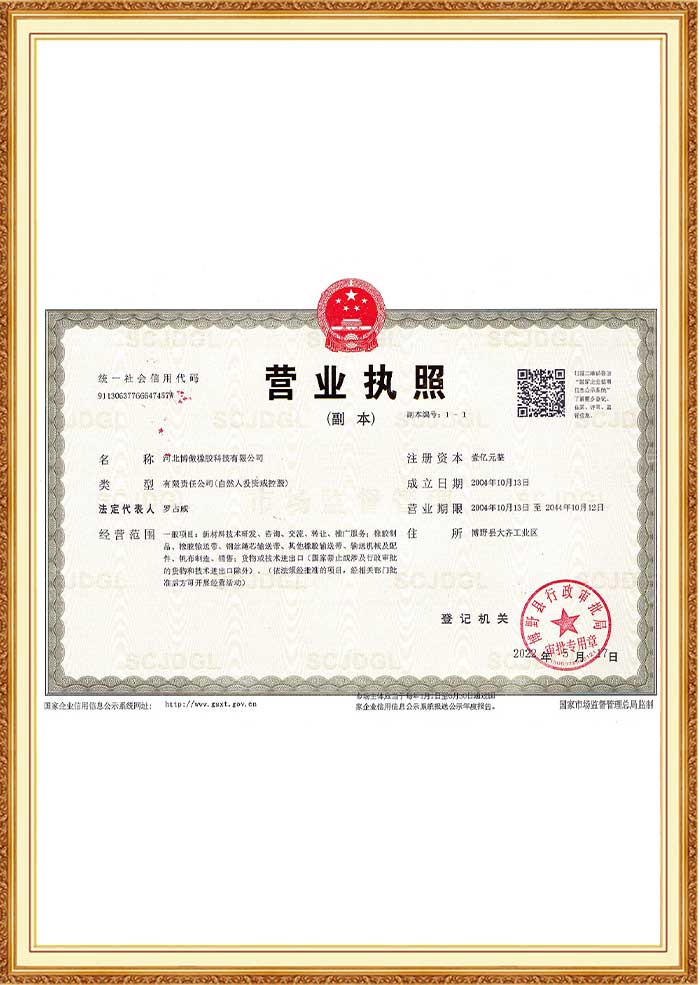
Located in the heart of the Rubber Industrial Park of Boye County, Baoding, Hebei Province, Hebei Boao Rubber Technology Co., Ltd. (founded in 2004) has established itself as an industry leader in heavy-duty conveyor systems. Spanning a modern production area of over 30 acres, we manufacture the renowned "Jinao" brand conveyor belts and supporting accessories. Our facility integrates raw material compound formulation, precision calendering, advanced vulcanization, and finished product quality assurance.
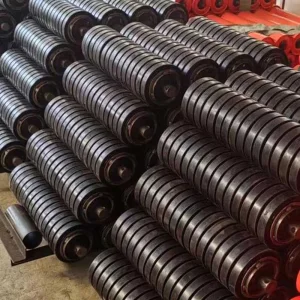
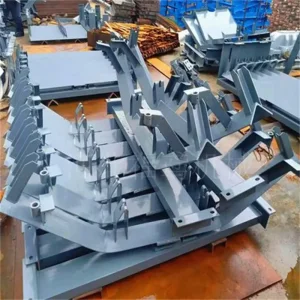
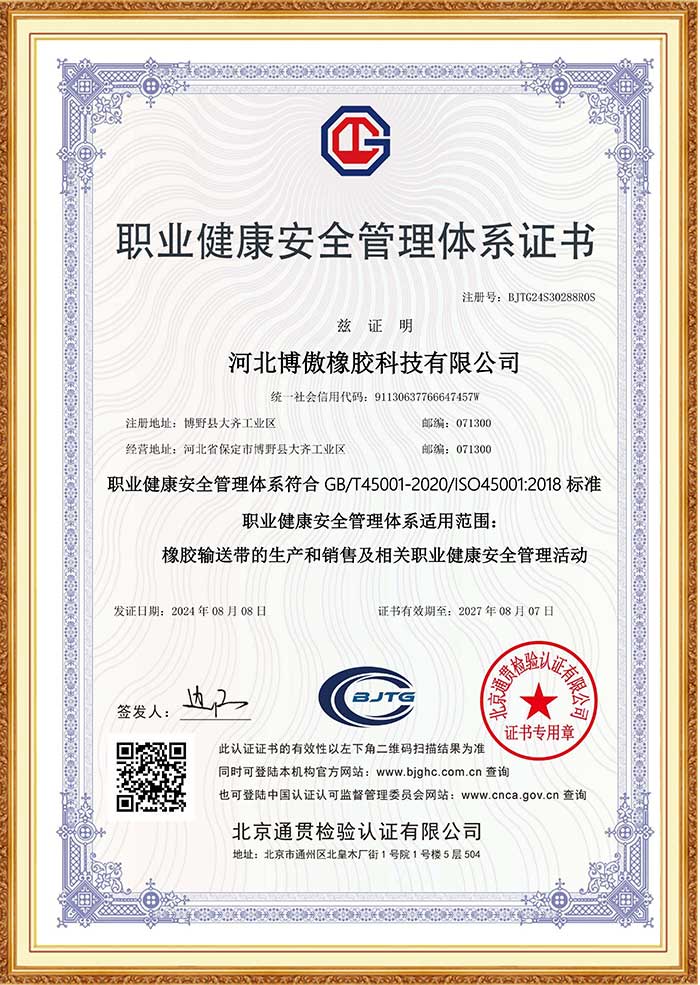
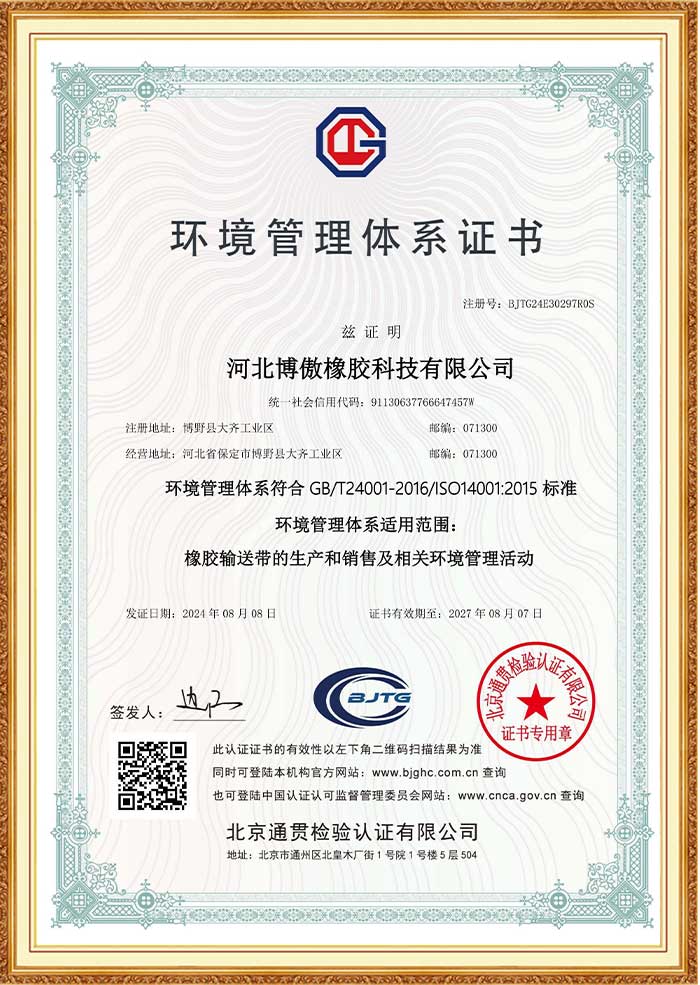
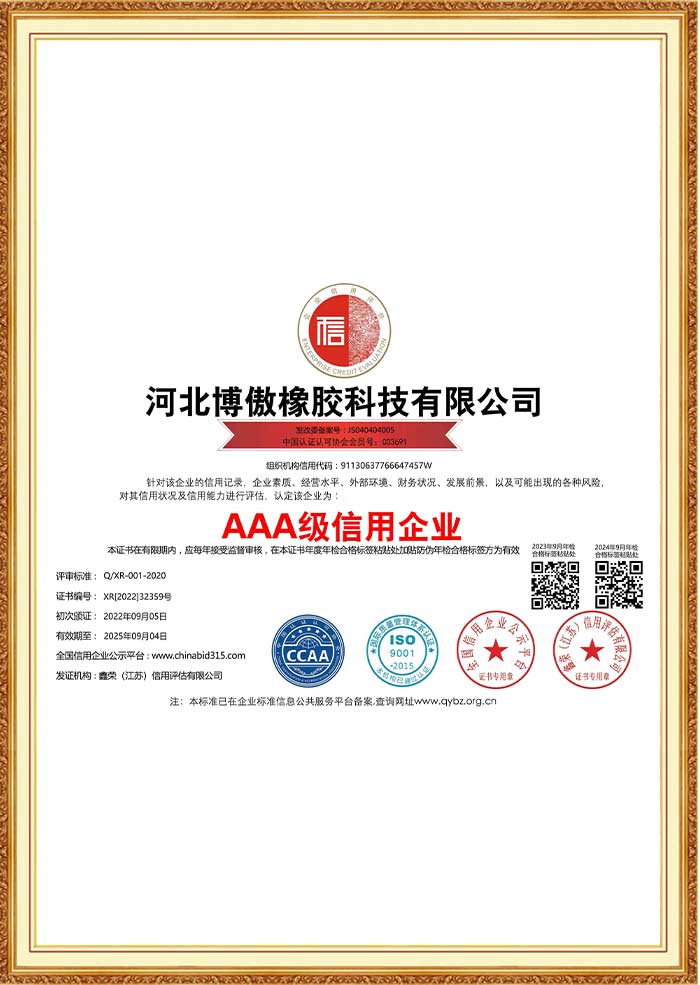
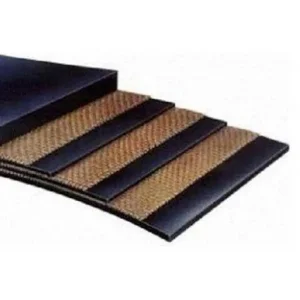
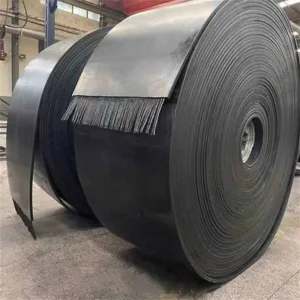
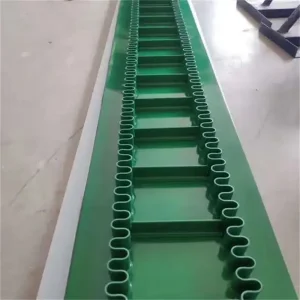
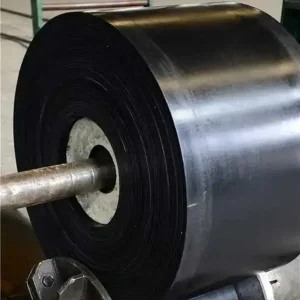
Underpinned by the ISO9001 international quality management system, Hebei Boao Rubber Technology maintains dedicated chemical analysis rooms and physics testing laboratories. Every production stage, from raw elastomer inspection to cured belt shipment, undergoes rigorous testing. Our product portfolio includes multi-ply fabric belts (NN, EP, PP), heat-resistant belts, chemical-resistant and oil-resistant belts, high-inclination corrugated sidewall belts, and heavy-duty steel wire rope core belts, along with premium conveyor accessories like impact idler rollers and brackets.

Navigating the Requirements of High-Volume Procurement Agencies and Mining Consortia
In international sourcing, procurement agencies face complex logistics, shifting regulatory landscapes, and different operating environments. When sourcing rubber conveyor belts and matching splicing systems, buyers must balance lower initial acquisition costs with long-term reliability. A poor splice can cause catastrophic failure, resulting in cleanup costs, production stoppages, and safety hazards that far outweigh any initial savings on the belt itself.
As a result, modern procurement trends have moved from simple transactional purchasing to comprehensive lifecycle management. Sourcing managers now require documented proof of polymer quality, test results for vulcanizate adhesion, and compliance with international standards (such as DIN 22102, AS 1332, or SANS 1173). Partnering with certified Chinese manufacturers who supply complete, matched splicing materials (uncured cover rubber, tie gum, and vulcanizing solutions) ensures chemical compatibility and consistent splice strength.
Strict compliance with ISO, DIN, and AS standards ensures high abrasion resistance, flame retardancy, and low-temperature flexibility in demanding conditions.
Supplying matched uncured rubber, tie gum, and adhesives ensures clean chemical bonding and avoids premature failure from mismatched materials.
Using advanced labs to verify dynamic splice strength and rubber aging properties helps prevent failure on long-distance, high-tension lines.
Combining Automated Precision with Raw Material Integration and Logistics Advantage
The Chinese conveyor belt manufacturing sector has transitioned from manual processing to advanced automation. This shift is driven by Industry 4.0 standards, which integrate digital quality monitoring, automated compounding, and high-pressure vulcanizing presses. For global buyers, this modernization ensures consistency from roll to roll and batch to batch, reducing the variance that often leads to installation and splicing issues on-site.
Furthermore, China’s industrial hubs offer strong supply chain resilience. Manufacturers enjoy direct access to high-grade synthetic elastomers, carbon blacks, steel wire rope inputs, and advanced polymer additives within localized zones. This raw material security, combined with automated production and close proximity to major deepwater ports like Tianjin and Qingdao, ensures stable pricing and reliable delivery times, even during global shipping disruptions.
| Belt Reinforcement Type | Recommended Splicing Method | Step Design Geometry | Curing Temperature | Curing Pressure (MPa) |
|---|---|---|---|---|
| Multi-ply Fabric (EP / Nylon) | Hot Vulcanization or Cold Bonding | Multi-step (based on plies) | 145°C ± 5°C | 1.0 - 1.2 |
| Steel Wire Rope Core | Hot Vulcanization Only | Single/Multi-stage finger overlap | 145°C ± 5°C | 1.2 - 1.5 |
| PVC/PU Solid Woven | Finger Splicing / Mechanical | Interlocking Finger Cut | 170°C ± 5°C | 0.8 - 1.0 |
Adapting Material Formulations and Joint Geometry to Demanding Operating Conditions
Underground and open-pit mining operations run under high tension and face constant risk of impact. Steel cord belts used here require precise hot-vulcanized splices with specialized rubber adhesives to prevent slippage and keep dynamic strength high under heavy loads.
Handling hot clinker, slag, and fly ash requires heat-resistant conveyor belts. The splices on these lines must use heat-resistant cover rubber and thermal-grade bonding compounds to prevent the joints from drying out and delaminating over time.
Acids, bases, and oils can quickly degrade standard rubber compounds. Splicing materials for these environments must use specialized polymers like EPDM or Nitrile (NBR) to protect the reinforcement plies from chemical attack and prevent joint failures.
Ensuring High Reliability and Performance from Initial Installation through Long-Term Operation
At Hebei Boao Rubber Technology, we believe reliable conveyor operation extends far beyond shipping the belt. A successful installation requires matched technical support, proactive maintenance plans, and dependable repair materials. Our technical team works closely with plant engineers to draft custom splicing procedures, optimize hot vulcanization settings, and recommend safety stock levels for emergency repairs.
Our service programs focus on three key areas: supplying matched splicing materials, tracking inventory to meet production demands, and providing training on splicing techniques. By selecting the correct vulcanizing compounds and following standard joint designs, operators can extend the service life of their belts, reduce wear on rollers and pulley lagging, and lower overall maintenance costs.
Answers to Key Splicing, Material Selection, and Procurement Questions
Explore our additional line of heavy-duty conveyor belts and accessories designed for tough industrial environments.
 Boao Rubber