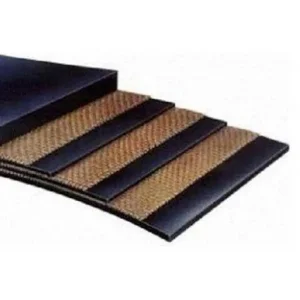
High-strength configurations manufactured to elite international standards, supplying heavy industrial sites globally.
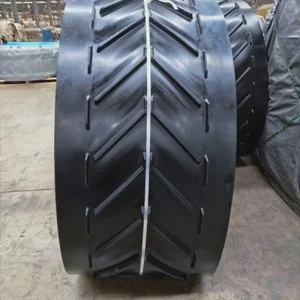
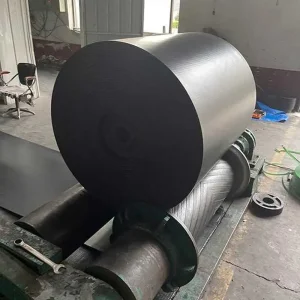
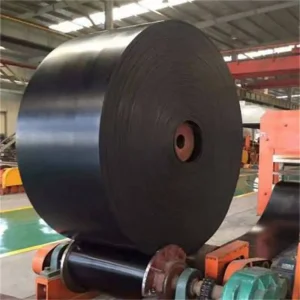
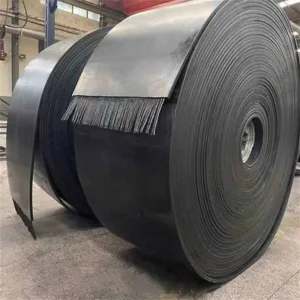
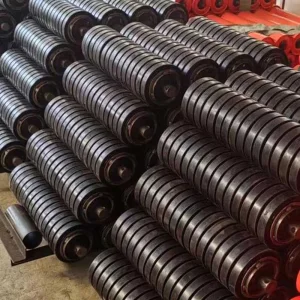
Established in 2004, Hebei Boao Rubber Technology Co., Ltd. is a benchmark manufacturer integrated in the design, research, formulation development, and massive manufacturing of high-durability rubber drive belts and heavy-duty conveyor belt systems. Located in the specialized Rubber Industrial Park of Boye County, Baoding City, Hebei Province, our advanced production units occupy a state-of-the-art facility extending over 30 acres.
Under our trademark brand "Jinao", we focus on delivering world-class elastomer solutions. We operate complete structural production lines for compounding, calendering, shaping, vulcanization, and intensive testing. From raw polymeric elastomer evaluation to finished product shipment, every single phase of our workflow is monitored through an international quality management framework certified upon initial audit.
Our company maintains dedicated in-house chemical laboratories and physics labs, guaranteeing that no sub-standard compound enters our inventory and no non-conforming belt leaves our loading bay.
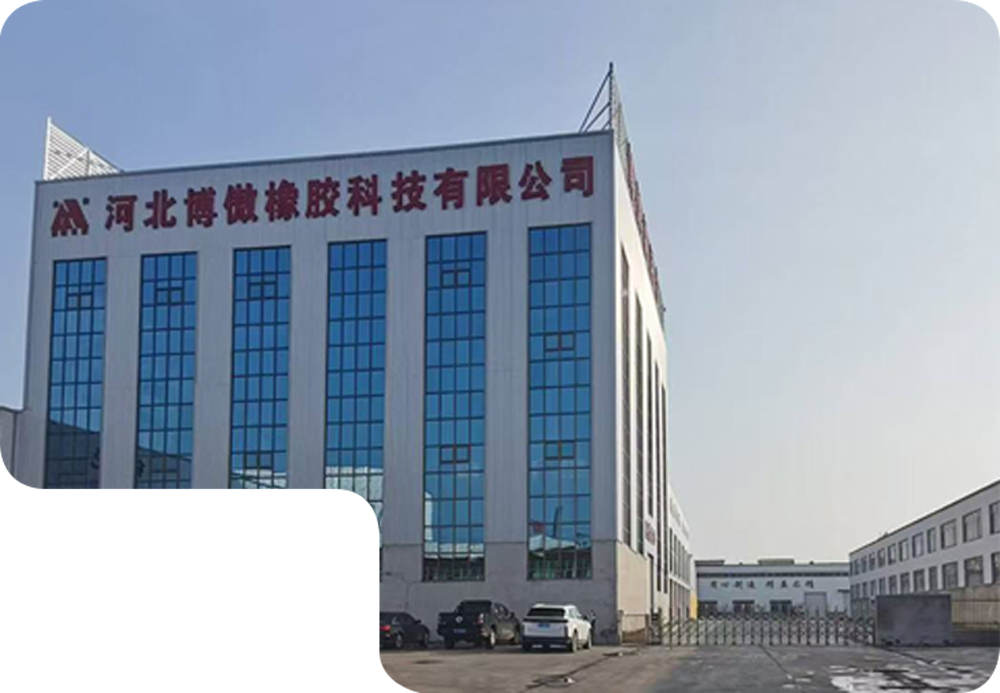
Modern heavy industry operates under extreme mechanical distress, requiring driving and conveying media that display minimum hysteresis losses, high dimensional stability, and prolonged service lives. Historically labeled simple "rubber bands," contemporary drive and conveyor belts are highly engineered composites utilizing structural synthetic fibers and carbon-chain matrices. As a leading manufacturer, we combine advanced elastomeric polymer science with structural reinforcements to solve classic system failures such as elongation slippage, edge wear, carcass delamination, and heat-induced rubber cracking.
Rubber drive belts consume energy during repetitive flexing. By selecting specific synthetic rubbers—such as Chloroprene (CR), Ethylene Propylene Diene Monomer (EPDM), and Nitrile Butadiene Rubber (NBR)—we minimize dynamic heat buildup. Our compounding strategies focus on reinforcing carbon blacks and silica networks to lower internal friction. This prevents thermal degradation under elevated operating temperatures, maintaining optimal drive transmission efficiency even at continuous high-speed RPMs.
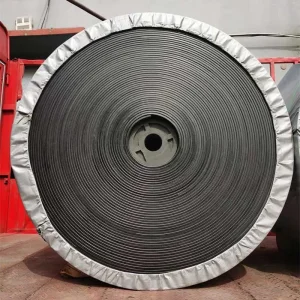
For conveyor belts, the choice of tension member dictates system performance. Polyamide (NN) fabric offers exceptional impact resilience and flexibility, making it perfect for shock-loading aggregate lines. Polyester-Polyamide (EP) fabric combines lower elastic elongation with high modulus, securing minimal take-up travel distances over mid-to-long span networks. For extreme mining operations requiring thousands of metric tons per hour, steel wire rope cores provide maximum tensile rating with virtually zero mechanical creep, protecting system configurations against sudden longitudinal rips.
Through advanced cross-linking density control, our special EPDM-based drive structures and Heat-Resistant (HR) T2/T3 conveyor belts maintain operation at peak product temperatures exceeding 180°C (with peaks up to 220°C).
Connecting China's premier industrial manufacturing core with global demand networks spanning across five continents.
Operating from China's central rubber manufacturing cluster in Boye County, Hebei, allows us to secure stable raw materials and raw synthetic rubbers (such as EPDM, SBR, and CR) from top-tier chemical producers. This localized vertical integration insulates global buyers from raw material cost shocks.
From South American copper mines facing high abrasive damage to European logistics hubs with continuous sorting configurations, Jinao industrial belts are engineered to perform under extreme ambient temperatures (-40°C to +50°C) without physical carcass failures.
Industrial operations evaluate efficiency based on Total Cost of Ownership (TCO). By utilizing vulcanization systems and premium textile reinforcing plies, we deliver high performance relative to cost, extending replacement cycles by 30% to 50% compared to basic utility belts.
Customized engineering support that meets strict safety guidelines and quality benchmarks across global markets.
Hebei Boao is committed to meeting regulatory, safety, and environmental standards. We produce flame-retardant industrial conveyor belts designed for underground coal mining and port handling systems. These products comply with safety ratings, including:
Our technical support extends beyond the manufacturing floor. We provide comprehensive technical services designed to help you avoid sourcing from multiple vendors and minimize downtime:
Our specialized "Jinao" conveyor and drive system products are deployed in challenging industrial processing environments.
Handling sinter, coke, and slag at temperatures up to 220°C. Our Heat-Resistant Rubber Conveyor Belts prevent heat-induced carcass cracking, avoiding premature belt fatigue and dynamic structural breakdown.
Operating in high-risk zones that demand flame-retardant compounds. The Jinao Fire-Resistant line conforms to ISO 340, featuring self-extinguishing properties and anti-static surface resistivities below 3x10⁸ ohms.
Transportation of bulk agricultural commodities requires high oil resistance to prevent swelling and deformation. Our customized Nitrile-Rubber (NBR) belts offer high cover stability in these environments.
Providing heavy conveying equipment to some of the world's most critical industrial enterprises.
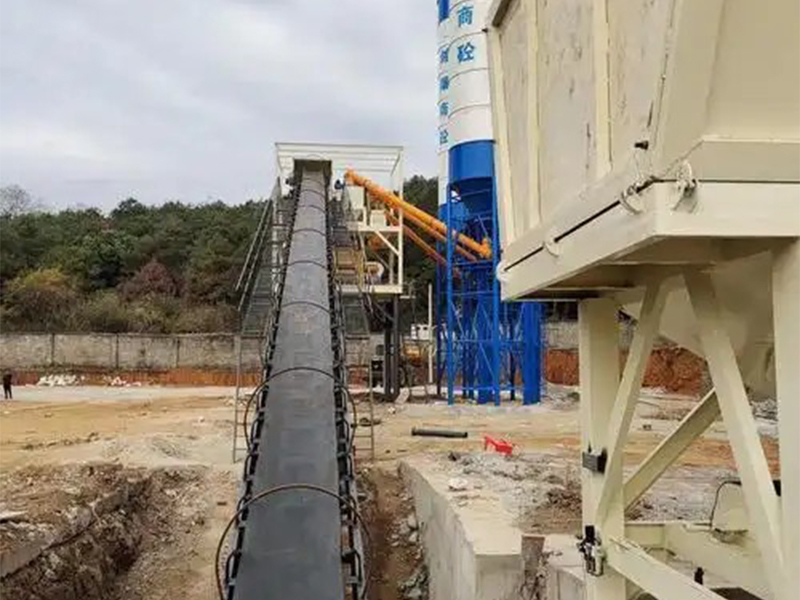
Heavy Mixing Plant Aggregates
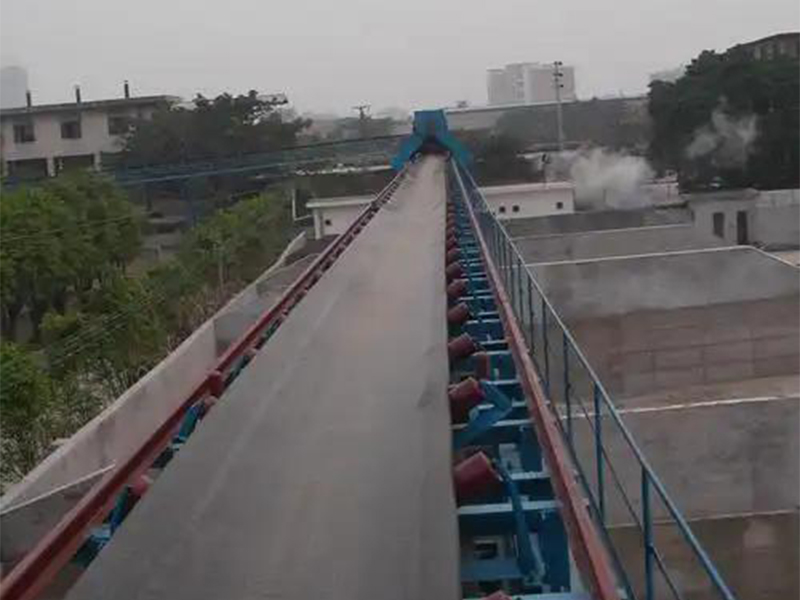
High-Abrasive Clinker Conveying
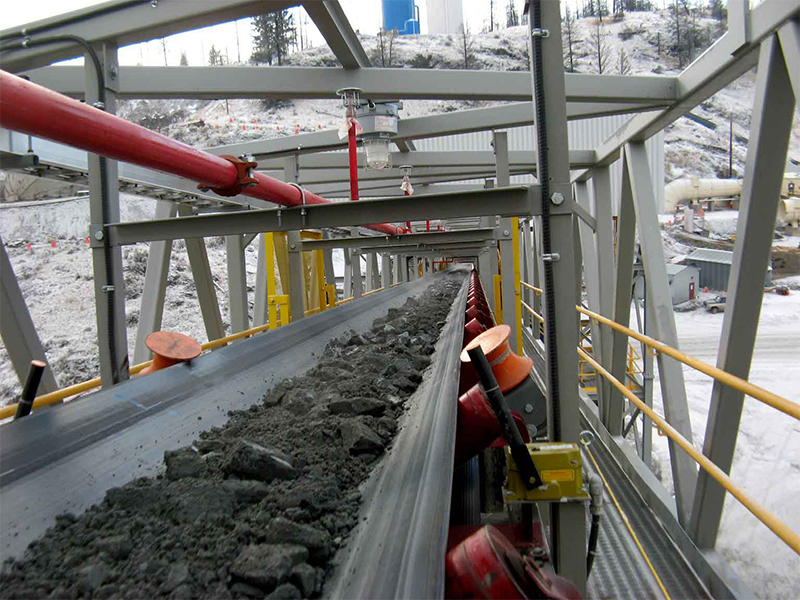
Underground Flame Retardant Belts
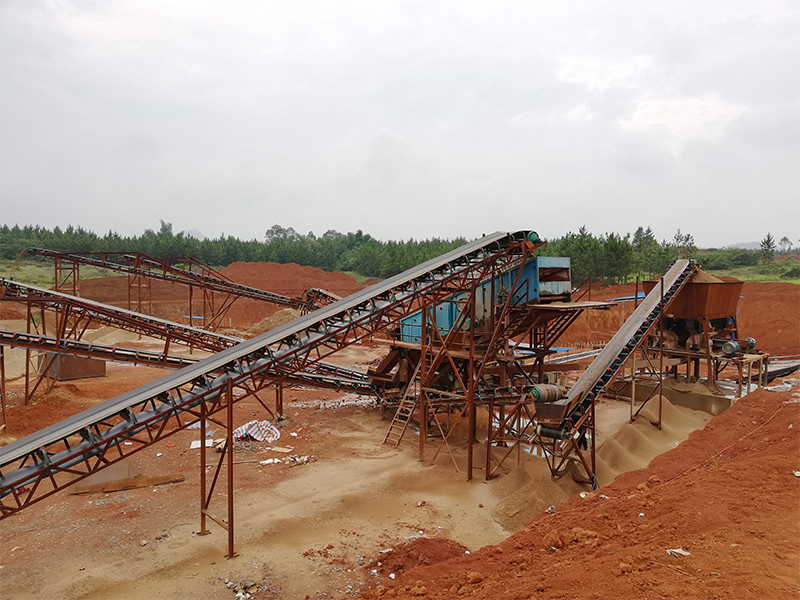
Nickel Smelting Material Handling
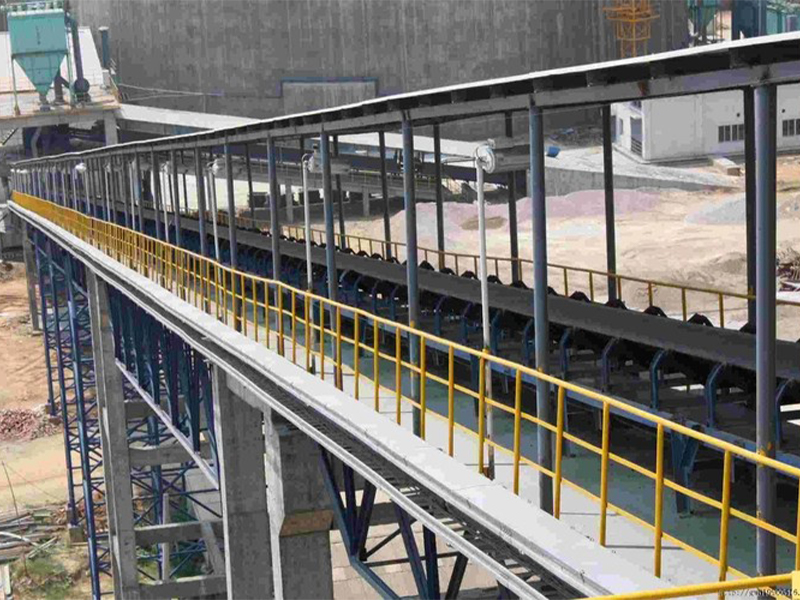
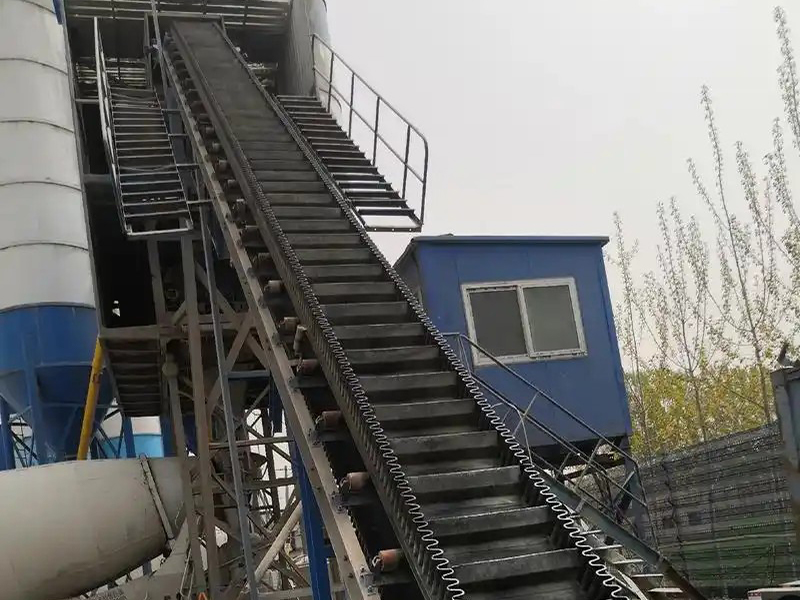
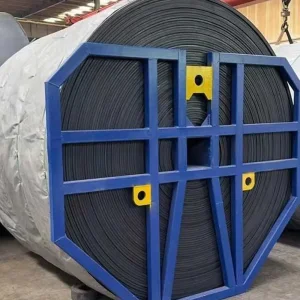
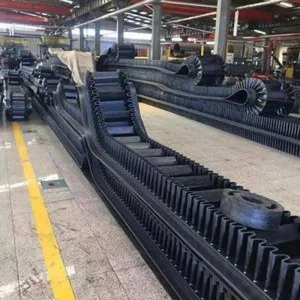
High-Angle Vertical Wavy Edge Belts
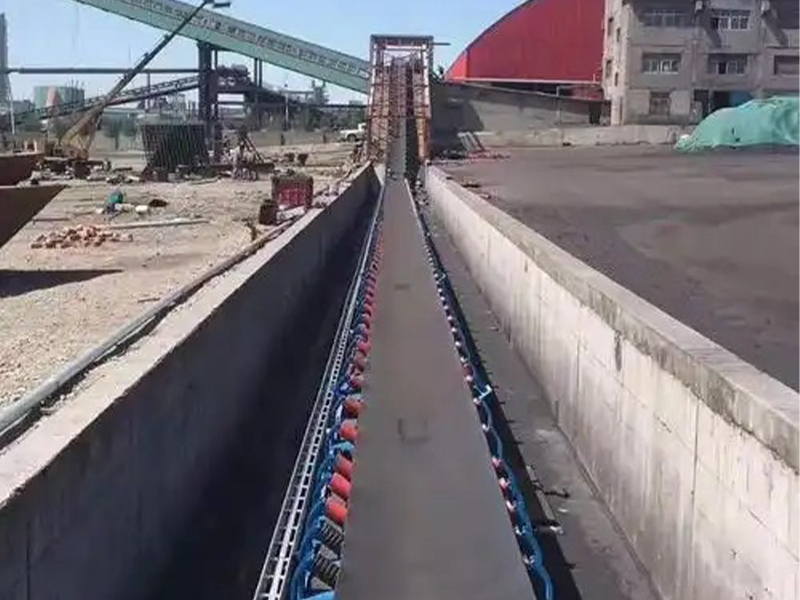
High-Capacity Long-Distance Conveyors
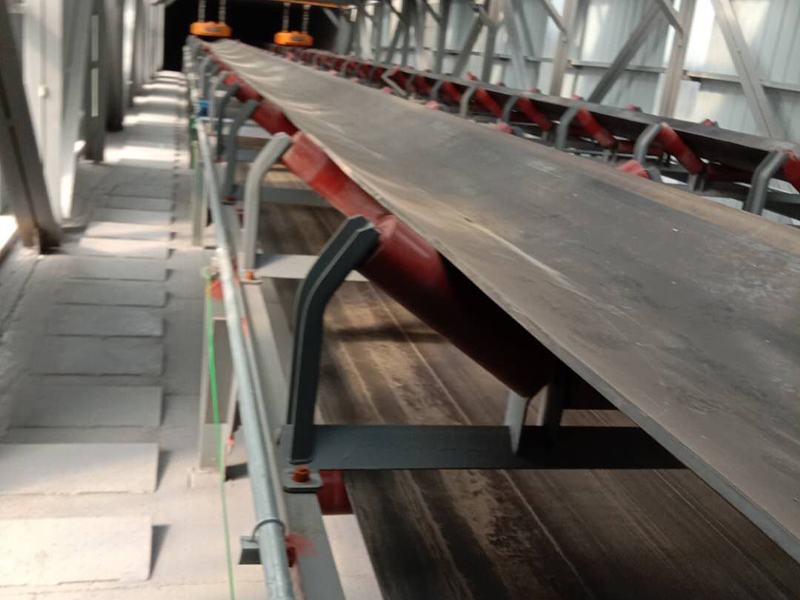
High-Temperature Sinter Transport
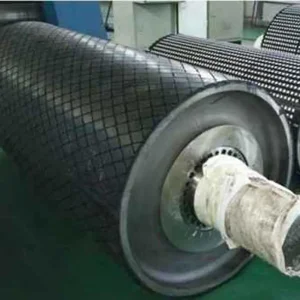
Heavy Duty Transmission Drive Systems
As global industries pivot toward sustainability and digitization, Hebei Boao is investing in next-generation elastomeric technologies. Our upcoming product roadmap highlights key innovations designed to improve runtime reliability:
Our materials laboratory continues to run continuous trials to evaluate durability metrics across our product lines:
Find technical explanations regarding compound performance, belt design, and installation procedures.
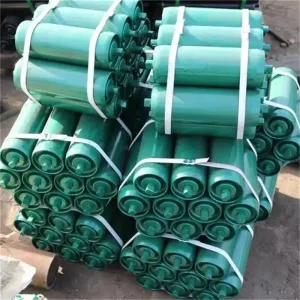
Premium support systems, custom idler rollers, and specialized belts designed to secure industrial efficiency.
 Boao Rubber