Direct export configurations of high-durability rubber conveying belts and supporting hardware, designed to handle abrasive and high-volume materials.
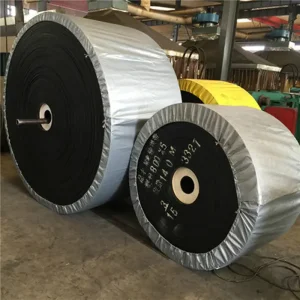
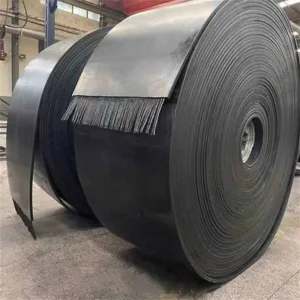
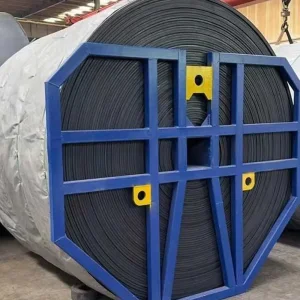
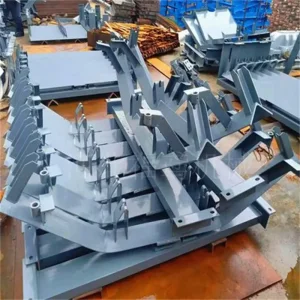
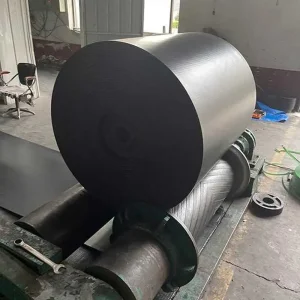
In the modern industrial layout, transporting bulk solids horizontally is relatively straightforward. However, when material handling routes require steep transitions—typically between 18 and 45 degrees—traditional flat-surface belts become inefficient due to material slide-back and structural slippage.
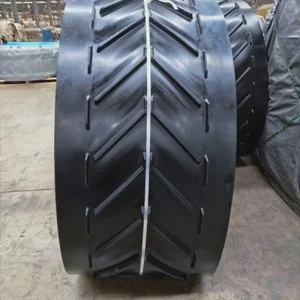
Raised Herringbone Conveyor Belts (commonly known as Chevron patterned belts) provide a mechanical grip that locks bulk solids like coal, sand, limestone, grain, and metallic ores into position. This allows operations to transition vertically, reducing the horizontal footprint of conveyor structures, minimizing infrastructure costs, and eliminating transit point bottlenecks.
By leveraging advanced elastomeric chemical formulations and integrally vulcanized profile patterns, these belts ensure high throughput and long operational lifespans under severe environmental loads.
Engineered Herringbone profiles form natural retaining walls on the moving path, retaining fine and coarse bulk cargo on steep angles.
Allows factories and mining operations to shorten the length of their conveying lines, freeing up ground space and lowering overall engineering investment.
Our custom natural rubber and synthetic rubber blends offer high abrasion resistance and peel strength to prevent profile separation.
Registered Brand: "Jinao" — Setting the Benchmarks Since 2004
Strategically based in the Boye County Rubber Industrial Park within Baoding City, Hebei Province, Hebei Boao Rubber Technology Co., Ltd. has established itself as an industry-leading innovator. Over our 30-acre state-of-the-art production base, we operate advanced equipment production lines for raw material processing, rolling, profile forming, and vulcanization.
By integrating testing steps directly into our workflow—ranging from initial chemical property inspection to final cover-to-carcass peel strength testing—we ensure that every batch of Herringbone belts matches the international ISO, DIN, AS, and MSHA standards.
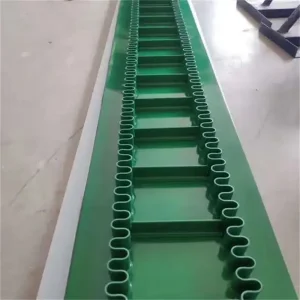
A closer look at how cleat geometry determines performance. Standard patterns are designed to balance material stability with ease of cleaning at transition zones.
A key factor in selecting a Raised Herringbone Conveyor Belt is the design of its profiles, which are vulcanized directly to the base belt. This integration prevents pattern peeling, providing superior durability compared to glued-on cleats.
| Profile Design Type | Standard Height | Angle Range | Primary Applications |
|---|---|---|---|
| Low Pattern (Closed V) | 15mm (0.6 in) | Up to 25° | Sand, grain, crushed stone, fine aggregate, agricultural bulk. |
| Medium Pattern (Open V) | 25mm (1.0 in) | 25° to 35° | Wet coal fines, iron ore, damp cement ingredients, washed minerals. |
| High Pattern (Multi-V) | 32mm (1.25 in) | 35° to 45° | Large run-of-mine coal, granite rock, blast furnace slag, wood chips. |
Note: The "Open V" profile is designed with drainage gaps to allow water to run off, making it ideal for outdoor and wet washing operations.
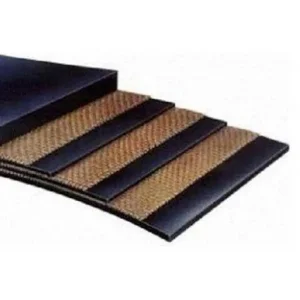
The core tensile structure of our belts uses high-performance carcasses, tailored to specific load and tension demands:
From chemical plant safety to mining performance, Jinao conveyor belts are configured to handle diverse challenging environments.
Handles hot sinter, limestone feedstock, and abrasive coke. Our heat-resistant rubber formulas handle temperatures up to 200°C, reducing cover cracking and carcass degradation.
Designed for deep shaft and surface mine operations. Incorporates flame-retardant compounding certified to ISO 340 and EN 12882, ensuring underground safety.
Engineered for high-capacity material transport during loading and unloading. Belts feature anti-ozone properties and high tensile strength to withstand marine environments.
Features specialty rubber covers designed to resist acidic fertilizer salts and alkaline chemical loads, preventing swelling and compound breakdown.
Our commitment to R&D ensures Jinao products integrate modern material science and sustainability features.
With global pressure on environmental compliance, our engineering department focuses on reducing VOC emissions during vulcanization. We utilize up to 35% bio-based rubber additives and highly recycled synthetic compounds that maintain physical properties while reducing carbon footprint.
By embedding smart RFID nodes and conductive sensor coils directly within the belt layers, we enable integration with automation networks. This allows real-time monitoring of belt wear, tracking splice conditions, and triggering auto-stops if an external object threatens to rip the carcass.
Our roadmap focuses on three key mechanical improvements:
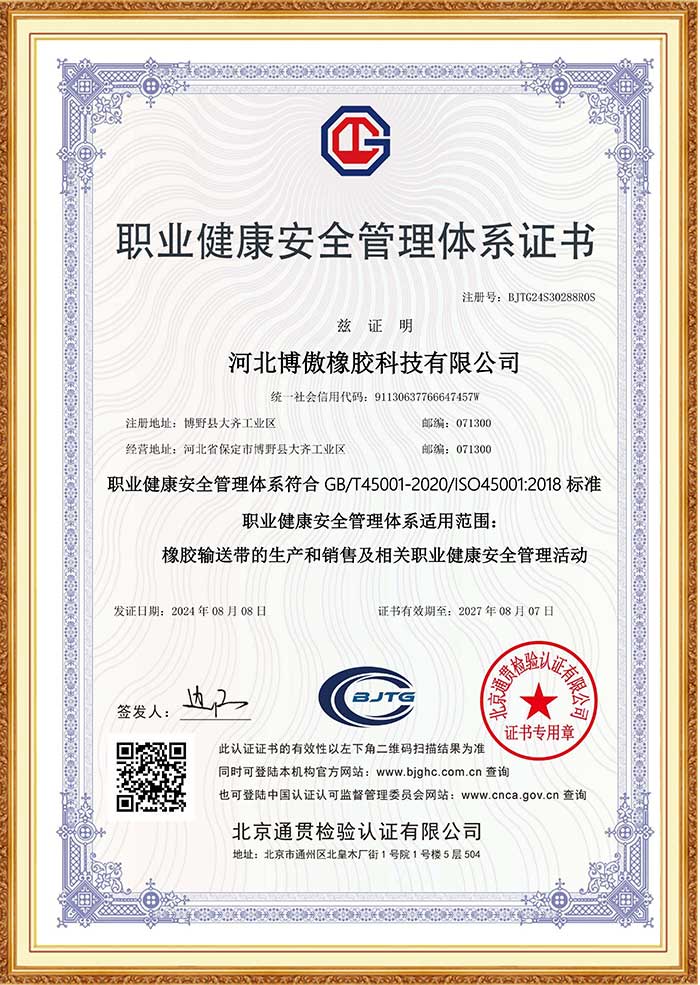
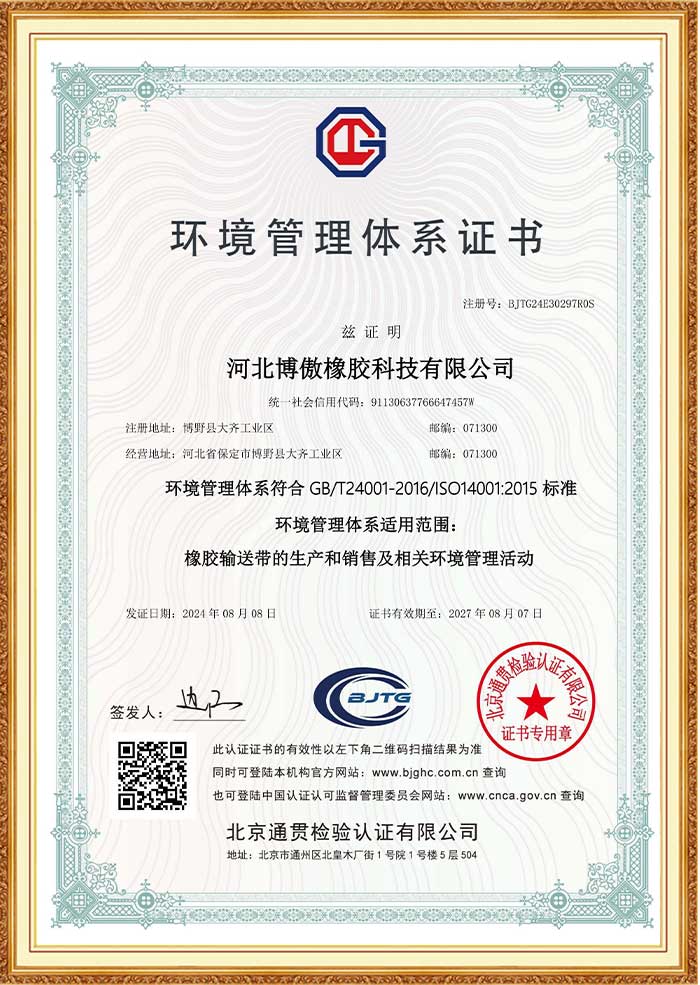
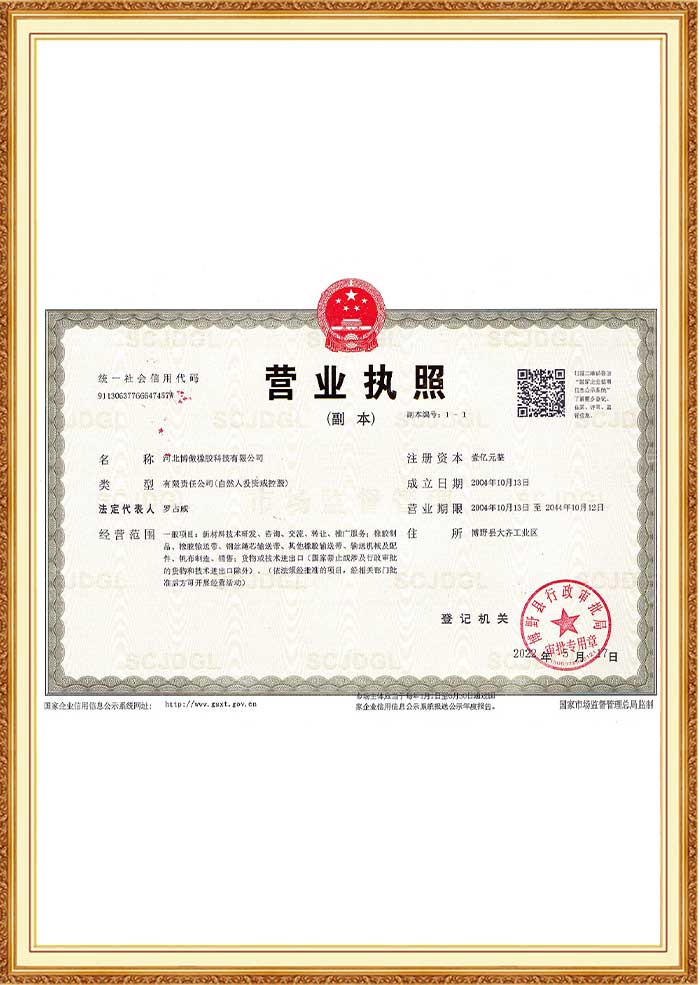
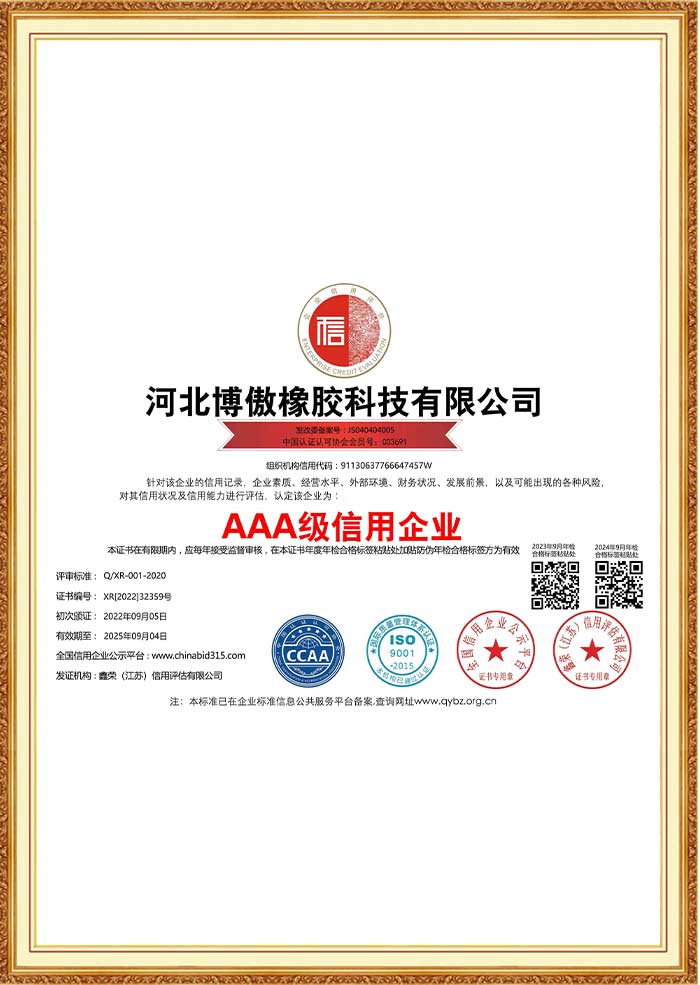
We supply verified products designed to match international safety, ecological, and shipping specifications.
Our facility operates an independent chemical analysis lab and physical testing room. Every raw material shipment of natural and synthetic rubber, nylon fabric, and chemical agents must pass strict quality controls before vulcanization.
We perform regular dynamic tests, including tension tests, abrasion loss tests (ISO 4649), flame testing (ISO 340), and ozone degradation verification, ensuring consistent performance in demanding applications.
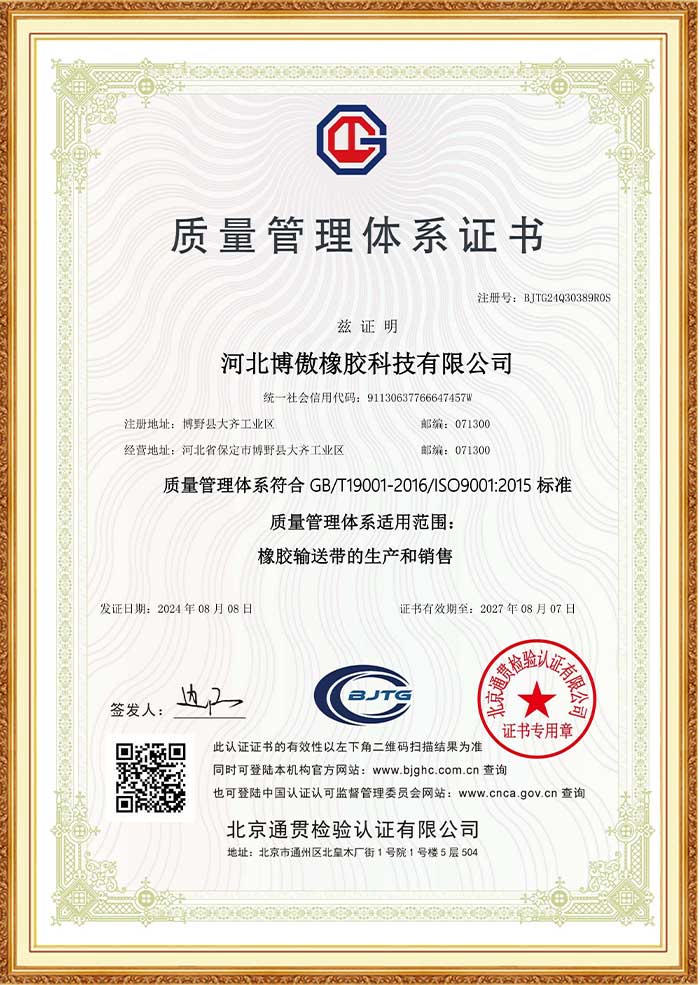
Providing end-to-end engineering support, from calculating load characteristics to on-site splicing support.
A conveyor belt's weakest link is often the splice. We provide guidance and material kits for two primary splicing methods:
To extend the service life of Raised Herringbone conveyor belts, we recommend adopting a systematic inspection and maintenance routine:
Jinao brand conveyor belts are used across major industrial enterprises, providing reliable material transport under demanding operating conditions.
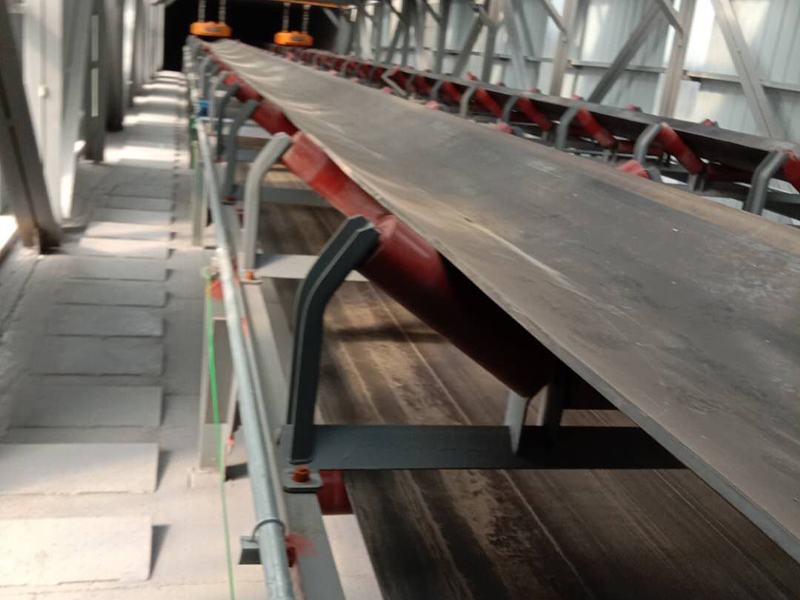
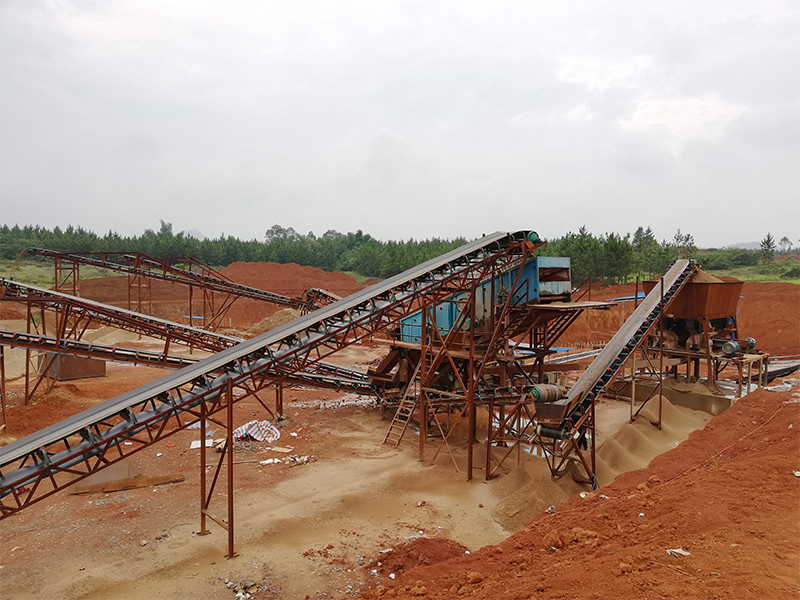
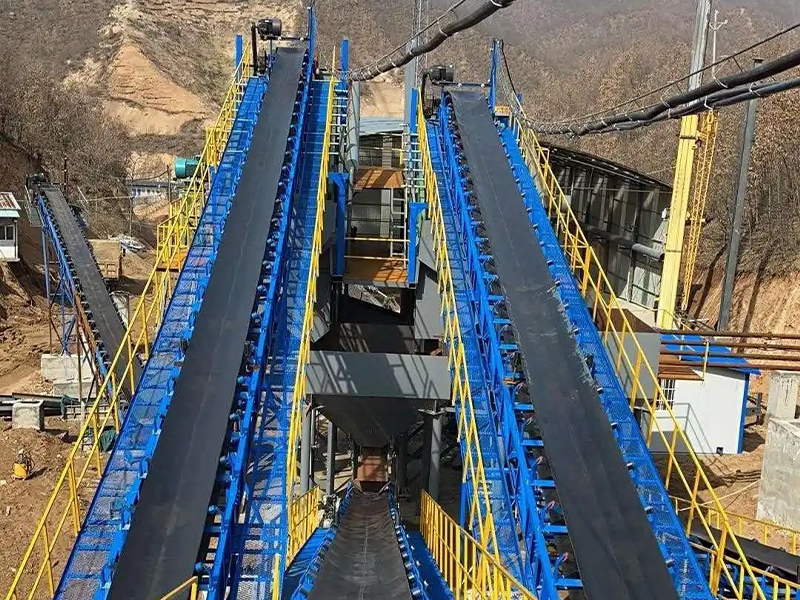
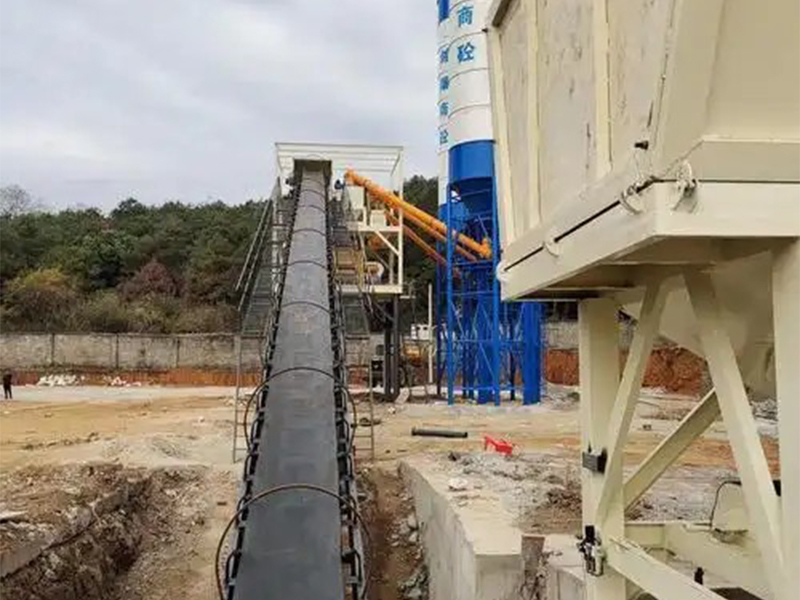
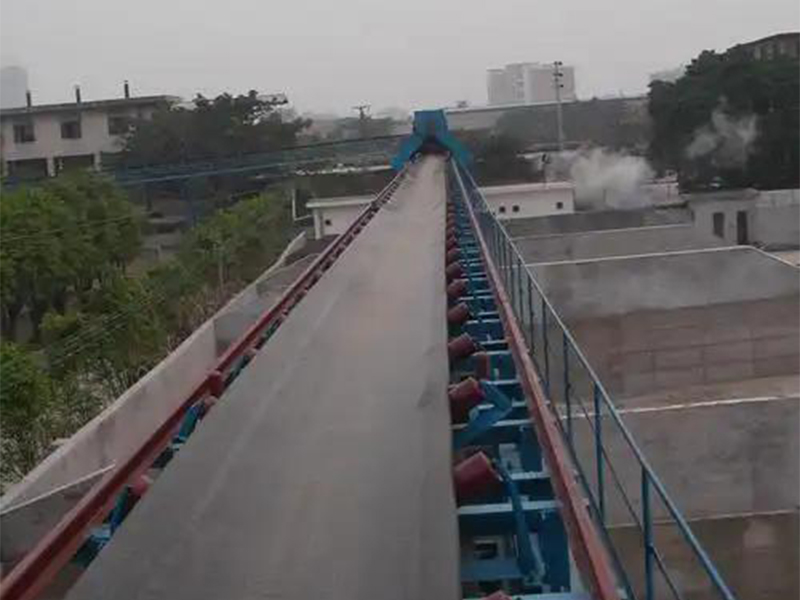
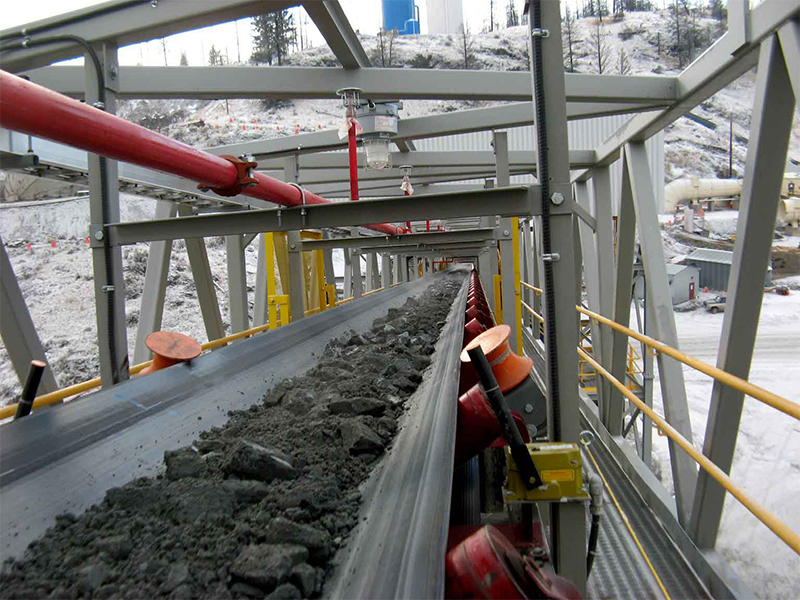
Addressing the common design, application, and maintenance queries from global procurement teams and engineers.
The maximum angle depends on the flow characteristics and moisture content of the material. Fine, dry materials can generally be conveyed up to 25° to 30°, while wet or highly cohesive materials can reach up to 45° with 32mm high profile patterns.
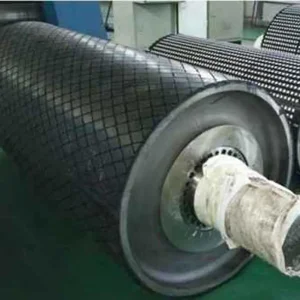
Higher profiles require larger pulley diameters. When a belt wraps around a pulley, the profile compresses and expands. If the pulley is too small, it creates high strain at the base of the profile, potentially leading to cracking. A minimum pulley diameter of 315mm to 400mm is typically recommended for 25mm and 32mm profile patterns.
Open V profiles feature small drainage gaps at the center of the Chevron pattern. This allows liquids, sludge, and wet residues to drain away as the belt ascends, preventing material accumulation and maintaining constant grip.
We use specialized compound formulations featuring EPDM, Nitrile, and Chloroprene polymers. These materials prevent the cover rubber from swelling or hardening when in contact with acidic fertilizers, petrochemicals, or saline marine environments.
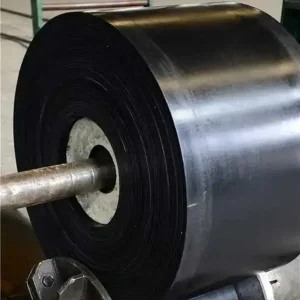
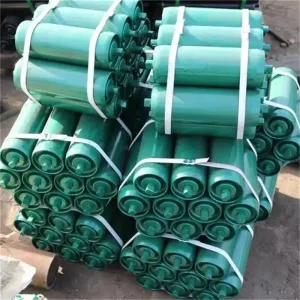
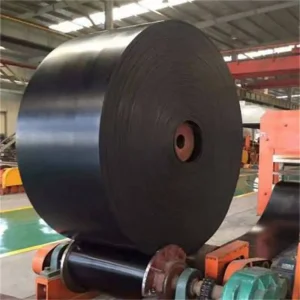
Complete your conveying setup with high-strength belts, buffer rollers, and lightweight options engineered to ensure system reliability.
 Boao Rubber