Explore our leading factory-produced conveyor solutions, engineered for maximum elongation recovery, outstanding durability, and customized bulk transportation layouts.
In modern industrial manufacturing and mining sectors, the safe, continuous, and efficient transport of bulk materials is the cornerstone of operational profitability. Among all options, Nylon (NN) rubber conveyor belts have emerged as the premier choice for handling heavy, abrasive materials over long distances under extreme impact conditions. This technical whitepaper delves deep into the architecture, material sciences, manufacturing protocols, and industrial application matrices of NN conveyor belts, demonstrating why partnerships with premium Chinese suppliers such as Hebei Boao Rubber Technology Co., Ltd. represent the pinnacle of industrial cost-to-performance efficiency.
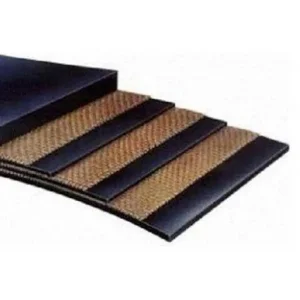
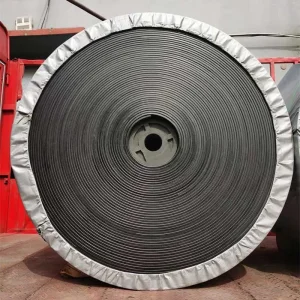
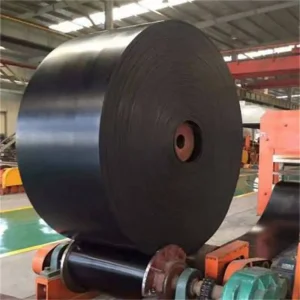
"Nylon conveyor belts (NN) are synthesized with nylon fabric in both the warp and weft directions. Characterized by high tensile strength, outstanding elastic recovery, exceptional flex life, and robust resistance to structural fatigue, they offer significantly lower carcass weight than steel cord equivalents while maintaining peerless impact absorption."
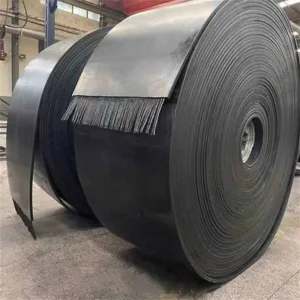
The carcass of a Nylon-Nylon (NN) conveyor belt is built from multi-ply synthetic nylon canvas. The chemical composition relies on high-grade Polyamide 6 (Nylon 6) or Polyamide 66 (Nylon 66) macromolecular chains. In terms of mechanical engineering:
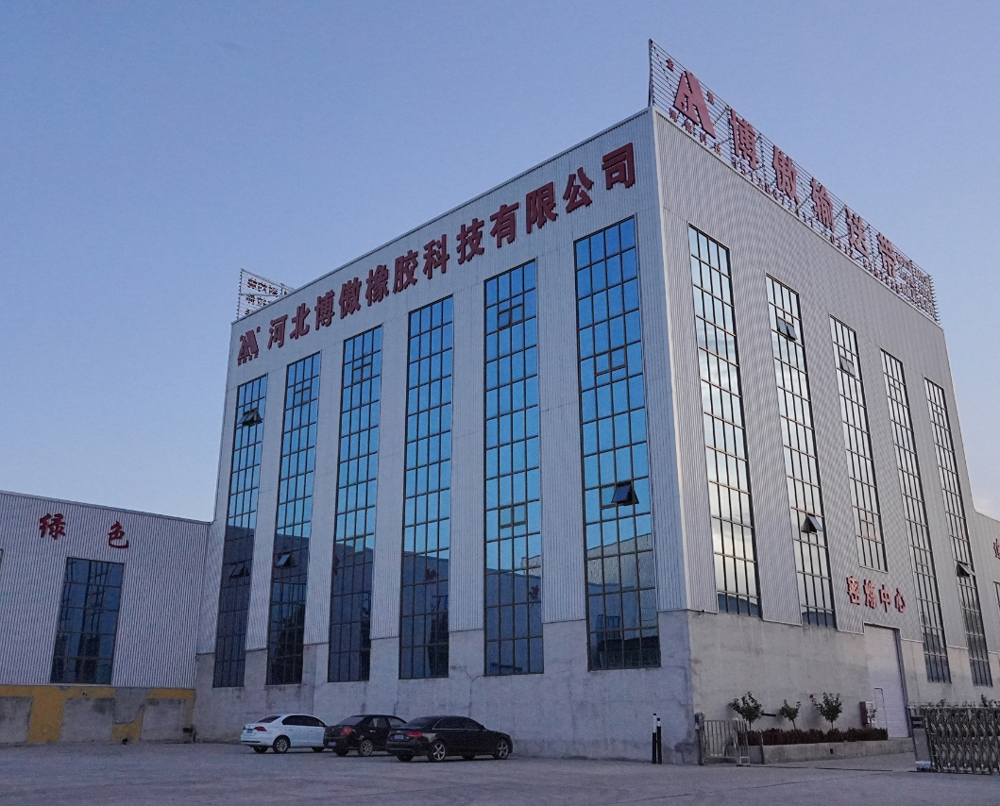
Located in the prestigious Rubber Industrial Park of Boye County, Baoding, Hebei Province, Hebei Boao Rubber Technology Co., Ltd. was established in 2004. For 22 years, our factory has integrated state-of-the-art chemical formulations, automated vulcanizing lines, and rigorous physics testing labs to manufacture conveyor solutions under our signature "Jinao" brand.
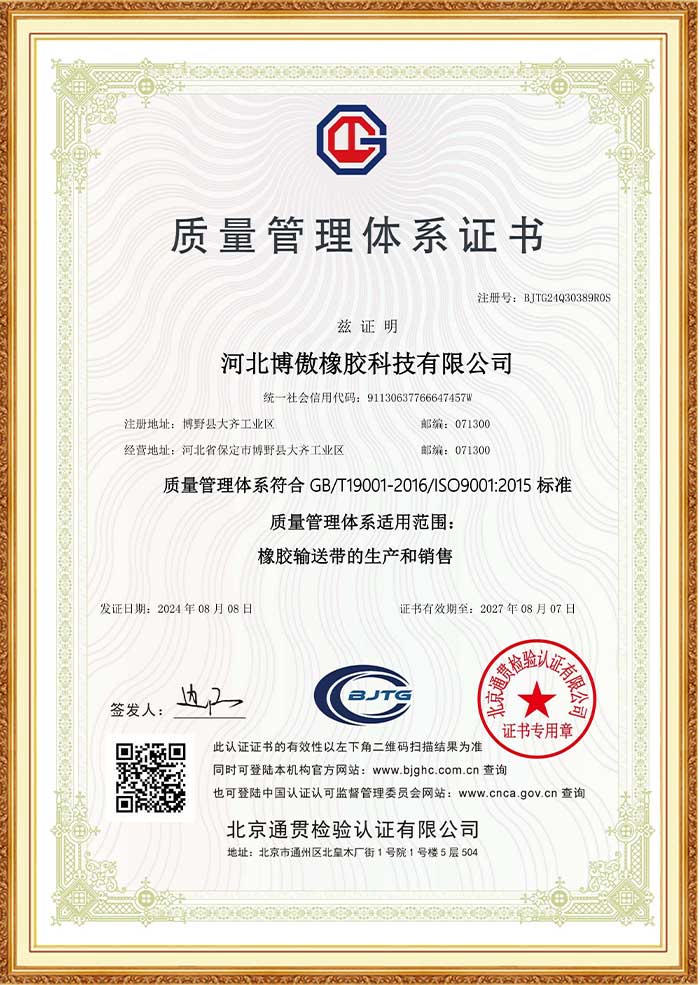
Our facility covers an area of over 30 acres, hosting multiple automated production units for raw rubber mastication, calender coating, multi-ply assembly, and continuous press vulcanization. Having successfully passed the international quality management system certification, Hebei Boao enforces a strict zero-defect policy: unqualified raw materials are prohibited from entering our production floor, and no product leaves our warehouse without passing absolute calibration checks.
Across the globe, the shift toward higher processing yields in coking, metallurgy, mining, power generation, and port facilities requires conveyor systems that can run continuously at high velocities (up to 5.0 m/s or higher). In this context, older cotton-ply conveyor belts have been almost completely phased out due to susceptibility to rot and low tensile thresholds. While Steel Cord belts serve very long center-to-center distances, Nylon (NN) rubber belts remain the absolute standard for medium-to-long span operations that require high impact absorption, resistance to sharp materials, and rapid curves without incurring massive structural load costs on conveyor frames.
To help engineers and procurement managers select the proper specifications, the following reference table details the standard physical properties of Boao's Jinao brand Nylon Rubber Conveyor Belts:
| Carcass Type | Fabric Strength (N/mm) | Cover Rubber Grade (DIN 22102) | Tensile Strength (MPa) | Elongation at Break (%) | Abrasion Loss (mm³) |
|---|---|---|---|---|---|
| NN 100 | 100 per ply | Grade X / Y / W | ≥ 15 to 25 | ≥ 350 to 450 | ≤ 90 to 150 |
| NN 150 | 150 per ply | Grade X / Y / Z | ≥ 18 to 25 | ≥ 400 to 450 | ≤ 90 to 120 |
| NN 200 | 200 per ply | Grade H / D / L | ≥ 20 to 25 | ≥ 450 | ≤ 80 to 120 |
| NN 300 | 300 per ply | Custom Heavy Duty | ≥ 24 | ≥ 450 | ≤ 70 to 100 |
| NN 400 | 400 per ply | Custom Anti-Tear | ≥ 25 | ≥ 480 | ≤ 50 to 90 |
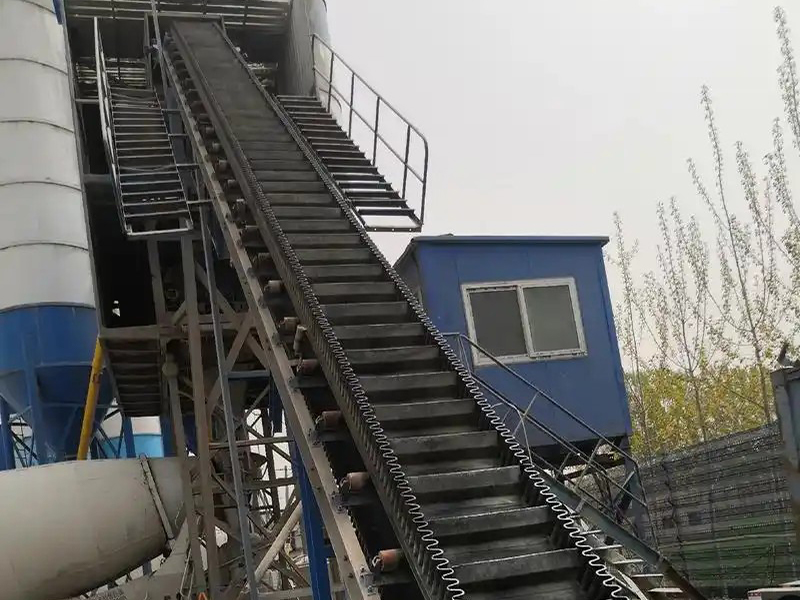
Our nylon and specialty rubber belts are deployed across diverse geological and climate zones, illustrating their high performance and versatility:
As industry moves toward smart systems and low-carbon operation, Hebei Boao Rubber Technology is spearheading the development of smart, sensor-embedded belts. By integrating RFID and copper wire loops directly into the NN carcass during vulcanization, our belts support real-time tear-detection systems that automatically stop the drive system in the event of a longitudinal rip. Furthermore, our chemical laboratory is refining Low Rolling Resistance (LRR) rubber compounds for top and bottom covers, which reduces conveyor power consumption by up to 15%—a major step forward for carbon emissions reduction in high-volume transport sectors.
How Hebei Boao integrates manufacturing capabilities with international quality control to ensure reliable bulk material handling solutions worldwide.
We host a fully independent chemical analysis and physics lab. We perform complete quality checks from raw material sourcing through the entire manufacturing cycle, ensuring no substandard products leave our facility.
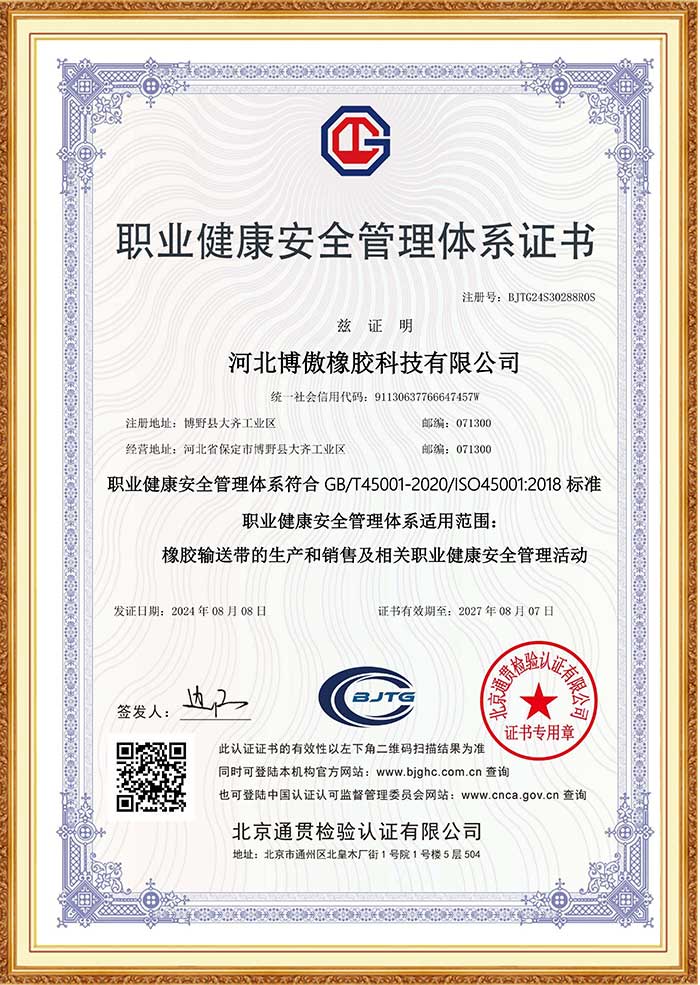
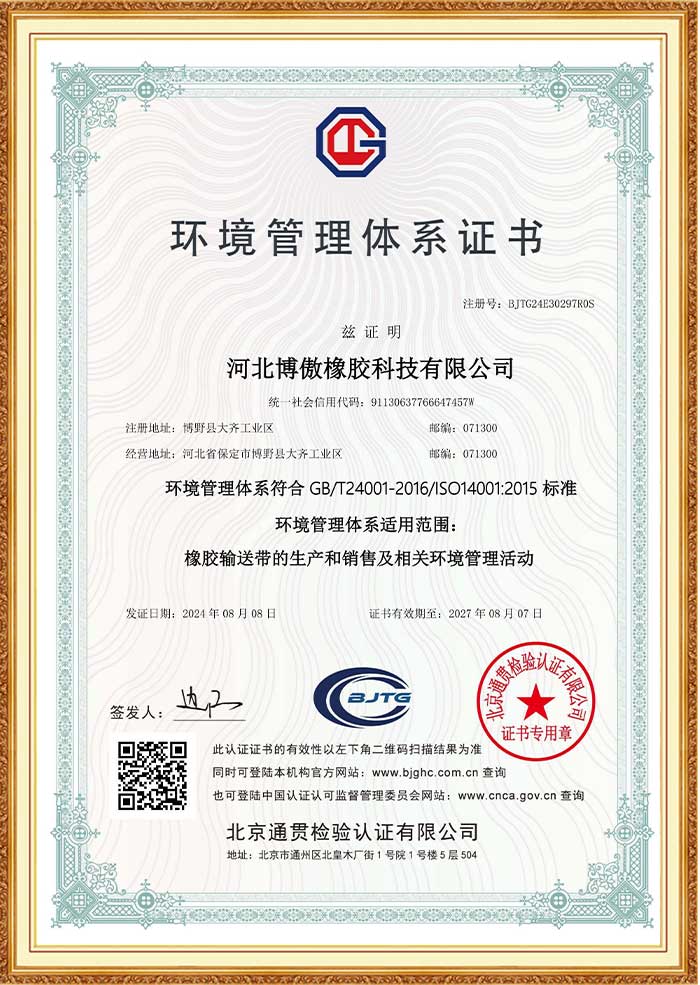
Our belts are designed and manufactured to comply with major international specifications, including DIN 22102, AS 1332, RMA, ISO 10247, and BS 490, ensuring high compatibility with conveyor systems worldwide.
Our location within China's major industrial cluster allows us to maintain a large inventory of premium synthetic fabric and chemical polymers. This ensures stable production timelines and dependable global delivery schedules.
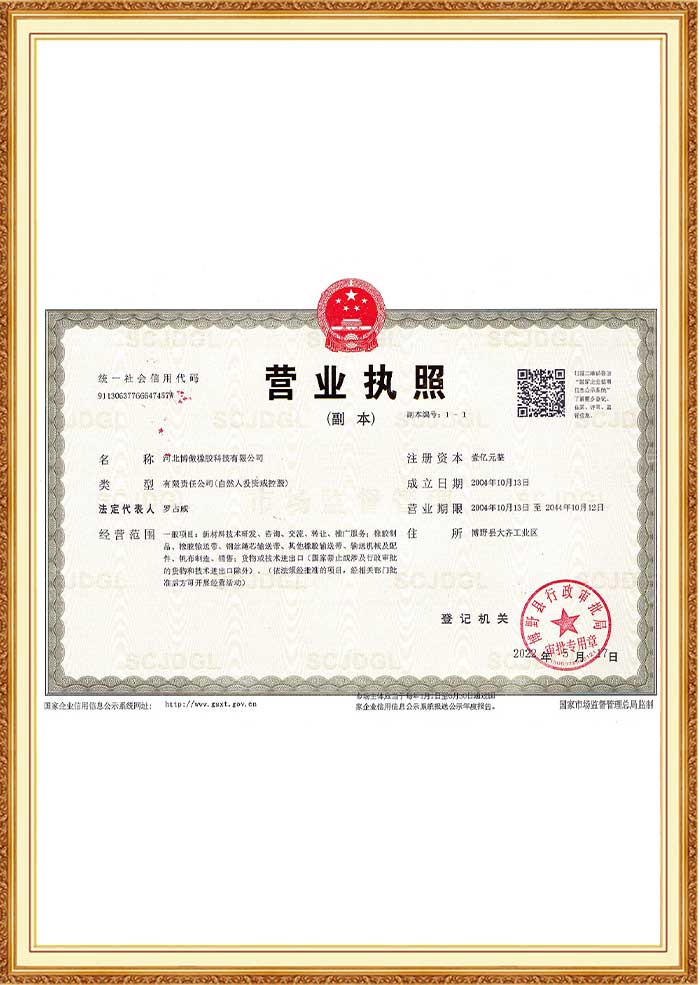
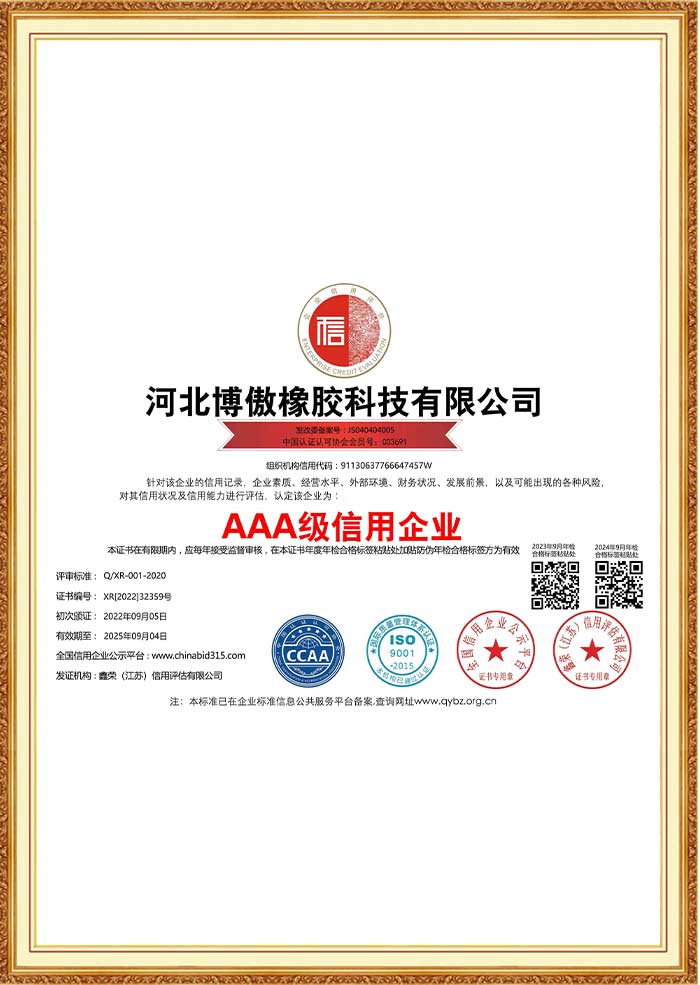
Our production steps, testing laboratories, and official certifications showcase our commitment to manufacturing reliable, high-performance products.
We supply high-performance conveyor belts and custom wear liners to major industrial groups across coal mining, steel production, and power generation sectors.
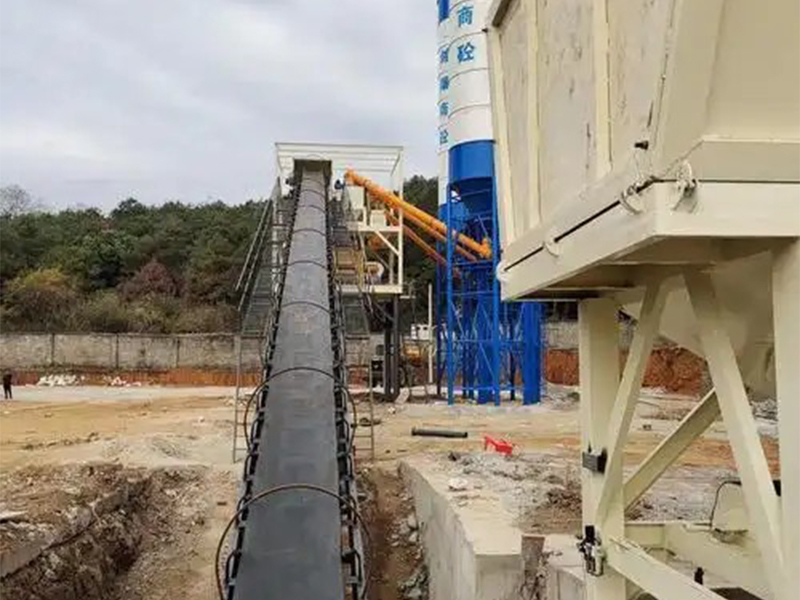
China Railway Group Mixing Plant
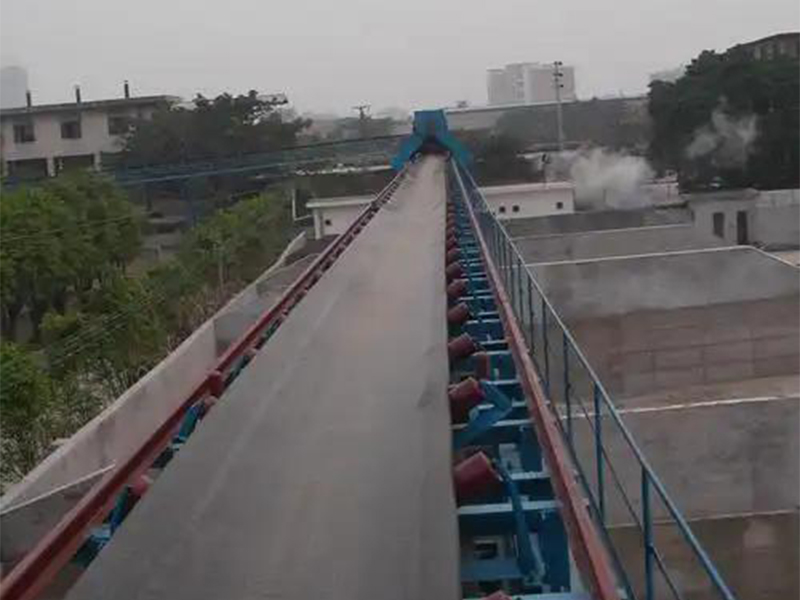
Conch Cement
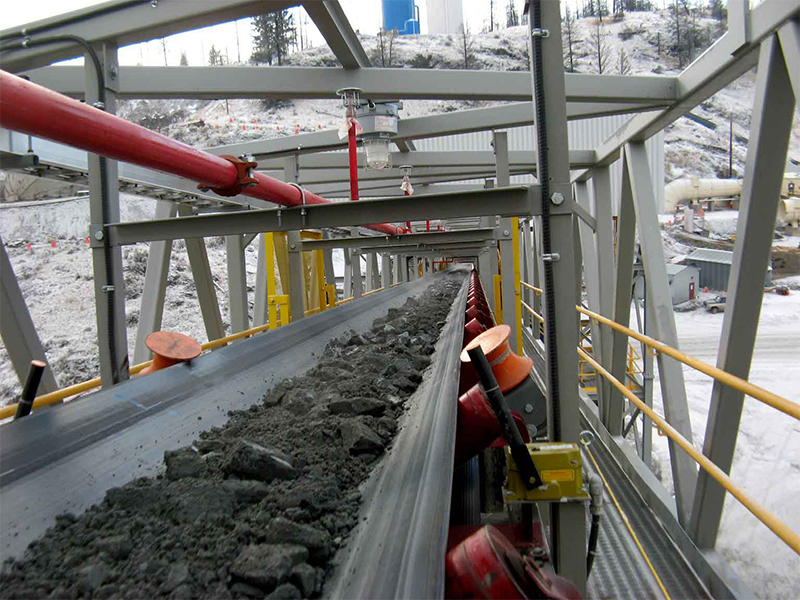
Datong Coal Group
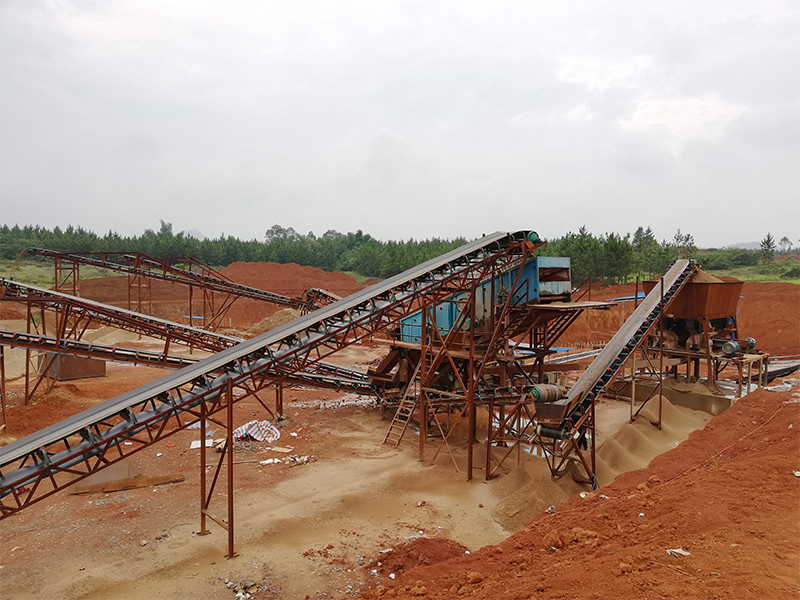
Tsingshan Group
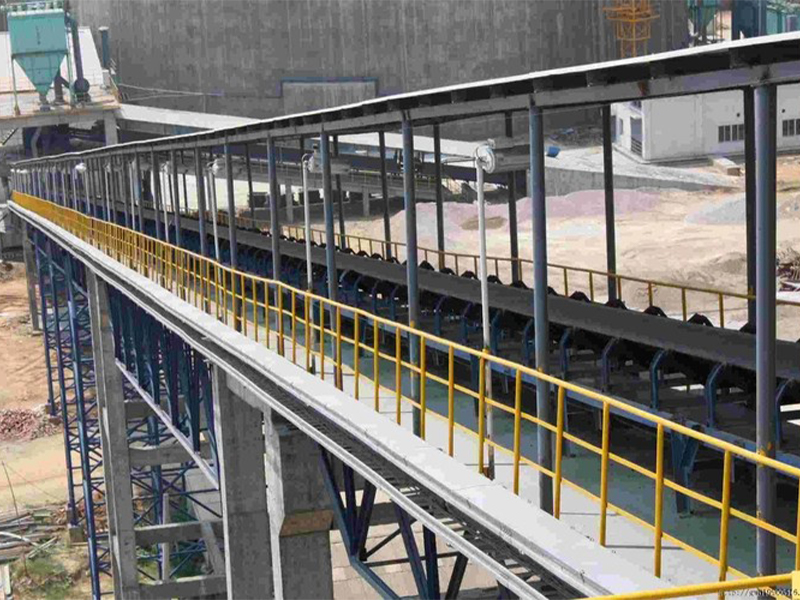
Jidong Cement Group
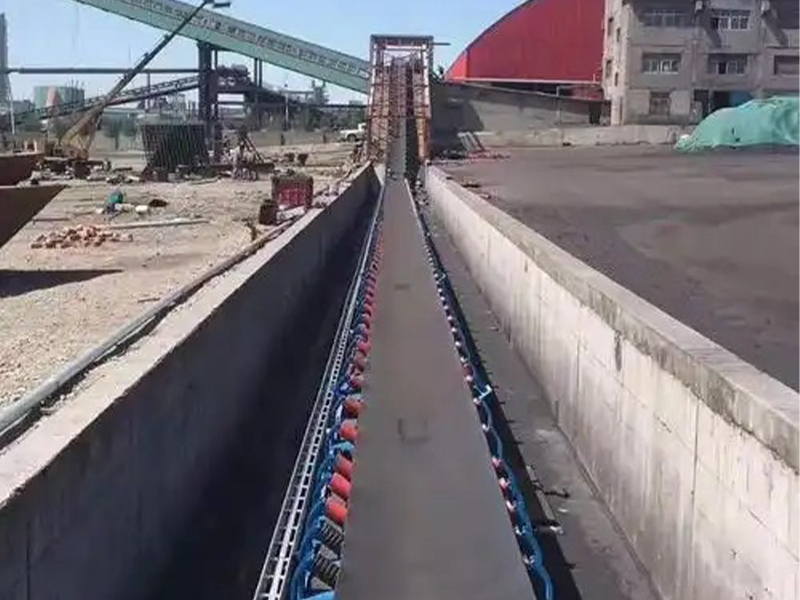
Jinmei Group
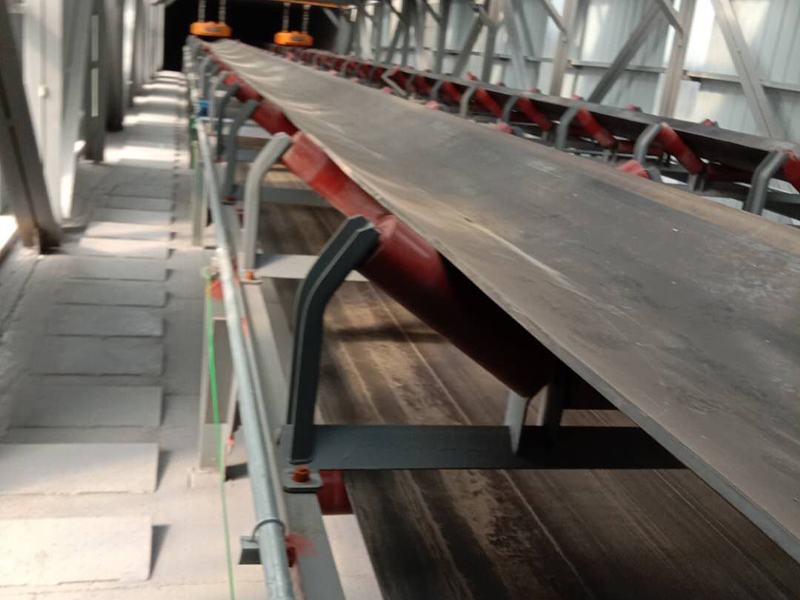
Taihang Steel
Puyang Steel Group
Comprehensive service plans to help optimize your operations, minimize system downtime, and maximize conveyor belt lifetime.
We provide detailed technical guidance for cold adhesive bonding and hot vulcanized splicing. Our technical service plan covers planned replacements, surface wear repair, belt alignment tracking, and emergency breakdown consultations to keep your material lines running smoothly.
Avoid production bottlenecks. Our factory offers custom safety stock management, maintaining ready-to-ship inventory levels based on our clients' annual replacement schedules. This service reduces lead times and minimizes warehouse overhead for remote mine operations.
Get answers to common technical and operational questions regarding the design, selection, and maintenance of nylon-ply conveyor belts.
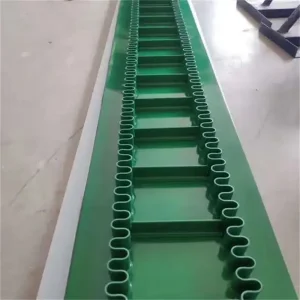
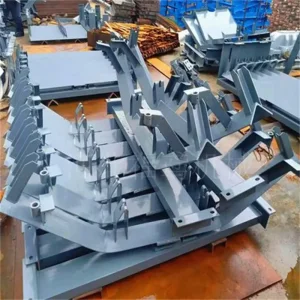
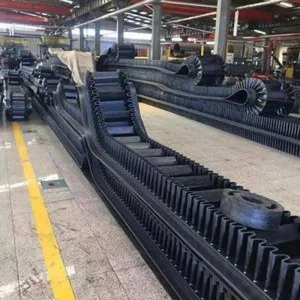
Explore our specialized range of high-inclination wavy edge belts, anti-tear steel wire rope cores, and heavy-duty idler rollers designed for extreme industrial applications.
 Boao Rubber