Explore our elite range of high-durability rubber conveyor belts, engineered specifically to handle extreme thermal, mechanical, and chemical challenges in heavy industry.
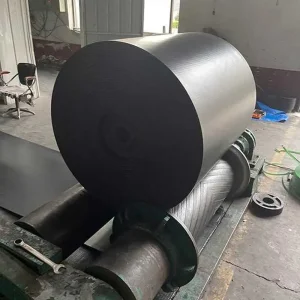
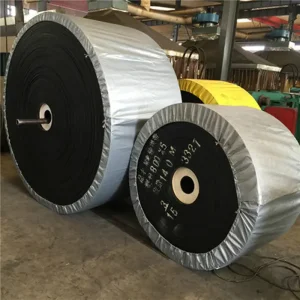
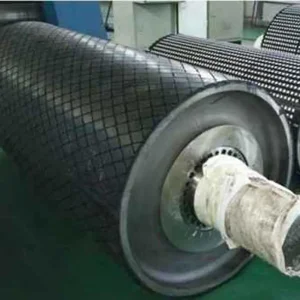
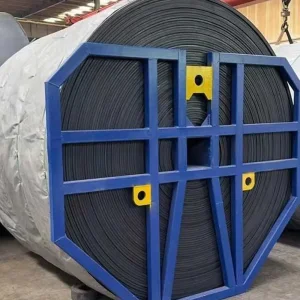
A deep dive into advanced polymer science, carcass engineering, and modern mining challenges.
In the modern industrial landscape, heavy-duty rubber conveyor belts have become the absolute backbone of continuous bulk material transport systems across multiple sectors. From deep underground mining operations extracting raw minerals to vast port facilities handling millions of tons of dry bulk cargo annually, these critical components facilitate the seamless movement of materials that power our global economy. The evolution of these conveyor belts reflects decades of engineering innovation, advanced polymer chemistry, and rigorous performance validation, addressing the continuous push toward greater capacity, higher velocity, and extreme operational safety.
Historically, textile conveyor structures were limited by simple natural fibers and basic natural rubber covers. The rapid expansion of modern bulk handling requirements—characterized by deeper mines, steeper incline profiles, and abrasive clinker or primary ores—demanded a paradigm shift in material technology. Today's industrial belting is a multi-layered composite system engineered to handle structural fatigue, puncture, chemical attack, and severe temperature fluctuations ranging from sub-zero polar environments to scorching steel mills handling materials up to 300°C.
Our focus at Hebei Boao Rubber Technology Co., Ltd. (under our flagship brand "Jinao") centers on engineering rubber belting that minimizes structural stretching, maximizes dynamic splice life, and reduces operating expenditure (OPEX) via decreased energy consumption. By formulating custom synthetic elastomers—including blends of Styrene-Butadiene Rubber (SBR), Polybutadiene (BR), and Ethylene Propylene Diene Monomer (EPDM)—we ensure our heavy-duty belts withstand the brutal mechanical forces encountered during daily operations.
Hebei Boao Rubber Technology Co., Ltd. - Driving industrial efficiency with 22 years of verified experience.
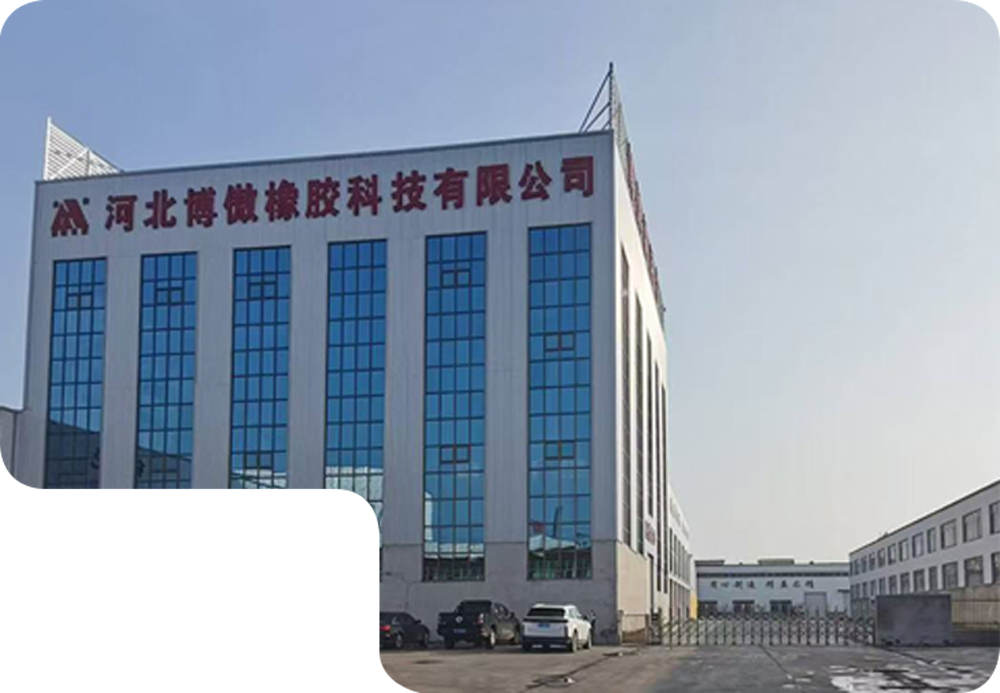
Founded in 2004 and situated in the core Rubber Industrial Park of Boye County, Baoding, Hebei Province, Hebei Boao Rubber Technology Co., Ltd. covers an expansive production facility of over 30 acres. Over the past two decades, we have evolved into a national leader in integrating product development, laboratory research, custom engineering, and localized support services.
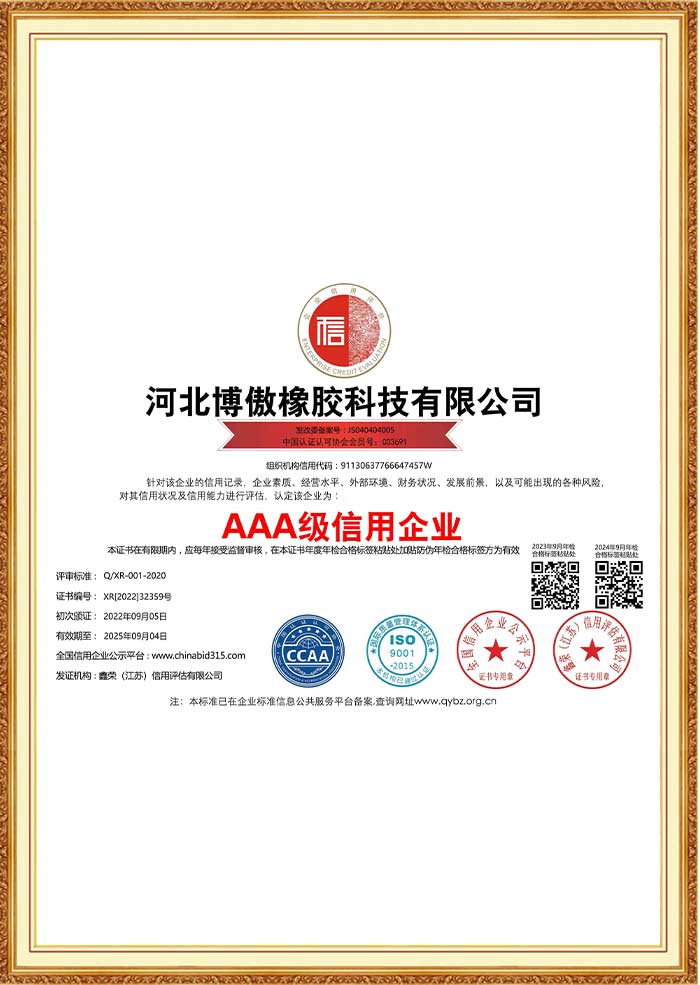
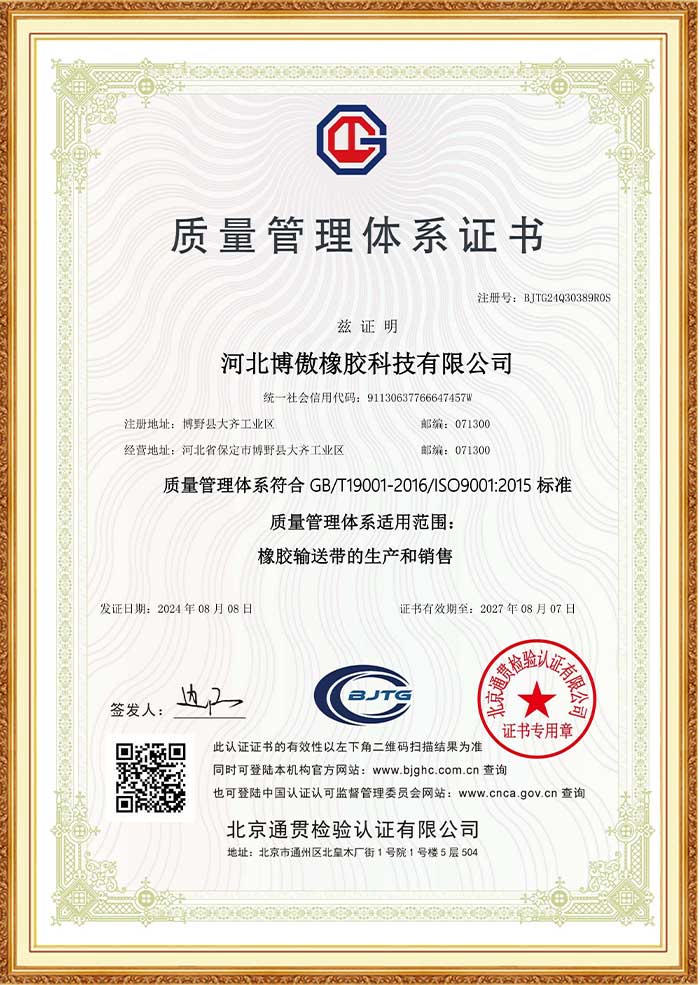
With state-of-the-art multi-roll calendering lines, heavy-duty vulcanizing presses, and automated raw material compounding machinery, our "Jinao" brand is synonymous with durability, compliance, and engineering precision. We hold complete international quality management system certifications, certifying every phase of our operation.
Why global heavy industry enterprises choose Boao as their exclusive belting supply partner.
Our facility is equipped with an in-house chemical analysis department and physical validation labs. We run real-time stress testing, abrasion coefficient testing (DIN 53516), rheological properties testing, and adhesion level tests on every batch of raw elastomer and structural ply cord before it enters production.
We enforce a zero-tolerance policy. Raw materials without certified testing data are blocked from compounding, and finished conveyor belts that fall below client-specified standards are rejected. This guarantees consistent tensioning and wear profiles across bulk shipments.
All products are engineered to conform to international structural profiles, including DIN (German), BS (British), AS (Australian), RMA (American), and ISO standards. We cater directly to the mining, chemical, steel, cement, power, and logistics industries.
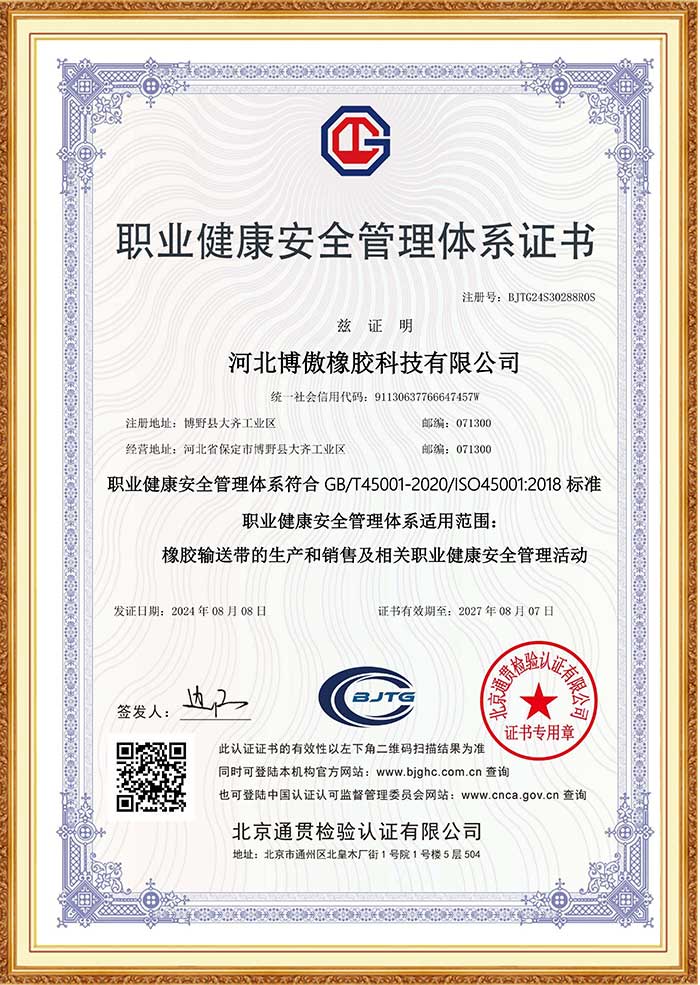
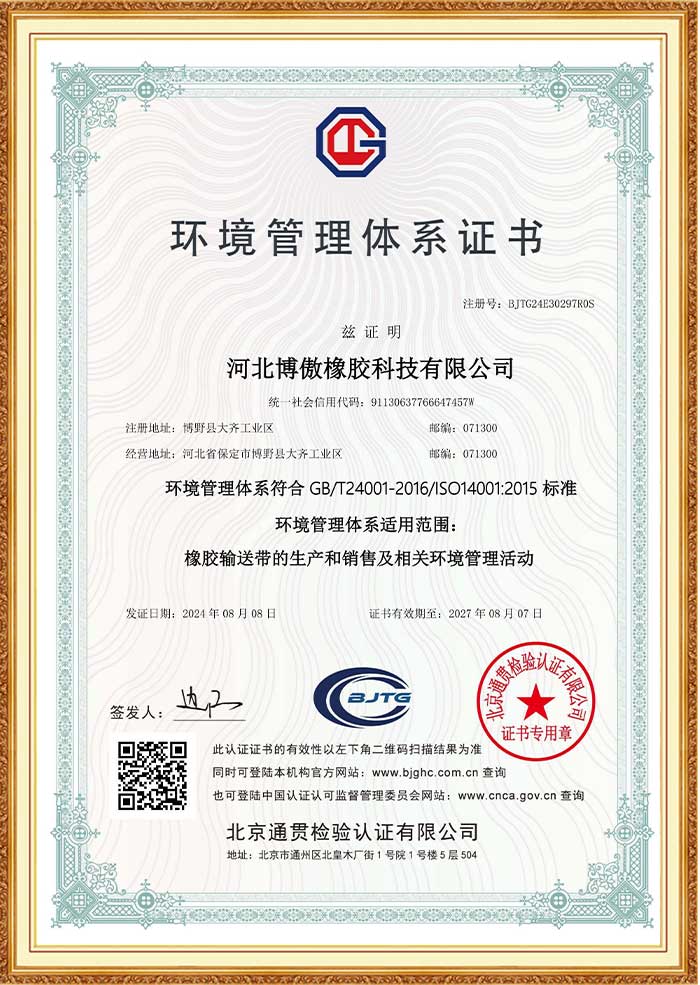
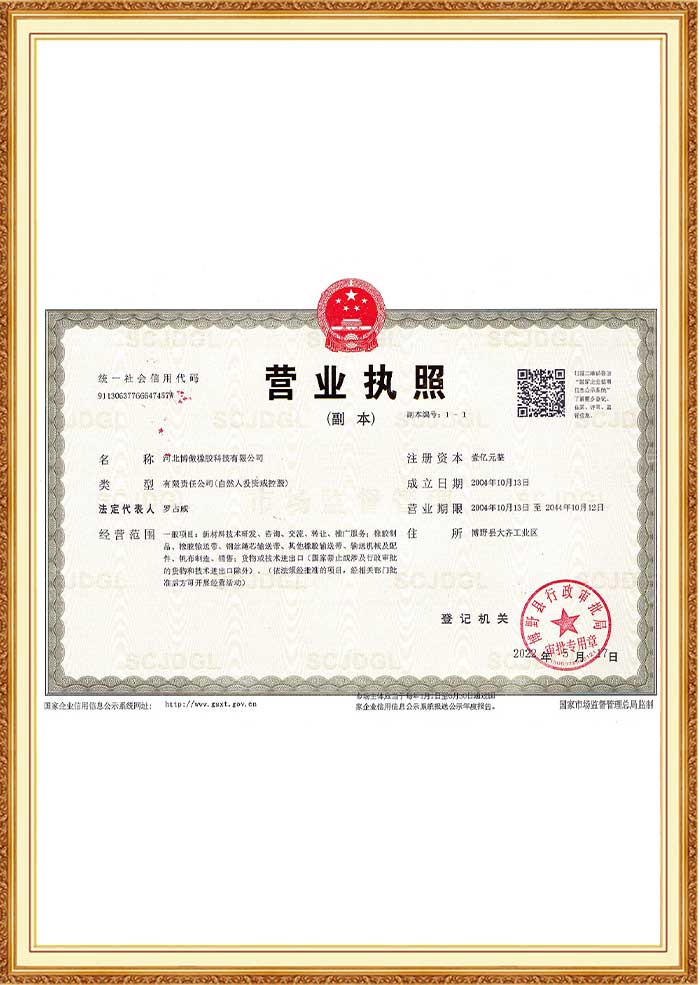
Solving modern bulk material handling issues through material optimization and safety integration.
In modern industrial procurement, the Total Cost of Ownership (TCO) has replaced initial purchase price as the primary metric for conveyor belting systems. Industrial buyers demand belts that guarantee structural integrity over millions of loading cycles. Key global requirements include:
At Boao, we address these challenges through customized polymer chemistry, using specialized synthetic rubber matrices and high-density woven synthetic fibers (EP/NN). Our belts are designed to handle aggressive wear, chemical degradation, and dynamic mechanical fatigue.
| Carcass Type | Tensile Strength (N/mm) | Elongation at Break (%) | Abrasion Loss (DIN 53516) | Working Temp Range | Primary Industrial Application |
|---|---|---|---|---|---|
| Polyester (EP) | 100 - 630 N/mm | ≤ 4.0% | < 120 mm³ | -20°C to +80°C | Quarrying, Sand & Gravel, Mining, Bulk Port Terminals |
| Nylon (NN) | 100 - 800 N/mm | ≤ 4.5% | < 100 mm³ | -25°C to +90°C | Coal Mining, Long-Distance High Impact Bulk Handling |
| Steel Cord (ST) | 630 - 5400 N/mm | ≤ 0.2% | < 90 mm³ | -30°C to +120°C | Deep Underground Mining, Overland Cross-Country Transport |
| EPDM Heat-Resistant | 100 - 500 N/mm | ≤ 4.0% | < 150 mm³ | Up to +300°C | Steel Plants, Sinter & Clinker Transport, Chemical Kilns |
Engineered to meet specific industrial requirements across diverse bulk material handling setups.
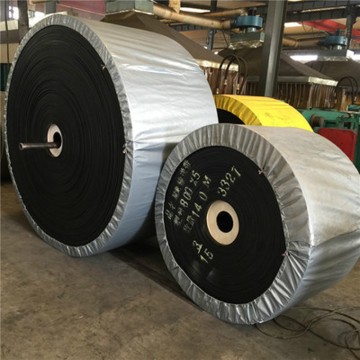
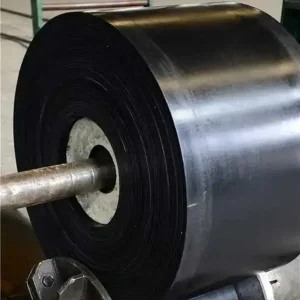
Designed with high-modulus polyester or nylon fabrics to handle heavy tensile loads with minimal elastic stretching. Perfect for long-distance bulk material handling in ports, cement plants, and mining sectors.
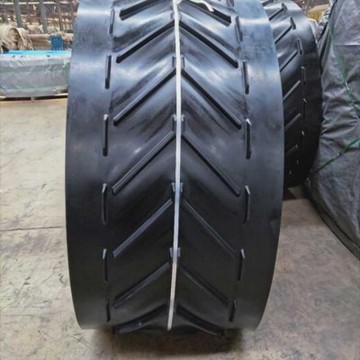
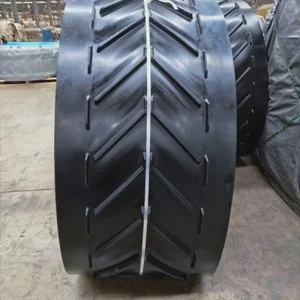
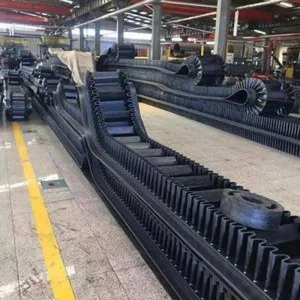
Includes custom chevron, herringbone, and corrugated sidewall profiles. Prevents backslide when transporting fine bulk materials on steep inclines up to 90 degrees.
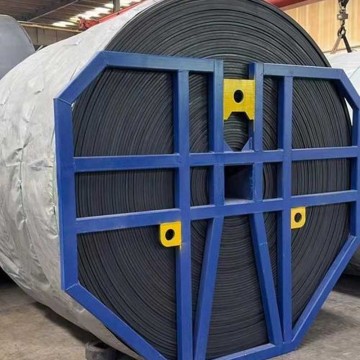
High-tensile steel cord reinforcement provides exceptional drop-impact resistance. Designed for heavy-duty overland transport, deep-shaft mining operations, and high-impact conditions.
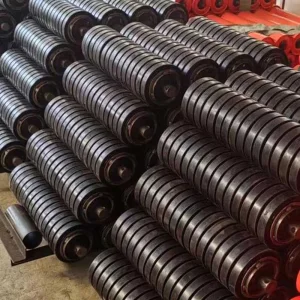
To ensure optimal performance, we offer custom-engineered conveyor accessories designed to prevent mistracking, absorb impact, and reduce wear on your conveyor belts.
How Boao's belting systems optimize uptime for top industrial corporations.
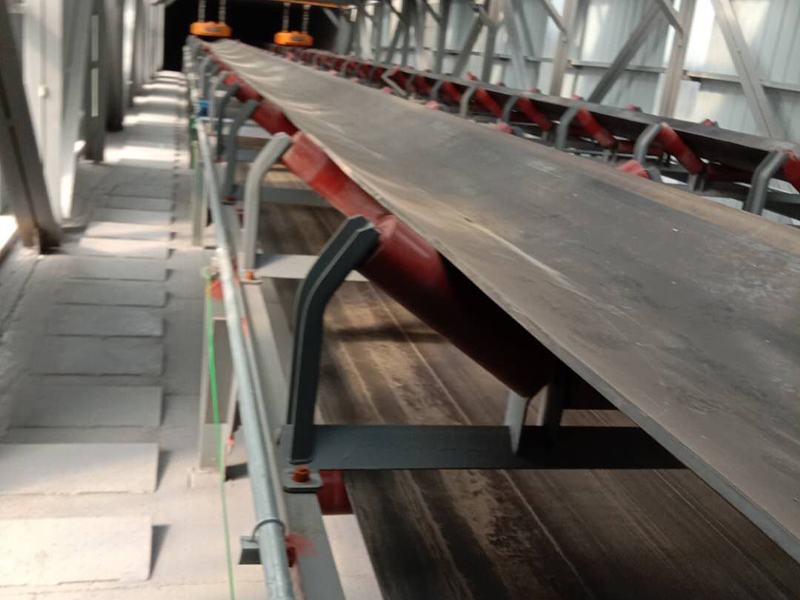
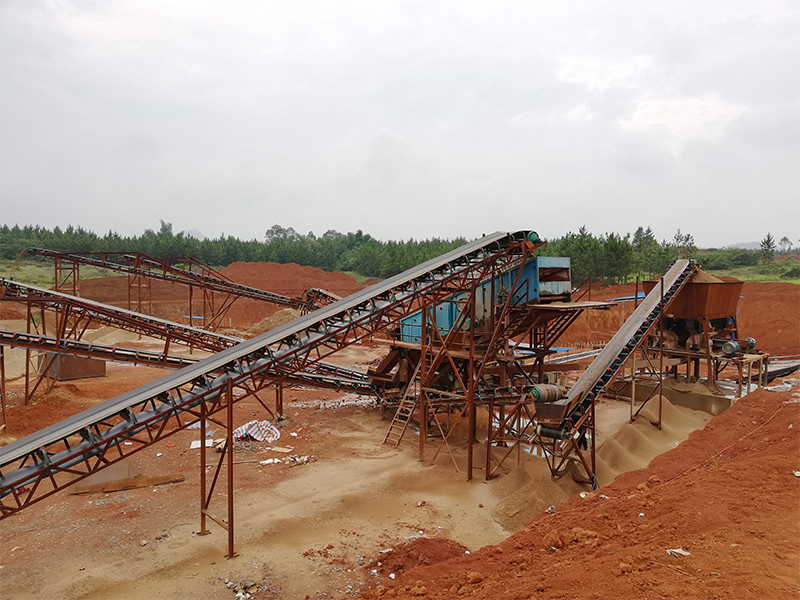
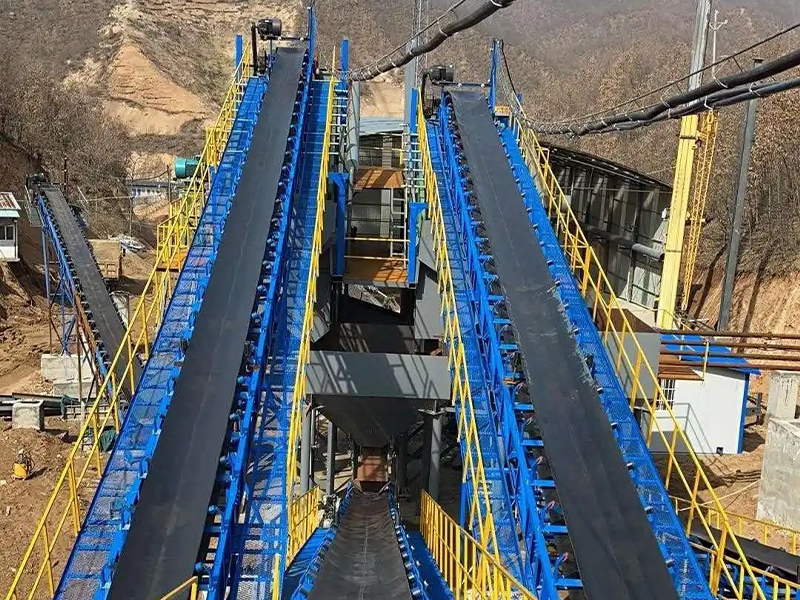
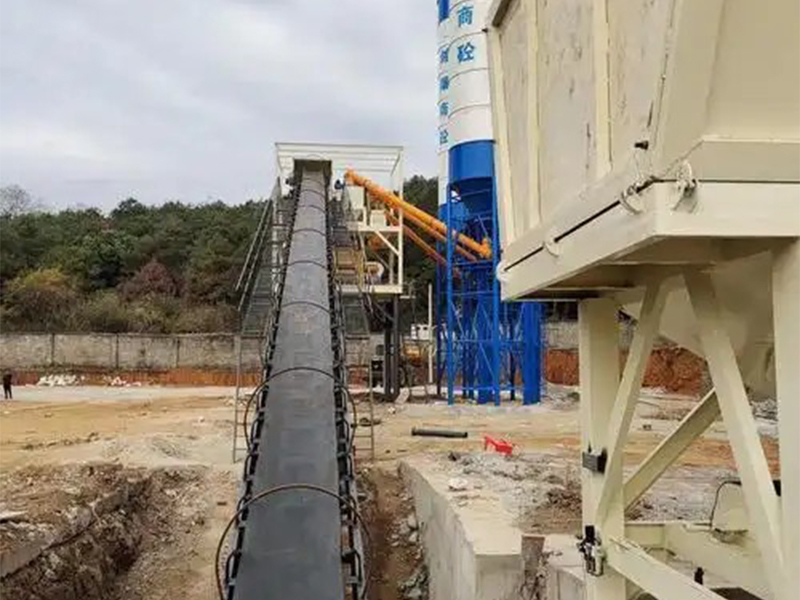
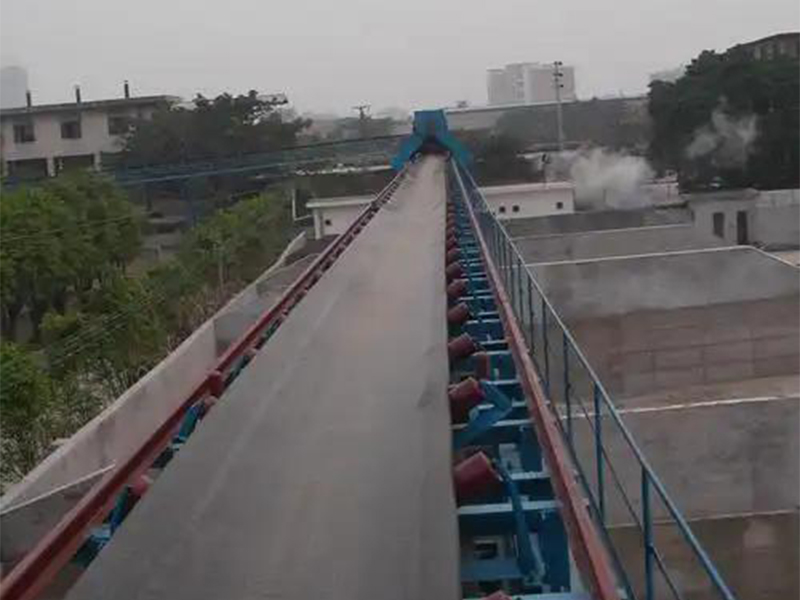
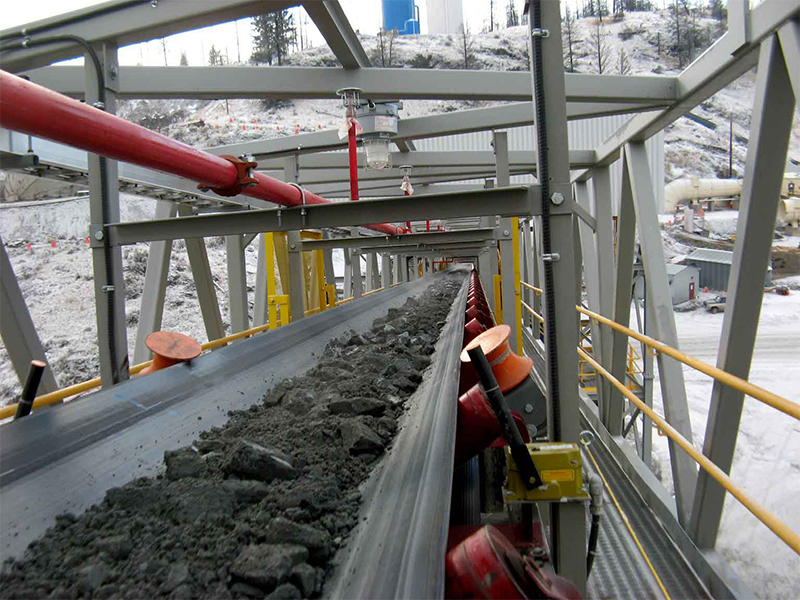
We provide end-to-end technical support and service management to maximize your conveyor system's uptime.
We provide comprehensive supply programs, including custom vulcanized splicing materials, dedicated safety stocking for critical logistics systems, and scheduled structural health audits. Our teams offer assistance with field splicing, rubber cover repairs, and routine inspections to prevent unscheduled downtime.
Our main goal is to improve the operating efficiency of your conveyors while reducing overall belt wear. By aligning our custom rubber compound grades with your system's abrasive conditions, we extend the service life of your conveyor belts and ensure a high return on investment.
Detailed technical answers to common queries regarding heavy-duty rubber conveyor belts.
Polyester (EP) belts feature warp-wise polyester and weft-wise nylon cords. They offer low stretch during operation, high moisture resistance, and excellent dimensional stability, making them ideal for long-distance conveying where tension adjustments are limited. Nylon (NN) belts utilize nylon fibers in both warp and weft directions. They provide superior elasticity, exceptional impact resistance, and high flex fatigue tolerance, making them best suited for operations with high impact at loading zones and small pulley diameters.
Choosing a heat-resistant rubber cover depends on the temperature of the material being carried and the cooling time on the return run. For temperatures up to 120°C, SBR-based rubber covers are typically sufficient. For extreme heat environments up to 200°C (with peaks at 300°C), such as cement clinker or sintering plants, we use EPDM compounds. EPDM resist thermal aging, cracking, and hardening under continuous thermal stress, maintaining the carcass adhesion and preventing cover delamination.
We test every production batch using a DIN abrasion test rig (DIN 53516 / ISO 4649). This test measures the volume loss of a rubber sample sliding under pressure across an abrasive sheet. Our DIN X grade provides high wear resistance (abrasion loss ≤ 120 mm³) for heavy, sharp materials like granite and metallic ores. Our DIN Y grade (abrasion loss ≤ 150 mm³) is designed for general abrasive applications, including coal, limestone, and sand transport.
Steel cord conveyor belts (ST series) are preferred for long overland runs due to their exceptionally low elongation under load (typically ≤ 0.2%). This minimizes take-up travel requirements. Additionally, steel cords offer higher tensile strength (up to 5400 N/mm) compared to multi-ply fabrics, allowing for longer conveyor flights with single drives. Their excellent troughability also enables steeper troughing angles to prevent spillage.
Belt mistracking is usually caused by incorrect belt tension, uneven material loading, misaligned idlers, or material buildup on pulleys. Solutions include adjusting the take-up system, installing centering brackets and self-aligning idlers, regularly cleaning pulleys, and using dynamic tracking software to ensure stable operation.
Our flame-retardant rubber conveyor belts are engineered to meet strict underground mining standards (such as ISO 340, MSHA, or MT 914). We compound the raw rubber with halogenated flame-retardant additives and metal hydroxides (such as alumina trihydrate). This helps extinguish open flames quickly and minimizes toxic smoke emissions, ensuring safety in closed underground environments.
Select from our specialized line of high-performance conveyor components designed for long-term wear resistance and structural reliability.
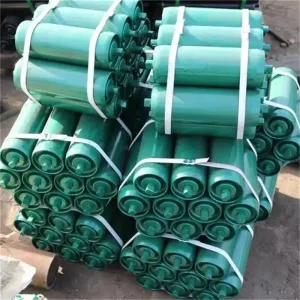
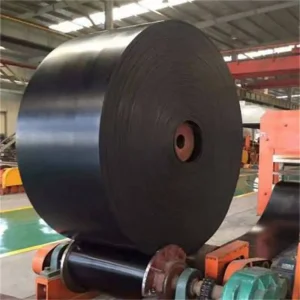
Our engineering team is ready to assist you with custom compounding, thickness specifications, and system sizing. Contact us today for reliable support and factory-direct pricing.
 Boao Rubber