Engineered to comply with local and global bulk transport regulations, featuring superior durability and thermal safety profiles.
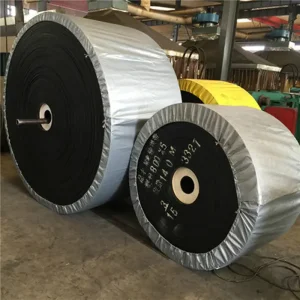
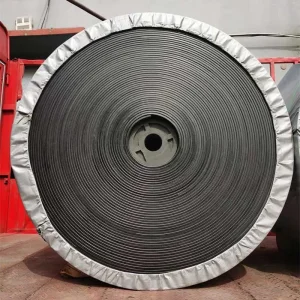
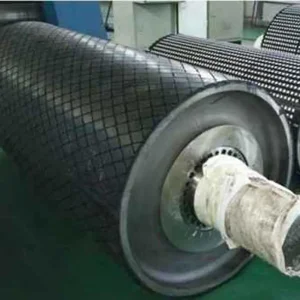
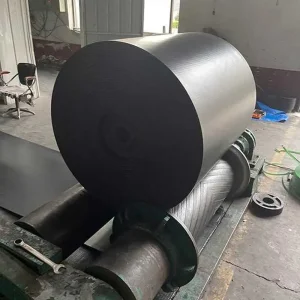
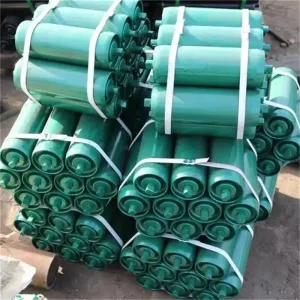
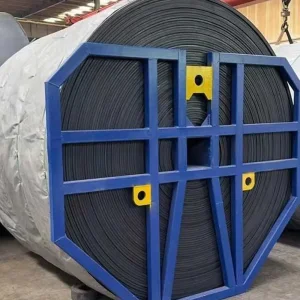
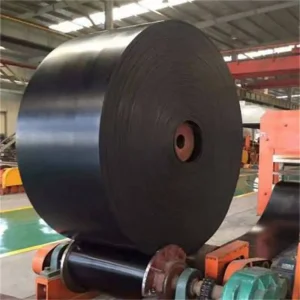
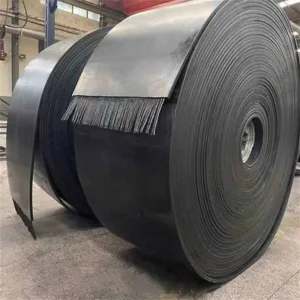
In modern high-capacity industrial plants, the conveying system is a vital artery. However, when conveying dry materials such as coal, metal ores, biomass, and chemicals, the risk of fire is a constant threat. Frictional heat from compromised idlers, static electricity buildup, or exposure to external thermal sources can ignite belt surfaces. Standard rubber formulations burn rapidly, creating toxic smoke and spreading fire along underground shafts or elevated gantries. Thus, flame-retardant (FR) rubber conveyor belts are not merely operational choices; they are legally mandated life-safety barriers.
Hebei Boao Rubber Technology Co., Ltd. addresses this safety-critical demand. Operating our modern, dedicated factory since 2004, we manufacture belts designed to mitigate fire propagation, limit heat release rates, and eliminate electrostatic ignition vectors. Our "Jinao" brand is synonymous with reliable performance, robust polymer engineering, and compliance with the industry's most rigorous international safety metrics.
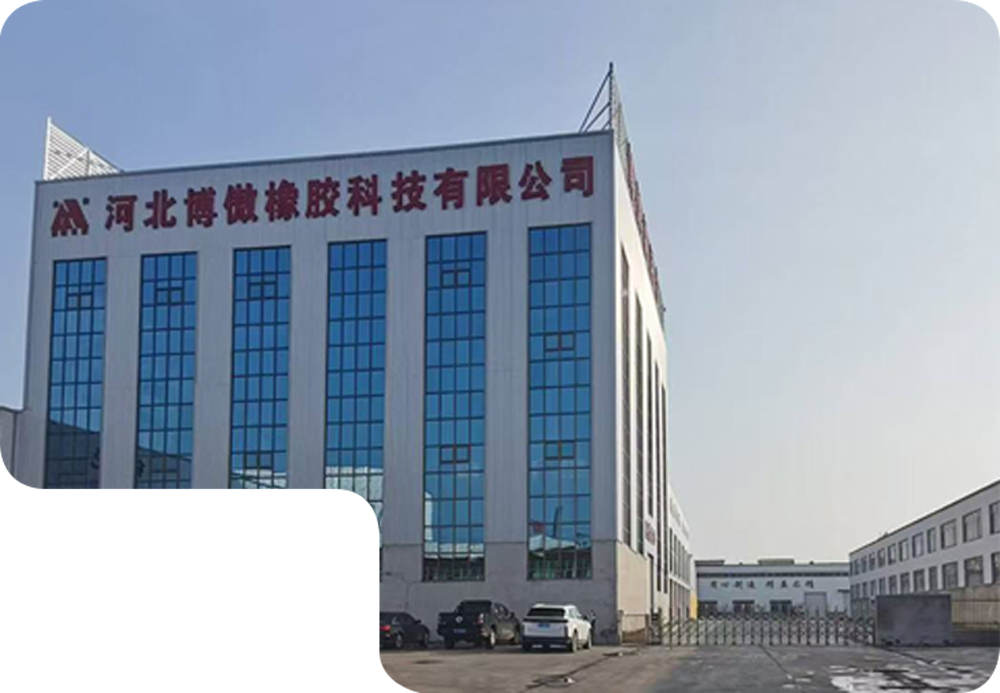
Hebei Boao Rubber Technology Co., Ltd.
Founded in 2004, Hebei Boao Rubber Technology Co., Ltd. spans a state-of-the-art facility of over 30 acres located in the Boye County Rubber Industrial Park, Baoding, Hebei Province, China. As a fully integrated manufacturer, we control every stage of production—from raw rubber formulation research and compound mixing to vulcanization, tensile testing, and final quality control checks. Our international quality management system certification ensures that every roll leaving our facility performs reliably under demanding conditions.
How "Jinao" brand conveyor belts manage chemical degradation and fire suppression.
The baseline rubber compound uses advanced Styrene-Butadiene Rubber (SBR), Chloroprene (CR), or Nitrile-Butadiene (NBR) backbones. SBR and NBR are custom-compounded with halogenated flame retardants and synergistic inorganic compounds, whereas CR provides inherent resistance to ignition due to its high chlorine content.
We incorporate active flame-retardant additives such as Antimony Trioxide (Sb₂O₃) paired with chlorinated paraffins. Upon exposure to high heat, these compounds release halogen radicals that scavenge active H• and OH• combustion radicals in the gas phase, effectively starving the combustion process of energy.
To minimize heat transfer to the belt's internal fabric plies (EP/NN) or steel cord core, we use high concentrations of Aluminum Trihydrate (ATH) and Magnesium Hydroxide (Mg(OH)₂). At elevated temperatures, these compounds undergo endothermic decomposition, releasing water vapor, cooling the substrate, and leaving a protective carbonaceous char barrier.
In environments filled with combustible coal dust or methane gas (such as deep coal mines), electrostatic discharge (ESD) can be catastrophic. Our manufacturing process ensures that the surface electrical resistance of both the top and bottom rubber covers is kept strictly below 3.0 × 10⁸ ohms (often achieving ≤ 1.0 × 10⁶ ohms under dry testing). This is achieved via a homogeneous dispersion of highly conductive carbon black throughout the vulcanized elastomer matrix, ensuring that generated charges dissipate safely through grounding components.
Our products are engineered to conform to distinct safety classes, matching the global procurement needs of engineers worldwide.
| Standard | Class / Grade | Primary Testing Protocols | Target Application Environment |
|---|---|---|---|
| ISO 340 / EN 12882 | Class 2A, 2B, 3A, 3B, 4A, 5A | Gallery fire test, burner flame test (with and without covers), electrical surface resistance. | General surface industries, European grain terminals, chemical warehouses, and mining gantries. |
| MSHA 30 CFR Part 14 | Part 18 Approval (US Market) | Propane burner laboratory test setup with high air velocity to simulate mine shaft ventilation. | Underground coal mines in the United States and regions requiring MSHA certification. |
| CAN/CSA M422 | Class A, B1, B2, C | High-energy flame test, flame propagation velocity checks, and toxic emission limits. | Canadian underground and surface mining operations. |
| AS 1332 / AS 1333 | Grade FR (Flame Retardant) | Drum friction testing, burner self-extinction limits, electrical resistivity tests. | Australian bulk handling terminals, iron ore ports, and underground mines. |
| GB/T 10822 / GB/T 9770 | MT 914 Compliance | Full-scale gallery combustion test, safety properties for coal mining. | Domestic Chinese market and regions adopting GB national standards. |
At Hebei Boao Rubber Technology Co., Ltd., we operate an independent, in-house chemical analysis room and advanced physics laboratory. Our quality assurance protocol dictates that every batch of incoming raw materials (elastomers, carbon blacks, steel wire cords, synthetic fabrics) undergoes validation before entering the compounding line.
During and after vulcanization, sample specimens are subjected to testing including:
Our Boye County facility houses modern vulcanization presses, multi-roll calenders, and mixing lines. Our "Jinao" branded conveyor line encompasses multi-ply fabric belts (EP, NN, cotton) and steel cord belts optimized for fire protection. View our production site images:
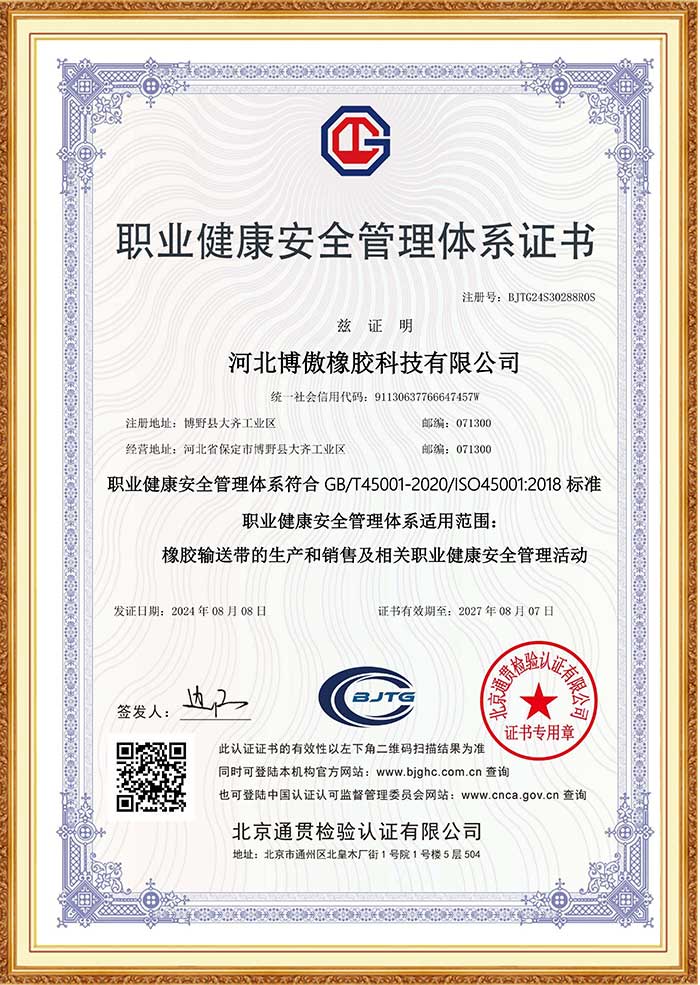
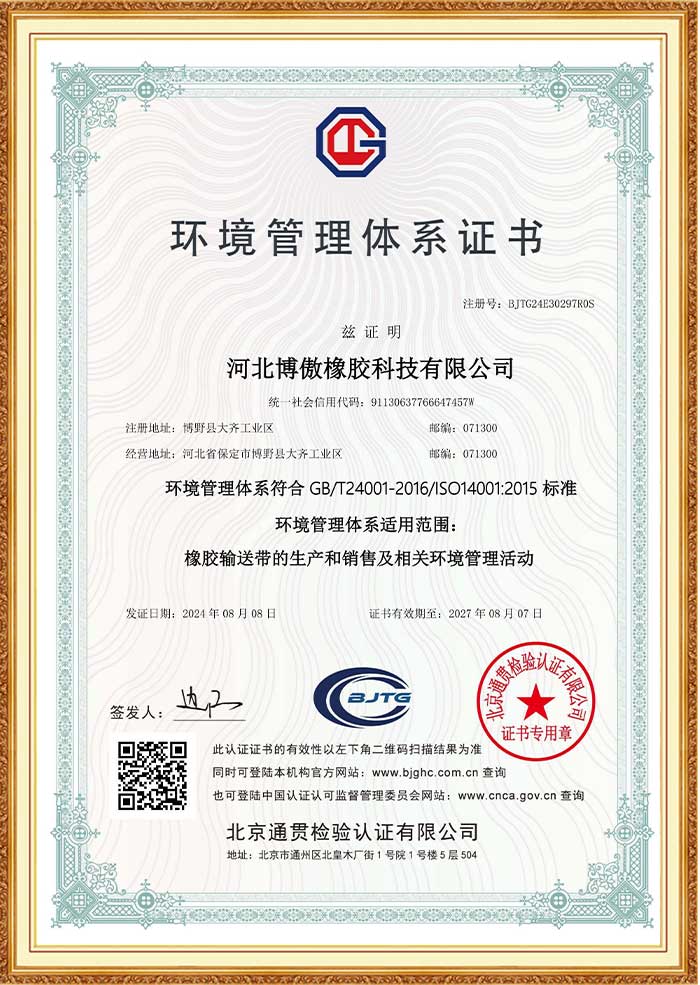
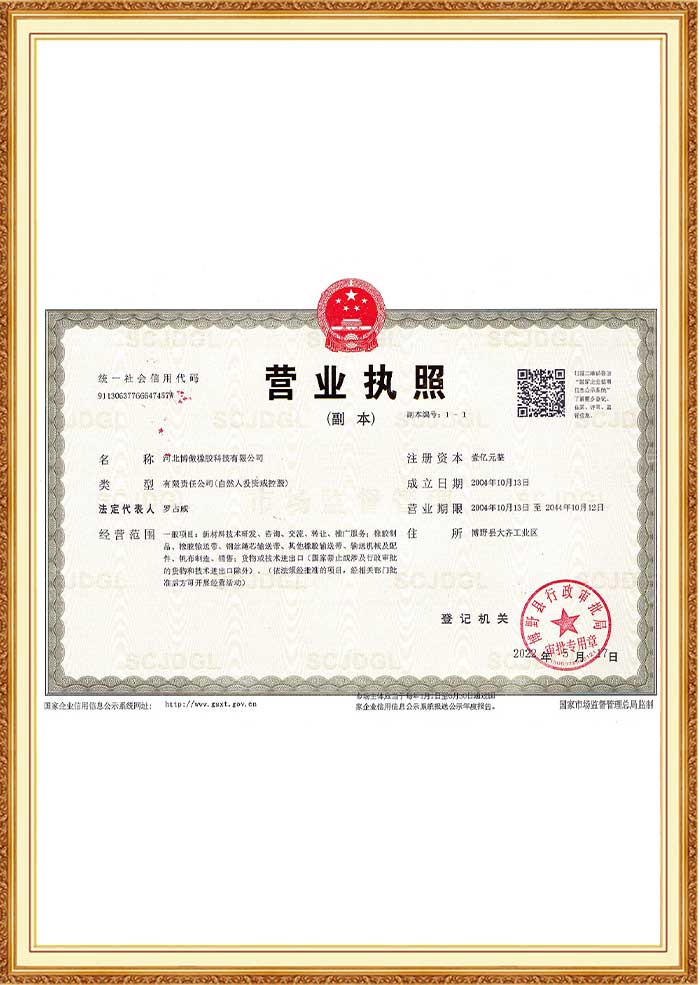
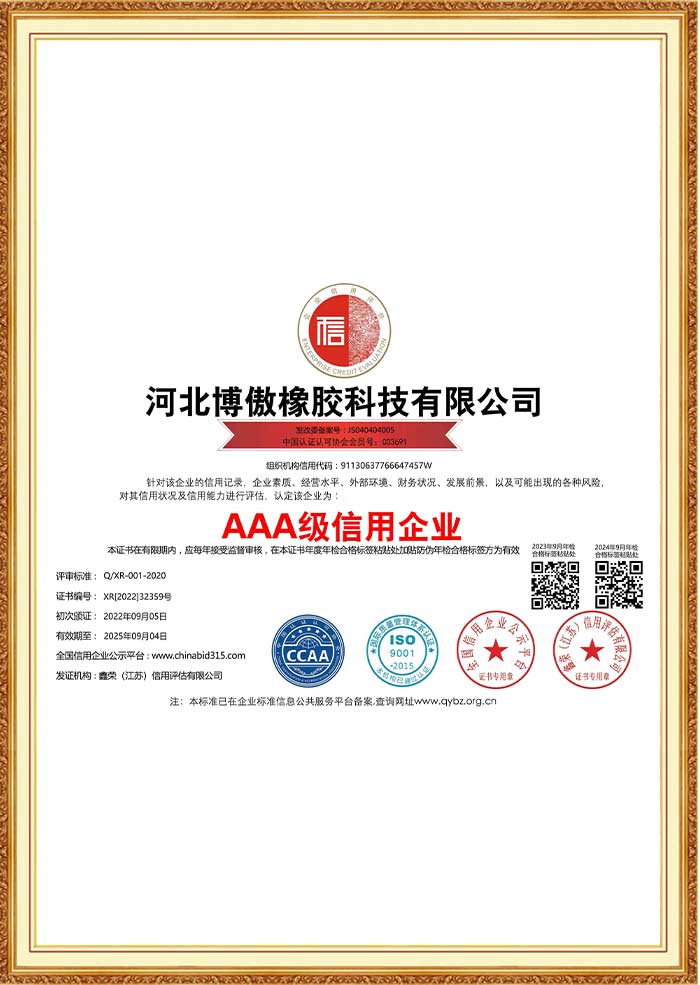
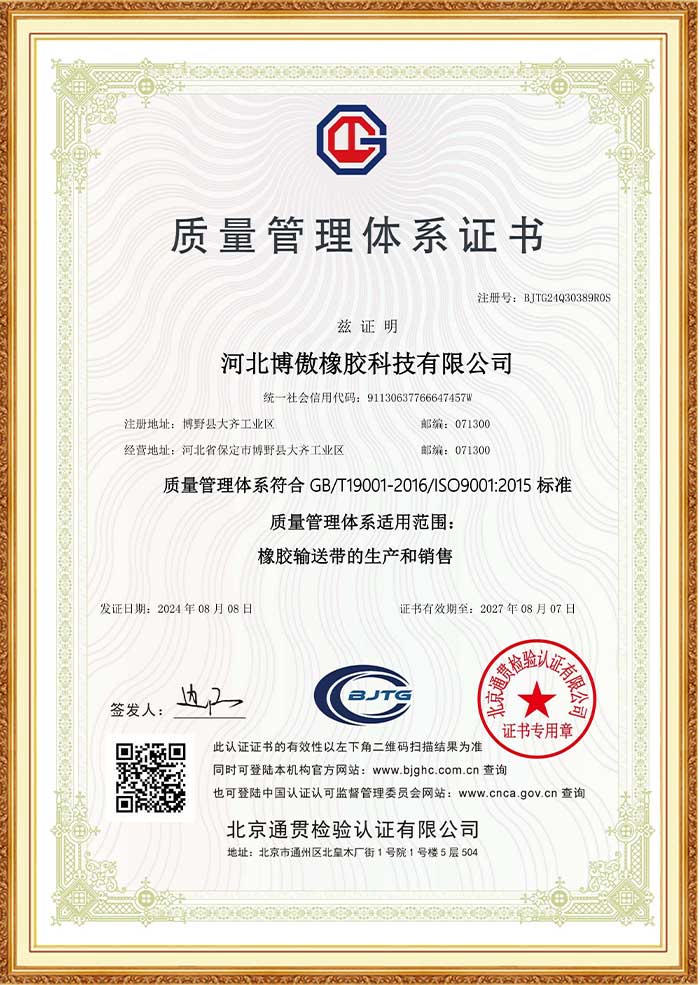
To establish trust in the reliability of "Boao" products, we actively engage in third-party product quality audits. Our system processes adhere strictly to ISO 9001 quality management guidelines. Explore our certificates below:
Our heavy-duty flame-retardant and high-durability conveyor products are trusted by some of the largest enterprises in infrastructure and mining, demonstrating stable performance under intense material loads.
Taihang Steel
Tsingshan Group
Zijin Mining
China Railway Group
Conch Cement
Datong Coal Group
Maximizing operational availability, reducing downtime, and securing safe system throughput with a unified supplier approach.
Planned replacement, repair, on-site inspection, physical belt diagnostic maintenance, and emergency response operations for complex conveyor setups.
Supply of multi-ply fabric and steel cord conveyor belts, maintenance of local safety stock to meet production needs, vulcanized splicing, storage advice, and rubber surface repairs.
Focusing on improving the operational efficiency of the system, minimizing cover rubber wear, preventing mistracking, and reducing total power consumption.
Ensure the safe, stable, and cost-effective operation of bulk conveying systems while maximizing the operational life cycle of high-value flame-retardant belting.
In underground coal extraction, pockets of trapped methane and volatile coal dust present high combustion risks. Splicing failures, high friction on idlers, or electrostatic discharges can act as ignition sources. Our Jinao Brand steel wire rope core flame-retardant belts are designed with highly chloroprene-dense cover compounds and treated carcass fibers that self-extinguish when ignition sources are removed. By complying with the drum friction safety thresholds and the propane gallery combustion tests, these belts prevent the rapid propagation of fire along transport pathways.
Blast furnace charging systems convey hot coke, sintered ores, and fluxes. Under these conditions, the belt must resist both internal heat degradation and sudden ignition from high-temperature materials. We configure dual-action compound layers that feature high-heat resistance (tolerating peaks up to 200°C) coupled with chemical flame-retardant properties to prevent hot spots from developing into active fires.
Port terminals handle continuous streams of coal, grain, sulfur, or fertilizer. These materials are moved at high speeds over long distances, generating dust clouds that can be ignited by electrostatic build-up. Our belts feature low electrical surface resistance (antistatic properties) to prevent charge accumulation, protecting loading towers and terminal structures.
Handling compounds like potash, phosphates, and sulfur requires protection against multiple hazards. Standard rubber degrades in contact with oils, acids, and alkalis, which can compromise the flame-retardant additives. We produce specialized acid-alkali-oil resistant flame-retardant belts to maintain structural and safety performance when exposed to corrosive chemical environments.
Answers to key engineering questions on the design, testing, and operation of flame-retardant rubber conveyor belts.
Factory-direct solutions designed for long service life in harsh chemical, thermal, and mechanical environments.
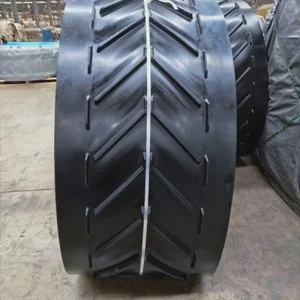
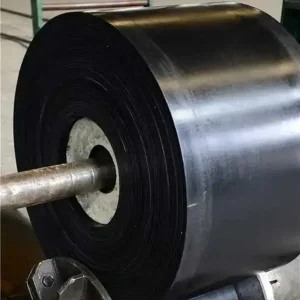
Request detailed product catalogs, material certificates, custom compound configurations, and pricing structures from our engineering sales team.
Contact Our Technical Department
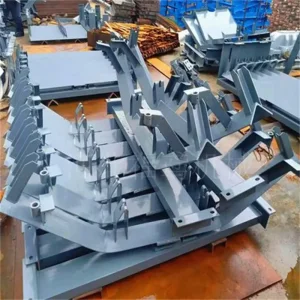
Our factory is committed to supplying high-quality conveyor belts and supporting products (such as ceramic rollers, buffering rollers, brackets, and tensioning components) to meet your project specifications. Share your bandwidth requirements, tensile strength ratings, and environmental fire standards to receive a customized quote.
 Boao Rubber