China Conveyor Skirting Systems Suppliers & Factory
Elite Engineering, Advanced Polyurethane & Rubber Containment Solutions, and High-Performance Dust Mitigation Systems for Global Industrial Bulk Material Handling
Founded in 2004, Hebei Boao Rubber Technology Co., Ltd. is nestled within the famous Rubber Industrial Park of Boye County, Baoding, Hebei Province. Over the last two decades, we have scaled our operations to exceed 30 acres of dedicated production facilities. Our flagship brand, "Jinao", represents top-tier engineering design, rigorous quality benchmarks, and robust customer service across global material handling sectors.
As a leading Chinese manufacturer, our processes are unified. We integrate raw material design, precision testing, processing, custom fabrication, and international distribution under a singular, ISO-certified management program. With state-of-the-art calendering machines, heavy-duty vulcanization lines, and complete automated testing systems, we deliver heavy-duty conveyor accessories built to survive the harshest operational conditions.
Our commitment goes beyond traditional manufacturing. We address the complex engineering challenges of dust suppression, material spillage, and transfer point integrity. Through our customized conveyor skirting systems, we assist multi-national mining corporations, power companies, and cement plants in optimizing environmental safety and reducing clean-up overheads.
"Continuous advancement in compounding technology allows our rubber and polyurethane skirting to reduce friction coefficients by up to 30%, multiplying both belt lifespan and material retention rates."
From custom compound formulations to on-site implementation audits, Hebei Boao Rubber Technology offers an extensive operational support structure, securing raw supply channels and assuring production continuity under severe thermal and mechanical stresses.
Why Global Buyers Choose Jinao Brand
Our complete alignment with international standards and direct quality-gate checks from raw inputs to dispatch set us apart.
Total Quality Control
Our facility houses dedicated chemical and mechanical testing labs. We inspect polymer grades, tensile limits, and abrasion values prior to vulcanization, keeping defective elements completely off the line.
Advanced Formulations
Utilizing high-performance SBR, natural rubber blends, and wear-grade polyurethanes, our skirting profiles maintain dynamic seals even during heavy material surges and violent belt fluctuations.
End-to-End Technical Care
We provide full design verification, custom profiles, on-site diagnostics, planned preventive maintenance schedules, and fast response times to eliminate unplanned transport downtime.
Whitepaper: Industrial Guide to Conveyor Skirting Optimization
An in-depth look at spillage mechanisms, environmental impacts, and technical solutions for modern bulk handling systems.
1. The Evolution of Rubber Belts in Heavy-Duty Bulk Material Transport
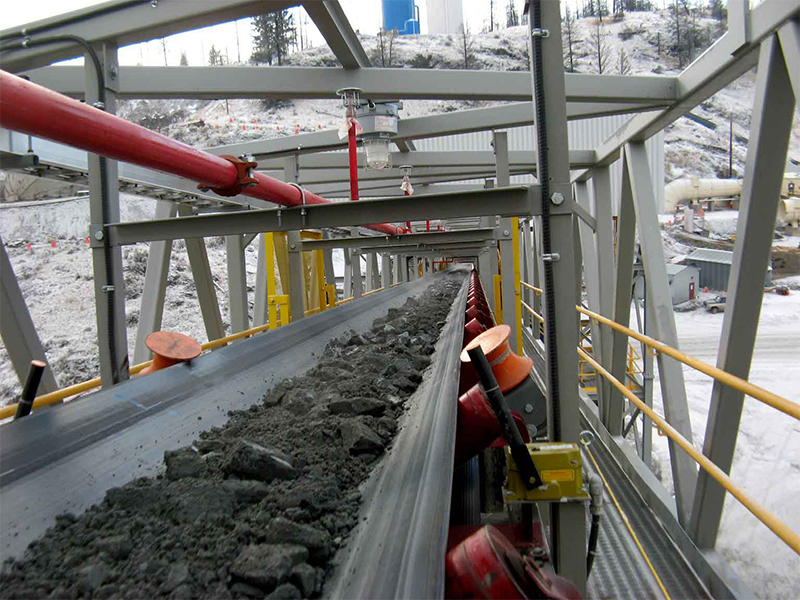
In modern industrial plants, rubber conveyor belts act as the primary logistics framework. From underground coal mining to coastal ports, heavy-duty belts move millions of tons of raw materials annually. However, the performance of these networks is frequently bottlenecked at material transfer points. When materials fall from one chute onto a receiving conveyor, air turbulence and material kinetic energy generate immense dust and spillage, leading to fugitive dust deposits and hazardous build-ups.
To curb this dust and prevent bulk loss, modern plants rely on high-performance Conveyor Skirting Systems. Originally consisting of simple, rigid rubber strips clamped alongside the conveyor, today's skirting solutions have evolved into sophisticated dual-sealing systems. These combine a hard-wearing primary sealing barrier with a flexible secondary membrane, forming a dynamic dust chamber that matches the moving belt surface without causing excessive friction or premature belt wear.
Industrial operations are subject to increasingly stringent environmental, health, and safety (EHS) policies. Fugitive dust (PM2.5 and PM10 particles) from coal, iron ore, and cement production poses significant health risks to site personnel and surrounding environments. Furthermore, accumulated material spillage around transfer chutes can cause severe conveyor component failures:
Idler Lockups: Spilled material jams roller bearings, leading to friction wear, heat build-up, and potential belt fire hazards.Belt Tracking Failures: Debris stuck on return rollers forces the belt off-center, causing structural damage.High Operational Costs: Continual manual cleanup around transfer points takes personnel away from critical core activities.
Hebei Boao Rubber Technology offers systematic transfer point sealing solutions. By matching Jinao-brand skirting systems with our impact idler rollers and specialized brackets, plants can maintain tight tolerances, stabilizing the belt line to prevent sag and contain 99.9% of dust and granular spillage.
3. Global Procurement Demands: Standardizing for Diverse Operating Conditions
Global procurement teams must source skirting materials that can withstand varied environmental challenges:
Arctic Operations: High-latitude mining sites require cold-resistant rubber formulations that retain elasticity at -40°C.High-Temperature Settings: Metallurgy, sinter lines, and clinker transport demand heat-resistant materials that resist thermal cracking.Corrosive Environments: Chemical processing and fertilizer terminals require acid-and-alkali-resistant polymers.
Boao Rubber resolves these needs through custom compounding. Our engineering department matches raw elastomer ratios to the targeted operational profile, ensuring the chemical structure remains stable and high tensile properties are preserved throughout the product life cycle.
4. Technology Roadmap: The Next Era of Smart Sealing Systems
The conveyor industry is moving rapidly toward automation and predictive maintenance. Conventional skirting systems require manual inspections to check for wear and adjust clamping pressures. If neglected, worn-out skirting can fail, or over-tightened assemblies can score and damage the conveyor belt itself.
Our technical development roadmap focuses on:
Smart Wear Indicators: Embedding colored wear lines or wear-sensing conductors inside polyurethane skirting elements to alert technicians when replacement is due.Low-Friction Polyurethane Formulations: Developing custom polyurethane compounds that provide superior wear resistance while keeping friction values minimal.Self-Adjusting Clamping Frameworks: Utilizing constant-tension spring or pneumatic clamping designs that maintain uniform sealing contact without manual intervention.
Certified Industrial Standards & Trust
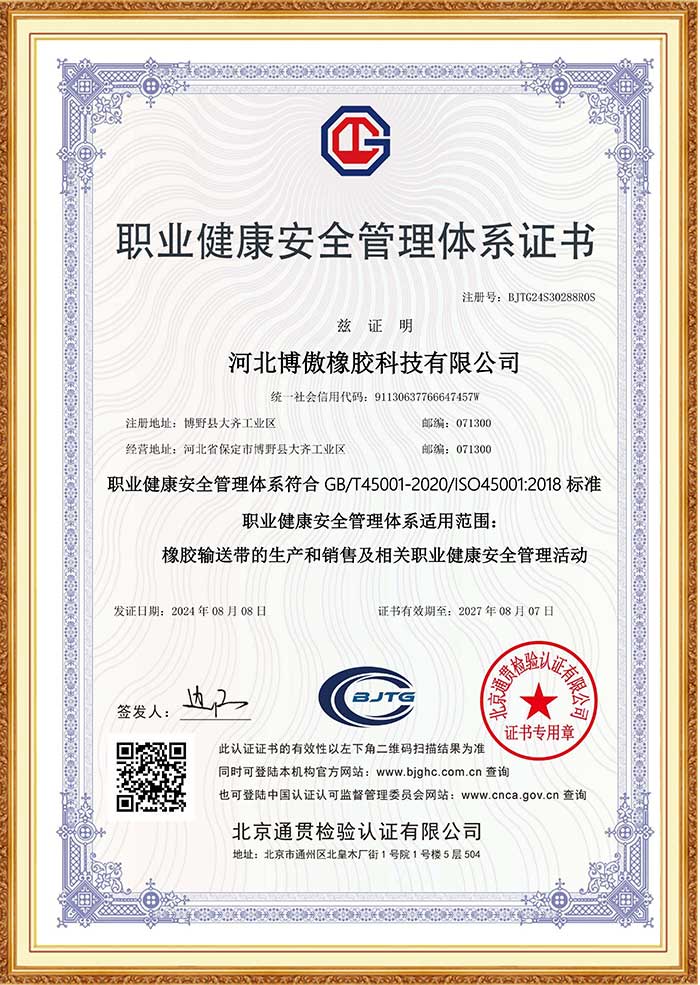
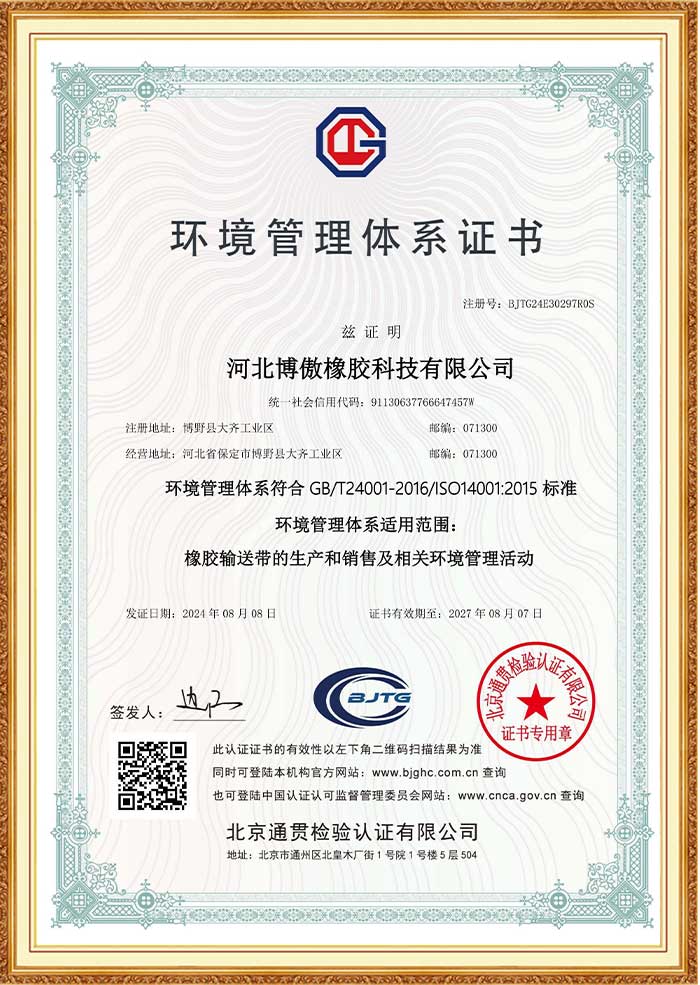
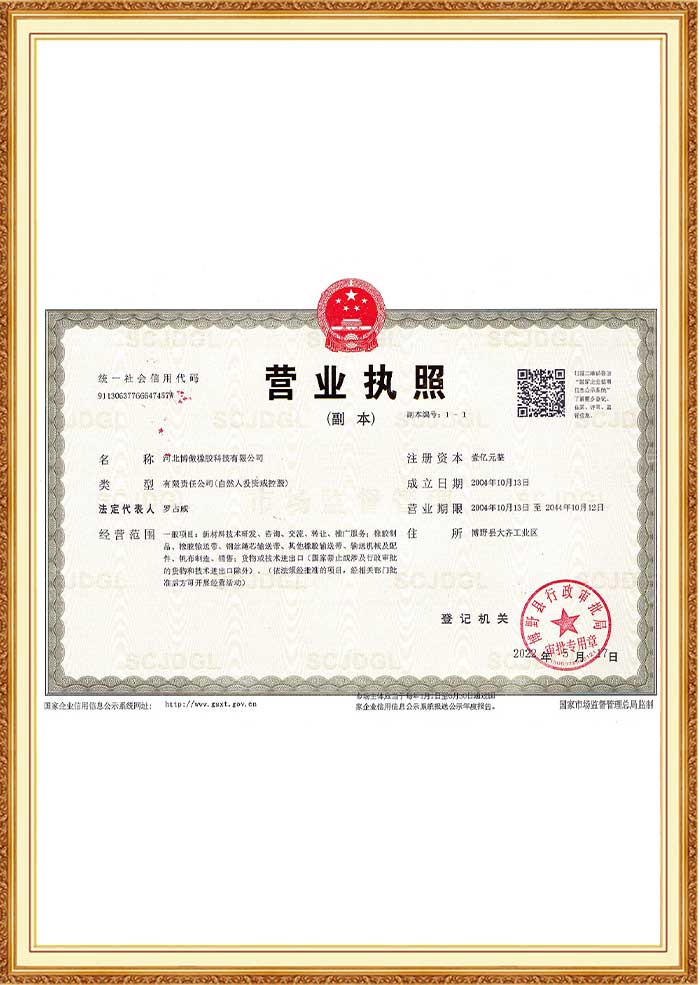
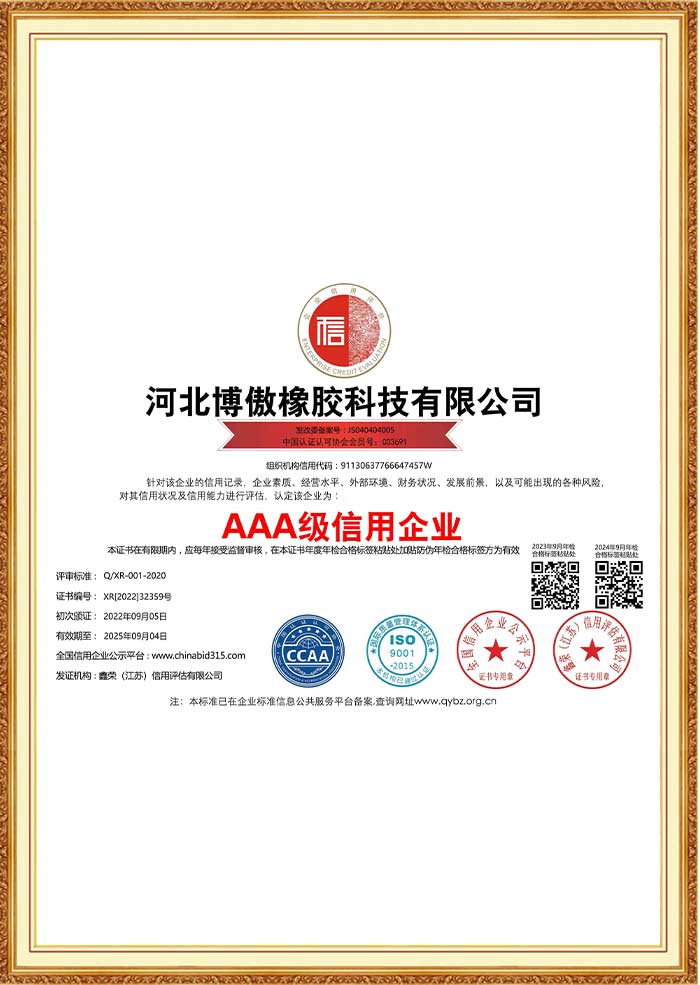
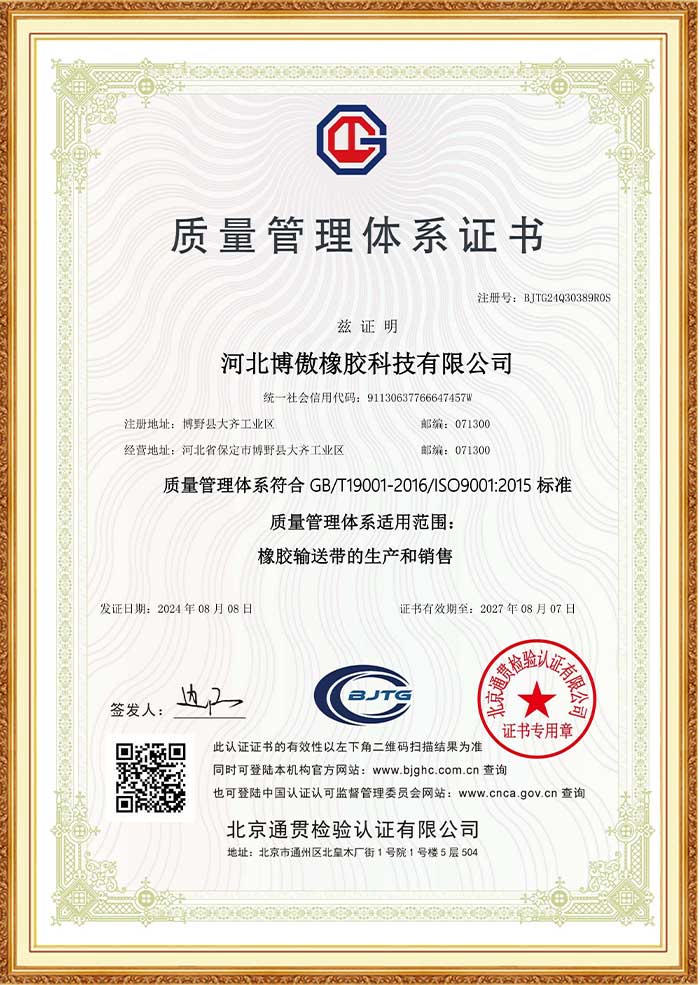
Our manufacturing and processing lines hold comprehensive international quality management certifications.
Global Partnerships & Case Studies
Demonstrated performance under heavy loads with leading mining, steel, and cement groups.
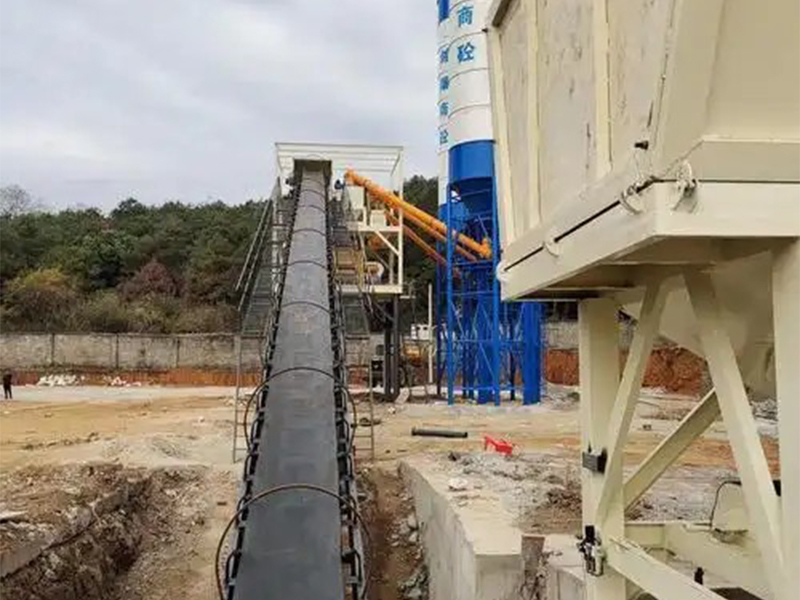
China Railway Group Mixing Plant
Conch Cement
Datong Coal Group
Tsingshan Group
Jidong Cement Group
Jinmei Group Coal Conveying Line
Taihang Steel
Puyang Steel Group
Technical Service & Operational Maintenance Plan
Comprehensive service plans to maximize equipment lifetime and reduce unexpected system downtime.
Service Scope & Supply
We supply durable conveyor skirting, wear-liners, and dynamic sealing parts. Our teams help design regional warehouses to maintain critical safety stocks, ensuring short lead times for rapid response.
On-Site Inspections
Our service programs provide planned replacement, scheduled inspection, vulcanized bonding, and preventative repair work. Regular inspections help identify belt misalignments before they lead to structural damage.
Operational Service Standards
Our technical service programs aim to reduce material loss, limit dust emissions, and extend conveyor belt service life. We work with operations teams to ensure mutual benefits through clear service level agreements (SLAs).
Industrial Q&A (FAQ)
Get answers to common engineering questions about conveyor skirting systems, wear compounds, and installation procedures.
Q1: What is the primary function of a conveyor skirting system?
A: A conveyor skirting system is designed to seal the gap between the static transfer chute and the moving conveyor belt. By maintaining a continuous seal, it prevents fine dust and bulk materials from spilling, helping to reduce clean-up labor and protect mechanical parts from dust-related wear.
Q2: How does a dual-seal skirting system differ from single-seal designs?
A: Dual-seal skirting uses a primary wear-resistant inner seal to contain bulk material, and an outer flexible membrane seal to capture fine dust. This two-stage containment handles high material volumes while preventing dust leakage during belt fluctuations.
Q3: What Shore A hardness is recommended for rubber skirting?
A: Skirting rubber typically ranges between 50 to 70 Shore A hardness. The chosen compound must be softer than the conveyor belt cover itself to ensure that the skirting wears down over time rather than scoring or damaging the belt.
Q4: When should you choose polyurethane over natural rubber skirting?
A: Polyurethane offers higher tensile strength and abrasion resistance, outlasting rubber by 3 to 5 times in abrasive applications like iron ore, sinter, and crushed glass, which helps extend replacement intervals.
Q5: How do conveyor skirting systems reduce overall operational costs?
A: By preventing spillage, skirting systems protect idlers from jamming, stop build-up on pulleys, and reduce the need for manual cleanup, leading to fewer unplanned shutdowns and lower maintenance costs.
Q6: Can skirting systems withstand oil and chemical exposure?
A: Yes, we manufacture skirting using specialized NBR (nitrile) and polyurethane grades that resist oils, fats, and chemical agents common in fertilizer plants and chemical processing facilities.
Q7: What causes a conveyor belt to groove under the skirting area?
A: Grooving is usually caused by trapped materials under the skirt, or using skirting material that is too hard. Ensuring proper installation clearances and using softer skirting rubber helps prevent belt scoring.
Q8: How often should skirting systems be inspected and adjusted?
A: We recommend monthly checks for standard applications and weekly checks for high-tonnage primary transfer points to ensure the skirting is adjusted for normal wear and continues to seal effectively.
Q9: What options are available for quick-change skirting installations?
A: We provide quick-clamping systems with toggle clamps or wedge pins. These allow technicians to release, adjust, and re-clamp the skirting in minutes without requiring tools or hot work permits.
Q10: Are Jinao skirting systems compatible with standard CEMA conveyor designs?
A: Yes, our skirting systems and support accessories are designed to meet or exceed CEMA and DIN standards, making them compatible with major bulk material handling layouts worldwide.
Additional Conveyor & Industrial Products
Explore our complete selection of industrial conveyor belts, specialized heat-resistant options, and direct factory-source idlers.
Best Patterned Rubber Conveyor Belt from China Factory
 Boao Rubber