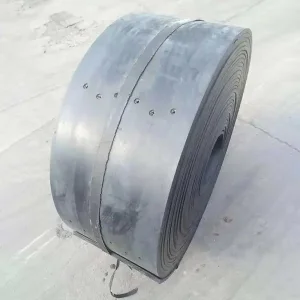
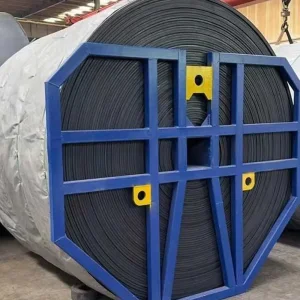
Explore our high-performance conveyor belts and idler roller assemblies engineered for demanding bulk material handling operations worldwide.
An in-depth analysis of load distribution, structural integrity, and E-E-A-T optimization parameters for bulk handling system designers.
In heavy-duty bulk material handling, the configuration of the belt conveyor support system represents the critical link between structural survival and mechanical efficiency. Among the most crucial system design coordinates is conveyor idler spacing. Miscalculations in this single metric lead to rapid component wear, material degradation, excessive power consumption, and catastrophic belt failures. Sourcing components from reliable China conveyor idler spacing suppliers & factories requires a profound engineering grasp of tension distribution, material load calculations, and the specific application environments under which the conveyor lines will operate.
At the center of idler spacing configuration lies the physical control of catenary sag. The belt must remain supported to limit sag between adjacent idlers to a minimum of 1% to 2% of the span length under maximum load. Excessive sag increases the indentation rolling resistance (IRR) as the belt continuously traverses the localized dip over each idler roller. This demands greater motor torque, increases power consumption, and places immense shear stress on the rubber vulcanization layers.
Modern conveyor systems demand variable spacing configurations rather than a uniform "one-size-fits-all" layout. Under the rules governed by the Conveyor Equipment Manufacturers Association (CEMA) and ISO standards, several primary factors must shape your spacing calculations:
Heavier ores (e.g., iron ore, copper concentrate) demand significantly tighter idler spacing (sometimes under 1.0 meters) compared to agricultural grains or wood chips to prevent structural deflection of the steel wire core or synthetic fabric layers.
Wider belts carry a larger material cross-section, amplifying the weight per unit length. Furthermore, high-speed applications (exceeding 4.0 m/s) generate dynamic vibrational waves, necessitating tighter tolerances in alignment and spacing to control harmonics.
A 35-degree or 45-degree trough shape increases the self-supporting transverse stiffness of the conveyor belt. When the belt has higher structural rigidity, idler spacing can be marginally extended compared to flat configurations, provided sag limits are not violated.
Beyond carrying idlers, engineers must precisely determine the layout of impact idlers in the loading zone (typically spaced at 300 mm to 450 mm to absorb dynamic shock load) and return idlers on the non-carrying path (typically configured at double the interval of carrying idlers, generally between 2.4 m to 3.0 m).
| Belt Width (mm) | Material Bulk Density (< 1600 kg/m³) Spacing | Material Bulk Density (> 1600 kg/m³) Spacing | Recommended Return Idler Spacing |
|---|---|---|---|
| 500 - 800 | 1.5 meters (4.9 ft) | 1.2 meters (3.9 ft) | 3.0 meters (9.8 ft) |
| 1000 - 1200 | 1.4 meters (4.6 ft) | 1.0 meters (3.3 ft) | 3.0 meters (9.8 ft) |
| 1400 - 1600 | 1.2 meters (3.9 ft) | 0.9 meters (2.9 ft) | 3.0 meters (9.8 ft) |
| 1800 - 2200 | 1.0 meters (3.3 ft) | 0.8 meters (2.6 ft) | 2.4 meters (7.9 ft) |
In global supply chains, international procurement managers from regions such as North America, Europe, and Australia frequently face the dilemma of choosing between generic components and custom-engineered systems. Sourcing from a factory that understands the mechanical correlation between conveyor belt tension, idler roll diameter, and spacing ensures the long-term reliability of bulk handling operations.
When selecting a manufacturing partner in China, verify their testing and validation infrastructure. Reliable factories, such as Hebei Boao Rubber Technology Co., Ltd., operate in-house physical laboratories and chemical analysis centers. This equipment tests incoming synthetic polymers, steel cord tensile limits, and idler seal longevity under simulating corrosive mining conditions.
Different industrial operations present distinct environmental demands. Sourcing conveyor systems requires selecting materials and spacing layouts tailored to these local challenges:

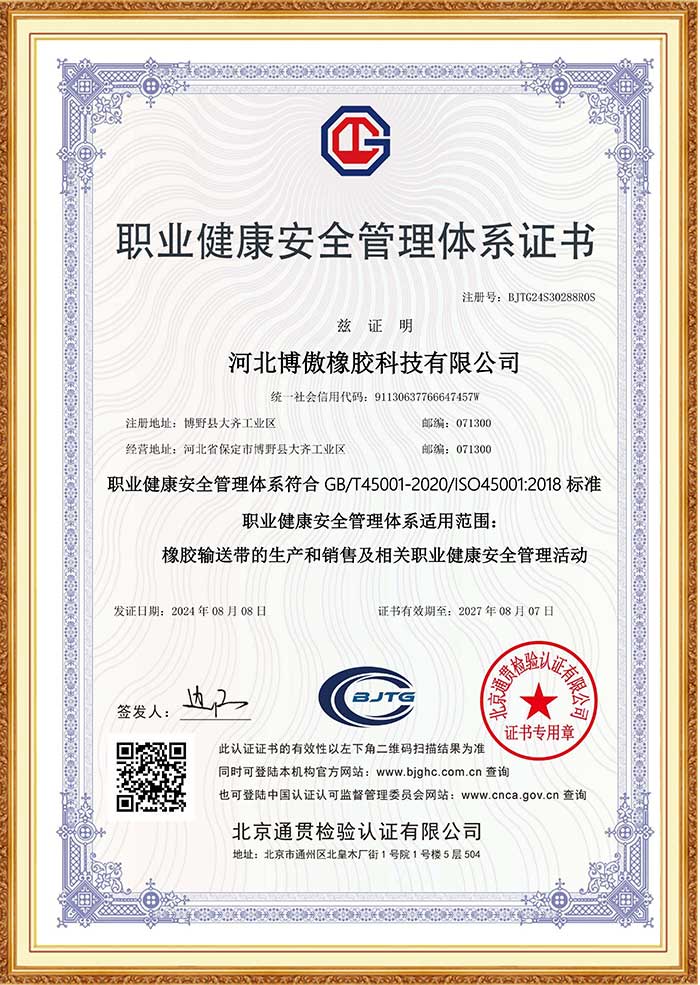
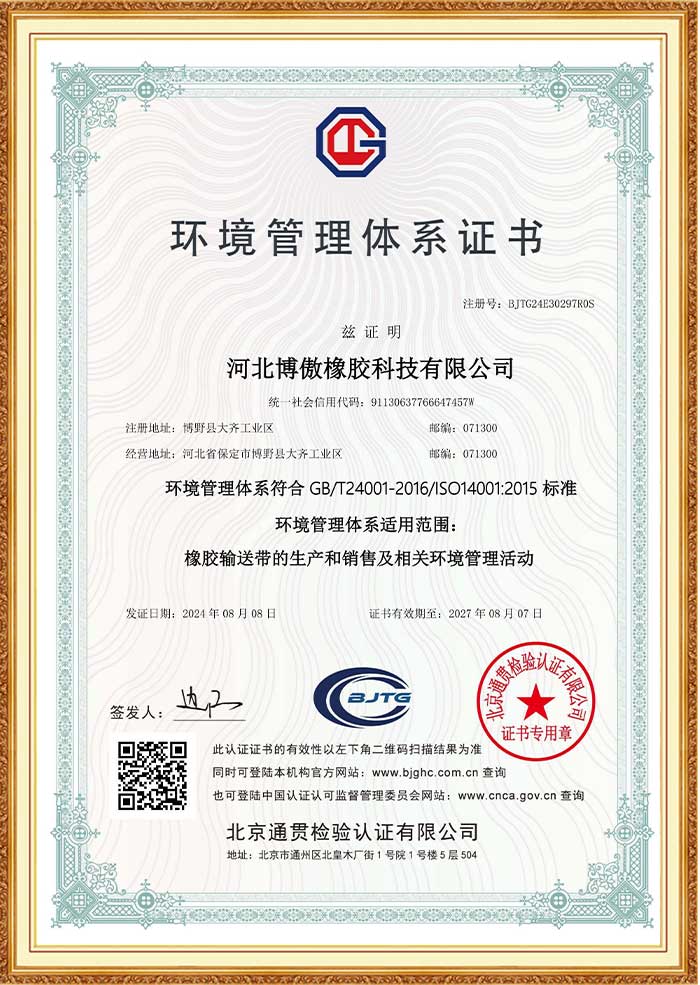
Established in 2004 and located in the boye County Rubber Industrial Park, Baoding, Hebei Province, Hebei Boao Rubber Technology Co., Ltd. is an ISO-certified enterprise specializing in bulk material handling products under the recognized brand name "Jinao".
Spanning over 30 acres, our production facility houses multiple automated lines for rolling, vulcanizing, forming, and quality testing. Our manufacturing operations run under strict quality management systems, ensuring all raw materials and finished products are fully verified before dispatch.
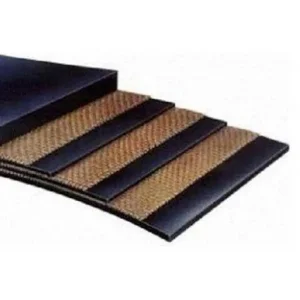
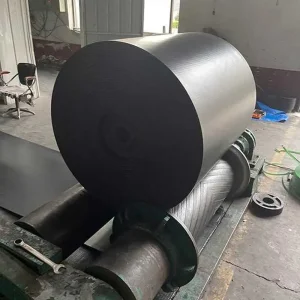
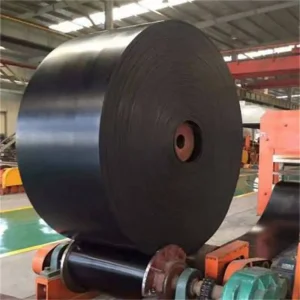
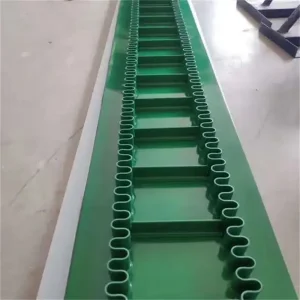
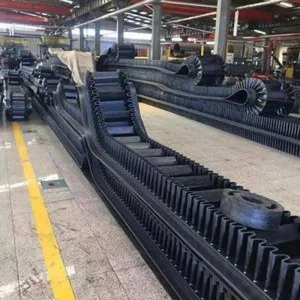
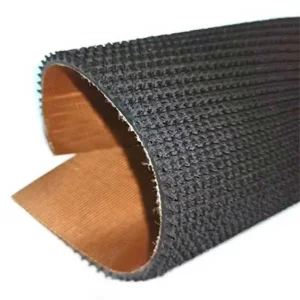
Belting Solutions: Polyester (EP), Nylon (NN), and cotton-layered belts, steel wire core belts, high-inclination corrugated sidewall belts, flame-retardant belts, heat/chemical-resistant belts, and custom patterned belts.
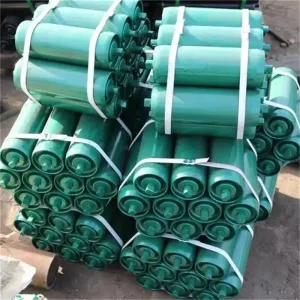
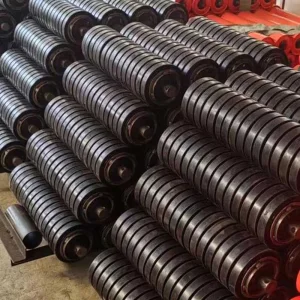
Support Components: Carrying and return idler rollers, rubber-buffered impact idlers, ceramic idlers, self-aligning brackets, electric pulleys, and customized framing accessories.
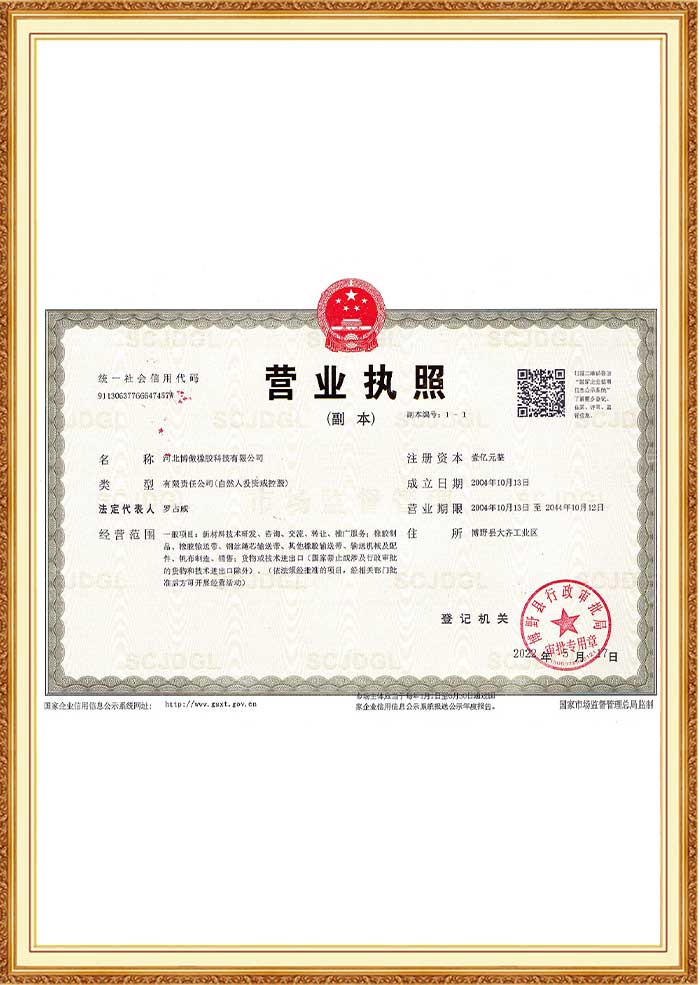
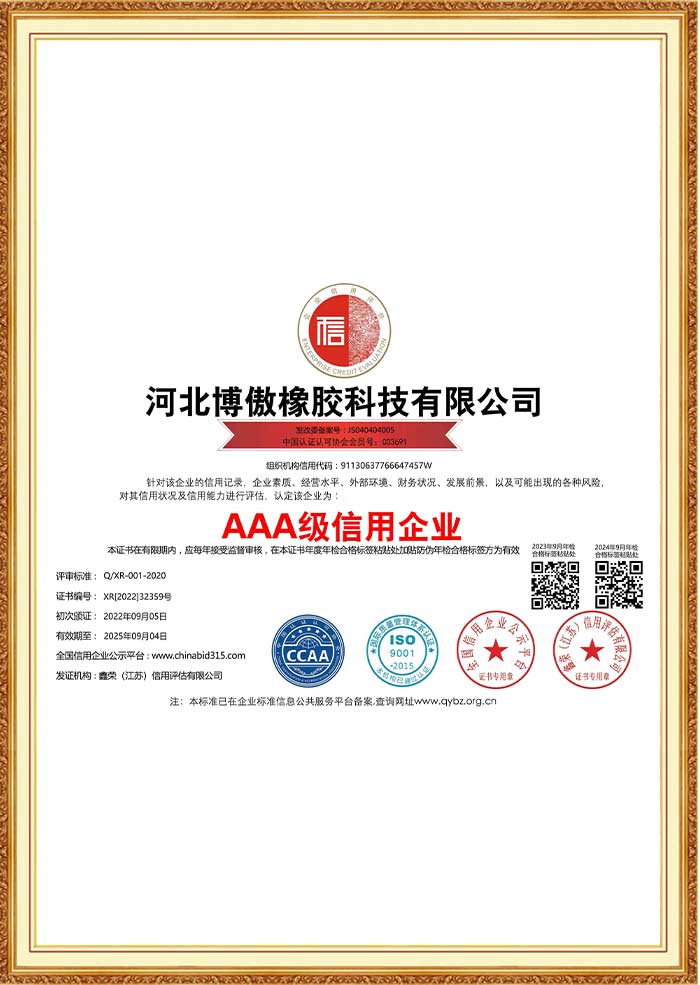
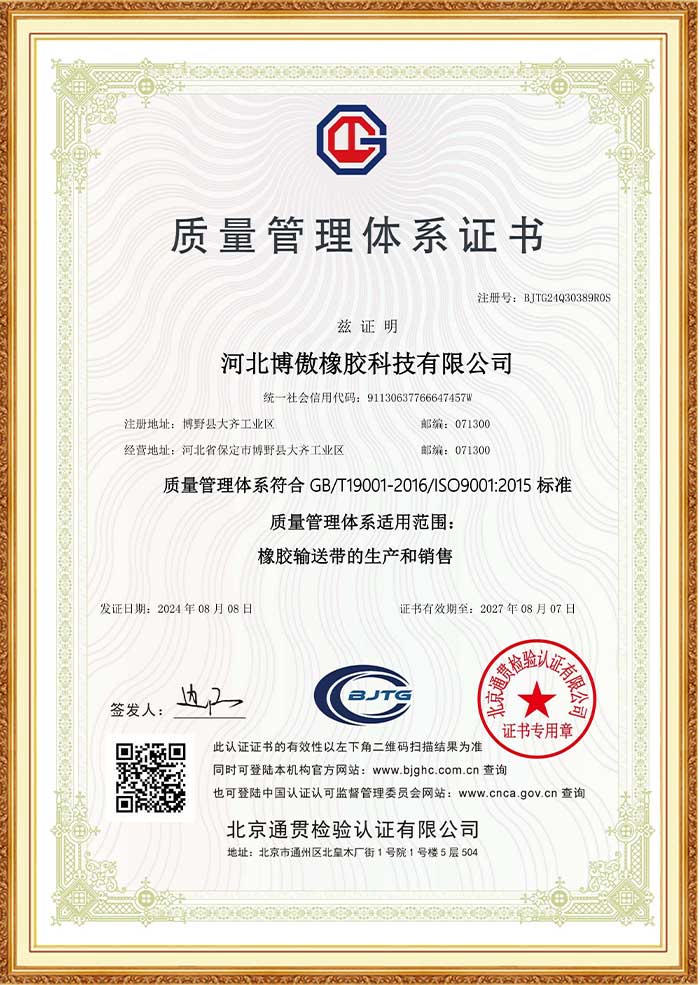
Our heavy-duty conveyor systems support bulk material transport operations across diverse industrial applications nationwide.
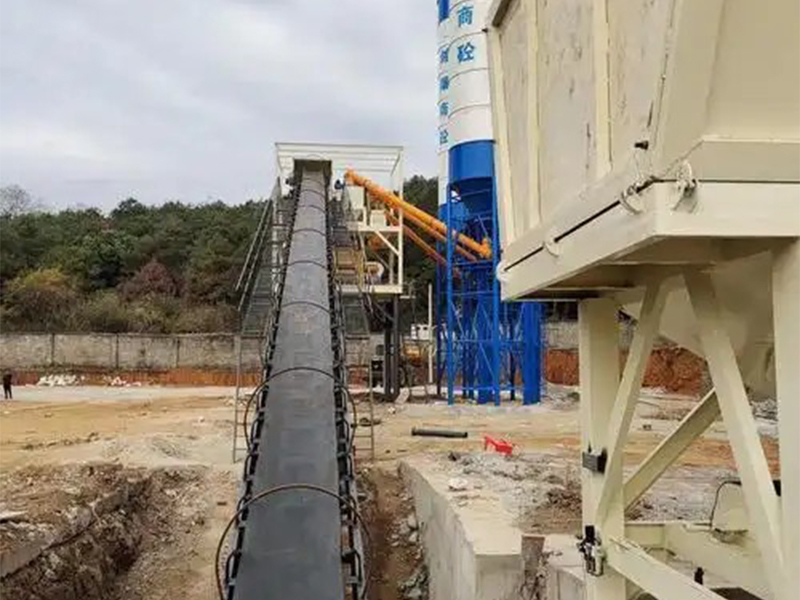
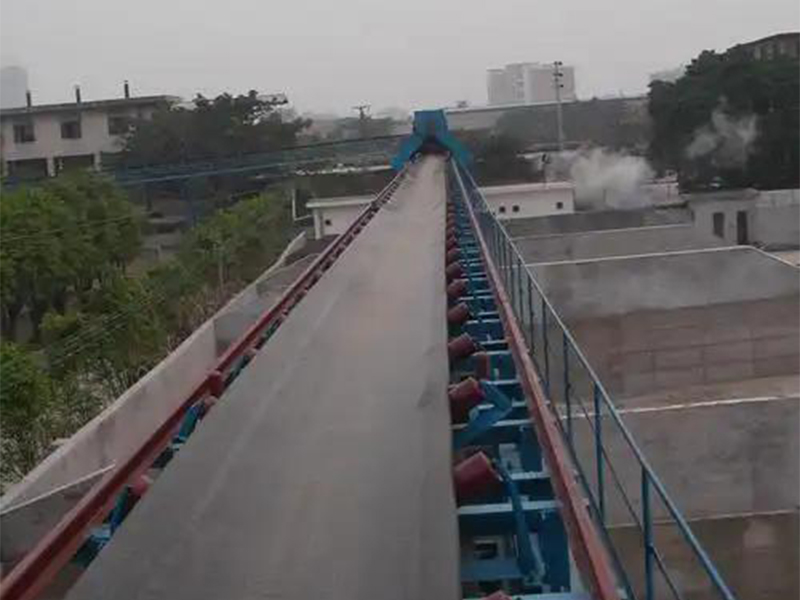
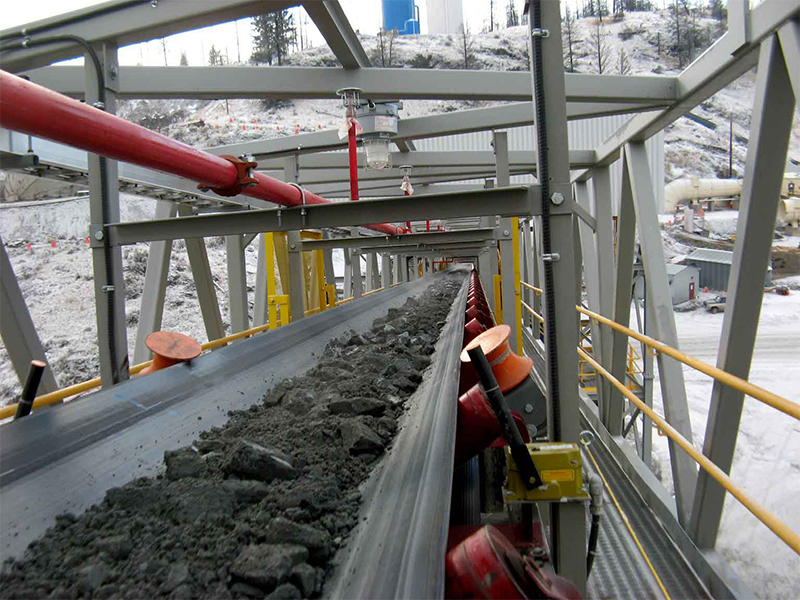
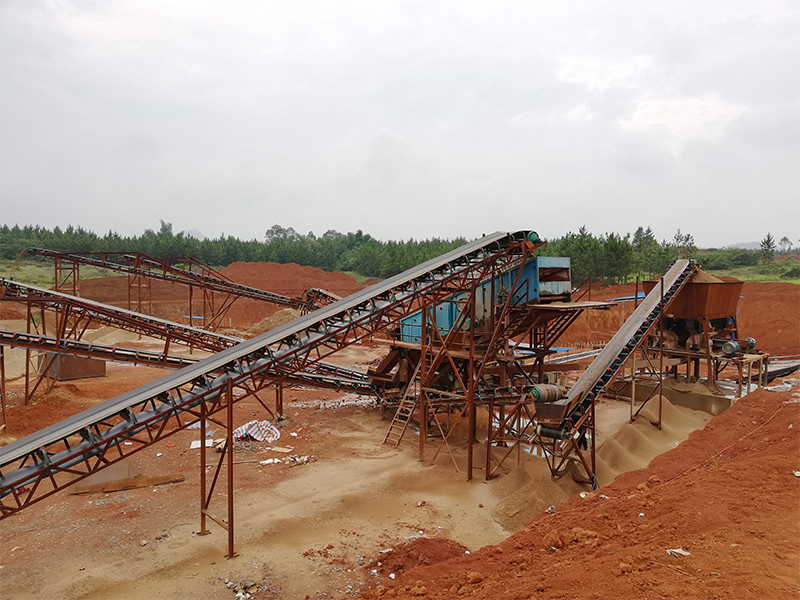
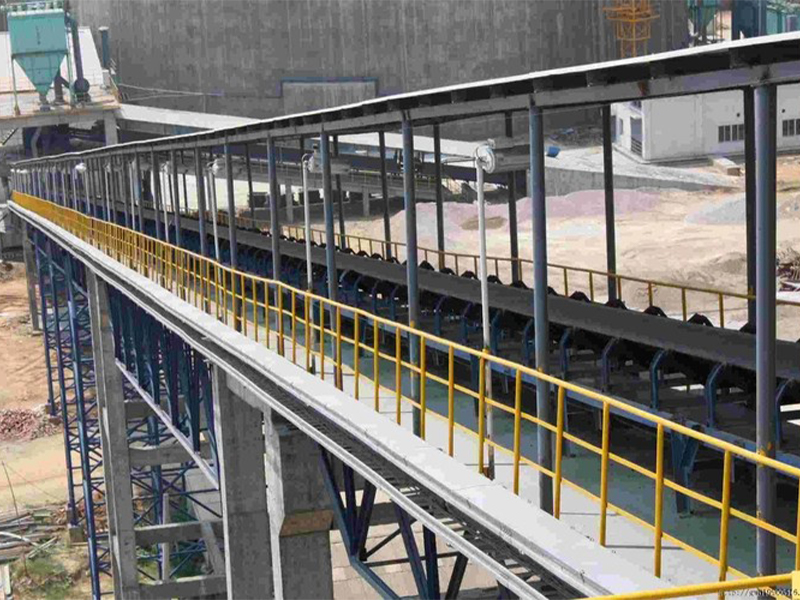
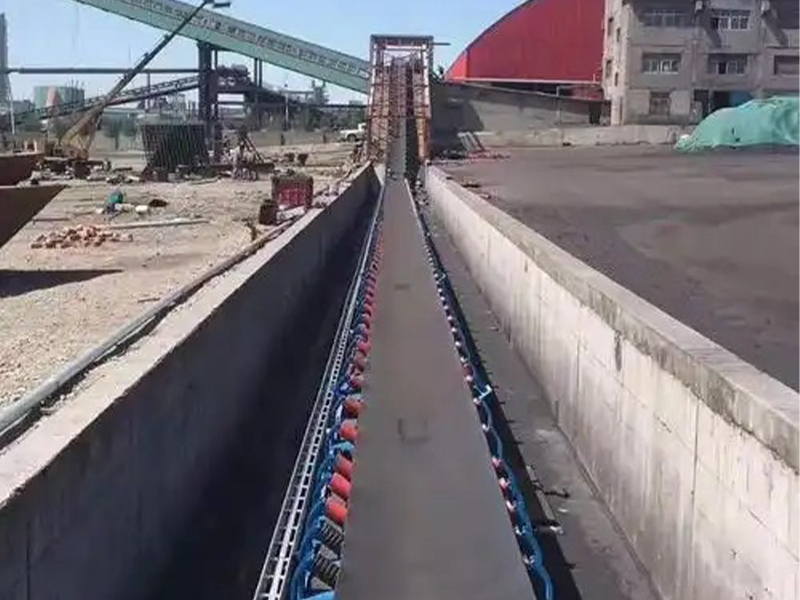
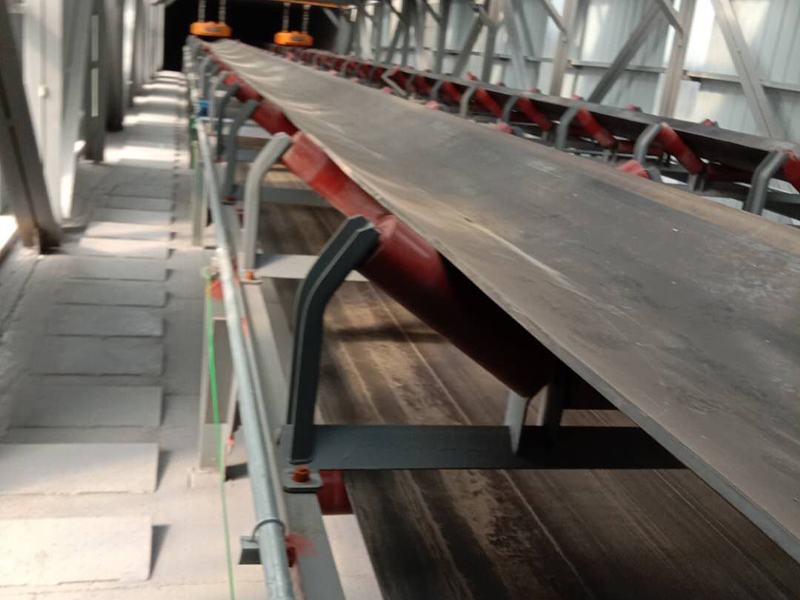
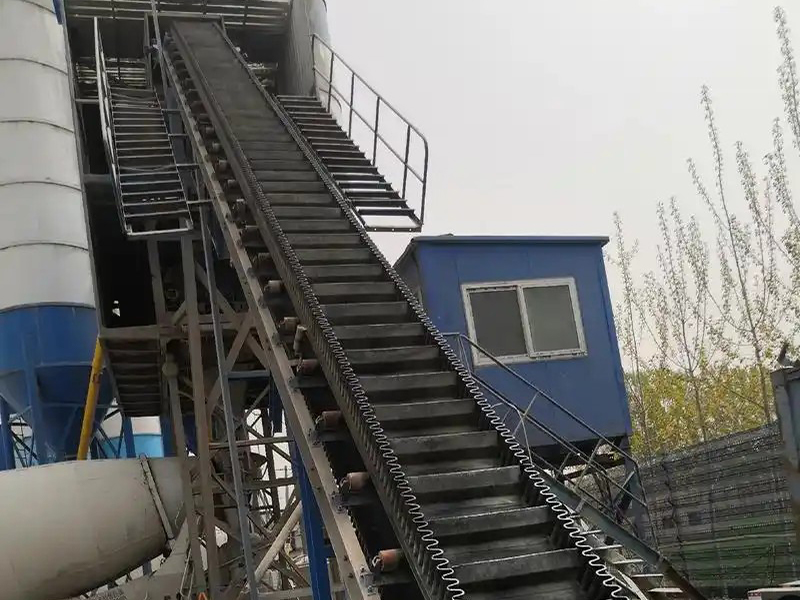
Optimizing conveyor performance requires proactive component replacement and proper preventative maintenance cycles.
We analyze material dynamics, structural loads, and speed requirements to plan the optimal belt selection and idler configuration.
We supply high-performance rubber belts and matching idlers, establishing buffer stock to prevent unexpected system downtime.
Our technical team assists with precision belt tracking, cold bonding, hot vulcanization splicing, and proper alignment of the idler sets.
We offer routine inspections, wear-profile analysis of rollers, and prompt emergency repair support to extend system longevity.
The global bulk material handling sector is transitioning toward higher automation, improved energy efficiency, and reduced environmental impact. Sourcing partners in China are adapting to these trends by implementing advanced manufacturing techniques and smart technologies:
Future conveyor layouts will increasingly incorporate temperature and vibration sensors directly within the idler assemblies to enable predictive maintenance and prevent unexpected roller failures.
Advanced factories are utilizing low-rolling-resistance (LRR) rubber compounds to minimize power consumption, alongside recyclable composite polymers for idler roller shells.
We employ automated welding, precision dynamic balancing, and advanced seal testing to ensure high reliability in heavy-duty conveyor systems.
Answers to common questions regarding idler spacing, load distribution, and material selection for conveyor systems.
When idler spacing is too wide, the belt sag exceeds the standard 1% to 2% limit. This causes the belt to continuously lift and flex as it passes over each idler roller, increasing rolling resistance, power consumption, and wear on the bottom rubber cover.
The loading zone requires impact idlers positioned at tighter intervals, typically 300 mm to 450 mm. This helps absorb the impact force of falling materials, protecting both the belt core and the support structure from damage.
Heavier materials require closer idler spacing to prevent excess deflection. For example, materials with densities over 1,600 kg/m³ typically require carrying idlers to be spaced at 0.8 m to 1.0 m, whereas lighter materials can use spacing up to 1.5 m.
Composite polymer idlers are lighter, run quieter, and offer superior resistance to corrosion and material buildup. They are particularly effective in high-moisture, chemical, or salt-laden industrial environments.
Explore our additional line of specialized conveyor belts and support components designed for heavy-duty industrial applications.
 Boao Rubber