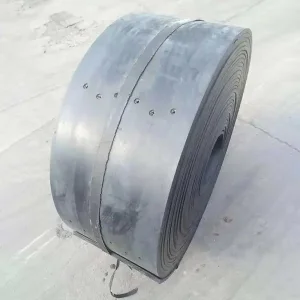
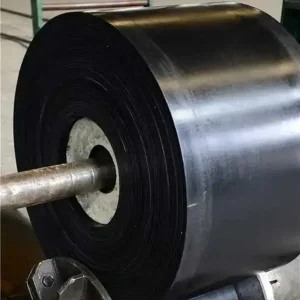
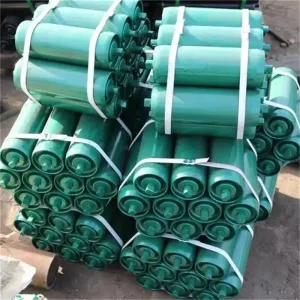
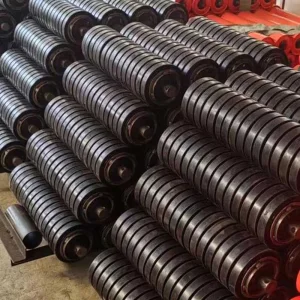
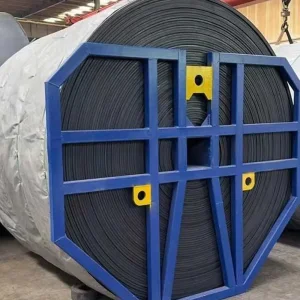
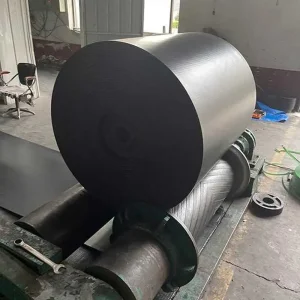
Engineered to handle high load dynamics under severe operational stress. Explore our specialized components.
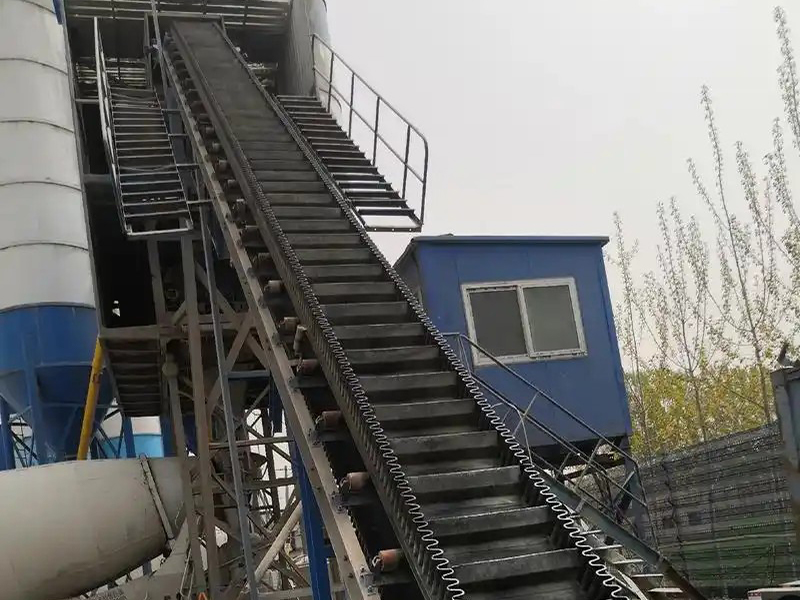
In heavy bulk logistics, transporting granular, powder, or lump materials up steep inclines represents a significant engineering challenge. Traditional smooth-surfaced conveyor belts fail when the angle of inclination exceeds the material's natural angle of repose, usually between 15 and 20 degrees. Sliders, slip-backs, and disastrous material loss inevitably occur.
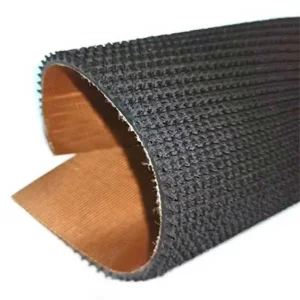
To overcome this limitation, the industry transitioned to patterned profiles. Among these, the **Concave Herringbone (Chevron) pattern** stands out as a highly specialized geometry. It combines two critical mechanics: lateral boundary retention and vertical mechanical containment. By forming a structured "pocket" with a central concave recess, these belts allow materials to pool in the center while the herringbone ribs prevent outward spilling. Consequently, materials can be safely conveyed at angles ranging from 25 to 45 degrees.
“Maximum operational efficiency on an incline is not achieved simply by adding height to the profile; it is determined by the synergy between cover rubber compounding, dynamic troughability, and the precise geometric pattern of the cleats.”
From a macro perspective, modern industries face continuous pressure to optimize workspace footprint and lower operational expenditures. Traditional conveyor setups require massive linear runs to reach elevated heights due to slope limitations. Incorporating Concave Herringbone Belting allows project engineers to drastically shorten conveyor structures. This reduction in structure directly translates to smaller land requirements, lower structural steel costs, and a significantly reduced environmental impact during site development.
Safely elevates materials at angles up to 45 degrees, minimizing spatial footprints and structural setup costs.
Engineered concave shape provides continuous centering properties, stabilizing flow dynamics of wet and loose materials.
Constructed with dynamic vulcanized patterns molded directly into the base belt to prevent cleat separation.
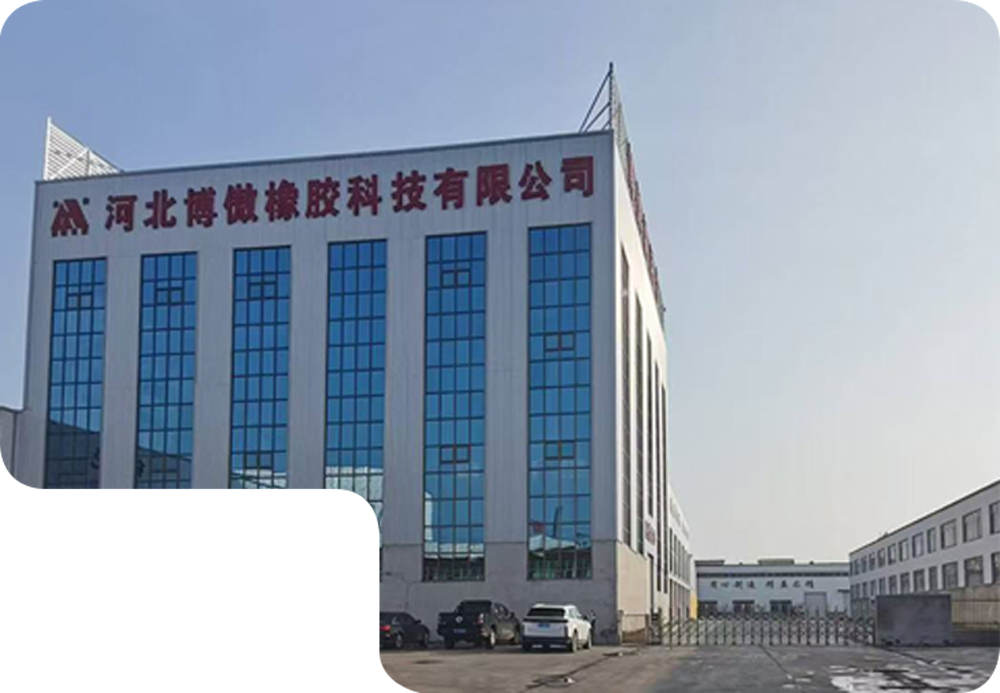
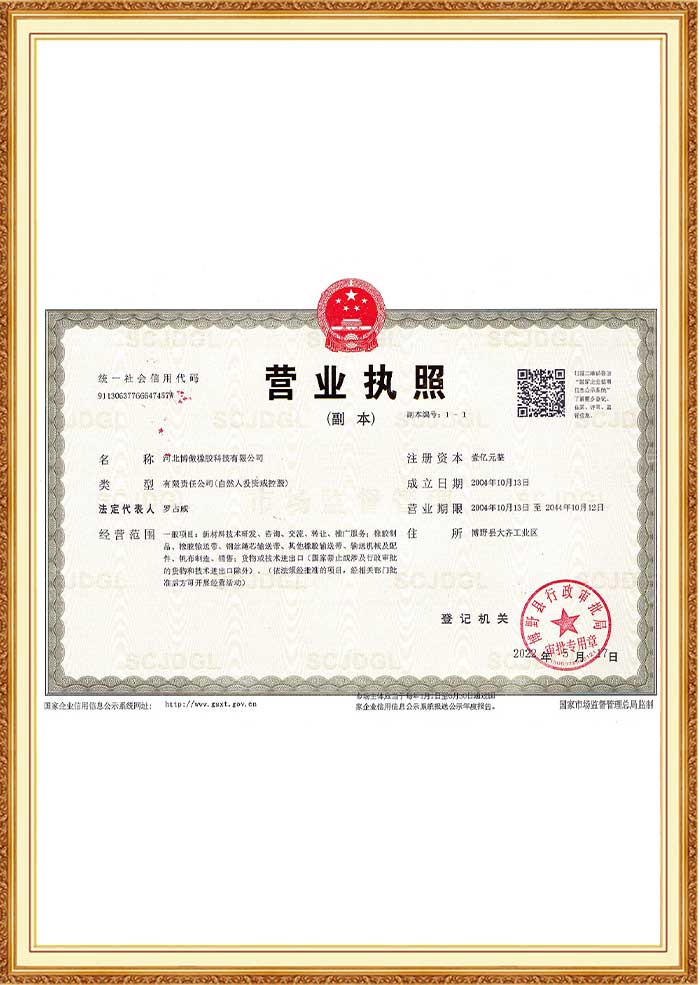
Hebei Boao Rubber Technology Co., Ltd. is located in the Rubber Industrial Park of Boye County, Baoding, Hebei Province, China. Founded in 2004, our facility covers an area of over 30 acres, establishing itself as a premier production hub for industrial belting.
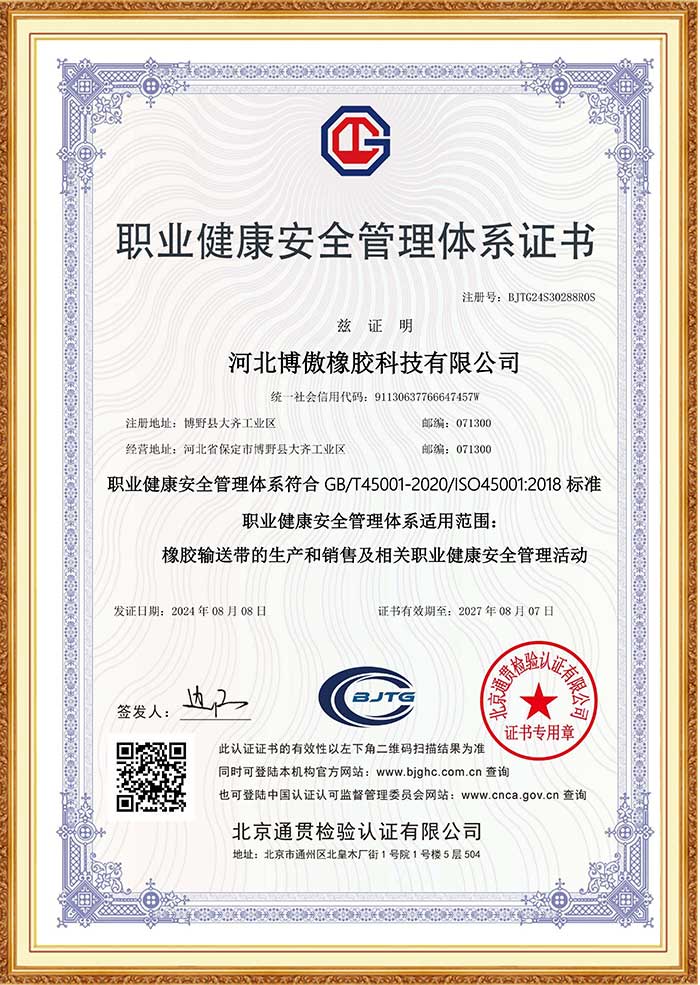
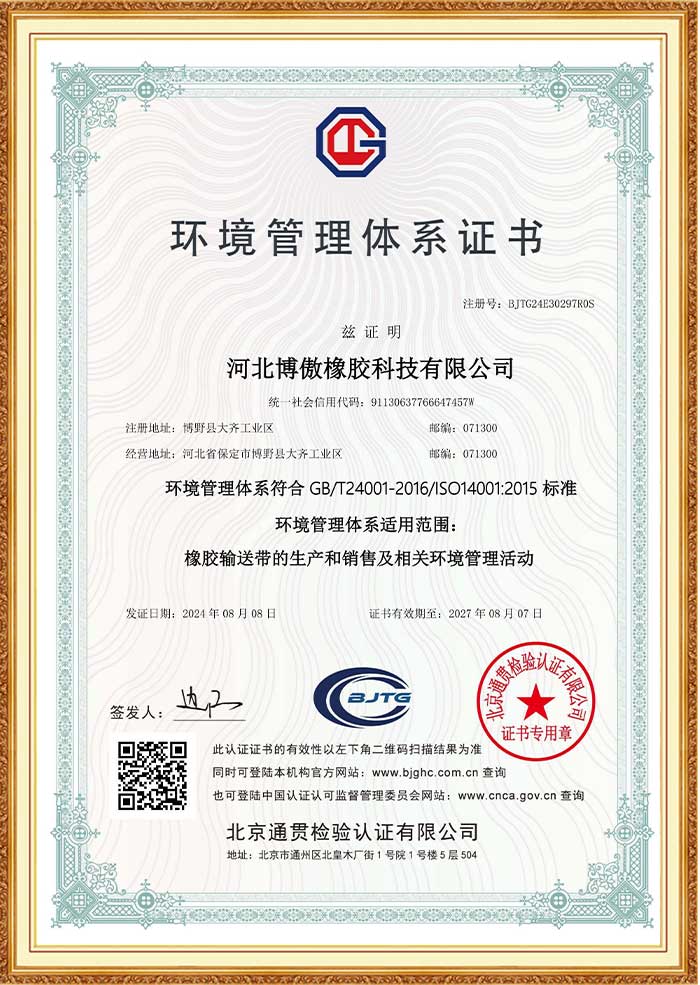
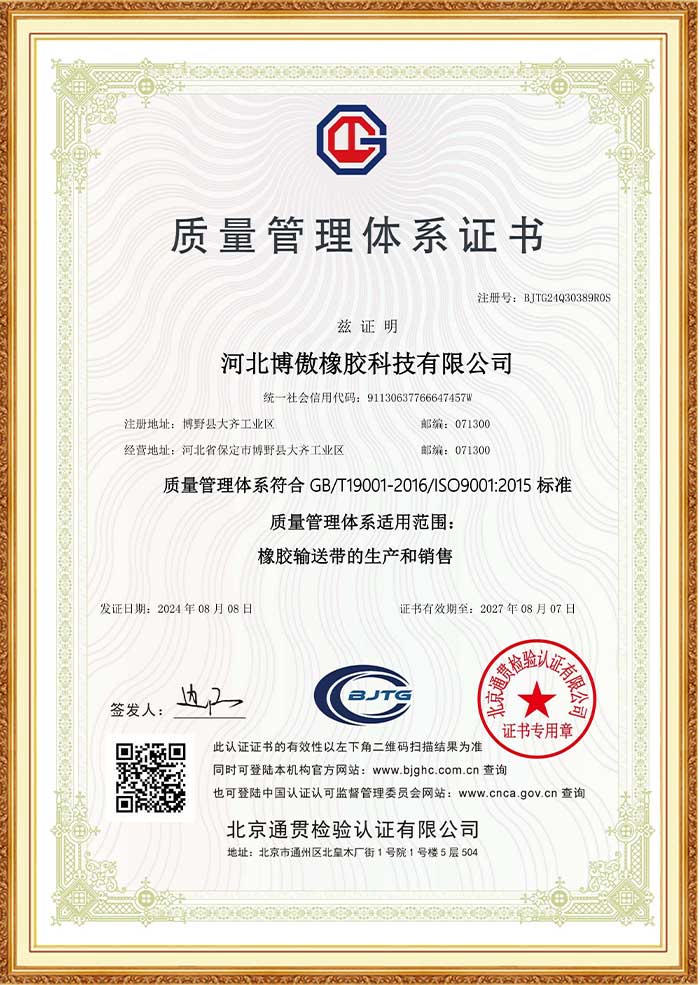
Under our flagship brand "Jinao", we integrate product development, scientific research, structural design, custom manufacturing, and global technical support. Our operations have successfully passed the international quality management system certification, reinforcing our commitment to reliable manufacturing standards.
Equipped with advanced production lines for rolling, forming, vulcanization, and chemical rubber testing, Hebei Boao controls quality at every stage, from raw elastomer selection to finished belt shipping.
A high-performance Concave Herringbone Conveyor Belt consists of several integrated layers designed to manage mechanical strain:
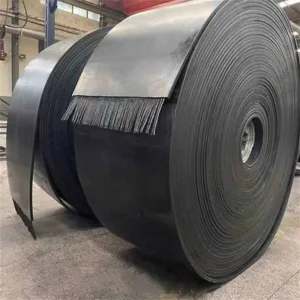
The carcass provides the necessary tensile strength and elasticity. Typically, we use **EP (Polyester-Nylon) fabrics** or **NN (Nylon-Nylon) fabrics**. EP fabrics feature low longitudinal elongation and high transverse flexibility, which helps the belt maintain its shape under load. For heavier long-distance applications, we integrate high-strength **Steel Wire Rope Cores** into the belt to support high tension with minimal elongation.
The cover rubber protects the internal carcass from mechanical damage, abrasion, and environmental exposure. It is formulated to meet international standards:
Unlike bonded cleat designs, our herringbone patterns are vulcanized directly onto the base belt during production. This process bonds the carcass, cover, and profile into a single piece of rubber, preventing the cleats from shearing off under heavy loads.
| Profile Type | Cleat Height (mm) | Maximum Incline Angle | Primary Application Materials | Standard Width (mm) |
|---|---|---|---|---|
| Low Concave Chevron | 15 mm | 25° - 30° | Grain, dry sand, fine coal dust, gravel mix | 500 - 1200 mm |
| Medium Concave Chevron | 25 mm | 30° - 35° | Wet concrete, wet sand, crushed ores, grain sacks | 650 - 1400 mm |
| High Concave Chevron | 32 mm | 35° - 45° | Sticky wet clays, large run-of-mine ores, wood chips | 800 - 1600 mm |
Our quality system is backed by two dedicated on-site departments:
Concave Herringbone Conveyor Belts are widely used in critical industrial sectors worldwide:
Designed to transport hot sinter, coke, iron ore pellets, and scrap metal up to blast furnace charge towers. These environments require high heat resistance combined with a herringbone pattern to prevent material fallback during steep climbs.
Used in underground coal mines, open-pit mines, and washing plants. The belt's self-centering concave shape keeps loose ores and wet coal slurries centered, preventing spillage and keeping materials away from the structural framing.
Essential for conveying limestone, clay clinker, gypsum, and coal dust to silos and boilers. The concave herringbone design allows for steep vertical lifts, helping plants optimize their layout within tight footprints.
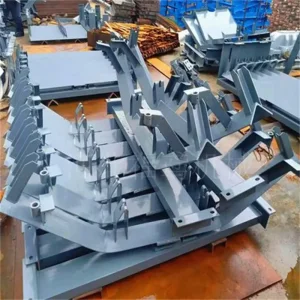
Our technical team helps clients select and integrate the correct belt profiles into their conveying systems. We advise on proper pulley diameters, transition distances, scraper designs, and idler positioning to ensure long-term performance and reduce wear.
Hebei Boao provides reliable conveying products to leading heavy-industry enterprises.
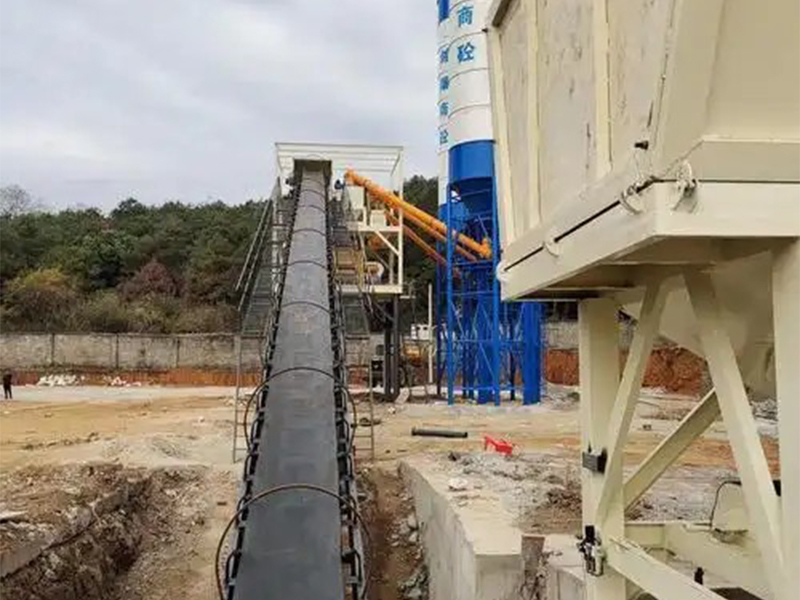
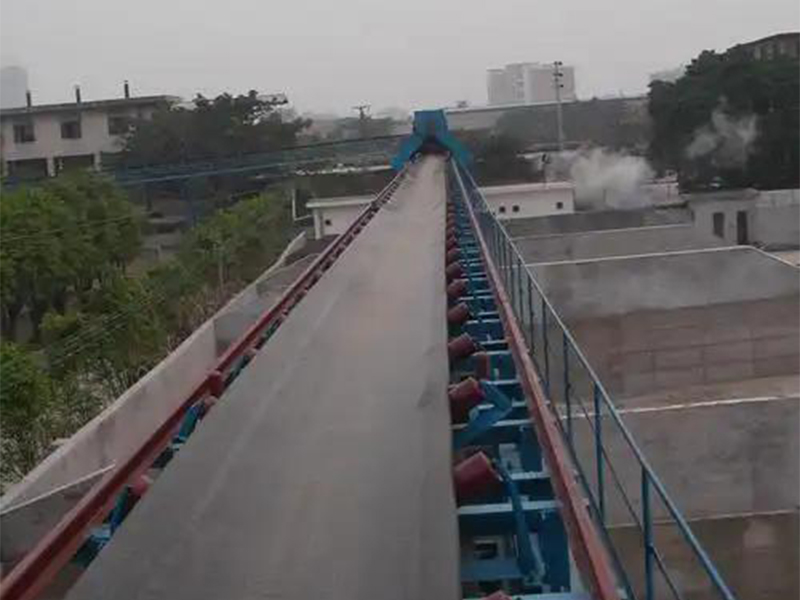
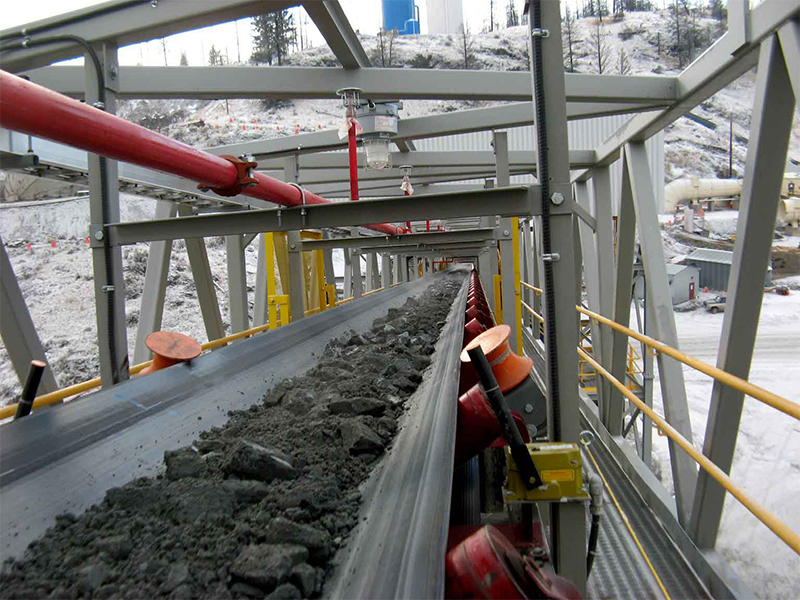
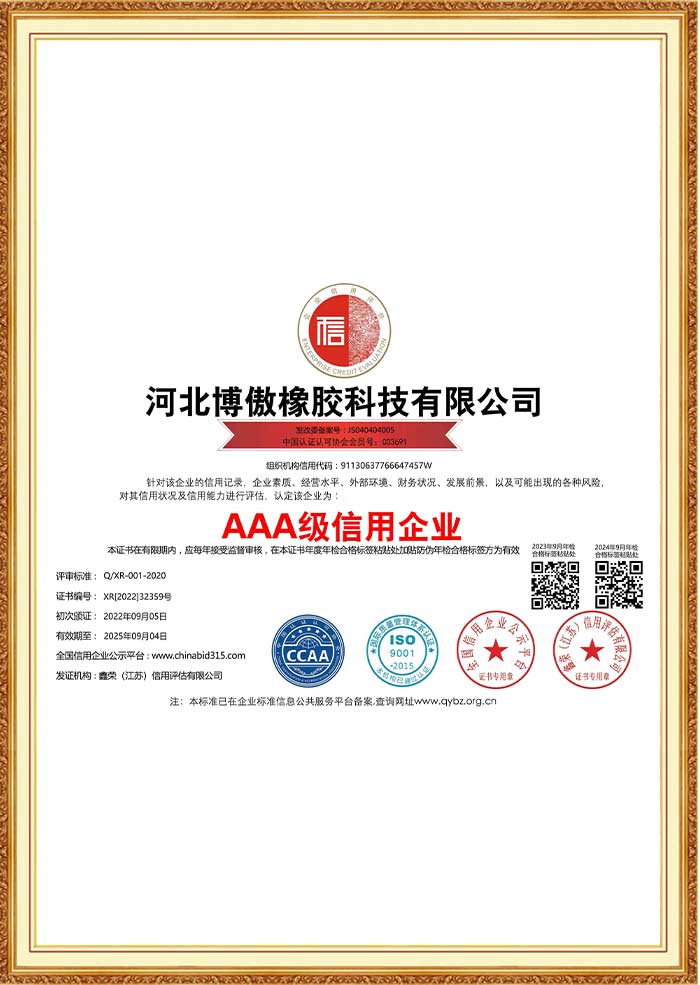
Our quality management systems are certified to meet international engineering standards. We verify all physical properties before shipping.
We provide comprehensive lifecycle support for our conveyor belts to help clients minimize unscheduled downtime. Our technical services include:
Our service teams assist with scheduled belt replacements, cold bonding, and hot vulcanized splicing. Proper splicing ensures joint integrity and matches the strength of the main belt.
We work with clients to maintain safe inventory levels, ensuring that critical replacement belts are available to prevent extended downtime.
Our field engineers inspect existing conveyor paths to identify alignment issues, premature wear, and cleaning system performance, recommending improvements to extend service life.
Technical answers to common engineering questions regarding Concave Herringbone Conveyor Belts.
Explore our full range of heavy-duty steel wire rope, heat-resistant, and structural belt components.
Contact our engineering team to request technical designs, cover compounding options, and project quotes. We are committed to providing high-quality products and technical support for your operations.
Send Inquiry Boao Rubber