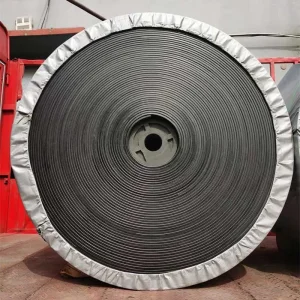
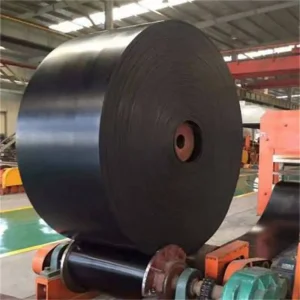
In modern industrial operations, the selection of heavy-duty transmission rubber belts and conveyor networks forms the vital foundation of process efficiency. Worldwide, material handling technologies must handle massive quantities of abrasive, hot, chemically corrosive, and dynamically heavy loads without failing. Operating in fields like mineral extraction, iron and steel production, chemical processing, infrastructure building, and grain logistics, engineers face one main goal: reducing unplanned downtime while maximizing system life.
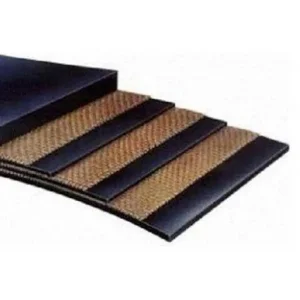
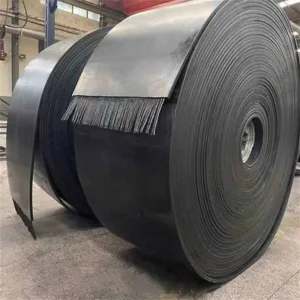
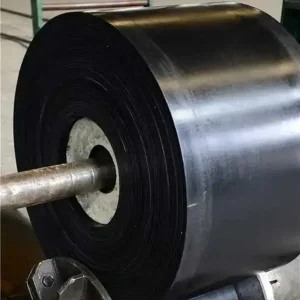
As standard systems get faster and loads get heavier, simple rubber layouts are no longer enough. Modern rubber belts function as complex, engineered units. They combine advanced synthetic elastomers with strong reinforcement structures, such as high-tensile steel wire ropes, multi-ply nylon (NN) fabrics, and polyester-nylon (EP) textiles. These advanced systems are built to withstand high tension, resist tearing, handle heavy impact at loading points, and stay flexible even when running around pulleys for years. By choosing high-quality rubber belts, industrial plants can significantly lower their total cost of ownership (TCO) and make their operations much safer.
Established in 2004, Hebei Boao Rubber Technology Co., Ltd. is located in the Rubber Industrial Park of Boye County, Baoding, Hebei Province. Over the last two decades, the company has grown into a major hub for conveyor belt research, design, production, and professional technical support. Boao's facilities span more than 30 acres, hosting a series of modern manufacturing lines that cover every step of the process—from rubber mixing and fabric calendering to high-pressure vulcanization and testing.
Under our signature brand, "Jinao", we focus on producing robust, high-performance conveyor and transmission belts tailored to challenging industrial settings. Our production setup features computerized vulcanization lines, heavy duty multi-roll calenders, and dedicated labs for physical and chemical analysis. This integration ensures that every belt leaving our facility meets global standards like ISO, DIN, AS, and SANS, delivering reliable performance and long-lasting durability.
Our facility runs an independent testing lab. We verify every batch of rubber, reinforcing steel cord, and fabric before it enters production. Unqualified materials are rejected immediately, protecting the integrity of the finished belt.
We test our belts for key mechanical metrics, including tensile strength, elongation at break, ozone resistance, and abrasion loss. This thorough testing guarantees consistent performance on site.
Jinao belts serve heavy industries around the world. We offer comprehensive support, including custom packaging, cargo tracking, and on-site splicing assistance to keep operations running smoothly.
Industrial conveyor networks must perform under diverse, demanding conditions. Standard setups often struggle when exposed to extreme temperatures or harsh chemicals. Hebei Boao designs tailored systems to handle these specific challenges:
Designed for cement plants and steel works. We use EPDM and specialized curing agents to prevent the belt surface from cracking, hardening, or losing adhesion when carrying hot materials like clinker or sinter.
Built for sub-zero environments like northern mining sites. Formulated with high-grade natural rubber and butadiene blends, these belts remain flexible, prevent cracking, and avoid slippage on drive pulleys in freezing cold.
Essential for underground coal mines and grain terminals. Engineered with self-extinguishing covers to prevent friction heat or electric sparks from starting fires in confined spaces.
Made for fertilizer and chemical plants. We utilize synthetic polymers that resist swelling, structural breakdown, and loss of tensile strength when exposed to acidic or alkaline materials.
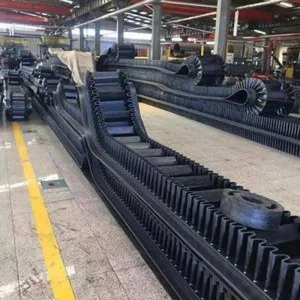
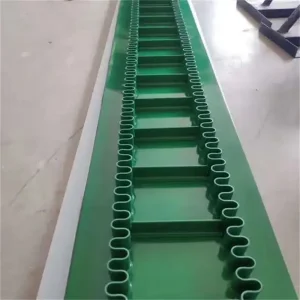
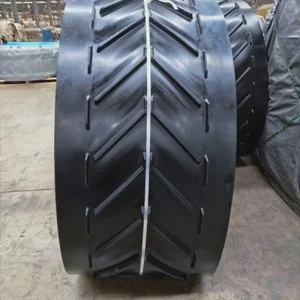
Ideal for urban tunneling or sites with limited space. Using corrugated sidewalls (wavy edges) and custom cleats, these belts carry materials up steep inclines (up to 90 degrees) without spilling.
Engineered for high-capacity, long-distance lines. High-tensile steel cords run lengthwise through the belt, providing high tensile strength and minimal stretch for long overland conveyers.
The global demand for high-strength industrial rubber belts is closely linked to resource extraction and infrastructure development. As mines go deeper and ports handle larger volumes, the need for reliable conveyor belts continues to grow. Industry standards like DIN 22102, AS 1332, and SANS 1173 establish baseline expectations for belt performance, focusing on tensile strength, abrasion resistance, and cover grade classifications. Jinao brand belts are engineered to meet and exceed these international benchmarks, ensuring seamless integration into global supply chains.
A key aspect of Jinao's E-E-A-T (Experience, Expertise, Authoritativeness, Trustworthiness) is our verification process. Our quality controls cover every stage of production, from raw materials to final shipment. We operate a dedicated chemical analysis lab and physical testing room, checking rubber tensile strength, elongation limits, and abrasion resistance. These steps ensure that only fully compliant products are released for delivery.
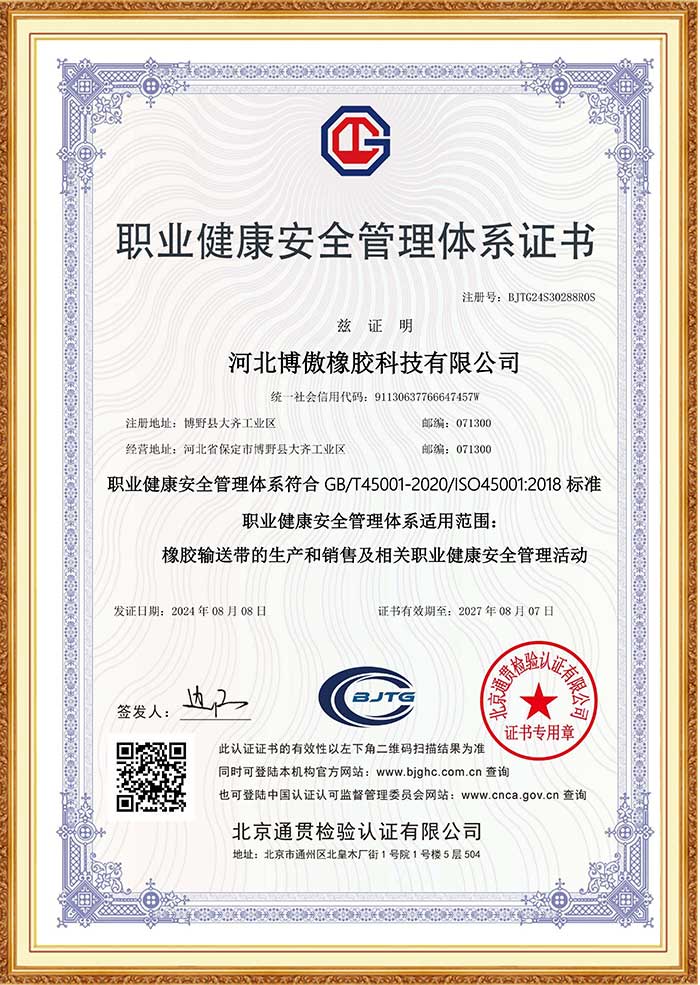
ISO Certificate 1
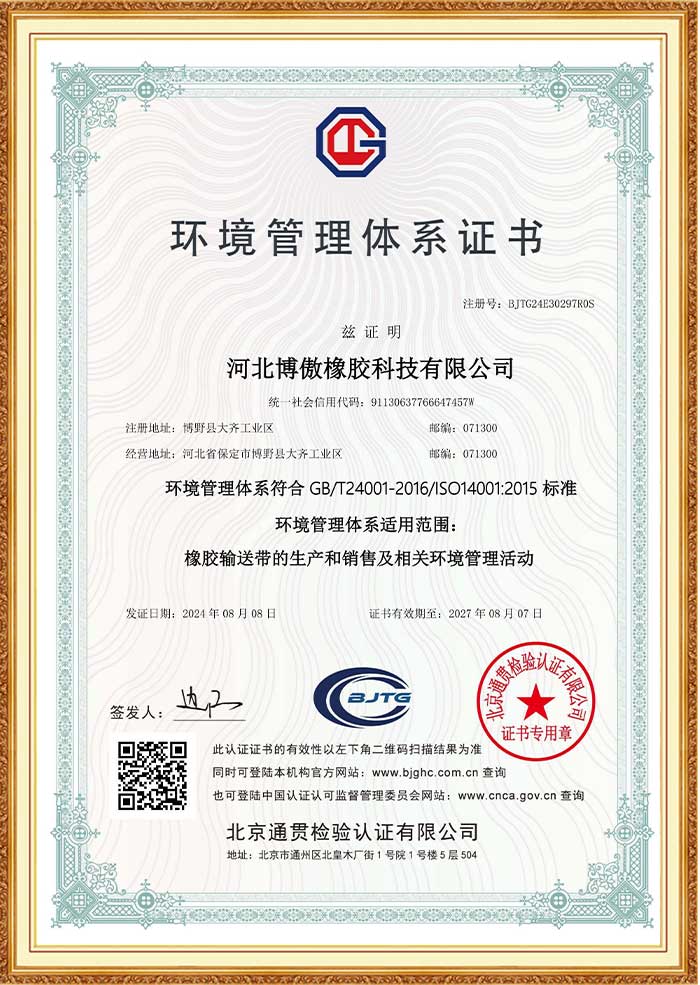
Quality System Certificate
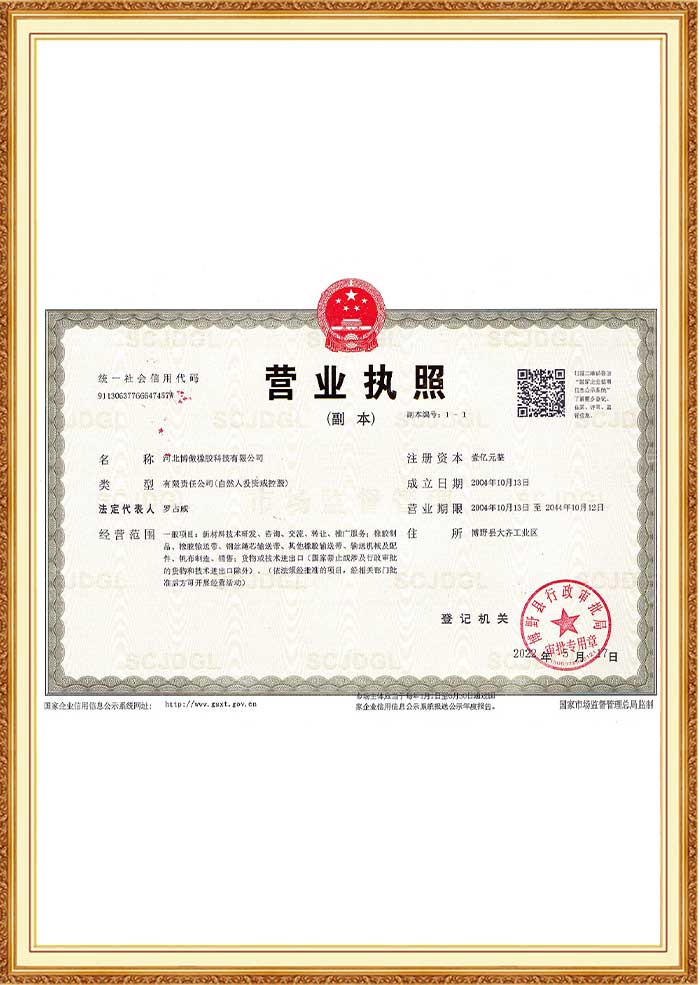
Production License
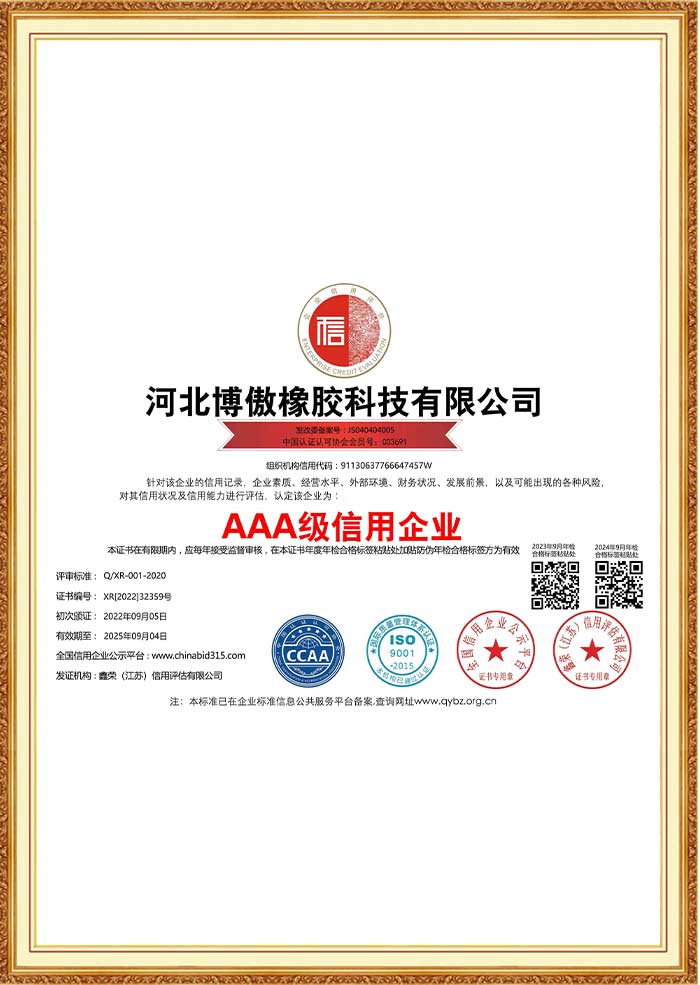
Environmental Permit
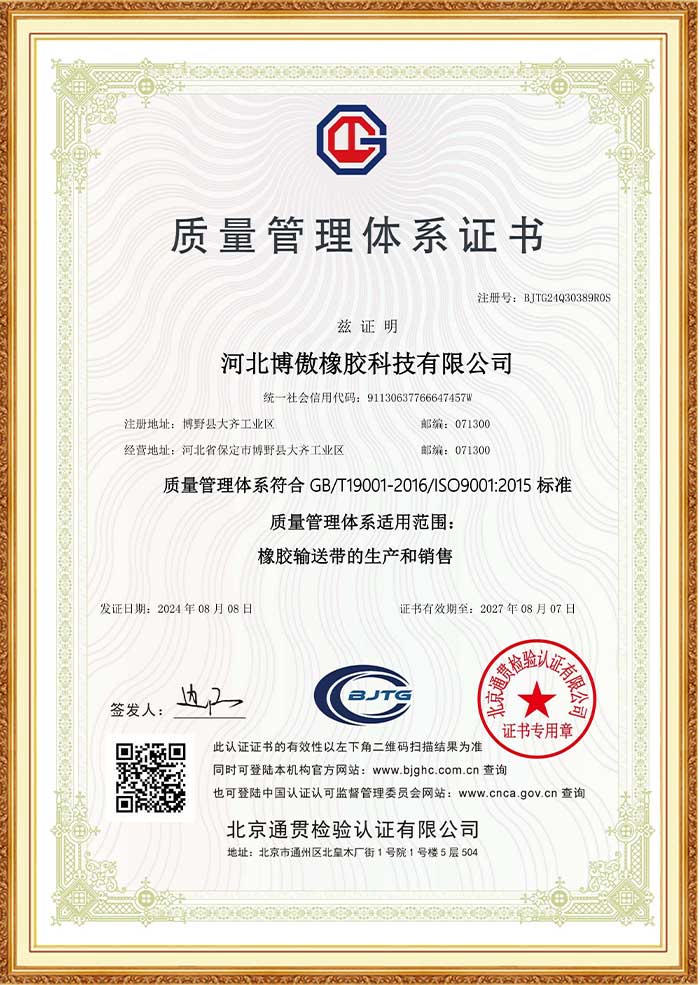
Safety Certificate
Jinao brand belts are used by leading industrial companies across multiple sectors, confirming their reliability in demanding real-world conditions. Below are several key case studies where Boao products have helped maintain steady material flow and reduce maintenance costs:
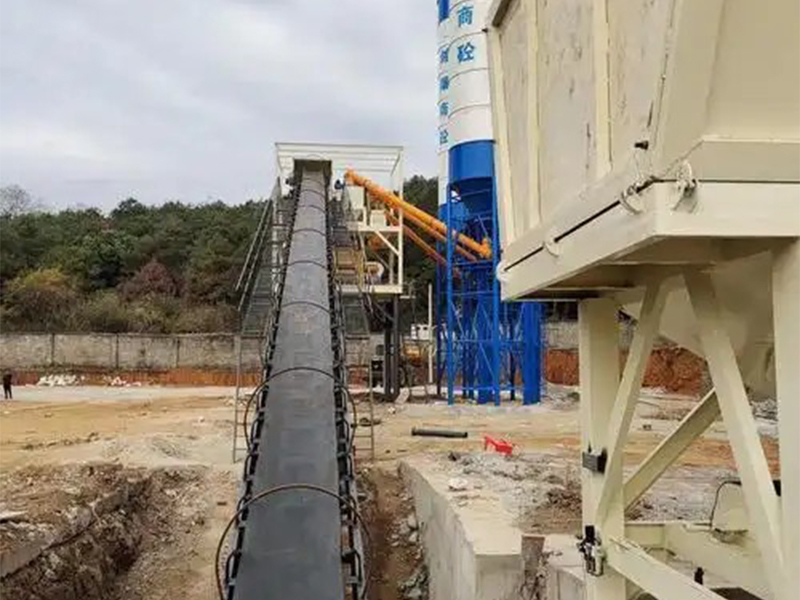
China Railway Group Mixing Plant
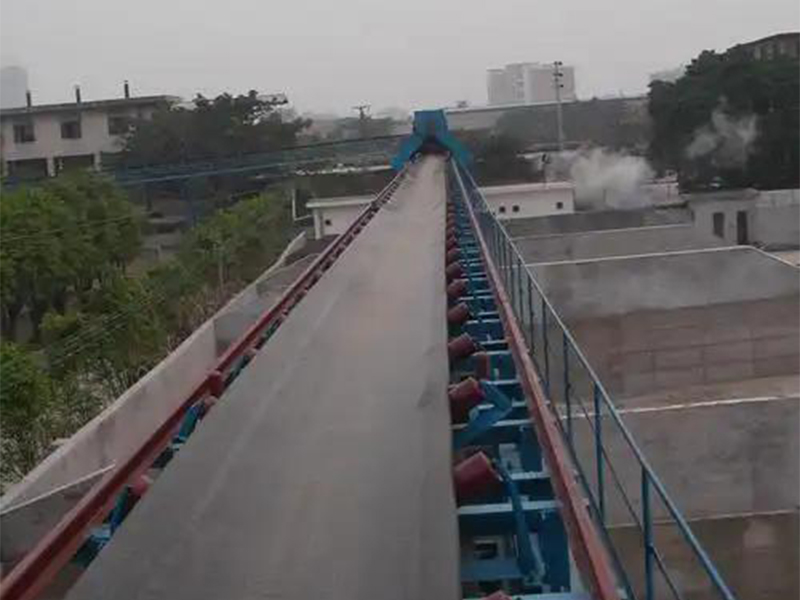
Conch Cement
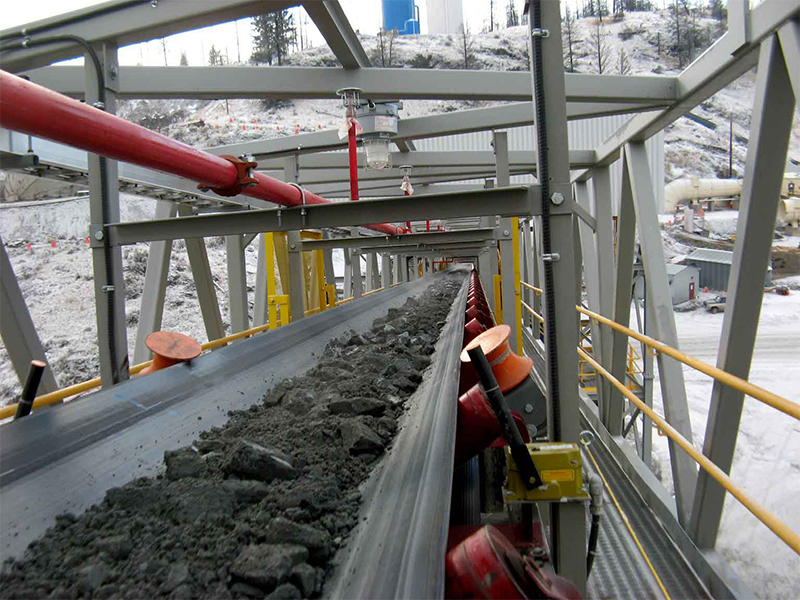
Datong Coal Group
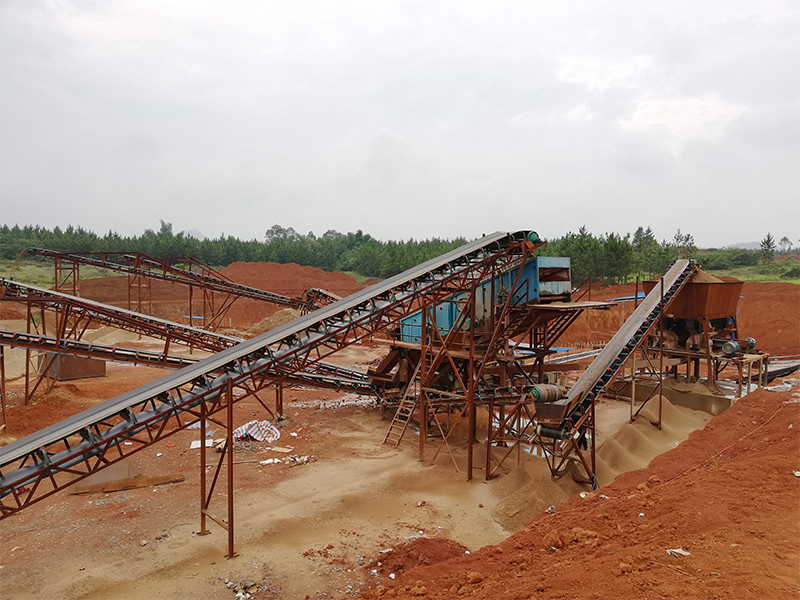
Tsingshan Group
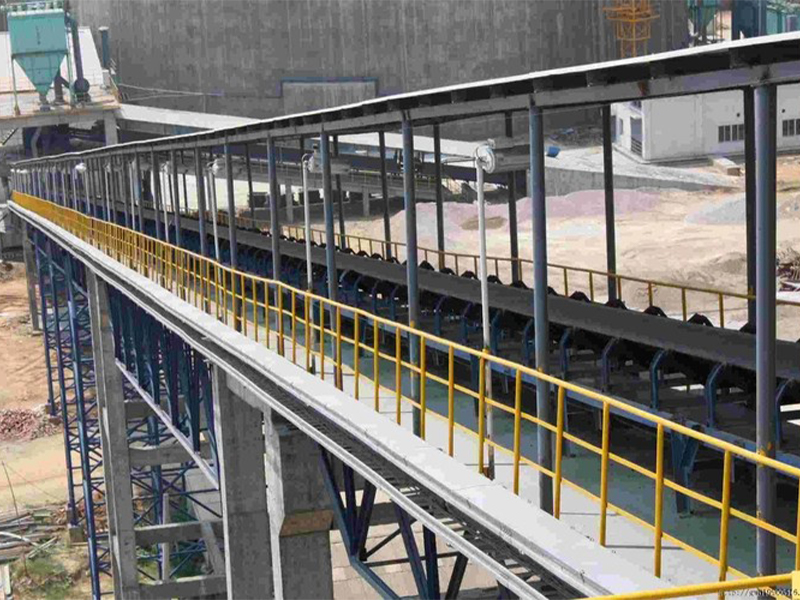
Jidong Cement Group
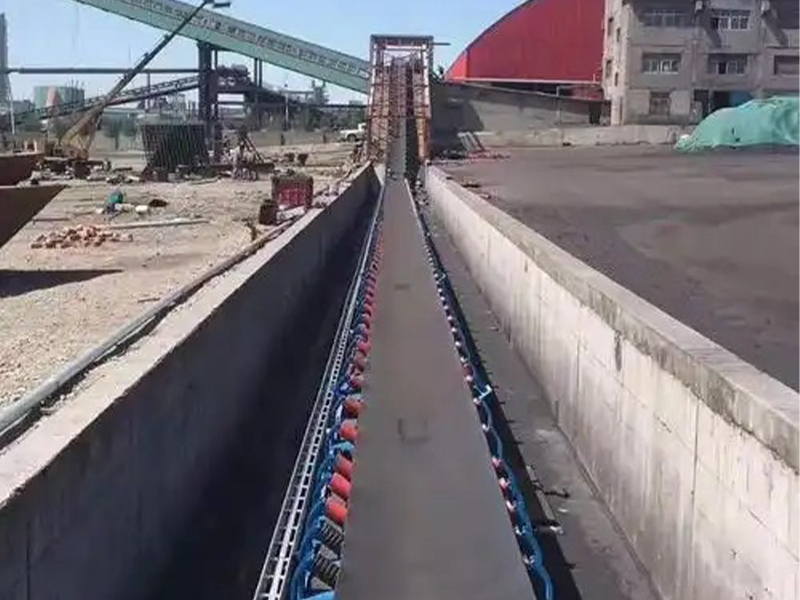
Jinmei Group Coal Conveying Line
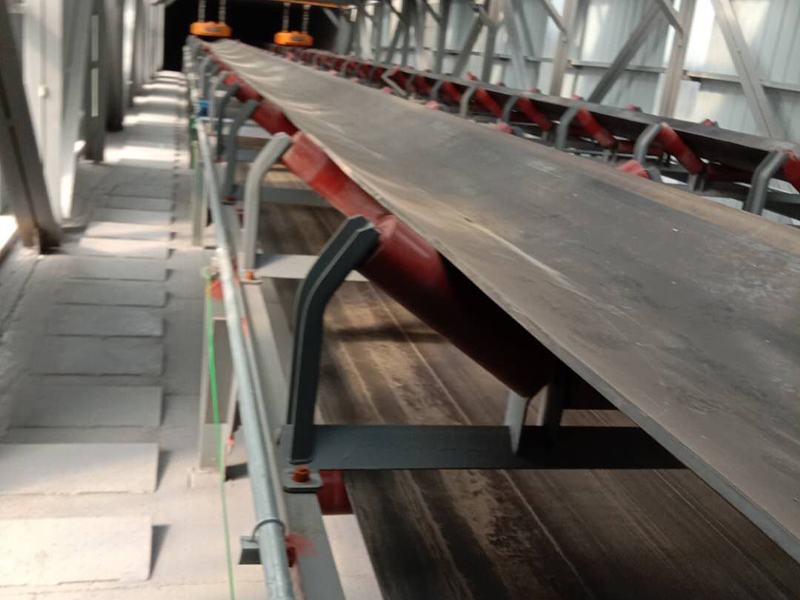
Taihang Steel
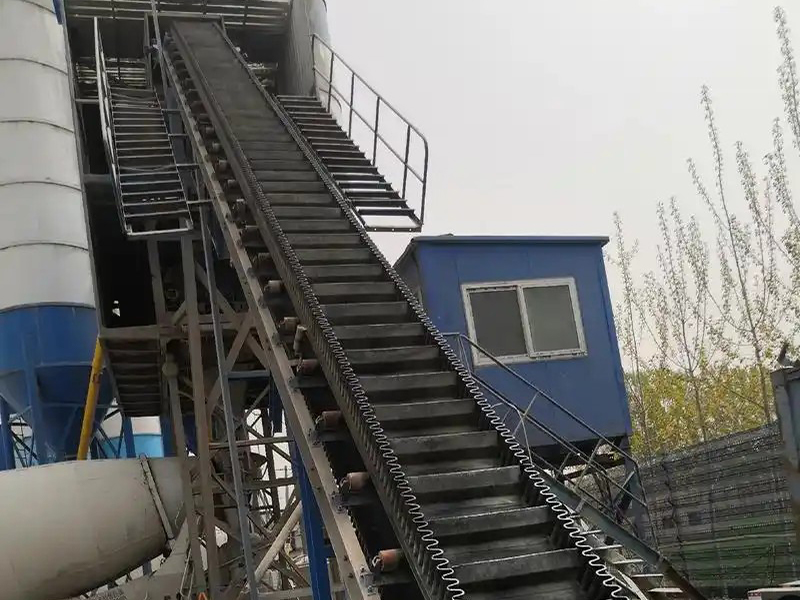
Puyang Steel Group
To keep conveyor systems operating reliably, Hebei Boao offers a structured technical service plan. Rather than just selling belts, we collaborate with our clients to manage their conveyor networks, helping extend belt lifetimes and reduce overall operating expenses:
Our program includes scheduled conveyor belt inspections, routine repairs, proactive maintenance, and 24/7 emergency troubleshooting to keep production lines running.
We handle the supply of high-grade belts, maintain safety stocks for quick replacement, perform hot vulcanized splicing, repair cover damage, and run daily diagnostic checks.
Our primary target is to improve belt conveyor runtime, reduce wear and replacement costs, and build mutually beneficial relationships with our industrial partners.
We work to extend belt service life, minimize unplanned shutdowns, and maintain optimal performance on bulk transport lines.
Looking ahead, conveyor belt technology is evolving to focus on smarter, more sustainable designs. Hebei Boao is actively developing solutions in three key areas:
Energy-Efficient Cover Compounds: We are formulating low rolling-resistance rubber compounds. These compounds reduce the indentation energy losses that occur as the belt passes over rollers, lowering the electrical power needed to run long-distance systems by up to 15%.
Integrated Monitoring Technologies: To prevent unexpected belt failures, we are testing belts with built-in electronic sensors. These sensors can track real-time wear, locate cuts, and detect splice separation, alerting operators before major damage occurs.
Sustainable Sourcing and Materials: We are incorporating eco-friendly synthetic rubbers and recycled reinforcement fabrics into our lines, helping industrial customers lower their carbon footprint without sacrificing belt performance.
 Boao Rubber