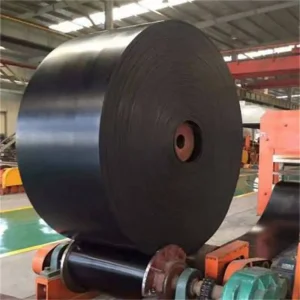
Explore our primary range of heavy-duty, reinforced rubber conveyor systems engineered for extreme environments.
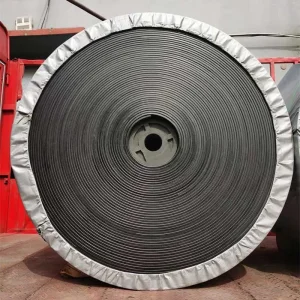
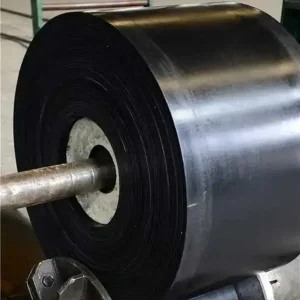
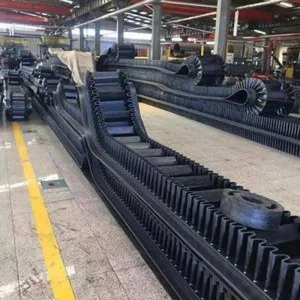
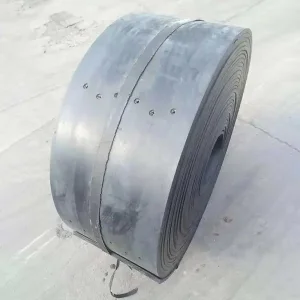
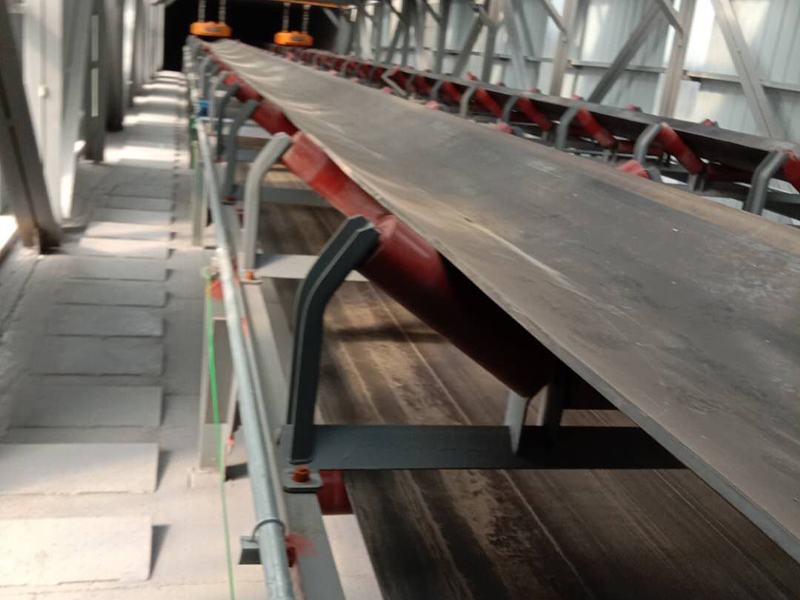
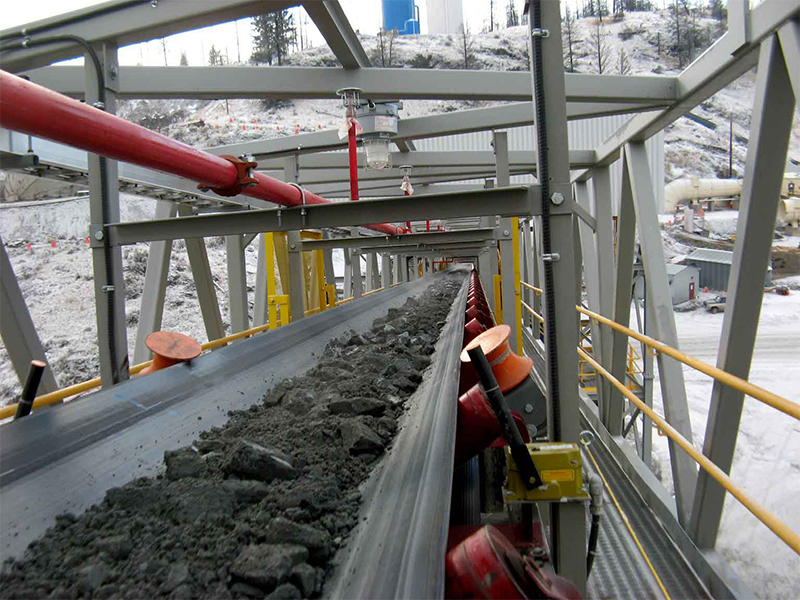
In modern industrial operations, rubber conveyor belts and rubber emery belts serve as the vital arterial system for bulk transport. Whether carrying heavily abrasive aggregate, navigating sub-zero temperatures, or transporting high-temperature clinker directly from blast furnaces, the reliability of these belts determines a facility's overall throughput and economic viability.
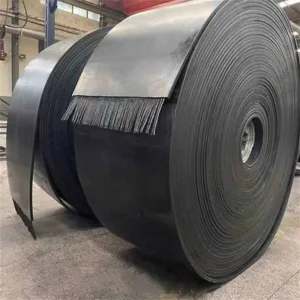
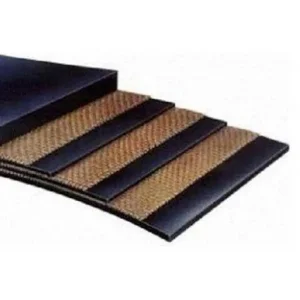
The manufacturing process behind these heavy-duty belts requires a sophisticated chemical orchestration. Raw materials must be synthesized with precise elastomeric compounds—incorporating synthetic polymers like SBR, BR, and Neoprene alongside natural rubbers. This formulation creates a matrix that resists continuous impact, excessive thermal stress, and abrasive wear. Modern multi-ply structures combine these advanced rubber compounds with high-tensile reinforcements like nylon (NN), polyester-nylon (EP), or vulcanized steel wire cords to handle extreme operational loads without structural failure.
Hebei Boao Rubber Technology Co., Ltd. represents the absolute pinnacle of China's heavy industrial rubber manufacturing sector. Situated in the Boye County Rubber Industrial Park in Baoding City, Hebei Province, our state-of-the-art facility covers more than 30 acres of dedicated production and research space. Founded in 2004, Boao has built a reputation over more than 22 years for manufacturing its premium "Jinao" brand conveyor and emery belts.
Operating in China's industrial heartland allows Boao to leverage an incredibly robust, local raw material supply chain. This enables us to maintain tight cost efficiencies while utilizing world-class vulcanization machinery, automated mixing stations, and rolling plants. By managing the production journey entirely in-house—from custom compounding to final quality control—Boao consistently matches or exceeds the stringent international performance standards required by global buyers.
We host fully independent physical testing labs and chemical analysis rooms. Every batch of raw rubber, structural cord, and adhesive undergoes intensive testing before production begins.
Our production facilities feature multi-stage vulcanizing presses and automated tension-control calendering lines, ensuring perfectly uniform thickness and dimensional stability.
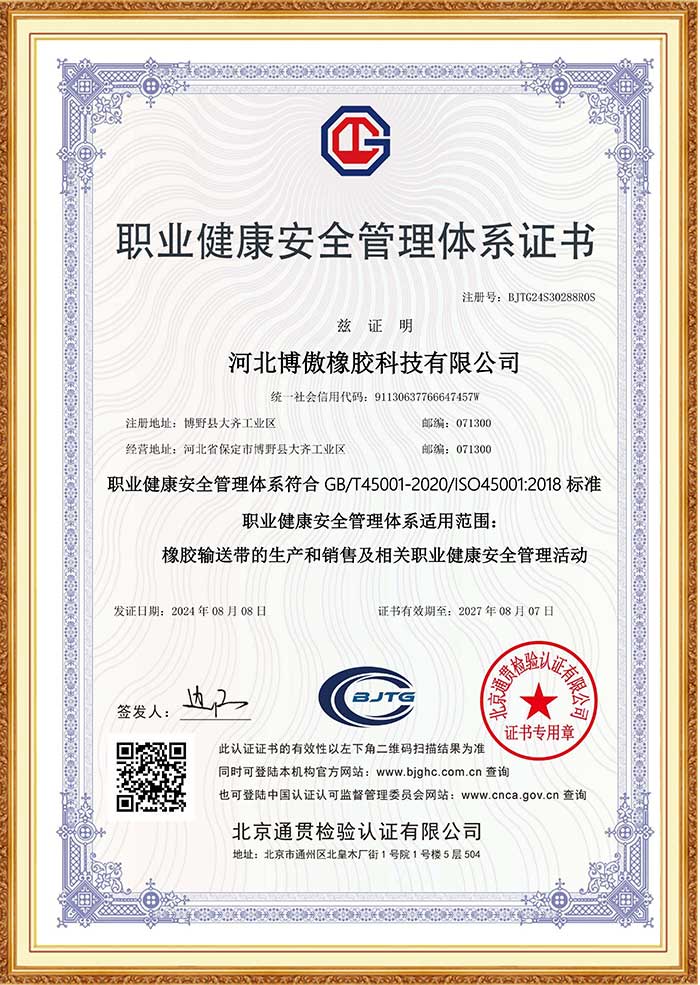
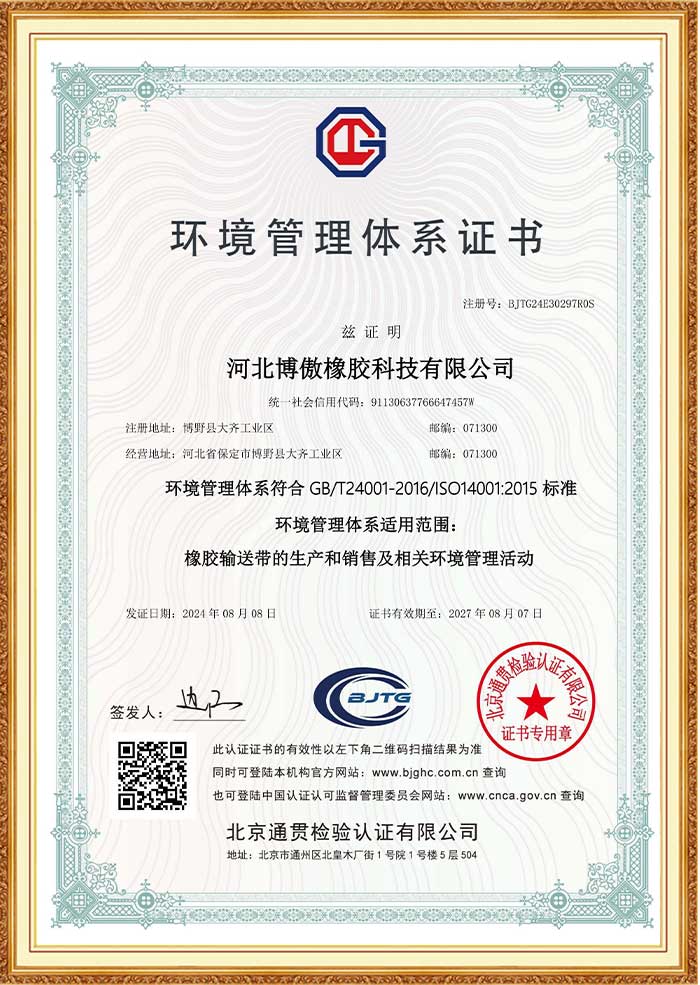
Boao has completed all international quality management certifications. Our belts strictly conform to DIN, ISO, BS, AS, and JIS standards.
Global supply chain managers and project engineers face the complex task of specifying and sourcing heavy industrial rubber belting that must withstand highly challenging conditions. The choice of compound and belt structure directly impacts a facility's maintenance cycle, operating costs, and safety margins:
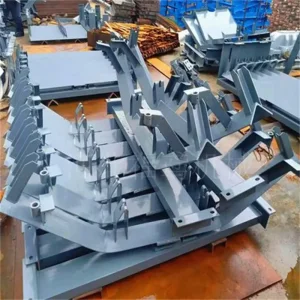
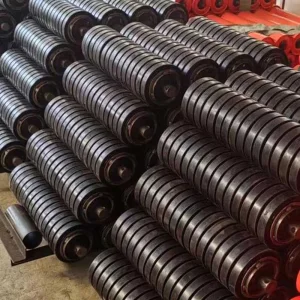
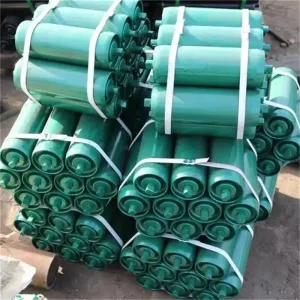
A conveyor system is only as reliable as its supporting hardware. As a comprehensive heavy industry partner, Hebei Boao manufactures both high-performance rubber belts and their key mechanical components:
Hebei Boao is committed to meeting the highest international industry standards, backed by third-party testing and certificates.
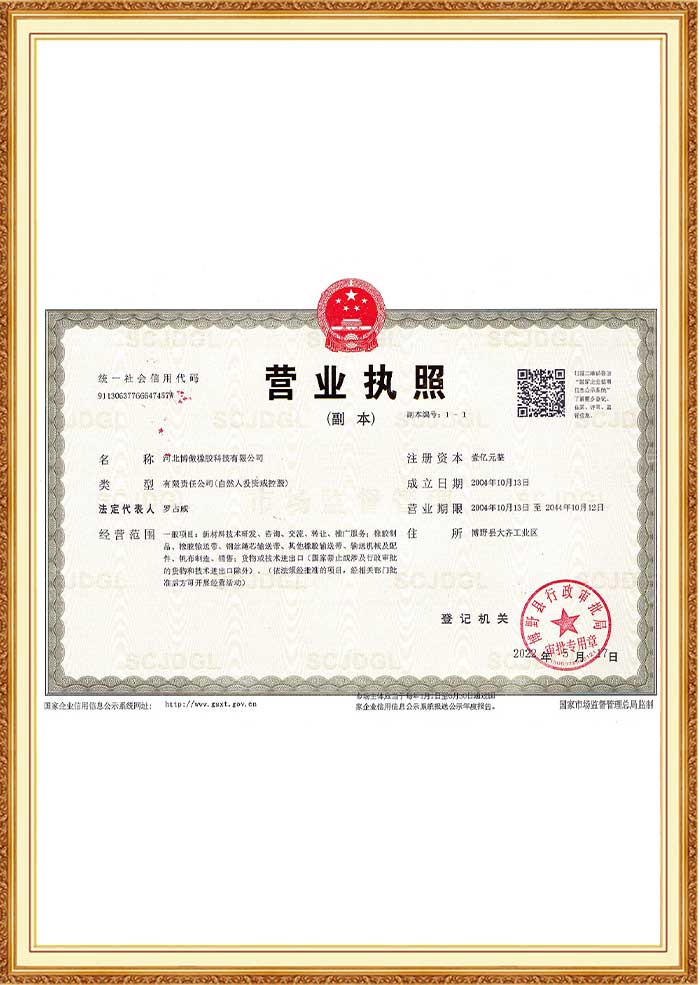
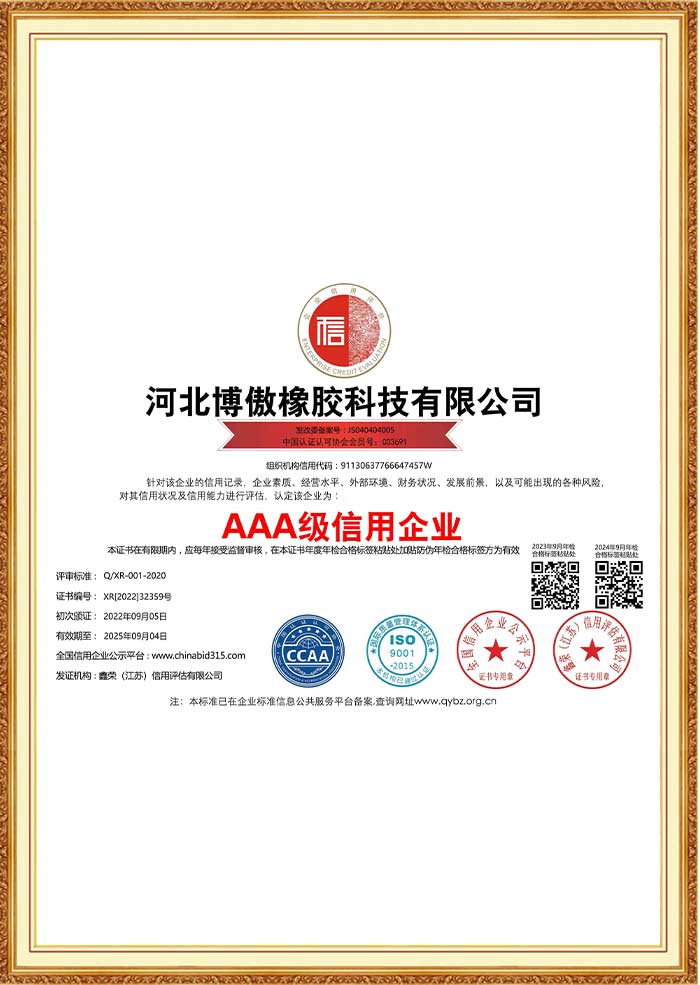
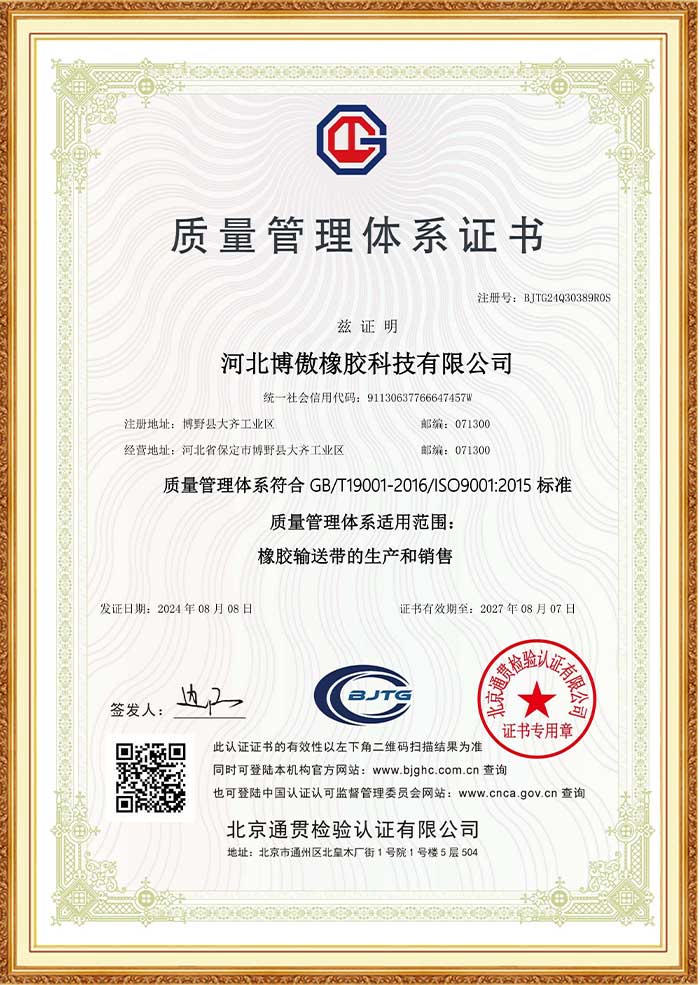
Step inside our modern facility where automated compounding, calendar rolling, and heavy vulcanizing systems guarantee consistency.
Our Jinao brand is trusted by top steel manufacturers, mining groups, and heavy engineering firms globally.
Taihang Steel Group
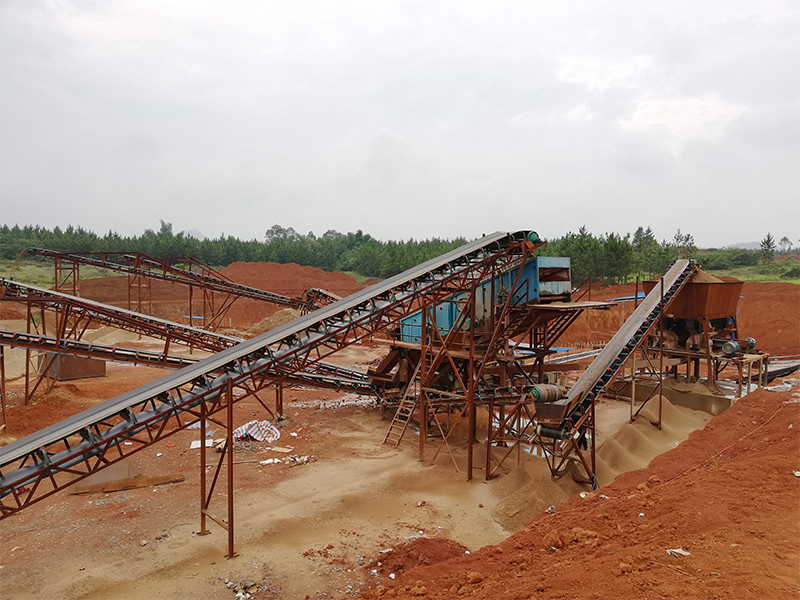
Tsingshan Holding Group
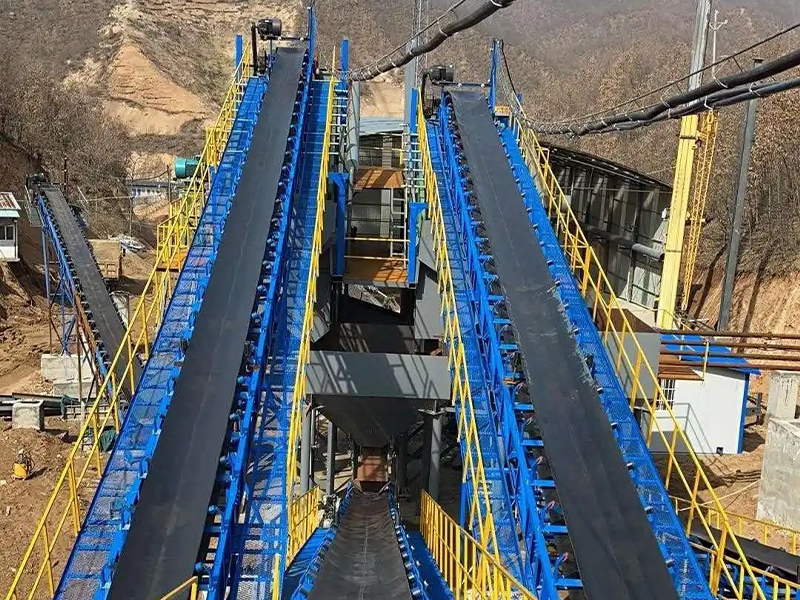
Zijin Mining Group
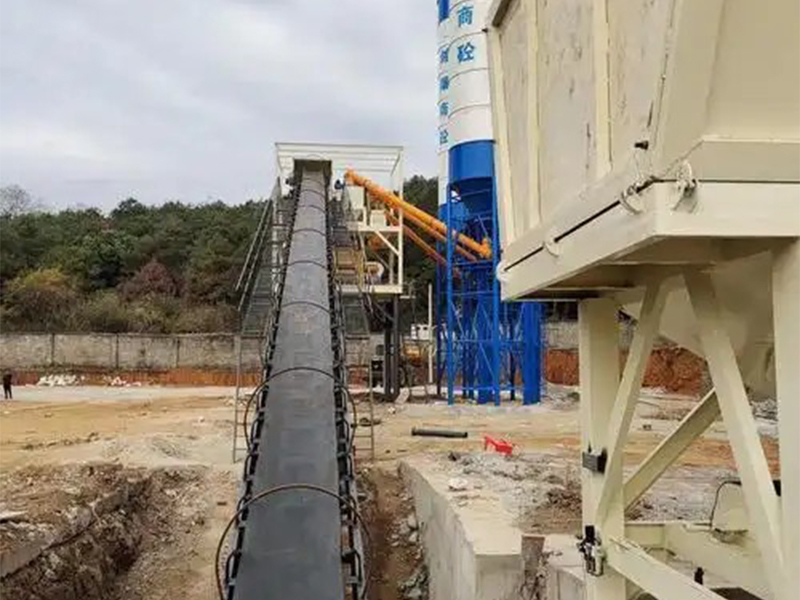
China Railway Group Mixing Plant
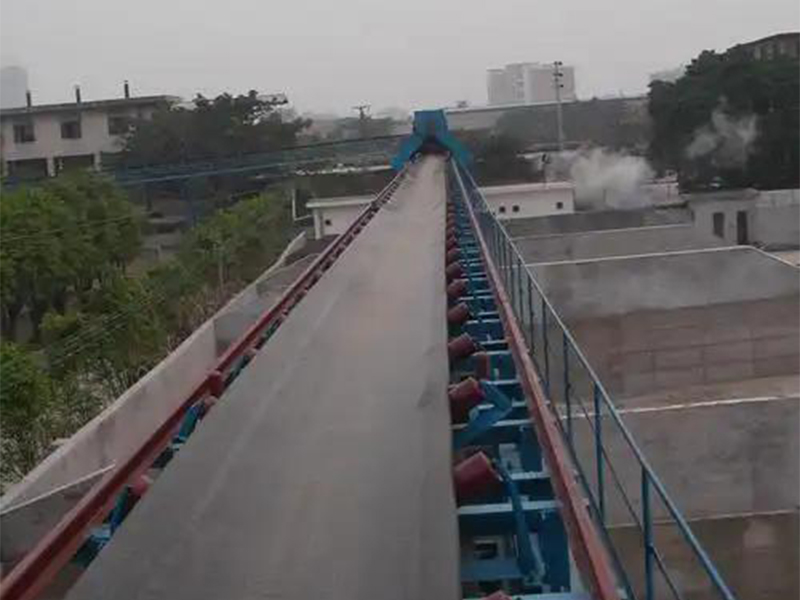
Anhui Conch Cement
Datong Coal Mining Group
The global industrial rubber and abrasive conveyor belt industries are experiencing a significant shift towards smart, energy-efficient, and sustainable conveying options. Global enterprises are no longer just looking at purchase price; they are calculating the Total Cost of Ownership (TCO) and environmental footprint of their material handling lines.
High-Friction Rubber Emery Belts: Heavy-duty emery belts require specialized backing materials and bonding agents. Modern industrial emery belts use tough, abrasion-resistant vulcanized rubber as a flexible foundation, bonded with silicon carbide or aluminum oxide grains. This provides the ideal friction profile and flexibility for industrial sanding, metal finishing, and high-traction material transport.
Reduced Rolling Resistance (LRR) Rubber Compounds: Moving large volumes of bulk material consumes significant electrical energy. Developing and utilizing LRR rubber compounds for the bottom cover of conveyor belts can reduce energy consumption by up to 15% to 30%, lowering operating costs and supporting corporate ESG initiatives.
Embedded Sensor & IoT Systems: The future of heavy-duty material handling lies in predictive maintenance. Integration of RFID chips, thermal sensors, and steel-cord monitoring systems allows real-time tracking of belt wear and splice integrity. This helps detect damage early, preventing costly unscheduled downtime.
At Hebei Boao, we understand that supply chain management is about more than just manufacturing a great product. A high-quality belt must be backed by expert support to ensure long-term, reliable performance:
Consult with Boao's technical engineering team to customize your rubber emery belts and heavy-duty conveyor systems. Get a detailed quote and technical layout plan tailored to your project requirements.
Inquire Now & Request Technical QuoteClear answers to common questions about selecting, maintaining, and sourcing heavy-duty industrial rubber and conveyor belts.
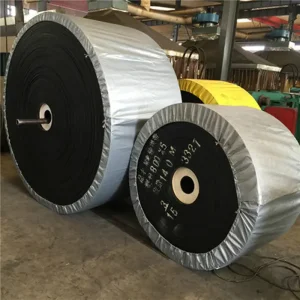
Complete your bulk material handling setup with our premium support brackets, steel cord cores, and buffer accessories.
 Boao Rubber