High-performance rubber belts and supportive assemblies designed for abrasive, corrosive, and extreme temperature operations.
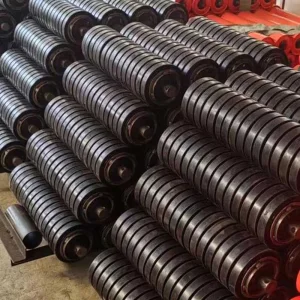
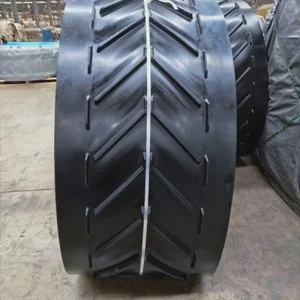
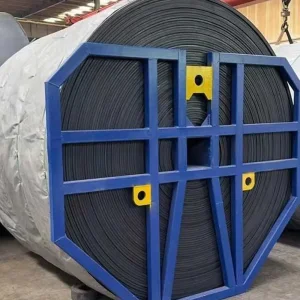
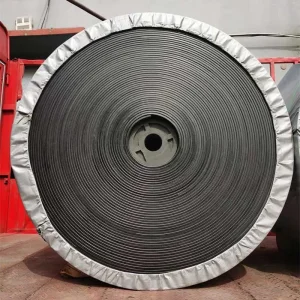
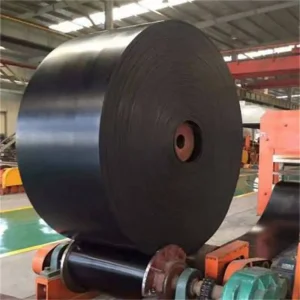
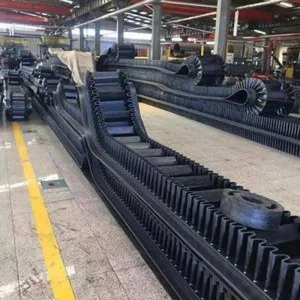
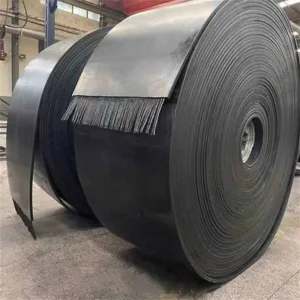
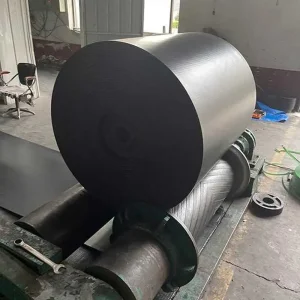
In the modern industrial landscape, rubber conveyor belts have become the backbone of bulk material transport systems across multiple sectors. From mining operations extracting raw materials from deep underground to port facilities handling millions of tons of cargo annually, heavy-duty rubber belts facilitate the seamless movement of materials that power our global economy. The evolution of these critical components reflects decades of engineering innovation, material science breakthroughs, and an unwavering commitment to operational efficiency and safety.
As modern engineering pushes the boundaries of distance, load capacity, and environmental extremes, the demand for specialized rubber conveyor belt materials has escalated. Selecting the correct elastomer compound and reinforcement matrix is no longer just an operational decision; it is a critical variable that directly governs plant uptime, safety compliance, and overall total cost of ownership (TCO). This comprehensive whitepaper explores the complex chemistry, structural configurations, localized applications, and global supply dynamics that define high-quality rubber conveyor belt manufacturing.
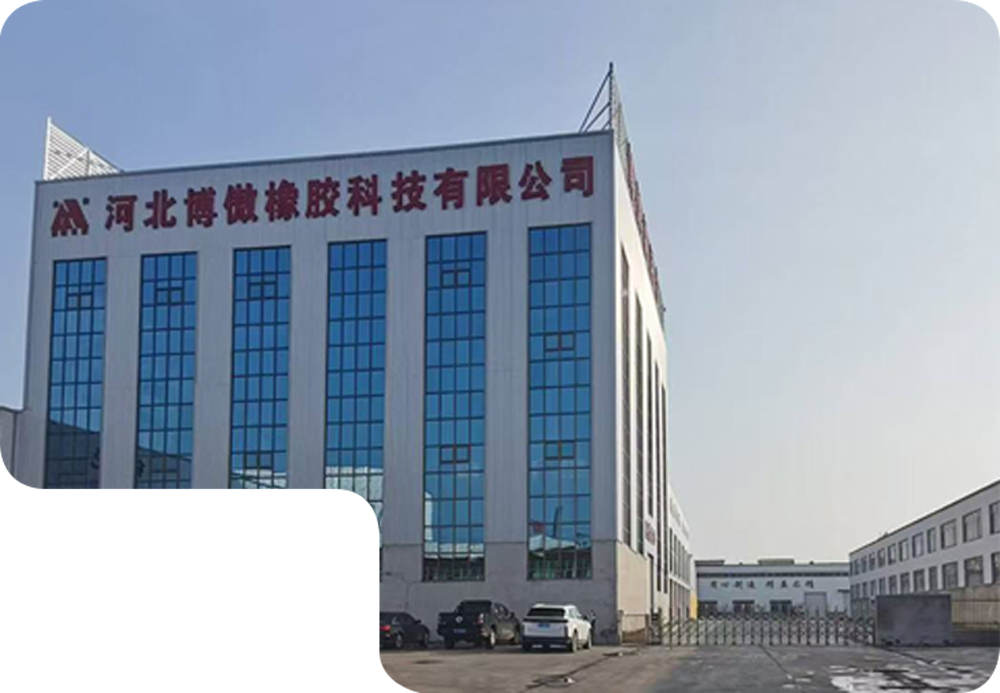
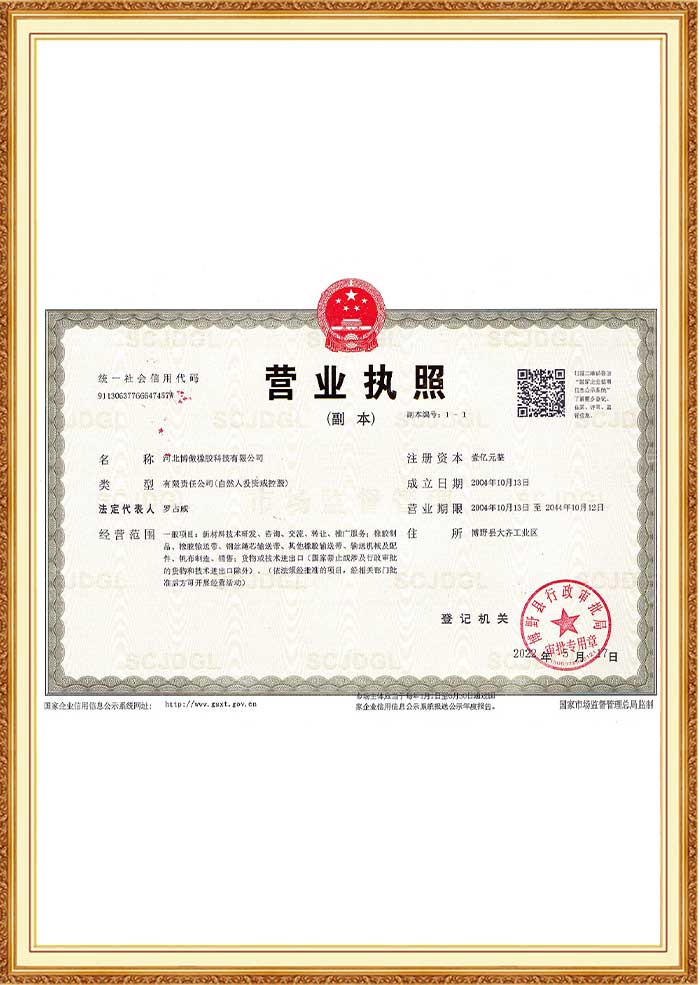
Established in 2004, Hebei Boao Rubber Technology Co., Ltd. has developed into a premier industrial hub situated in the prestigious Rubber Industrial Park of Boye County, Baoding, Hebei Province, China. Spanning an expansive facility of over 30 acres, we operate under our highly recognized proprietary brand "Jinao".
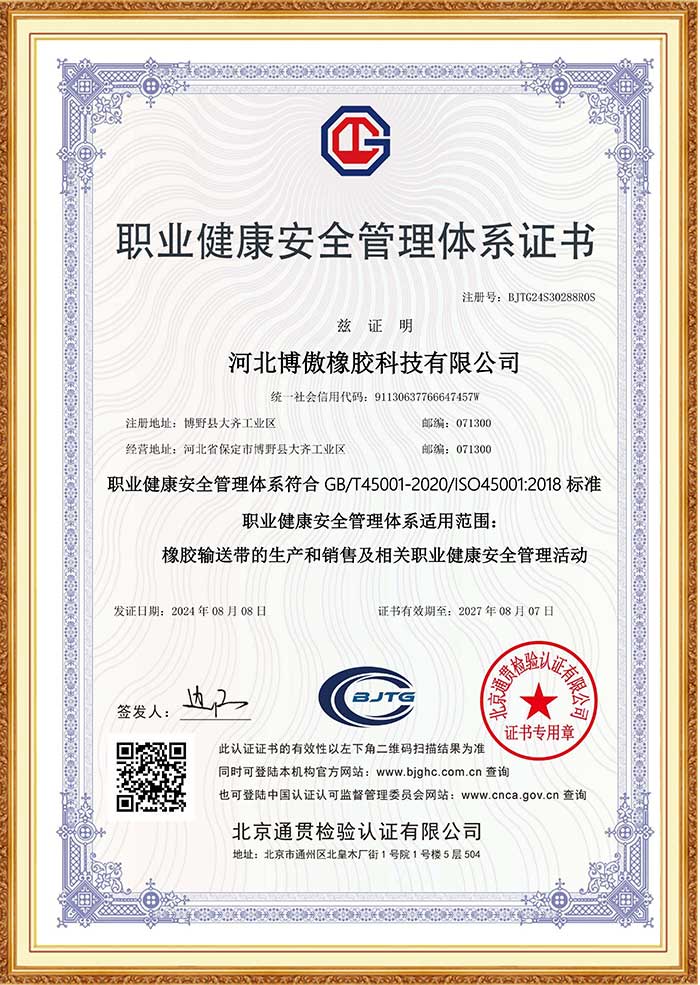
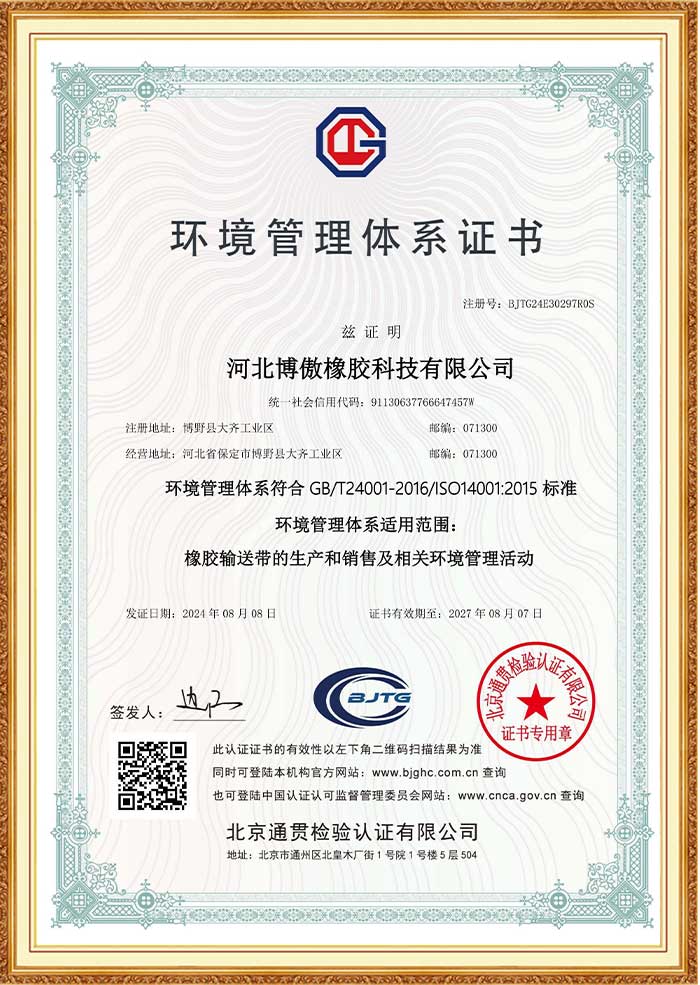
As a fully integrated pioneer in China, we manage the entire value chain: from advanced polymer chemistry R&D, structural design, and precision calendering to vulcanization, custom fabrication, and complete after-sales technical support. Our manufacturing processes conform strictly to international quality management system standards, boasting immediate certification upon our initial evaluations.
Our infrastructure houses multiple advanced equipment production lines for mixing, rolling, forming, vulcanization, and thorough rubber testing. By maintaining absolute control from raw materials to the finished products, we guarantee that every conveyor belt leaving our facility delivers unrivaled structural stability and wear performance.
The operating performance of a conveyor belt is fundamentally limited by the chemical and physical characteristics of its raw materials. A conveyor belt is split into two primary components: the **carcass** (which provides tensile strength and structural support) and the **cover rubber** (which protects the carcass from environmental and mechanical damage).
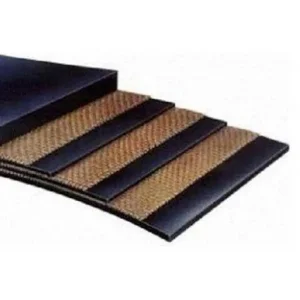
The carcass choice defines how the belt handles tension, impact, and elongation over long distances:
Depending on the material conveyed and the ambient working conditions, the outer elastomer shell must be specifically formulated:
| Elastomer Type | Key Properties | Primary Industrial Use Cases | Relevant Standards |
|---|---|---|---|
| Abrasion Resistant (SBR/NR) | Extreme tear resistance, low wear index under friction | Iron ore, copper, quartz, limestone, cement plants | DIN 22102 (Class W, X, Y), ISO 4649 |
| Heat Resistant (EPDM/Butyl) | Withstands continuous temperatures up to 200°C (intermittent 400°C) | Sintered ores, steel mills clinker, chemical fertilizer processing | ISO 4195, DIN 22102 (T1, T2, T3) |
| Flame Retardant (CR/NBR/SBR Blend) | Self-extinguishing properties, low toxicity smoke output | Underground coal mines, grain elevators, hazardous dust areas | ISO 340, EN 12882, MSHA Part 18 |
| Cold Resistant (Specialized Polybutadiene) | Retains flexibility down to -50°C without cracking | Arctic mining operations, Siberian pipelines, high-latitude ports | ISO 5048, Russian GOST standards |
| Oil & Chemical Resistant (NBR) | Resists swelling, degradation, and softening from oils and acids | Chemical processing plants, fertilizer depots, wood chip handling | ASTM D471, DIN 22102 (Class G) |
Our commitment to zero-defect manufacturing ensures long-term operational peace of mind.
We operate an independent chemical analysis suite and physics laboratory. Every batch of raw rubber, synthetic polymers, reinforcing fabrics, and steel cords undergoes thorough checking before entering production.
Equipped with sophisticated vulcanization machinery, computerized calendering rollers, and non-destructive core-scanning technology, our production lines maintain strict tolerances to ensure uniform belt thickness and ply adhesion.
Backed by our strong engineering teams, our products are widely deployed in major domestic and global projects spanning steel, mining, chemical, energy, port, and grain logistics sectors.
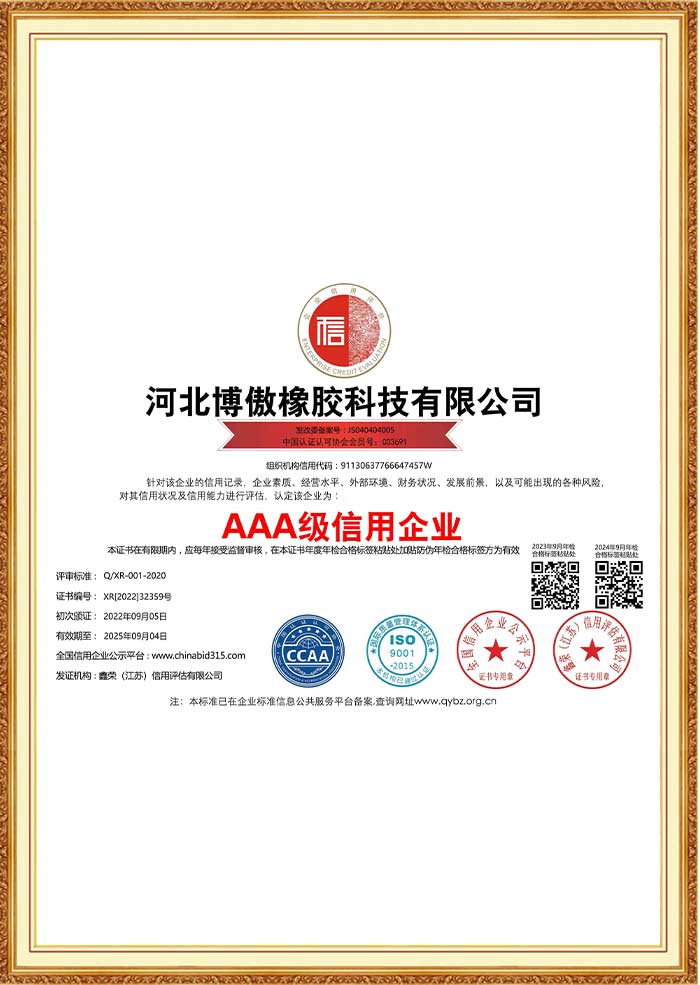
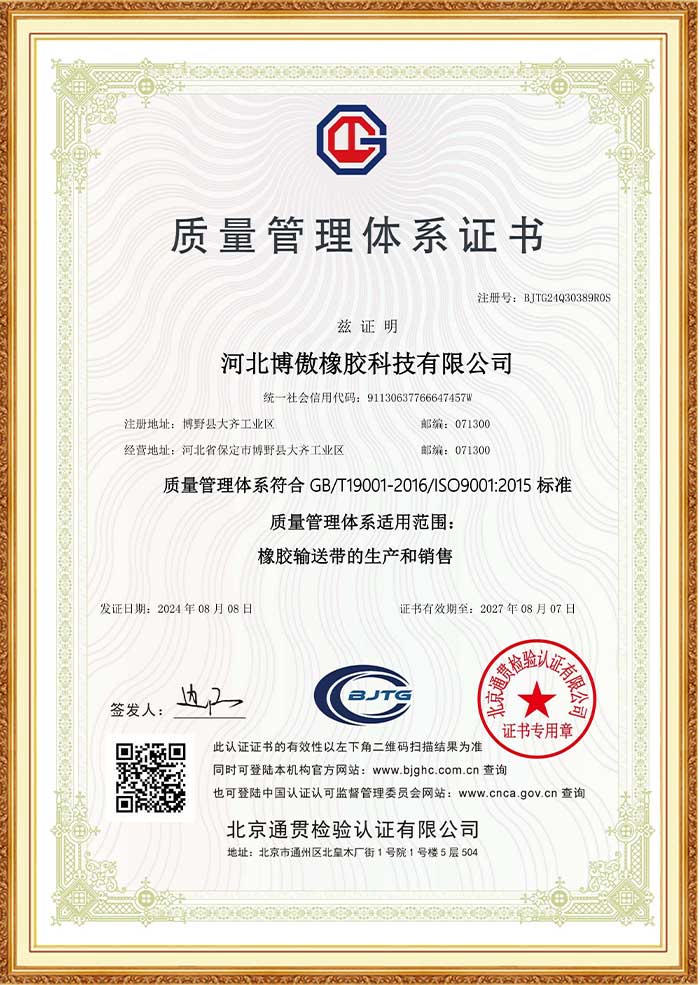
The location of Hebei Boao Rubber Technology Co., Ltd. in the **Boye County Industrial District** of Baoding is a crucial strategic asset. Boye County represents one of the largest industrial clusters for rubber products globally. This manufacturing ecosystem offers deep structural advantages that benefit our global partners:
In an era of global supply chain challenges, Boao's integrated operations shield our clients from shipping delays and pricing volatility. We maintain safe stockpiles of raw materials, ensuring continuous production even during sudden market shifts.
Maximizing belt operational life and efficiency through expert on-site engineering services.
We provide full-lifecycle technical support, including scheduled replacements, preventive maintenance, non-destructive cord inspections, splicing, and rapid emergency repairs.
From calculated safety-stock buffers at our warehouses to on-site hot vulcanization splicing and structural belt tuning, we help minimize downtime and optimize performance.
Our goal is to extend the service life of your conveyor systems, reduce belt wear, and achieve mutually beneficial, long-term partnerships with our clients.
Conveyor technology is entering a new era of intelligence and sustainability. Our current R&D roadmap focuses on three major frontiers:
By embedding RFID chips and copper sensor loops directly into the rubber cover, modern conveyor belts can continuously transmit real-time data on belt wear, thickness loss, and splice alignment. If a rip or puncture is detected, the sensors send an automatic shutdown signal to the drive system, preventing catastrophic longitudinal tears and costly system failures.
As conveyor belts pass over idlers, they undergo continuous cyclic compression, consuming significant electrical energy. Our team is developing Energy-Optimized Rubber (EOR) compounds. By reducing the viscoelastic indentation resistance of the backing rubber, we can cut conveyor power consumption by up to 15-20%, helping plants reduce their overall carbon footprint.
To support sustainable operations, we are developing processes to devulcanize and recycle end-of-life conveyor belts. This allows us to re-incorporate high-quality rubber hydrocarbons back into non-critical backing layers without compromising the belt's overall mechanical properties.
Our high-performance conveyor systems are trusted by leading global industrial enterprises.
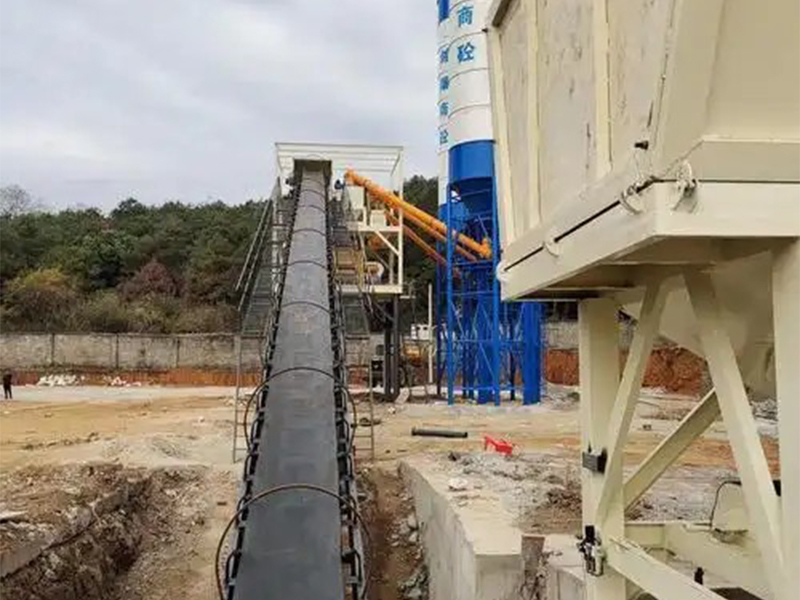
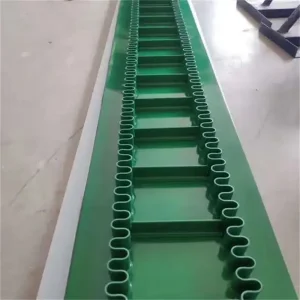
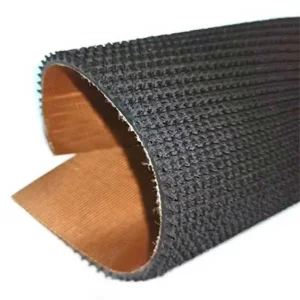
Supplied high-stability chevron-patterned conveyor belts, ensuring efficient, high-angle aggregate transport and reliable material flow in demanding mixing environments.
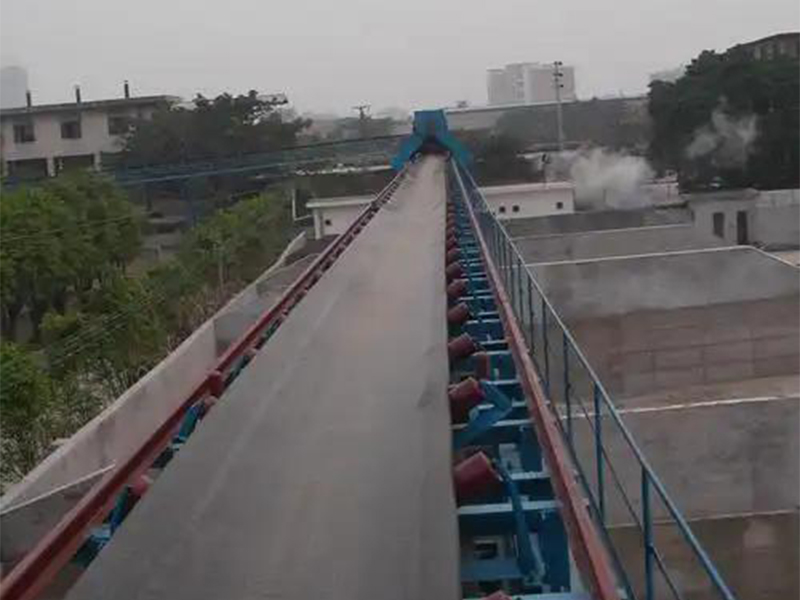
Provided high-temperature resistant EPDM belts for handling hot clinker up to 220°C, drastically extending service life compared to standard compound belts.
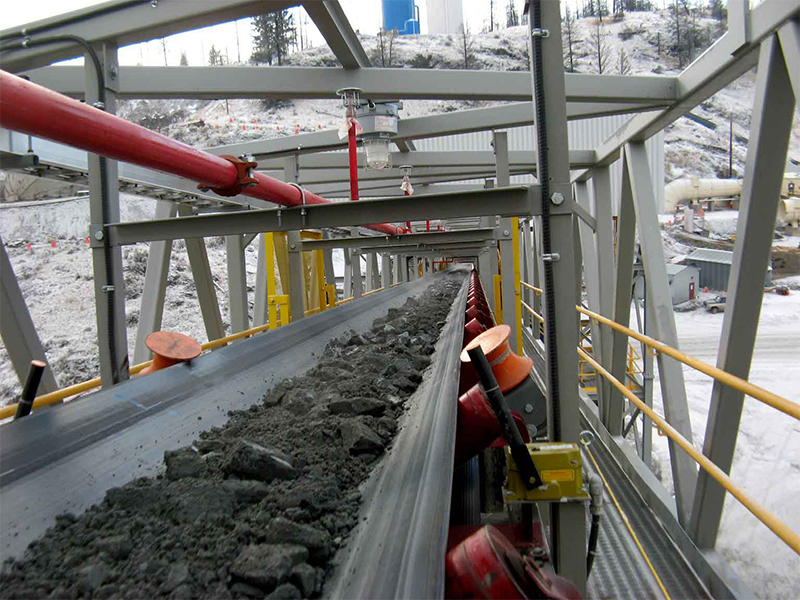
Delivered heavy-duty steel wire rope core belts certified to strict safety and flame-retardant standards for underground coal conveying systems.

Supplied durable chemical-resistant and wear-resistant belts to support aggressive nickel ore smelting operations in high-heat, high-humidity environments.

Equipped limestone pre-homogenization halls with long-life, high-abrasion resistant rubber conveyor belts to reduce maintenance shutdowns.

Delivered custom wear-resistant NN belts for handling sharp, heavy raw coal, enhancing carcass impact absorption and preventing belt puncture.

Engineered heat-resistant vulcanized belts for sinter transporting lines, significantly reducing hot-zone cover degradation and structural failure.

Provided heavy-duty vulcanized rubber conveyor belts optimized for handling sharp slag and high-abrasion metallurgical materials.
Find expert answers to common technical queries about rubber conveyor belt design, chemistry, and maintenance.
Engineered components, custom-molded profiles, and support assemblies for specialized handling systems.
 Boao Rubber