In modern heavy industries—ranging from underground coal mining to international maritime cargo handling—bulk material transport systems depend entirely on the seamless operation of heavy-duty rubber belts. At the heart of system integrity sits the splicing zone. A conveyor belt's structural performance is only as good as its weakest link; therefore, deploying high-precision rubber belt cutting machines is not merely a utility requirement but a key operational driver. When high-strength fabric plys (such as Nylon NN or Polyester EP) or high-tensile steel cord structures are severed unevenly, it induces tracking errors, structural joint fatigue, and premature system breakdowns.
As a major manufacturer with 22 years of heritage, Hebei Boao Rubber Technology Co., Ltd. (the name behind the renowned "Jinao" brand) has analyzed thousands of belt failures globally. More than 60% of unexpected belt separations initiate at splice zones prepared with subpar hand tools or misaligned mechanical cutters. True optimization requires integration between high-end elastomeric belts and the precise machines engineered to slice, prepare, and level their profiles for mechanical fastening or hot vulcanization.
Industrial processing demands vary dynamically across continents. Understanding the physical layout of modern cutting technologies empowers procurement managers to choose appropriate machines for their plant environments:
Designed for high-throughput fabrication facilities. These heavy machinery units utilize pneumatic or hydraulic cylinders to push high-speed alloy blades through multi-ply fabric belts up to 30mm thickness. Ideal for ensuring perfectly square 90-degree and 45-degree bias cuts.
For complex profiles, custom cleats, and specialized rubber waterstop belts. The CNC-directed oscillating blade cuts with zero heat generation, preventing rubber crystallization along the edges, preserving the original Shore hardness of the compound.
Specifically engineered for steel wire rope core conveyor belts. These heavy-duty cutters slice the top and bottom rubber covers down to the metal wires without damaging the copper-plated steel cords, allowing fast prep of step joints.
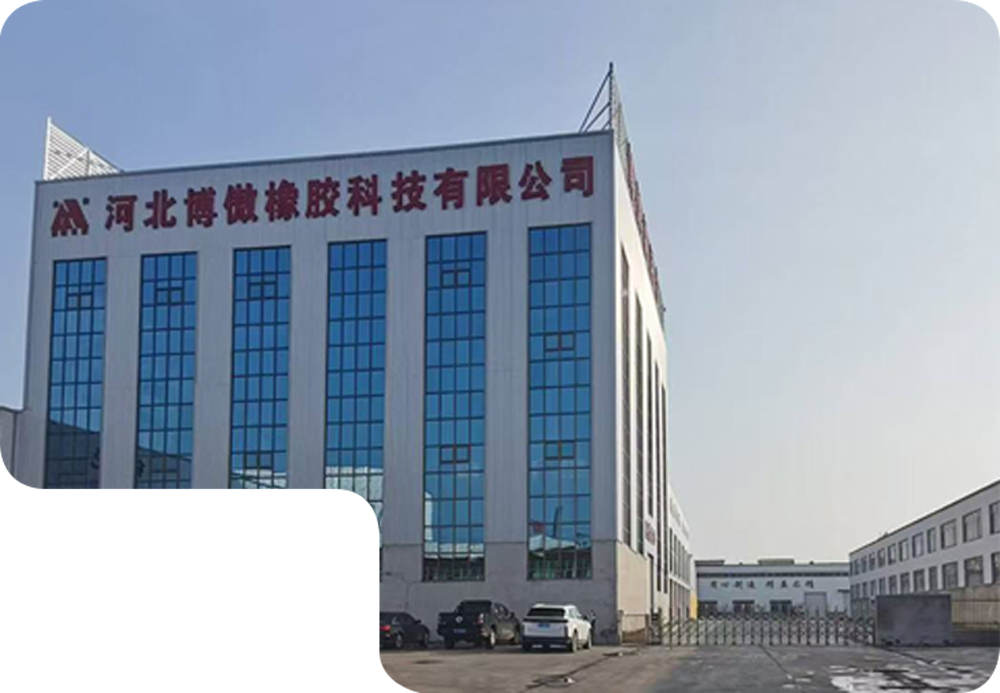
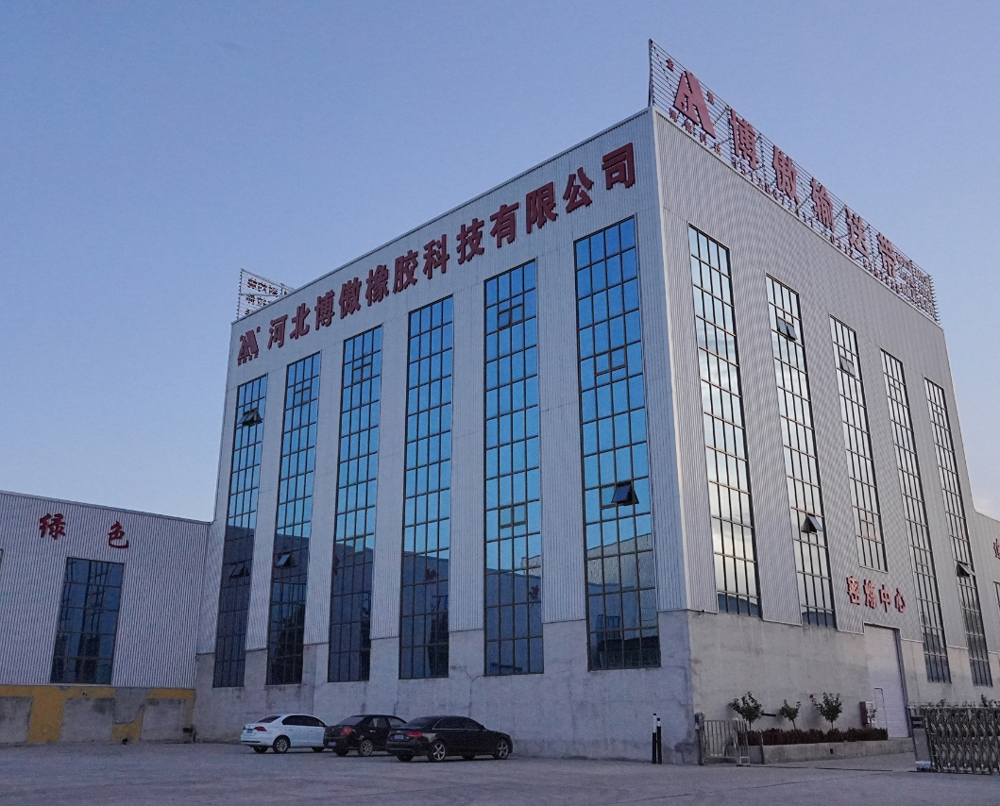
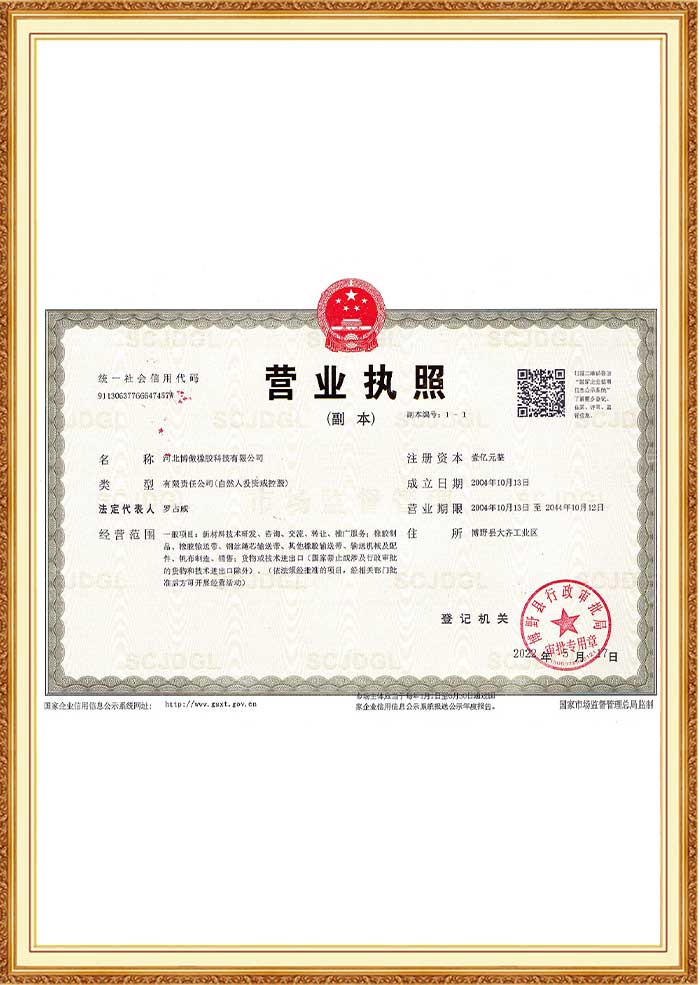
Established in 2004 and spanning a modern 30-acre campus in the Boye County Rubber Industrial Park, Baoding, Hebei Province, Hebei Boao Rubber Technology has become synonymous with durability. Under the trademark "Jinao", we develop, design, and manufacture robust conveyor belts and structural system components.
Equipped with state-of-the-art laboratory testing infrastructure, Boao ensures that every raw material shipment undergoes comprehensive chemical and physical validation. From tensile strength analysis to hot-air aging tests, our quality control inspectors maintain strict compliance. We do not permit defective materials on our production floor, nor do we let sub-standard products reach our global client base.






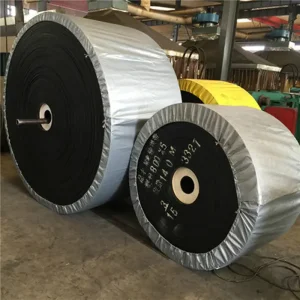
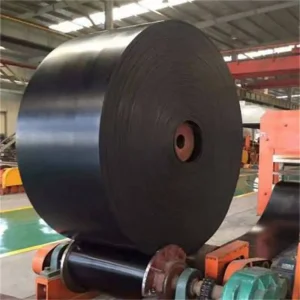
Our comprehensive industrial lineup spans rubber conveyances designed to withstand the harshest environments globally. Combined with precision edge-cutting techniques, we guarantee tight dimensional tolerances on all custom orders.
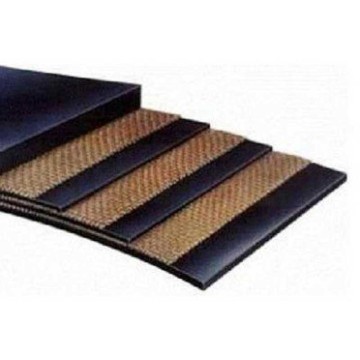
Includes Multi-ply Polyester (EP) and Nylon (NN) layered conveyor belts. These require highly sharpened linear guillotine cutters to prevent edge fraying. Cleanly cut edges prevent dynamic separation under severe bend cycles.
Our heat-resistant and high-temperature conveyor belts run continuously under thermal stress up to 250°C. Splicing these requires precise, non-thermal mechanical knife cutting to ensure clean-cut joints that do not deform when vulcanized.
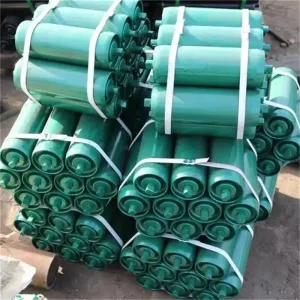
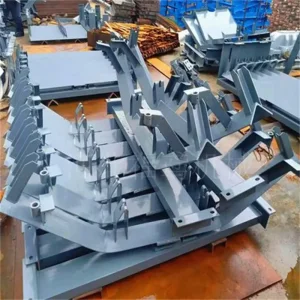
In addition to high-grade belts, we supply high-performance roller assemblies, ceramic pulleys, rubber-coated impact rollers, standard idler sets, centering brackets, and structural frames.
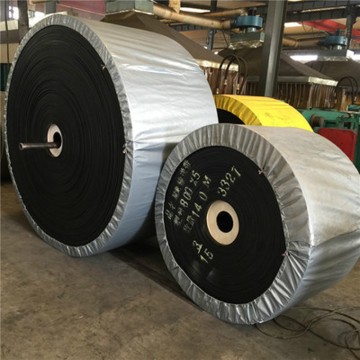
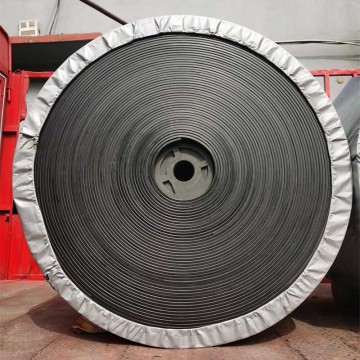
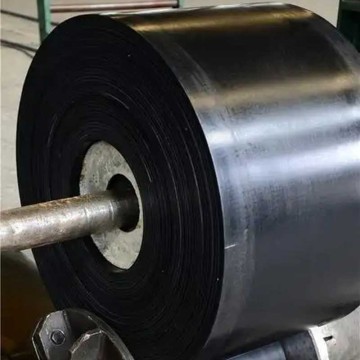
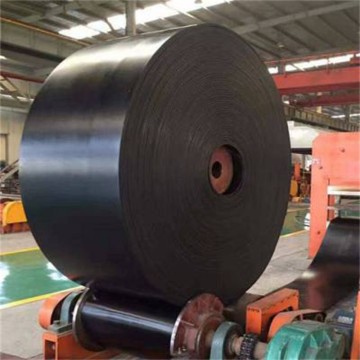
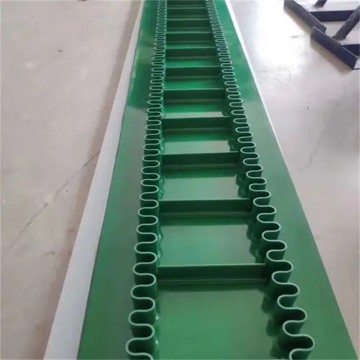
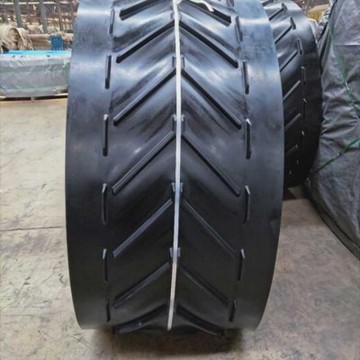
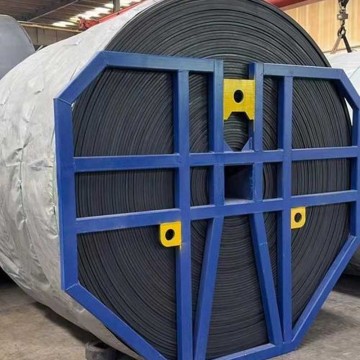
Boao's Jinao brand components are designed to survive the high-wear demands of leading industrial operators. Partnering with primary engineering firms demonstrates our capability to deliver reliable conveyor configurations.
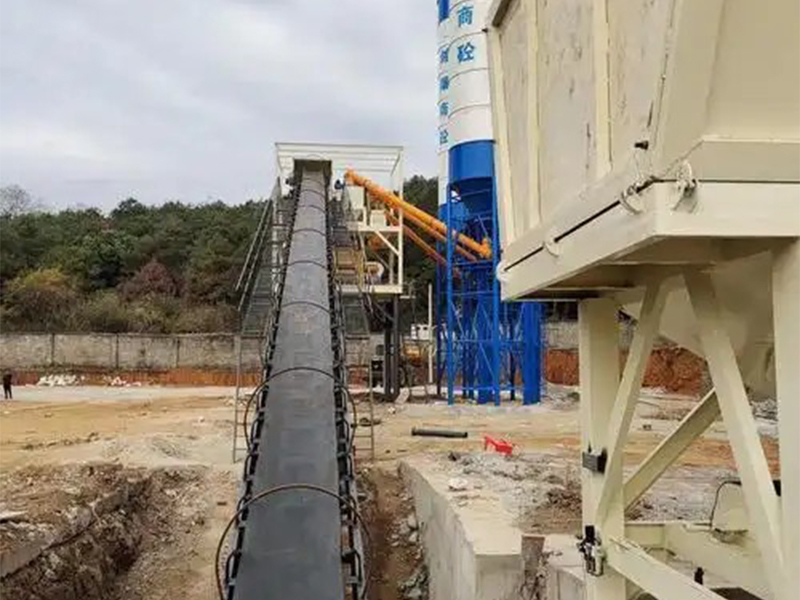
Heavy-duty mixing plant belt lines with high abrasive resistance.
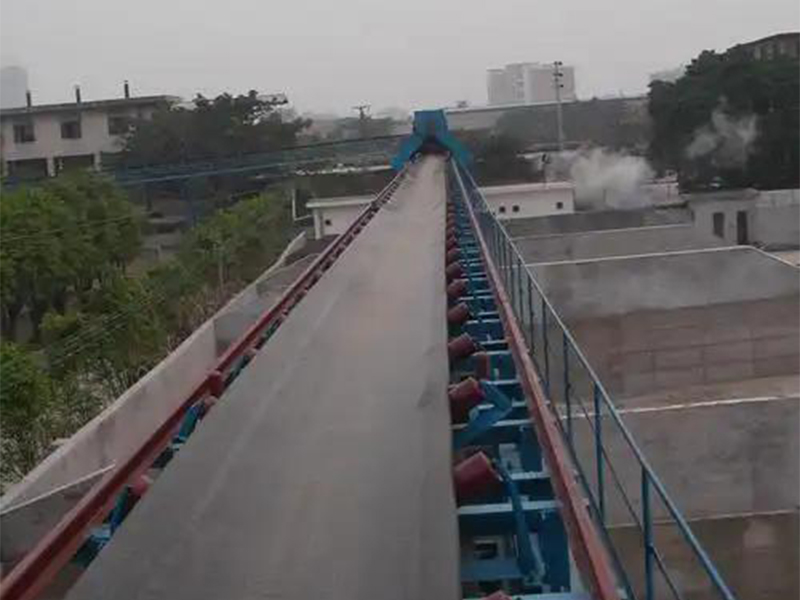
Thermal-resistant transport systems for heavy clinker lines.
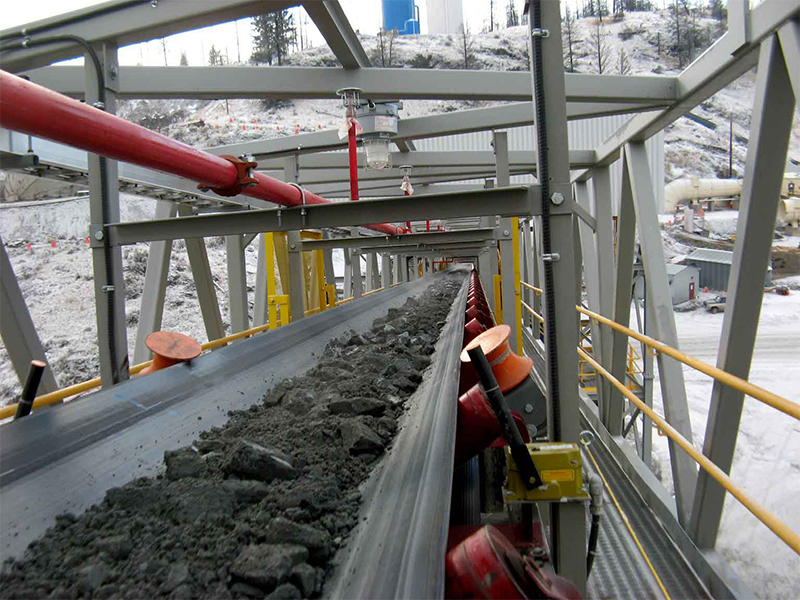
Flame-retardant underground bulk hauling belts.
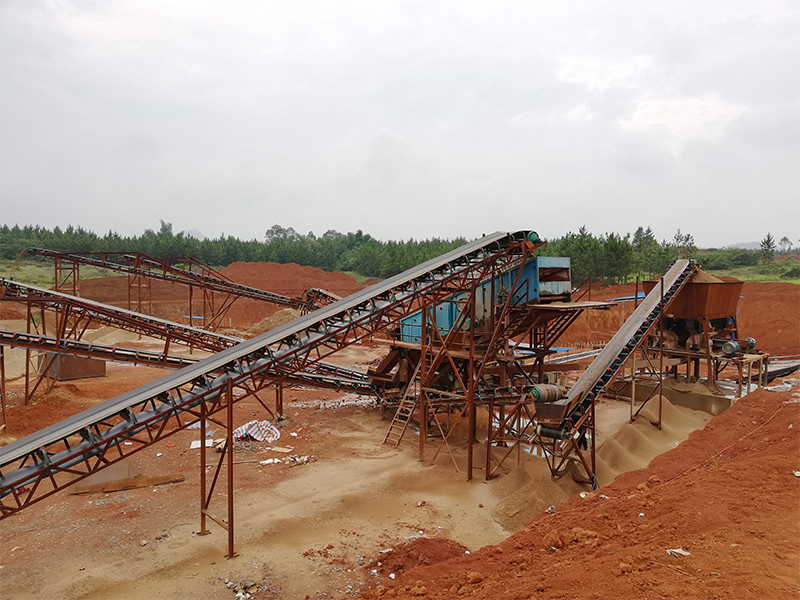
Heavy metallurgical handling lines with high impact forces.
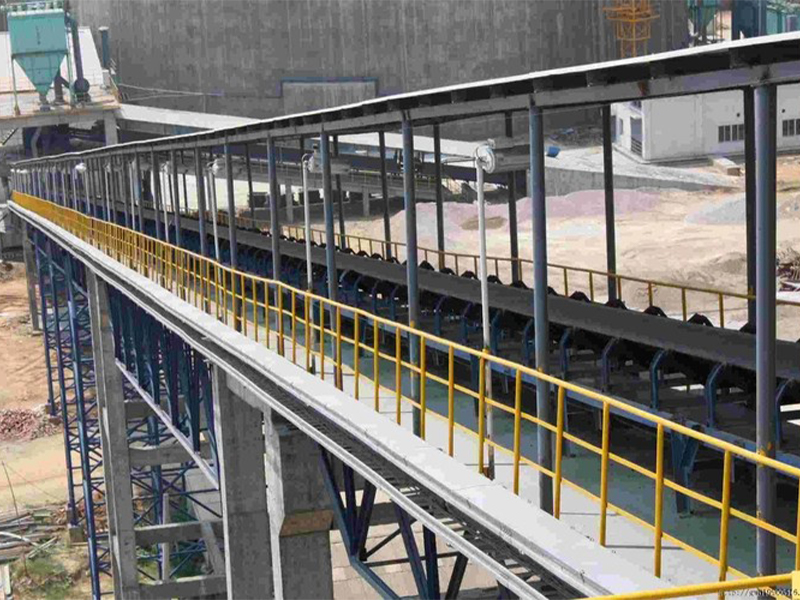
Continuous high-temperature raw material conveying lines.
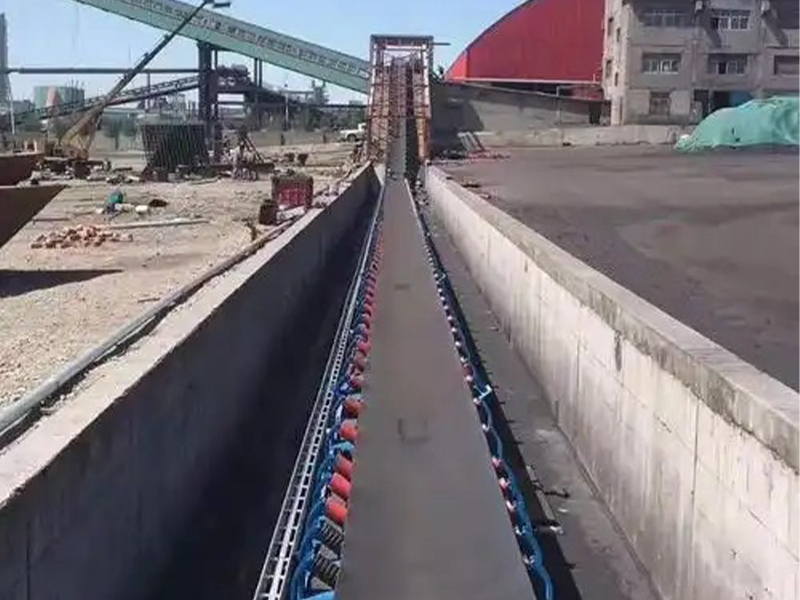
Anti-tear steel cord extraction conveyor installations.
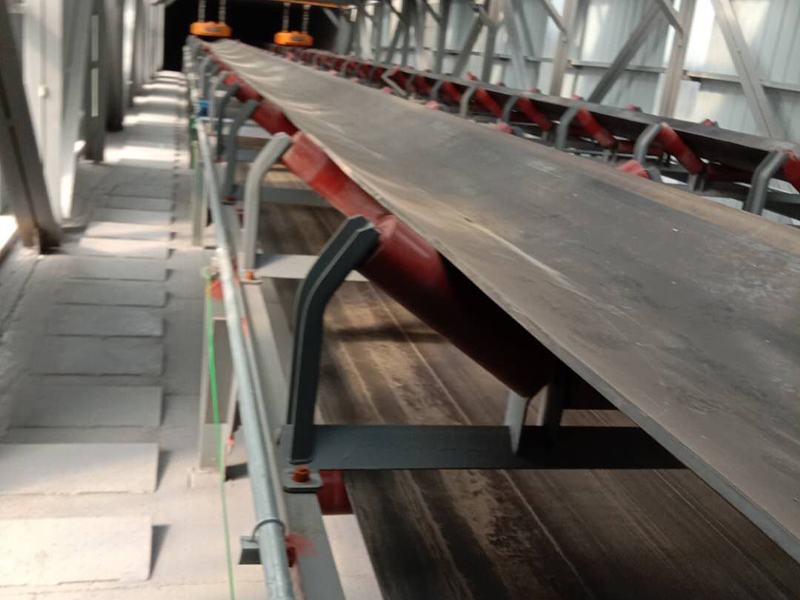
Sinter handling systems utilizing extreme heat belts.
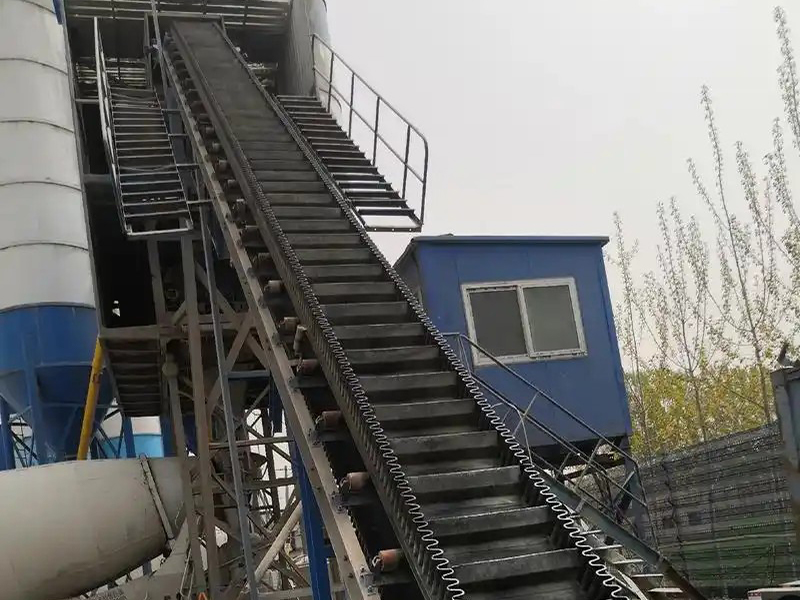
Scrap & heavy iron handling belt installations.
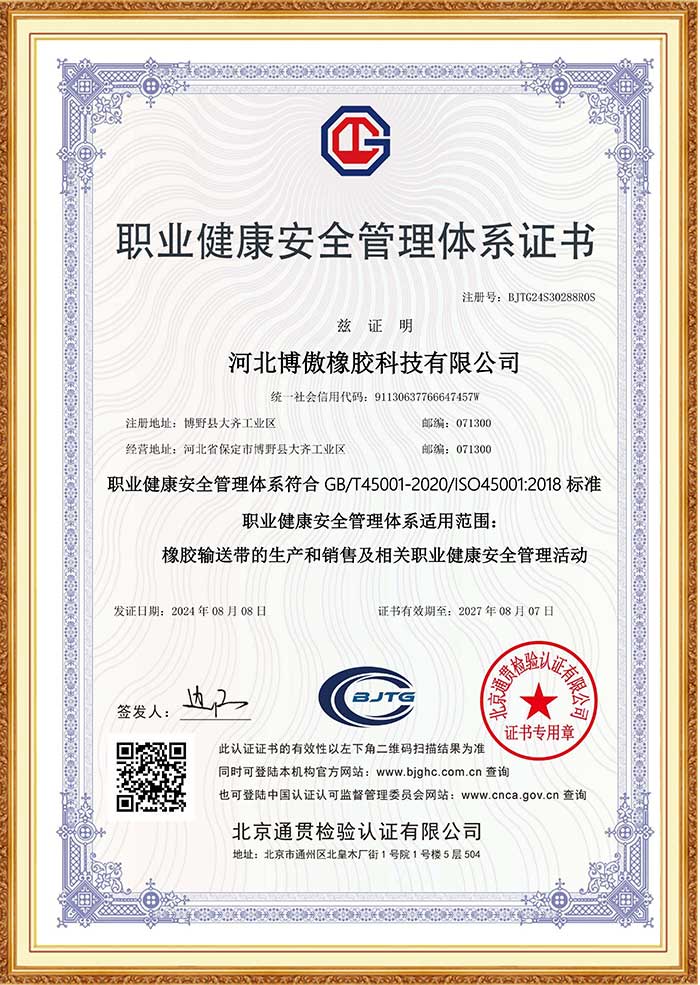
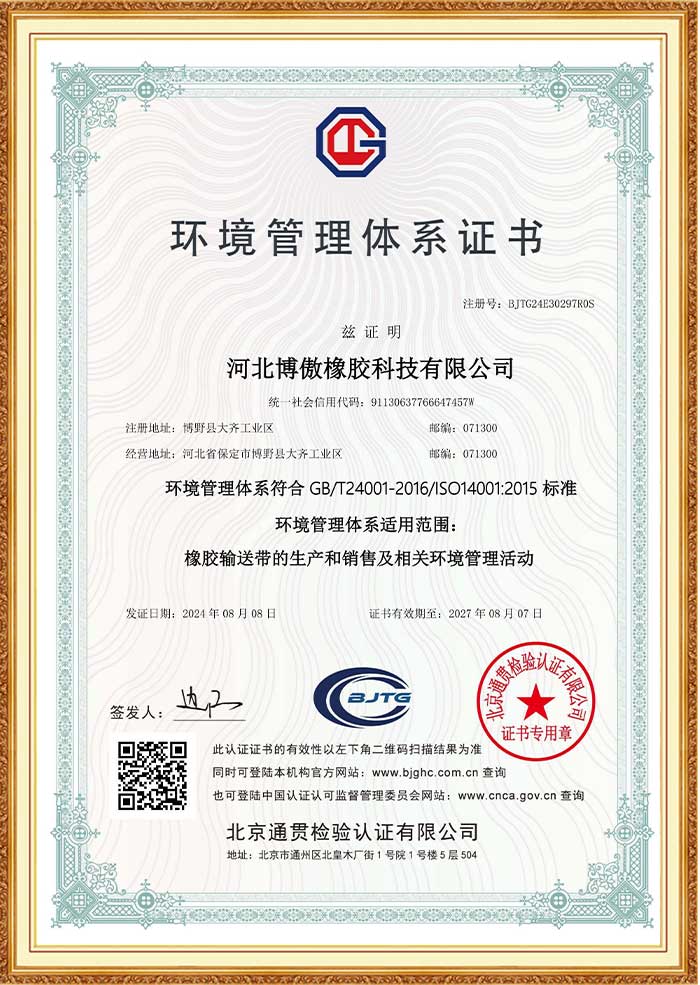
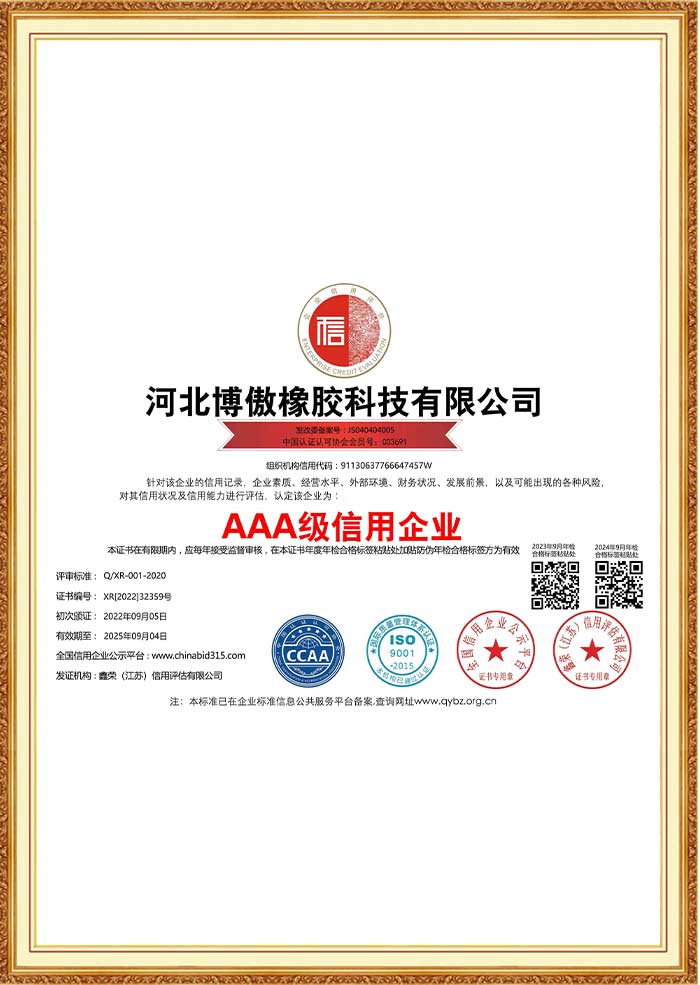
To build trust in the international market, we subject all Jinao products to rigorous certification testing. Our factory conforms to international production norms to deliver certified structural conveyor components.
Procuring heavy belt systems is a capital expenditure that requires structured lifecycle support. We provide technical services designed to maintain operational stability and extend conveyor system lifespan.
Our technicians analyze wear patterns and schedule replacements during planned shutdowns, minimizing unscheduled maintenance breaks.
We supply precise vulcanization tool kits, hot/cold splice adhesives, and mechanical fasteners alongside technical guidance for correct field installation.
For sudden belt tears or tracking failures, our team provides emergency response guidelines and repair materials to minimize operational downtime.
Selecting the right cutting edge depends on the reinforcement core. For fabric plies (EP/NN), high-carbon steel alloy circular blades or automated shears provide clean cuts without frayed fabric edges. For steel cord belts, a specialized shear-cut blade or hydraulic steel cable cutter is required to sever the cables without deforming the adjacent rubber.
Severing a belt exposes the internal fabric layers to environmental moisture and chemical agents. Unsealed edges allow water to migrate into the plies, leading to delamination and structural decay. Using edge-sealing compounds or vulcanizing the margins seals the structural core.
Automated belt cutting machines deliver linear tolerances of less than 0.5mm, ensuring a perfectly square joint profile. When the splice is square, tension forces distribute evenly across the joint width, preventing tracking issues and reducing localized stress concentrations that cause premature joint failure.
Our thermal-resistant line includes specialized compounds rated for continuous material temperatures up to 250°C and short-duration peaks of 300°C. Splicing these requires high-temperature rubber compounds and specialized vulcanizing cycles.
 Boao Rubber