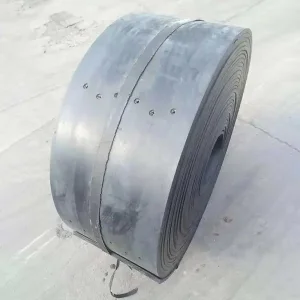
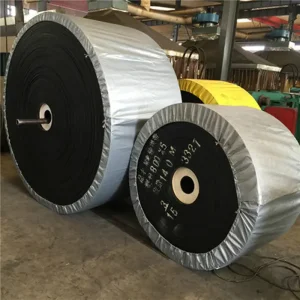
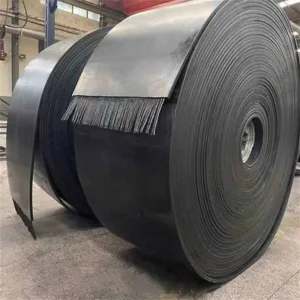
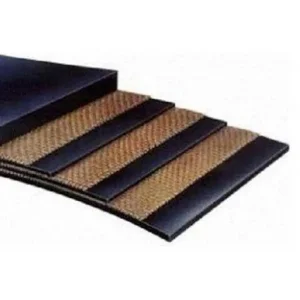
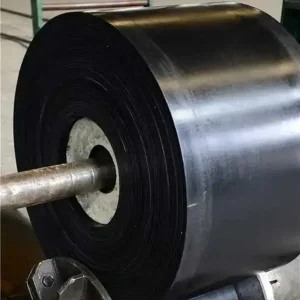
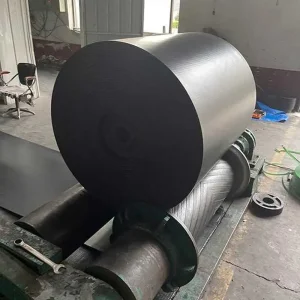
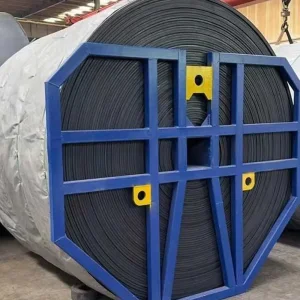
In global heavy industrial sectors, search queries surrounding "rubber band belts" span a wide range of customer intents. While consumer and lightweight machinery operators search for small elastic drive belts, heavy industrial operators, procurement managers, and systems design engineers look for robust industrial rubber conveying bands, heavy-duty bucket elevator belts, and high-tensile strength material handling belts. Addressing this full spectrum of user intent requires a deep analysis of modern elastomeric engineering.
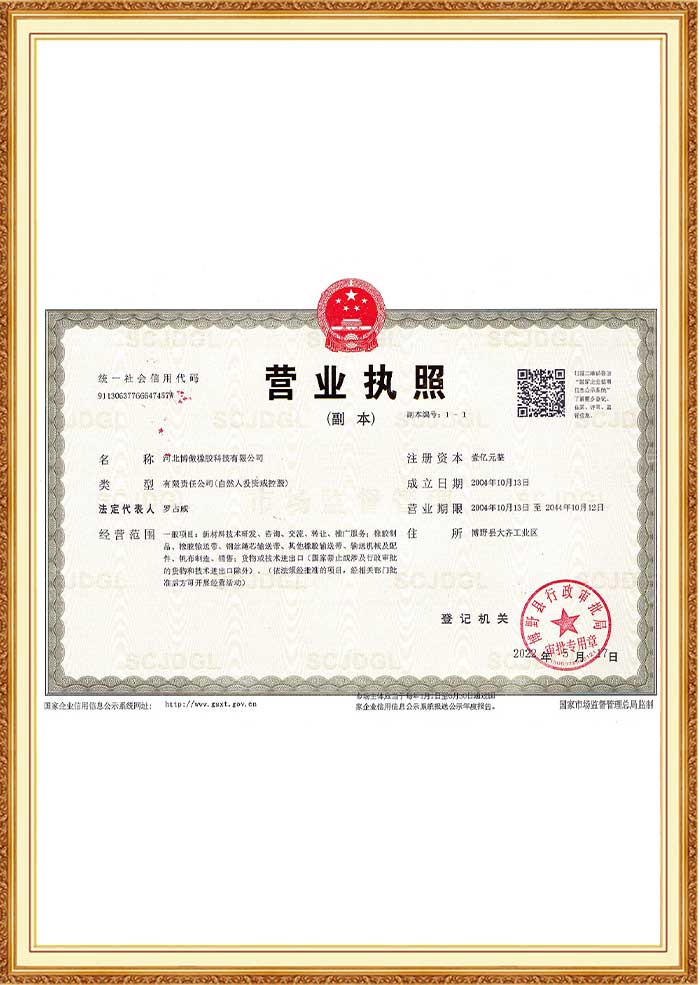
Hebei Boao Rubber Technology Co., Ltd. (Brand: Jinao) has served as an industry-leading manufacturer and supplier of heavy-duty rubber belts since 2004. With a state-of-the-art facility covering over 30 acres in the Rubber Industrial Park of Boye County, Baoding, Hebei Province, China, we specialize in high-capacity conveyor belts designed for extreme environments, ranging from high-temperature steel slag handling to highly corrosive acid-alkali chemical processing plants.
An industrial rubber band belt's performance depends heavily on its vulcanized cover compounds and reinforcement carcass. As material sciences advance, engineering customized compounds ensures optimized load distribution and extended product lifecycle:
Features a polyester warp and polyamide fill. EP belts offer low elongation under tension, high resistance to structural impacts, and exceptional dimensional stability.
Composed of polyamide fibers in both warp and fill directions. NN belts provide superior elasticity, excellent fatigue resistance, and exceptional flexibility for deep troughing configurations.
Specifically engineered for long-distance, high-tension, and high-speed bulk material transportation. Provides unbeatable tensile strength and minimal stretch.
The manufacturing of rubber conveyor belts is currently transitioning toward smart integration, safety enhancement, and environmental sustainability. By leveraging cutting-edge polymer engineering and digital testing methodologies, Boao Rubber is developing next-generation solutions:
Integration of magnetic sensor coils and RFID tags directly within the rubber matrix. These smart sensors identify early-stage tears, misalignment, and splice failures, instantly stopping the system to prevent catastrophic belt rips.
Developing bio-based rubber compounds and utilizing eco-friendly plasticizers to reduce carbon emissions during vulcanization by up to 35%, aligning with EU and North American green regulations.
Formulating EPDM-chlorobutadiene co-polymers combined with heat-resistant synthetic backbones to handle extreme temperatures in cement clinker transport and metallurgical sinter handling.
Established in 2004, Hebei Boao Rubber Technology Co., Ltd. operates a high-capacity manufacturing facility in the Boye Rubber Industrial Park, Baoding, China. As a premier provider of heavy-duty material handling solutions, we market our products under the registered trademark "Jinao".
Our facility features advanced production lines for rolling, forming, vulcanizing, and quality control testing (from raw polymers to finished industrial belts). By combining domestic production capabilities with international quality standards, Boao has grown into a trusted manufacturer supplying heavy-duty rubber belts worldwide.
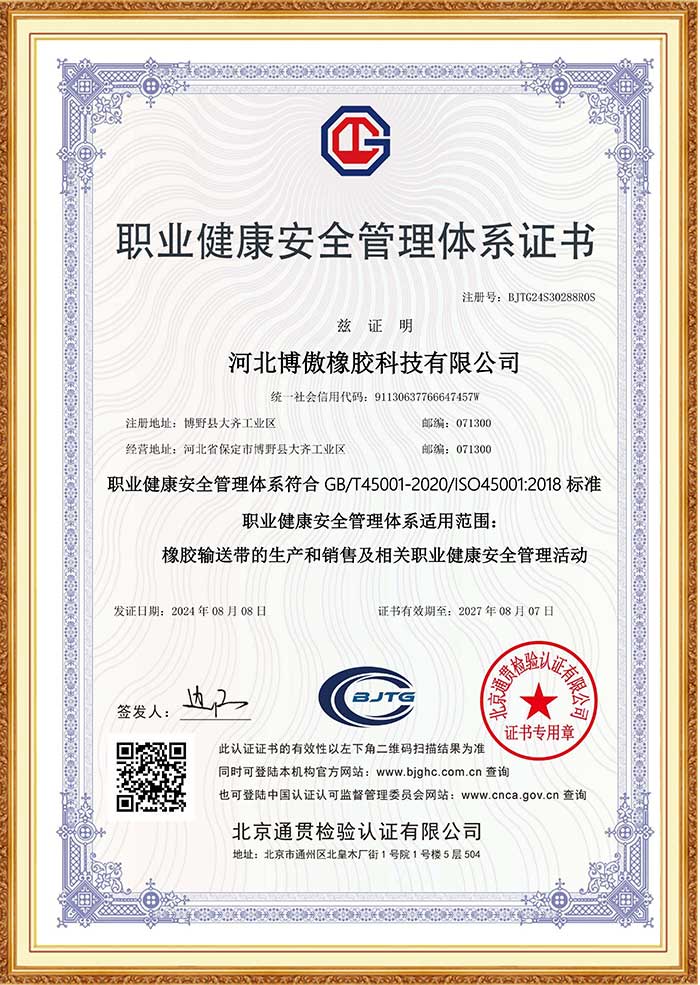
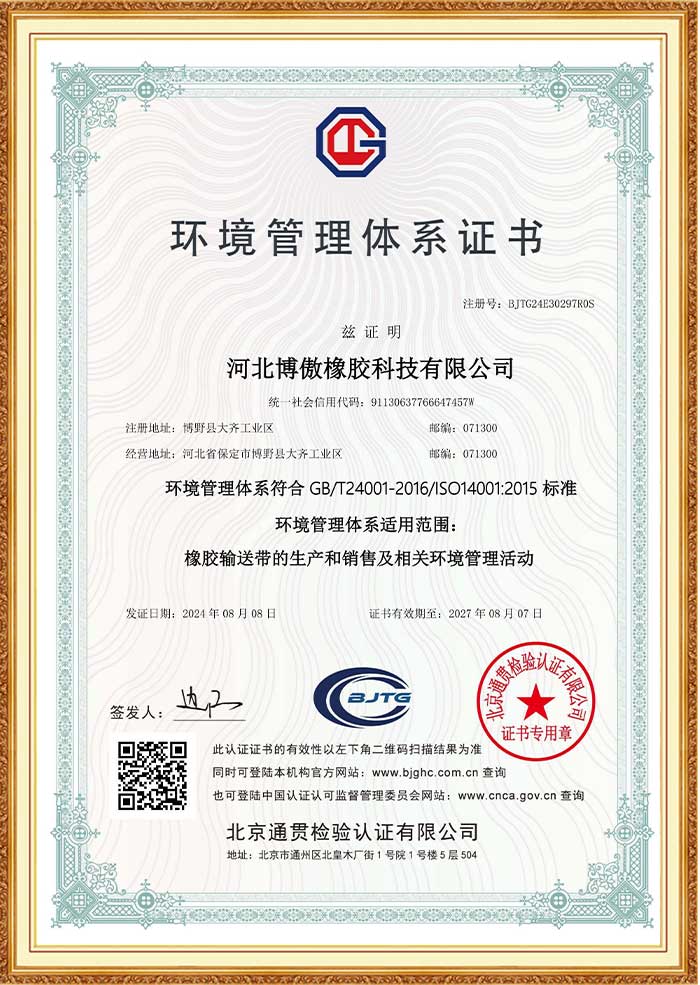
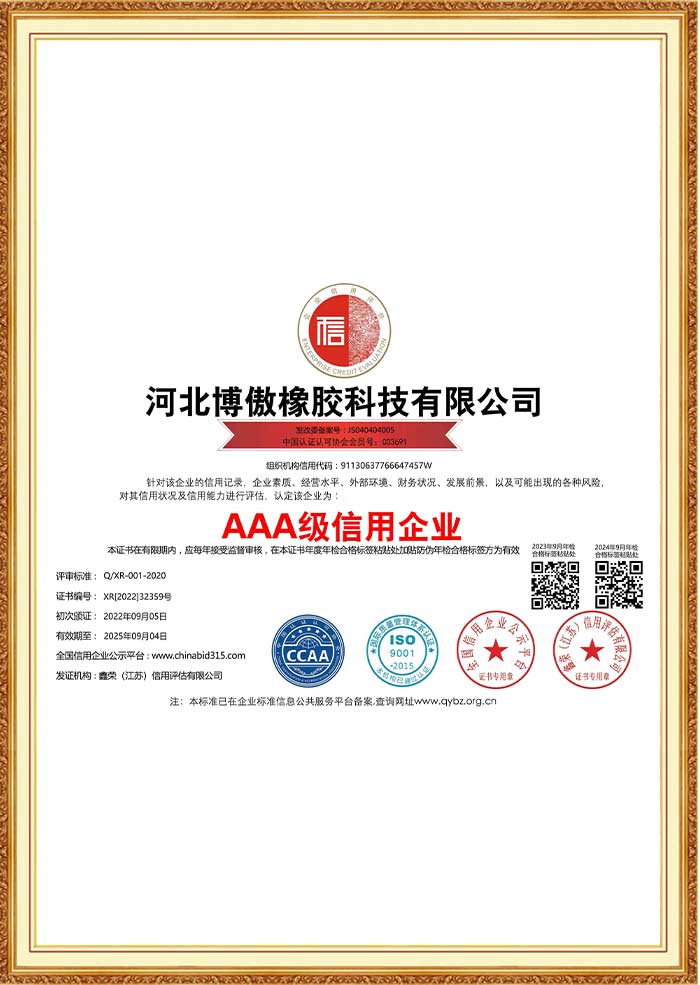
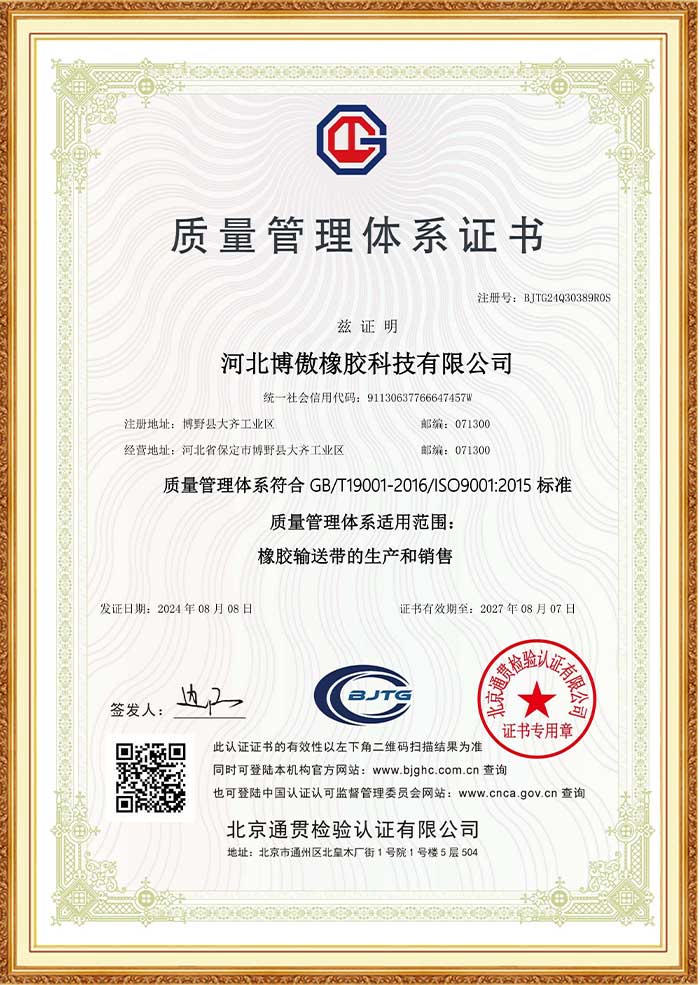
"We have passed the international quality management system certification, guaranteeing structural reliability and chemical resistance across all product lines."
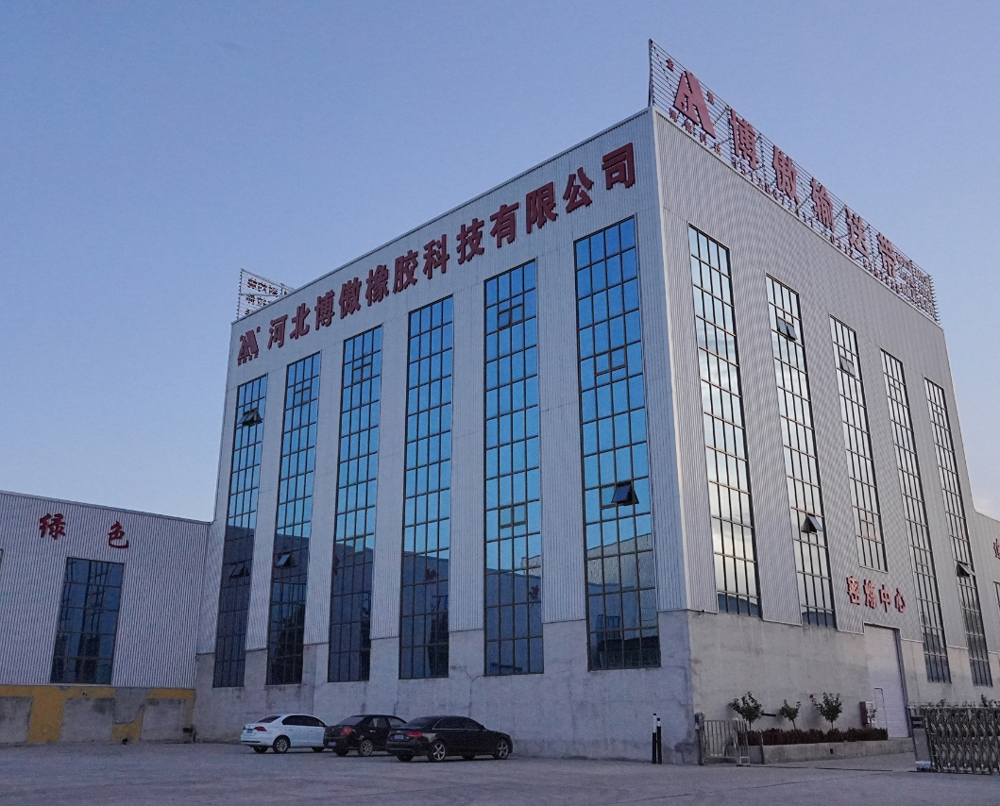
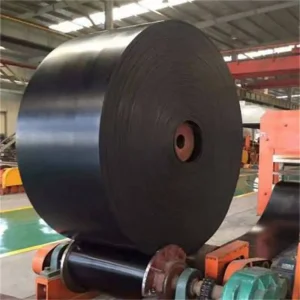
Inside our modern facility: Precision engineering ensures the quality of every roll of rubber conveyor belt.
We feature an in-house chemical analysis room and physics laboratory. This allows us to monitor every stage of production—from checking raw polymers to final vulcanization stress tests. We strictly enforce a policy where unqualified raw materials cannot enter production, and non-compliant finished products cannot leave our warehouse.
Our quality control team works with advanced testing equipment to run rigorous checks on tensile strength, abrasion resistance, fire retardancy, and chemical degradation, ensuring consistent quality across all batches.
Back by strong technical support and dedicated after-sales service, our systems handle demanding bulk materials in steel mills, coal mines, cement plants, power generators, agricultural storage, and ports worldwide.
No single rubber belt design fits every application. Bulk material handling requires distinct physical configurations to handle specific heavy-duty challenges:
Transporting materials like steel sinter, iron ore, coke, and cement clinker requires highly heat-resistant belts. Operating at temperatures between 120°C and 250°C (with peaks up to 400°C) causes standard rubber to degrade, crack, and lose structural integrity. Our heat-resistant conveyor belts utilize EPDM compound covers reinforced with heat-treated fabrics to prevent thermal aging and delamination.
Underground coal mining carries inherent risks of fire and explosions. The belt carcass must be self-extinguishing and anti-static. Additionally, sharp rock edges can pierce belts, leading to longitudinal tearing. Our anti-tear steel wire rope belts feature high-strength steel cables and transverse reinforcing mesh to distribute impact forces, preventing tears and ensuring safe operations.
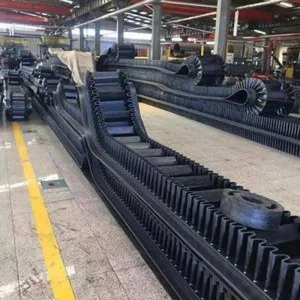
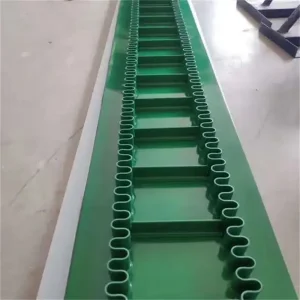
To maximize layout space, port operations often require high-inclination conveyor systems. Our corrugated sidewall and patterned (herringbone/pit) rubber belts prevent material rollback at steep angles up to 90 degrees. This design ensures stable handling of coal, grains, and gravel while maximizing throughput.
Exposing belts to acidic or alkaline materials leads to swelling, cracking, and cover separation. We design acid-alkali resistant belts using synthetic compounds specifically engineered to handle harsh chemicals, extending belt life in fertilizer plants and chemical refining operations.
Boao Rubber’s manufacturing plants leverage smart manufacturing to deliver stable, high-performance products at competitive prices:
Our heavy-duty rubber belts are trusted in large-scale material handling operations across China and international markets.
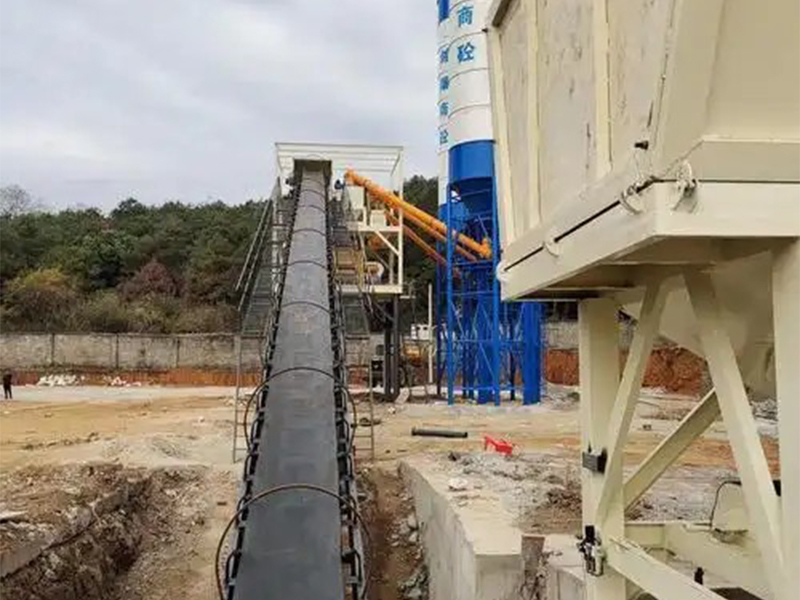
China Railway Group Mixing Plant
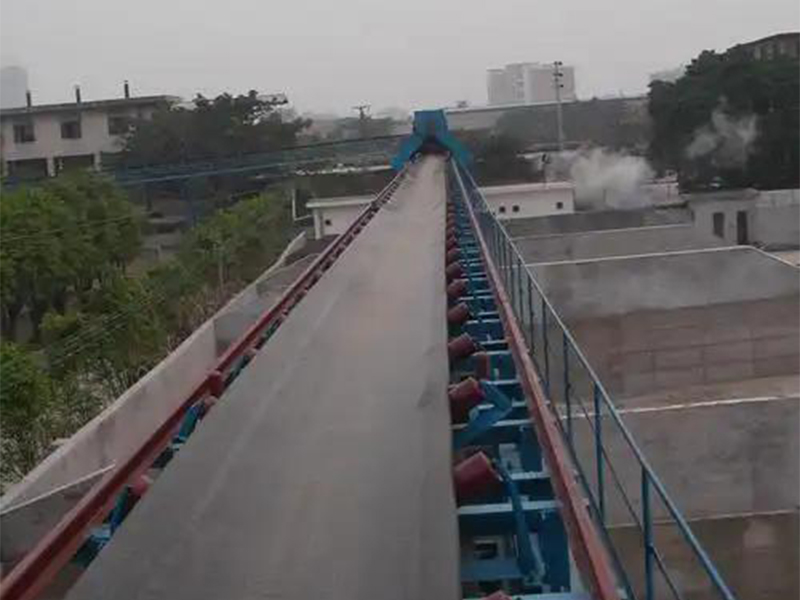
Conch Cement
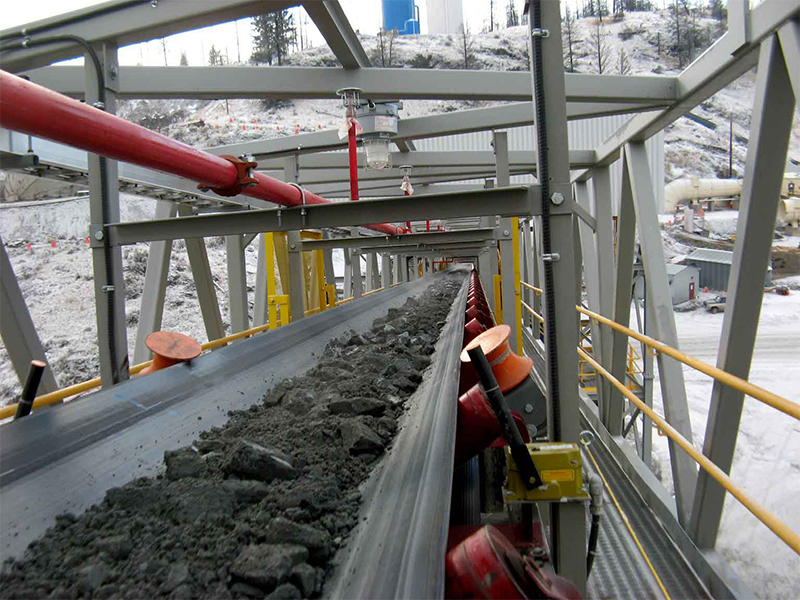
Datong Coal Group
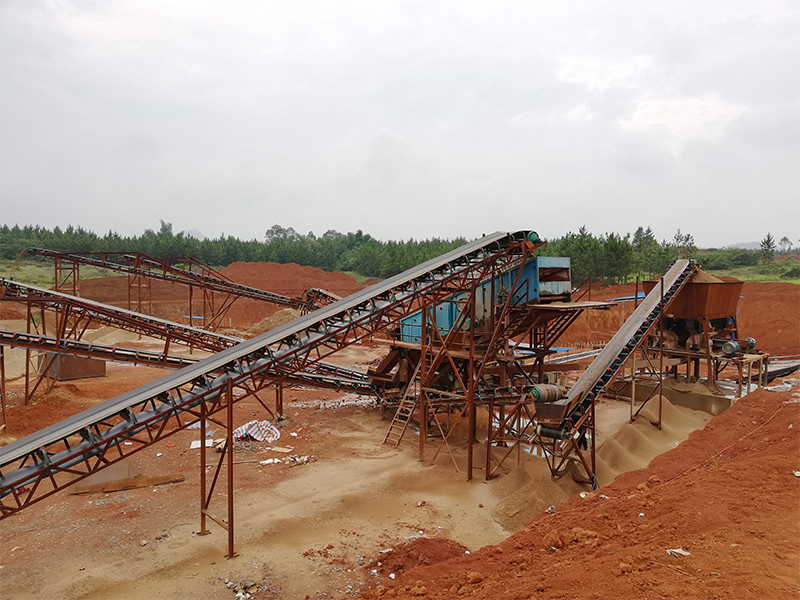
Tsingshan Group
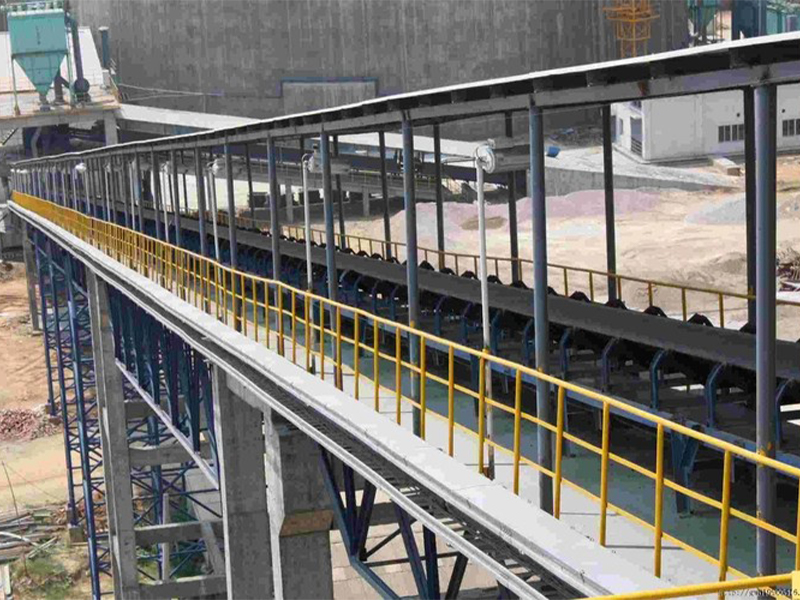
Jidong Cement Group
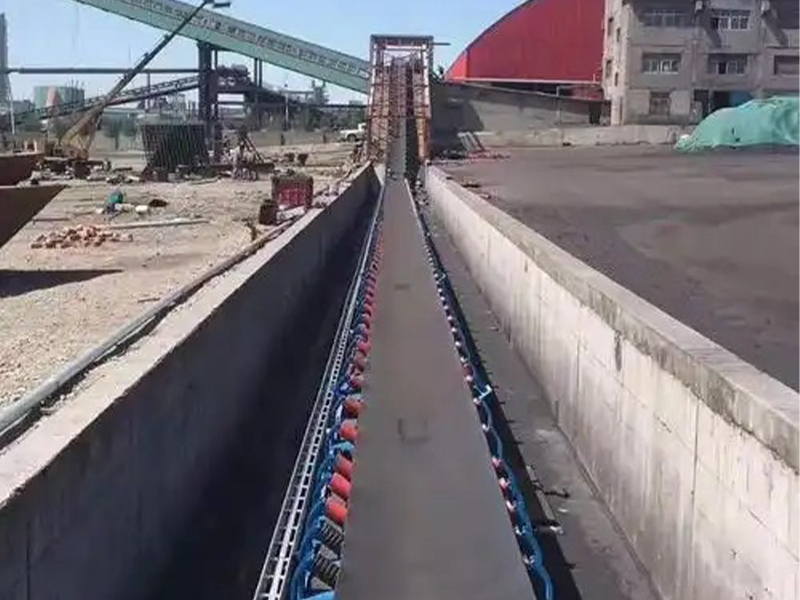
Jinmei Group Coal Conveying Line
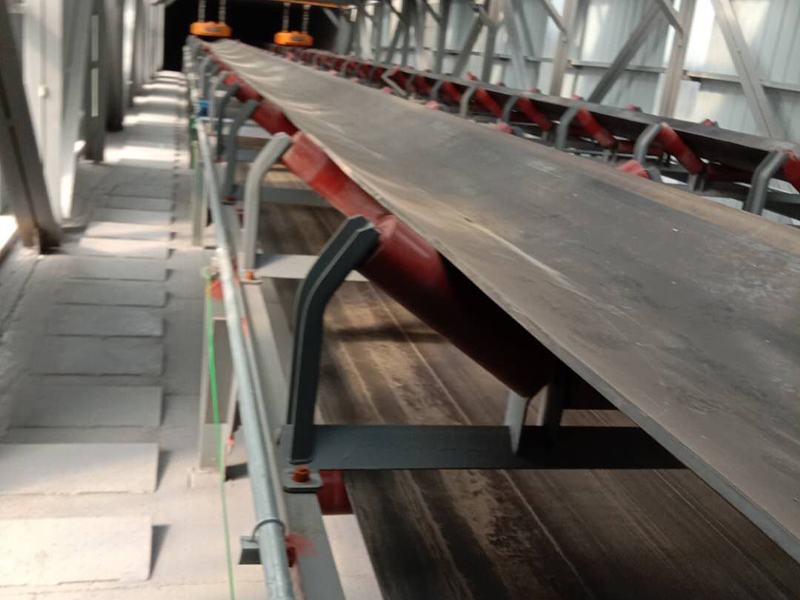
Taihang Steel
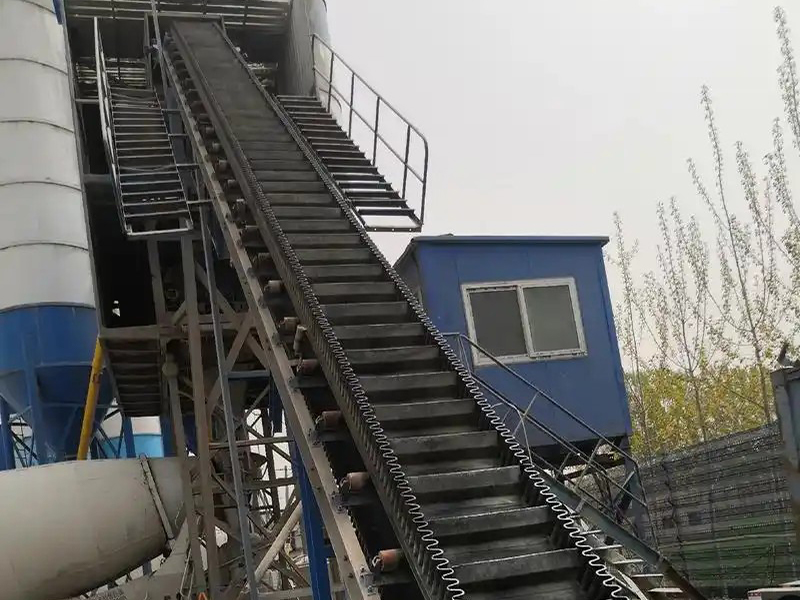
Puyang Steel Group
Jinao® products comply with international standards, including DIN (Germany), AS (Australia), RMA (USA), and ISO guidelines.
To ensure reliable operations, we offer integrated technical services to optimize belt lifecycles, minimize downtime, and reduce operational costs:
We work with you to plan scheduled shutdowns and coordinate belt replacements, splicing, and inspections, keeping production running smoothly.
We supply vulcanized splicing materials and provide expert guidance on hot/cold splicing techniques to maximize splice strength and durability.
Our rapid-response support team offers fast troubleshooting assistance, keeping conveyor system disruptions to a minimum.
 Boao Rubber