Engineered for high performance, thermal resistance, and critical safety parameters across worldwide manufacturing industries.
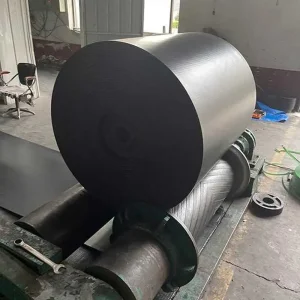
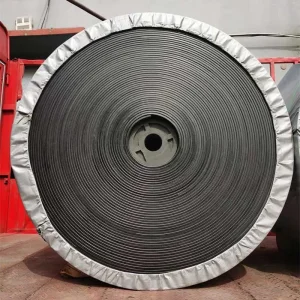
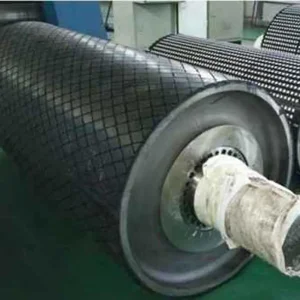
Round rubber belts, commonly characterized by their circular cross-sections, serve as essential mechanical power transmission and product movement components in light-to-medium duty operations. Primarily utilized in multi-pulley configurations, curves, and line-shaft live roller systems, these components offer exceptional flexibility, low noise output, and cost-efficient installation. Designing systems with round rubber belts requires analyzing mechanical variables such as initial tension, bend strain, and durometer rating to optimize runtime and prevent micro-slippage.
Unlike flat or V-belts that rely on specific grooves for wedging action, round belts seat deeply within circular grooves, operating through frictional contact on the pulley flank. A proper match between the belt diameter and pulley groove geometry ensures minimal thermal buildup and limits premature abrasion. As global industries demand higher throughput and automated speed control, modern round belt formulations must offer precise elasticity and immediate recovery to sustain steady-state velocity across complex track systems.
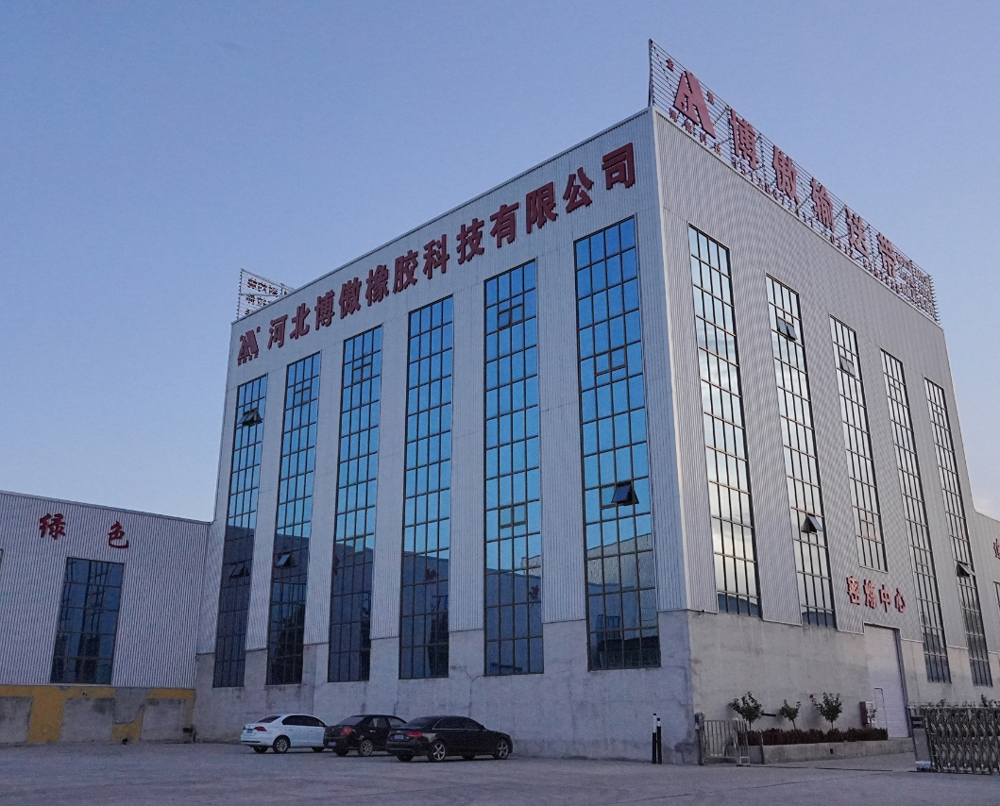
An overview of chemical configurations and key physical limits defining round belt longevity.
Polyurethane options excel in wear-heavy systems due to their high tensile strength and resilience. TPU round belts withstand oil, gasoline, ozone, and chemical solvents, making them suitable for automotive assembly, material processing, and heavy-duty manufacturing lines. They support thermal welding for quick on-site installation, reducing unexpected downtime.
Nitrile compounds are selected for applications requiring oil and fat resistance, especially in food processing and standard automated lines. They offer moderate elasticity and steady friction levels, ensuring consistent rotation transfer with minimal heat buildup when tensioned properly.
EPDM is chosen for outdoor environments and high-heat installations. Resistant to UV exposure, ozone degradation, and severe weather, it operates reliably across a wide temperature range without cracking, supporting demanding outdoor sorting and transport processes.
| Material Compound | Durometer (Shore A) | Tensile Strength (MPa) | Working Temp (°C) | Primary Industrial Use Cases |
|---|---|---|---|---|
| Thermoplastic Polyurethane (TPU) | 85A - 95A | 35 - 50 | -25°C to 80°C | Automated parcel sorting, food conveyors, packaging logistics |
| Nitrile Rubber (NBR) | 70A - 80A | 12 - 18 | -20°C to 100°C | Automotive fuel paths, oiled metal stamping lines |
| EPDM Rubber | 65A - 75A | 8 - 14 | -40°C to 130°C | Outdoor sorting, agricultural harvesters, chemical plants |
| Chloroprene (Neoprene) | 70A | 15 - 20 | -30°C to 110°C | Heavy-duty machinery drives, power tool belt transmission |
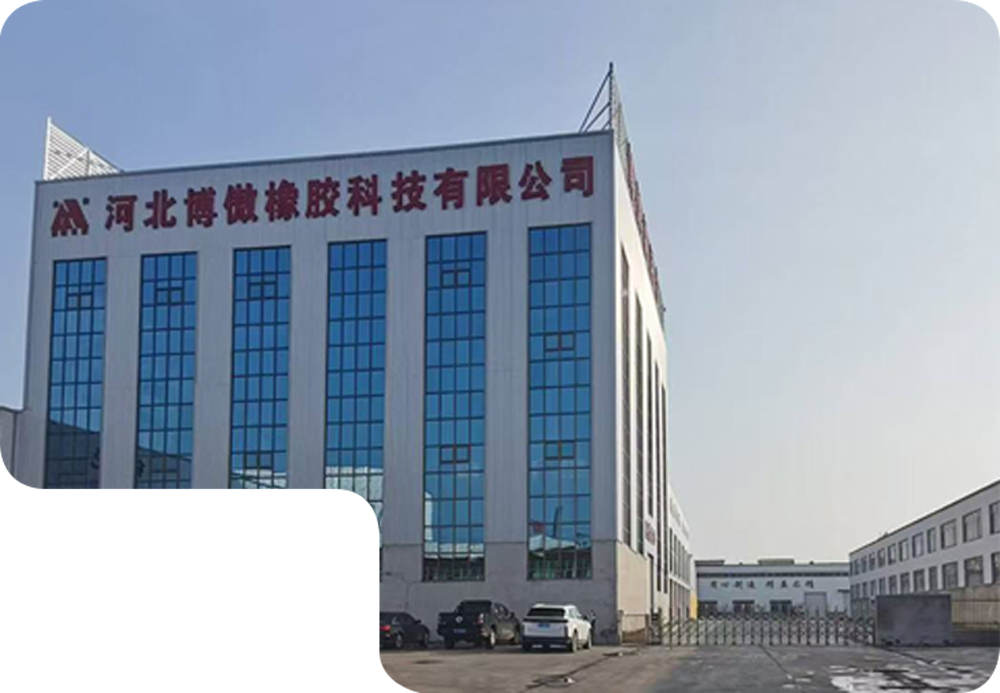
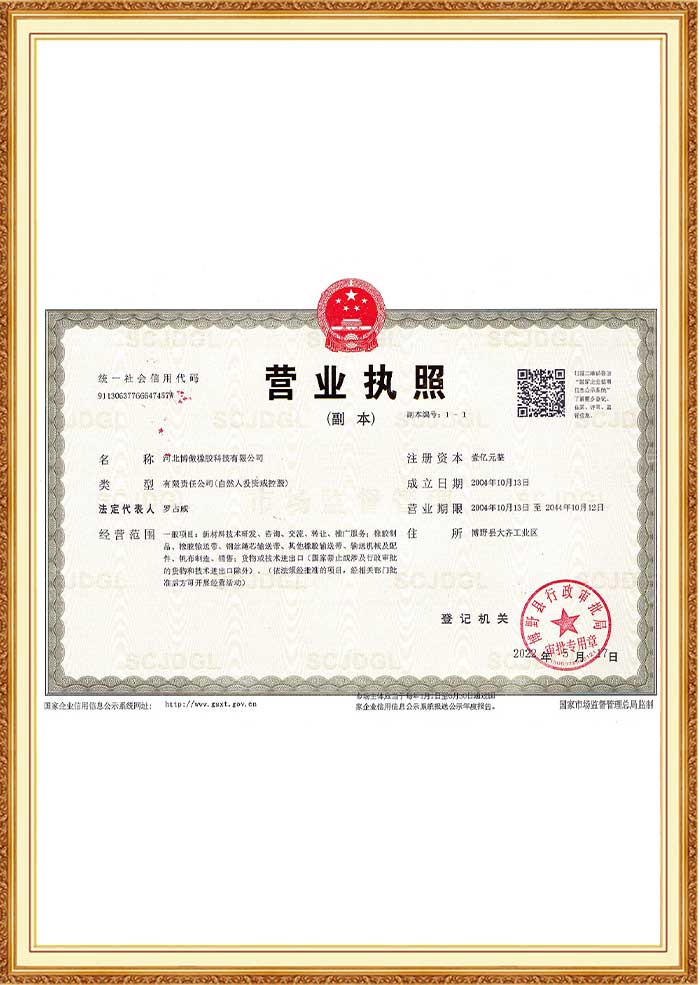
Founded in 2004, Hebei Boao Rubber Technology Co., Ltd. has established itself as an experienced manufacturer of industrial belts and conveying systems. Located within the Boye County Rubber Industrial Park, Baoding City, Hebei Province, our facilities span over 30 acres of modern production and development space.
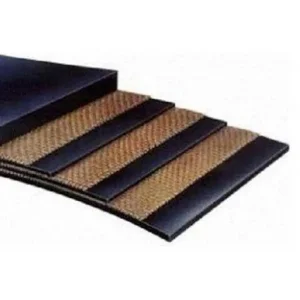
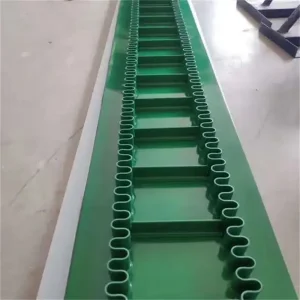
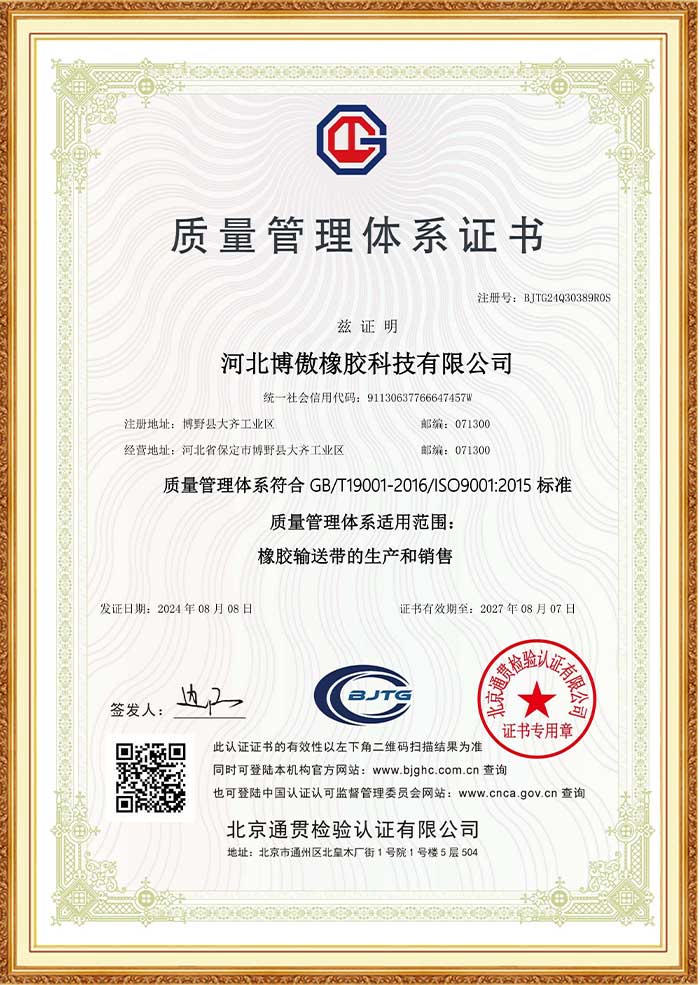
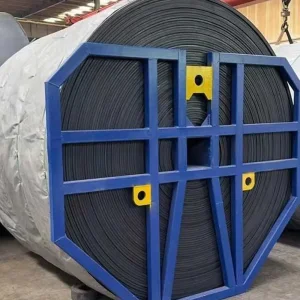
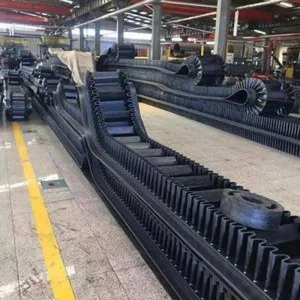
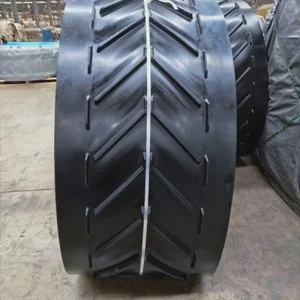
Under our brand "Jinao", we provide design, fabrication, and after-sales support for layered conveyor belts (NN, EP, PP), heat-resistant, cold-resistant, chemical-resistant, oil-resistant, and high-angle corrugated sidewall belts, as well as high-precision round belts and supporting machinery components. Our processes are ISO-certified, ensuring each production run meets consistent quality benchmarks.
"Our commitment centers on a zero-defect policy. By operating an in-house chemical analysis room alongside advanced testing equipment, we monitor materials from incoming raw rubber to finished rolls. No out-of-spec product leaves our Boye County facility."
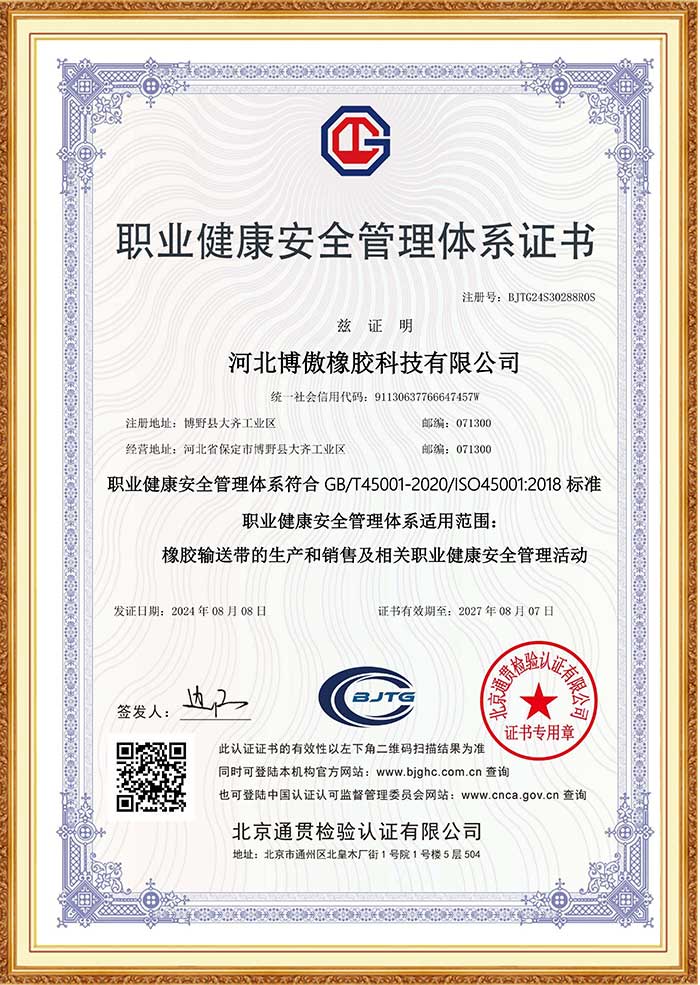
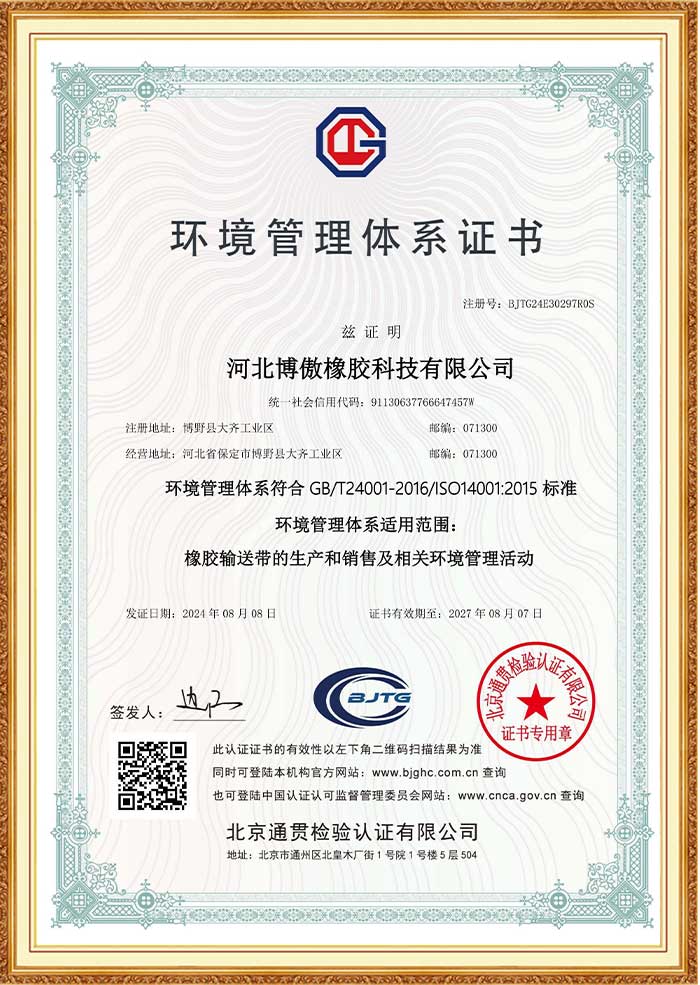
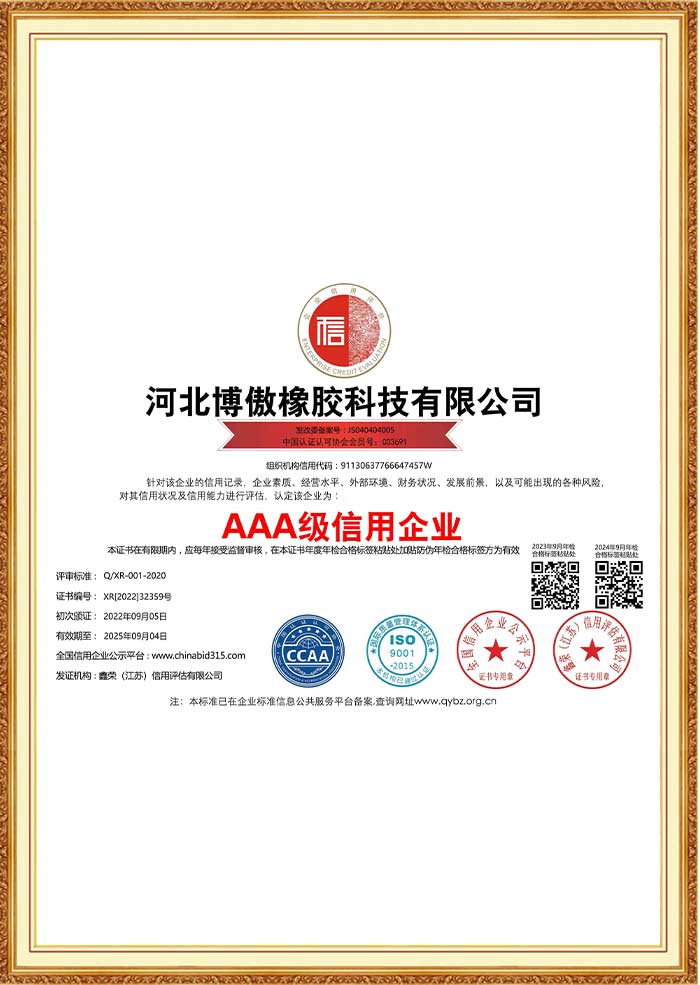
To ensure complete reliability, our facility maintains advanced vulcanization lines, precision mixers, and mechanical testers that align with international quality standards.
How localized manufacturing clusters and raw material integration benefit global procurement.
Boye County, Baoding, serves as a hub for rubber production in Northern China. This concentration enables direct sourcing of high-grade raw polymers and processing additives, lowering manufacturing overheads and shortening production timelines.
By investing in automated mixing, extrusion, and computerized vulcanization controls, our factories maintain tight dimensional tolerances. This ensures cross-sectional roundness and diameter consistency, which are critical for high-speed automated lines.
Proximity to key transport corridors and major Northern ports like Tianjin allows for streamlined container packing, export clearance, and ocean transport, reducing international delivery times.
Our engineering solutions support sorting, packing, and heavy bulk material handling across diverse sectors.
In high-volume e-commerce sorting centers, polyurethane round belts are used to drive zero-pressure accumulation roller conveyors. Their stretch resistance and positive grip support continuous sorting cycles under varying package weights.
Folder-gluers, cartoning machinery, and paper feed drives require non-marking, consistent-speed round belts. Elastic polyurethane belts sustain feed tension and reduce slip, helping to maintain processing speeds.
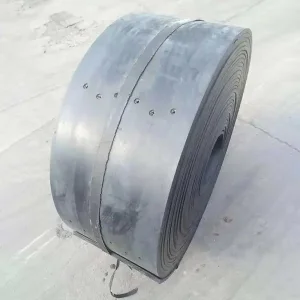
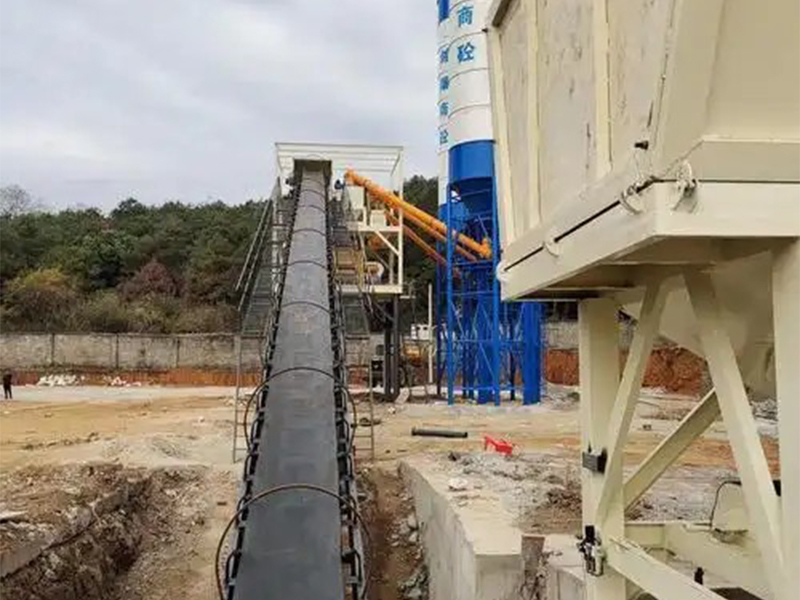
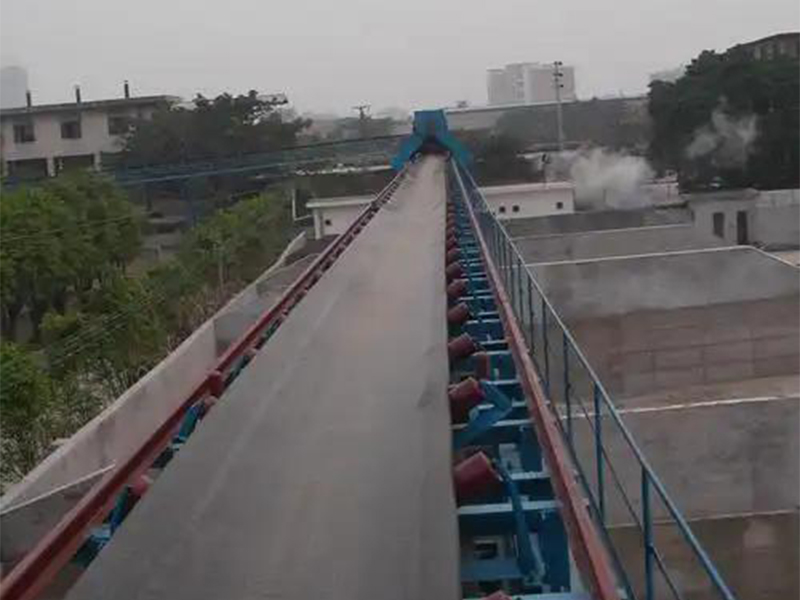
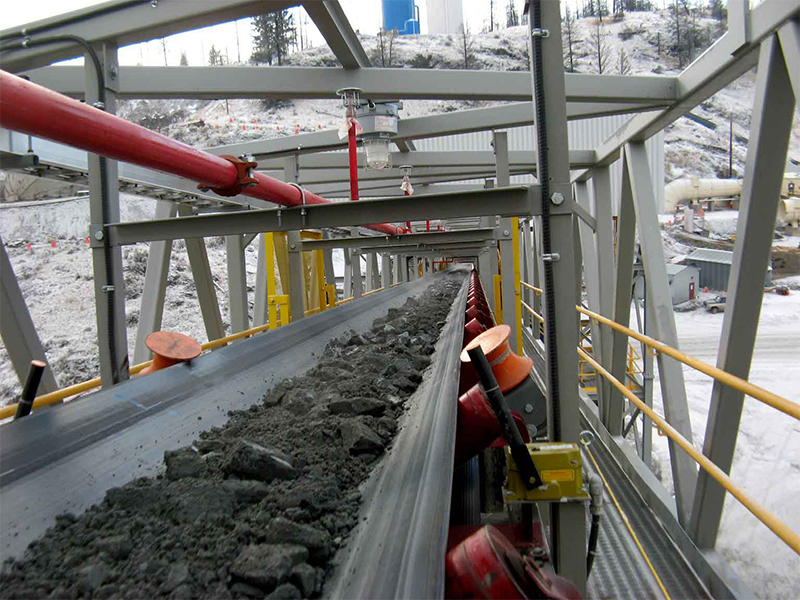
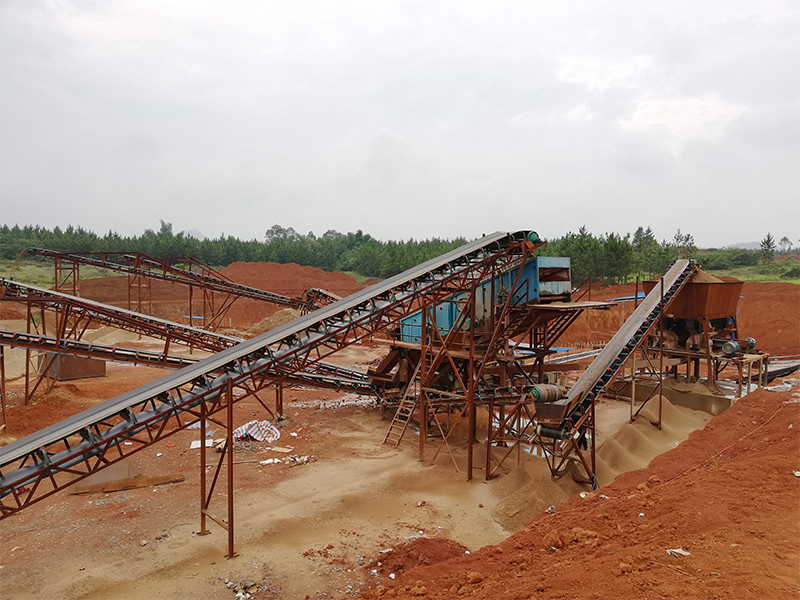
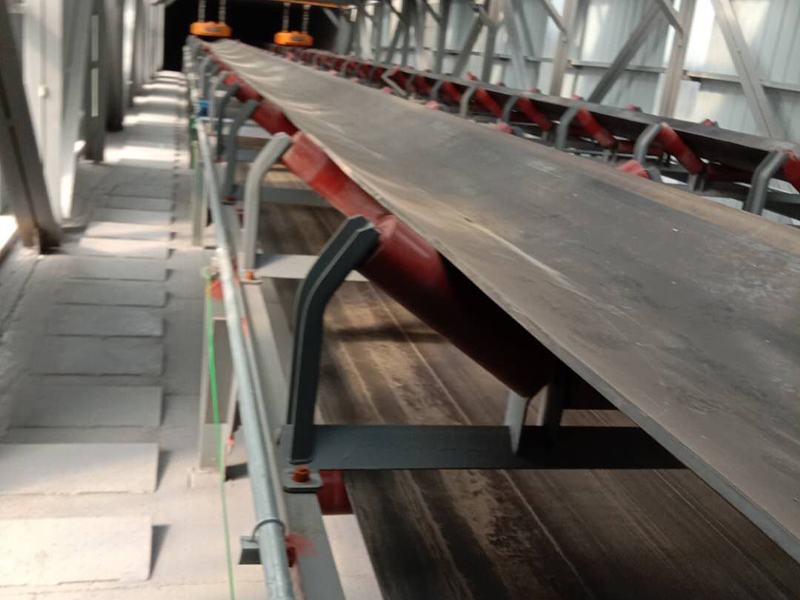
For heavy bulk handling, our Jinao brand supplies robust layered, steel-cord, and pattern belts to large steelworks, cement works, and mining companies, proving durability under demanding conditions.
Leading operators in mining, logistics, steel, and cement trust Hebei Boao for high-performance conveyor and power transmission systems.
How we maintain product reliability and regulatory alignment for international buyers.
Our lab tests each production run for tensile strength, elongation limits, and abrasion wear before shipment, ensuring they perform reliably under continuous duty cycles.
Raw materials are analyzed to verify compound composition, stability, and chemical structure. This ensures consistent product performance and limits issues like heat softening or early hardening.
Our designs align with common regulatory standards, including FDA regulations for direct food-handling belts, and RoHS and REACH chemical limits for electronics manufacturing systems.
Our commitment extends beyond supplying parts to providing comprehensive technical support that helps improve system runtime and extend conveyor component service life. Working with a single, integrated manufacturer simplifies parts management and ensures compatibility across your lines.
Comprehensive Service Scope: We offer layout design assistance, stock management plans, and emergency repair guidance. For round polyurethane installations, we supply welding kits and joining instructions to help maintenance teams perform fast on-site repairs.
Focus on Efficiency: By analyzing belt tensions and pulley wear factors, our engineering support helps companies reduce maintenance intervals, lower energy consumption, and manage overall operational costs.

Common questions regarding system design, material performance, and splicing methods.
Polyurethane round belts generally require an installation tension pre-stretch of 6% to 10% for non-reinforced versions, and 2% to 4% for reinforced styles. Proper tension prevents slippage without overloading motor bearings.
Thermoplastic polyurethane (TPU) belts are joined using thermal fusion. The ends are cut square, heated to their melting point using a hot welding tool, and pressed together in a fixture. Once cooled, the flash is trimmed to create a continuous loop.
While both resist oil, Nitrile Rubber (NBR) maintains a more stable coefficient of friction in oiled environments, whereas polyurethane (PU) offers higher overall cut and abrasion resistance under dry or moderately lubricated conditions.
The recommended minimum pitch diameter for a 1/4" round belt is 2.5 inches (approx. 63mm). Running on smaller pulleys increases bending stresses, which can shorten the belt's operating life.
They can, but standard practice uses 60-degree V-grooves or semi-circular round grooves to distribute pressure and reduce localized wear on the belt surface.
Early stretching is often caused by overloading, high temperatures that exceed the material limit, or running at incorrect pre-stretch ratios. Selecting a reinforced belt (e.g., with polyester cords) can help limit stretching under load.
Supporting mechanical components, reinforced belts, and custom configurations for global plants.
 Boao Rubber