Engineered for high-capacity systems, demanding operational environments, and long-life durability.
Industry-leading manufacturing & engineering design since 2004
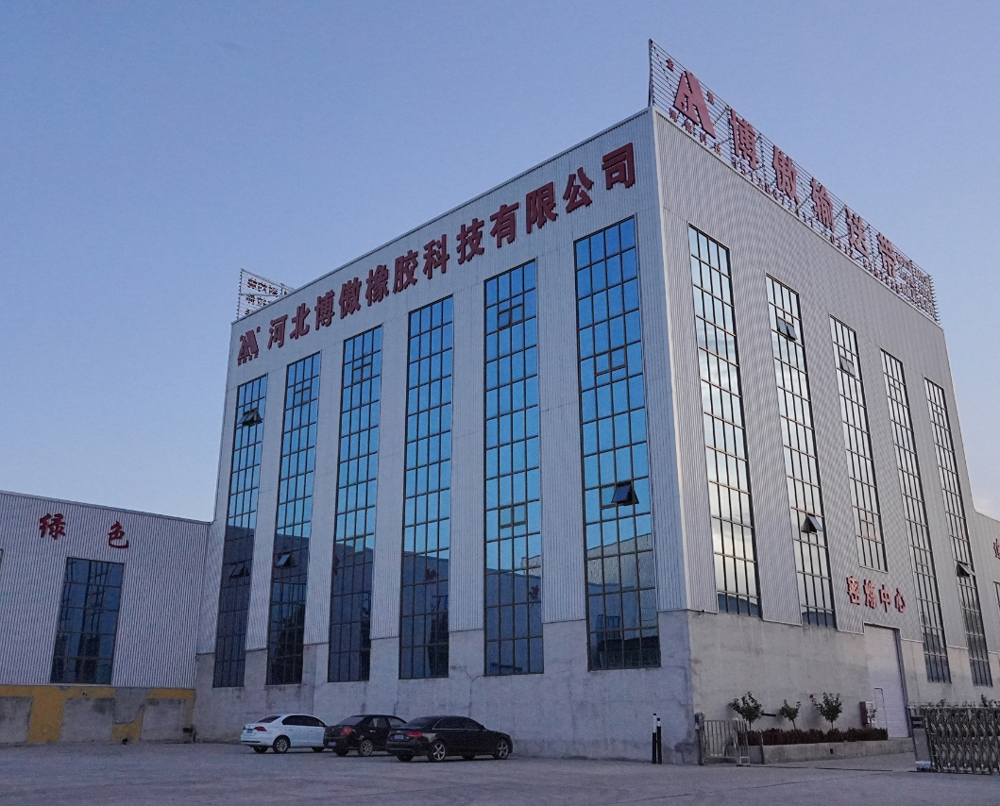
Modern production park located in boye industrial zone
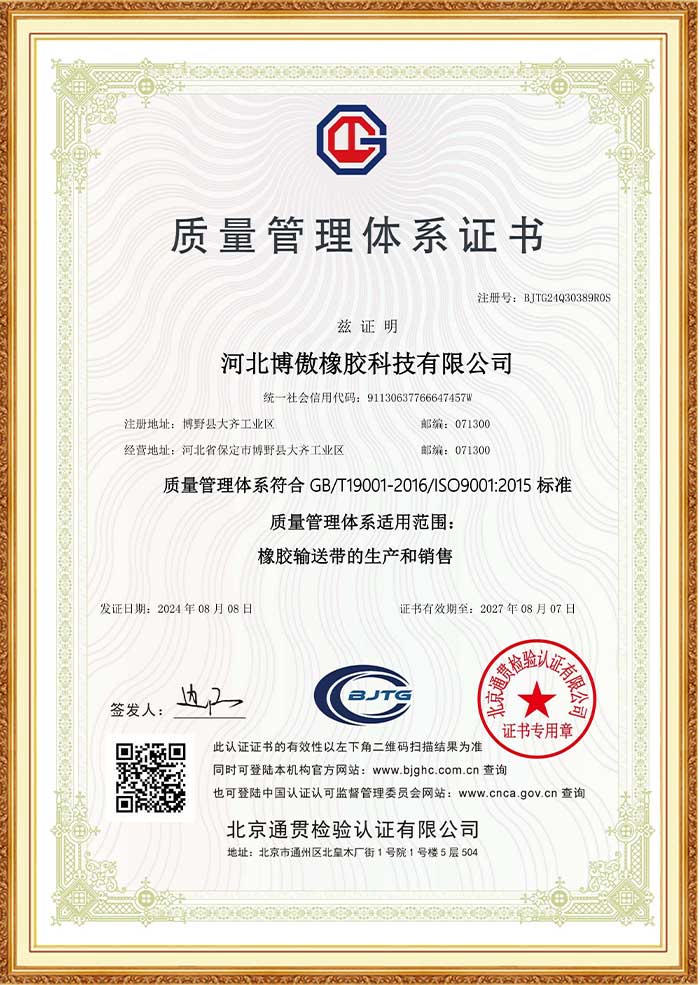
Certified international standards in production control
In-house chemical analysis & physical performance laboratories
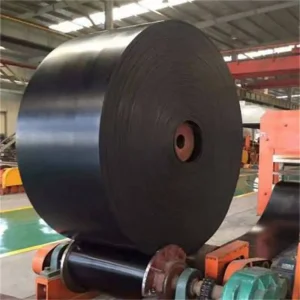
In modern bulk material transport systems, the selection of the conveyor belt is critical to system reliability, power efficiency, and long-term cost optimization. O Ring Conveyor Belts, multi-ply fabric constructions, and high-tension steel cord variants represent the core of advanced mechanical conveying technology.
At Hebei Boao Rubber Technology Co., Ltd. (proudly carrying our signature brand, Jinao), we design, manufacture, and optimize belts for high-demand, abrasive, and thermal load conditions. We support industries worldwide—from modern mining complexes and metallurgical operations to ports and fertilizer facilities—to reduce operational downtime.
Modern procurement operations evaluate conveyor system costs beyond initial capital expenditure. By investing in custom polymer formulations (high wear resistance and low rolling resistance rubber compounds), plants can reduce energy costs by up to 15% and extend belt lifecycle by more than 40%.
How the shift toward automation, resource conservation, and extreme material handling environments shapes the future of rubber belting.
Traditional SBR and natural rubber compounds are giving way to custom-engineered polymers. With specialized additives, modern conveyor belts can withstand constant temperatures exceeding 200°C, resist oil corrosion, and remain flexible in environments as cold as -50°C. This allows processes to run smoothly under harsh conditions.
Conveyor systems consume significant amounts of electricity. New generation bottom-cover rubber compounds are engineered to reduce friction between the belt and rollers. By minimizing rolling resistance, large-scale mining operations and port loading facilities can reduce their overall energy footprint.
As transport distances expand and heights increase, high-tensile steel cord cores provide the strength required to prevent belt stretching. Steel wire reinforced belts offer low elongation and excellent fatigue resistance, supporting heavy loads over long distances.
Procurement leads in sectors like steel, cement, power generation, and port logistics look for suppliers that offer consistent quality, fast turnaround times, and reliable technical support. At Hebei Boao Rubber Technology, we address these priorities through our advanced research lab and integrated manufacturing system. This ensures our clients receive reliable products that meet international standards (ISO, DIN, AS, and JIS).
Located in the Boye County Rubber Industrial Park in Baoding, Hebei, our facility features modern manufacturing systems. Our advanced lines handle rubber mixing, calandering, multi-ply layering, and high-pressure vulcanization. This integration allows us to maintain tight quality control throughout the manufacturing process.
By automating critical steps in our manufacturing, we can scale production while keeping lead times short. Our in-house physics and chemical analysis laboratories perform rigorous testing on all incoming raw materials and finished belts, ensuring that only certified products leave our warehouse.
We provide full-lifecycle service, including custom planning, inspection, splicing, and on-site maintenance.
We work with our partners to audit spare belt inventory, helping maintain safety stock levels. This minimizes operational downtime in emergency replacement scenarios.
We provide detailed technical guides and high-quality materials for vulcanized splicing. Our team helps ensure that joint connections meet strength and fatigue ratings.
We analyze system tension, idler alignment, and material impact zones. This technical approach helps extend the overall lifespan of the conveyor belt.
Our brand manufactures a wide range of conveyor products designed for different industrial needs:
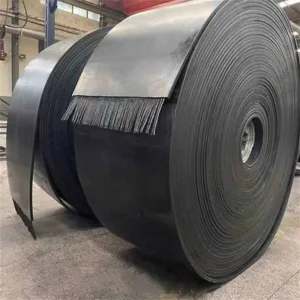
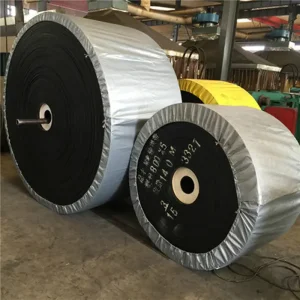
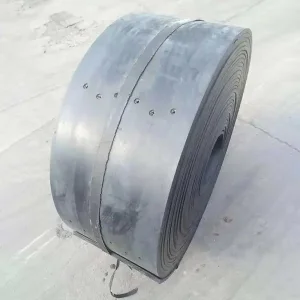
Includes Nylon (NN), Polyester (EP), Steel Wire Rope Core, Heat-Resistant, Cold-Resistant, Acid-Alkali, and Oil-Resistant conveyor belts.
Includes impact idlers, ceramic pulleys, rubber coating rollers, return brackets, tensioning systems, and custom side skirt sealings.
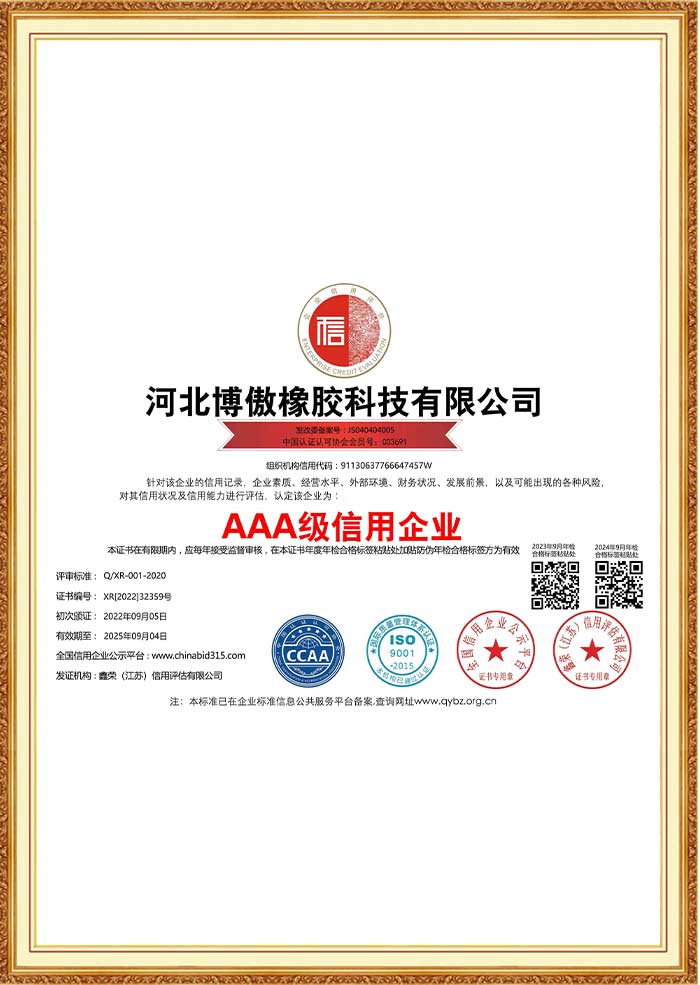
Our commitment to international standards is verified by independent testing bodies and ISO certifications.
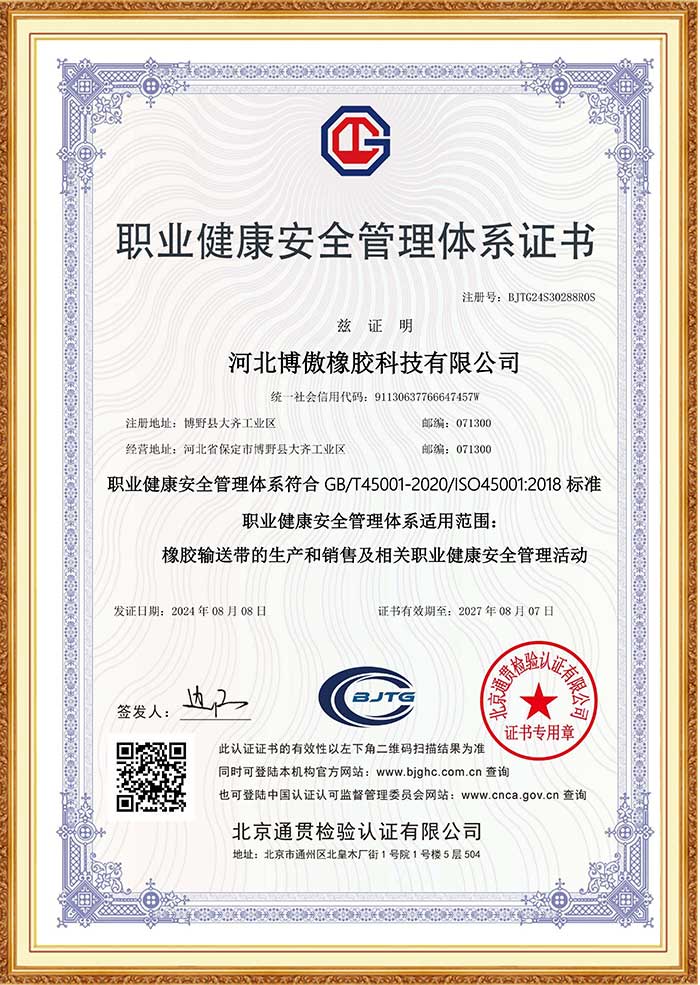
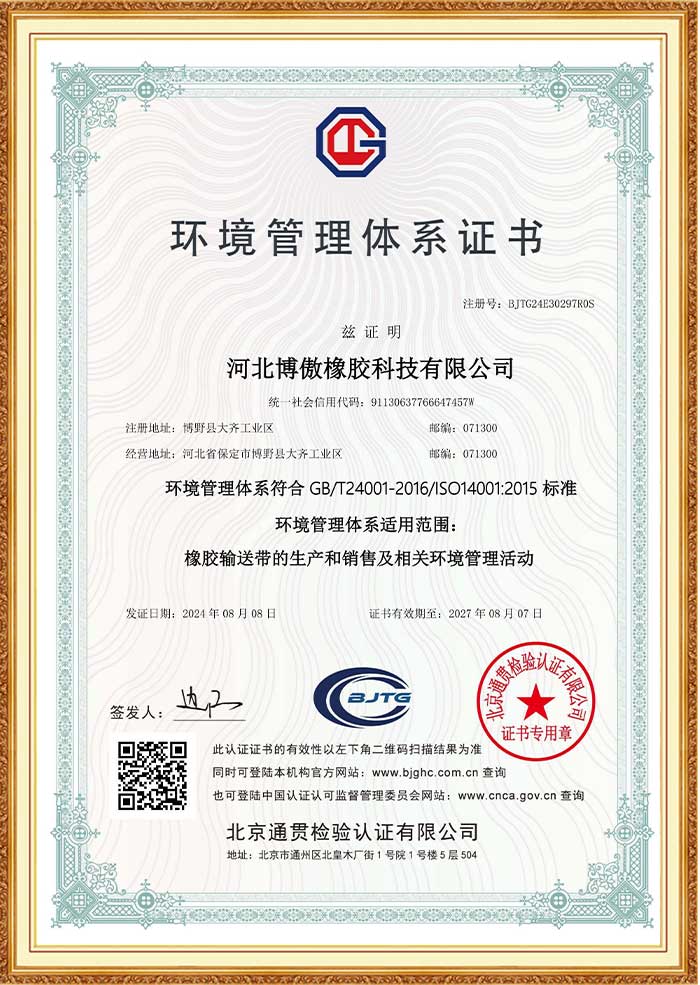
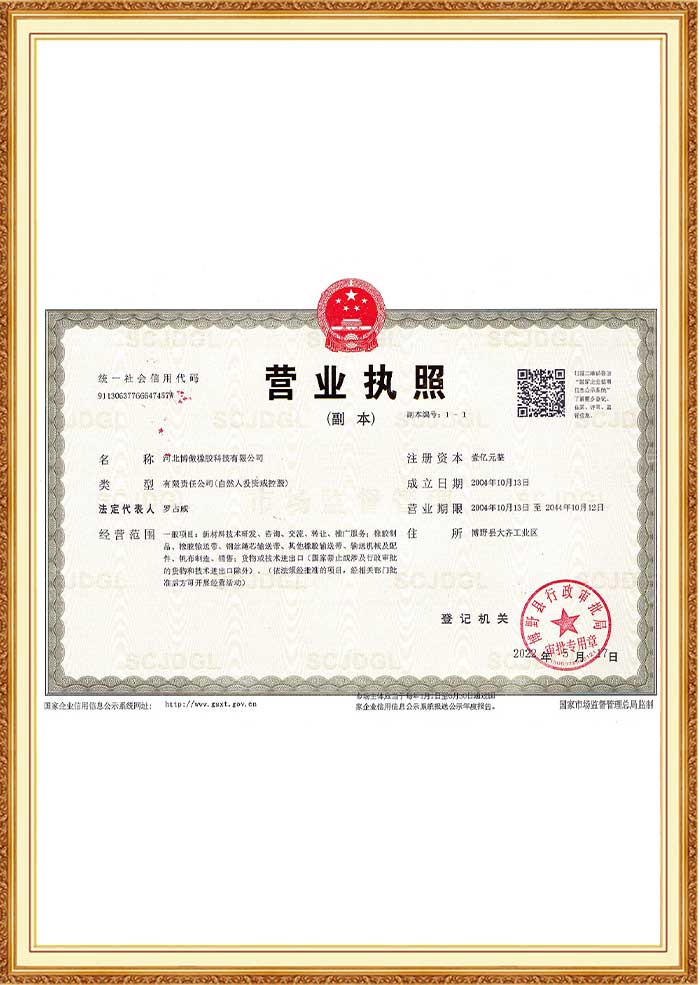
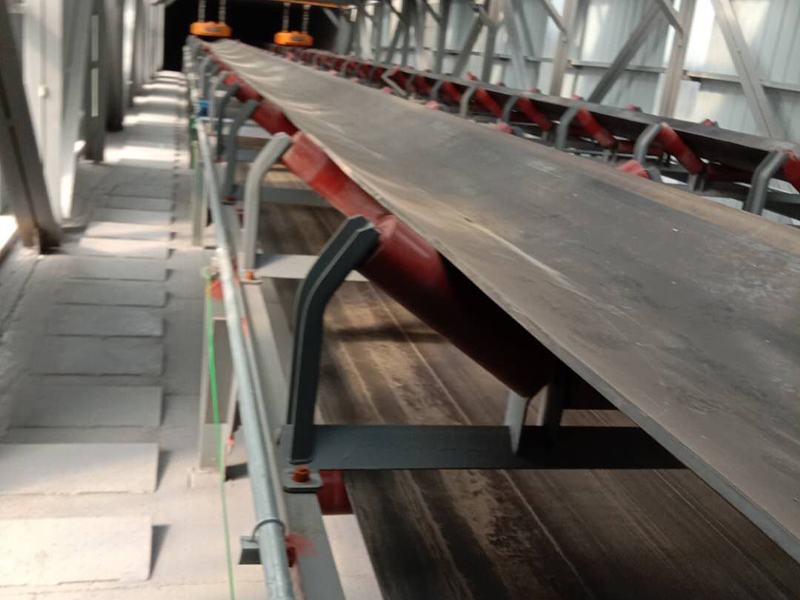
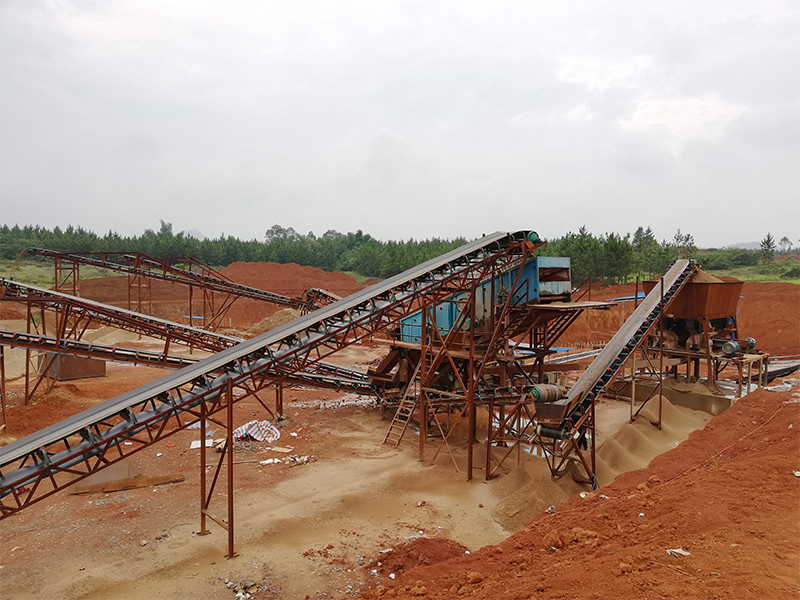
Our belts are trusted in large-scale logistics operations and key industrial facilities globally.
Common questions from engineering and procurement managers answered by our technical specialists.
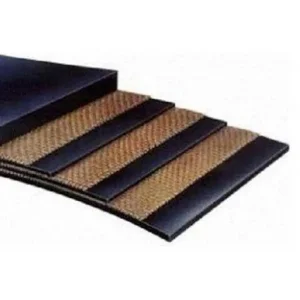
Polyester (EP) belts feature a warp core that offers low elongation, making them suitable for long-distance transport. Nylon (NN) belts provide excellent flexibility and impact resistance, which is helpful in applications involving high impact forces or short centers.
We formulate cover rubber with EPDR or chlorobutadiene elastomers. This design resists cracking and hardening under hot clinker, slag, or cement, protecting the inner fabric layers from thermal damage.
Steel cord cores offer high tensile strength and minimal stretch over long distances. They allow conveyor systems to carry heavy, abrasive bulk materials across long runs, helping reduce energy consumption per ton-mile.
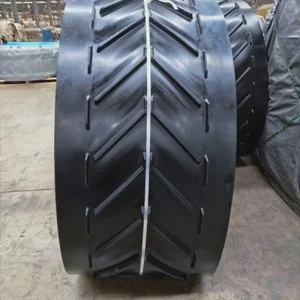
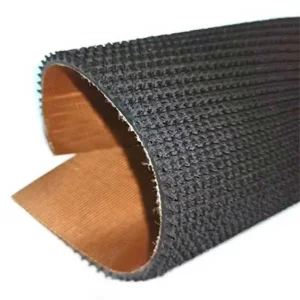
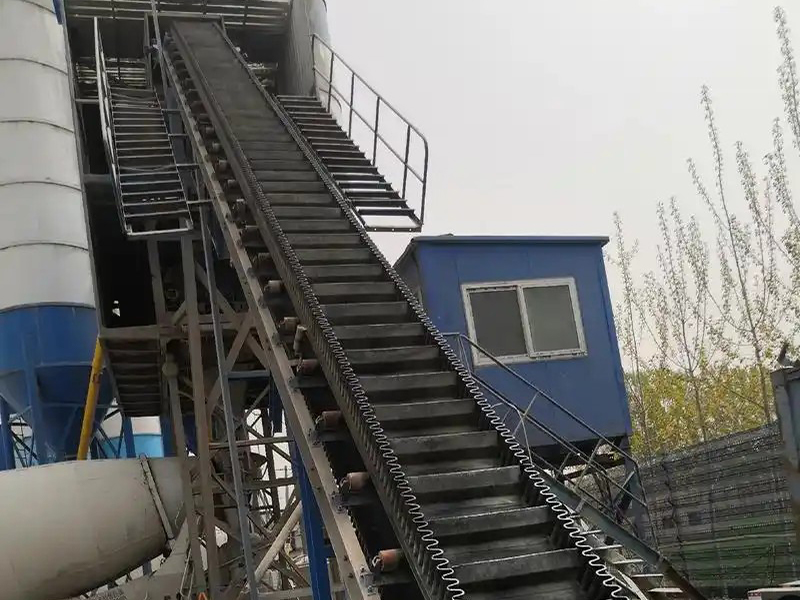
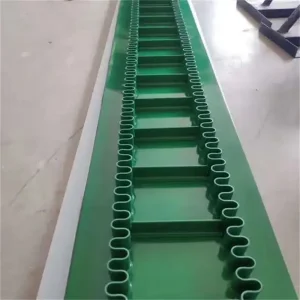
Our patterned profiles (such as herringbone, concave, and convex) help prevent backsliding. This design allows material to be moved efficiently on inclines up to 35 to 40 degrees, depending on the material type.
Our lab tests raw materials and performs post-vulcanization inspections. We measure tensile strength, elongation, and cover rubber abrasion resistance to ensure each batch meets customer requirements.
Yes. In addition to high-performance belts, we manufacture idlers, pulleys, skirting systems, and impact beds to ensure the entire conveyor system works reliably.
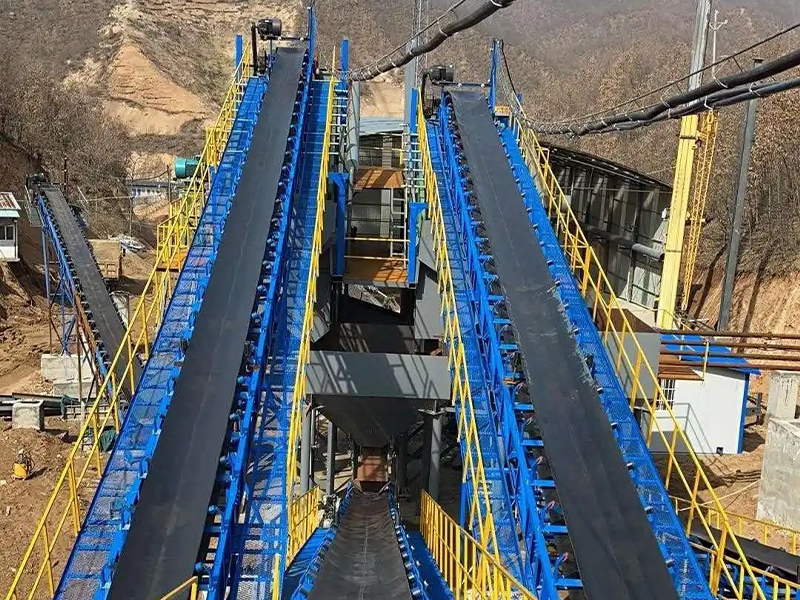
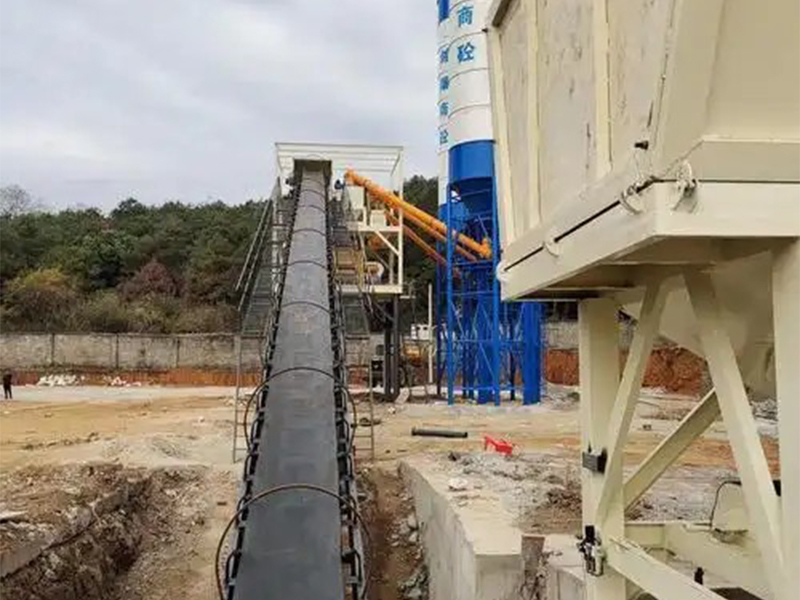
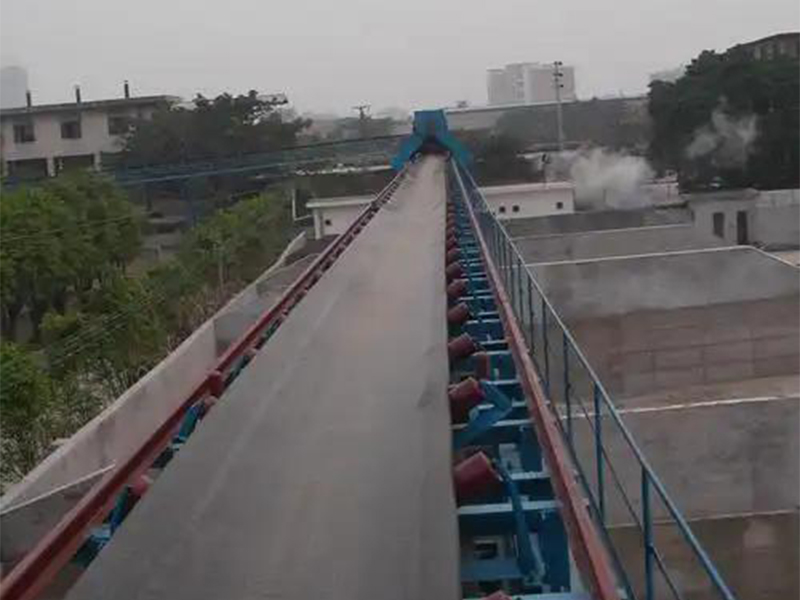
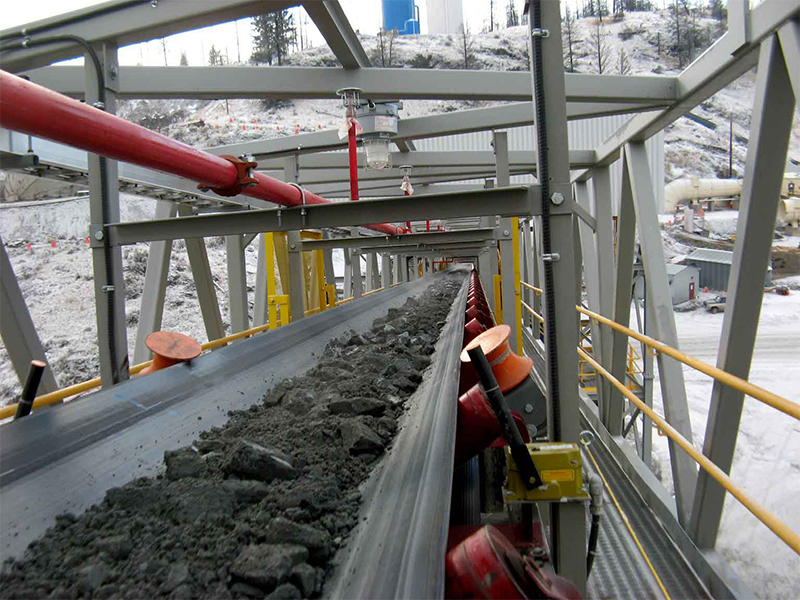
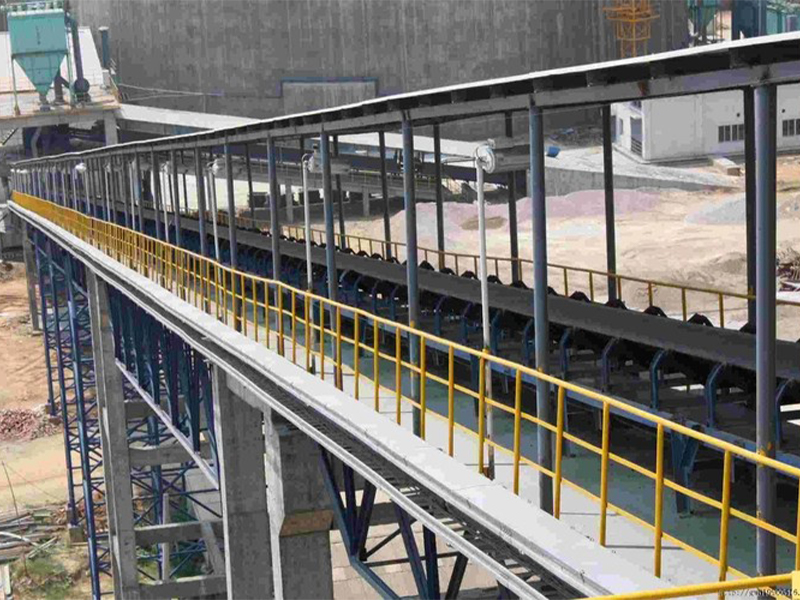
Our comprehensive selection of conveyor systems, customized to handle specific industrial applications.
Partner with a modern conveyor manufacturing team to optimize your conveying systems, control operational downtime, and lower life-cycle costs.
 Boao Rubber