Discover our engineered line of high-tensile rubber conveyor belts, rollers, and brackets, manufactured at our state-of-the-art Chinese plant to meet global standards.
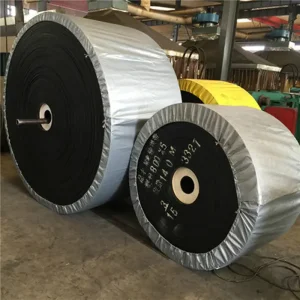
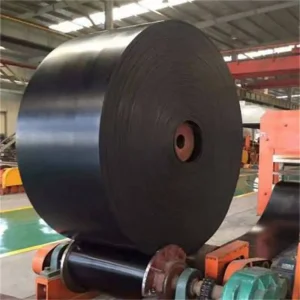
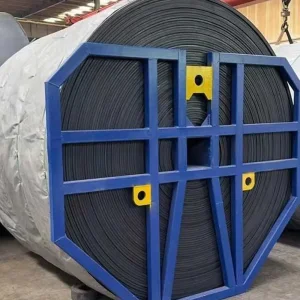
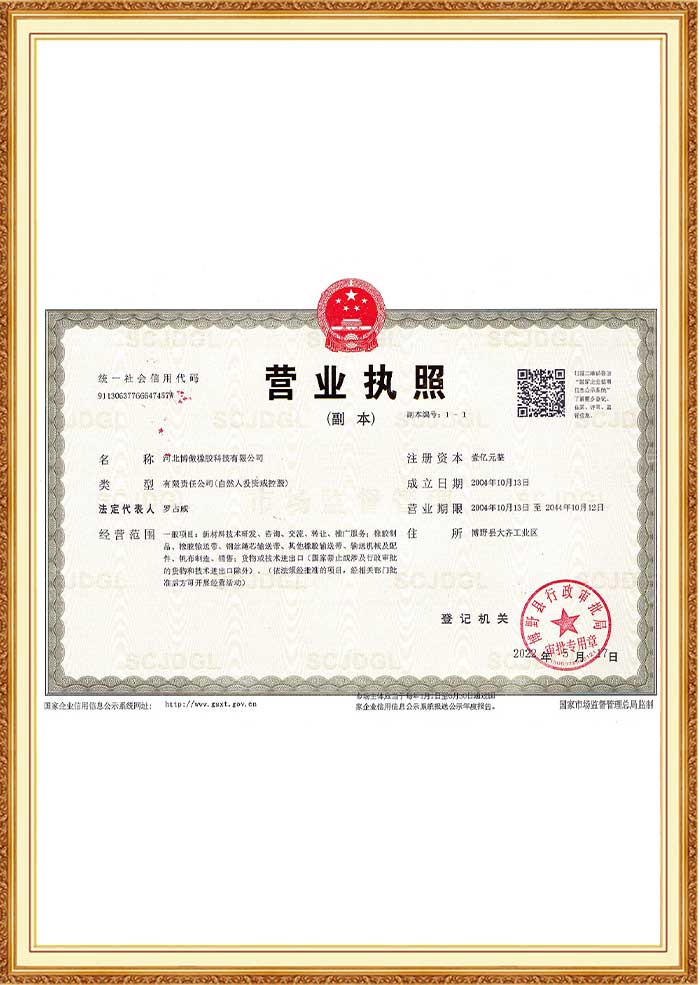
Founded in 2004, Hebei Boao Rubber Technology Co., Ltd. is located in the heart of the Rubber Industrial Park of Boye County, Baoding, Hebei Province, China. Spanning an expansive facility of over 30 acres, we stand as a cornerstone manufacturer integrating high-level R&D, design, mechanical engineering, and customized global services. Our flagship product brand, "Jinao", is synonymous with structural integrity and operational durability across dynamic heavy industries.
Our company utilizes multiple automated production lines for raw material processing, calendering, molding, vulcanization, and finished product inspection. Our advanced physical and chemical analysis rooms ensure that every batch of raw elastomer and structural fabric meets strict international thresholds.

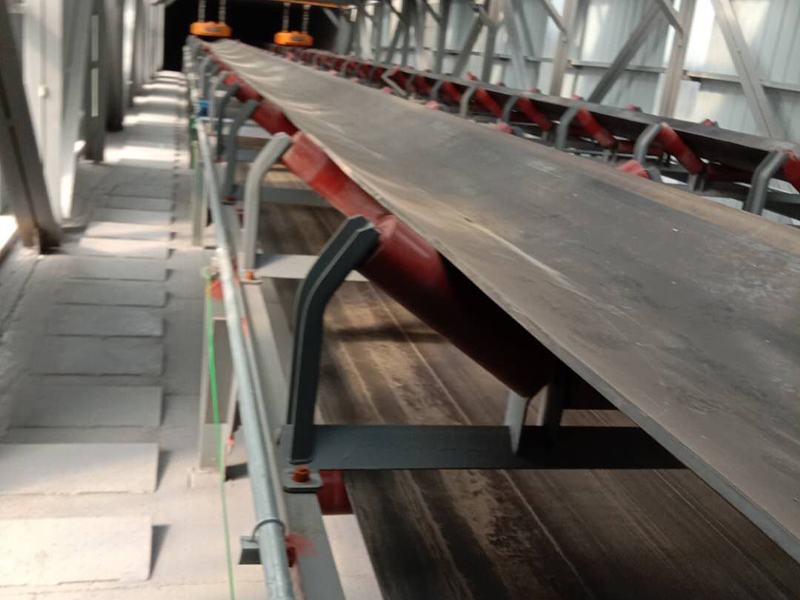
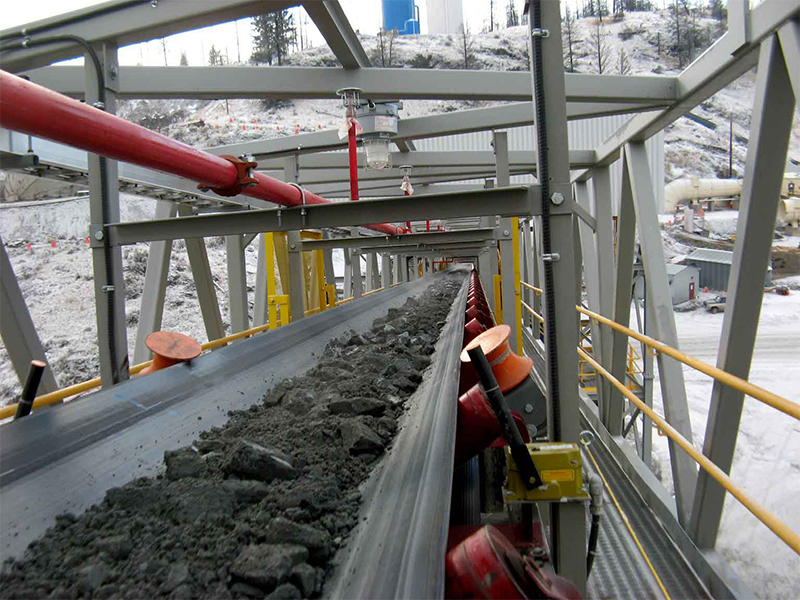
In modern mining and metallurgy, a conveyor system cannot simply move material; it must do so with near-zero downtime. The concept of the "Magic Carpet" conveyor belt represents the pinnacle of material stability. It describes a system engineered to transport high-tonnage bulk materials over undulating vertical and horizontal curves so smoothly that the material appears virtually motionless relative to the moving belt—minimizing dust emission, eliminating material rollback, and lowering motor friction losses.
Achieving this level of material stability requires optimized carcass design (EP, NN, or Steel Wire Rope) combined with cover compounds that offer low indentation rolling resistance (LRR). As materials cross the idlers, the cyclical deformation of the bottom cover consumes considerable energy. Our LRR formulations reduce this internal energy dissipation, translating directly to a 10% to 15% reduction in system power consumption, representing a major leap in modern eco-friendly and smart conveying.
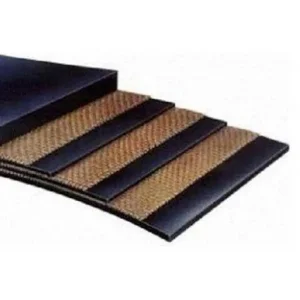
Utilizing high-elasticity Nylon (NN) and Polyester (EP) fabrics, our belts provide excellent troughability and minimal elastic stretch under extreme mechanical loads. This maintains tracking and prevents sag between idlers.
Our custom SBR-BR blends are engineered to absorb heavy impact forces, protecting the belt carcass from puncture, while maintaining high surface friction to prevent back-slip on steep inclines.
With precise vulcanization and splicing technologies, the joints maintain up to 90% of the carcass strength, ensuring smooth transitions over pulleys and idlers without catching or tearing.
We manufacture a diverse range of conveyor belts, supporting components, and wear-resistant accessories, designed to perform under demanding industrial conditions.
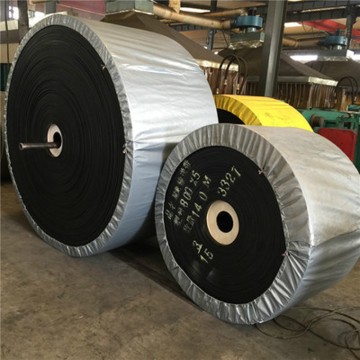
Includes NN, EP, and PP layered fabrics, as well as T1, T2, T3, and T4 heat-resistant compounds capable of continuous service up to 250°C (and peaks up to 400°C for sinter and clinker transport).
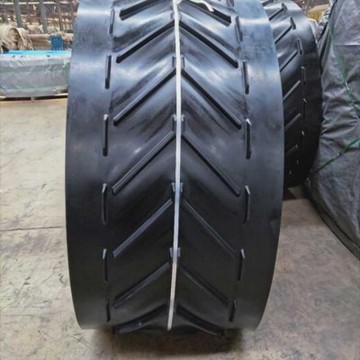
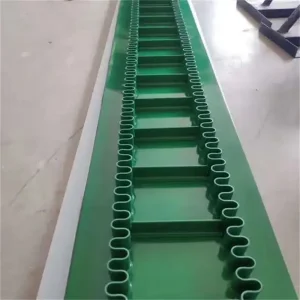
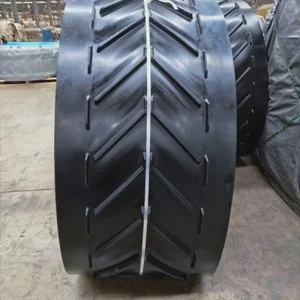
Engineered with molded chevron, herringbone, and textured profiles to allow steep inclines up to 40 degrees without material slippage. Corrugated sidewall configurations are available for vertical lifts.
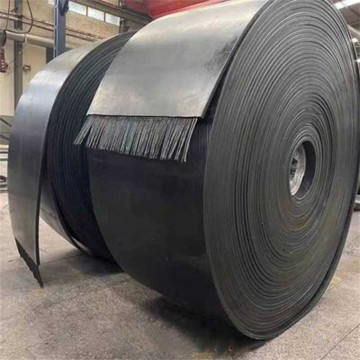
Built for long-distance transport. High-tensile steel cords offer minimal elongation under heavy loads, combined with anti-tear transversal breakers for protection against sharp rock punctures.
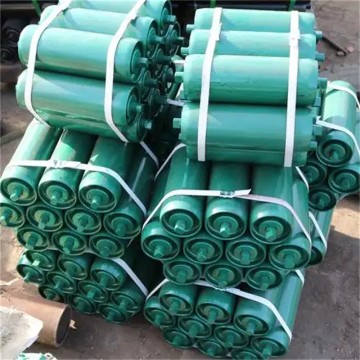
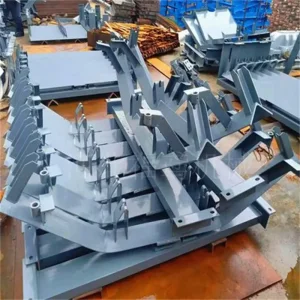
Heavy-duty rollers, ceramic lagging, impact idlers, self-aligning brackets, and take-up assemblies designed to balance mechanical stresses and extend the operating life of your belts.
Different operating environments require specific belt configurations. Rather than standard, one-size-fits-all products, Hebei Boao provides tailored solutions designed for key industries:
Requires high heat resistance. Our T3 and T4 belts operate continuously at temperatures up to 220°C, and are designed to resist thermal cracking and carcass shrinkage when transporting sintered ore and hot coke.
Safety is the primary concern. We supply flame-retardant (FR) belts compliant with standard testing procedures, including safety certifications for underground coal mining operations.
For high-speed, long-distance handling. Our steel cord belts offer minimal stretch and high wear-resistant covers, helping terminals maintain continuous loading operations with reduced maintenance downtime.
Highly abrasive materials require superior cut and gouge resistance. Our Grade M and RMA-I cover rubbers are formulated to handle impact from sharp clinker and large limestone blocks.
Located in the Boye Rubber Industrial District of Hebei, our factory operates modern, integrated production lines. From computer-controlled compound mixing (banburying) to multi-roll calendering and precise, high-pressure vulcanization presses, we maintain consistent control over the manufacturing process.
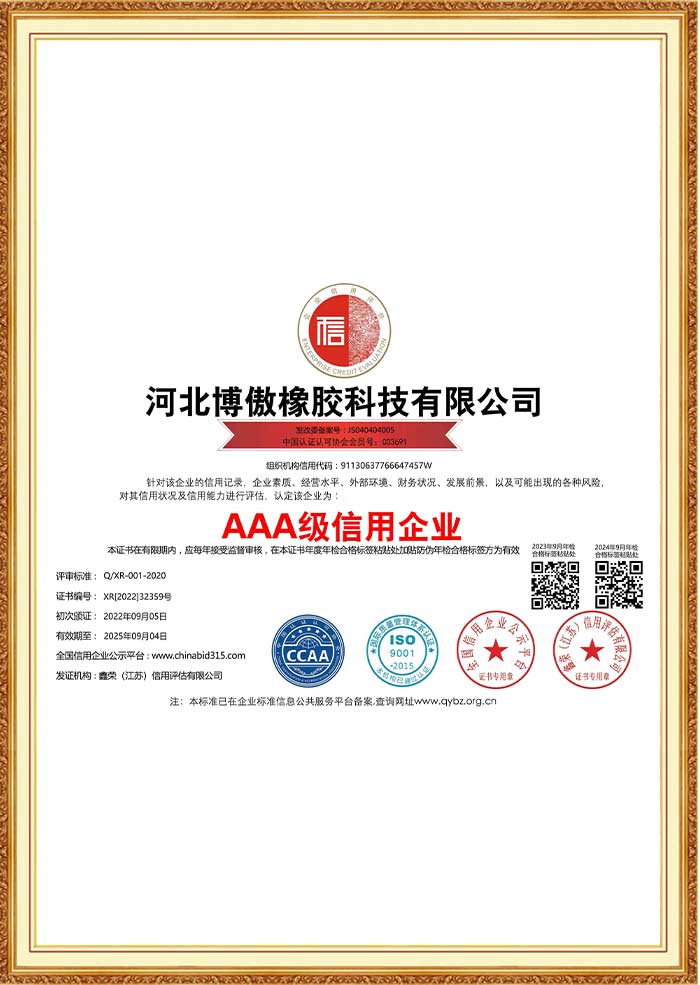
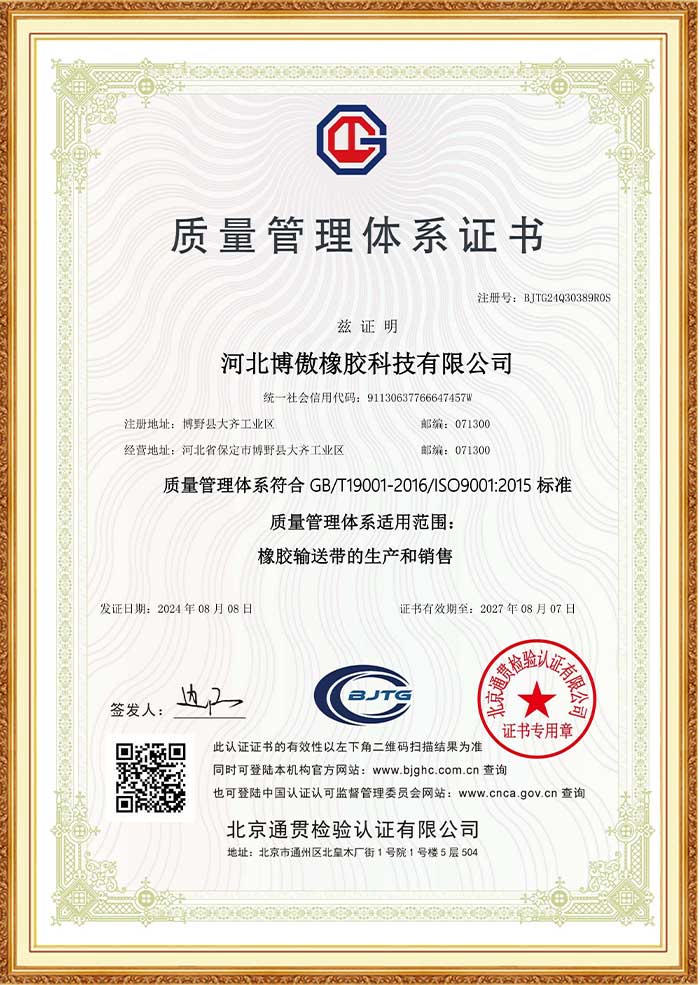
Our Quality Control workflow relies on internal testing capabilities, including an independent chemical analysis lab and a physical testing room. We verify incoming raw materials, such as natural rubber, synthetic polymers, carbon blacks, and reinforcing fabrics, to ensure every belt leaving our facility meets our technical standards.
Automated dosing systems ensure consistent batch formulations, optimizing physical properties like tensile strength and abrasion resistance across production runs.
Our long-press vulcanizing equipment maintains uniform temperature and pressure profiles, preventing issues like under-curing or ply separation.
Every roll of conveyor belt is assigned a unique batch number, linking it to the test records of its raw materials, vulcanization parameters, and final inspection reports.
To meet changing environmental regulations and efficiency requirements, Hebei Boao focuses on three core areas for future development:
Developing low rolling resistance (LRR) cover compounds to reduce energy consumption, while incorporating eco-friendly raw materials that comply with international environmental initiatives.
Integrating RFID tracking and internal sensor elements to provide real-time belt wear data, allowing operators to plan preventative maintenance before failure occurs.
Developing rubber compounds with enhanced oxidation and ozone resistance, designed to prolong belt life in high-UV, outdoor coastal, and port environments.
We manufacture our conveyor products to align with major international standards, ensuring compatibility and compliance for global industrial operations:
Complies with standardized testing for tensile strength, elongation at break, and volumetric abrasion limits (Classes X, Y, W, Z).
Meets standard Australian specifications for fabric-reinforced conveyor belts, designed for high-tonnage mining and bulk handling applications.
Specifies core requirements for steel cord belts, including safety regulations for flame propagation and electrostatic conductivity.
Meets US industry standards for rubber covers, balancing cut, gouge, and abrasion resistance for diverse material handling tasks.
To keep your bulk handling systems running efficiently, we offer a comprehensive technical service program covering installation, maintenance, and regular system audits:
On-site evaluations to analyze belt tracking, evaluate idler and pulley performance, and identify areas of excessive wear or energy loss.
Detailed technical instructions and material kits for hot vulcanized or cold-bonded splices, helping to ensure joint strength and durability.
Collaborative inventory management to maintain essential spare belts and wear components, reducing delivery lead times and minimizing unplanned downtime.
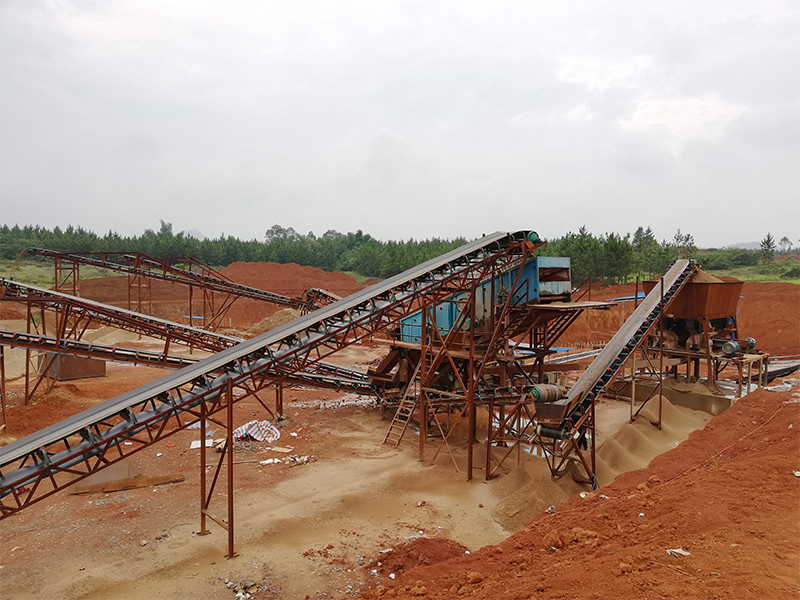
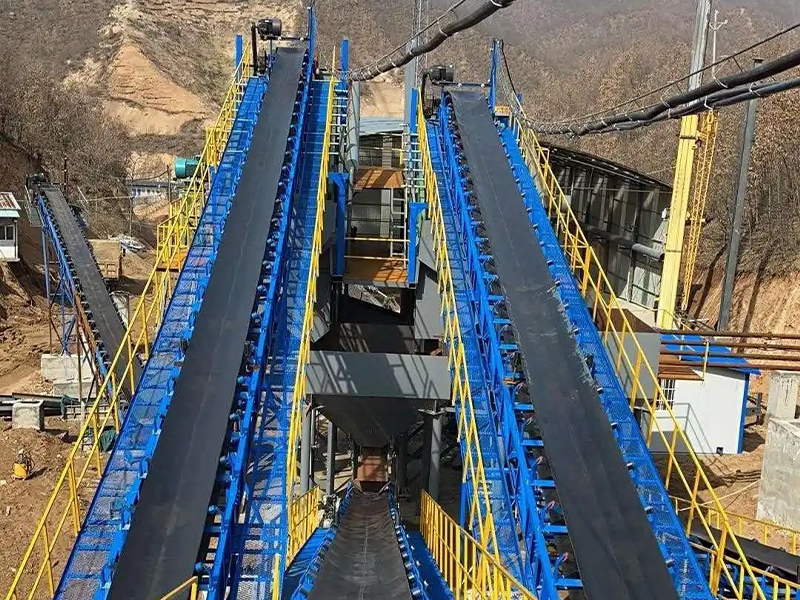
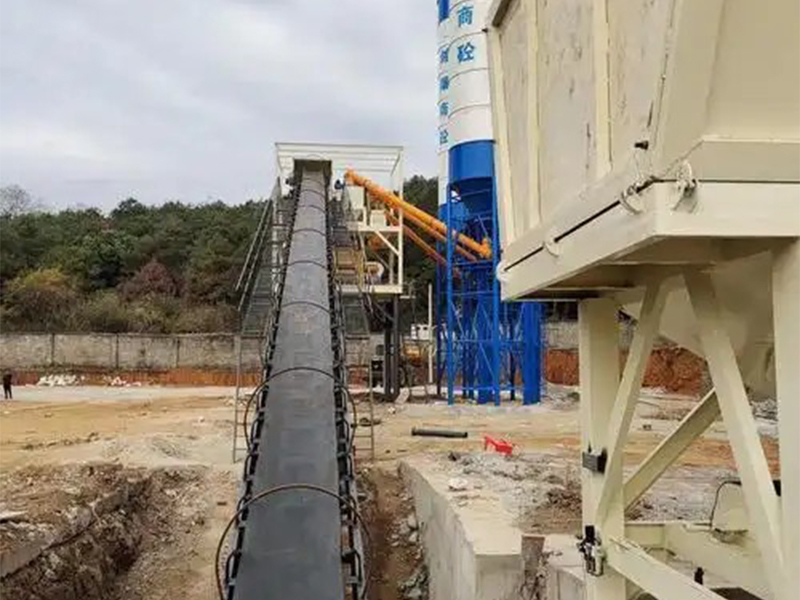
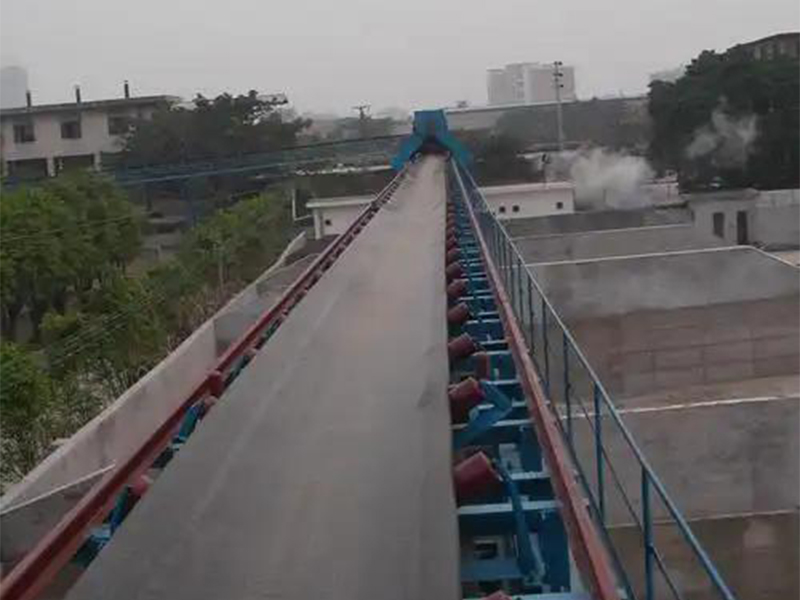
Through focus on product quality and manufacturing consistency, Hebei Boao has established partnerships with key major industrial operations:
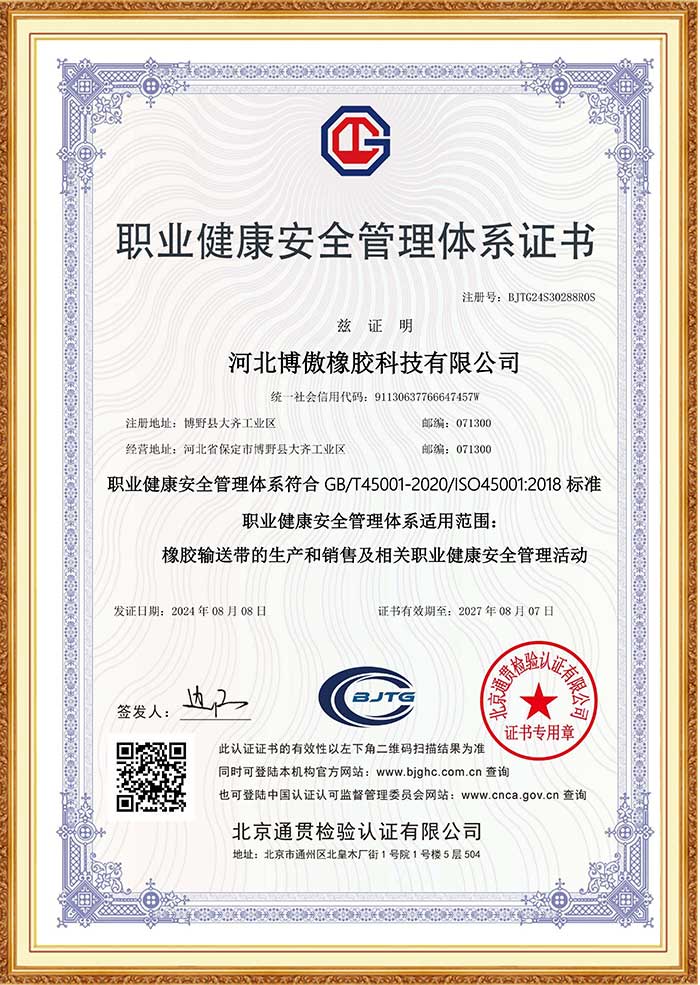
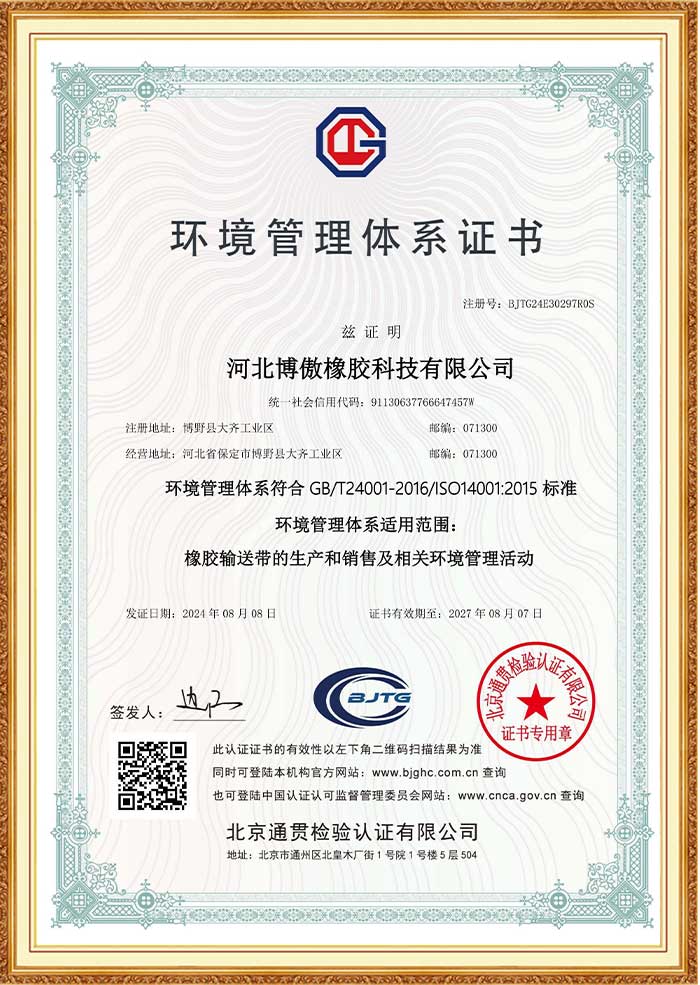
Review detailed technical information on conveyor belt selection, maintenance, and performance optimization:
Browse our selection of steel cord belts, chemical-resistant options, and mechanical accessories manufactured for heavy industrial systems.
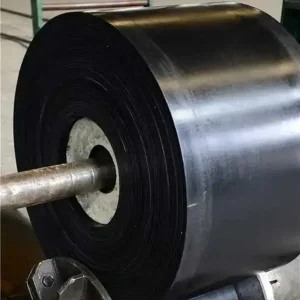
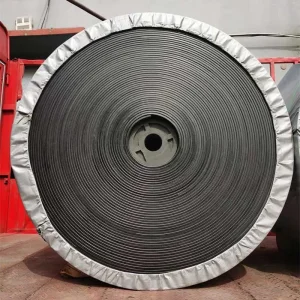
Skip the hassle of sourcing from multiple suppliers – our factory provides your ideal packaging and bulk material handling solutions all in one place. Contact our engineering team for support with system sizing, compound selection, and project estimates.
 Boao Rubber