Industrial grade components engineered for extreme environments and maximized uptime
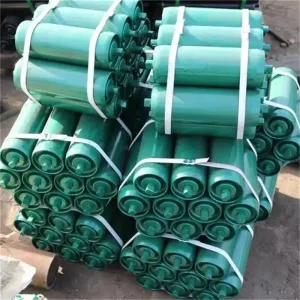
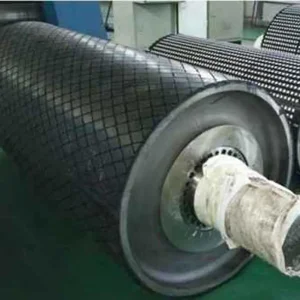
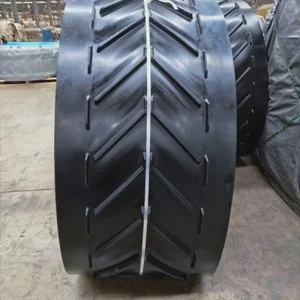
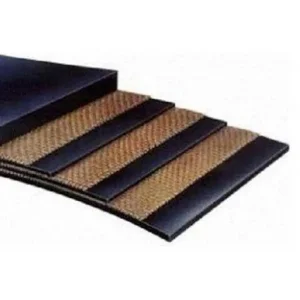
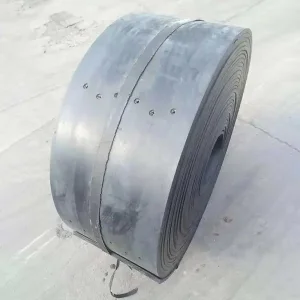
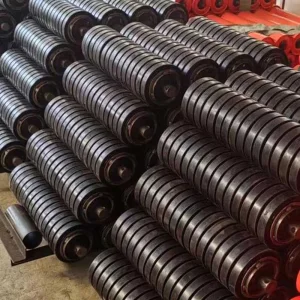
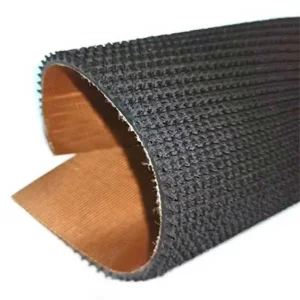
In heavy-duty bulk material transport systems, conveyor belt machinery components such as idlers and rollers serve as the system's structural spine. Far from being simple mechanical components, idlers and rollers directly dictate the efficiency, safety, and longevity of conveyor installations. They resolve the fundamental challenges of friction reduction, load distribution, and energy optimization. Modern operations require components that can sustain millions of rotations under harsh physical conditions while protecting high-cost conveyor belts from damage.
Hebei Boao Rubber Technology Co., Ltd. (brand "Jinao"), established in 2004, has spent over two decades developing high-durability solutions that bridge the gap between heavy rubber conveyor belts and precision-engineered rotating supports. This whitepaper analyzes the manufacturing dynamics of industrial idlers and rollers, exploring how modern design standards, material science, and global supply chain integrations drive systemic efficiency.
"The design precision of a conveyor idler roller impacts a system's friction coefficient, directly affecting the required drive power and operational energy consumption."
An idler roller's lifespan is determined by its ability to resist contaminants like moisture, dust, and corrosive chemicals while maintaining low rotational resistance (running torque). A high-performance roller relies on key structural features to achieve this balance:
Double & Triple Labyrinth Seals: Industrial conveyor environments are filled with abrasive dust. Labyrinth seals utilize a tortuous path filled with lithium-based grease to prevent particles from reaching the inner ball bearings. Modern designs feature multiple chambers to block out contaminants.
Precision Bearing Calibration: Roller failures are often caused by bearing misalignment. High-quality manufacturers use deep-groove C3/C4 clearance bearings housed in stamped steel bearing seats. These seats are welded to the tube walls by automated robots to ensure alignment.
TIR (Total Indicator Reading) Minimization: If a roller is not perfectly round, it will wobble, creating high-frequency vibrations that damage the conveyor belt and increase motor load. Reliable factories machine roller shells to a TIR of less than 0.5mm, ensuring smooth, vibration-free operation.
Comprehensive Quality Assurance and Technical Excellence
Our dedicated chemical analysis rooms and physics laboratories monitor every production stage. Raw materials must pass strict inspection before they are approved for the manufacturing line.
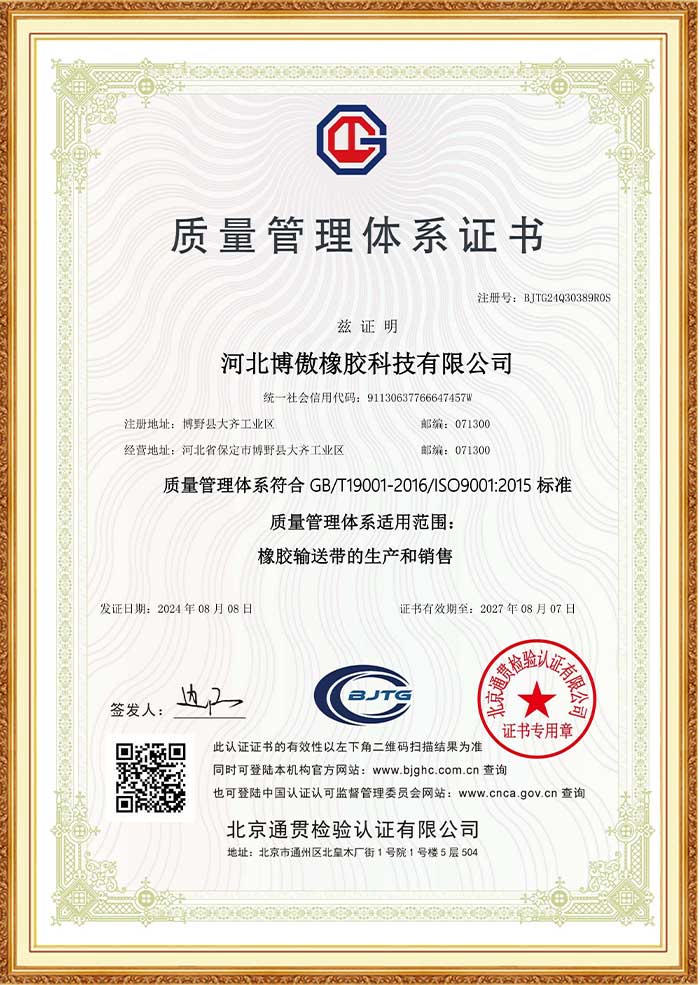
With high-precision testing equipment and professional inspectors, we verify bearing alignment, weld penetration, and water tightness to ensure compliance with ISO and international standards.
Our comprehensive after-sales system supports projects worldwide. Our products are widely used in demanding sectors such as mining, power generation, cement, metallurgy, and port transport.
The global bulk handling market is undergoing a significant shift toward energy efficiency and predictive maintenance. To address these demands, next-generation conveyor rollers are incorporating key technological innovations:
Energy-Saving Low-Resistance Rollers: Indentation Rolling Resistance (IRR) accounts for up to 60% of total conveyor power demand on long systems. Manufacturers are developing low-friction bearing designs and optimized seal configurations that significantly reduce operational energy requirements.
Smart Sensor-Enabled Rollers (IIoT Integration): In heavy-duty installations, unexpected roller failures can lead to expensive downtime. Next-generation smart rollers feature embedded temperature and vibration sensors, allowing operators to identify bearing wear before a failure occurs.
Composite Materials: High-density polyethylene (HDPE) and polyurethane-coated rollers are increasingly selected to replace steel in corrosive environments. These materials offer weight reduction, excellent corrosion resistance, and low noise emissions.
Selecting the appropriate idler configuration is critical to preventing premature belt wear and optimizing material flow. Below is an engineering overview of the primary idler types and their applications:
| Idler Type | Primary Function | Key Engineering Characteristics | Industrial Application Scenarios |
|---|---|---|---|
| Troughing Idlers | Supports the load-carrying belt section | Available in 20°, 35°, and 45° angles | Coal transport, mining, cement production plants |
| Impact / Buffer Idlers | Absorbs impact energy at feed points | Fitted with resilient, shock-absorbing rubber rings | Chute transfer points, crushing plant feed zones |
| Suspended (Garland) Idlers | Provides flexible alignment under heavy loads | Linked structure that self-adjusts to heavy loads | High-capacity mining and quarry operations |
| Ceramic Rollers | Resists high abrasion and surface wear | Features a high-hardness sintered ceramic sleeve | Highly abrasive ore handling and corrosive environments |
China's manufacturing sector has evolved from high-volume production to advanced, precision-engineered manufacturing. Facilities like Hebei Boao Rubber Technology's Boye Industrial Park plant utilize automated rolling, vulcanizing, and testing systems to maintain consistent product quality.
This integration provides two major advantages for global procurement:
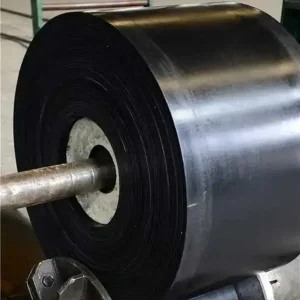
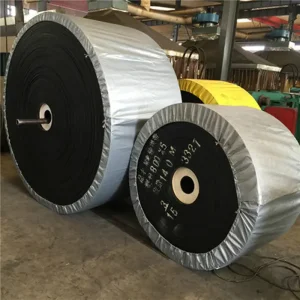
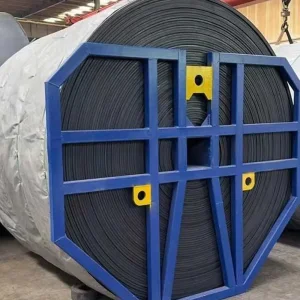
Integrated Production Systems: By manufacturing both high-durability rubber belts (EP, NN, Steel Wire Rope) and matching roller systems in-house, Boao ensures optimal compatibility between components. This reduces interface wear and extends the operating life of the entire conveyor system.
Reliable Quality Management: Automated welding and machining processes eliminate the variability associated with manual production, ensuring every roller meets design specifications for concentricity, seal integration, and weight distribution.
Over two decades of excellence in conveyor belt and accessory manufacturing
Located in the Rubber Industrial Park of Boye County, Baoding, Hebei Province, Hebei Boao Rubber Technology Co., Ltd. covers over 30 acres of advanced manufacturing space. Founded in 2004, the company markets its products under the established "Jinao" brand.
Boao operates modern production lines for rolling, forming, vulcanization, and material testing. The factory's integrated production flow—from raw rubber formulation to final assembly—ensures consistent quality across all conveyor belts, rollers, and supporting accessories.
By maintaining compliance with international quality management systems, Boao delivers robust engineering solutions tailored to the needs of heavy industry projects worldwide.
Engineered systems for diverse bulk material handling challenges
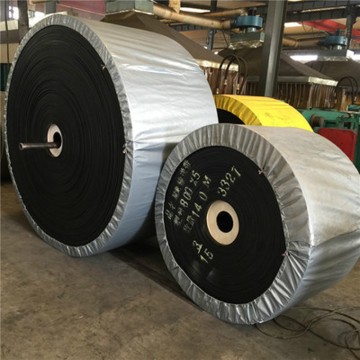
Designed to transport high-temperature materials like cement clinker and sintered ore.
View More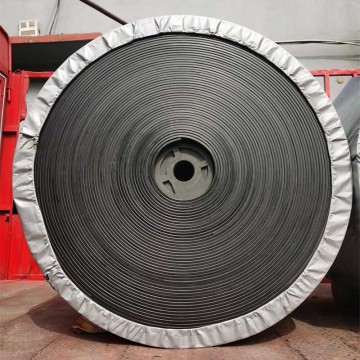
Maintains flexibility and crack resistance in extreme sub-zero working environments.
View More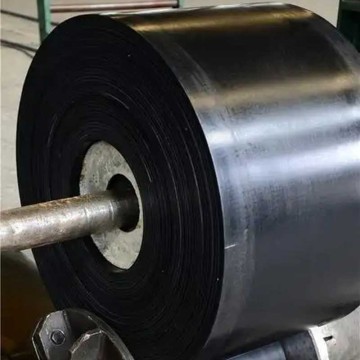
Formulated to resist degradation when handling acidic, alkaline, or chemical materials.
View More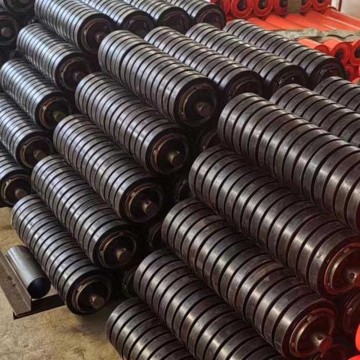
Equipped with specialized rubber rings to absorb heavy shocks at loading points.
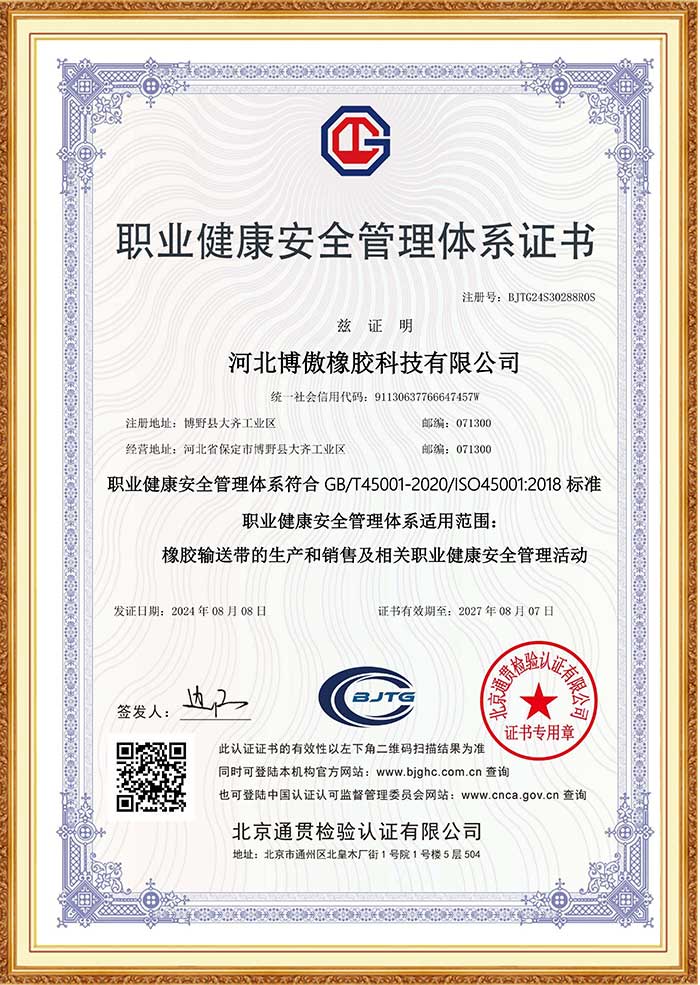
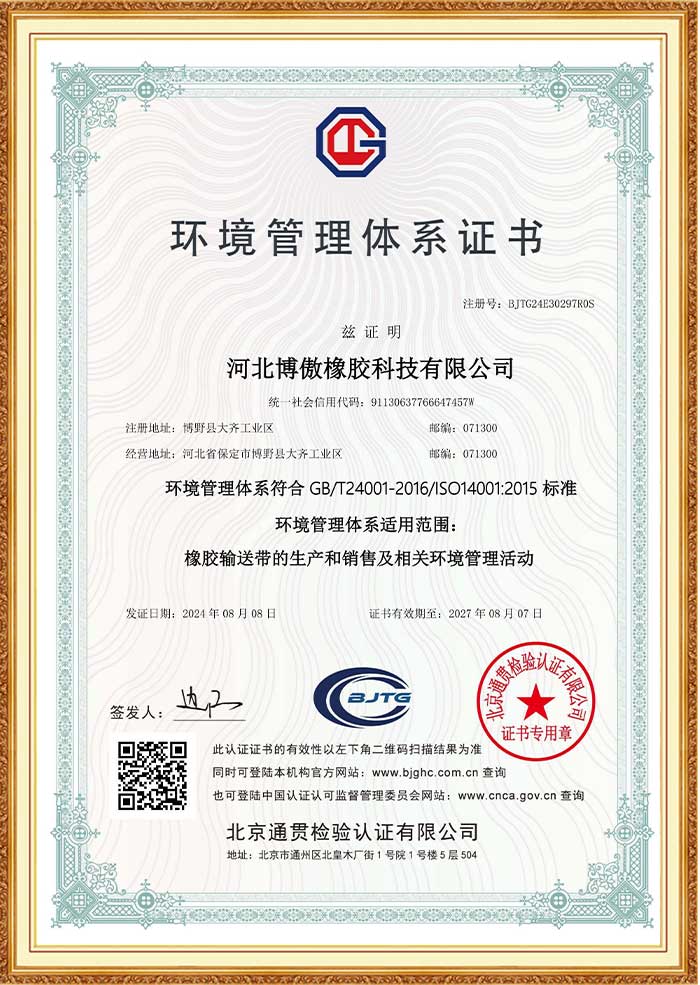
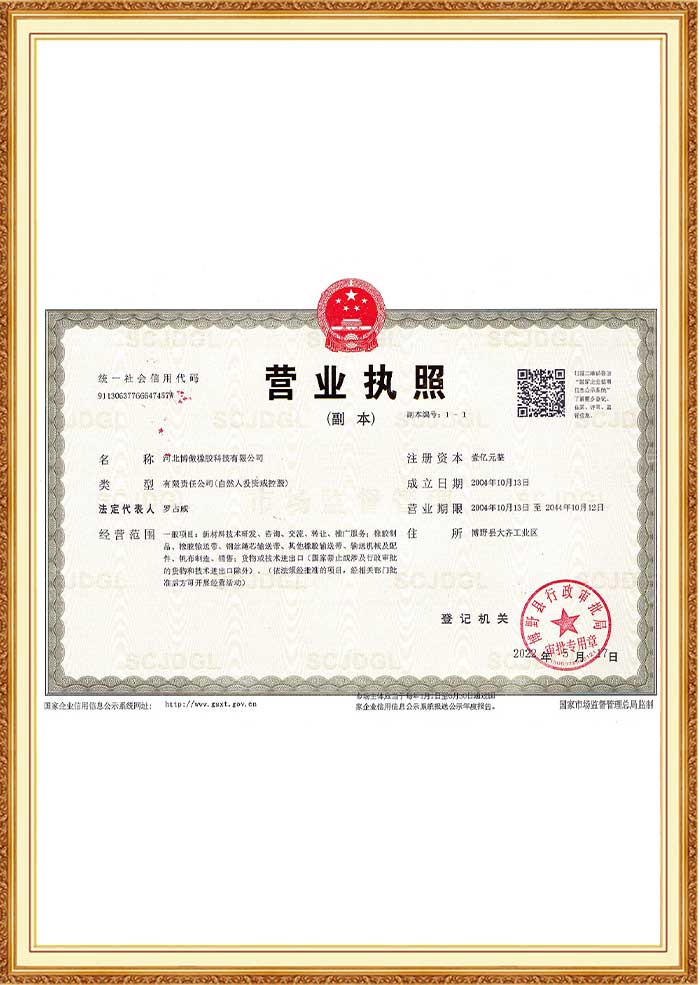
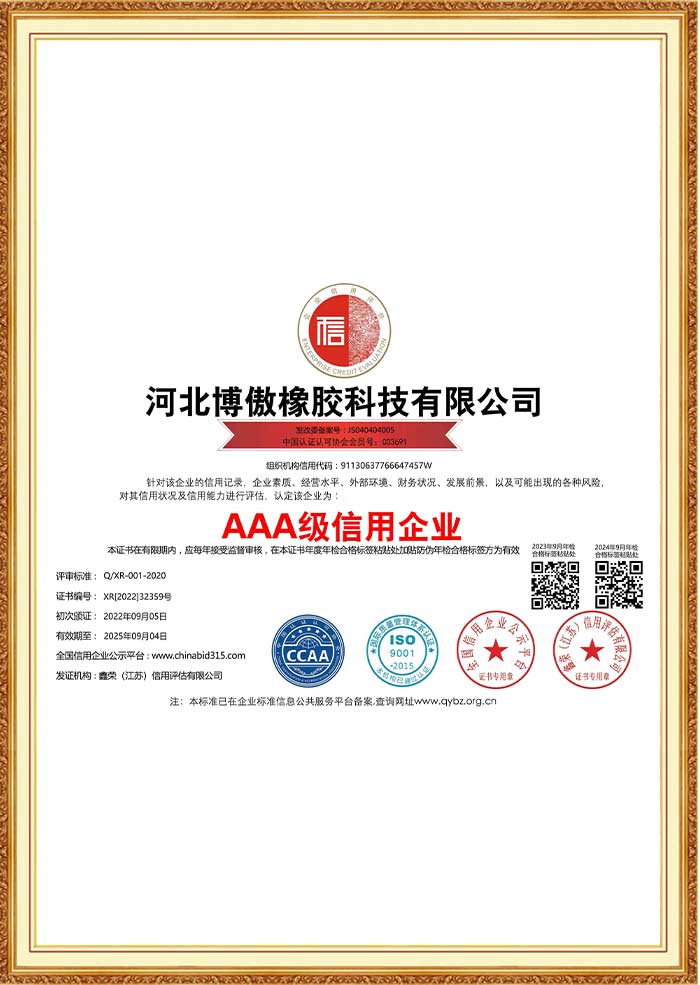
View MoreOur commitment to international standards and rigorous testing protocols
Our products support operations across demanding industrial sectors
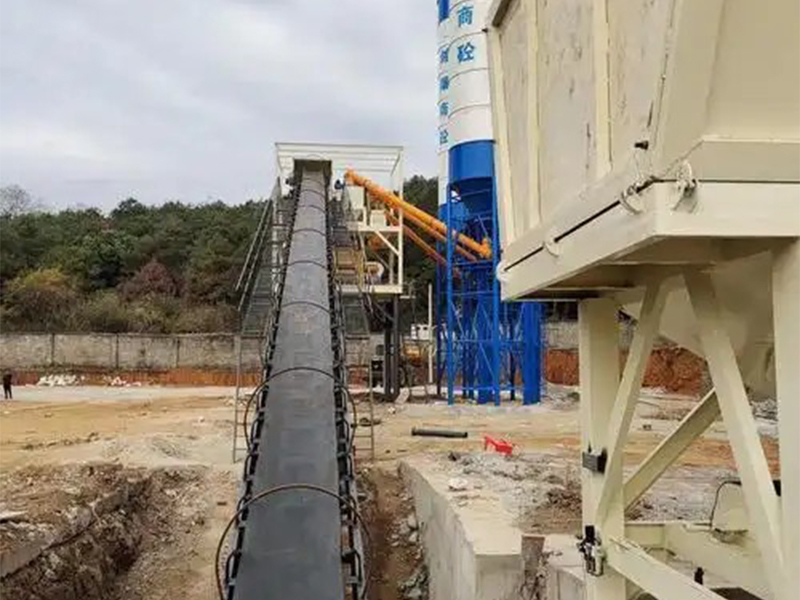
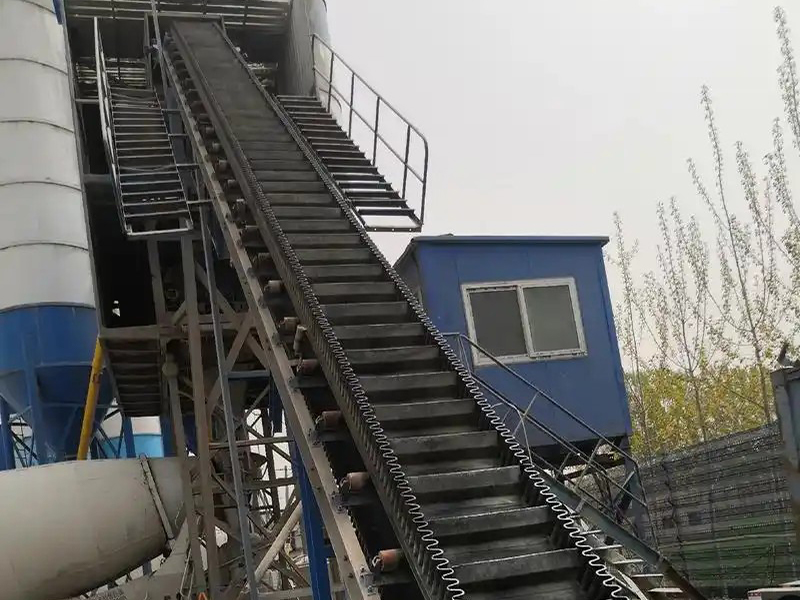
China Railway Group Mixing Plant
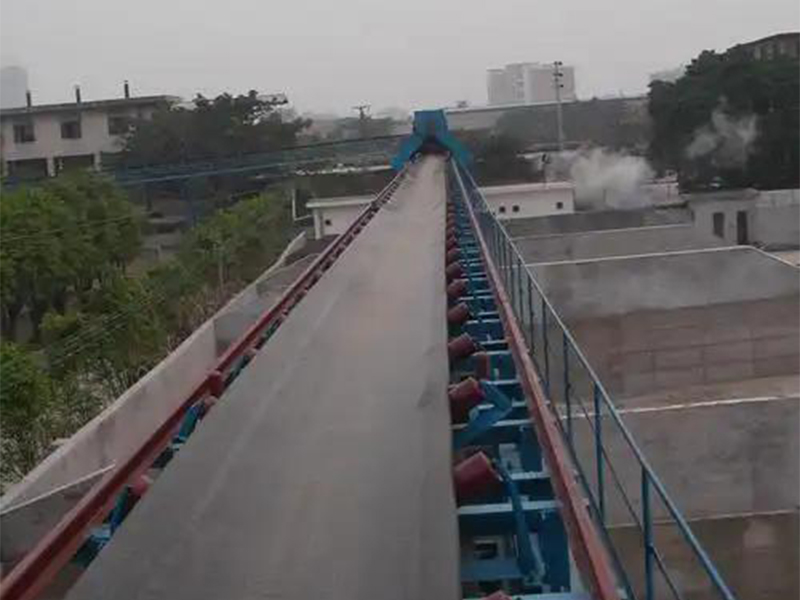
Conch Cement
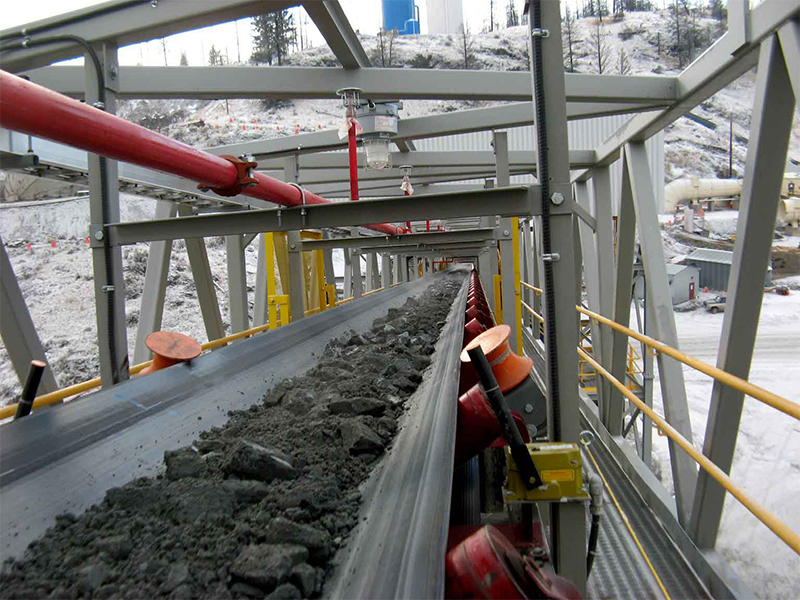
Datong Coal Group
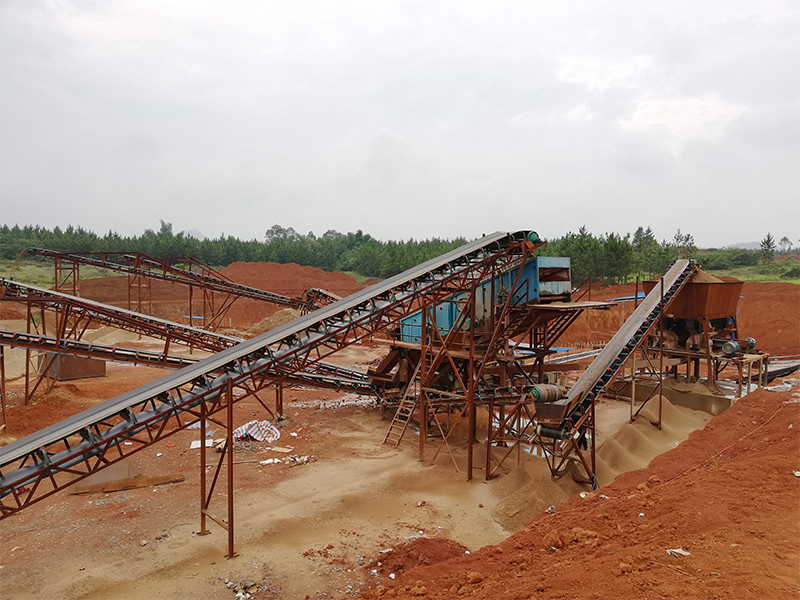
Tsingshan Group
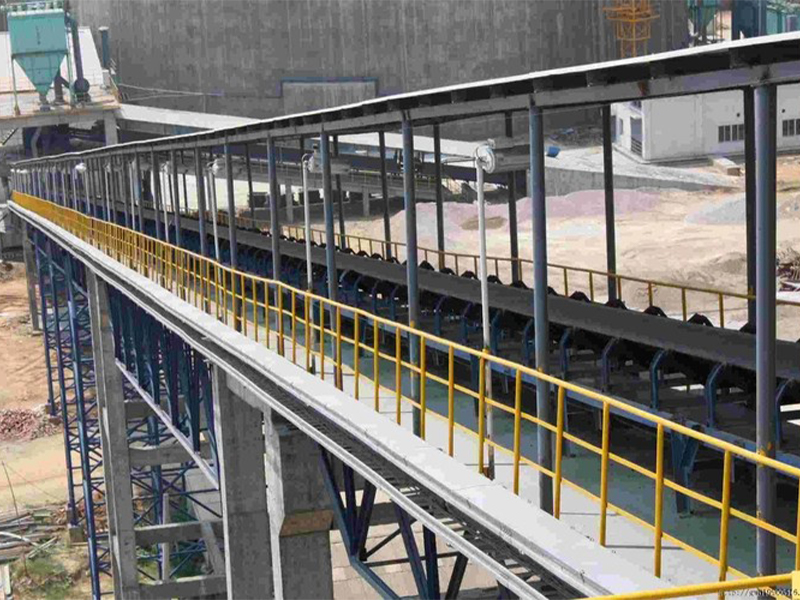
Jidong Cement Group
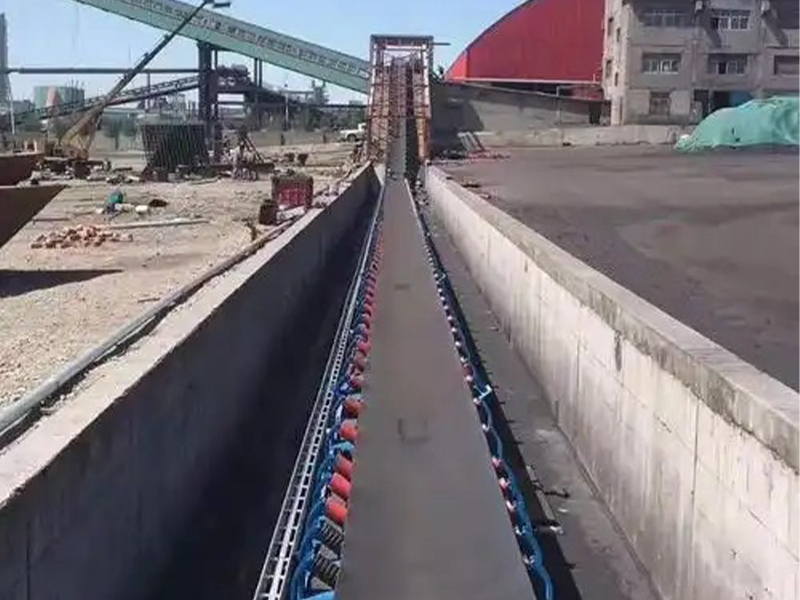
Jinmei Group Coal Conveying Line
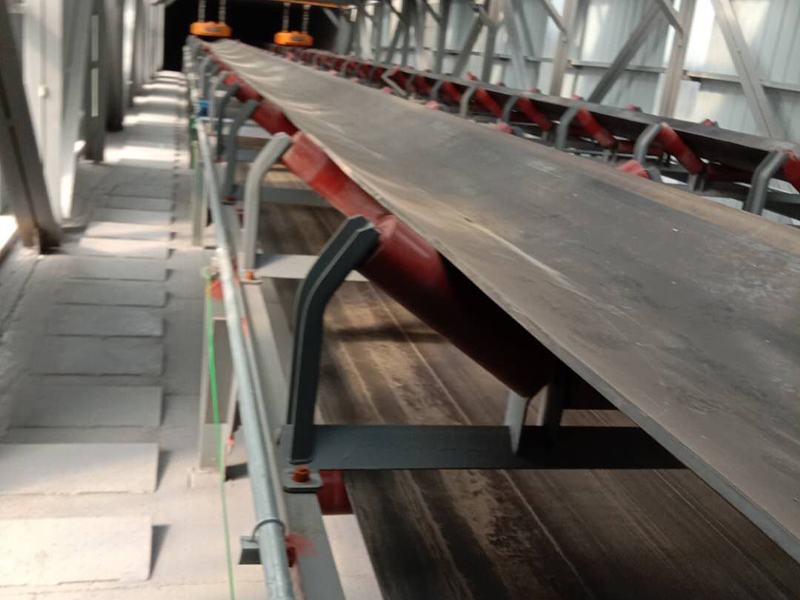
Taihang Steel
Puyang Steel Group
Comprehensive service plans to optimize efficiency and minimize downtime
We provide complete support from technical design to installation. Our comprehensive service plans help secure production schedules, reduce component wear, and lower total operating costs.
Complete support including replacement planning, mechanical repairs, inspections, and emergency response for large-scale conveyor systems.
Supply of conveyor belts and rubber materials, safety stock management, scheduled vulcanization bonding, and routine wear inspections.
Focused on improving conveyor efficiency, minimizing unplanned downtime, and reducing belt wear to optimize operating costs.
Delivers structured maintenance protocols to protect equipment, prevent alignment issues, and extend the operating life of belts and rollers.
Engineering & Procurement Diagnostic Guide for Industrial Conveyor Systems
Durable belts and precision rollers designed for harsh industrial applications
 Boao Rubber