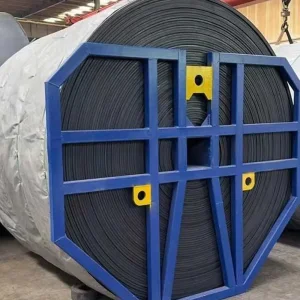
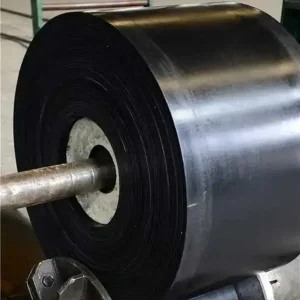
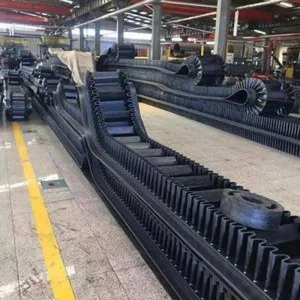
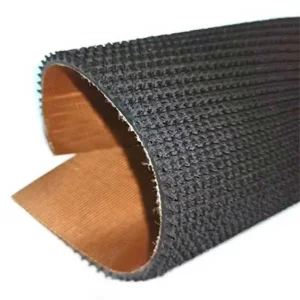
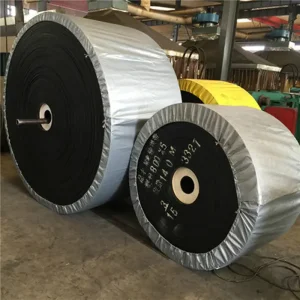
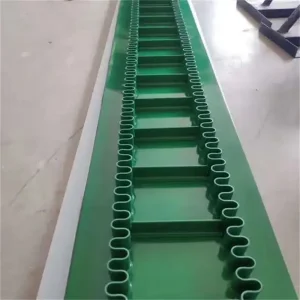
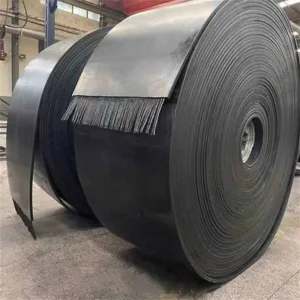
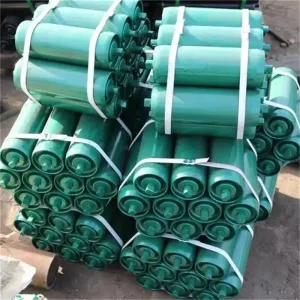
Explore our industrial-grade conveyor belts and structural accessories engineered for harsh processing conditions, heavy loads, and extreme temperatures.
An in-depth analysis of how heavy-duty drive pulleys power bulk material handling networks globally.
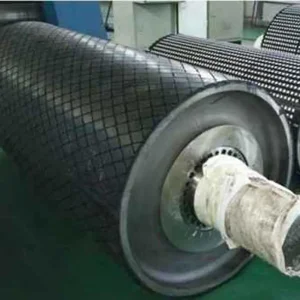
In the engineering of modern conveyor networks, the conveyor drive drum (often designated as the drive pulley) represents the core mechanical catalyst of the entire material handling circuit. It is responsible for transmitting the mechanical torque generated by the electric motor and reduction gearbox into linear tension across the rubber belting. Because of this massive concentration of physical forces, the structural integrity of the drive drum decides the operational lifespan of the system. Poor engineering leads to shell deflection, shaft fatigue, premature lagging wear, and catastrophic system failures that cost industrial sites millions in unplanned downtime.
Engineered drive drums are subjected to complex, multi-axial stress fields. Radial loads are applied via the belt’s wrap tension, while torsional loads are introduced by the drive shaft. To mitigate these stresses, world-class manufacturers implement finite element analysis (FEA) to determine optimum shell thickness, end-disc profiles, and shaft diameters. As material handling capacities expand to meet modern industrial demands, conveyor structures are running at faster velocities and carrying heavier bulk materials. Standard drive drums are no longer sufficient; heavy-duty, custom-engineered pulleys with advanced lagging materials and locking assemblies have become standard specifications for modern processing environments.
By executing meticulous shaft deflection calculations, modern manufacturers ensure that drive shafts limit deflection to less than 1 in 1000 of the span width, protecting the internal bearings from misalignment and accelerated failure.
Implementing vulcanized rubber or high-density ceramic lagging increases the coefficient of friction between the belt and the pulley shell. This minimizes belt slippage, prevents premature belt wear, and keeps tracking stable.
Utilizing profiled end-discs machined from single plates of structural steel eliminates dangerous weld joints in high-stress zones, preventing radial cracks where the shell connects to the end-discs.
How procurement officers and engineering firms evaluate drive drum reliability to minimize Total Cost of Ownership.
In global industrial operations, from South American copper mines and Australian coal terminals to European logistics hubs, bulk material handling equipment is subjected to heavy stress. When sourcing a conveyor drive drum, procurement departments look beyond the purchase price. They evaluate lifetime operating costs, component compatibility, and manufacturing lead times. Sourcing managers choose partners who provide design validation, material test reports, and compliance with standards such as CEMA (Conveyor Equipment Manufacturers Association) and DIN (Deutsches Institut für Normung).
Downtime in a heavy-duty mining system can cost tens of thousands of dollars per hour. Therefore, mechanical reliability is essential. Procurement teams seek manufacturers that utilize high-grade steels, advanced welding processes (such as submerged arc welding), and post-weld thermal stress relief. They also evaluate the manufacturer's ability to supply customized shaft connections, like keyless locking assemblies (such as B-Loc or Ringfeder). These systems allow easier installation and removal compared to traditional keyed shafts, helping to reduce maintenance-related downtime.
Industrial projects require complete material traceability. Quality manufacturers supply Mill Test Certificates (MTCs) for all major parts, validating that the steel meets required structural guidelines for yield strength and impact resistance in cold-weather conditions.
Keyless locking assemblies distribute radial pressure evenly across the shaft-hub interface. This setup eliminates stress concentrations associated with traditional keyways and prevents keyway corrosion and shaft failure under alternating heavy loads.
Unbalanced pulleys create vibrations that cause premature wear on bearings and structures. Standard drive drums are balanced to G16 or G6.3 ISO standards, ensuring smooth operation at linear belt speeds exceeding 5 m/s.
A leading Chinese manufacturer combining advanced technology, rigorous quality control, and decades of industrial experience.
Hebei Boao Rubber Technology Co., Ltd. is located in the Rubber Industrial Park of Boye County, Baoding, Hebei Province. Founded in 2004, the company spans an area of over 30 acres, providing large-scale production facilities. Our high-quality product portfolio is marketed under the registered "Jinao" brand.
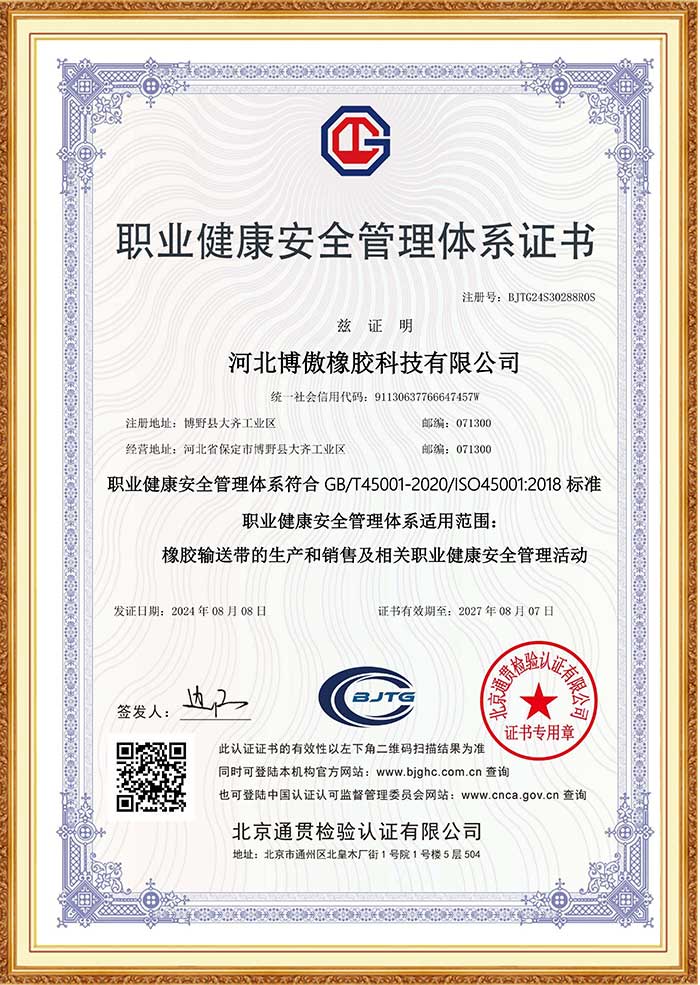
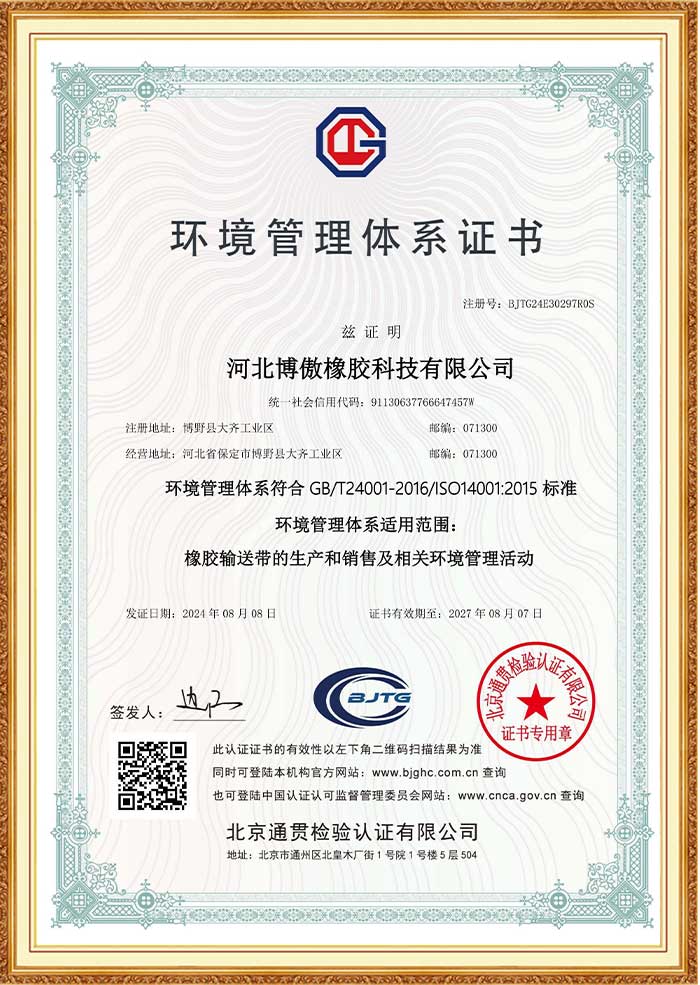
We are a professional manufacturer in China that integrates product development, research, design, manufacturing, and business services for conveyor belts and conveyor machinery accessories. We have passed the international quality management system certification, verifying our commitment to consistent engineering standards. The company operates multiple advanced production lines for rolling, forming, vulcanization, and rubber testing (from raw materials to finished products), ensuring complete control over the entire supply chain.









We maintain an independent chemical analysis room and physics laboratory. This allows us to monitor every stage of production, from raw material procurement to product delivery, preventing non-compliant products from leaving our site.
Our quality control program utilizes professional inspectors, testing instruments, and standardized procedures to verify that all drive drums and rubber conveyor belts meet operational parameters.
Supported by engineering capabilities and a dedicated support team, our products are used across diverse regions. We supply materials handling solutions to industries such as steel, metallurgy, coal, cement, power generation, fertilizers, ports, and grain storage.
How the next generation of smart conveyor pulleys and materials science will transform industrial efficiency.
The global demand for high-capacity bulk material systems is driving changes in conveyor component technology. The future of conveyor drive drums lies in integrating smart diagnostics with advanced material science to minimize unplanned maintenance. Traditional physical inspections are being replaced by sensor-based monitoring systems. Accelerometers, thermal sensors, and strain gauges embedded directly within the drive drum's shell and shaft transmit real-time telemetry to edge-computing control panels. These systems monitor load changes, vibration spikes, and heat generation at the bearings, allowing operators to schedule maintenance before components fail.
On the materials front, the development of wear-resistant lagging compounds is a primary focus. Researchers are combining high-grade ceramic inserts with synthetic elastomeric matrix backings. This configuration provides the friction profile of ceramics along with the impact absorption of vulcanized rubber. These advanced lagging materials help extend the service life of both the drive drum and the conveyor belt, reducing maintenance requirements in abrasive environments like iron ore mining and limestone quarrying. Additionally, there is growing interest in energy-saving drive designs, such as direct-drive permanent magnet motors integrated directly into the drum. This layout eliminates traditional gearboxes, reducing transmission energy losses by 5% to 8%.
Next-generation drive drums utilize embedded sensors to continuously measure shaft torque, bearing temperatures, and shell vibrations, sending data directly to the control room via industrial IoT protocols.
We are researching biodegradable vulcanizing agents and steel recovery processes to ensure that worn-out drive drums can be recycled at the end of their operational lifespan.
Engineered carbon-reinforced metal matrix composites are being tested for high-tension systems to reduce drum mass while maintaining required structural rigidity.
Quality control systems verified by recognized international testing laboratories.
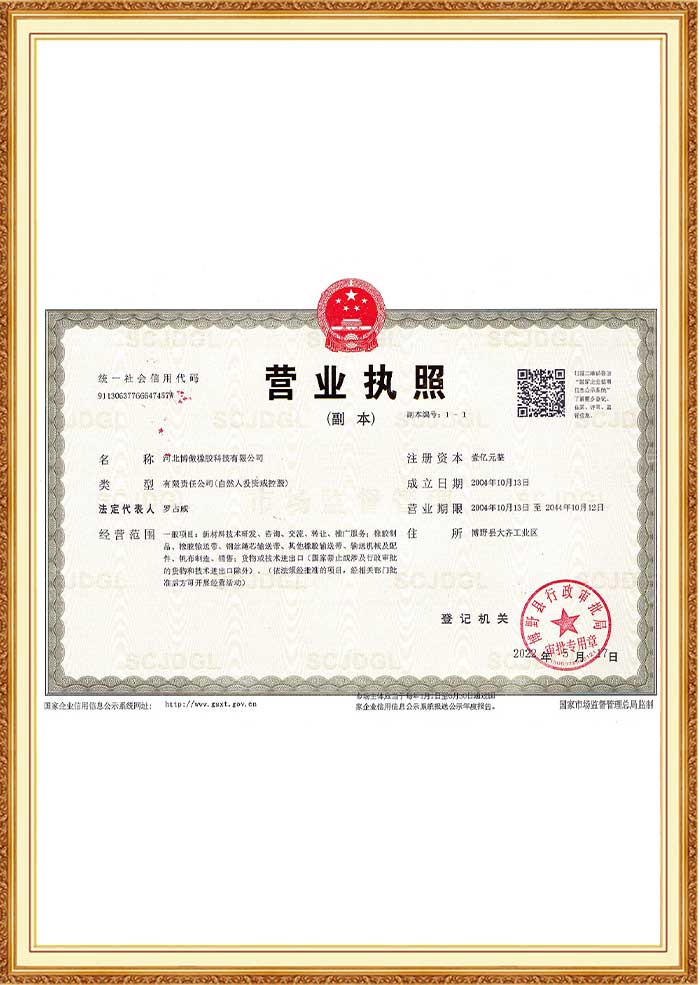
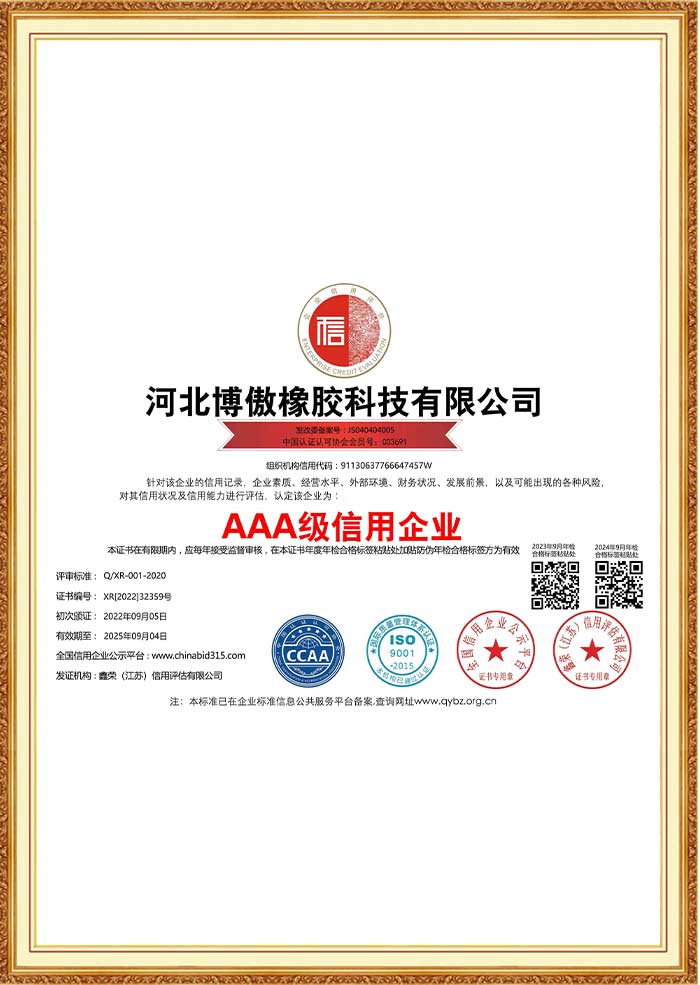
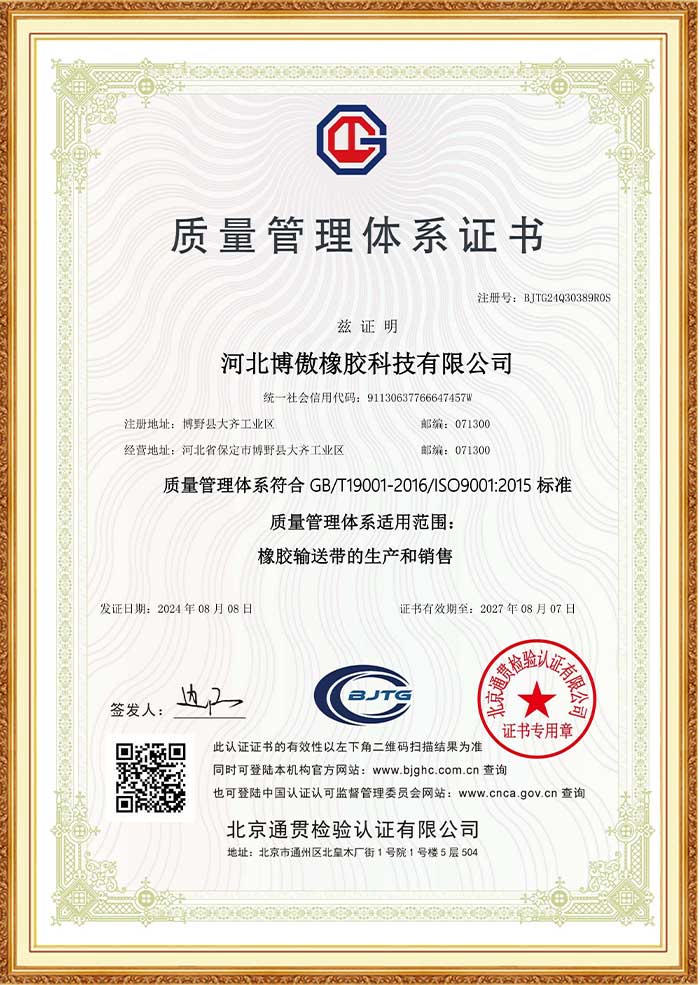
We supply component designs to major industrial enterprises and global operators.
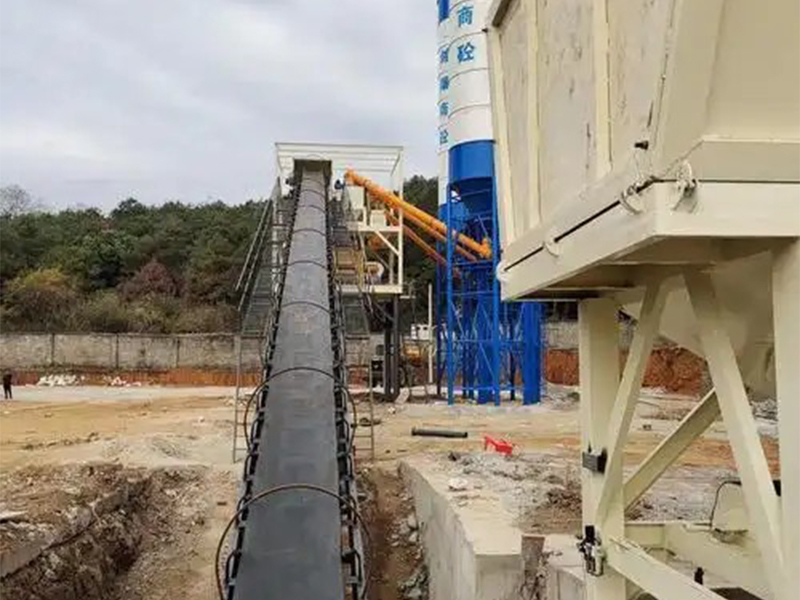
China Railway Group Mixing Plant
Conch Cement
Datong Coal Group
Tsingshan Group
Jidong Cement Group

Jinmei Group Coal Conveying Line
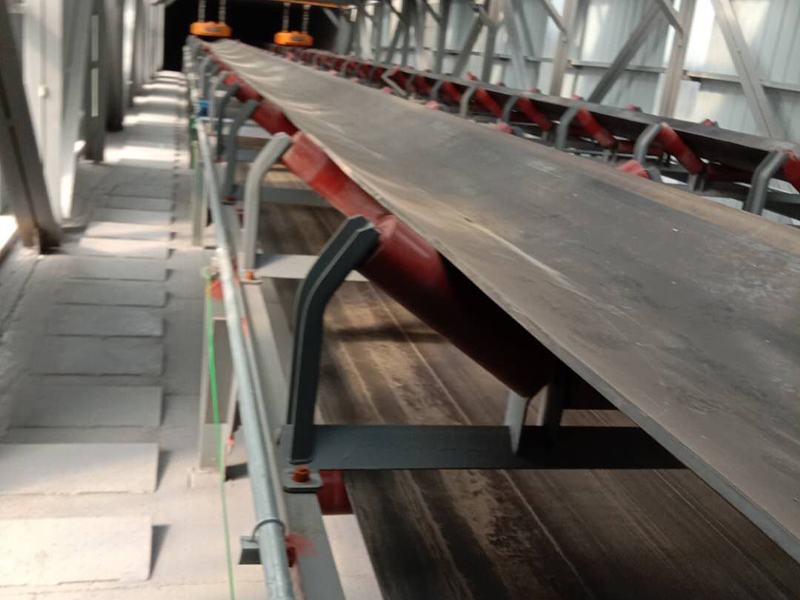
Taihang Steel
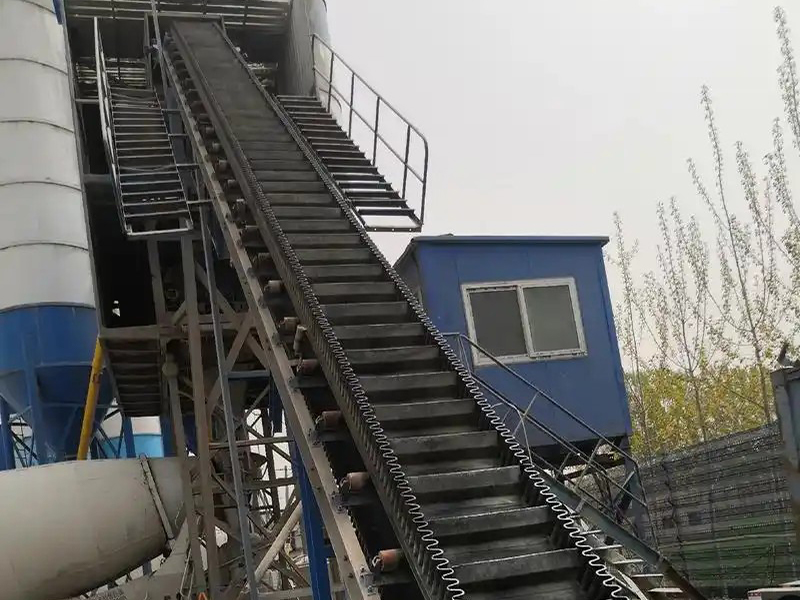
Puyang Steel Group
Comprehensive engineering services designed to extend component service life and maintain operational reliability.
We provide planned replacement, refurbishment, structural inspections, preventative maintenance, and emergency repair of conveyor belts and related drive drum components.
Our team assists with the supply of rubber conveyor belts and lagging materials, the management of safety stock levels, regular inventory audits, vulcanized splicing, cover rubber repair, and conveyor tracking diagnostics.
We aim to optimize the operational efficiency of belt conveyors, reduce belt wear, and support stable, long-term system operation to help clients control overhead costs.
The Evolution of Rubber Belts in Heavy-Duty Bulk Material Transport: In modern industrial facilities, rubber conveyor belts and their drive drums are critical components of bulk handling systems. From underground mining operations to coastal ports handling bulk cargo, reliable drive components keep materials moving. Advancements in engineering, metallurgy, and synthetic rubber compounds have allowed manufacturers to produce robust drive components that can withstand high stresses and challenging environmental conditions.
Key design principles, calculations, and optimization strategies for conveyor drive pulleys.
The diameter of the drive drum is determined based on the carcass material of the conveyor belt (steel cord or fabric) and the maximum belt tension. According to CEMA standards, the pulley diameter must be large enough to limit bending stresses on the belt carcass. The formula evaluates the belt thickness, fabric plies, and tension percentage:
D = C * t_c (where D is the minimum pulley diameter, t_c is the carcass thickness, and C is a coefficient based on belt tension and bending limits). Using a pulley that is too small can lead to carcass fatigue, splice separation, and accelerated lagging wear.
Rubber lagging (plain or grooved, such as diamond or herringbone) is cost-effective, easy to install, and provides a friction coefficient of 0.25 to 0.35 in clean conditions. Ceramic lagging features high-alumina ceramic tiles embedded in a rubber backing, increasing the friction coefficient to 0.50 to 0.70. Ceramic lagging is typically selected for high-tension systems, wet or muddy conditions, and applications prone to slippage, whereas rubber lagging is suitable for standard duty cycles.
The Euler-Eytelwein formula dictates torque transmission: T1 / T2 ≤ e^(μθ), where T1 is tight-side tension, T2 is slack-side tension, μ is the friction coefficient, and θ is the wrap angle. Increasing the wrap angle (typically from 180° to 220° or up to 240° using a snub pulley) increases the transmission capacity without raising tension levels. This design approach reduces wear on the belt and drive bearings.
Welding the heavy steel shell to the thick end-discs creates residual thermal stresses in the joint areas. When subjected to cyclic loading during operation, these stress areas are susceptible to fatigue cracking. Placing the welded drum structure into a stress-relieving furnace heats the steel to a designated temperature to relax the internal grain structure. This process helps prevent premature mechanical failures under high load conditions.
Traditional shafts rely on cut keyways, which remove metal and create localized stress concentrations that can lead to shaft fatigue. Keyless locking assemblies mount onto the shaft and slide into the drum hub. When the clamping bolts are tightened, the assembly expands, creating a friction fit that transmits torque across the connection. This design simplifies installation, allows easier realignment, and reduces the risk of shaft fatigue failure.
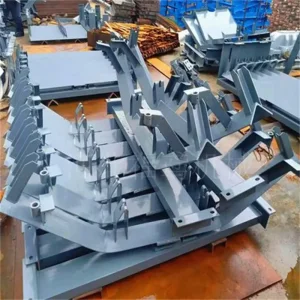
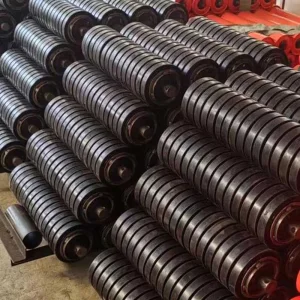
Complete your material handling system with our engineered idlers, brackets, and wear-resistant rubber belts.
 Boao Rubber