 Boao Rubber
1. Turkey's Industrial Landscape & Bulk Material Handling Demand
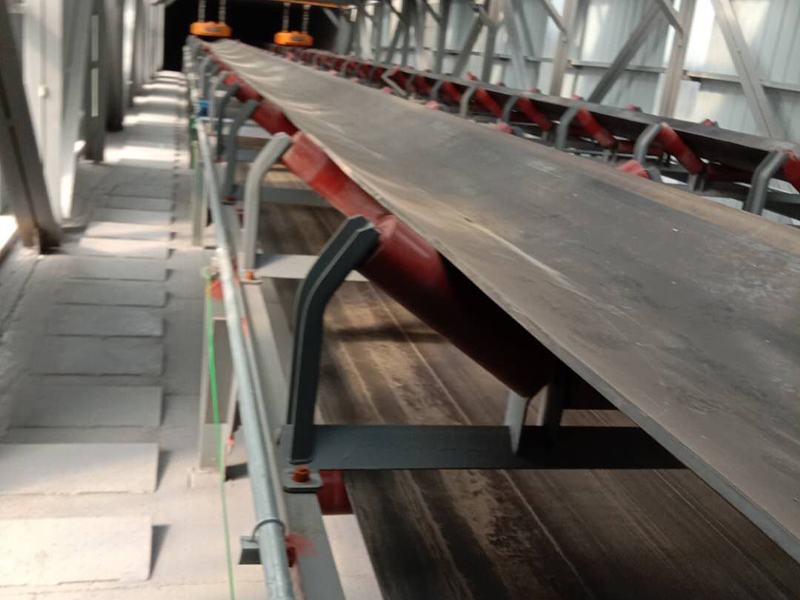
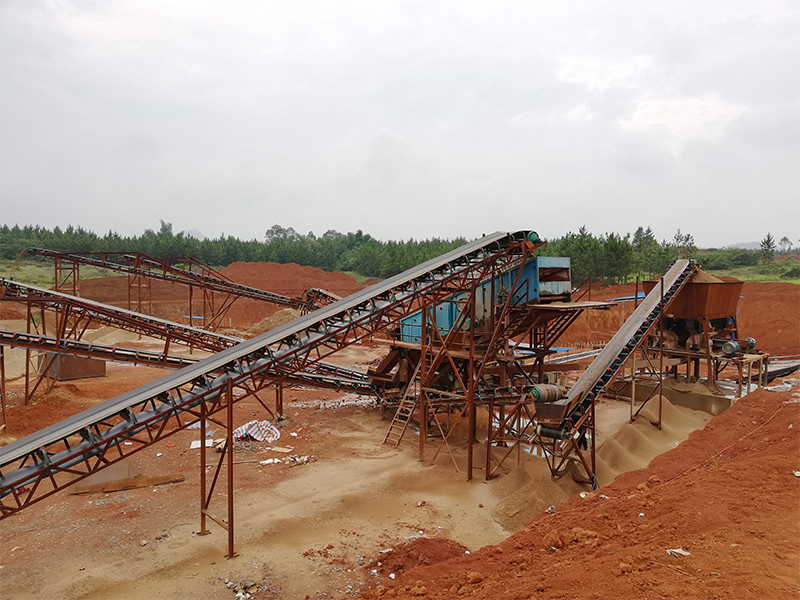
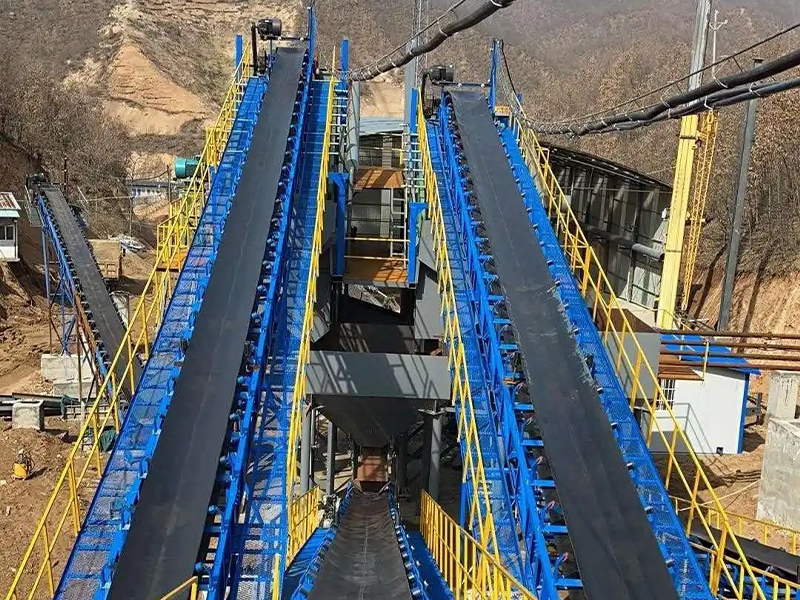
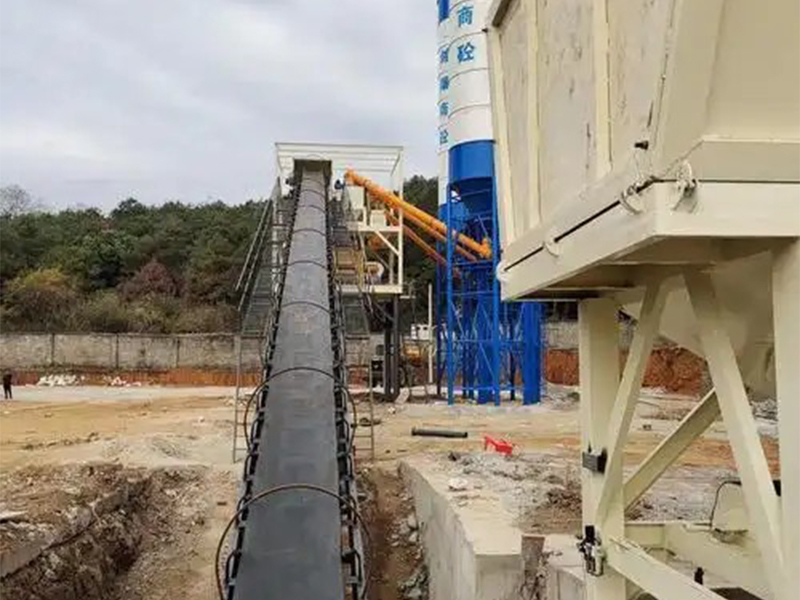
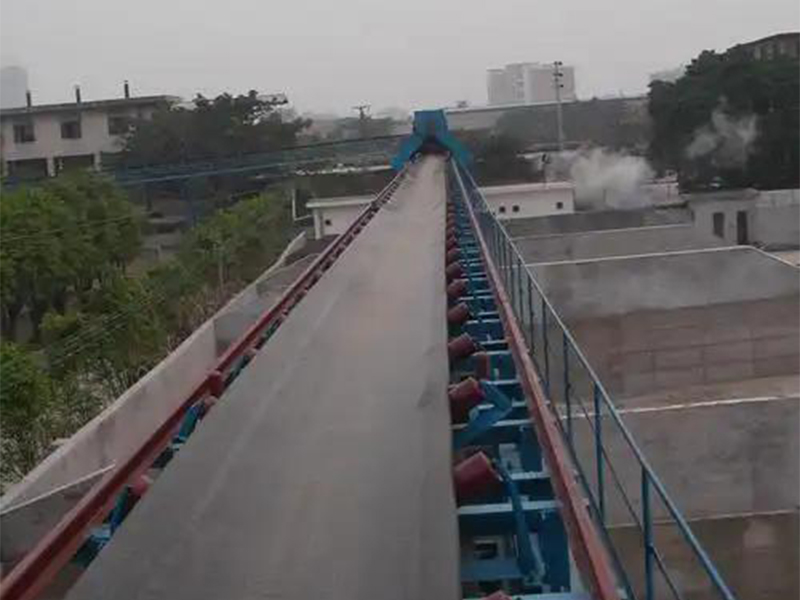
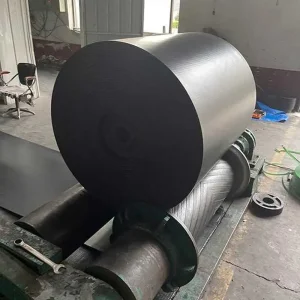
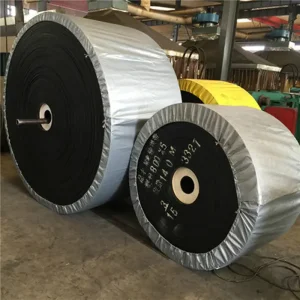
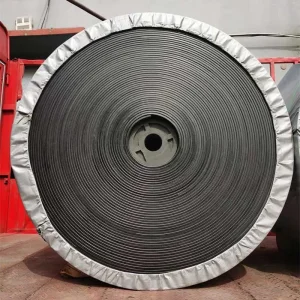
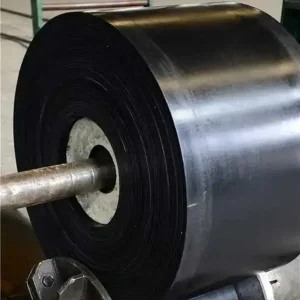
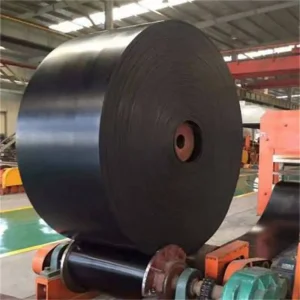
Turkey's unique macroeconomic position, serving as an industrial hub bridging Europe, the Middle East, and Central Asia, has accelerated investments in heavy infrastructure. The country's dynamic mining sector, major cement plants, steel mills, and bustling port terminals demand world-class bulk material handling components. For these sectors, the layered conveyor belt—also known as the multi-ply conveyor belt—serves as the primary operational artery.
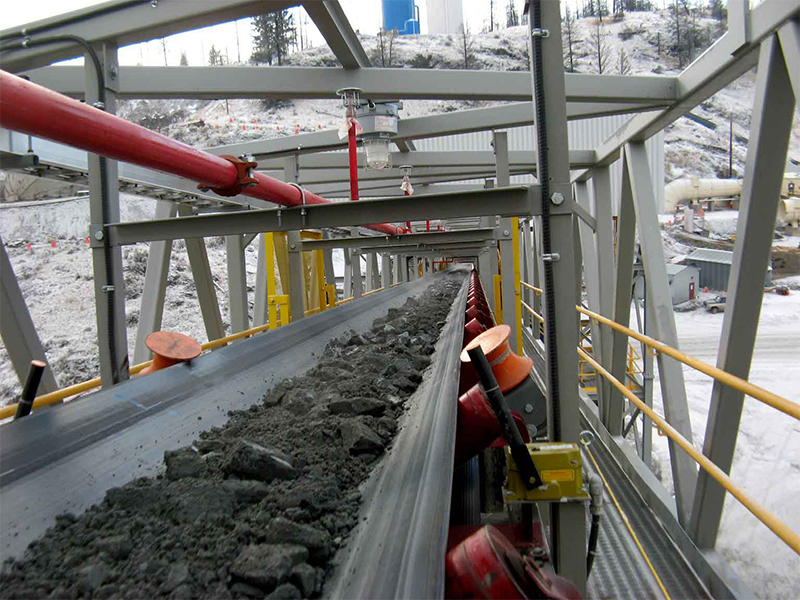
Mining operations, particularly in Anatolian coal basins (such as Soma, Zonguldak, and Elbistan), copper mines in Artvin, and gold deposits in western Turkey, deal with highly abrasive minerals. Conveying heavy-run materials over long distances require conveyor belts that can withstand sharp rock impacts, high moisture, and constant tensile load. Furthermore, Turkey is Europe's leading cement exporter. Operating modern clinker facilities like Akçansa, Limak, and OYAK demands heavy-duty heat-resistant belts capable of handling hot bulk materials exceeding 200°C without core degradation.
2. Deciphering Layered Conveyor Belts: EP vs. NN Carcass Structures
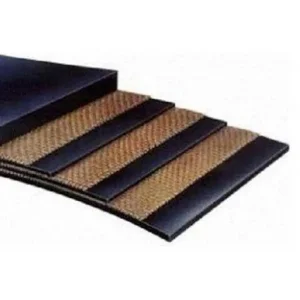
The carcass of a multi-ply belt provides the necessary tensile strength to move bulk loads over long spans. Selecting between Polyester-Polyamide (EP) and Nylon-Nylon (NN) fabrics is critical for Turkey's engineers:
- EP (Polyester-Polyamide) Fabric Belting: Fabricated with polyester warp fibers in the longitudinal direction and polyamide (nylon) weft fibers in the transverse direction. Polyester warp yields remarkably low elongation under load (usually <1.5% at nominal tension), making it highly suitable for long conveyor systems with restricted take-up travel.
- NN (Nylon-Nylon) Fabric Belting: Standardized with polyamide fibers in both directions. The intrinsic elasticity of nylon offers superior resistance to shock loads, high impact absorption, and excellent flex fatigue characteristics. However, its high elongation makes it better suited for shorter or medium-length conveyances with deep impact zones.
For Turkish stone quarries, gold mining, and slag heaps, EP conveyor belts are preferred due to their excellent dimensional stability and resistance to rotting, moisture, and mildew—which are common issues in coastal port handling facilities.
| Belt Carcass Type | Elongation at Break | Impact Strength | Troughability Index | Primary Applications in Turkey |
|---|---|---|---|---|
| EP Multi-ply | Low (< 1.5% under load) | Very High | Excellent | Cement clinker, coal mining, long-distance power plants |
| NN Multi-ply | Medium-High (2% - 3%) | Extreme Cushioning | Excellent | Basalt quarries, hard rock aggregate, impact load zones |
| Steel Cord (ST) | Minimum (< 0.25%) | High Penetration Resistance | Moderate | Deep shafts, steep inclines, heavy overland operations |
3. Hebei Boao Rubber Technology: 22 Years of Engineering Authority
Founded in 2004, Hebei Boao Rubber Technology Co., Ltd. is located in the Rubber Industrial Park of Boye County, Baoding, Hebei Province, China. Spanning a state-of-the-art facility of over 30 acres, we manufacture the globally recognized "Jinao" brand of conveyor products.
Our core manufacturing philosophy integrates raw material selection, advanced compounding chemistry, and strict quality control. From compounding raw SMR/STR natural rubber with advanced antioxidant packs to multi-station vulcanization presses, we maintain strict control over every manufacturing phase. We are a direct-to-factory supplier for Turkey, cutting middleman costs while offering fully certified (ISO 9001, CE, DIN) heavy-duty conveyor systems.


4. In-House Laboratory Testing and E-E-A-T Quality Control Standards
To establish trust under global procurement frameworks, Hebei Boao Rubber Technology operates an independent chemical analysis department and physical laboratory. We carry out dynamic testing for every production batch:
- Abrasion Testing (DIN 53516): Ensuring cover wear losses are strictly controlled (e.g., DIN X < 120 mm³, DIN Y < 150 mm³) to resist the sharp, dense edges of Turkish basalt, limestone, and copper ore.
- Carcass Adhesion Analysis (ISO 252): Testing inter-ply adhesion levels to guarantee no separation occurs even when operating under high flexural stresses on three-roller idler sets.
- Heat Aging & Recovery: Placing sample strips inside heat chambers at 150°C and 200°C to measure changes in tensile strength and elongation at break, ensuring cover rubbers don't embrittle in Turkish cement plants.