Optimized bulk conveying systems specifically designed for ports, recycling facilities, steel fabrication, and cement works across Belgium.
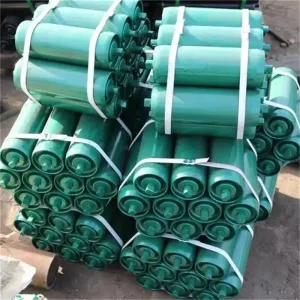
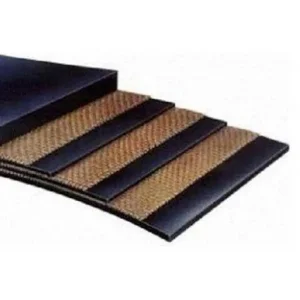
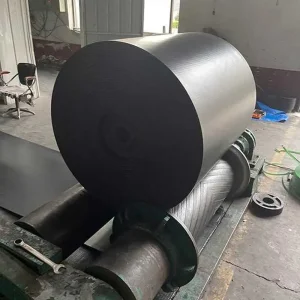
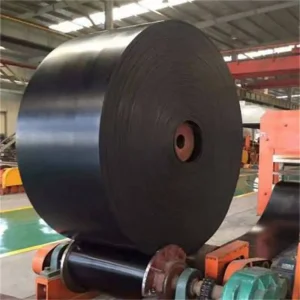
Belgium plays a pivotal role in European logistics and industrial manufacturing. With the expansion of the Port of Antwerp-Bruges as a primary gateway for dry bulk materials in Northern Europe, the demand for high-durability material handling components has reached an all-time high. Raw coal, bulk chemicals, construction aggregates, and recycled metallurgy demand conveying systems that can withstand aggressive continuous operations.
In industrial corridors such as Wallonia (housing prominent steel and limestone processing plants in Liège and Charleroi) and Flanders (characterized by food processing, sorting centers, and intensive chemical manufacturing), system downtime is incredibly costly. To mitigate these operating risks, local plant managers require rubber conveyor belts and idlers designed strictly under ISO standards, prioritizing tear prevention, load alignment, and long-term chemical durability.
All conveyor belts targeted for the Belgian market comply with EU REACH declarations, CE labeling rules, and key standards including DIN 22102, EN ISO 14890, and ATEX safety directives for explosive atmospheres.
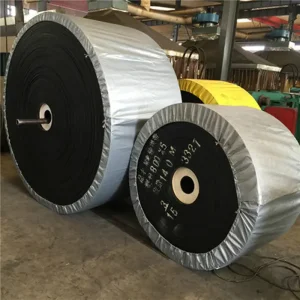
Incorporating advanced synthetic polymers (SBR/NBR/EPDM) coupled with high-adhesion carcass fabric (EP/NN) ensures structural integrity under heavy static loads and severe ambient temperature variations.
Through rigorous vulcanization control and chemical lab checks, our products offer up to 40% higher wear-resistance on cover rubbers compared to typical domestic Chinese counterparts.
Under our globally recognized brand "Jinao", we have committed over 22 years to the research, design, production, and field servicing of heavy-duty conveyor belts and associated conveyor support components. Nestled in the heart of Boye County's Rubber Industrial Park (Baoding, Hebei, China), our state-of-the-art facility covers over 30 acres of dedicated production space.
With our fully certified international quality management systems, we manage the entire manufacturing cycle. This starts with selective rubber polymer compounding, wire rope drawing, multi-roller calendering, high-pressure continuous press vulcanization, all the way to rigorous mechanical tension and chemical testing at our in-house laboratories.
An overview of technical criteria that heavy industry engineers and procurement directors evaluate during material conveyor installations.
European regulations demand clean rubber processes. In response, our manufacturing utilizes zero toxic plasticizers or banned aromatic hydrocarbons, ensuring no harmful outgassing during indoor processing or port storage.
For long-distance overhead conveyor belts running across quarries or docks, high elasticity reduces motor energy costs. Polyester-Nylon (EP) carcasses prevent permanent stretch, ensuring stable tension control over miles of transport.
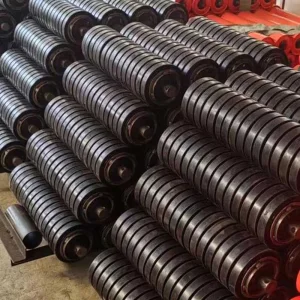
Drop zones represent critical failure points. By combining heavy impact rollers with thick multi-ply rubber cushions, our systems absorb shock from 100kg clinker or limestone drops without tearing the fabric carcass.
| Belt Carcass Type | Standards Applied | Tensile Strength (N/mm) | Primary Industrial Use Case in Belgium |
|---|---|---|---|
| Steel Cord Core (ST) | EN ISO 15236 / DIN 22131 | ST630 - ST5400 | High-capacity raw ore transport & deep-well vertical mining |
| Polyester Nylon (EP) | DIN 22102 / ISO 14890 | EP100 - EP600 (per ply) | General port handling, cement mills, and recycling plants |
| Nylon Nylon (NN) | ISO 14890 | NN100 - NN500 (per ply) | High-impact aggregate mines and heavy crushing systems |
| Aramide (AR) / Specialized | ISO 15236 Custom | AR500 - AR3150 | Long-distance continuous energy-saving lines |
Skip the logistical and execution hazards of buying from multiple raw material suppliers. Hebei Boao Rubber provides integrated conveyor system planning, manufacturing, and technical implementation in a single, well-coordinated package.
We provide planning, replacement schedules, wear inspections, dynamic tension tuning, and emergency repair methodologies. We also assist in structuring optimal safety stocks to ensure zero downtime in production lines.
By improving the operational tracking of conveyor belts and matching dynamic rollers perfectly, we aim to reduce the annual belt wear rate by 15-25% and significantly lower energy demand at motor drives.
Analyzing the density of conveyed materials, drop height, trough angle (typically 35° or 45°), and drive pulley parameters.
Adjusting cover rubber polymers for cold, chemical, or heat conditions. Vulcanizing under strict control of time and temperature.
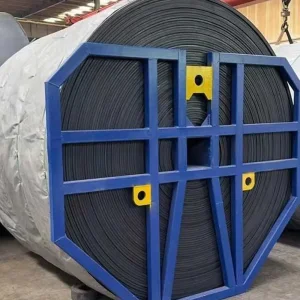
Secure wooden-spool packing, customs handling, local shipment delivery, and technical guidance for seamless vulcanized splicing.
Our industrial solutions have been tested in major smelting, mining, and cement operations globally.
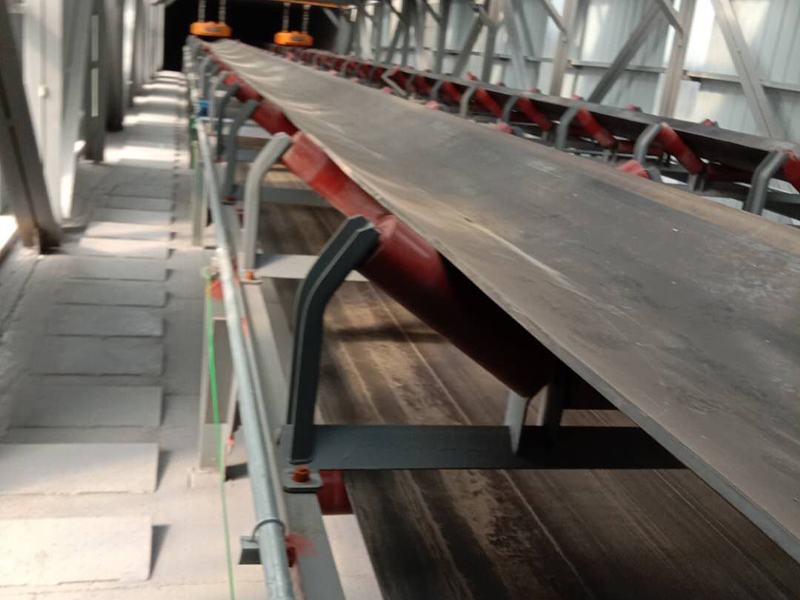
High-temperature conveying systems handling hot sinter at 180°C.
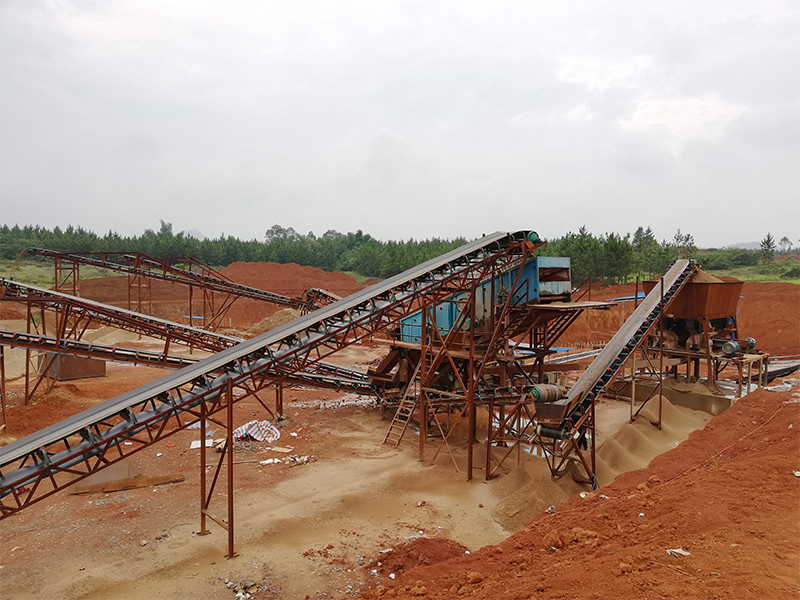
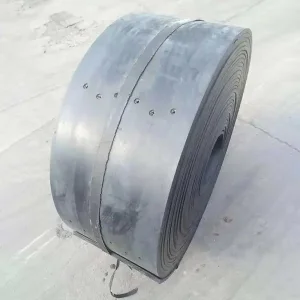
Heavy-duty oil-resistant belt assemblies for slag processing lines.
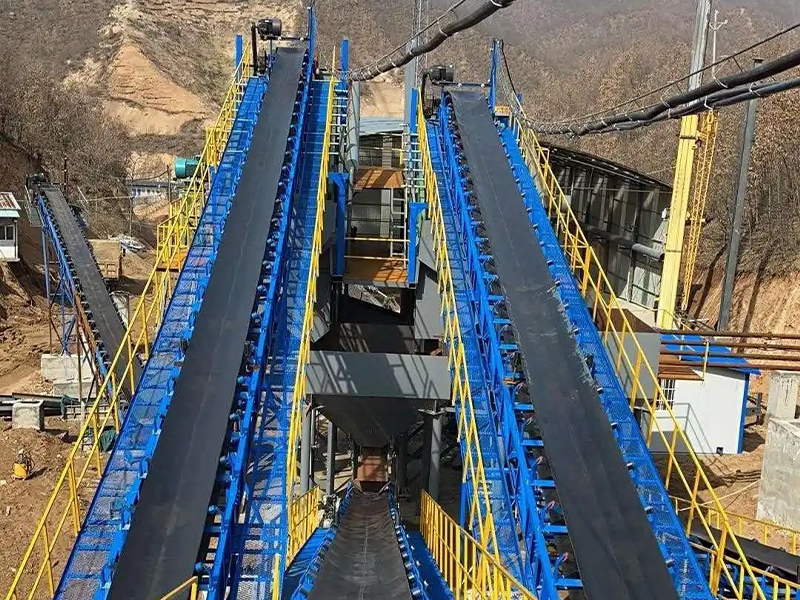
Abrasion-resistant steel cord belts (ST3150) for deep-shaft ore mining.
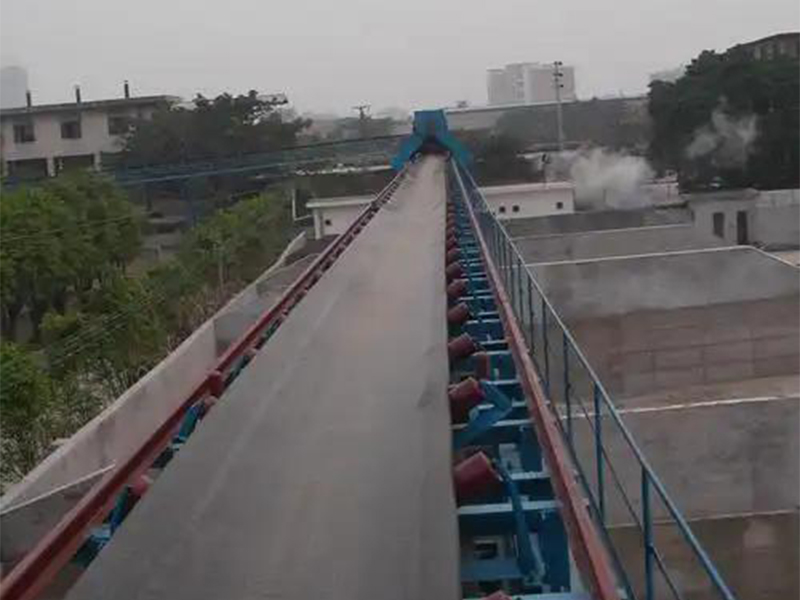
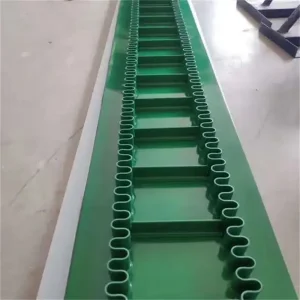
Long-distance high-angle corrugated sidewall belt installations.
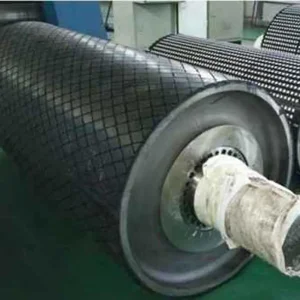
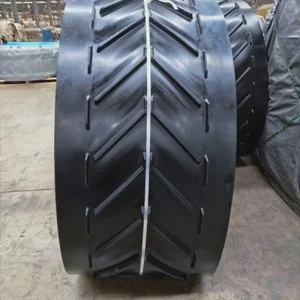
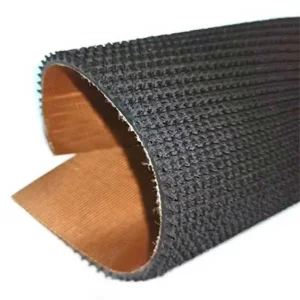
Select the specific configuration required to match your conveyor system requirements.
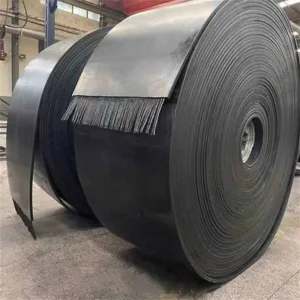
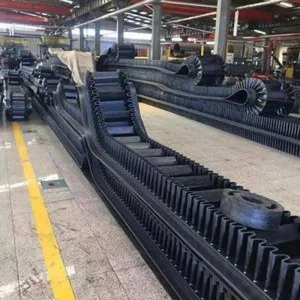
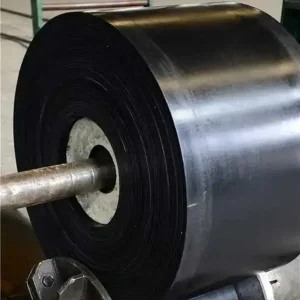
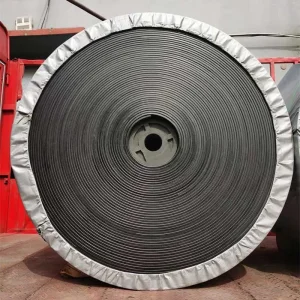
As Belgian heavy industries transition toward automated processes and lower carbon footprints, material handling systems must follow suit. The technical roadmap of Hebei Boao Rubber focuses on three main developments:
Answers to key technical, logistical, and compliance questions concerning conveyor systems for the Belgian and European markets.
Our flame-retardant rubber conveyor belts are engineered according to EN 12882 specifications. We compound the rubber with anti-static agents and halogen-free fire retardants to achieve the necessary surface resistance (less than 300 MΩ), making them safe for ATEX zones containing combustible grain dust, wood chips, or pulverized coal.
Standard fabrication for custom multi-ply EP or NN belts takes between 15 and 25 days, depending on volume. Ocean freight shipping from the Port of Tianjin (China) to the Port of Antwerp-Bruges averages 30 to 35 days. We also offer expedited booking options and maintain safety stocks for regular contract customers.
Our heat-resistant belts conform to ISO 4195 specifications. We offer various classes (T1, T2, T3) capable of handling continuous dry temperatures up to 200°C and peak temperatures of 250°C. These are widely used in clinker discharge systems, slag recycling lines, and iron pellet handling.
Yes. Our engineering department uses advanced CAD modeling to customize trough angle, roller wall thickness, shaft diameters, and bearing configurations (such as Labyrinth seals for dust prevention). This ensures compatibility with existing conveyor systems from OEM European brands.
Get in touch with Hebei Boao's application engineers today. We provide free design calculations, thickness optimization profiles, and direct factory-direct pricing for the Belgian market.
 Boao Rubber