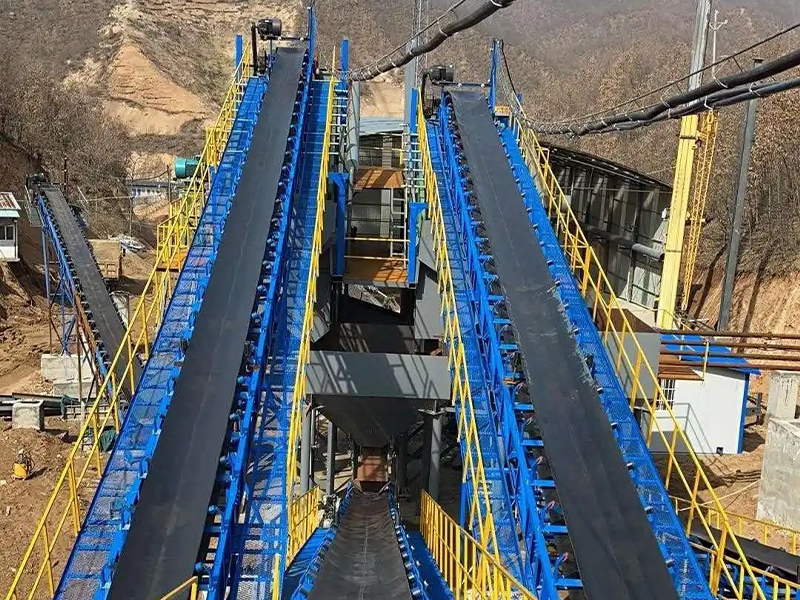
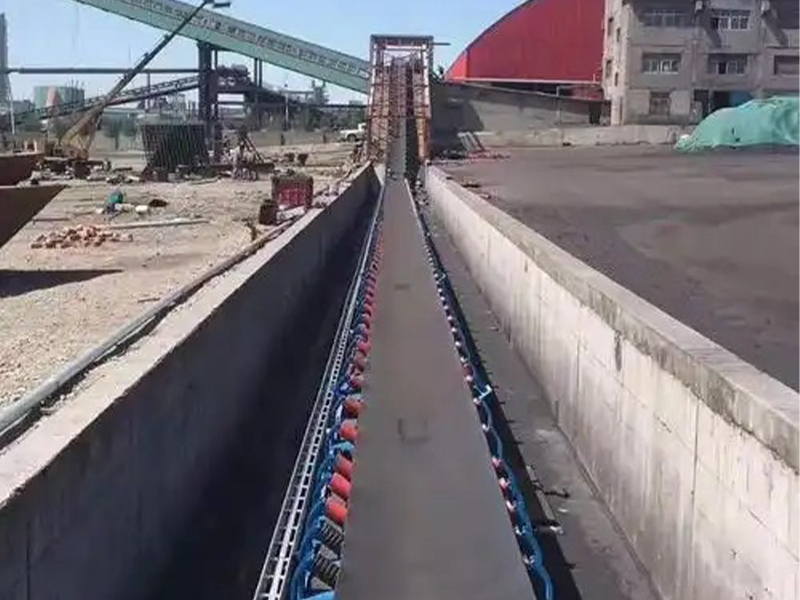
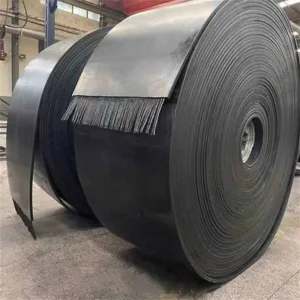
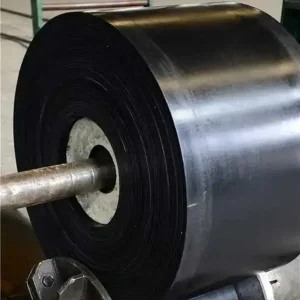
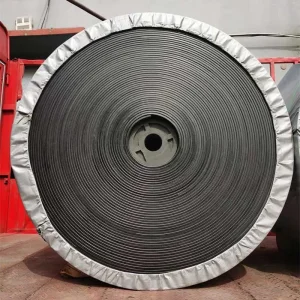
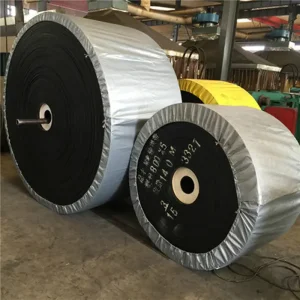
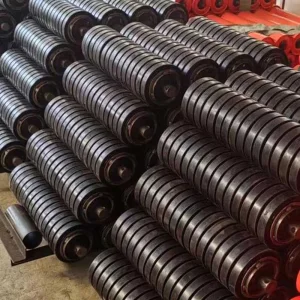
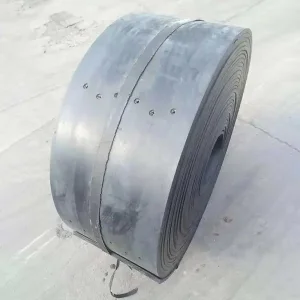
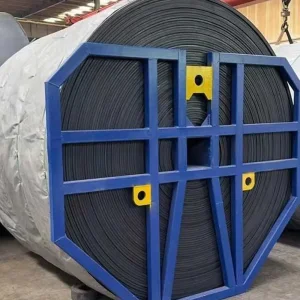
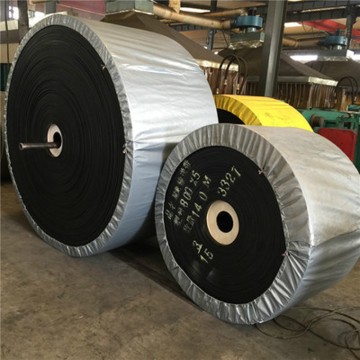
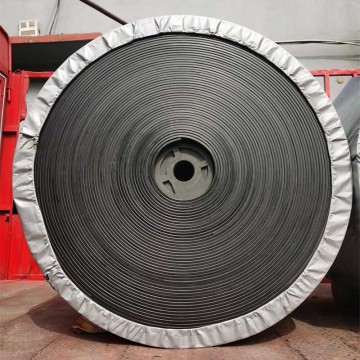
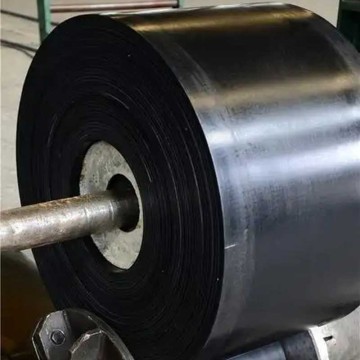
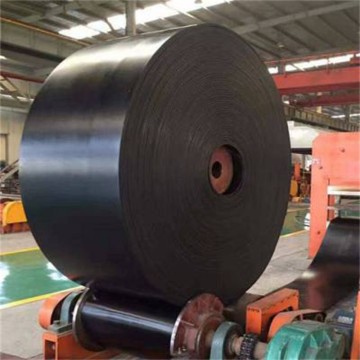
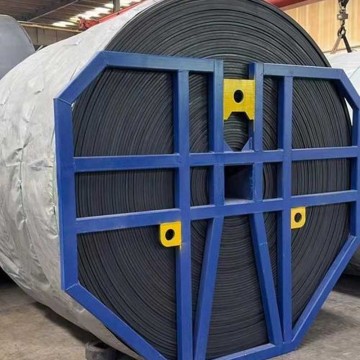
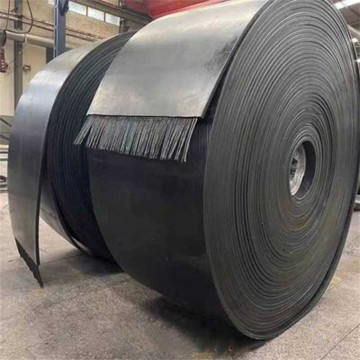
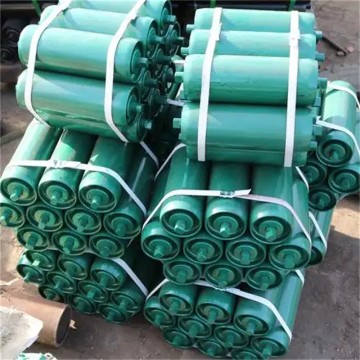
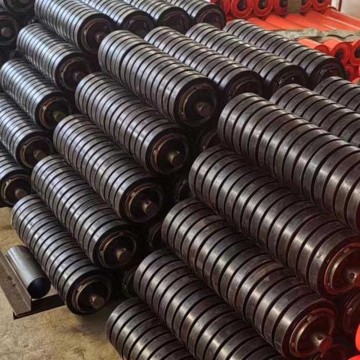
Engineered to withstand the demanding geographical, thermal, and abrasive conditions of local Ethiopian quarries and mining plants.
A technical guide to rubber conveyor technology, mechanical parameters, and structural design optimization for the East African industrial sector.
Ethiopia's economy is undergoing a massive structural transformation. Driven by heavy investments in infrastructure, the development of specialized industrial parks, and the acceleration of mining, cement, and agricultural projects, the nation has emerged as a key manufacturing hub in East Africa. However, this growth brings significant logistical challenges. Efficient, uninterrupted transport of bulk raw materials is the cornerstone of processing plant uptime. In operations ranging from primary stone quarrying in the Rift Valley to massive cement manufacturing facilities in Muger, the demand for highly reliable, long-life, and energy-efficient belt conveyor systems has reached unprecedented heights.
For operations managers and procurement executives across Ethiopia, selecting the correct conveyor belts and matching components is not merely a matter of finding the lowest unit cost. It requires a profound understanding of carcass engineering, elastomer chemistry, and local environmental stress factors. High elevations, abrasive volcanic soils, intense UV exposure, and operational thermal loads pose severe threats to traditional belt designs. Sourcing from a certified manufacturer that integrates design, R&D, advanced vulcanization technology, and comprehensive quality control is critical to ensuring long-term operational resilience and lower total cost of ownership (TCO).
The industrial landscape in Ethiopia is characterized by key strategic sectors. The cement industry, spearheaded by major production facilities in the Muger Valley and Dire Dawa regions, operates under extreme processing conditions. Sourcing raw limestone, gypsum, and coal requires heavy continuous material transport systems that can resist intensive abrasion and high localized impact. Conveying hot cement clinkers directly from kilns demands specialized heat-resistant covers engineered to prevent premature rubber cracking and core ply delamination.
Simultaneously, the development of the mining sector is picking up momentum. The exploration of gold reserves in Shakiso, coal deposits in southwestern regions, and potash fields in the Danakil Depression requires robust belts with heavy tensile strength and high flame retardancy. Additionally, key logistics gateways like the Mojo Dry Port are processing hundreds of thousands of tons of bulk grains and agricultural outputs annually. Here, grain storage facilities rely on food-grade PU/PVC and anti-static rubber lifting belts for vertical bucket elevators. Ensuring compliance with strict safety standards is paramount to prevent dust explosions and operational downtime.
A detailed look into carcass reinforcement materials, cover grade certifications, and dynamic testing protocols.
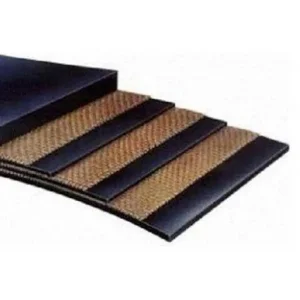
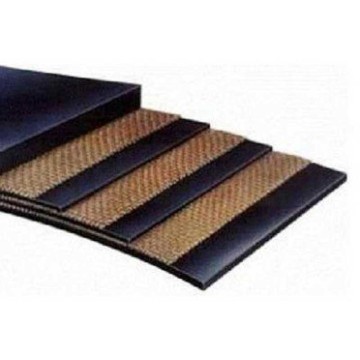
On a global scale, the material science behind bulk conveying systems has evolved toward higher tensile strength, reduced elongation, and low rolling resistance. Modern heavy-duty belts utilize synthetic fiber textiles (Polyester and Polyamide) or steel cords to form the load-bearing carcass. Standard conveyor specifications dictate chemical compositions that maximize vulcanized rubber-to-fabric adhesion. This prevents ply separation under cyclic flexing and high-tension operations. Hebei Boao Rubber Technology Co., Ltd. (Jinao Brand) complies with international standards including DIN 22102, ISO 14890, BS 490, and AS 1332, ensuring that our products meet the strict criteria demanded by global engineering consortiums executing projects in Ethiopia.
| Carcass Code | Material Structure (Warp/Weft) | Tensile Strength Range | Elongation at Break (%) | Primary Industrial Application | Key Environmental Advantage |
|---|---|---|---|---|---|
| EP (Polyester) | Polyester / Polyamide | 100 - 630 N/mm per ply | ≤ 1.5% (elastic elongation) | Cement, Aggregate, Mining, Ports | High resistance to humidity, low stretch, excellent stability |
| NN (Nylon) | Polyamide / Polyamide | 100 - 500 N/mm per ply | ≤ 2.5% (elastic elongation) | Quarrying, Basalt Processing | Superior impact resistance, excellent elasticity, deep troughability |
| Steel Cord | High-Tensile Galvanized Steel Cords | ST500 - ST5400 N/mm | ≤ 0.25% | Overland Systems, Deep Coal Mines | Ultra-low stretch, extreme service life over long distances |
| PVC/PU | Solid Woven Fabric with Polymer Cover | Light to Medium Duty | ≤ 2.0% | Food, Grains, Sugar Processing | Oil-resistant, food-grade safe, static-conductive |
Real-world engineering implementations tailored for Ethiopia's core economic sectors and logistics channels.
Danakil Depression Potash Sourcing: The extreme temperatures of the Danakil region, coupled with the chemical reactivity of potash minerals, require belts that resist both degradation and chemical attacks. Custom-compounded chloroprene rubber and EPDM-based compounds prevent belt hardening, cracking, and premature structural failure in highly alkaline soils.
Rift Valley Basalt & Stone Crushing: The volcanic aggregate processing plants near Addis Ababa handle high-impact, sharp basalt materials. Conventional multi-ply belts can fail rapidly due to heavy cut and puncture damage. Jinao brand high-strength NN (Nylon) belts feature reinforced wear-resistant top covers (DIN X or DIN Y grades) to absorb energy from high drops and prevent cover stripping.
Ethiopian Highlands Grain Terminals: Agricultural bulk storage silos handling corn, wheat, and oilseeds face elevated risks of dust explosion. Our flame-retardant (FR) rubber conveyor belts comply with ISO 340 anti-static and fire-safety standards, ensuring that handling equipment does not propagate a flame or generate dangerous electrostatic charges during grain loading and unloading.
Hebei Boao Rubber Technology Co., Ltd. — Sourcing directly from the manufacturer to ensure high quality and professional support.
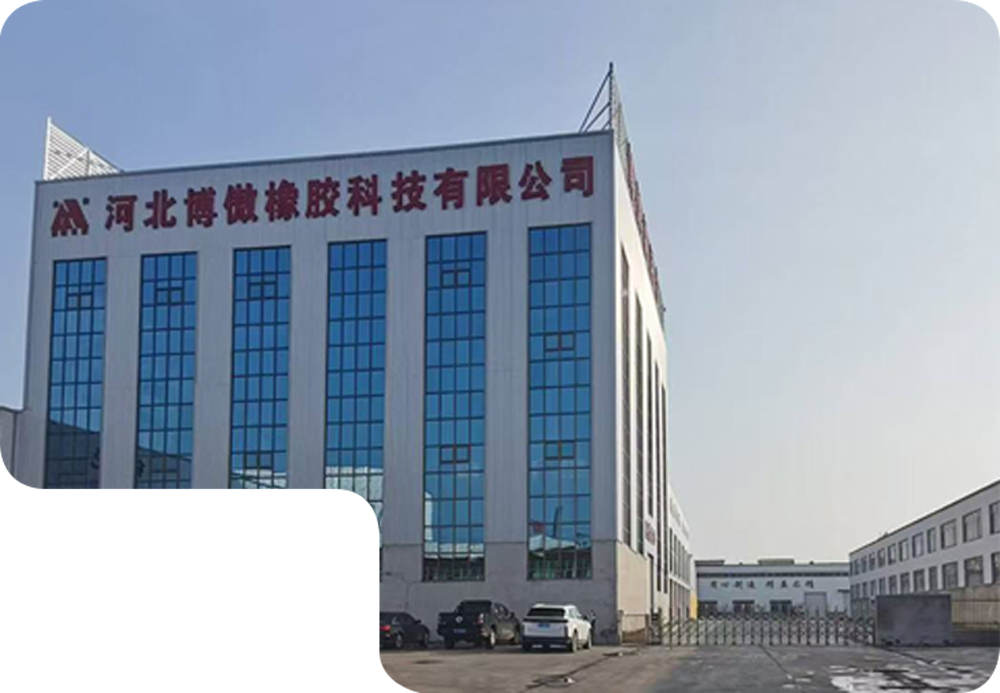
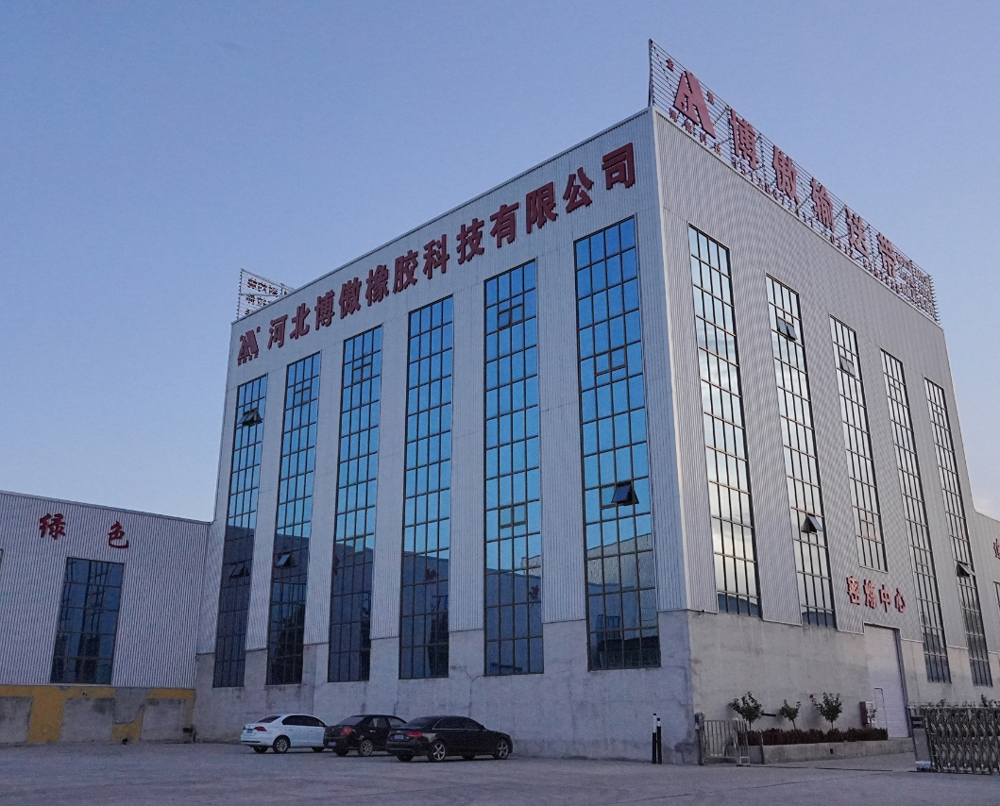
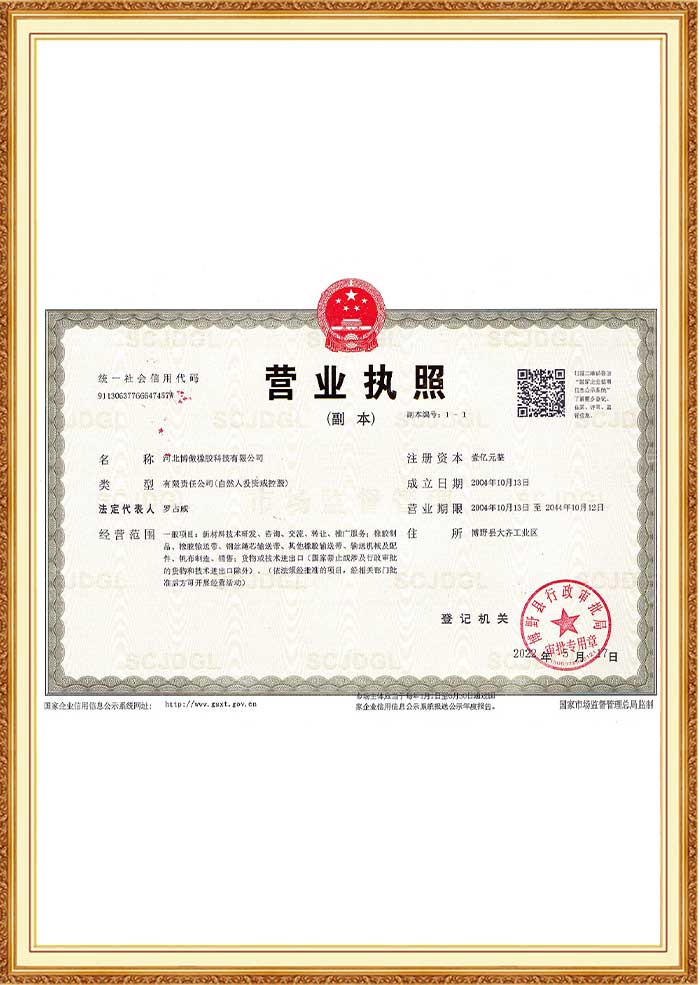
Established in 2004, Hebei Boao Rubber Technology Co., Ltd. (Brand: "Jinao") is located in the Rubber Industrial Park of Boye County, Baoding City, Hebei Province, China, covering an area of over 30 acres. We are a specialized manufacturer integrating advanced product research, chemical testing, physical design, high-capacity vulcanizing lines, and complete business logistics services for conveyor belts and supporting accessories.
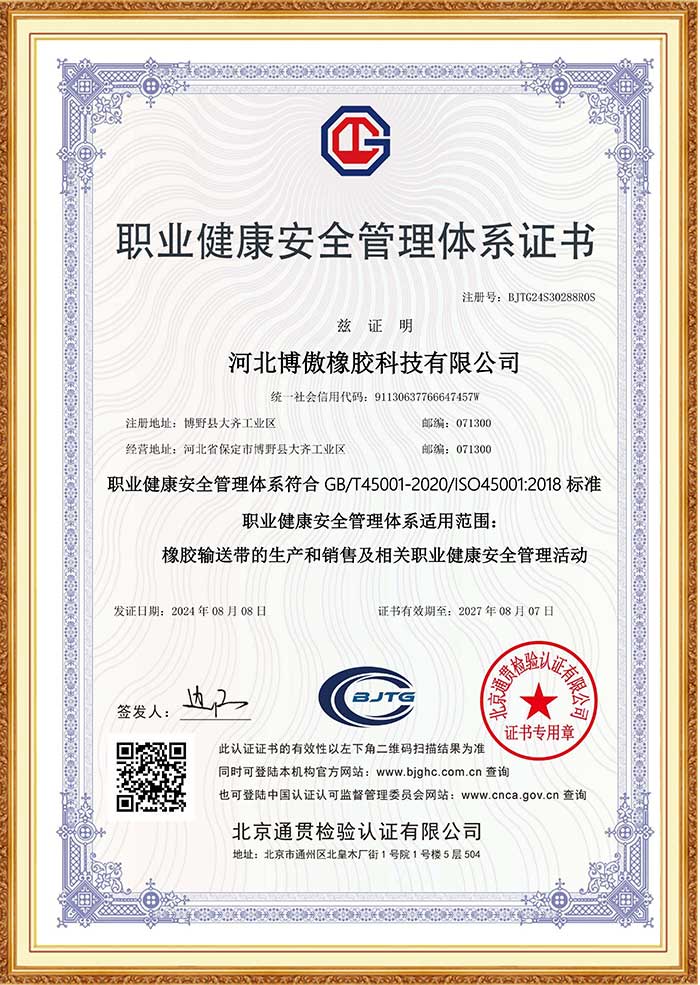
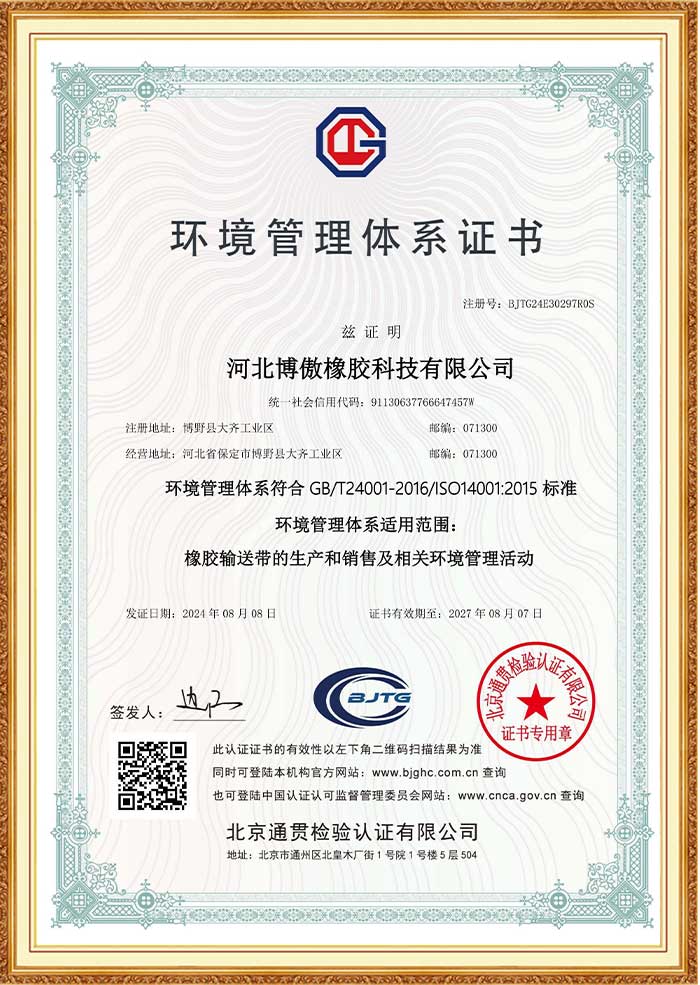
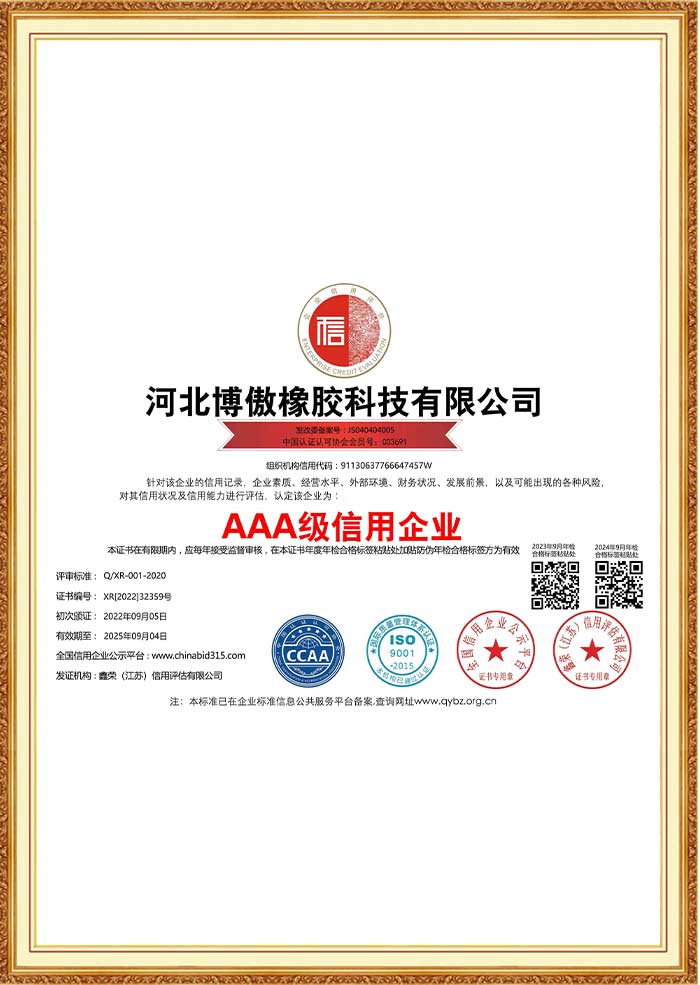
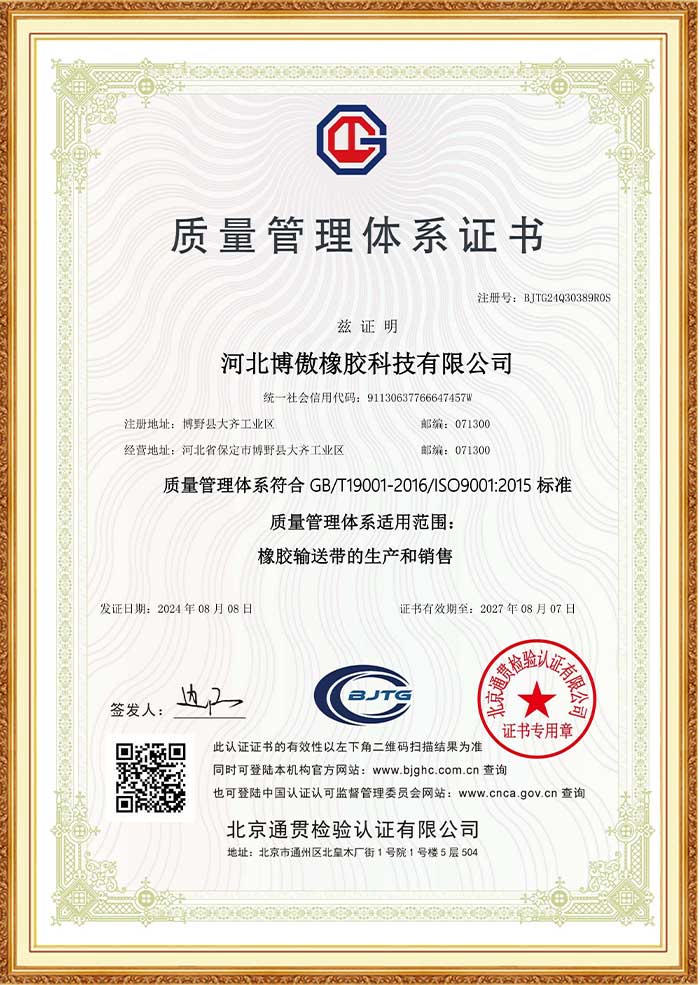
Our facility houses independent chemical analysis and physical testing laboratories. We run strict quality control checks on raw rubbers, textiles, and vulcanizing compounds to ensure that no subpar materials enter the production line, and no unqualified belts leave the plant. We have attained the international quality management system certification, reinforcing our commitment to reliable products and services.
Today, our product range serves critical heavy-duty sectors including steel plants, mining quarries, power generation facilities, cement plants, chemical fertilizer factories, ports, and bulk grain terminals. We offer specialized engineering support, customized cover specifications (anti-abrasion, flame retardant, high temperature, acid-alkali resistant), and matching conveyor accessories to help you optimize operation uptime.
Proven heavy-industry operations working with Hebei Boao Rubber Technology to ensure high system uptime and lower operational costs.
China Railway Group
Conch Cement
Datong Coal Group
Tsingshan Group
Jidong Cement
Taihang Steel
Our conveyor belts undergo complete third-party inspections to meet the compliance frameworks required for importing to East Africa.
Developing low-resistance rubber formulations, predictive belt monitoring, and sustainable manufacturing paths.
The global material handling industry is transitioning toward eco-efficiency and smart operations. To help bulk logistics operators in Ethiopia reduce power consumption, our engineering team is developing low rolling resistance (LRR) bottom rubber compounds. The primary energy consumer in horizontal conveyors is the indentation loss of the belt rubber pressing over idler rollers. By optimizing the rubber viscoelastic compound, our new LRR series cuts total motor electricity requirements by 10% to 15%, lowering carbon footprints for regional cement and mining operators.
In addition, the integration of real-time monitoring technology is crucial to preventing sudden belt tear events. Our technology roadmap focuses on inserting micro-transponders or inductive loops directly into the carcass of steel wire rope core belts. When coupled with local receiver terminals, these sensors detect longitudinal tears instantly and trigger an emergency stop, preventing major conveyor damage and saving operations from long, expensive downtime.
Expert answers to common engineering, procurement, and import questions for local operations managers.
EP (Polyester) belts feature low longitudinal elongation, making them excellent for long-distance conveyors where tension take-up travel is limited. However, NN (Nylon) belts offer superior elasticity and impact absorption, which is crucial for handling large, sharp basalt stones dropped from primary crushers. For long overland systems, we recommend EP belts. For secondary screening and impact loading areas, NN belts are the preferred choice.
Handling hot cement clinker requires specialized covers. For materials with temperatures between 150°C and 200°C, we supply EPDM or chlorinated rubber compound covers. For extreme operations with peak temperatures reaching 400°C, we utilize reinforced formulations containing heat-resistant fibers that form a protective layer, extending the life of the carcass.
Typically, cargo is shipped from the Port of Tianjin, China to the Port of Djibouti. From Djibouti, the goods are transported via the Ethio-Djibouti Railway directly to Mojo Dry Port or the terminal in Addis Ababa. Total maritime and rail transit ranges between 30 and 45 days, depending on sea freight schedules and local customs clearance.
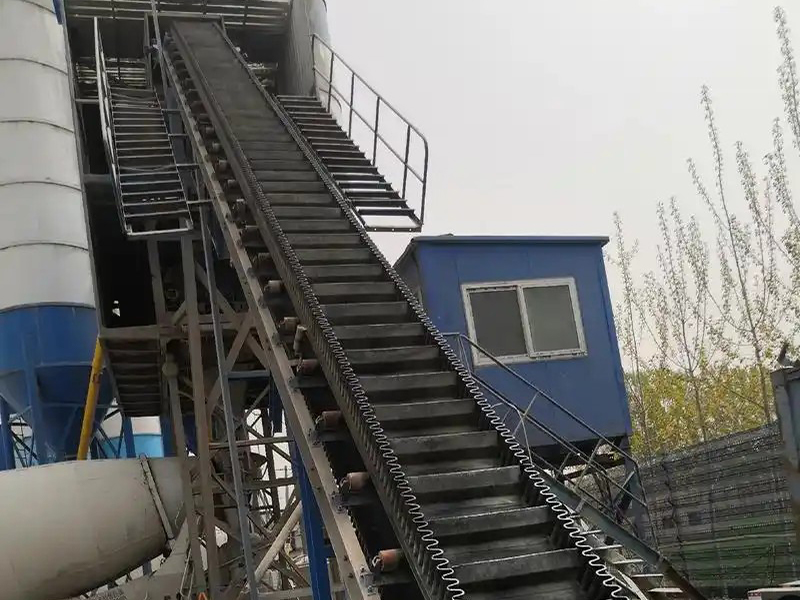
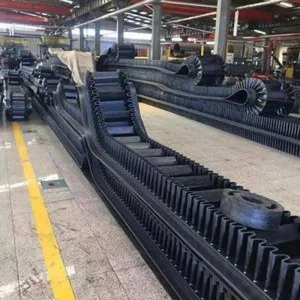
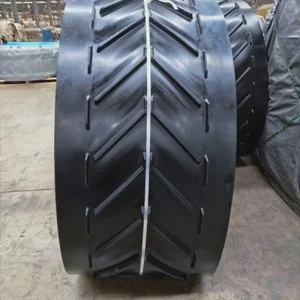
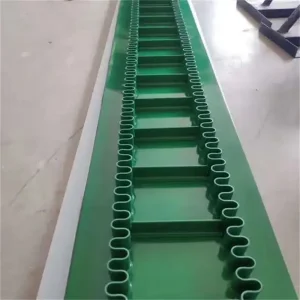
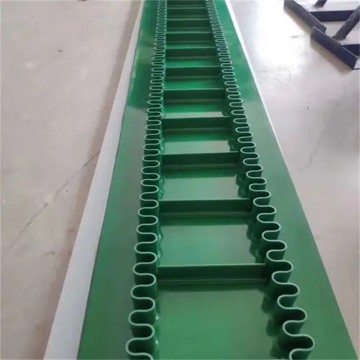
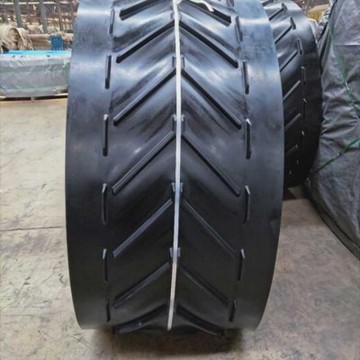
Yes, we manufacture high-inclination wavy edge conveyor belts and Chevron patterned conveyor belts (such as herringbone, magic carpet, and concave/convex profiles). These belts are designed to handle bulk materials at steep angles from 20 up to 90 degrees, preventing slippage and maximizing space usage in compact industrial layouts.
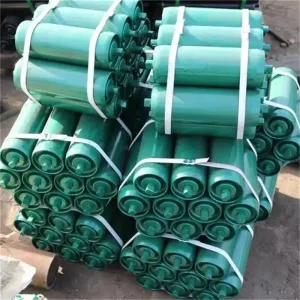
Explore our full line of industrial conveyor belts, impact-resistant idlers, and customized vertical handling systems.
 Boao Rubber