Premium grade rubber belts and supporting components customized for heavy-duty industrial processing sites from Galați to Constanța.
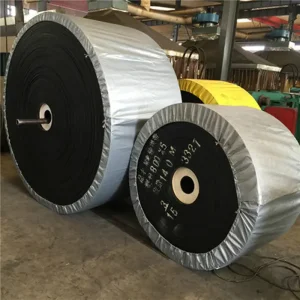
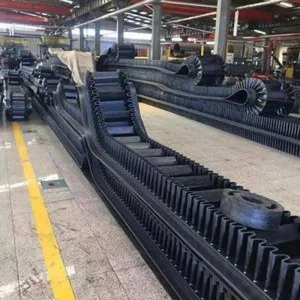
In modern bulk logistics, horizontal transport mechanisms are no longer sufficient to handle the footprint constraints of rapidly expanding industrial sectors. Modern plants must maximize their spatial volumetric efficiency. This requirement has propelled corrugated sidewall conveyor belts and edge-reinforced rubber belts to the forefront of material handling engineering. These advanced configurations permit steep inclines, up to 90 degrees vertical vertical-lift, eliminating costly transfer points and preventing side-spillage of critical minerals, grain stockpiles, and processed slag.
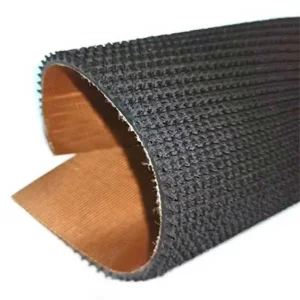
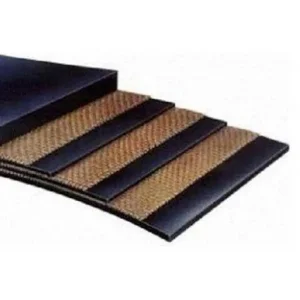
Standard flat belts fail prematurely when subjected to off-center tracking or high lateral forces. Edge-reinforced designs embed distinct elastomeric compounds with high durometer ratings at the outer margins. This acts as a primary buffer against structural impact from conveyor frames and guides. Inside the carcass, Polyester (EP) or Polyamide (NN) fabric plies are encapsulated in vulcanized skim layers to reduce internal shear stresses and prevent ply separation under dynamic tensioning.
Romania’s strategic positioning in Eastern Europe has made it a crucial node for transit, metallurgy, and energy production. The localized industrial demands require highly customized rubber compound mixtures:
Choosing the correct reinforcement textile determines the longevity and stretch properties of your material handling system. The table below details the thermodynamic and mechanical differences between Polyester-Nylon (EP) and Nylon-Nylon (NN) core structures:
| Carcass Reinforcement Type | Tensile Strength Range | Elongation at Break (Max) | Troughability Coefficient | Best Applied Environmental Scenarios |
|---|---|---|---|---|
| EP (Polyester / Nylon) | 100 - 630 N/mm per ply | < 1.5% (Low Elongation) | Excellent (Flexible weft) | Long-distance overland conveyors, grain silos, minimal tension take-up setups. |
| NN (Nylon / Nylon) | 120 - 800 N/mm per ply | < 2.5% (High Elasticity) | Outstanding (Superior drape) | High-impact quarrying, short center-to-center systems with severe shock loading. |
| Steel Cord (ST Class) | 1000 - 5400 N/mm | < 0.2% (Extremely Rigid) | Moderate (Engineered pitch) | Deep-pit mining, heavy transshipment hubs, high vertical elevator lifts. |
Brand Identity: "Jinao"
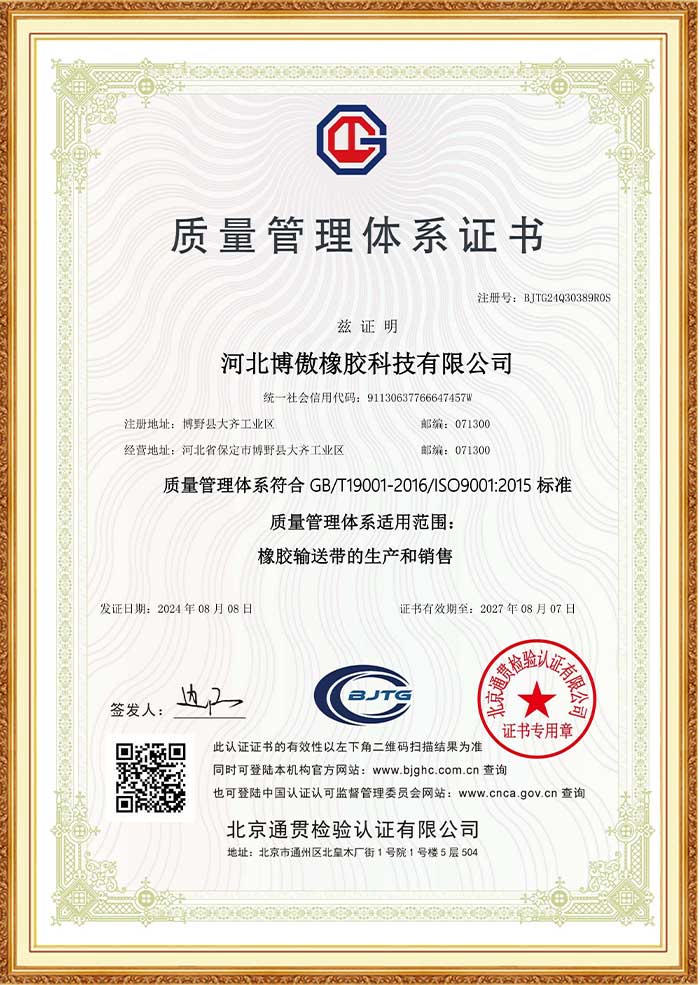
Founded in 2004 within the Boye County Rubber Industrial Park, Baoding, Hebei, China, Hebei Boao Rubber Technology has established itself as an authoritative leader in heavy bulk conveyor belt manufacturing. Our specialized campus spans over 30 acres, hosting multiple automated production lines for rolling, ply forming, continuous vulcanization, and advanced quality assurance testing.
The China Factory Efficiency Advantage: Chinese manufacturing clusters like Hebei Boye offer significant integration benefits. We source premium raw materials and implement high-efficiency manufacturing processes under a single operational roof. This allows us to supply European distributors and industrial end-users in Romania with conveyor belts that match or exceed ISO/DIN standards at highly competitive prices. We manage the entire supply chain, from internal chemical compounding to global maritime shipping to the Port of Constanța.
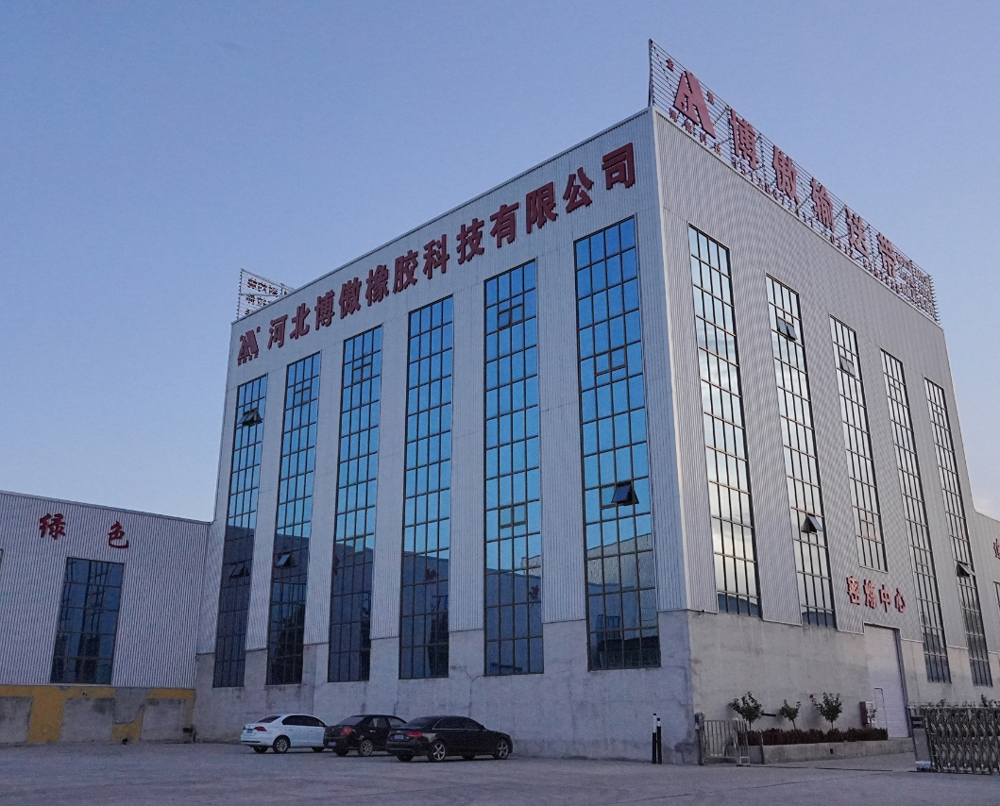





Our independent laboratories verify raw materials, ply adhesion levels, and wear resilience criteria prior to shipping.
We analyze compound density, ozone resistance, and polymer distributions. This ensures your belts remain crack-free when exposed to harsh outdoor mountain conditions in Romania.
We perform strict tests on ply-to-ply adhesion strength, cover tensile limits, elongation properties, and DIN abrasion loss. This guarantees maximum service life and minimizes system downtime.
Qualified QC technicians monitor each production step. Material batches that fail to meet DIN 22102 or ISO international standards are rejected immediately.
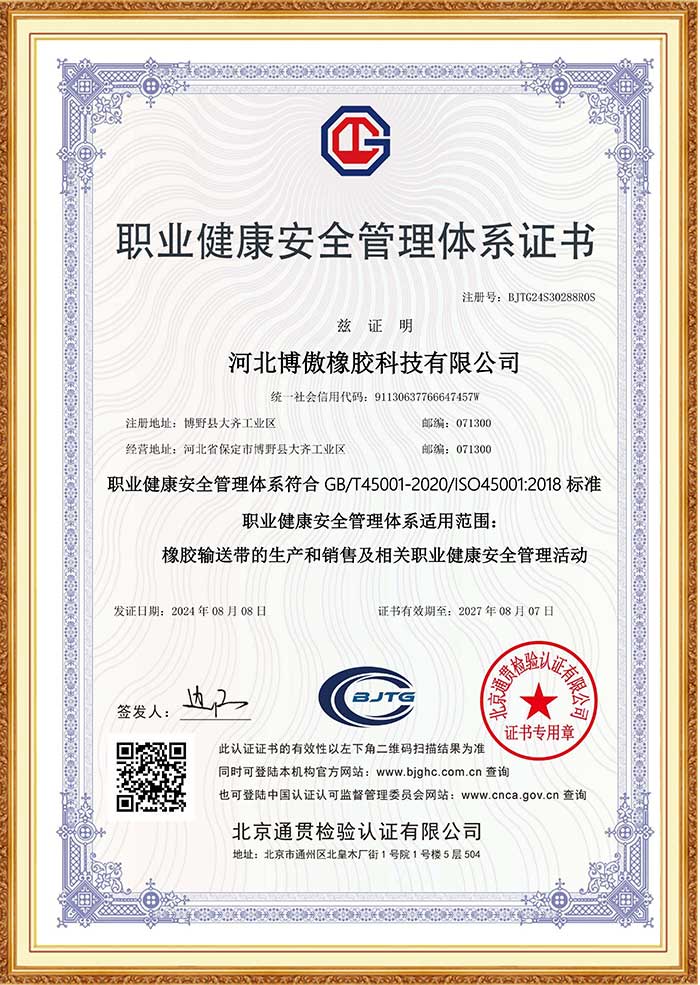
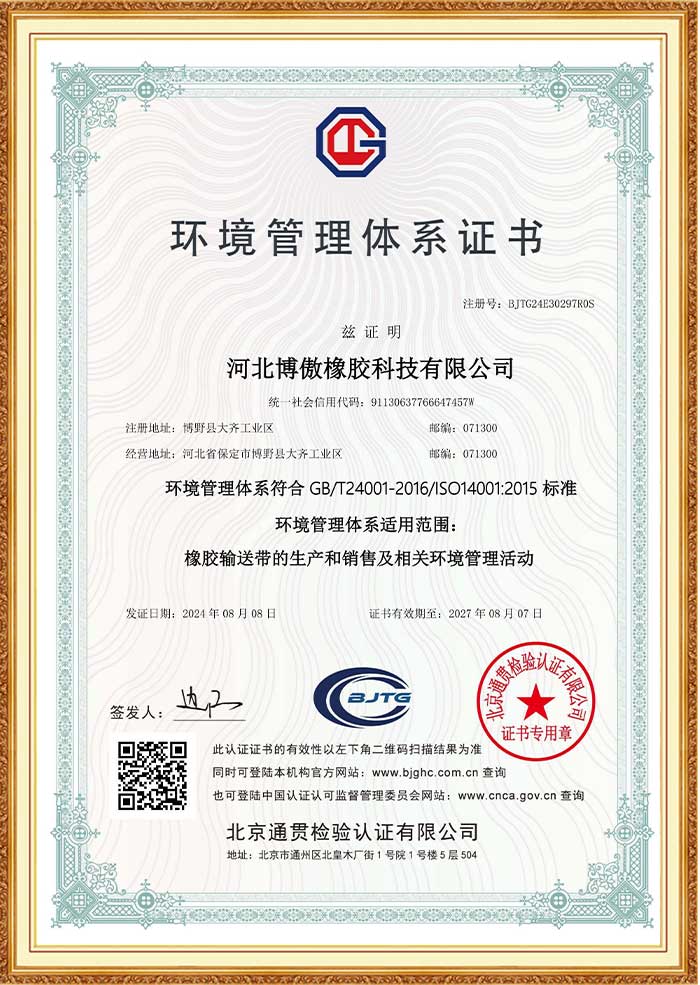
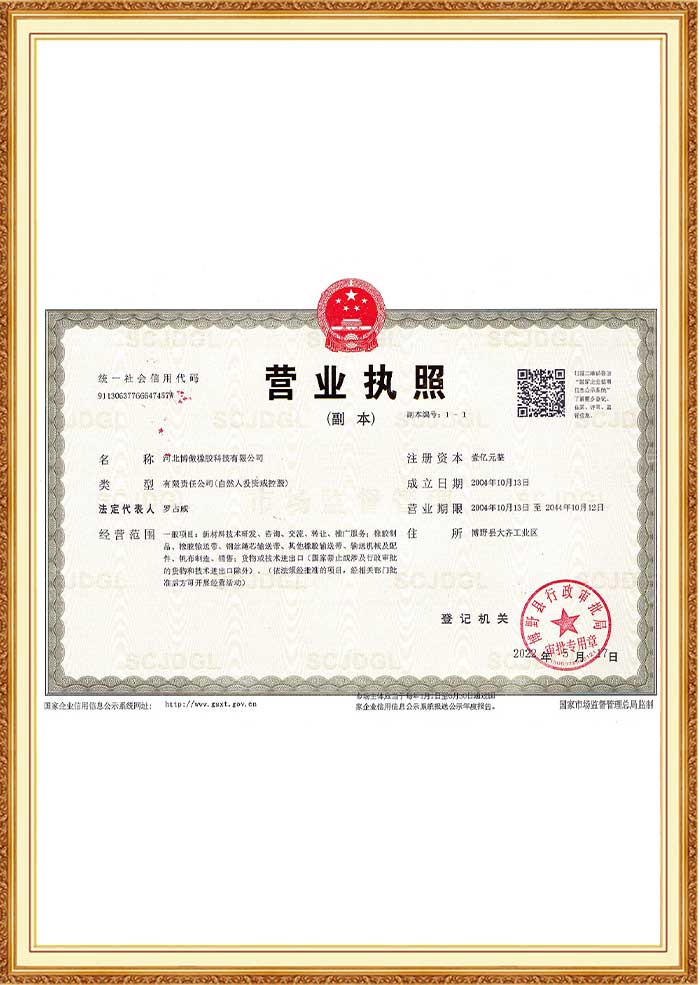
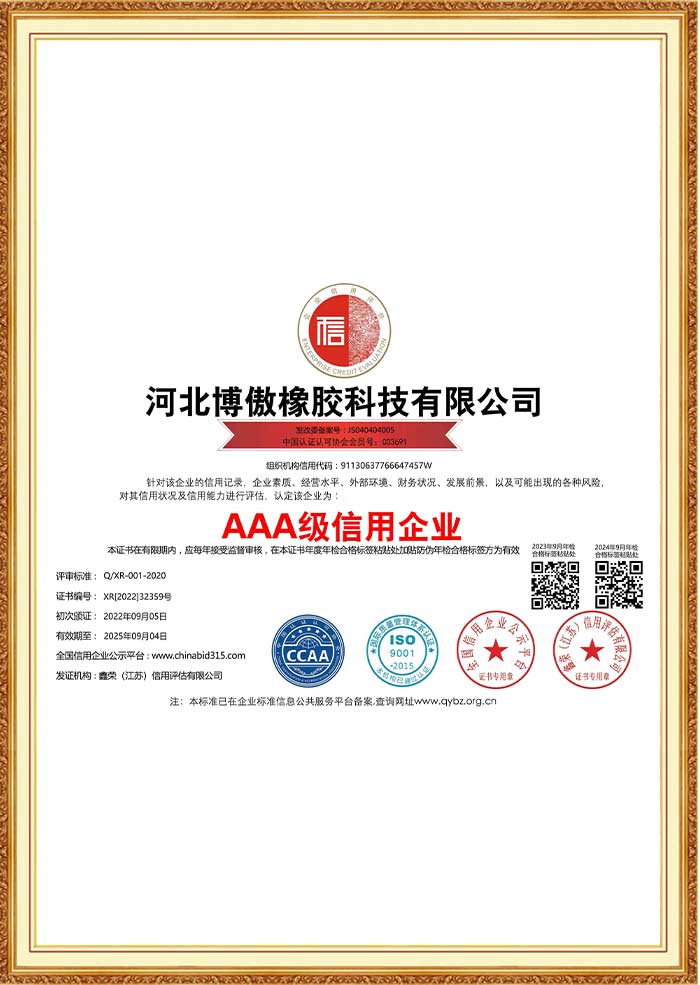
Our solutions have been implemented in major projects globally. Here is how our configurations compare to installations in Romania.
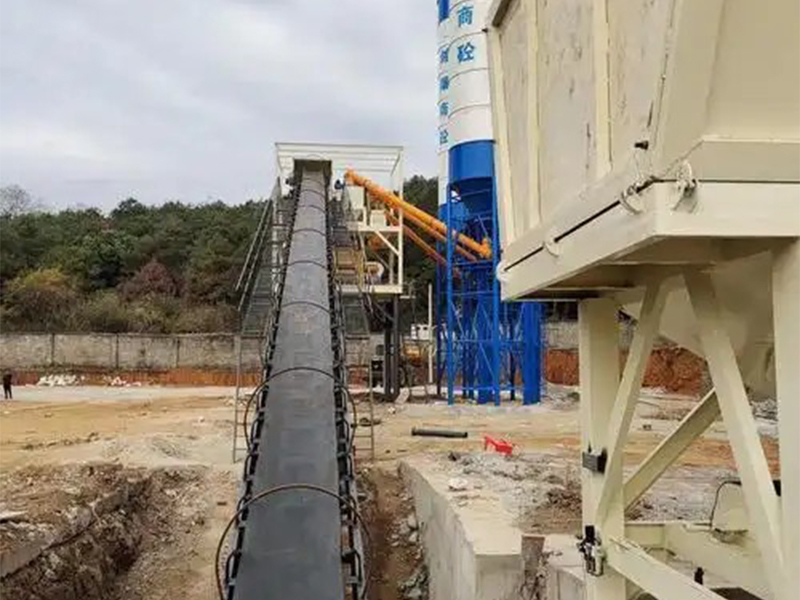
Supplied high-angle chevron patterned conveyor belts to concrete batching plants along the Bucharest Ring Road.
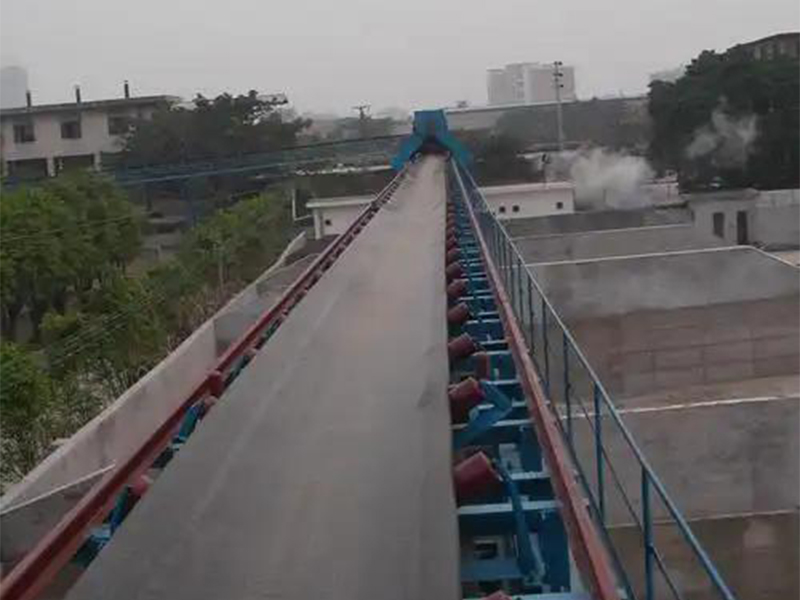
Engineered abrasion-resistant multi-ply EP belts to transport raw limestone from quarry crushers to processing plants.
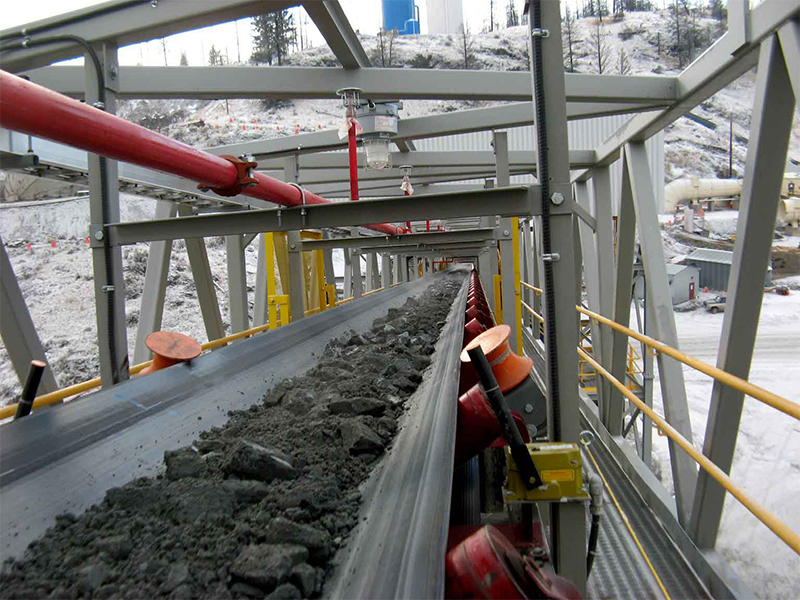
Designed fire-resistant rubber belts to safely carry bulk coal in complex underground mine galleries.
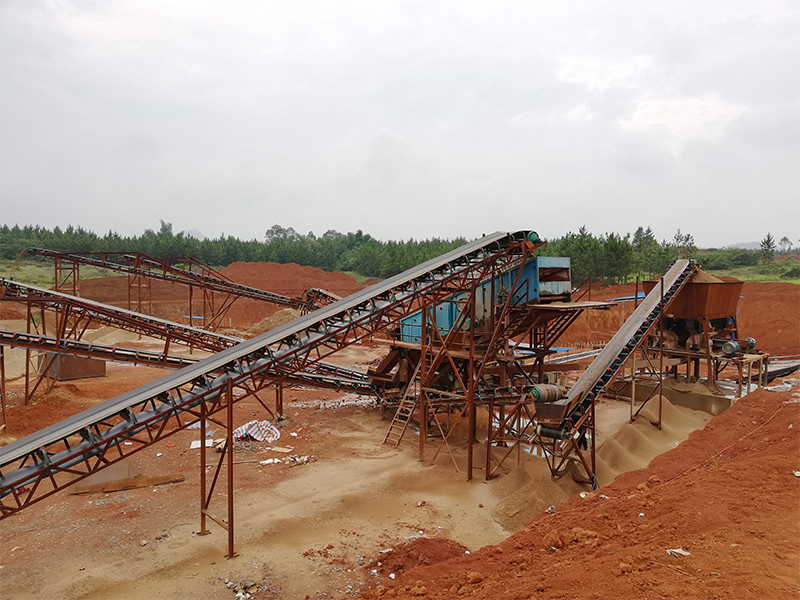
Supplied anti-corrosion, oil-resistant (NOR) flat and edge-reinforced belts for heavy grain and metal ore shipping berths.
In modern industrial applications, rubber conveyor belts serve as the primary transport system for raw materials and finished products. From high-capacity mining sites to busy marine ports, heavy-duty rubber belts are essential for maintaining stable, cost-effective operations. Advancements in material chemistry have led to rubber compounds that resist chemical degradation, extreme temperatures, and mechanical fatigue, enhancing overall system reliability.
We provide comprehensive technical support to help optimize conveyor performance and reduce maintenance costs:
We analyze belt tracking, drive pulley wear, and idler spacing to recommend configurations that minimize energy losses and reduce carcass wear.
We offer technical guidance for hot vulcanization and cold-bond splicing, ensuring strong joints that match the base tensile strength of the belt.
We help establish and manage safety stock programs, allowing industrial facilities in Romania to reduce emergency downtime by maintaining fast-access spare inventory.
Answers to common questions regarding structural integrity, compound properties, and shipping logistics for customers in Romania.
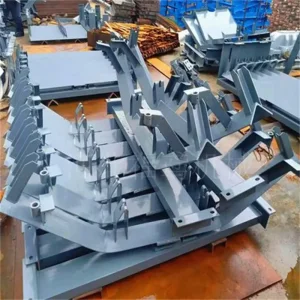
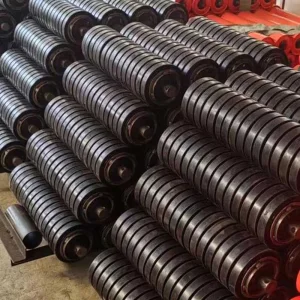
Premium replacement rollers, brackets, nylon-reinforced plies, and fire-resistant belts built to meet global industrial standards.
 Boao Rubber