Edge Conveyor Belt Manufacturer & Supplier in the India Market

High-Performance Industrial Conveying Solutions engineered for India's Heavy Mining, Steel, Power Generation, and Infrastructure Sectors.

India's Heavy Industries and the Demand for Edge Conveyor Belts

The rapid industrialization of India has positioned it as one of the fastest-growing economies in the world. Key initiatives like PM Gati Shakti, the expansion of the National Infrastructure Pipeline (NIP), and the domestic steel capacity expansion targets under the National Steel Policy are driving massive infrastructure developments. From the iron ore fields of Odisha, Jharkhand, and Chhattisgarh to the coal-fired thermal power stations of Madhya Pradesh and Gujarat, raw material handling systems are the unsung lifelines of India's heavy machinery infrastructure.

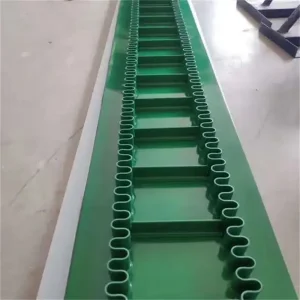
In this context, the Edge Conveyor Belt (commonly designed as a wavy edge or corrugated sidewall belt) has emerged as a crucial component. India's unique industrial environment demands conveying solutions that can operate continuously in high temperatures, humid conditions, and under extremely high loads. Traditional horizontal conveyor systems require immense land footprints, which is increasingly problematic in highly congested industrial zones like Visakhapatnam, Kalinganagar, and Jamnagar. Edge conveyor belts enable steep-angle conveying (up to 90 degrees), drastically reducing installation footprint while preventing material spillage.

Why the Indian Market Requires Specialized Edge Conveyor Solutions

Unlike cooler climates, Indian industrial operations subject material handling systems to ambient temperatures that can reach 48°C in summer, combined with high humidity during monsoon seasons. This accelerates the degradation of low-quality rubber compounds, leading to premature aging, cracking, and belt failure. Furthermore:
  • High-Temperature Resistance: Indian steel mills, cement plants, and chemical processing factories need belts that can withstand material heat levels ranging from 120°C to 300°C without core delamination.
  • Abrasive Materials Handling: Indian coal has high ash and silica content, which acts as a highly abrasive medium on the top covers of rubber conveyor belts.
  • Zero Spillage Requirements: Environmental compliance standards enforced by the Central Pollution Control Board (CPCB) mandate that mining and material handling companies minimize dust and spillage, making edge-reinforced and wavy edge belts the standard choice.
22+
Years Industry Expertise
30+
Acres Production Facility
100%
ISO Quality Certified
DIN/IS
Compliant Design Standards
Quality Control Laboratory testing raw rubber compound

Boao Rubber's "Jinao" Brand: Delivering E-E-A-T Certified Conveyor Quality

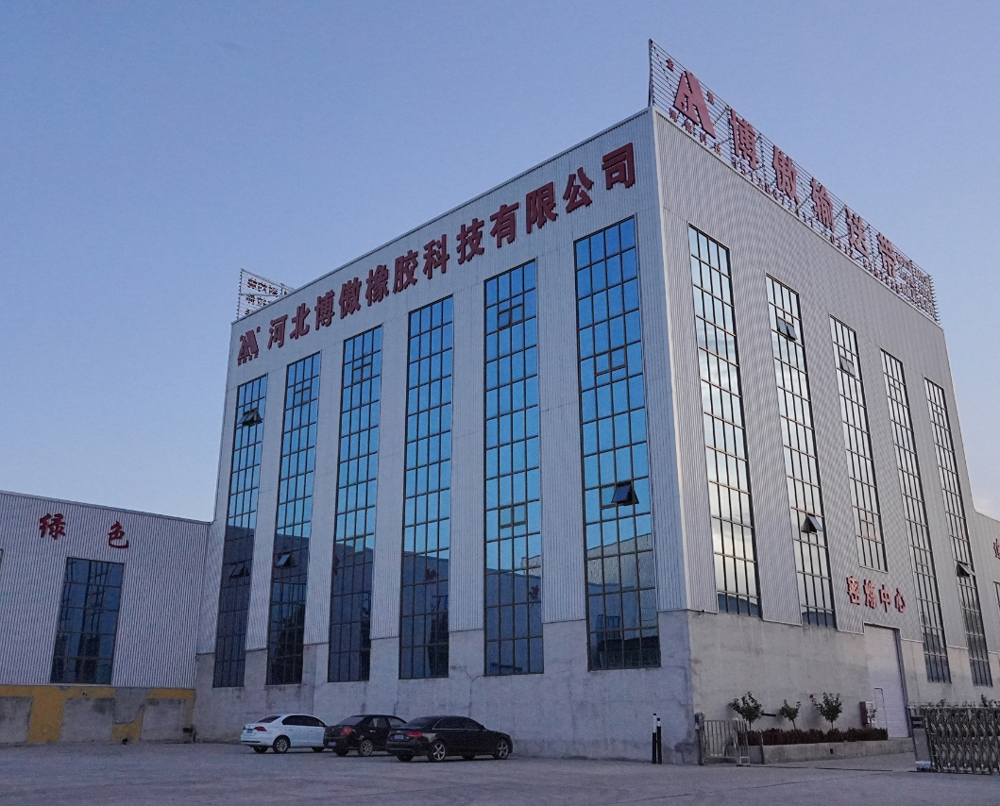
Hebei Boao Rubber Technology Co., Ltd. (producing under the internationally respected "Jinao" brand) has been at the forefront of rubber belt manufacturing since 2004. Operating from a state-of-the-art facility spanning over 30 acres, we integrate research, engineering design, raw material testing, vulcanization, and global logistics.

Our commitment to quality assurance is backed by our fully independent chemical analysis and physical testing laboratories. We control every stage of production—from the raw elastomer selection and synthetic fabric weaving (NN/EP/PP cords) to high-precision steel wire rope core insertion. We operate under the philosophy: *No unqualified raw materials enter our factory, and no sub-standard conveyor belts leave our facility.*

For the Indian market, this means compliance with both international DIN standards (DIN 22102) and Indian Standards (IS 1891 parts 1-5). Our quality control inspectors use computerized tensile testers, DIN abrasion resistance testers, and flame-retardancy testing cabins to verify that every run achieves the absolute peak performance needed in high-demand environments.

Technical Roadmap of Boao Edge Conveyor Belts

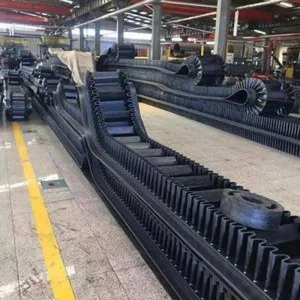
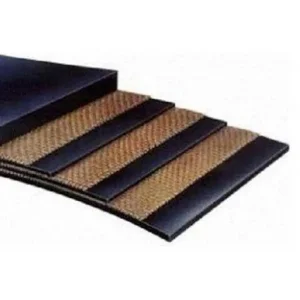
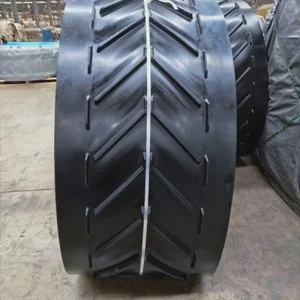
Edge conveyor belts consist of three main components: the base belt, the corrugated sidewalls (wavy edges), and the transverse cleats. Our technical roadmap utilizes cross-stabilized base belts to prevent bowing under high tension, while the vulcanized-on corrugated edges are reinforced with high-elasticity compounds that can flex around pulleys millions of times without fracturing.

Cross-Stabilized Carcass

Engineered with high-rigidity transverse monofilament layers to prevent transverse deflection and ensure longitudinal flexibility over small pulley diameters.

Fabric-Reinforced Sidewalls

Our wavy edges (sidewalls) are composite-vulcanized with specialized diagonal fabric inserts to protect against tearing under mechanical stress.

Hot Vulcanization Bonding

Components are chemically bonded using high-pressure hot vulcanization, ensuring the sidewall and cleats become one with the base belt.

Global Procurement Demands and Localized Indian Support

Modern global procurement teams at EPC firms, steel plants, and port authorities do not just purchase a commodity product; they demand a reliable supply chain, engineering consultancy, and reliable post-sales support. Procurement heads in Mumbai, Delhi, Kolkata, and Bangalore require full transparency on shipping lead times, customs clearance paperwork, and physical material specifications.

Hebei Boao Rubber has developed a comprehensive logistics pathway targeting key Indian ports (such as Nhava Sheva/JNPT, Mundra, Chennai, and Haldia/Kolkata). We provide fully documented certification including Mill Test Certificates (MTC), third-party inspection options (SGS, Bureau Veritas), and complete compliance packaging (seaworthy steel reels, moisture-proof wrapping, and reinforced edge protectors).

On-Site Splicing, Maintenance & Emergency Technical Services

Conveyor uptime is critical to industrial profitability. A major challenge for Indian industrial operations is belt jointing and on-site vulcanization. To assist our customers in India, we provide structured Technical Service Plans:

  • Jointing & Splicing Materials: Supply of premium-grade uncured tie gum rubber, vulcanizing cement, and cover compound sheets optimized for hot and cold splicing.
  • Engineering Consultation: Step-by-step guidance for calculating optimal transition distances, pulley diameters, and tension dynamics to prevent edge cracking on vertical installations.
  • Inventory Management Support: We work closely with major clients to maintain customized safety stock of replacement belts, ensuring immediate shipment in case of unexpected plant shutdowns.

Collaboration Cases & Industrial Validations

Our conveyor belts have been successfully deployed in large-scale infrastructure projects, mining networks, and heavy manufacturing complexes across Asia and globally. Below are some of our key partner integrations:
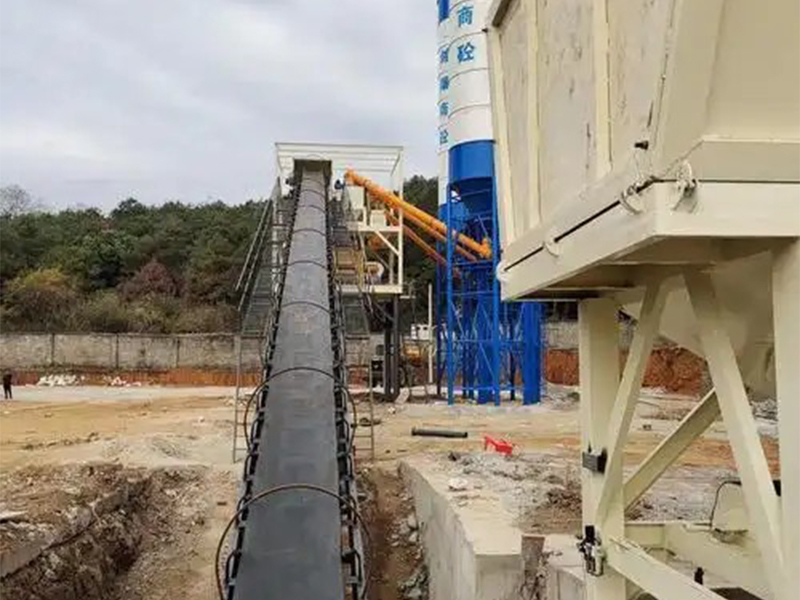
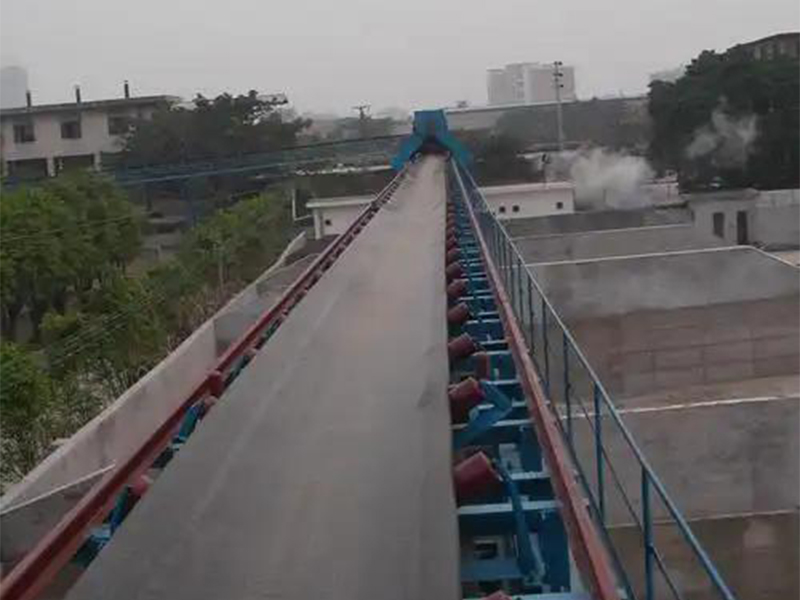
India Railway Heavy Infrastructure Projects
Indian Railway Infrastructure Mixing Plants
Conch Cement Heavy Handling System
Cement Bulk Handling Infrastructure
Coal Mining Transportation Network
Coal & Mineral Mining Operations
Stainless Steel Plant raw material feed line
Heavy Steel & Metallurgy Facilities

Edge Conveyor Belt FAQ: Answers for India Market Procurement

How do I choose the correct sidewall height and cleat height for my steep-angle conveyor?

The selection depends on the maximum material lump size and the angle of conveying. Generally, for a conveying angle of 30° to 60°, the cleat height should be 75% to 80% of the maximum lump size. For angles between 60° and 90° (vertical conveying), the cleat height should be at least equal to or larger than the maximum lump size. The corrugated sidewall (wavy edge) height should always be designed 10mm to 20mm higher than the cleat height to prevent material overflowing from the sides.

Which rubber compound rating is recommended for hot iron ore sinter and cement clinker transport in India?

For conveying high-temperature bulk materials, standard rubber compounds degrade rapidly. We recommend using our Heat-Resistant (HR) grade rubber covers (suitable up to 150°C), Super Heat-Resistant (SHR) covers (suitable up to 200°C), or our specialized Ultra-High Heat Resistant (UHR) compounds designed with EPDM elastomers to withstand peak temperatures up to 300°C. These grades ensure the base fabric does not vulcanize further or dry out and crack.

What are the advantages of using Steel Wire Rope Core Conveyor Belts over multi-ply EP fabric belts?

Steel Wire Rope Core belts (ST series) provide exceptionally low elongation (less than 0.25% at rated tension) and extremely high tensile strengths, making them ideal for long-distance, high-lift vertical mining operations. Multi-ply fabric belts (EP/NN) are excellent for shorter to medium conveyor runs due to their cost-effectiveness and high impact elasticity. We recommend steel-cord belts for operations exceeding 200 meters in length or those handling heavy load capacities.

How does Boao guarantee the chemical bonding of the wavy edge to the base belt?

Rather than using simple cold adhesive bonding which fails under high shear stress, Boao utilizes high-pressure hot vulcanization. The base belt, corrugated sidewall, and cleat profiles are vulcanized together in a single continuous process. This chemical integration creates a seamless rubber matrix, eliminating the risk of edge separation or cleat tear-off under heavy loads.

Ready to Optimize Your Material Handling Systems?

Connect with our senior engineering team to receive a custom design layout, load calculation, and direct factory pricing for your Indian operations.

Send Inquiry Now