Engineered for High-Yield Performance and Optimized for Industrial Logistics and Bulk Handling Hubs
In the contemporary European logistics and production landscape, the Berlin-Brandenburg region has rapidly transformed into a key industrial corridor. With the establishment of major manufacturing sites, smart logistics distribution hubs, and secondary infrastructure projects, the demand for robust, high-efficiency material handling systems has reached an unprecedented scale. Selecting the right conveyor accessories and locating reliable manufacturing facilities is critical to sustaining continuous industrial throughput, minimizing system downtime, and complying with stringent European environmental and safety regulations.
The Berlin metropolitan region serves as a crucial gateway connecting Eastern and Western Europe. This strategic position has catalyzed the growth of massive sorting facilities, recycling complexes, and energy-from-waste plants, as well as sand, gravel, and cement processing centers. Every facility relies heavily on conveyor systems designed to transport thousands of metric tons daily. The demand for accessories—ranging from impact idlers and heavy-duty steel wire belts to heat and acid-resistant rubber surfaces—is defined by regional requirements for low operational noise, high energy efficiency, and reliable performance under variable seasonal temperatures.
Local authorities in Germany enforce strict environmental guidelines (TA Lärm) governing noise levels in processing plants located near urban or natural preserves. Consequently, modern factories targeting the Berlin market must provide precision-engineered conveyor idlers that feature low run-out tolerances, balanced dynamic profiles, and labyrinth seals designed to reduce friction and eliminate operational squeals. Sourcing high-quality conveyor components directly from manufacturers with certified testing facilities ensures that companies meet these local guidelines without sacrificing throughput capacity.
We guarantee adherence to strict standards including DIN 22102 for conveyor belts, ensuring compatibility with European manufacturing assets.
Components are balanced and calibrated to minimize vibration, lowering ambient decibel values in compliance with local noise pollution regulations.
By implementing specialized rubber vulcanization processes and wear-resistant steels, our products deliver extended lifecycles with fewer maintenance stops.
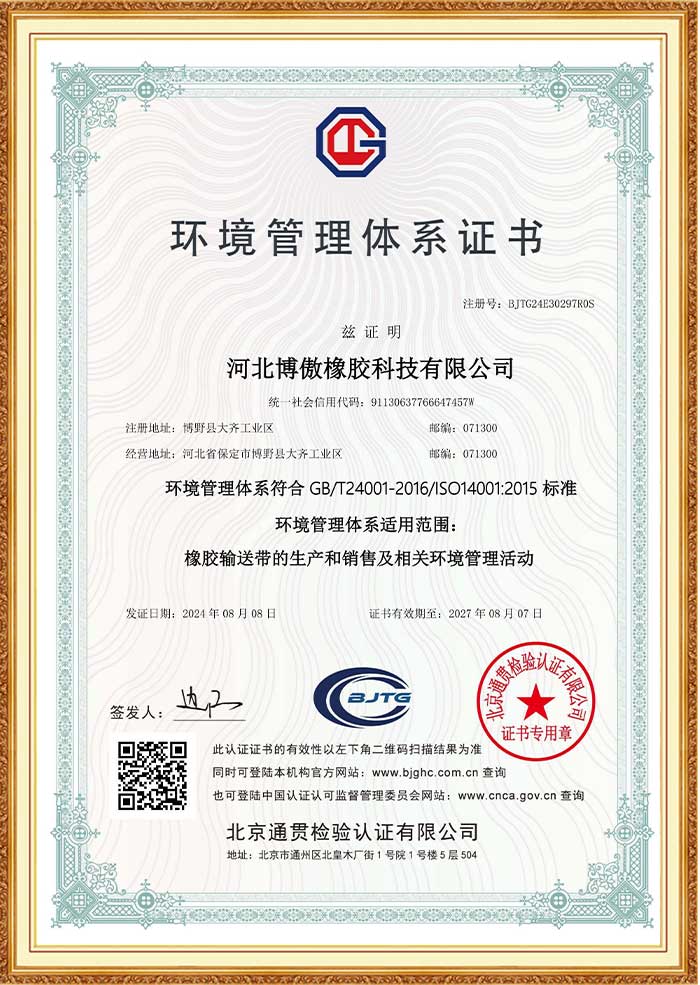
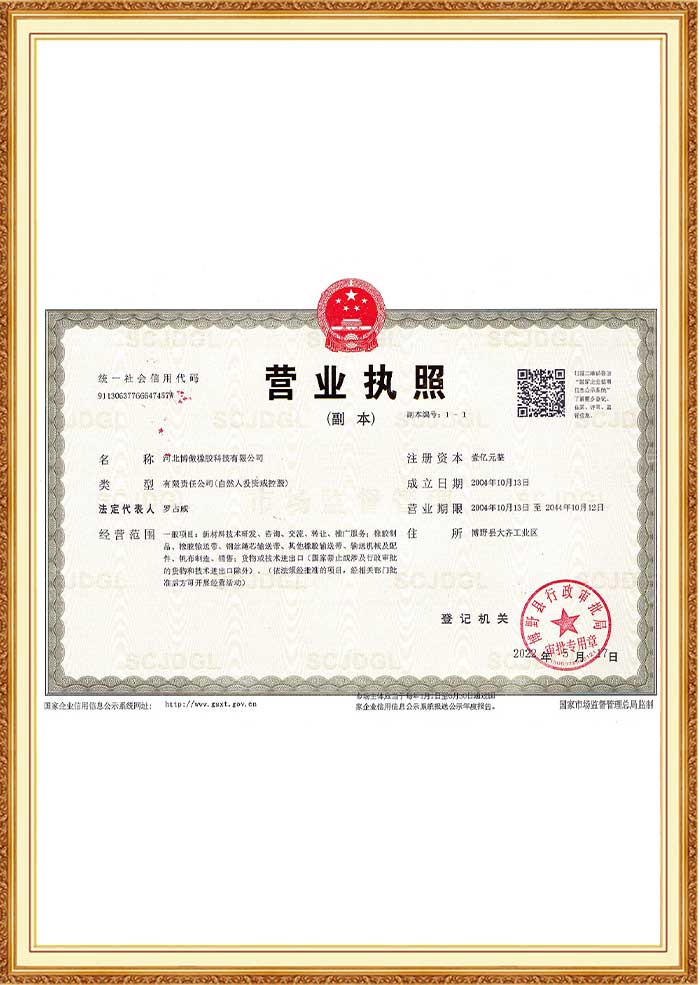
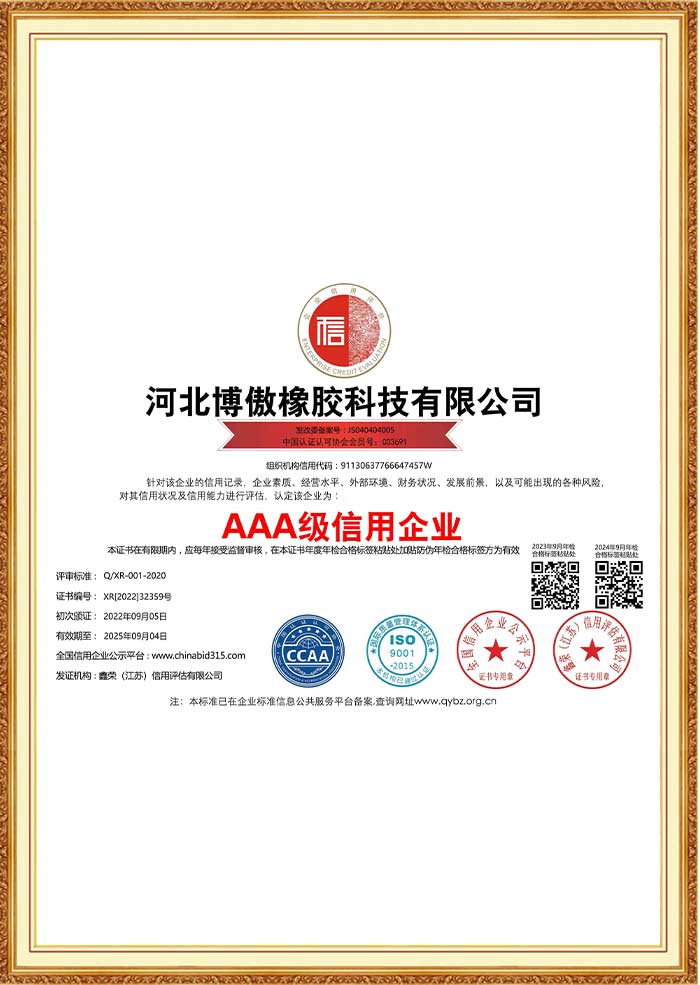
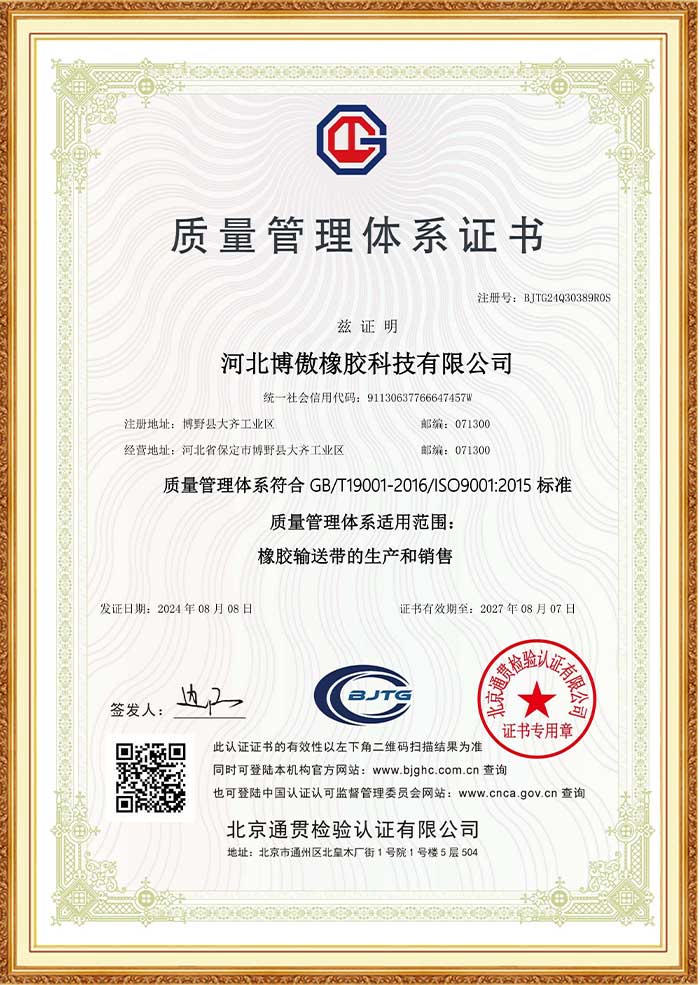
Located in the prestigious Rubber Industrial Park of Boye County, Baoding, Hebei Province, Hebei Boao Rubber Technology Co., Ltd. (Brand: "Jinao") represents a leading force in modern conveyor product development, chemical testing, design, and technical site services. Established in 2004 and covering a sprawling industrial campus of over 30 acres, we are committed to engineering robust conveyor belts and supporting structural accessories.
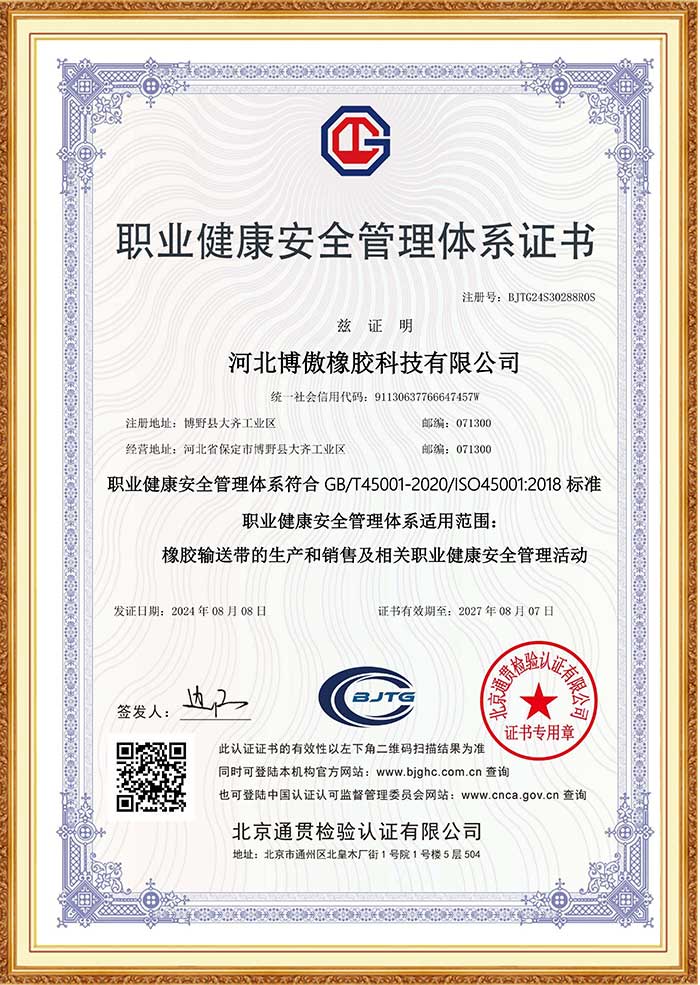
Our factory relies on advanced manufacturing equipment for rolling, forming, vulcanization, and continuous testing—from raw elastomer materials to final certified components. Our dedicated physical labs and chemical analytics suites ensure that every idler, roller, bracket, and belt meets international quality parameters, facilitating reliable exports to the European Union, including Berlin's diverse waste-to-energy, recycling, and construction sectors.
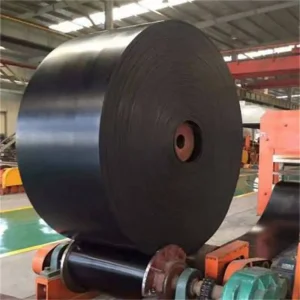
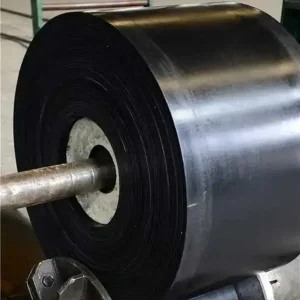
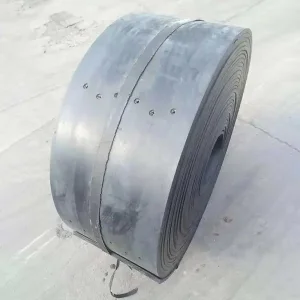
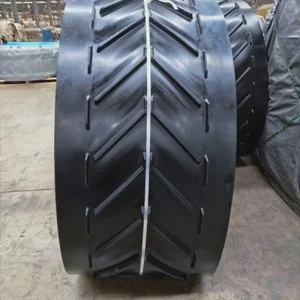
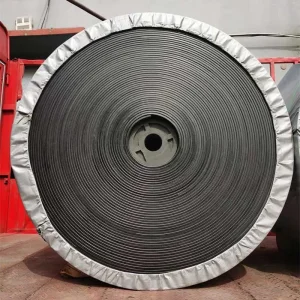
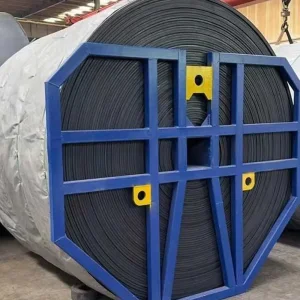
The longevity of a belt conveyor system is determined by the synergy between the carcass design and the structural components supporting the payload. Hebei Boao Rubber Technology integrates specialized polymer science to manufacture belts that handle extreme tensions, thermal shock, and chemical exposure. By sourcing conveyor accessories designed with high-modulus textiles or steel cords, operations can reduce energy draw caused by rotational resistance and belt sag.
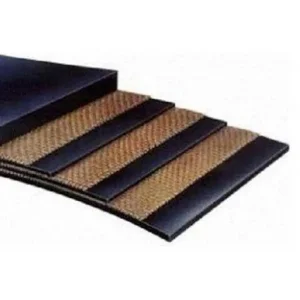
Nylon-Nylon (NN) Belts: Polyamide warp and weft fibers yield exceptional elasticity, superior impact resistance, and high flex-fatigue life. NN belts are ideal for operations in the sand and gravel plants surrounding Berlin, where rapid loading cycles generate severe shock loads at transfer points.
Polyester-Polyamide (EP) Belts: Combining polyester warp and polyamide weft produces a belt with low structural elongation under tension. This reduces take-up travel requirements, rendering EP belts highly suitable for long-distance transport routes where longitudinal stability is crucial.
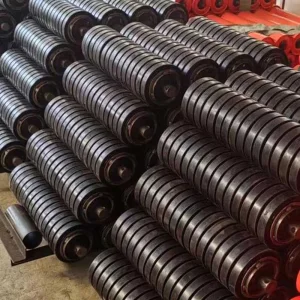
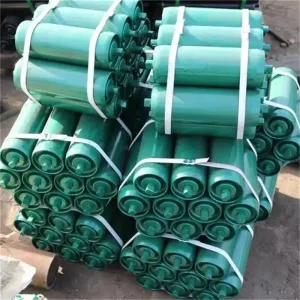
An idler’s ability to survive in abrasive dust or corrosive conditions is dictated by its seal assembly. Jinao roller sets utilize multi-labyrinth seals that trap dirt and moisture before they can reach the high-precision ball bearings. This sealing mechanism maintains a low coefficient of rotational friction over years of continuous operation, reducing the total energy required to drive the conveyor system.
| Belt Type Specification | Tensile Strength (N/mm) | Standard Cover Thickness (mm) | Operating Temperature Range (°C) | Primary Application Area |
|---|---|---|---|---|
| EP Polyester Layered | 400 - 2000 | 3.0 to 8.0 | -30 to +80 | Bulk Logistics, Gravel Pits, Power Plants |
| NN Polyamide High-Strength | 500 - 2400 | 4.0 to 10.0 | -35 to +90 | Hard Rock Quarrying, Mineral Processing |
| Steel Wire Core | 1000 - 5400 | 5.0 to 12.0 | -40 to +90 | Long-distance Terminals, Deep Mining Sites |
| Acid-Alkali Resistant Specialty | 315 - 1200 | 3.0 to 6.0 | -20 to +60 | Wastewater Treatment, Fertilizer Processing |
Engineered to Resist Chemical Corrosion, High Temperatures, and Mechanical Fatigue under Continuous Service
Proven Performance Across Heavy Steel, Municipal Blending, Industrial Mining, and High-Throughput Terminals
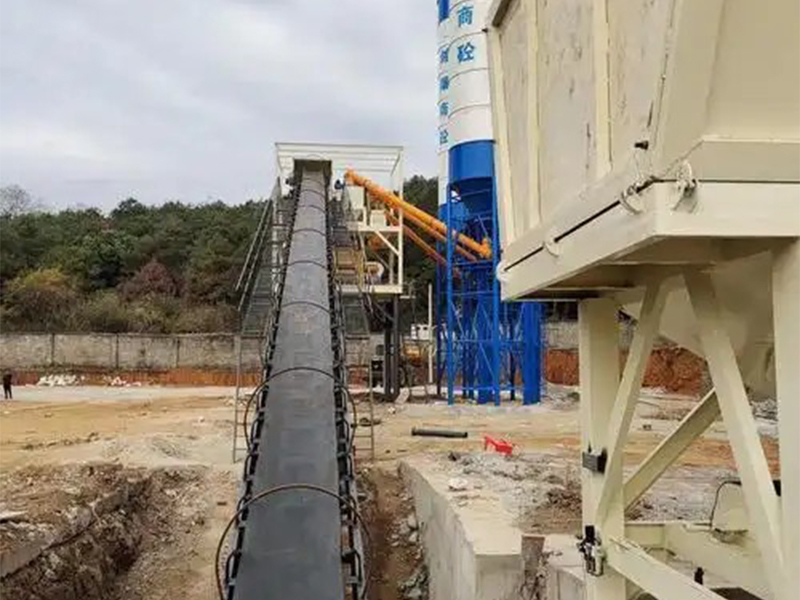
Integrated highly durable impact roller lines and heavy-duty conveyor belts to secure consistent concrete mixing operations.
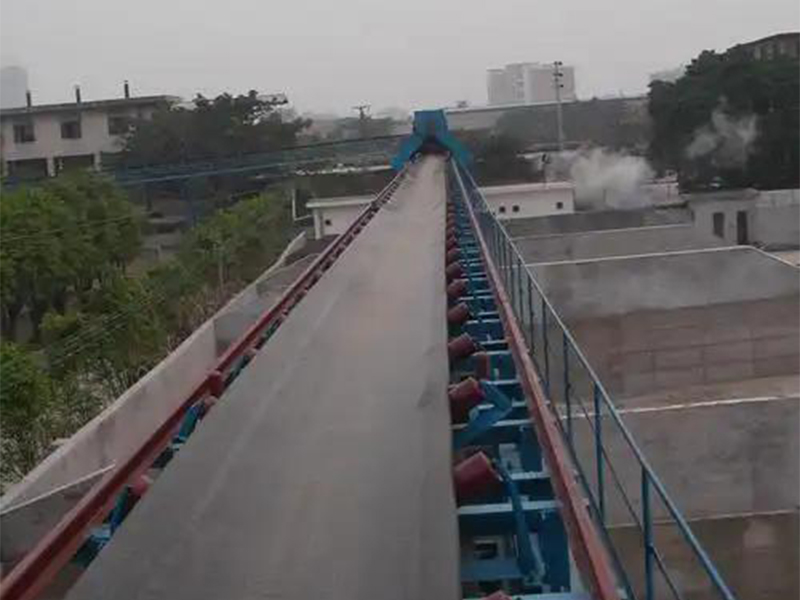
Equipped extreme temperature-resistant belts capable of long run-times under continuous hot-clinker discharge environments.
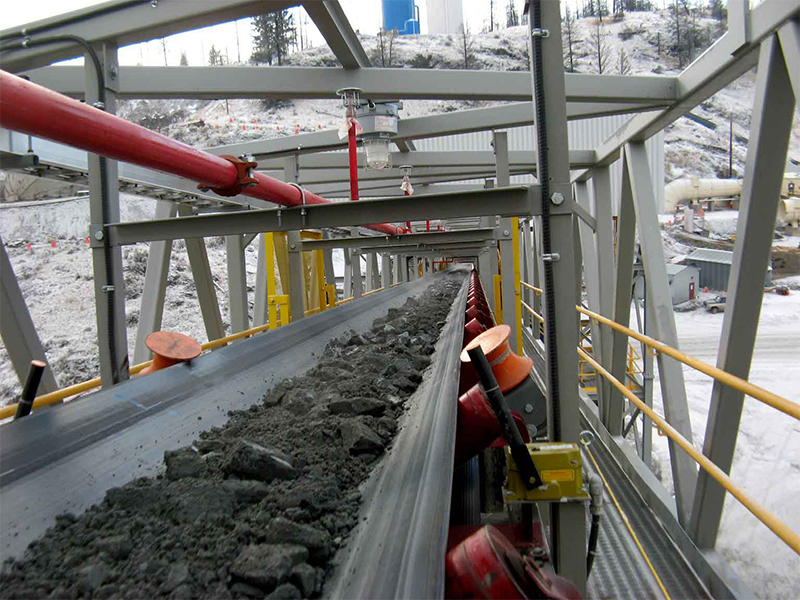
High-efficiency idler arrays and flame-retardant steel wire core belts running reliably under demanding underground conditions.
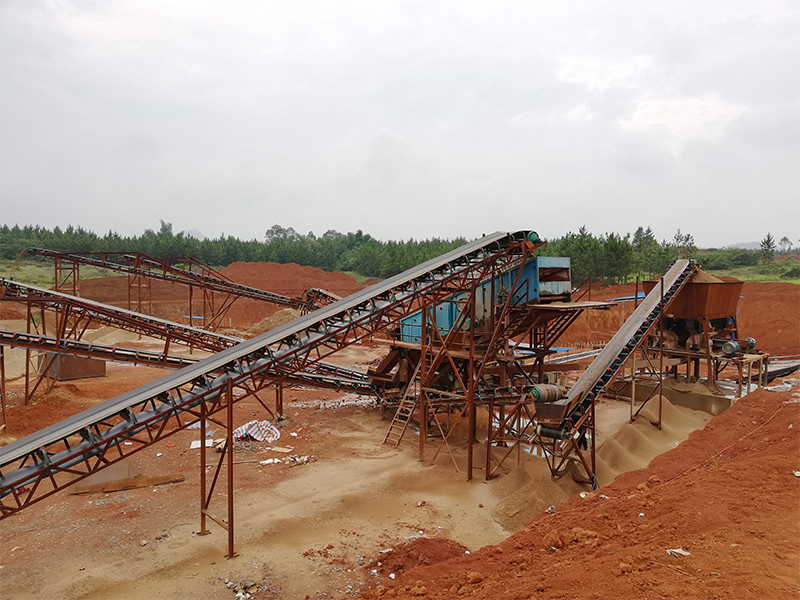
Supplied specialized acid/alkali and corrosive-resistant rubber belts to preserve continuous smelting flows.
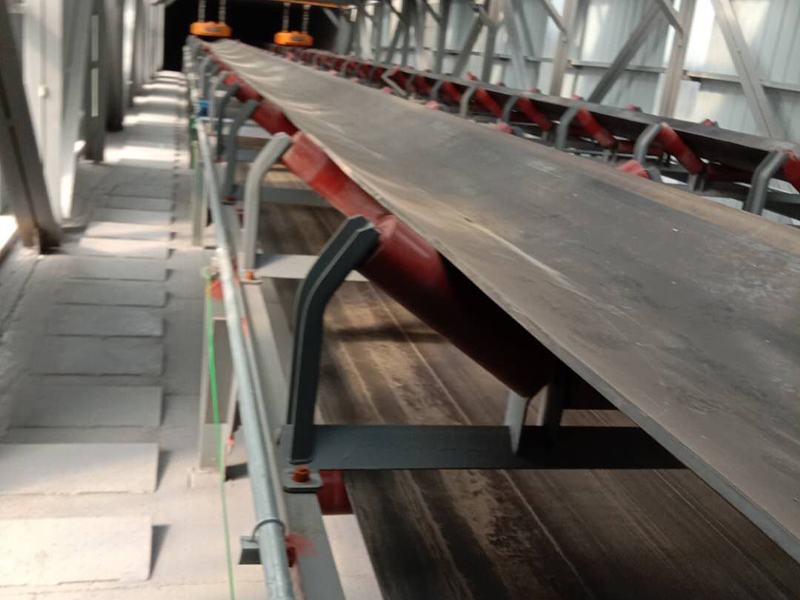
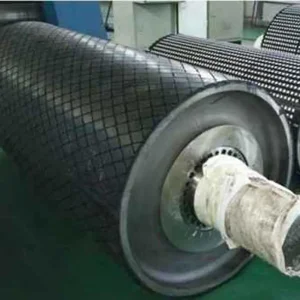
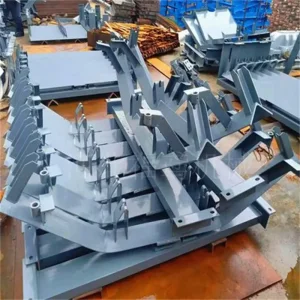
Designed and deployed rugged ceramic-lagged drive pulley sets and structural brackets to handle heavy ore flows.
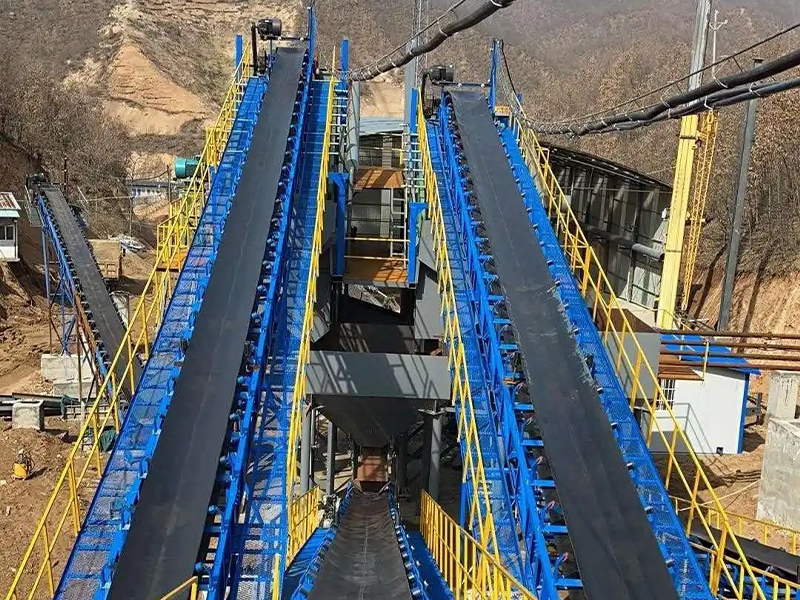
High-tensile steel cord belts customized to resist severe tearing in underground mine shafts.
Operational safety and mechanical reliability require proactive maintenance. At Hebei Boao, we support engineers in the Berlin region by offering customized technical service plans. By shifting from reactive troubleshooting to structured maintenance cycles, processing plants can avoid unscheduled shutdowns that risk heavy contractual penalties.
In municipal waste management or gravel processing, even a single hour of downtime can cost thousands of euros. Implementing impact idlers with vulcanized rubber rings at transfer chutes cushions falling stones or debris, protecting the conveyor belt from punctures. This design choice safeguards your capital investment, prolongs belt service life, and reduces long-term operational costs.
Precision-Manufactured Components Built to International Standards for Demanding Industrial Conveyance Systems
Addressing Common Engineering and Logistics Sourcing Inquiries for the German Industrial Sector
 Boao Rubber