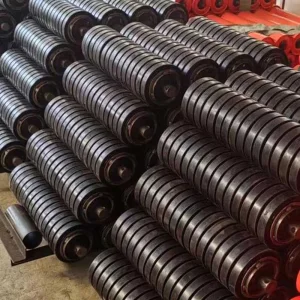
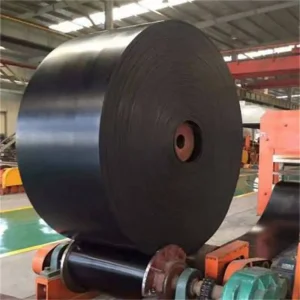
Direct supply from Hebei Boao Rubber Technology's cutting-edge Boye facility. Built for reliability in harsh operational environments.
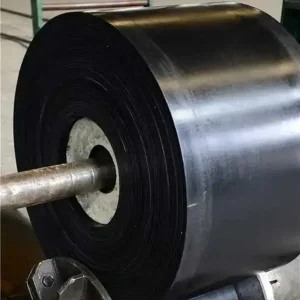
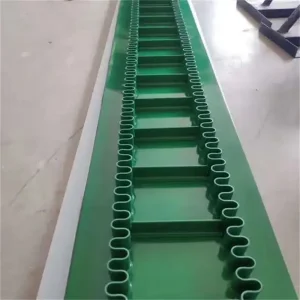
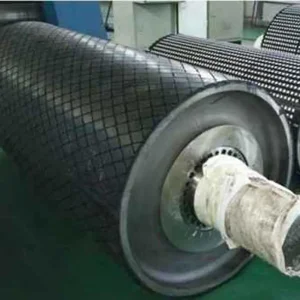
In the modern industrial landscape, raw physical labor is replaced by complex material transport architectures. Heavy-duty rubber conveyor belts and their critical supportive counterparts, the troughing idlers, form the absolute backbone of materials handling operations across multiple key sectors. From high-throughput mining concessions digging deep into Earth's lithosphere, to marine port terminals processing millions of metric tons of raw bulk cargo every single day, the uninterrupted flow of materials is what dictates global industrial output.
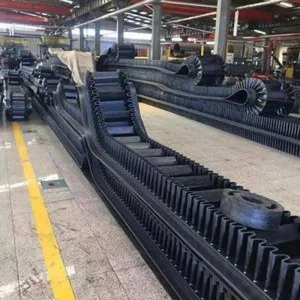
Over the last few decades, transport technology has evolved from standard flat-bed belt tracking to deep, high-angle troughing configurations. A modern troughing idler belt conveyor system is engineered specifically to maximize cross-sectional load-bearing capabilities. This configuration significantly decreases material loss through spillage, streamlines tracking alignments, and mitigates environmental dust hazard propagation. As global carbon emission targets tighten, engineering conveyor systems for optimal energy efficiency (by minimizing rolling resistance and internal indentation slump) has moved from a cost-saving consideration to a mandatory regulatory requirement.
Modern conveyor belt designs utilize advanced rubber polymers (specifically designed SBR, NBR, and EPDM elastomers) combined with precise mechanical roll support configurations. This configuration limits the localized deflection of the conveyor belt when transitioning over idler rollers, generating measurable reductions in active motor horsepower requirements over multi-kilometer spans.
A closer look at the mechanical blueprints of high-efficiency bulk material conveying.
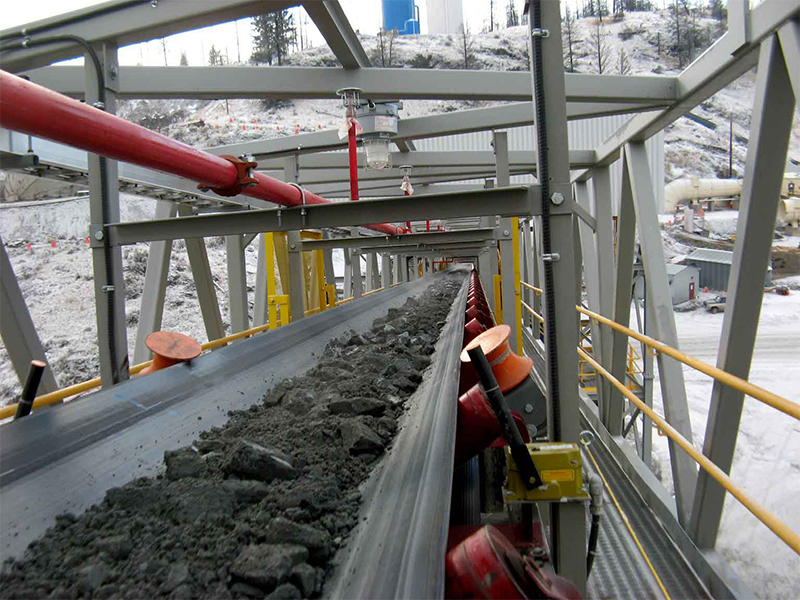
Utilizing 3-roller configurations with standard 20°, 35°, and 45° inclinations. Higher angles maximize volumetric capacity for fine ores, sand, and coal while preventing center-belt tracking drift under peak loading cycles.
Troughing idlers are exposed to constant fine particulate dust and moisture. Our specialized triple-layered labyrinth seal system prevents bearing contamination, maintaining low run-out values and reducing downtime.
Rollers are fitted with deep groove ball bearings featuring radial clearances optimized for thermal expansions. This system allows operations in desert heat and freezing mining environments without structural lockup.
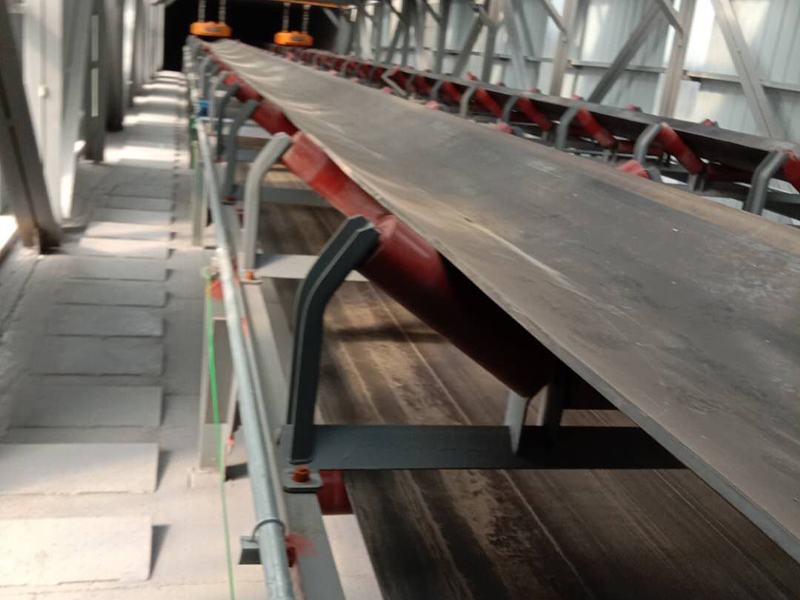
A conveyor belt cannot transport materials efficiently if it is not supported correctly along its entire length. Troughing idlers shape the conveyor belt into a trough shape, which increases the carrying capacity compared to a flat conveyor belt. By selecting 3-roll troughing sets, engineers ensure the load is evenly distributed across the center roll and two inclined wing rolls.
Furthermore, in the transition zones—where the belt changes shape from flat at the terminal pulleys to troughed along the main run—special transition idlers with adjustable angles are employed. These prevent localized stress concentration along the belt edges, dramatically reducing ply separation risks and mechanical stress. The combination of structural precision in the supporting steel frame and low-friction rotation in the rollers guarantees smooth, long-term operation.
Unlocking Supply Chain Resilience, Vertical Integration, and Advanced Industrial Engineering.
Strategically situated in the Boye County Rubber Industrial Park, Baoding, Hebei Province, Hebei Boao Rubber Technology Co., Ltd. (founded in 2004, operating under the renowned Jinao brand) has emerged as an industry-leading manufacturer. With a facility covering over 30 acres of advanced production space, our operations are fully integrated. We control the entire production pipeline, from raw material formulation and mechanical design to rolling, forming, vulcanizing, and exhaustive performance validation.
Our dedication to high-performance bulk handling solutions is backed by a fully independent chemical analysis laboratory and a physics laboratory. These internal assets enable real-time tracking of raw polymers, chemical agents, reinforced fabrics, and finished goods. This guarantees that no sub-standard materials ever leave our facility. Every rubber formula undergoes extensive testing for tensile strength, elongation at break, hot-air aging resistance, and DIN/ISO-certified abrasion loss.
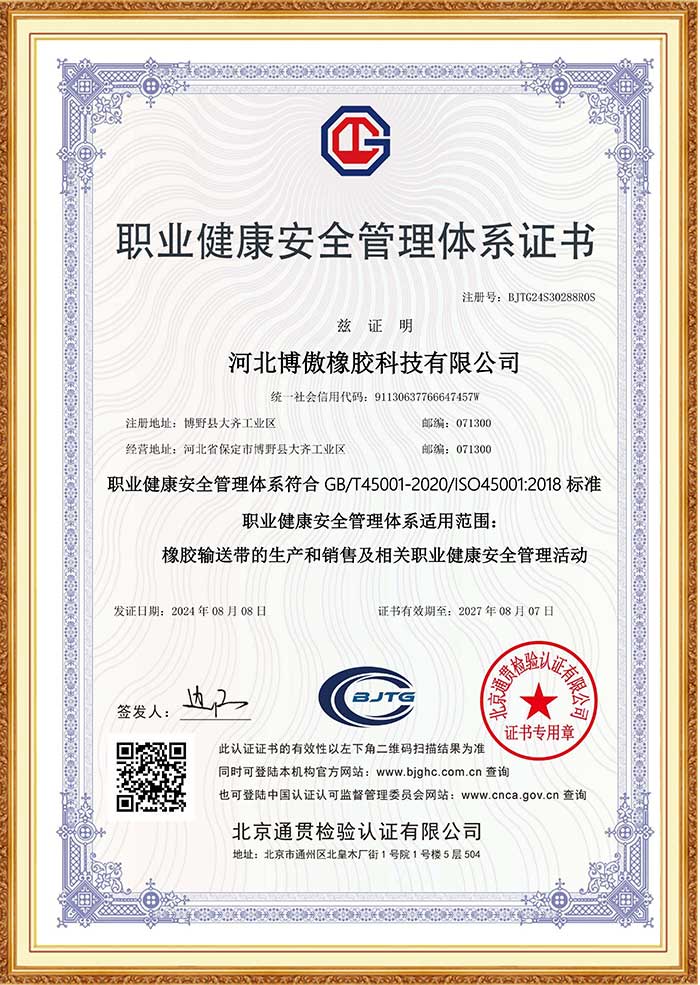
ISO 9001 Certification
System Compliance Certificate
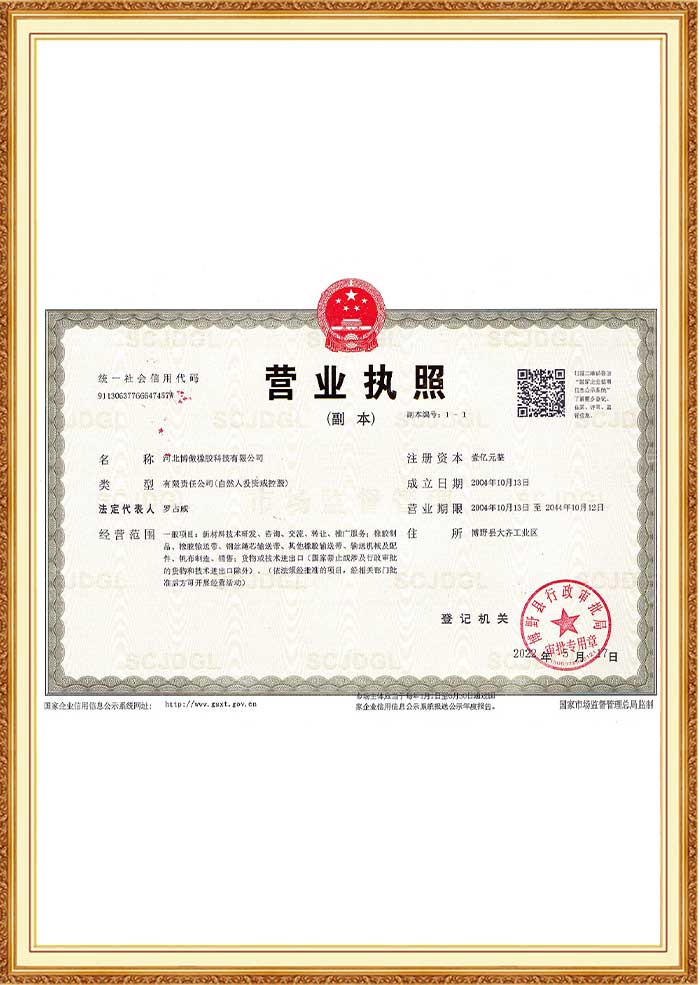
Quality Inspection Pass
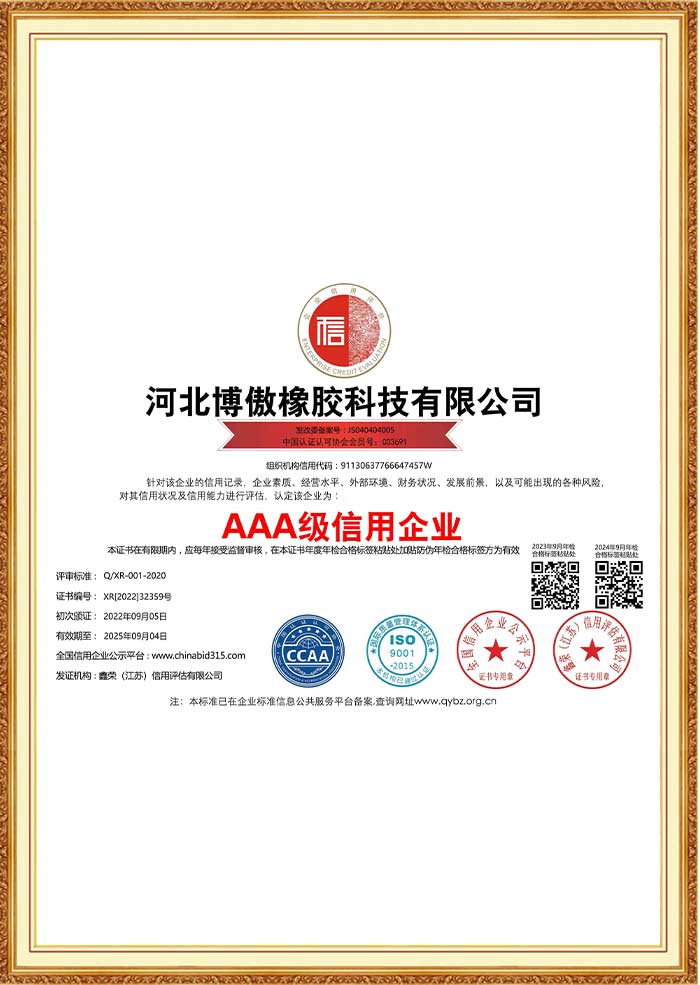
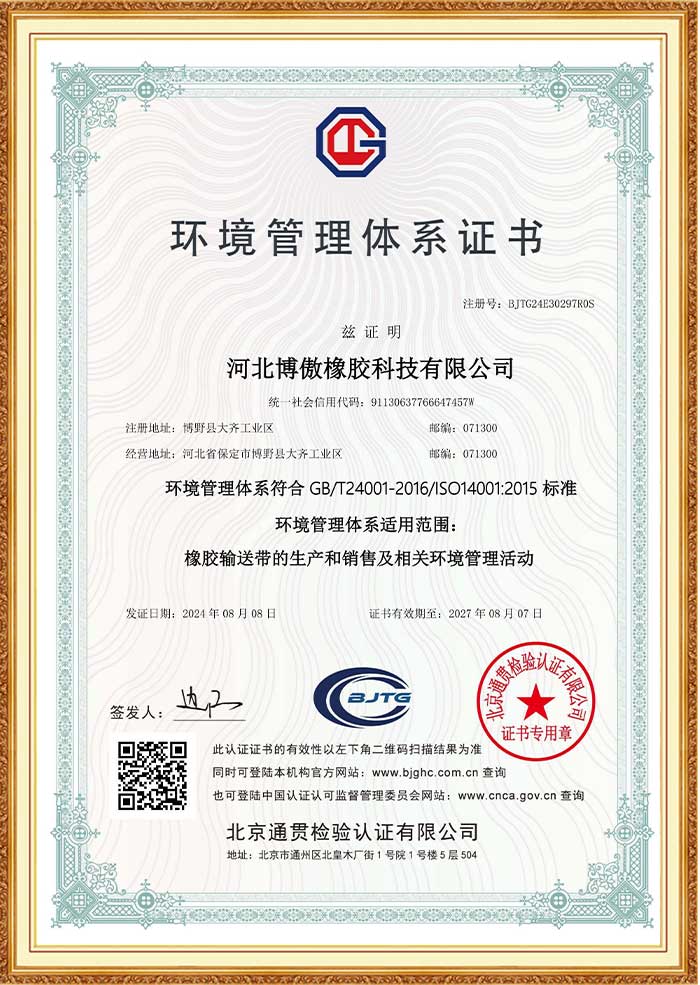
Environmental Compliance
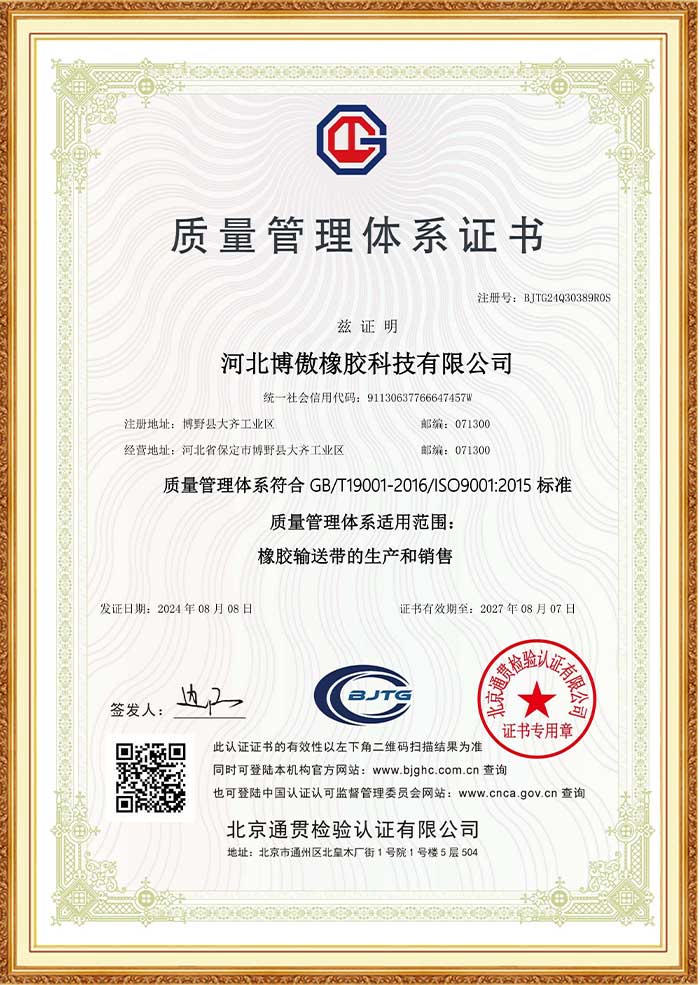
Occupational Safety Standard
In today's global heavy industry, procurement managers face challenges that extend far beyond initial capital expenditure calculations. True operational efficiency is measured by Total Cost of Ownership (TCO), uptime reliability, and the minimization of planned and unplanned maintenance windows. When dealing with large bulk conveying systems, a single component failure (such as a seized return roller or a torn longitudinal conveyor belt splice) can stall key downstream operations, resulting in thousands of dollars in lost productivity every hour.
Consequently, global heavy industries—including steel mills, cement plants, chemical processing facilities, power stations, fertilizer operations, and bulk grain ports—demand components that perform reliably in challenging operational settings. These include:
With an extensive manufacturing footprint and streamlined shipping connections through China's northern logistics hubs, Hebei Boao Rubber Technology ensures dependable component supply lines for international clients, bypassing the delivery bottlenecks often experienced with smaller, regional fabricators.
Real-world projects showcasing how our premium "Jinao" products deliver reliable performance for leading heavy enterprises.
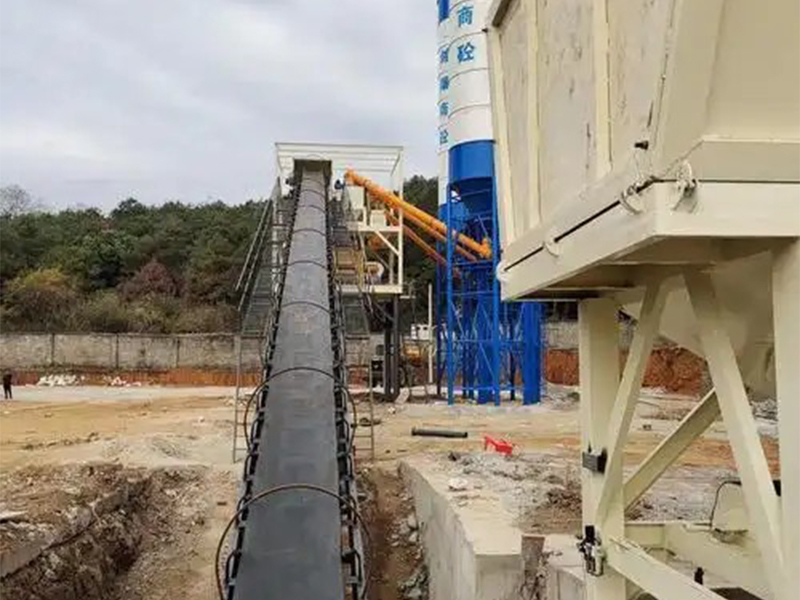
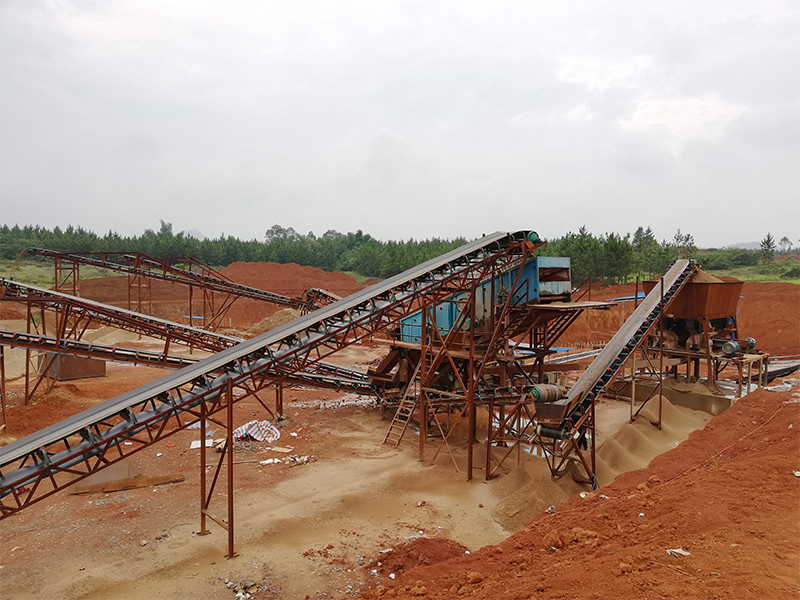
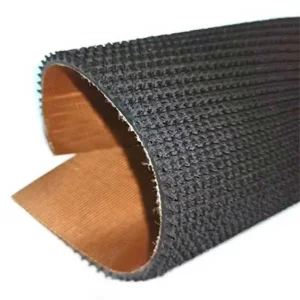
Providing high-frequency sand and aggregate conveying systems, utilizing edge-reinforced, abrasion-resistant patterned conveyor belts that perform consistently in high-moisture, high-impact construction environments.
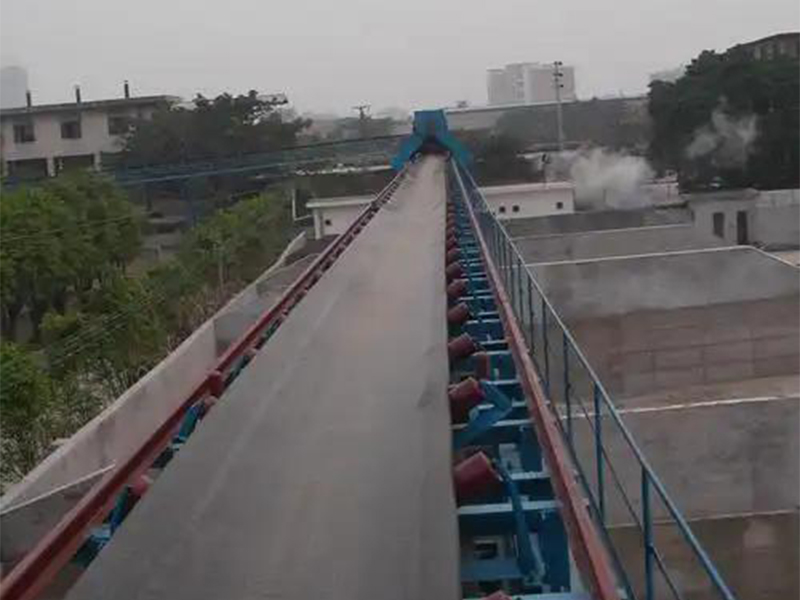
Equipped with heat-resistant multi-ply conveyor belts and specialized self-aligning troughing idlers, designed to handle limestone clinker and raw cement powder at elevated processing temperatures.
Delivered flame-retardant, high-strength steel wire rope core conveyor belts along with heavy-duty impact and return troughing idlers for reliable deep underground coal extraction operations.
Providing custom chemical-resistant and oil-resistant belt assemblies for demanding nickel smelting environments, designed to withstand continuous exposure to acidic fumes and oil runoff.
Designed and supplied high-capacity sinter transfer belts along with heavy-duty troughing support frames, maintaining reliable performance under continuous hot metal drop loads.
Comprehensive technical support from Hebei Boao, keeping your conveyor systems running at peak performance.
We provide comprehensive advice for on-site hot vulcanized splicing, mechanical fastener selection, and planned belt changes to minimize operational disruption.
Our team offers fast-response assistance and structural repair materials (including cold repair compounds and repair strips) to quickly address unexpected belt tears or damages.
We help establish organized spare parts strategies, keeping critical stocks of idlers, pulleys, and belt rolls on hand to ensure rapid component replacement.
Expert insights on selecting, installing, and maintaining troughing idler belt conveyor systems.
Complete your material transport systems with high-quality components, sourced directly from our certified Boye facilities.
Connect directly with our engineering team for customized specifications, bulk pricing structures, and factory-direct support options.
Submit Sourcing Request Now Boao Rubber