Direct supply of precision engineered rollers, belts, and impact-resistant support assemblies for high-efficiency conveyor setups.
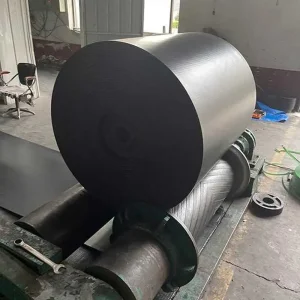
Analyzing modern bulk handling demands, dust containment directives, and the critical role of advanced conveyor edge sealing.
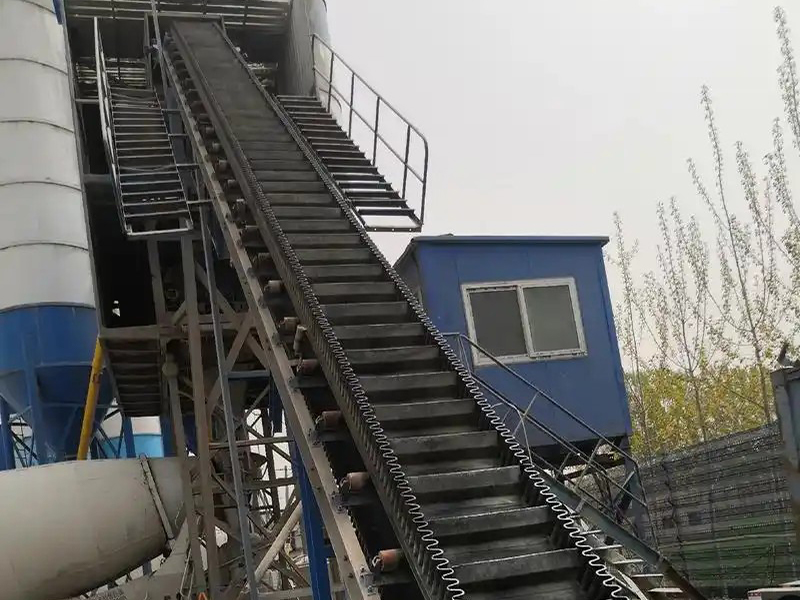
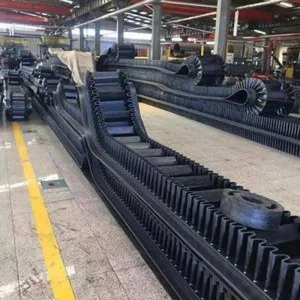
In modern industrial material handling, conveyor systems serve as the critical infrastructure that connects manufacturing stages, material extraction, and logistics terminals. Across these systems, the transfer point—where bulk material drops from one conveyor to another—presents a major operational vulnerability. Uncontained material leads to dust emissions, spillage, conveyor tracking failures, and early belt wear. This has pushed conveyor skirting systems to the forefront of global bulk handling technology.
The global demand for reliable skirting solutions is driven by stricter environmental standards and workplace safety regulations, such as OSHA in the US and the European Union's ATEX directives on dust explosion prevention. Modern mining operations, power generation plants, cement factories, and ports cannot afford materials leaking into surrounding ecosystems or creating hazards for workers. Beyond safety, material spillage is a direct financial loss. Spilled material requires manual cleanup, damages idler rollers, and accelerates wear on the main belt, leading to unscheduled downtime that can cost tens of thousands of dollars per hour.
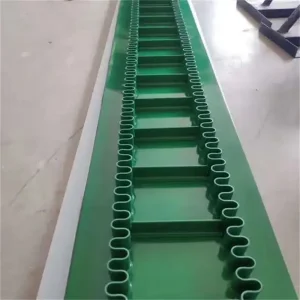
SEO Information Gain Insight: Skirting conveyors are no longer treated as simple rubber strips clamped to a chute. Instead, they are dynamic containment assemblies featuring primary and secondary seals, wear liners, and adjustable clamping mechanisms that adapt to belt movement and vibration.
Historically, natural rubber was the standard for chute skirting. However, engineering studies have shown that standard rubber skirtings have high friction coefficients, causing heat buildup and premature belt cover wear. In modern heavy-duty applications, manufacturers have turned to composite structures combining dual-hardness polyurethanes. The hard base provides support against material impact, while the soft outer seal handles dust containment. This combination ensures long-lasting containment without damaging the conveyor belt itself.
How technical choices in skirting configurations prevent material loss, maintain conveyor stability, and control dust.
Utilizes a dual-lip polyurethane structure. The primary lip contains coarse bulk material, while the secondary outrigger seal traps fine dust, reducing environmental emissions by up to 95%.
Polyurethane and specialized rubber compounds engineered to reduce drag against the moving conveyor belt. This prevents thermal degradation and lowers overall system power draw.
Quick-release clamping systems make maintenance simple. These systems accommodate belt movement, preventing the skirting from cutting into the belt cover when load distributions shift.
As heavy industry shifts toward lean manufacturing, procurement managers must evaluate their supply chain resilience. This has led global buyers to prioritize Chinese conveyor factories for large-scale projects. Hebei Province, and boye county in particular, is the manufacturing heart of industrial rubber products in China. Our facility, Hebei Boao Rubber Technology Co., Ltd., sits at the center of this industrial hub, occupying over 30 acres dedicated to advanced rubber vulcanization, testing, and component assembly.
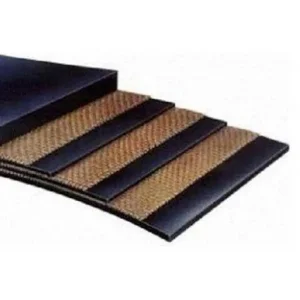
The efficiency of Chinese factories is not just about raw labor; it is built on deep supply chain integration. In our facility, we manage the entire manufacturing cycle—from raw material inspection, compound mixing, and reinforcing layer calendering to precise vulcanization and post-production quality assurance. This close integration allows for rapid adaptation. Whether an international client needs custom nylon-reinforced skirting, flame-retardant chemical structures for coal mines, or heavy-duty impact idler rollers, we can prototype, test, and manufacture these custom solutions quickly.
| Skirting Material Compound | Tensile Strength (MPa) | Shore Hardness (A) | Max Temp Range (°C) | Best Application Environment |
|---|---|---|---|---|
| Standard EPDM Rubber | 12.5 | 60 ± 5 | -30 to +120 | General industrial transport, sand, gravel |
| Dual-Seal Polyurethane (PU) | 28.0 | 70 - 90 | -40 to +80 | Highly abrasive iron ore, coal mines, dust control |
| High-Temperature Silicone Seal | 9.5 | 65 ± 5 | -50 to +220 | Cement clinker, smelting plants, steel factories |
| Flame-Retardant/Anti-Static Rubber | 15.0 | 65 ± 5 | -25 to +90 | Underground mining, coal processing terminals |
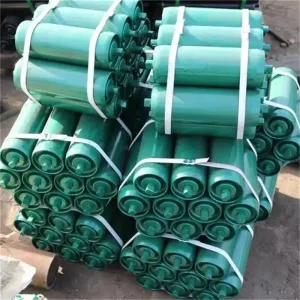
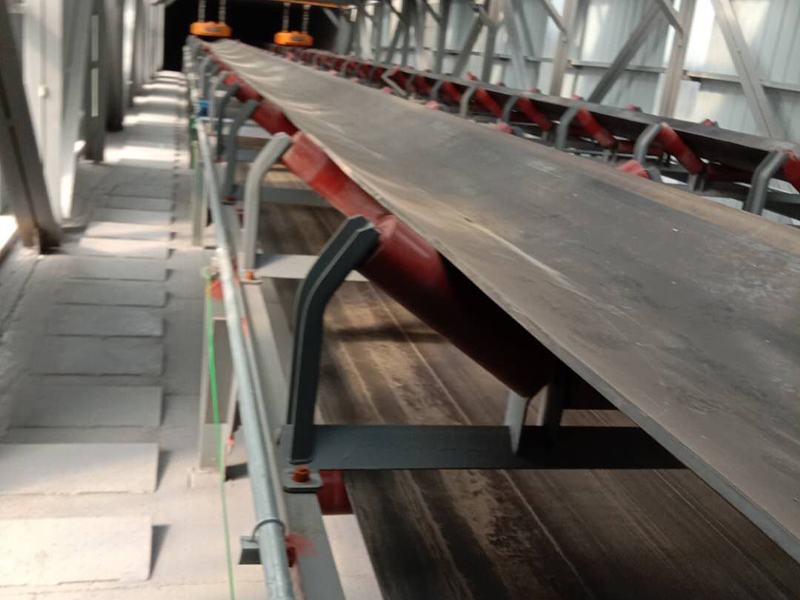
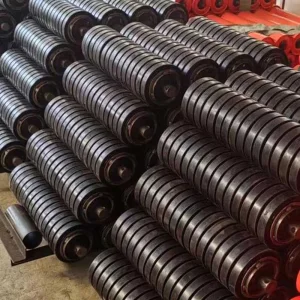
A conveyor skirting system cannot function in isolation. Proper installation requires support beneath the belt. If the belt sags between idler rollers, the skirt board cannot maintain contact, leading to material leakage. To address this, our engineers recommend combining Jinao Brand Trough-Type Idler Rollers or Rubber Buffer Impact Rollers with our skirting setups. The impact rollers support the belt profile, while the skirting maintains a continuous seal, ensuring long-term containment at transfer points.
A premier manufacturer in China integrating product development, research, design, manufacturing, and technical services for conveyor systems.
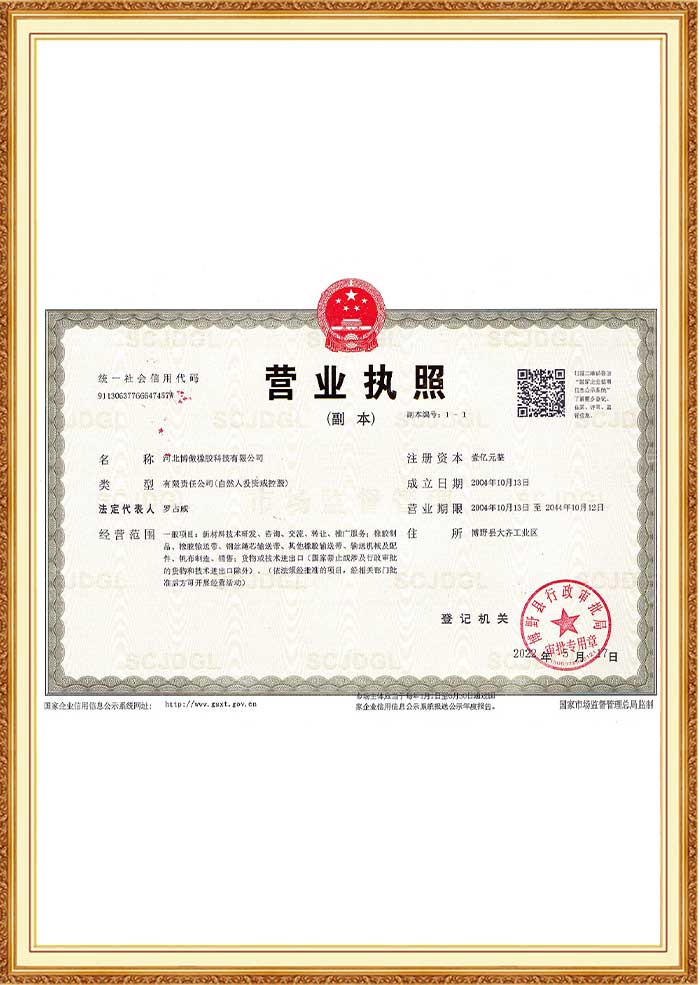
Founded in 2004, Hebei Boao Rubber Technology Co., Ltd. is located in the Rubber Industrial Park of Boye County, Baoding, Hebei Province. Over the last 22 years, we have developed our proprietary brand, "Jinao", into a global signifier of industrial reliability. Our production lines feature advanced rolling, forming, vulcanization, and material testing equipment that processes products from raw materials to final packaging under one roof.
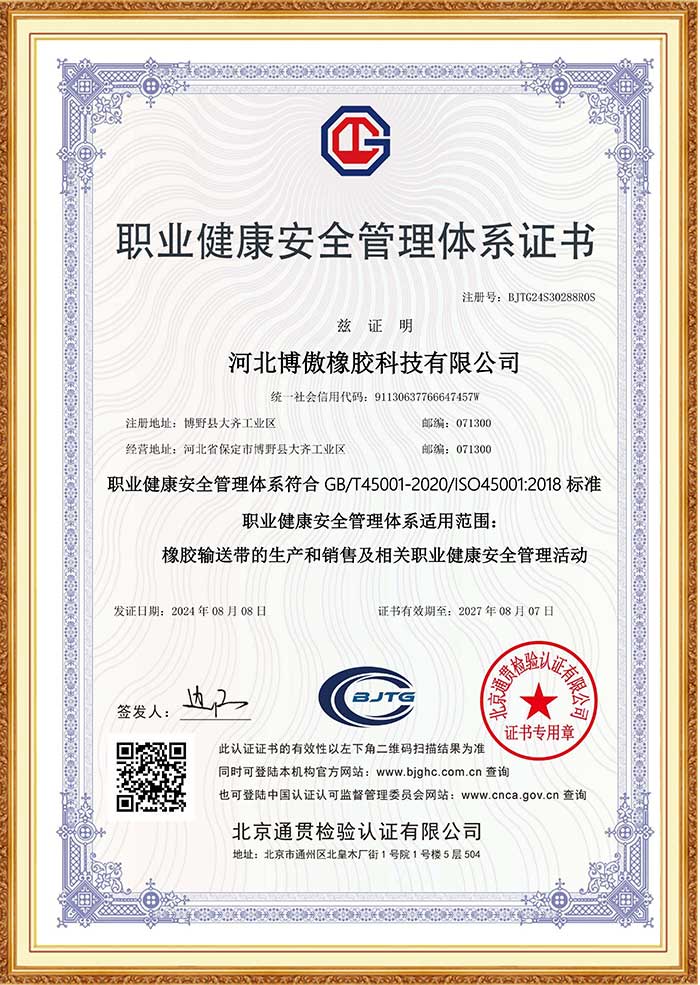
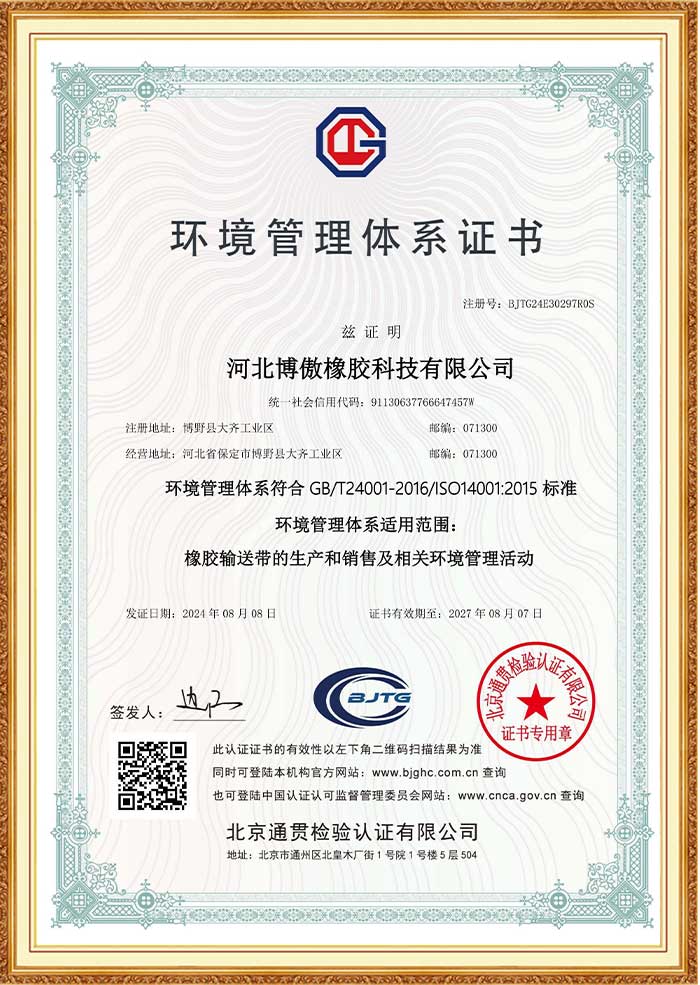
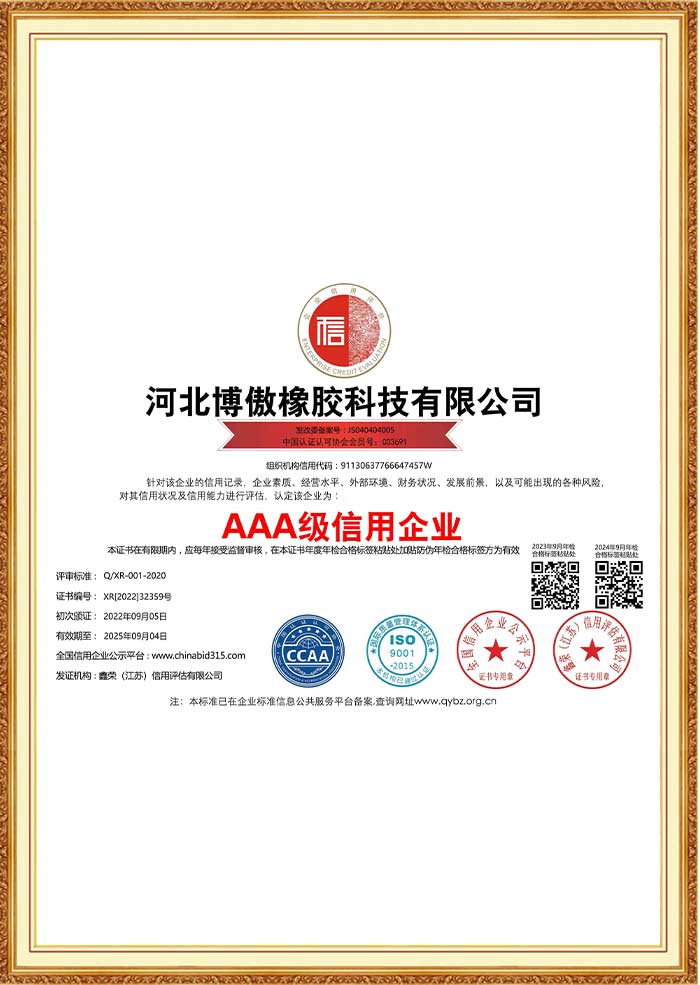
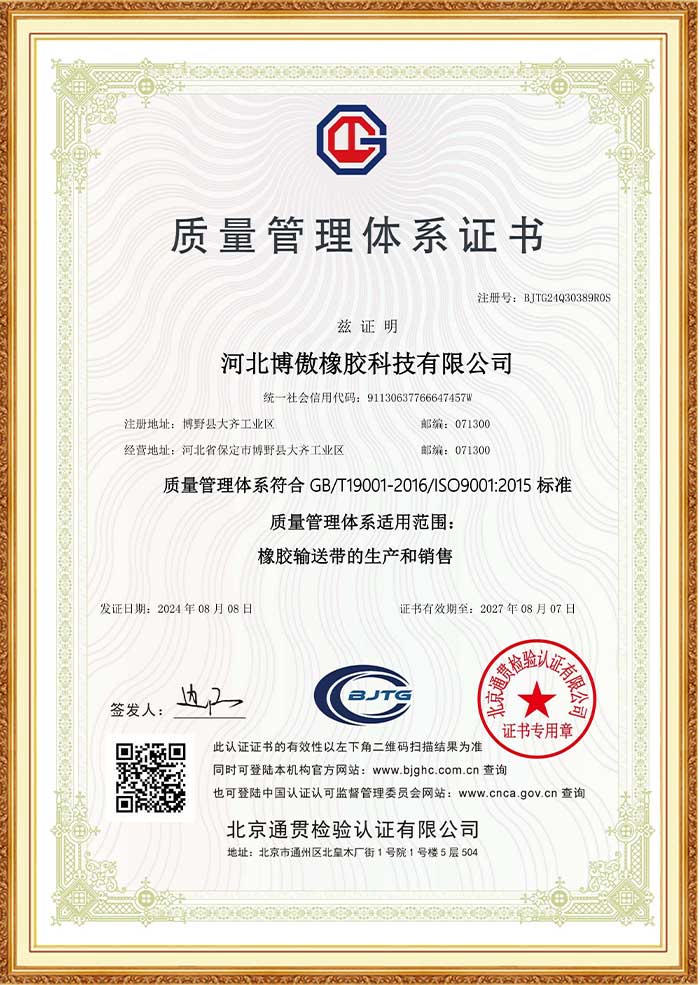
Our Quality Management System is certified to international standards. We maintain independent chemical analysis and physics laboratories, ensuring every production run is monitored and verified. Our strict quality policy guarantees that no unqualified raw materials enter our facility, and no sub-standard products ever ship to clients.
Comprehensive, proactive maintenance strategies to extend the lifecycle of your conveyor components.
Regular visual inspections and wear measurements of belt edges, impact pads, and skirting alignment to identify risks before failures occur.
On-site belt repairs, cold bonding, hot vulcanization splicing, and skirt profile replacements to minimize maintenance downtime.
Scheduled stocking agreements and priority shipments of standard and custom parts to keep operations running smoothly without inventory delays.
We work directly with your engineering team to design customized skirting geometries and compound profiles tailored to your specific materials.
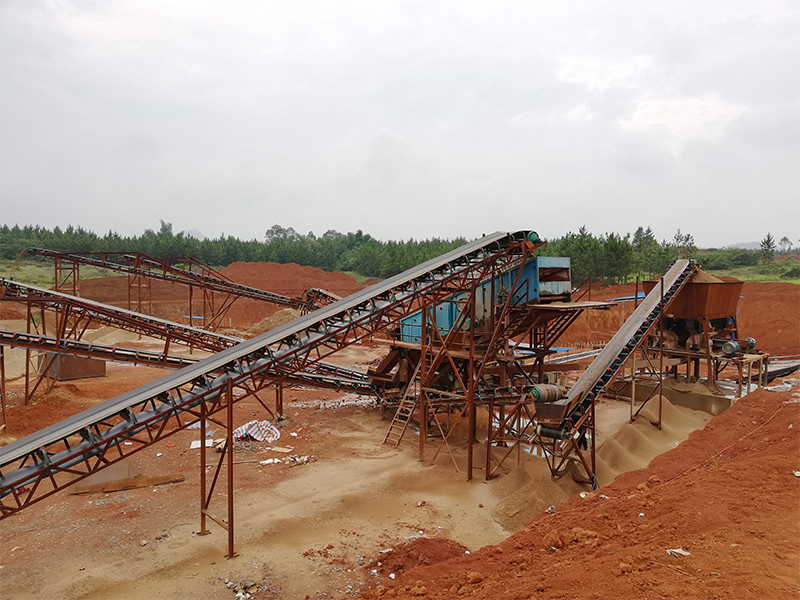
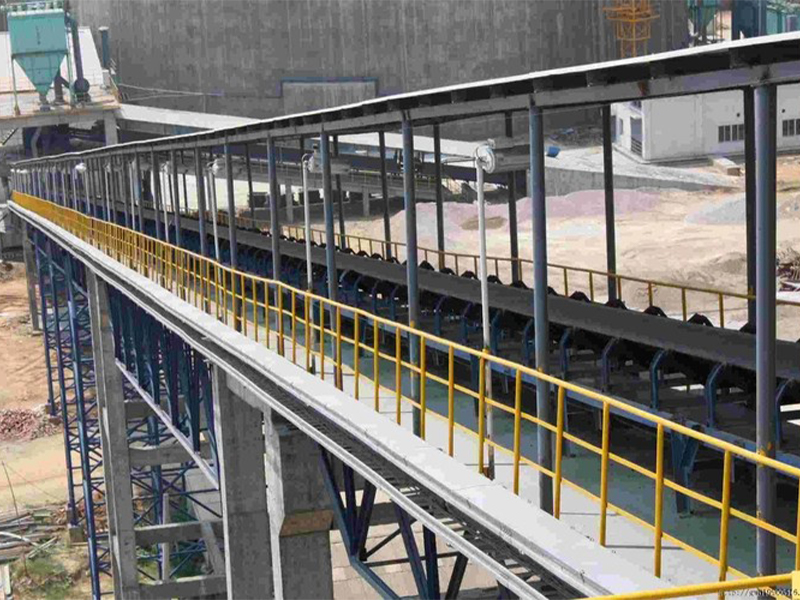
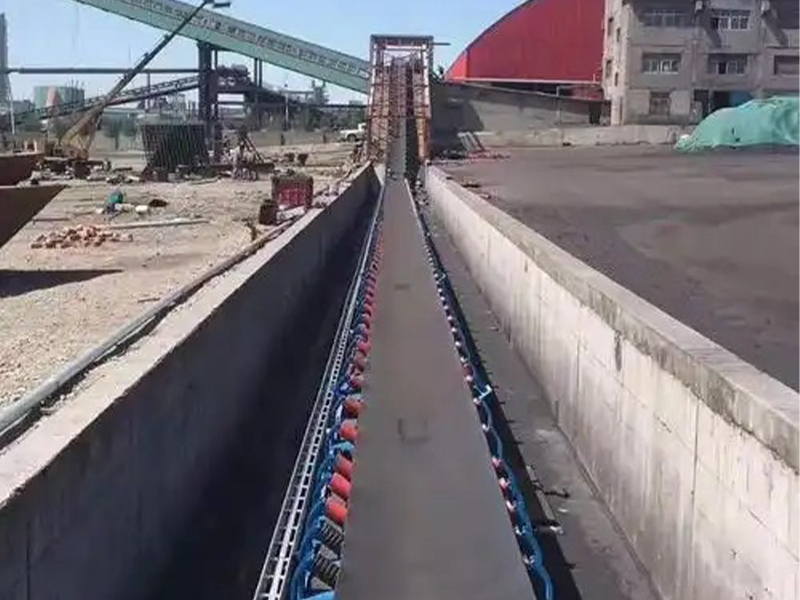
Our heavy-duty products have been proven across diverse materials handling environments, from steel plants to underground mining operations.
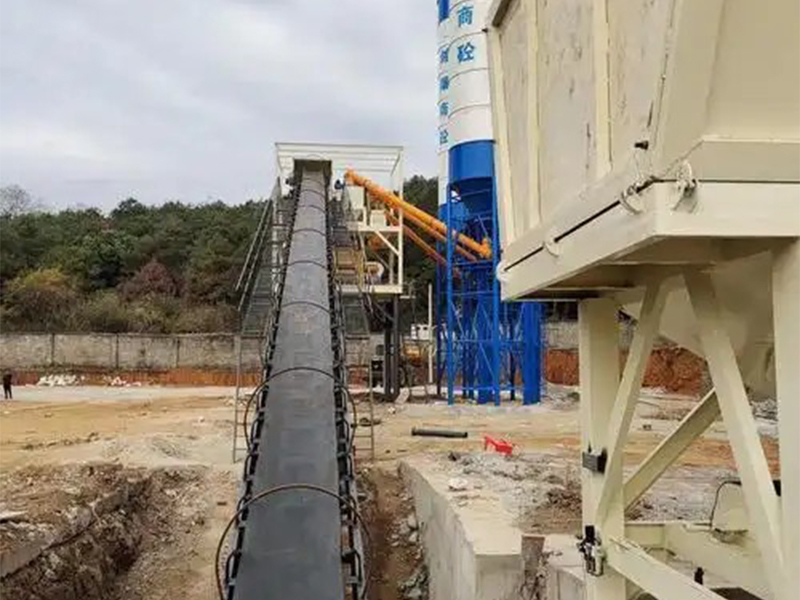
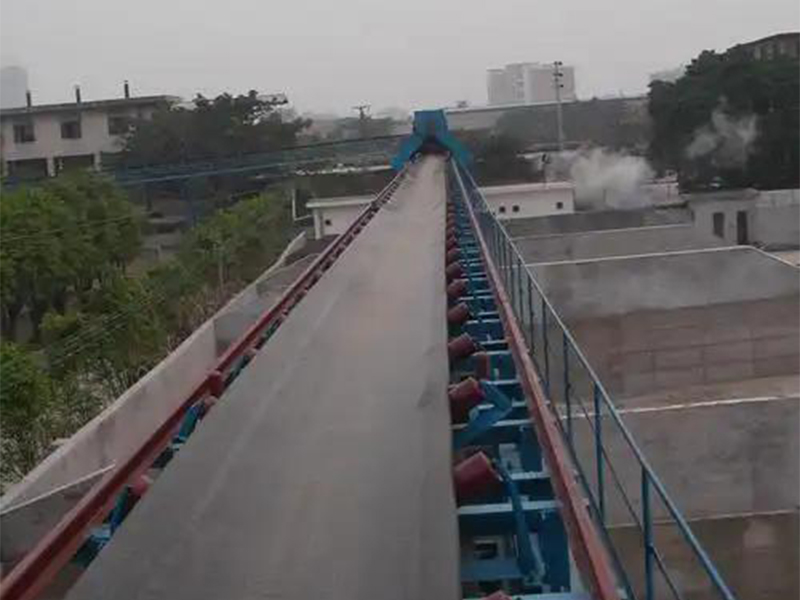
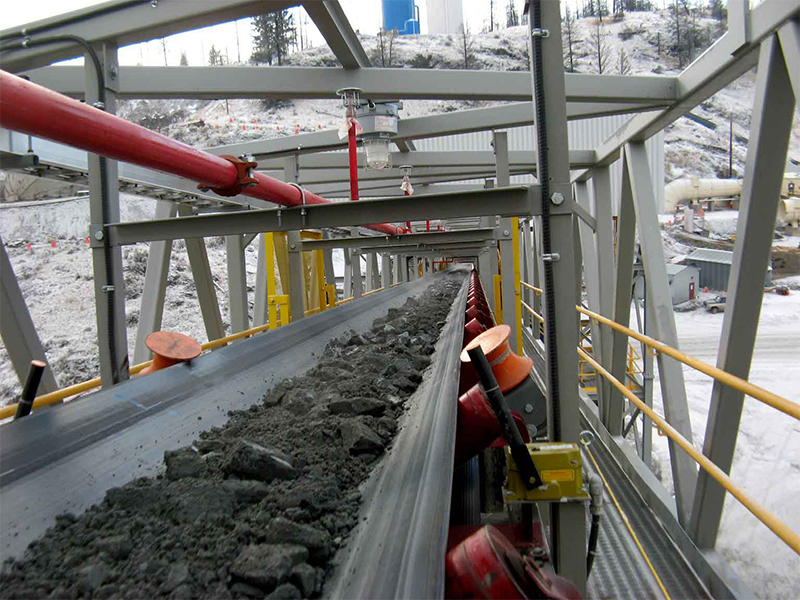
Rigorous chemical, physical, and engineering standards verified by international inspectors.
Expert advice on material selection, alignment, wear tracking, and ordering specifications.
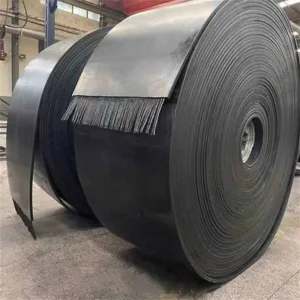
High-grade wear options, flame-retardant industrial belts, and specialized idler configurations from our Boye County production line.
 Boao Rubber