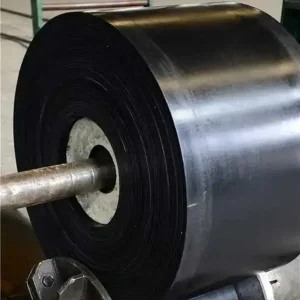
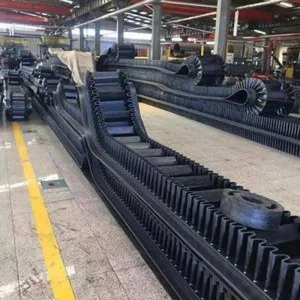
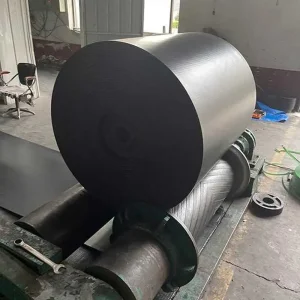
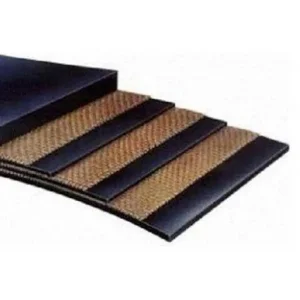
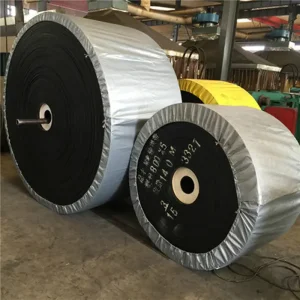
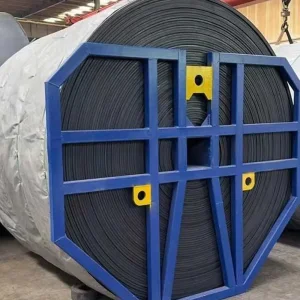
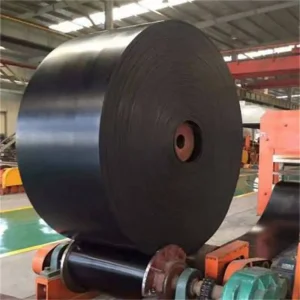
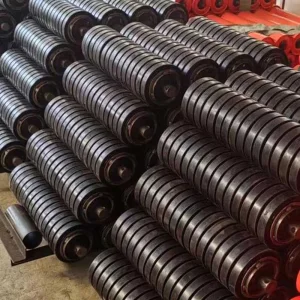
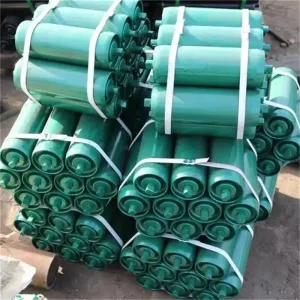
Explore our core selection of certified rubber conveyor belts designed to integrate seamlessly with standard and custom idler roller designs.
Hebei Boao Rubber Technology Co., Ltd. is located in the Rubber Industrial Park of Boye County, Baoding, Hebei Province. Founded in 2004, the company spans over 30 acres of advanced manufacturing facilities. Operating under our flagship brand "Jinao", we are a professional manufacturer in China that integrates product development, research, design, manufacturing, and business services for conveyor belts and conveyor machinery accessories.
We have successfully attained international quality management system certification. Our production center boasts multiple advanced machinery lines for rolling, forming, vulcanization, and comprehensive rubber testing, verifying quality from raw materials to finished products.
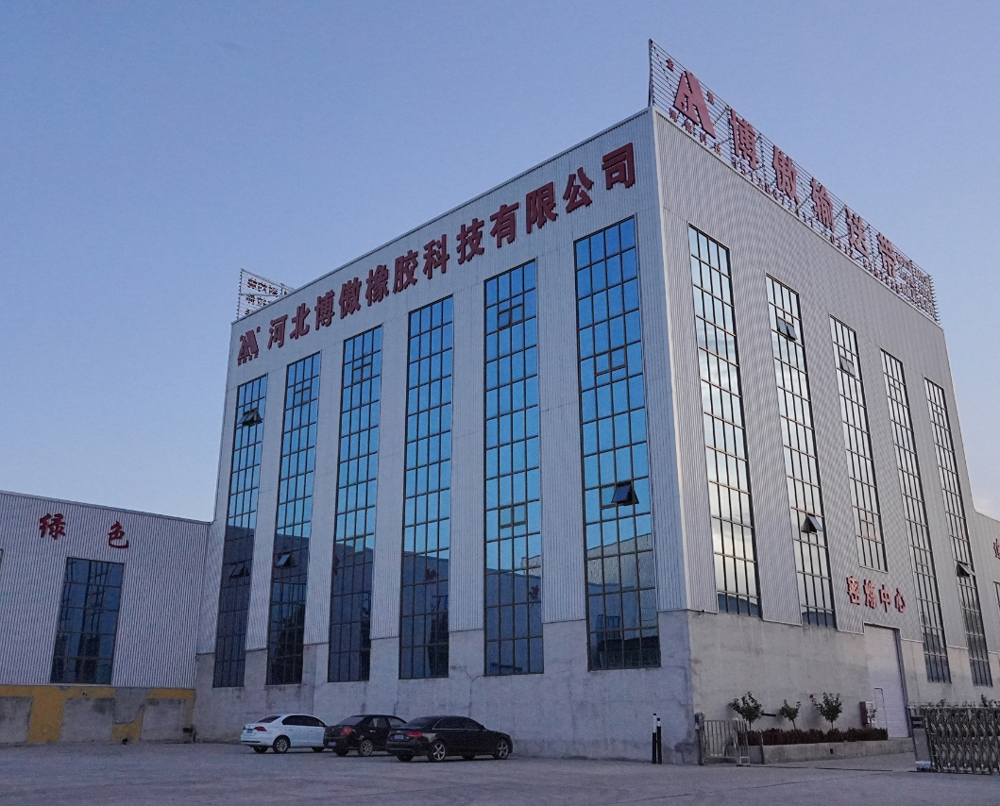
Leveraging state-of-the-art laboratory testing and production methodologies to deliver world-class products.
Our independent chemical analysis room and physics laboratory ensure continuous monitoring of raw materials up to final products, adhering to strict gate-keeping standards.
Experienced QA inspectors equipped with specialized laboratory systems conduct structural, compound, and dimensional testing to prevent defects.
Combining heavy technical expertise with established logistics, our systems serve key processing industries nationwide and overseas.
In modern bulk material handling operations, the efficiency and reliability of conveyor systems directly affect industrial productivity. At the core of these conveying networks lies a highly critical yet frequently underestimated component: the conveyor idler roller. Specifically, rubber buffer idler rollers play a fundamental role in protecting structural components and extending the operating life of conveyor belts at heavy impact zones.
Industrial conveyor networks worldwide are operating under increasingly challenging environments. In deep-shaft mining, aggregate processing, metallurgy, and port distribution centers, conveyor components are exposed to continuous mechanical stress, dust, moisture, and chemical agents. Studies indicate that conveyor system issues account for up to 30% of total mineral processing plant downtime. An unscheduled conveying stoppage can lead to substantial financial losses.
To reduce these risks, system engineers are shifting from traditional plain steel rollers to vulcanized rubber buffer and impact idler rollers at high-stress material drop zones. Placing heavy-duty, highly elastic rubber rings along the roller shell helps absorb the kinetic energy of falling bulk materials. This dampens the impact force on the belt structure, minimizing core punctures and splice failures.
"Optimizing drop-chute mechanics with engineered rubber buffer rollers can double the functional lifespan of steel wire rope core conveyor belts, significantly reducing overall capital expenditure."
China continues to be a leading producer and exporter of conveyor systems. Sourcing rubber idler rollers from established industrial hubs like Boye County, Baoding, Hebei Province provides distinct supply chain benefits:
Our factory provides a comprehensive catalog of conveying products under the trusted "Jinao" brand, designed to meet diverse operating requirements:
Our belt lineup includes standard multi-ply fabric belts (NN, EP, PP), high-tensile Steel Wire Rope Core belts, heat-resistant, oil-resistant, chemical-resistant (acid/alkali), flame-retardant, high-inclination wavy edge conveyor belts, and custom patterned layouts.
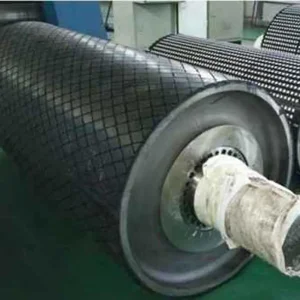
We manufacture premium roller series accessories, ceramic lagged rollers, impact and buffering rollers, troughing roller configurations, return rollers, self-aligning training rollers, drive and snub pulleys, heavy-duty mounting brackets, centering frames, and tensioning devices.
To achieve reliable, long-term performance under demanding operating conditions, our rubber buffer idler rollers are manufactured with the following key components:
A closer look at our advanced manufacturing floor, vulcanization workshops, and testing lines in Baoding, Hebei.

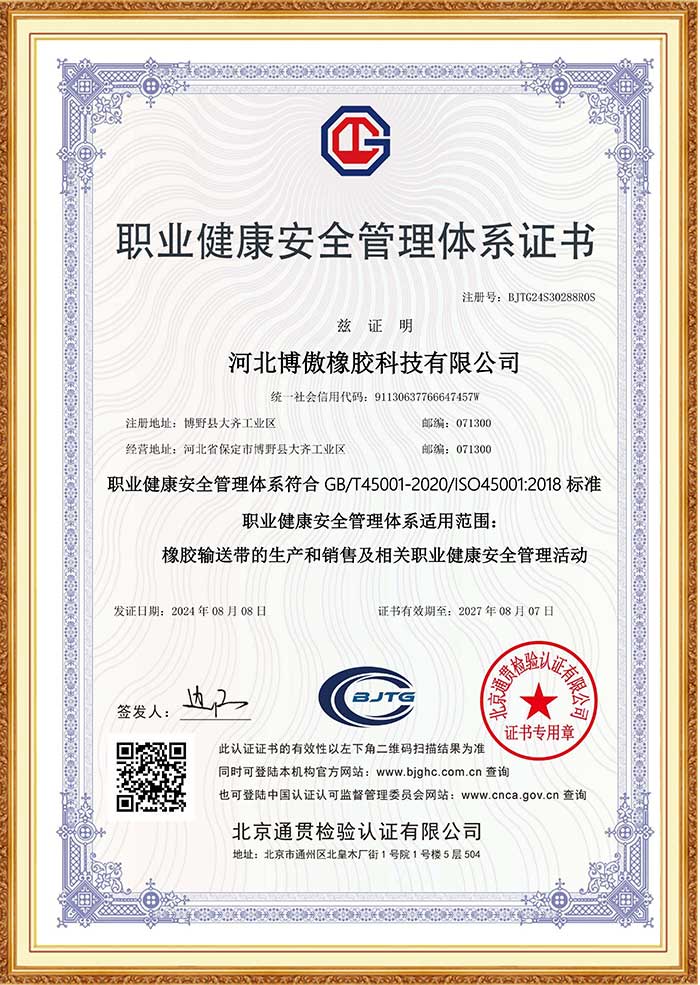
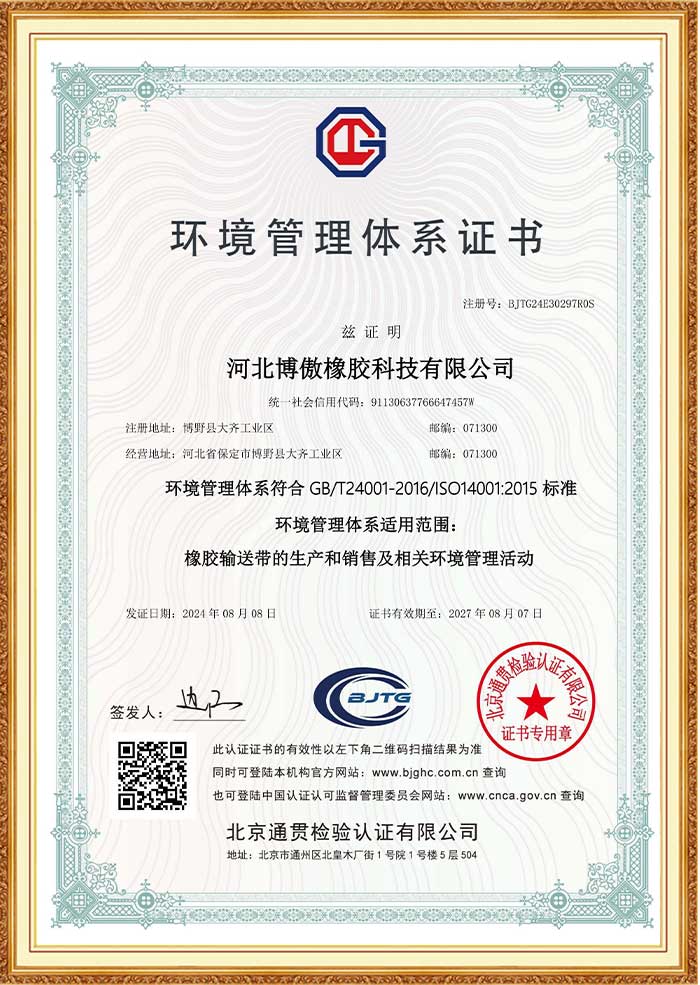
Our commitment to rigorous testing standards secures key international certifications for our manufacturing systems.
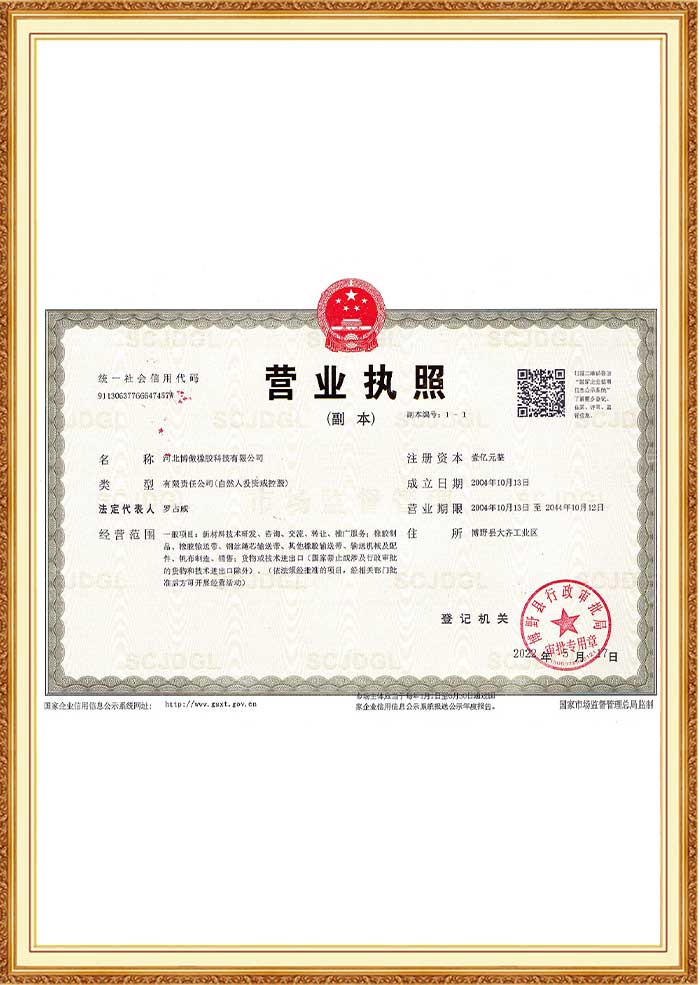
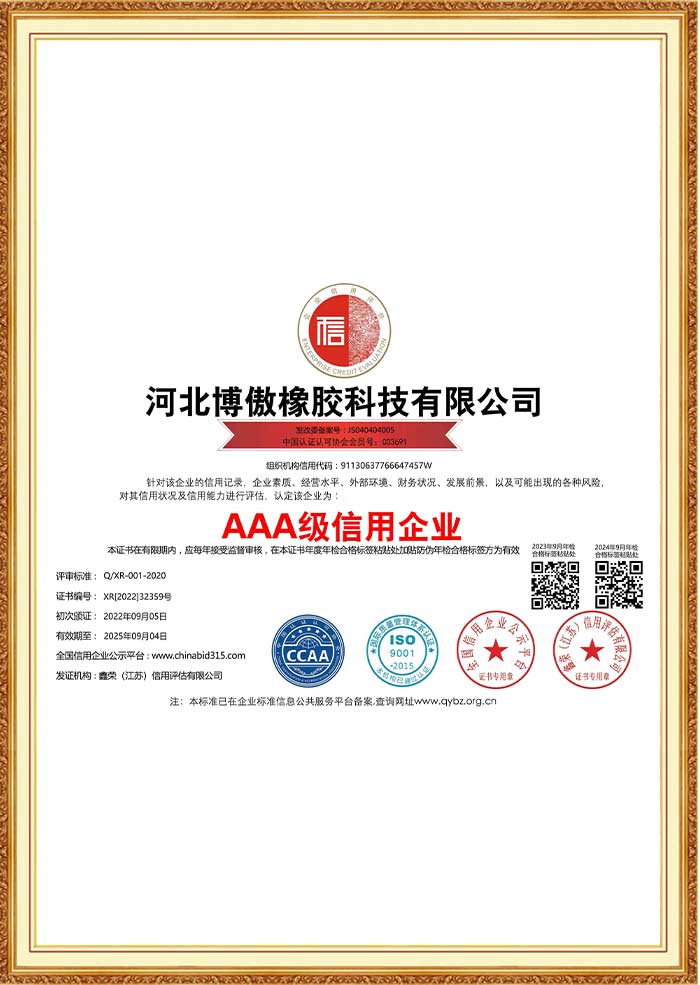
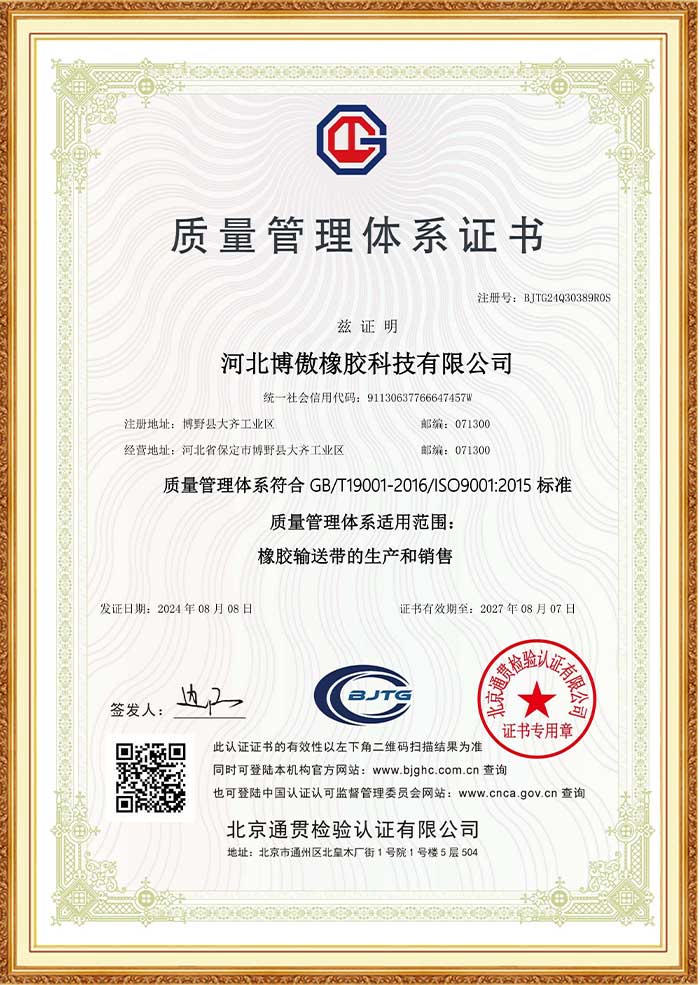
Conveyor components operate in distinct environmental conditions depending on the industry. Selecting appropriate materials helps ensure reliability across varied industrial settings:
In high-capacity iron ore feeding networks and coke processing plants, idlers must handle heavy bulk materials at elevated operating temperatures. Accumulations of abrasive dust can accelerate shell wear. Using rubber-lagged return rollers prevents build-up on the belt, helping maintain belt tracking and reducing structural damage.
Underground mines require flame-retardant (FR) rubber compounds certified to standards such as MSHA or DIN ISO. In coal handling facilities, impact zones utilize high-elasticity rubber buffer rollers to absorb drop loads, preventing splice cracking and belt tears during high-volume transport.
Conveyor networks in cement mills transport highly abrasive materials like clinker and crushed limestone. Dust contamination is a frequent cause of bearing failures. Incorporating multi-stage labyrinth seals and synthetic rubber coatings on return idlers helps protect bearings from fine dust ingress, extending service life.
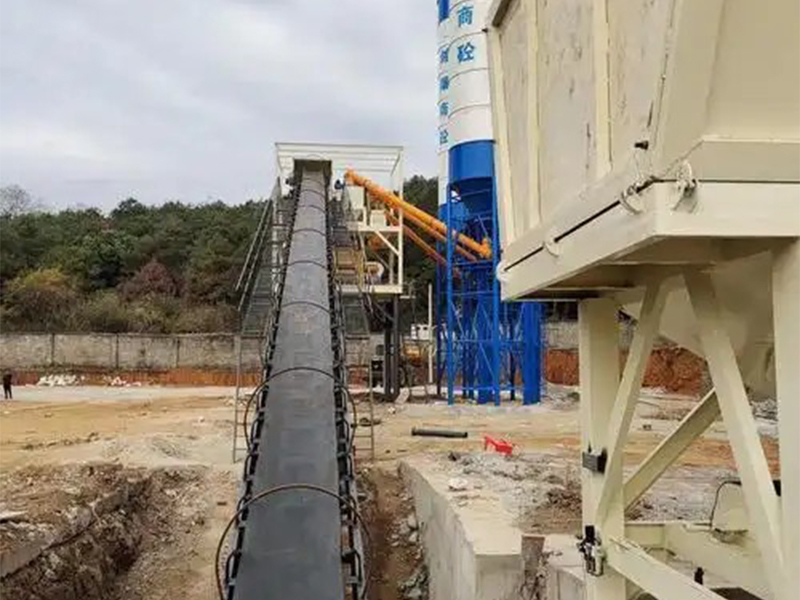
In high-demand concrete mixing facilities, conveyor systems operate under continuous start-stop cycles with heavy, moisture-laden sand and gravel loads. Installing robust impact rollers at loading hoppers helps absorb shock loads, protecting the conveyor framework from structural fatigue.
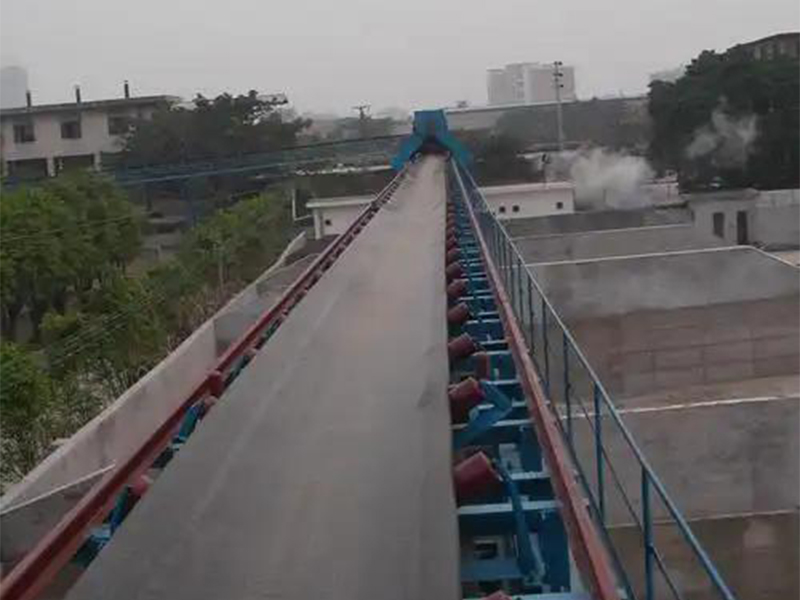
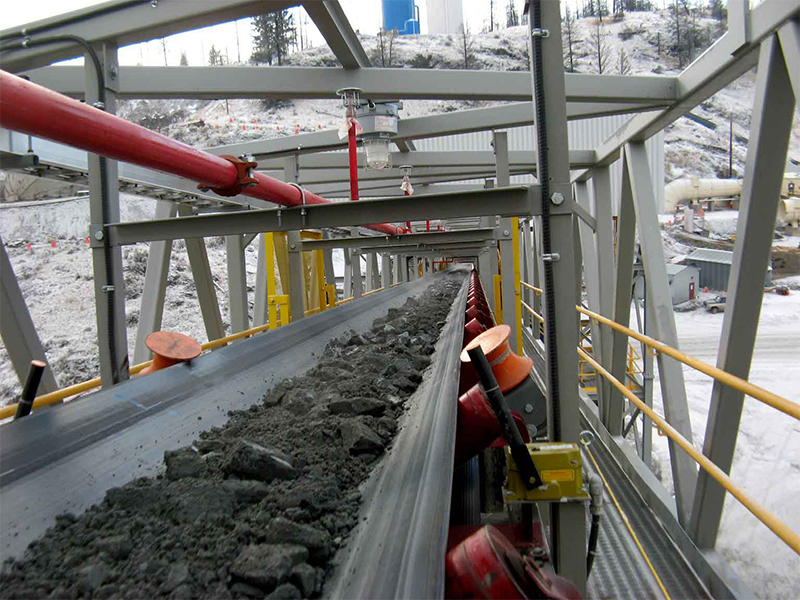
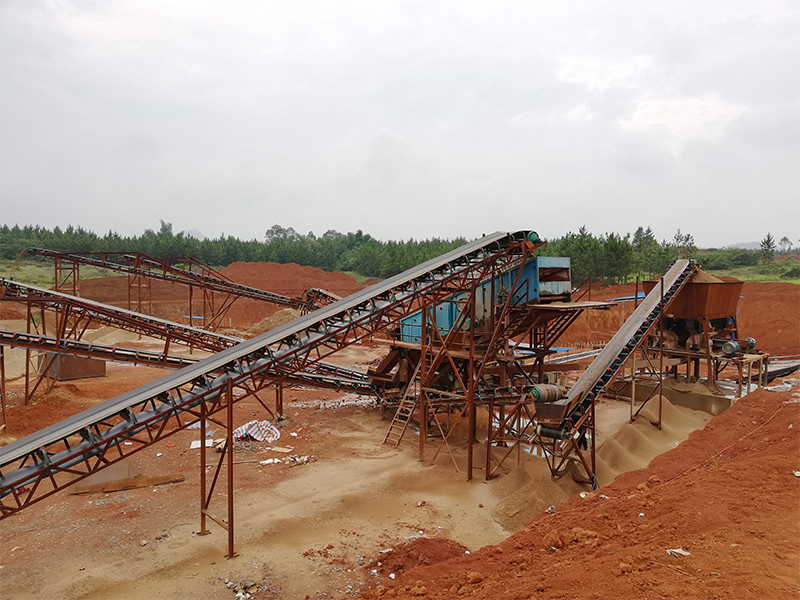
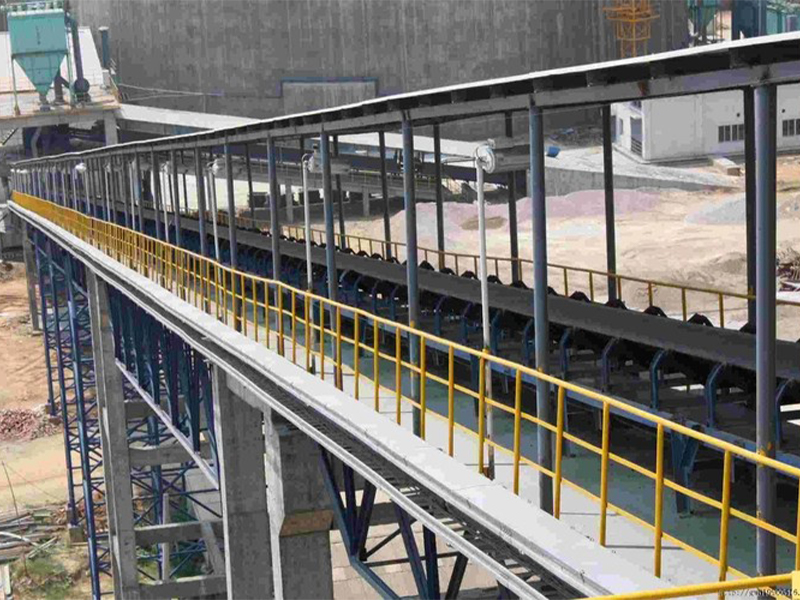
Our systems provide reliable bulk material transport support for major heavy industrial operations.
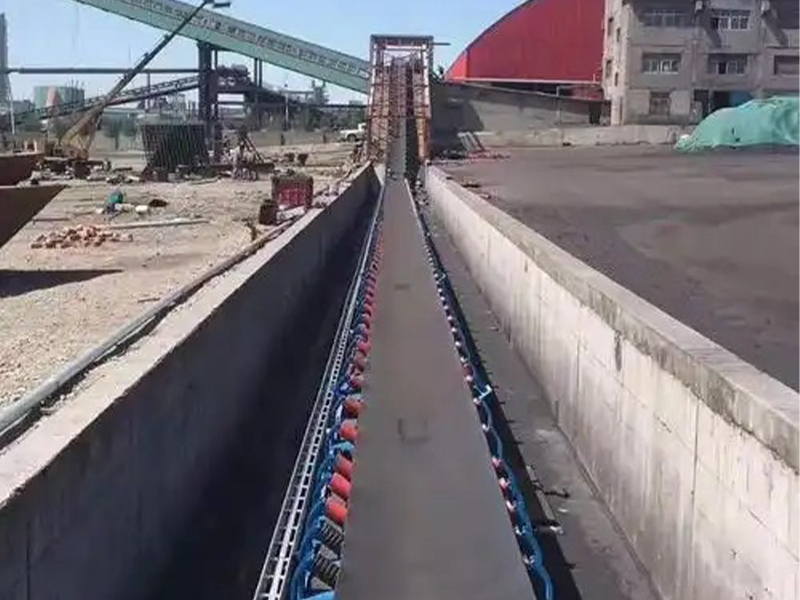
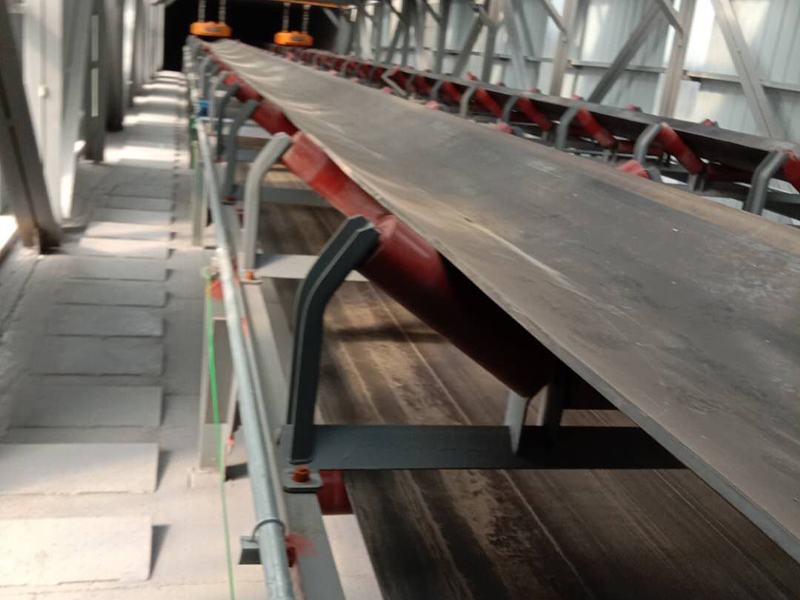
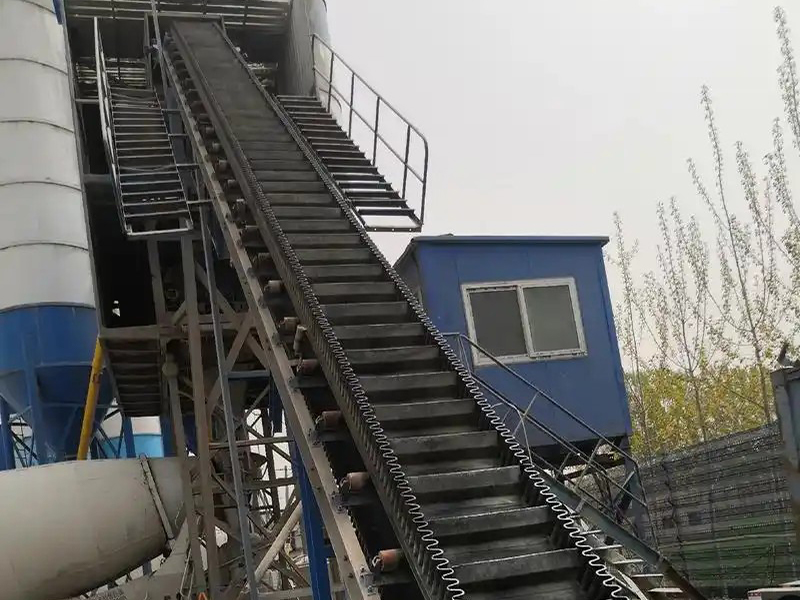
Comprehensive inspection, preventive maintenance, and engineering services to optimize system reliability.
We provide planned replacement, precision alignments, bearing lubrication checks, and emergency vulcanization repairs to reduce unscheduled system downtime.
Our support services include managing backup components, conducting regular physical wear measurements, rubber ring maintenance, and optimizing system configurations.
We design and manufacture components to CEMA, DIN, and ISO standards, ensuring correct alignment and reduced power consumption for conveying networks.
Modern material handling operations are adopting proactive monitoring systems. Key technological trends for industrial conveyor rollers include:
When selecting rubber idler rollers, engineering and procurement teams should verify the following specifications:
Engineering answers to common questions about selection, application, and maintenance.
Rubber buffer rollers are placed at material loading and transfer points. The elastic rubber rings absorb the kinetic impact of falling bulk materials, protecting the belt structure and conveyor framework from indentation and tearing.
Underground operations require flame-retardant (FR) rubber compounds. These compounds are formulated to resist ignition and prevent flame spread, meeting safety certifications like MSHA or DIN ISO 340.
A multi-stage labyrinth seal creates a restrictive path that traps dust, water, and contaminants, preventing foreign matter from entering the bearing chamber and degrading the grease.
Accelerated cracking is typically caused by ozone exposure, high temperatures, chemical attack from processed materials, or exceeding the rated impact energy limits. Selecting SBR or EPDM elastomers based on the application can prevent early failures.
Yes. For corrosive chemical applications, the rubber rings must be formulated with specialty elastomers like EPDM or chloroprene, which resist chemical degradation better than standard natural rubber.
Rotational eccentricity (or runout) is the deviation of the roller's outer shell from a true circle. High eccentricity causes vibration, increases belt wear, and raises energy consumption.
High-load systems should receive monthly visual inspections to check for rotation quality, rubber wear, and material buildup. Impact zones require more frequent inspection due to the higher stress levels.
CEMA ratings standardize dimensions and load limits. Selecting a CEMA rated idler ensures compatibility with conveyor systems designed to CEMA specifications worldwide.
By absorbing impact energy evenly, rubber buffer rollers maintain a stable belt profile in the loading zone, helping center the material load and preventing tracking deviations.
We combine 22 years of manufacturing experience with ISO-certified testing facilities and advanced production lines, delivering high-performance conveying products that meet international standards.
Contact our engineering team to request custom designs, material quotes, or system optimization consultations. We will review your operating parameters and reply with a technical quotation.
Explore our complete catalog of conveyor rollers, brackets, and wear-resistant accessories manufactured to international standards.
 Boao Rubber