Explore our industrial-grade material handling components direct from our quality-certified Chinese production facility.
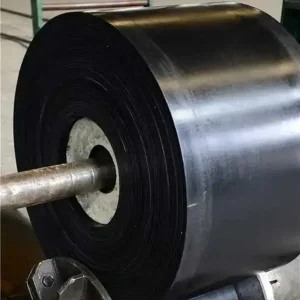
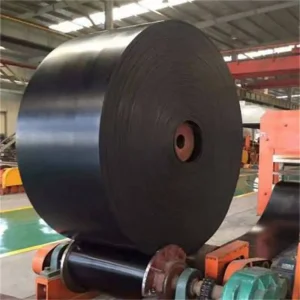
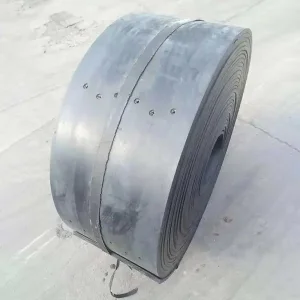
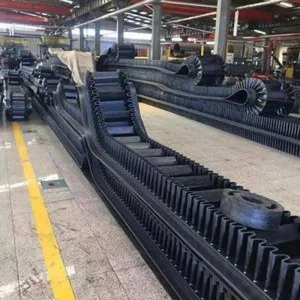
Registered Trademark: "Jinao" Brand | Founded in 2004
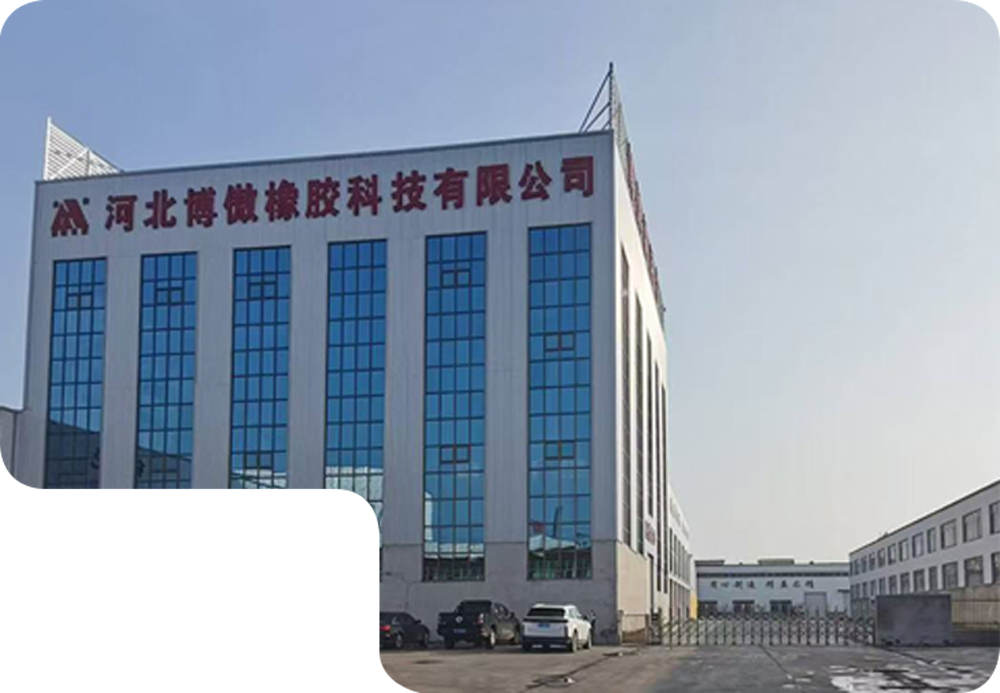
Located in the heart of the Boye County Rubber Industrial Park, Baoding City, Hebei Province, Hebei Boao Rubber Technology Co., Ltd. is a premier manufacturing enterprise integrating scientific research, product design, precise engineering, and comprehensive global service. For over two decades, we have dedicated ourselves to optimizing bulk material handling operations globally through high-performance conveyor belts and custom-engineered conveyor drive rollers.
Our manufacturing complex spans more than 30 acres, hosting multiple advanced production lines for rolling, vulcanizing, steel machining, and rubber lagging. To support our commitment to high reliability, we operate an independent chemical analysis lab and a state-of-the-art physical testing center, ensuring no raw materials or finished products leave our facility without meeting international standards.
A Comprehensive Technical Whitepaper on Friction Dynamics, Wear Optimization, and Sourcing Best Practices.
In high-capacity conveyor operations, the conveyor drive roller (often referred to as the drive pulley) is the core mechanism responsible for transferring mechanical energy from the drive motor to the conveyor belt. The efficiency of this power transmission relies heavily on the friction coefficient between the roller surface and the belt cover. Steel-on-steel contact in raw pulleys presents a minimal coefficient of friction (typically around 0.15 to 0.20), which drastically falls in the presence of moisture, oil, dust, or slurry. To prevent slip, increase traction, and protect the belt carcass, heavy-duty applications demand specialized rubber-coated lagging.
By applying a high-grade rubber vulcanized coating to the drive roller, the coefficient of friction increases to 0.35–0.40 under dry conditions, and up to 0.70 when combined with engineered grooving patterns or ceramic inserts. This optimization not only mitigates energy losses due to belt slippage but also minimizes belt tension requirements, which directly extends the life of both the belt and the roller bearings.
The choice of elastomer formulation directly dictates the operational lifecycle and environmental resilience of the drive roller. Depending on the targeted application, Chinese manufacturers like Hebei Boao Rubber Technology formulate rubber lagging using distinct synthetic and natural polymers:
To evaluate these coatings, engineering specifications focus on three core parameters: Shore A Hardness (typically 60° ± 5° for drive pulleys to balance grip and wear), Abrasion Resistance (measured in volume loss according to DIN 53516, targeted under 120 mm³), and Elongation at Break (minimum 400%).
Smooth or plain rubber lagging is reserved exclusively for non-drive pulleys (such as tail, bend, or take-up pulleys) where high friction is not required. For drive rollers, engineered grooving is essential to handle dynamic shear forces and eliminate liquids. The most common profiles include:
| Lagging Type | Common Patterns | Dynamic Coefficient of Friction | Primary Application Areas |
|---|---|---|---|
| Plain Rubber Lagging | Flat/Smooth Surface | 0.30 - 0.35 (Dry Only) | Tail, bend, take-up, and return rollers; dry, low-tension setups. |
| Diamond/Double-Chevron | Grooved Crosshatch | 0.40 - 0.45 (Wet/Dry) | Reversible conveyor systems, general aggregate handling, heavy dust. |
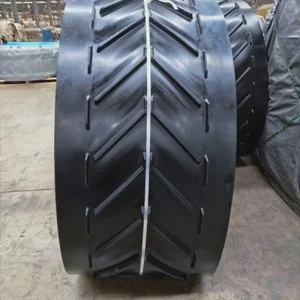
| Herringbone/Single-Chevron | V-Shape Grooves | 0.42 - 0.48 (Wet/Dry) | One-way drive rollers; excellent shedding of mud, clay, and water. |
| Ceramic Active Lagging | Embedded Al2O3 Tiles | 0.60 - 0.75 (Extreme Slurry) | Heavy-duty wet mining, steep inclines, high-tension steel-cord systems. |
The "V" pattern in Herringbone and Chevron profiles must always point in the direction of belt travel. This configuration utilizes the rotation of the roller to push moisture and dirt away from the center to the outer edges, maintaining continuous contact between the rubber and the conveyor belt cover.
The method used to adhere the rubber lagging sheet to the steel shell of the roller determines its structural shear resistance under high load. Chinese manufacturing plants utilize two primary techniques:
Hot Vulcanization (Autoclave Processing): This is the premium standard for drive pulleys. The steel roller shell is sandblasted to Sa2.5, coated with specialized bonding primers, and wrapped with raw, unvulcanized rubber compound sheets. The entire assembly is placed inside a pressurized steam autoclave at temperatures around 140°C to 150°C. This chemical process cross-links the rubber molecules and bonds them directly to the steel shell at a molecular level, preventing any future delamination or edge peeling under heavy shear stresses.
Cold Bonding: Used for quick maintenance or larger pulleys that cannot fit inside standard autoclaves. A pre-vulcanized rubber sheet with a special bonding layer (CN layer) is glued to the sandblasted steel pulley using high-strength chemical adhesives. While faster and cheaper, cold-bonded rollers are more susceptible to edge separation in extremely wet, high-temperature, or highly acidic chemical environments.
How advanced supply chains, quality control systems, and raw material integration provide international buyers with a significant competitive advantage.
Northern Chinese hubs, specifically Boye County in Hebei, represent highly integrated industrial clusters. We source premium domestic steel tubing (Q235 and Q355 carbon steel) and chemical elastomers directly from local suppliers. This structural proximity reduces transit costs and speeds up raw material verification, allowing us to offer highly competitive pricing without sacrificing engineering tolerances.
Hebei Boao Rubber maintains its own physical and chemical testing departments. Raw synthetic rubber is checked for polymer density, ash content, and volatility. During and after vulcanization, sample batches undergo tensile strength tests, durometer hardness mapping, and accelerated heat-aging analysis. Each roller's weld joints are evaluated via ultrasonic non-destructive testing (NDT) to prevent structural failures in high-tension installations.
Unbalanced rollers generate harmonic vibrations at high belt speeds, causing premature bearing failure and structural damage. Our factory utilizes dynamic balancing machines to calibrate every drive roller to ISO 1940 G6.3 and G2.5 precision standards. Furthermore, CNC lathes machine shaft diameters to precise tolerance ranges (m6 or k6), ensuring a perfect press-fit for high-capacity spherical roller bearings.
From underground coal extraction to offshore transshipment terminals, our drive rollers are engineered to endure the most punishing operational environments.
Underground mines and open-cast quarries present extreme environments filled with abrasive dust, moisture, and high impact. Drive rollers here must handle heavy steel-cord belts moving thousands of tons of ore per hour. In these scenarios, wet slimes can build up on the roller surface, causing belt slippage and tracking problems. We solve this by supplying heavy-walled drive rollers covered with diamond-grooved or ceramic-insert rubber lagging, combined with robust labyrinth seals to prevent particulate ingress into the bearing housing.
Conveyors in sintering plants and blast furnace feed systems handle hot raw materials. Radiation and direct contact heat transfer from the belt can degrade standard rubber coatings, causing them to dry, crack, and peel off. Hebei Boao Rubber uses custom EPDM and heat-resistant rubber compounds designed to withstand continuous operating temperatures of up to 180°C without losing their mechanical grip or structural integrity.
Coastal bulk handling facilities convey materials like coal, iron ore, and grain in highly corrosive, salt-heavy environments. The steel shells and shafts of standard rollers are highly susceptible to rust under these conditions. To counter this, our port-grade drive rollers are built with heavy-gauge seamless tubing, primed with specialized zinc-rich epoxies, and hot-vulcanized with thick rubber coatings. This completely isolates the steel shell from corrosive saltwater and humid sea air.
Power plants handling fly ash and pulverized coal, cement factories moving clinker, and chemical fertilizer operations all deal with highly abrasive, fine particles. These particles can act as an abrasive paste between the belt and the roller. We address this with high-hardness rubber formulations (up to 70 Shore A) containing special anti-abrasive additives, providing excellent service life and saving operators from frequent maintenance shutdowns.
Making informed sourcing decisions requires looking beyond the initial purchase price to consider long-term operating costs, bearing lifespans, and maintenance requirements.
Incorrect shaft sizing is a primary cause of drive roller failure. Under high belt tension, excessive shaft bending forces the inner ring of the bearing to misalign with the outer ring, causing rapid bearing wear. Our engineers run computerized shaft deflection calculations to keep alignment deviations under 0.0015 radians, ensuring reliable, long-term operation.
The bearing and its sealing assembly are critical to the roller's service life. We equip our rollers with heavy-duty spherical roller bearings from leading global brands (such as SKF, FAG, or NSK) housed in cast steel blocks. These are protected by triple labyrinth seals packed with lithium grease to block dust and water entry.
By using high-friction rubber lagging, operators can run their systems at lower belt tensions. This reduces the mechanical load on the belt, splice joints, drive pulleys, and bearings. Lowering the overall system tension reduces energy use and prevents unexpected system downtime.
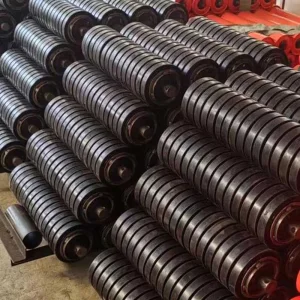
We manufacture a complete line of high-performance conveyor belts, rollers, and supporting accessories for bulk material handling systems.
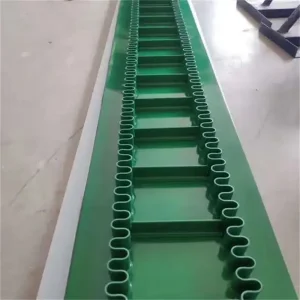
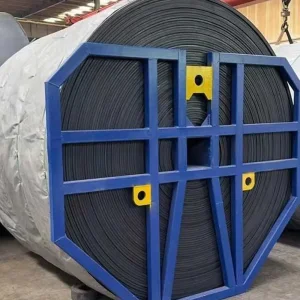
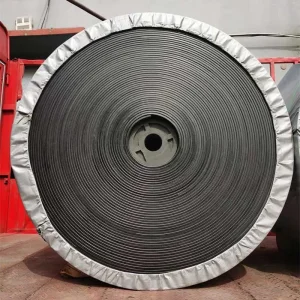
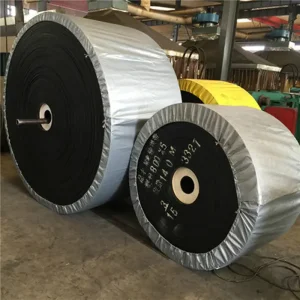
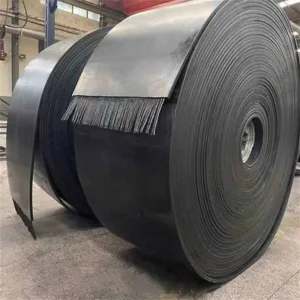
Our "Jinao" conveyor belt line includes a wide range of options designed to meet different operational requirements, including:
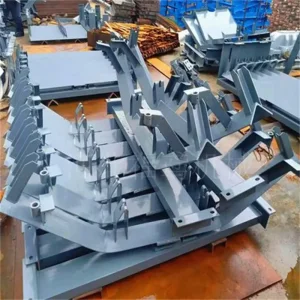
We supply all the essential components to keep your conveyor systems running smoothly and aligned:
Our products are used by leading industrial groups across mining, steelmaking, power generation, and infrastructure development projects.
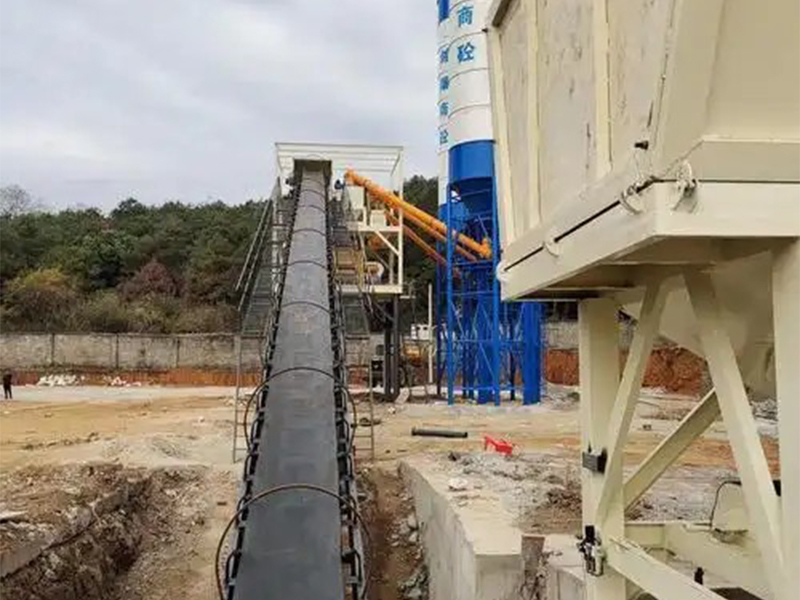
We supplied heavy-duty impact rollers and high-grip chevron conveyor belts to ensure reliable aggregate handling in their high-output concrete mixing operations.
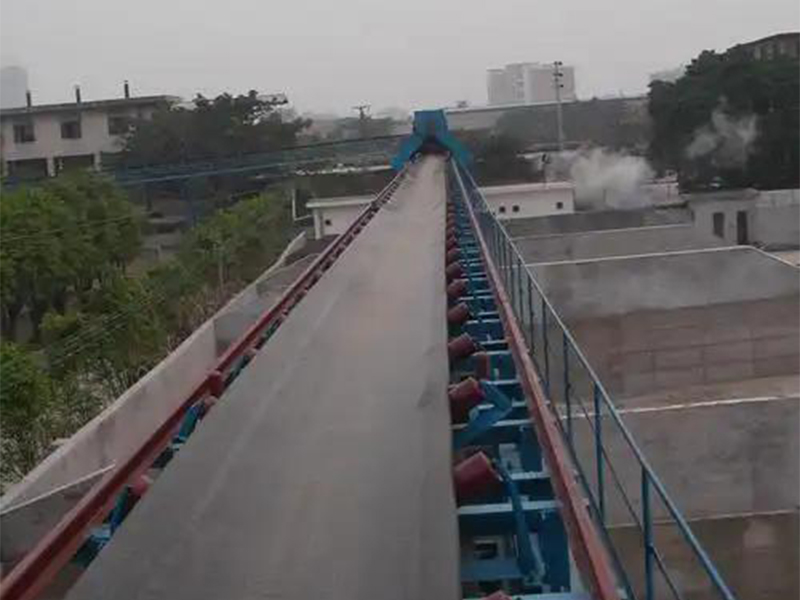
We provided heat-resistant rubber belts and custom-coated drive rollers to handle highly abrasive hot clinker under continuous operating temperatures of up to 150°C.
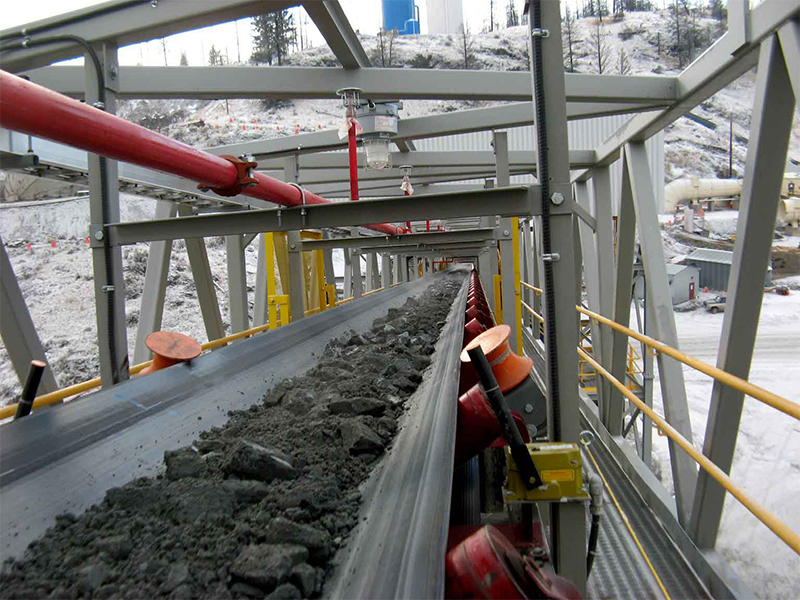
Our team delivered flame-retardant steel cord belts and large-diameter drive rollers to support high-capacity, safe underground coal transport.
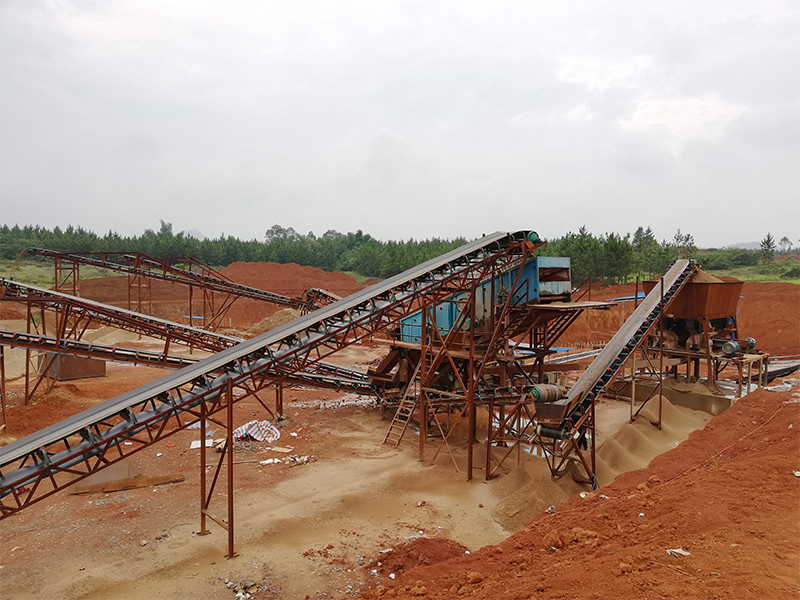
We supplied corrosion-resistant, rubber-lagged drive rollers designed to withstand the harsh conditions of international nickel smelting operations.
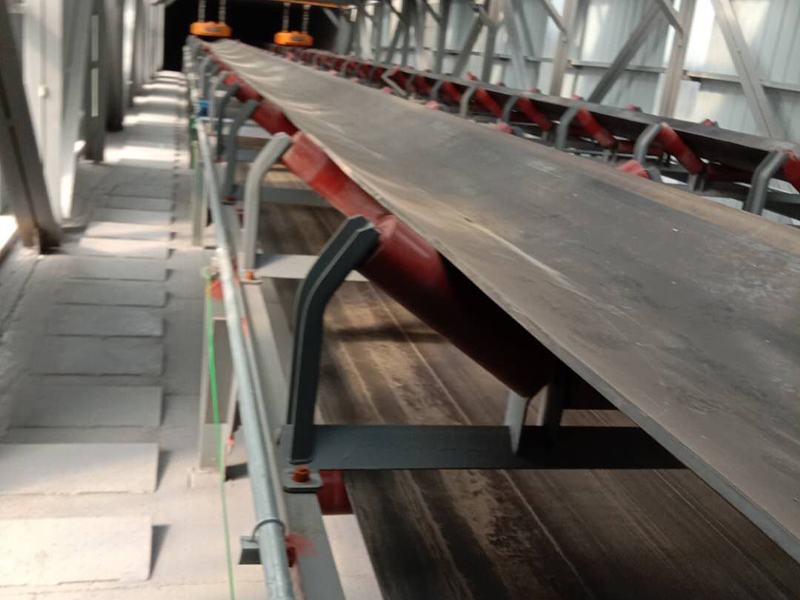
We provided high-capacity drive rollers and custom heavy-duty belts to keep blast furnace charging systems operating reliably under high-stress conditions.
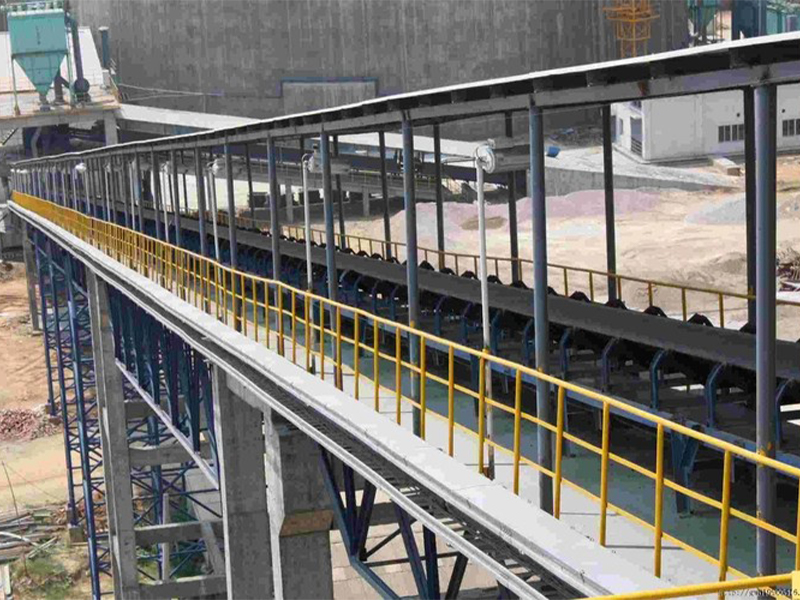
We deliver comprehensive bulk material handling setups for large industrial operations, including Jinmei Group's coal conveying lines and Puyang Steel's raw material feeds.
Our commitment to your operation goes far beyond manufacturing. We provide full lifecycle services to maximize the efficiency and safety of your conveyor systems.
We conduct complete site audits, measuring belt tension, tracking alignment, and checking roller wear to identify potential issues before they cause unexpected downtime.
We help coordinate backup stock of critical drive rollers and conveyor belts, matching our manufacturing schedule with your planned maintenance windows.
Our team supplies specialized cold adhesives and hot vulcanizing materials, along with step-by-step guidance, to ensure strong, long-lasting belt splice joints.
We provide comprehensive performance warranties on all our drive rollers and belts, supported by dedicated engineers to assist with troubleshooting and setup.
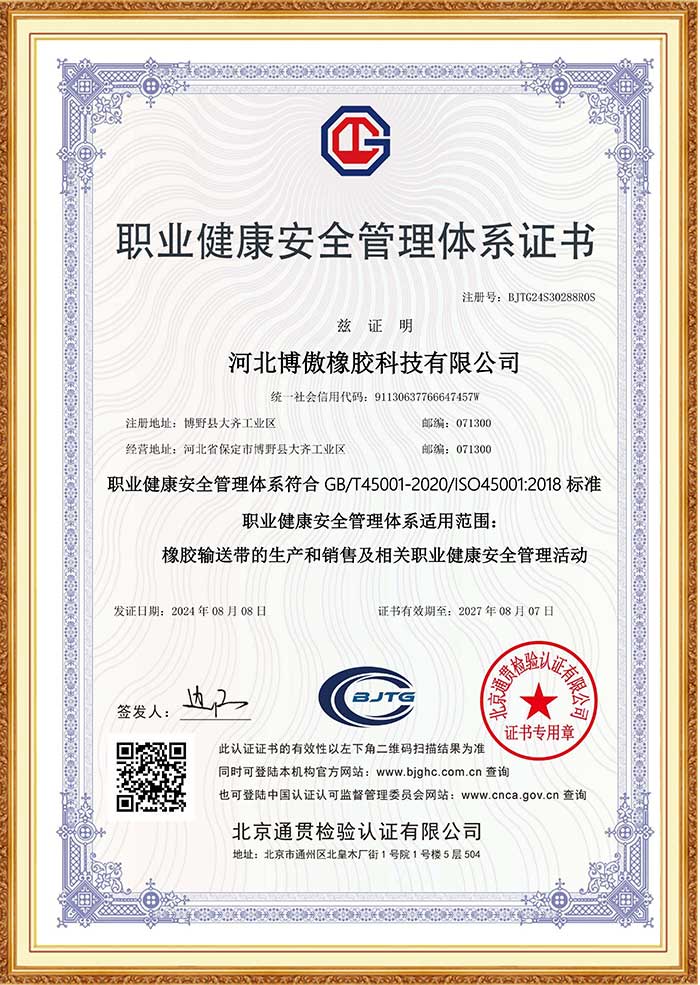
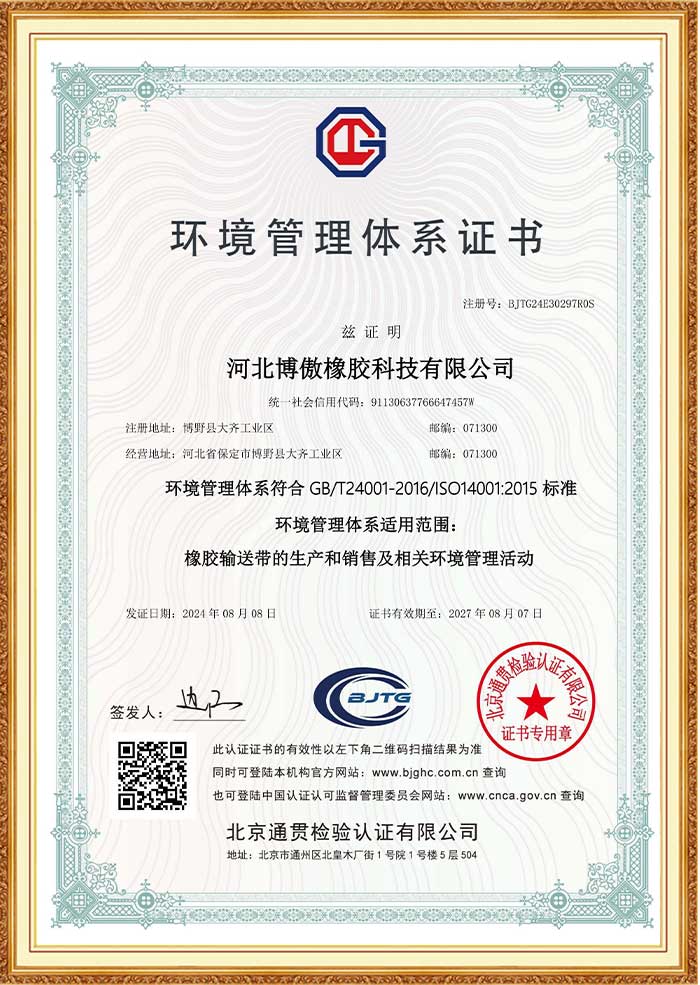
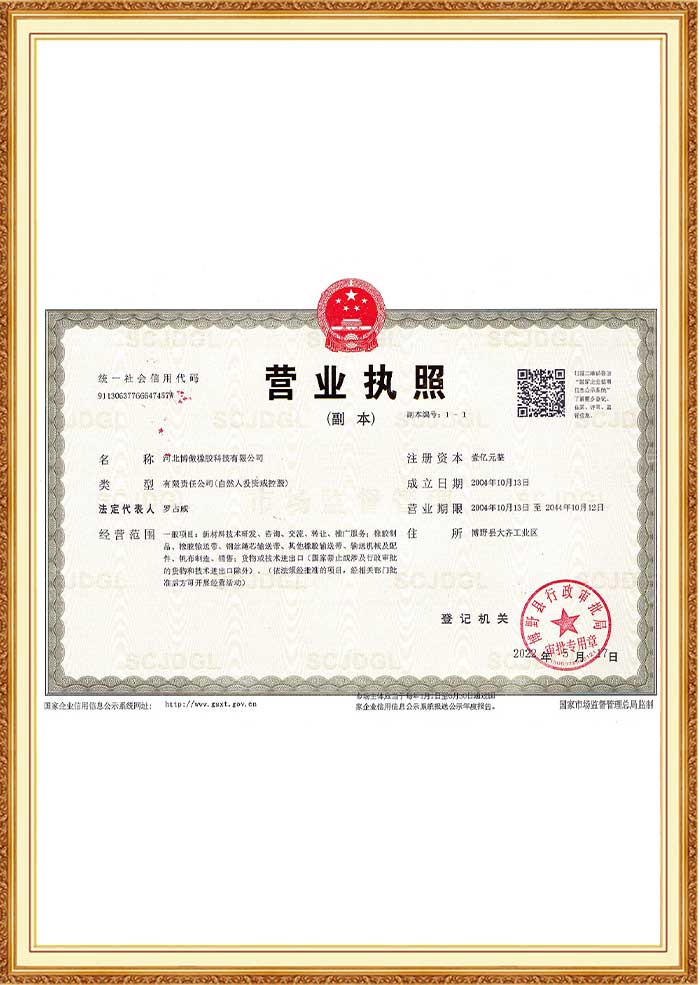
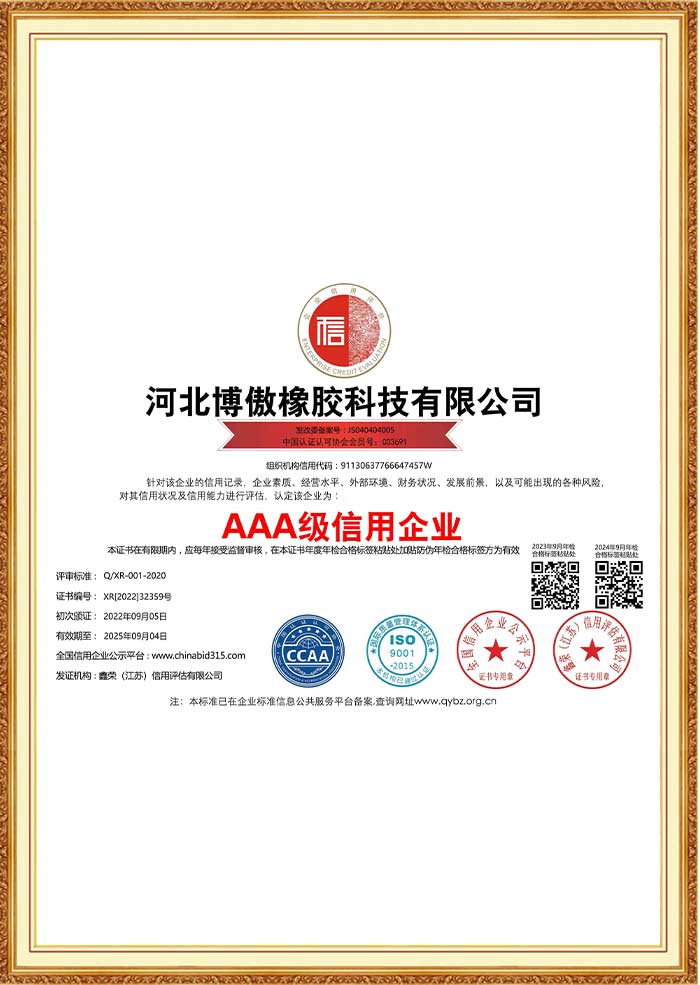
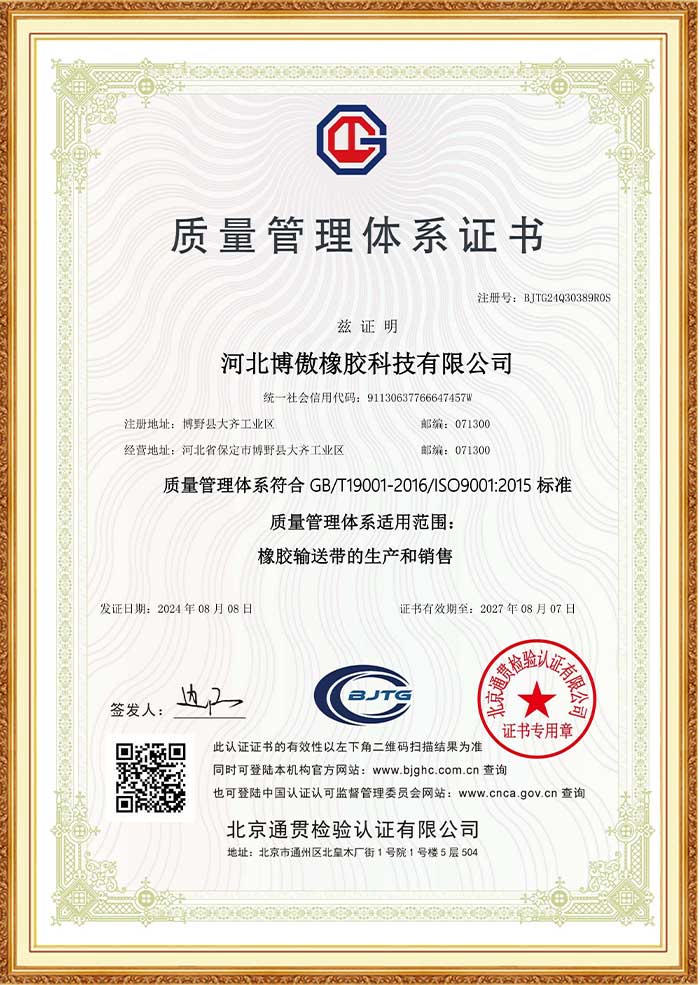
Our manufacturing facility and processes are fully certified to meet international standards for quality and safety.
Find quick answers to common technical and sourcing questions about rubber-coated conveyor drive rollers.
Explore our wider range of high-durability belts, supporting brackets, and impact-absorbing idler rollers.
 Boao Rubber