EEAT Whitepaper Edition

China Conveyor Belt Skirting Supplier & Factory

Premium Dust Containment, Spillage Prevention Systems & Engineering Solutions for Modern Industrial Bulk Material Handling

Featured High-Performance Conveyor Systems

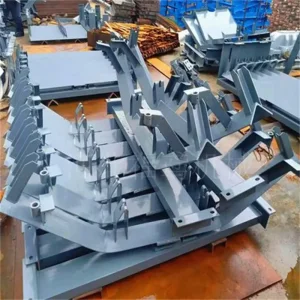
Best Conveyor Belt Idler Roller Suppliers

Best Conveyor Belt Idler Roller Suppliers, Factory

VIEW DETAILS →
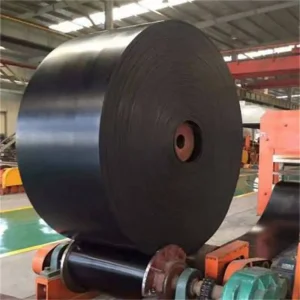
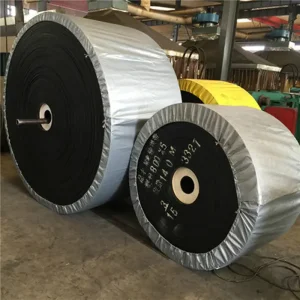
Best High-Quality Nylon Rubber Conveyor Belts

Best High-Quality Nylon Rubber Conveyor Belts from China Suppliers | Durable Polyamide (NN) Conveyor Belt Factory

VIEW DETAILS →
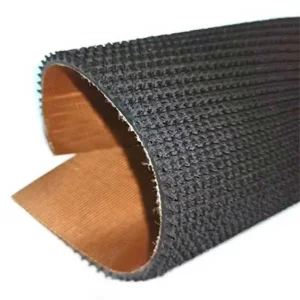
China Suppliers Factory Patterned Conveyor Belts

China Suppliers Factory Patterned Conveyor Belts: Magic Carpet, Concave & Convex Designs for Optimal Transport

VIEW DETAILS →
China Heat-Resistant Rubber Conveyor Belts

China Heat-Resistant Rubber Conveyor Belts from China Suppliers - High-Quality Products

VIEW DETAILS →
Patterned Rubber Conveyor Belts

China Suppliers Factory for Patterned Rubber Conveyor Belts with Customized Designs

VIEW DETAILS →
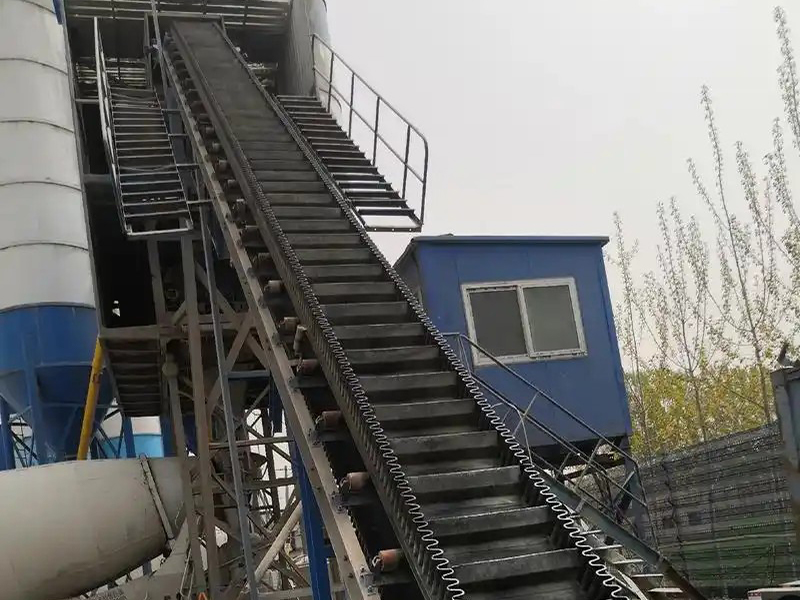
Rubber Lifting Conveyor Belt

Best High-Quality Rubber Lifting Conveyor Belt from China Suppliers for Material Handling

VIEW DETAILS →
Flame Retardant Rubber Conveyor Belt

Best Flame Retardant Rubber Conveyor Belt from China Suppliers - High-Quality Factory Solutions

VIEW DETAILS →
China Nylon Rubber Conveyor Belt

China Nylon Rubber Conveyor Belt - High Strength Polyamide (NN) Belts from China Suppliers

VIEW DETAILS →

Precision Engineering & Dynamic Containment

Hebei Boao Rubber Technology Co., Ltd. (Jinao brand) manufactures heavy-duty conveyor systems engineered to prevent dust emission, eliminate material spillage, and optimize overall belt operational performance. With integrated testing facilities and a comprehensive production environment, we deliver the resilience and high standards required for critical mining, steel, and cement operations.

22+
Years Industry Experience
30+
Acres Production Facility
100%
Quality Certified

1. The Physics of Material Spillage & The Critical Role of Conveyor Belt Skirting

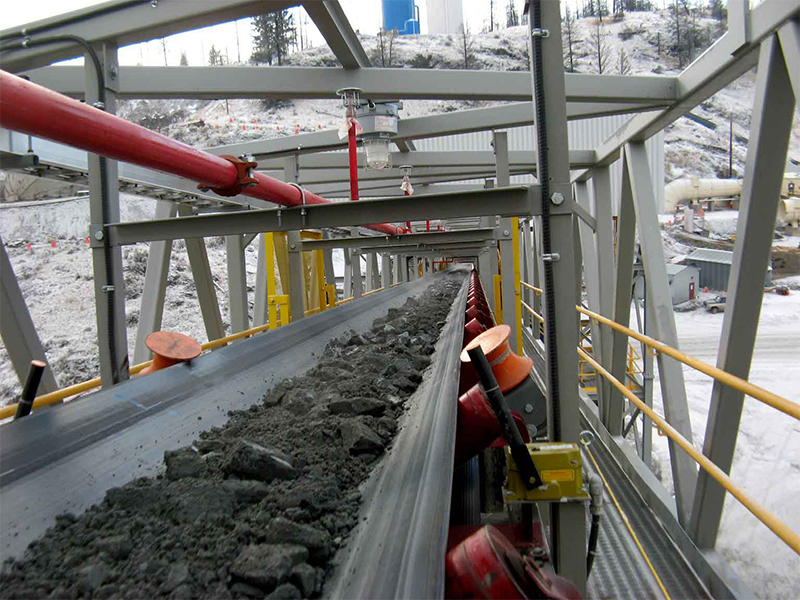
In modern industrial bulk material handling, the transfer point is the most vulnerable zone in the entire conveyor network. When heavy materials drop from one conveyor chute to another, kinetic energy creates extreme pressure differentials, generating turbulent air movement loaded with fine dust particles. Concurrently, larger materials bounce, slide, and seek paths of least resistance, leading to spillage off the belt edges.

This is where high-quality Conveyor Belt Skirting becomes essential. Skirting is not just a passive piece of rubber; it is a highly engineered dynamic seal. Traditional simple rubber strips fail to accommodate belt vibration, sag, and minor tracking offsets, resulting in accelerated belt wear or massive containment failure. Modern skirting solutions employ multi-seal configurations: a primary sealing flap that handles heavy materials inside the chute, and a secondary, flexible sealing membrane that conforms to the belt surface, containing fine dust via negative pressure containment fields.

Without adequate skirting, the physical and economic consequences are severe:

  • Accelerated Component Wear: Spilled material migrates into idlers, return rollers, pulleys, and structural bearings, causing abrasive destruction and premature roller seizure.
  • Unscheduled Downtime: Material accumulation forces emergency shutdowns for manual cleaning, leading to significant loss of throughput.
  • Safety Hazards & Compliance Risks: Airborne dust particles pose respiratory hazards to workers, create explosive environments in underground coal systems, and violate stringent EPA dust control regulations.
  • Structural Belt Damage: Improperly installed, rigid skirting can gouge deep grooves into the conveyor belt's top cover, rendering expensive textile (EP/NN) or steel cord belts useless long before their natural operational lifespan ends.

2. Comprehensive Technical Classification & Material Selection

Choosing the correct skirting profile and material composition dictates the sealing efficiency and service life of the conveyor system. Standard configurations generally fall into two primary types based on structural design and elastomer formulations:

Polyurethane Skirting Systems

Fabricated using highly durable polyurethane prepolymers, PU skirting exhibits up to 3 to 5 times the wear resistance of natural rubber. It features a lower coefficient of friction against the rubber belt, which dramatically reduces frictional heat and drag on the conveyor drive motor.

Dual-Seal Rubber Skirting

Featuring a double-sealing design, the primary seal blocks bulk material flow, while the outer secondary flap acts as a flexible dust containment seal. This dual-lip configuration uses specialized EPDM or natural rubber compounds that flex dynamically during belt fluctuation.

Flame-Retardant & Anti-Static

Specifically engineered for underground mining and hazardous environments. Meets global safety standards (like MSHA, ISO 340, and DIN EN 20340) by incorporating specific chemical additives that suppress combustion and safely dissipate electrostatic charges.

From an engineering perspective, material hardness must be carefully balanced. Under standard specifications, skirting material should ideally have a Shore A hardness of 10 to 15 points *lower* than the conveyor belt cover itself (typically 60 to 70 Shore A for belts, vs 50 to 55 Shore A for skirting). This deliberate design choice ensures that the skirting acts as the sacrificial wear component, preserving the structural integrity of the high-value conveyor belt.

3. Why Hebei Boao Rubber Technology is the Premier Choice

Founded in 2004 and spanning over 30 acres in the Rubber Industrial Park of Boye County, Baoding, Hebei Province, Hebei Boao Rubber Technology Co., Ltd. (brand "Jinao") has established a complete manufacturing chain. Over 22 years of structural evolution has transformed our facility into a global hub for conveyor belting and accessory design.

We operate an independent, state-of-the-art chemical analysis laboratory and physical testing facility. Every single batch of raw material—from synthetic polymers to reinforcing fabrics and compounding agents—is cataloged, tested for tensile strength, elongation, abrasion loss, and ozone resistance before entering our automated production line. Under our certified international quality management system, products that do not match our tolerances are rejected. We offer direct-from-factory logistics, eliminating intermediate markups while ensuring direct engineering support for complex bulk handling layouts.
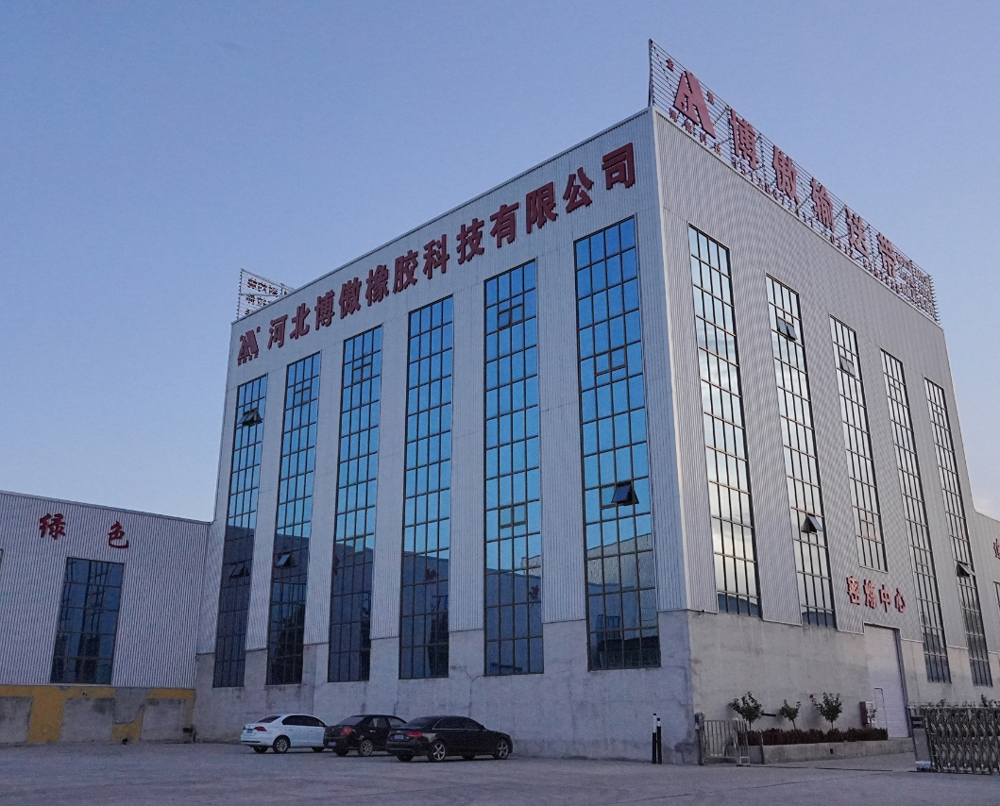
Boao Advanced Testing Laboratory & Factory Floor

4. Localized Application Scenarios & Engineering Optimization

Industrial conveyor belt systems require different configurations depending on environmental conditions, material weight, and ambient temperatures. Below are key localized application scenarios showing how specialized skirting handles specific material threats:

Heavy Mining & Iron Ore Handling

Large iron ore lumps falling onto heavy steel cord belts require heavy impact beds and robust skirting. High Shore A polyurethane dual skirting is installed to withstand continuous abrasion and prevent edge-cutting by heavy fragments.

Coal-Fired Power & Underground Mining

Requires strict compliance with flame-retardant and anti-static standards. Skirting systems here must incorporate self-extinguishing compounds. The focus is to suppress explosive coal dust while maintaining zero static build-up along the belt line.

Cement Factories & High-Temp Clinker

Handling hot cement clinker requires heat-resistant skirting. Standard rubber degrades quickly under temperatures exceeding 100°C. We design specialized heat-stabilized EPDM skirting to prevent premature hardening and cracking.

5. Technology Roadmap: The Next Generation of Sealing Systems

As heavy industry shifts toward Automation and Industry 4.0, conveyor monitoring must evolve as well. The future of sealing systems is no longer passive; it is active, intelligent, and low-maintenance. Our developmental pipeline focuses on several technological key points:

Phase 1: Real-Time Wear Monitoring (IoT)

Integrating micro-electronic conductive wire sensors inside the polyurethane skirting. As the skirting wears down, the circuit breaks, sending an automated alert to the control room indicating that maintenance or adjustment is required.

Phase 2: Self-Adjusting Tensioners

Replacing standard manual steel wedge clamp systems with pneumatic or spring-loaded self-adjusting brackets. These brackets maintain constant, gentle pressure on the belt despite skirting wear, ensuring reliable containment without over-tightening.

Phase 3: Self-Lubricating Formulations

Compounding solid lubricants (such as PTFE or graphite particles) into the polyurethane elastomer matrix. This lowers the friction coefficient to under 0.15, protecting high-speed belts and saving electricity.

Phase 4: Eco-Friendly Recyclable Materials

Replacing traditional vulcanized rubber thermosets with advanced thermoplastic elastomers (TPE). These materials perform as well as rubber but can be melted down and recycled at the end of their service life, reducing industrial waste.
6. Factory Facility Tour & Production Environment

Boao Production Process Slide 1 Boao Production Process Slide 2 Boao Production Process Slide 3 Boao Production Process Slide 4 Boao Production Process Slide 5 Boao Production Process Slide 6 Boao Production Process Slide 7 Boao Production Process Slide 8 Boao Production Process Slide 9 Boao Production Process Slide 10

7. China Factory Supply Chain Resilience & Global Trade Advantages

In the post-pandemic industrial era, supply chain resilience is as critical as product quality. Sourcing skirting systems and conveyor belts directly from Hebei Boao Rubber Technology offers major strategic advantages for international buyers:

  • Raw Material Security: Located in Baoding, the rubber industrial heart of Northern China, we enjoy direct, uninterrupted access to raw elastomers, pigments, and advanced chemical additives. This geographic integration protects our buyers from volatile raw material shortages.
  • Advanced Vulcanization & Rolling Equipment: Our investment in automated high-capacity vulcanizing presses, modern rolling mills, and continuous PU casting lines allows us to produce high volumes with uniform thickness and chemical consistency.
  • Cost Efficiency: By coupling automated production with local raw materials, we achieve competitive manufacturing costs. These savings are passed directly to our global customers.
  • Rapid Customization & Lead Times: Unlike traditional manufacturers restricted to standard configurations, our engineering team can modify moulds, adjust Shore A hardness levels, and alter fire-retardant properties to meet client specifications, shipping customized orders in weeks.

8. Our Certified Excellence & Global Compliance

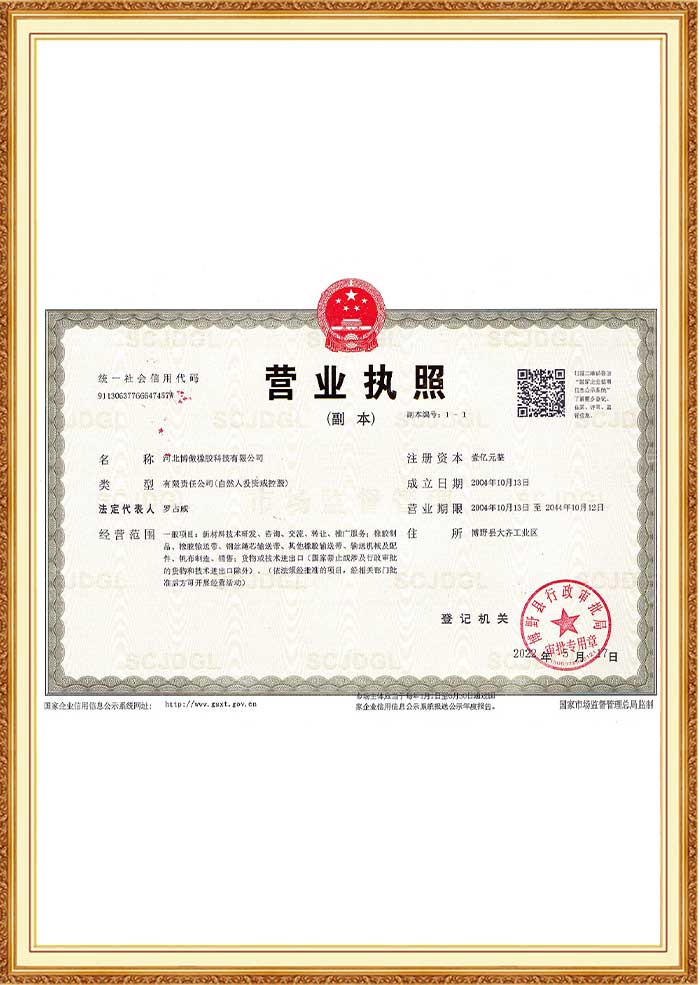
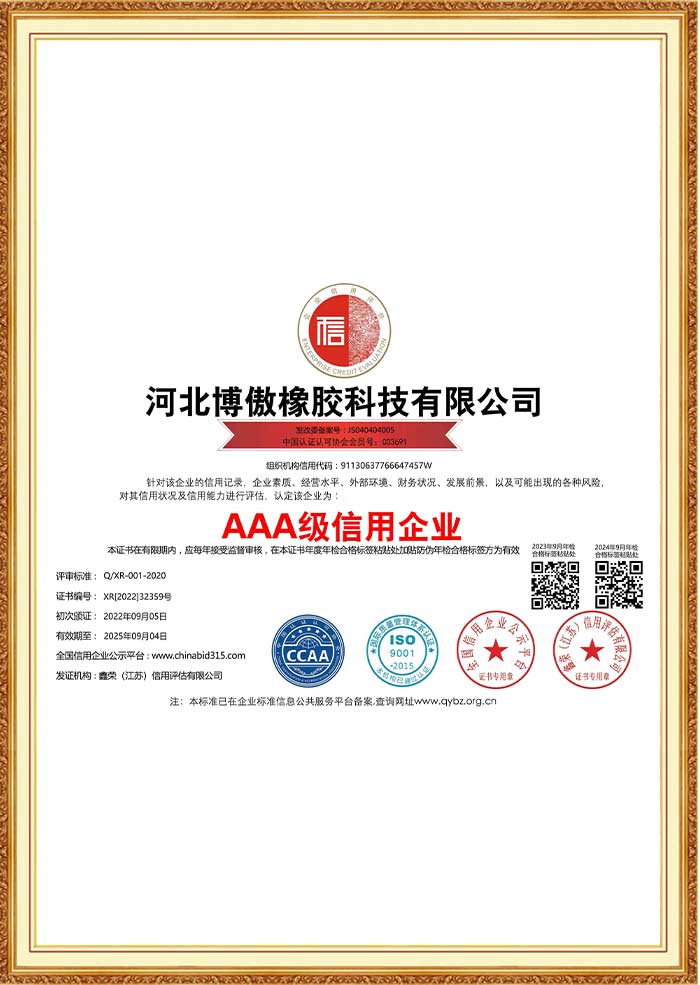
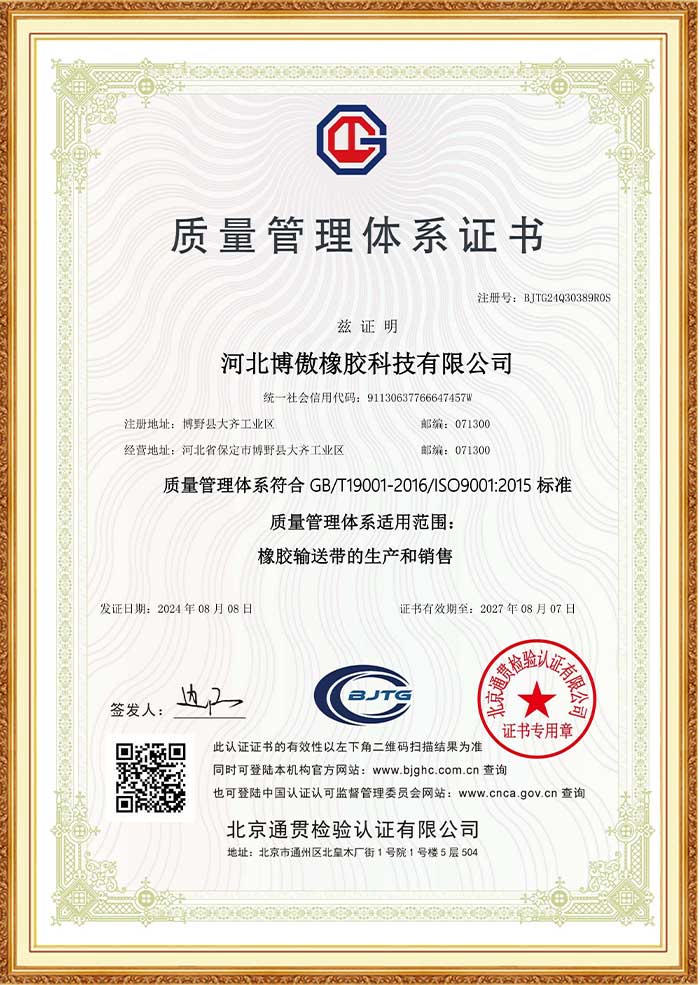
We are fully certified under international quality management systems. Our test labs continuously verify structural metrics to guarantee that every shipment matches global mining and environmental compliance rules, ensuring high performance in diverse operating environments.
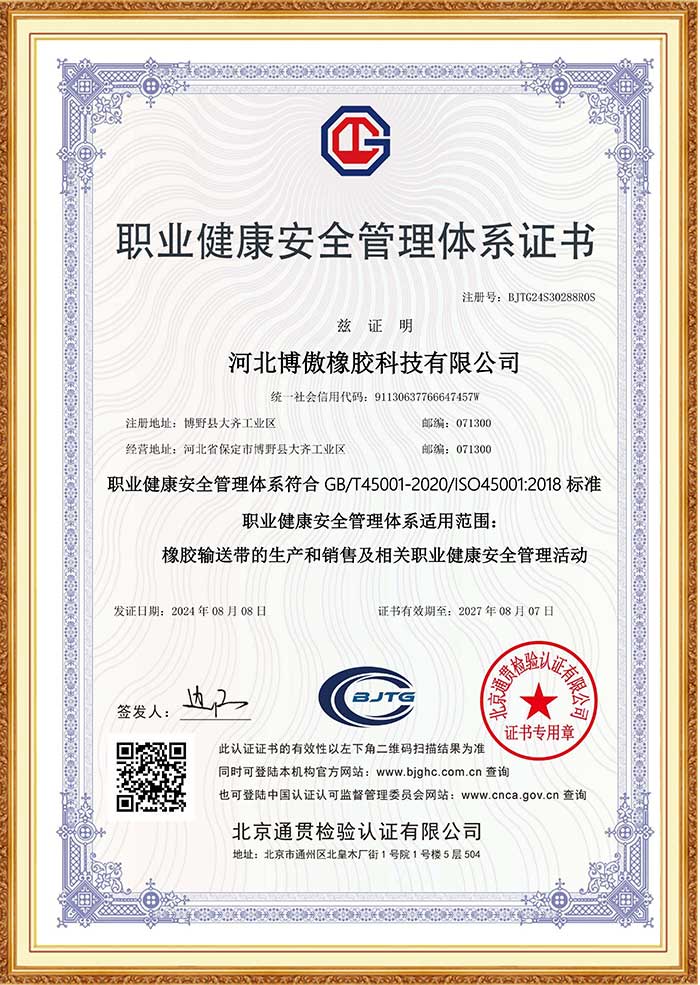
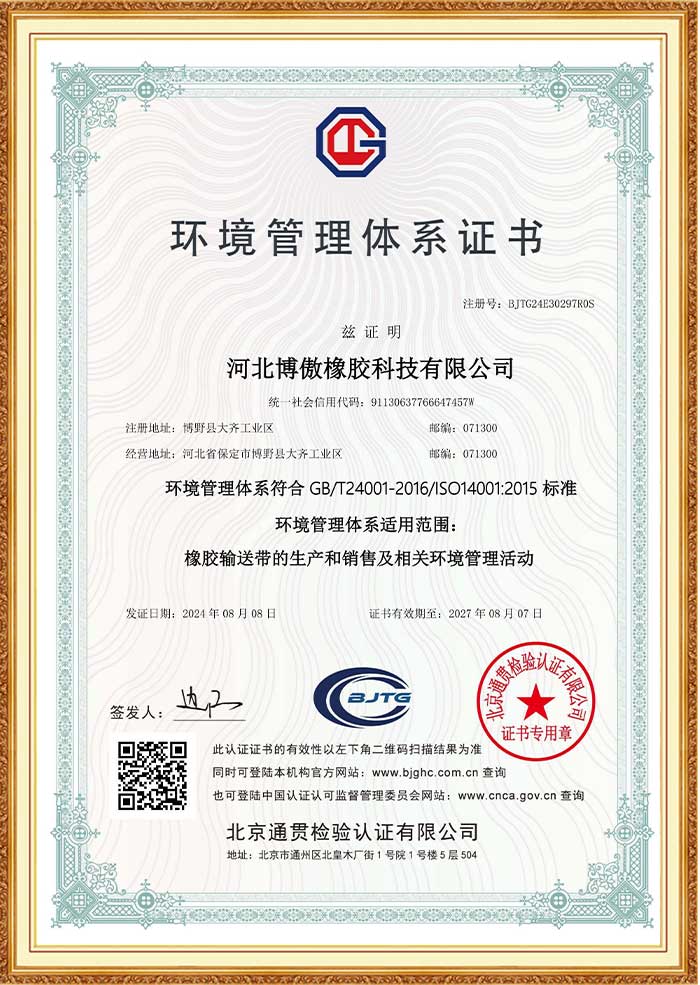
Quality Certificate 1 Quality Certificate 2 Quality Certificate 3 Quality Certificate 4 Quality Certificate 5

Proven Reliability: Global Collaboration Cases

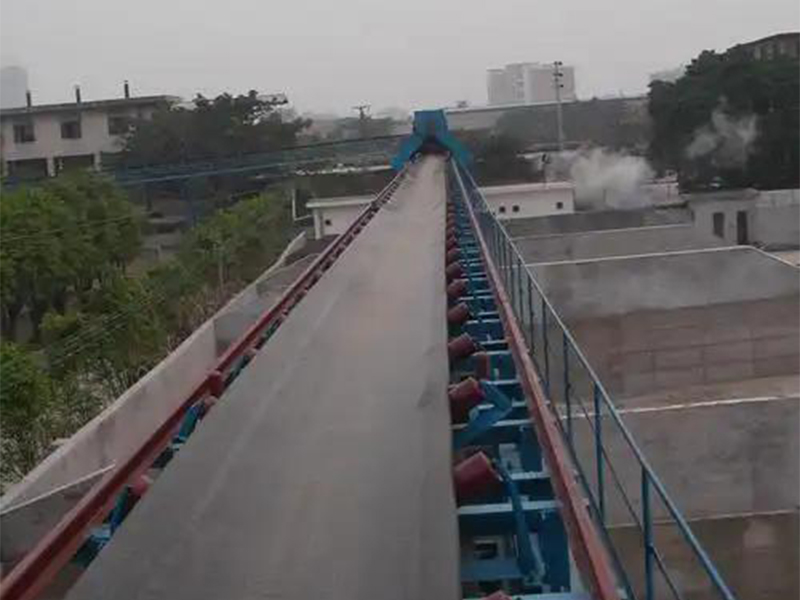
Our products have been deployed across major industrial projects worldwide, demonstrating high durability and performance under harsh, continuous-duty environments.
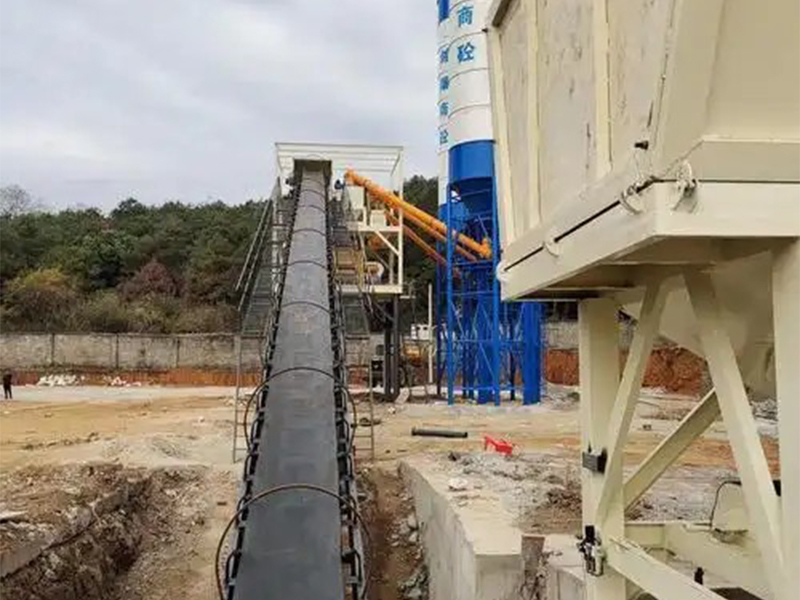
China Railway Group Mixing Plant

China Railway Group Mixing Plant

Conch Cement

Conch Cement

Datong Coal Group

Datong Coal Group

Tsingshan Group

Tsingshan Group

Jidong Cement Group

Jidong Cement Group

Jinmei Group Coal Conveying Line

Jinmei Group Coal Conveying Line

Taihang Steel

Taihang Steel

Puyang Steel Group

Puyang Steel Group

Conveyor Belt Skirting & Sealing Systems FAQ

Why choose polyurethane skirting over traditional natural rubber?
Polyurethane offers significantly higher abrasion resistance (up to 3 to 5 times that of natural rubber) and a lower coefficient of friction. This reduces the drag on the conveyor belt and drive motors while extending maintenance intervals, resulting in a lower total cost of ownership.
How does double-seal skirting prevent fine dust emission?
Double-seal skirting uses a primary inner seal to contain large material and a secondary outer seal that flexes to follow the belt. This dual-lip configuration creates a sealed chamber that traps fine dust, keeping it on the belt path.
What Shore A hardness should conveyor belt skirting have?
Skirting rubber should be softer than the conveyor belt to prevent belt cover wear. Generally, skirting should be 50 to 55 Shore A, which is 10 to 15 points lower than typical conveyor belt covers (60 to 70 Shore A).
How often should conveyor skirting be adjusted?
Adjustment intervals depend on material abrasiveness, belt speed, and conveyor load. Standard rubber skirting needs weekly or bi-weekly manual adjustment, whereas self-adjusting spring-loaded or polyurethane skirting systems can operate for months without manual intervention.
Are Boao skirting products flame-retardant and anti-static?
Yes, we manufacture flame-retardant and anti-static skirting systems that comply with global mining safety regulations (such as MSHA, ISO 340, and DIN EN 20340). These are designed for underground coal mines and dust-sensitive, explosive environments.
How do you install conveyor skirting without damaging the belt?
Install the skirting with light, uniform pressure against the belt surface. Avoid over-tightening or excessive downward force, as this increases friction, heat, and wear. Using a quick-release clamp system helps maintain the correct angle and pressure across the sealing zone.
What causes material spillage in conveyor transfer points?
Spillage is typically caused by inadequate sealing, material turbulence in the chute, worn skirting rubber, poor belt support (lack of impact beds), or belt tracking issues. High-performance skirting, paired with proper impact beds, prevents these containment failures.
Can you customize skirting shapes and dimensions?
Yes. As a factory with in-house design capabilities, we customize skirting thickness, width, length, edge bevels, and dual-seal dimensions to match your specific transfer chute configuration.

Submit Your Technical Requirements Directly to Our Engineering Team

Hebei Boao Rubber Technology Co., Ltd. provides customized sealing and conveyor solutions tailored to your operational conditions. We offer on-site consultations, custom tooling, and bulk pricing for mining, cement, steel, and industrial port installations. Contact us today to request a technical proposal.
High-Performance Accessories & Conveyor Belting

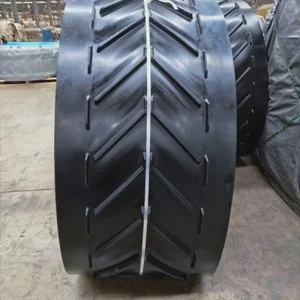
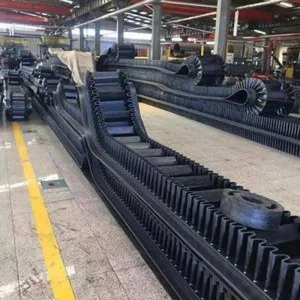
China High Angle Wavy Edge Rubber Conveyor Belt

China High Angle Wavy Edge Rubber Conveyor Belt - China Suppliers & Factory

VIEW DETAILS →
Best High-Quality Patterned Rubber Conveyor Belt

Best High-Quality Patterned Rubber Conveyor Belt from China Suppliers and Factory

VIEW DETAILS →
China Flame Retardant Rubber Conveyor Belt

China Flame Retardant Rubber Conveyor Belt from China Suppliers - Heat & Smoke Suppression

VIEW DETAILS →
China Nylon Rubber Conveyor Belt Suppliers

China Nylon Rubber Conveyor Belt Suppliers | Polyamide (NN) Conveyor Belt Factory

VIEW DETAILS →
Best Flame Retardant Rubber Conveyor Belt

Best Flame Retardant Rubber Conveyor Belt from China Suppliers | Reliable Solutions

VIEW DETAILS →
Best Acid and Alkali Resistant Conveyor Belt

Best Acid and Alkali Resistant Conveyor Belt from China Suppliers - Durable Solutions

VIEW DETAILS →
Best Acid and Alkali Resistant Conveyor Belt China

Best Acid and Alkali Resistant Conveyor Belt from China Suppliers - Durable Factory Solutions

VIEW DETAILS →
China Suppliers Factory Patterned Rubber Conveyor Belt

China Suppliers Factory Patterned Rubber Conveyor Belt with Human-Shaped Patterns

VIEW DETAILS →