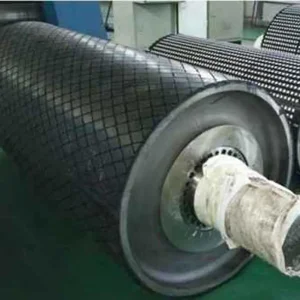
Explore our high-performance conveyor system parts designed for long lifecycle durability and heavy load operations.
Engineering & Design Analysis
In modern heavy-duty conveyor systems, bulk material handling plants face constant issues with belt tracking. A misaligned conveyor belt can cause catastrophic damage, including high-impact structural collision, premature belt edge wear, severe material spillage, and un-programmed plant shutdowns. To solve this design challenge, mechanical systems rely on self-aligning carrying idlers.
These components work as dynamic, auto-corrective devices. Installed at designated locations along the carrying side of the belt conveyor, they automatically pivot to correct any deviation from the central line. As the best self aligning carrying idler supplier & suppliers, we supply high-performance solutions designed to operate in high dust, humidity, and chemical exposure environments. The engineering behind our self-aligning systems integrates low-friction pivot bearings, heavy-duty structural steel frames, and precision manufactured polyurethane or vulcanized rubber guide rollers.
"Proper belt tracking reduces lateral mechanical forces on structural pulleys. Installing dynamic self-aligning carrying idler units at intervals of 15 to 20 meters stabilizes system tension and lowers energy consumption by up to 15% by reducing friction losses."
For large-scale plants, sourcing these critical components from an expert manufacturer is necessary. Dynamic imbalances in lower-quality idlers will increase structural fatigue, cause seal failures, and accelerate wear on high-tensile steel wire rope core belts. This whitepaper explains the design specifications, global industrial applications, and materials manufacturing requirements of self-aligning idlers.
Of Industrial Manufacturing Excellence
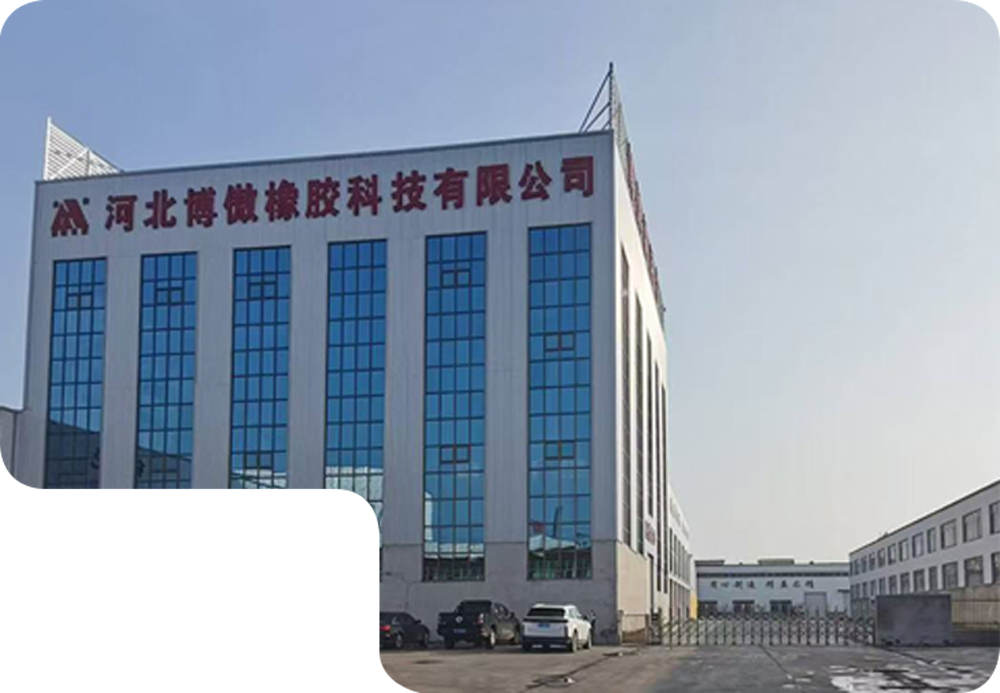
Hebei Boao Rubber Technology Co., Ltd. is located in the Rubber Industrial Park of Boye County, Baoding, Hebei Province, China. Founded in 2004, our facility covers an area of over 30 acres, specializing in raw material processing and manufacturing heavy-duty conveyor systems.
Our flagship brand "Jinao" stands for reliability in global bulk material handling. We operate advanced production lines for rolling, forming, vulcanization, and material testing. We monitor every step of production, from raw rubber processing to the final balance testing of heavy-duty idler rollers.
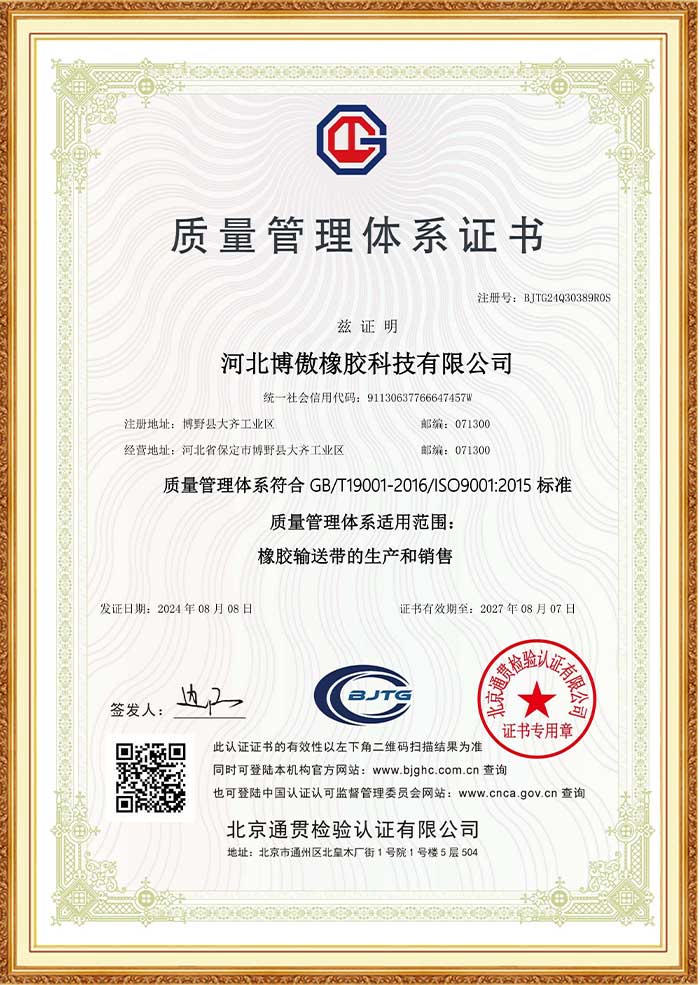
Through our ISO 9001 quality management system, our engineers design and supply conveyor belts and structural accessories for heavy industries worldwide.
Market Overview
The global demand for self-aligning carrying idlers is driven by the expansion of automated, high-speed, and wide bulk transport networks. In sectors like open-pit mining, coal fired power generation, deepwater marine ports, and integrated chemical plants, conveying distances are longer and capacity requirements are higher than ever. With systems reaching belt widths of 1800mm to 2400mm and operating at speeds over 5.0 m/s, manual alignment is no longer practical.
In response, mine operators and structural engineers are replacing legacy static supports with self-aligning carrying systems. Geographically, South America, Australia, South Africa, and Northern Europe are leading the transition toward heavy-duty, long-distance automated systems. These areas feature harsh mining conditions, where temperature extremes and abrasive materials demand reliable components. High-precision self-aligning rollers prevent side slip and keep material loads centered, protecting the system from edge wear.
Future Engineering Outlook
Modern material handling systems are moving toward digital integration and reduced maintenance requirements. The best self aligning carrying idler suppliers are investing in research and development to introduce smart technologies to traditional mechanical components.
Field Engineering Cases
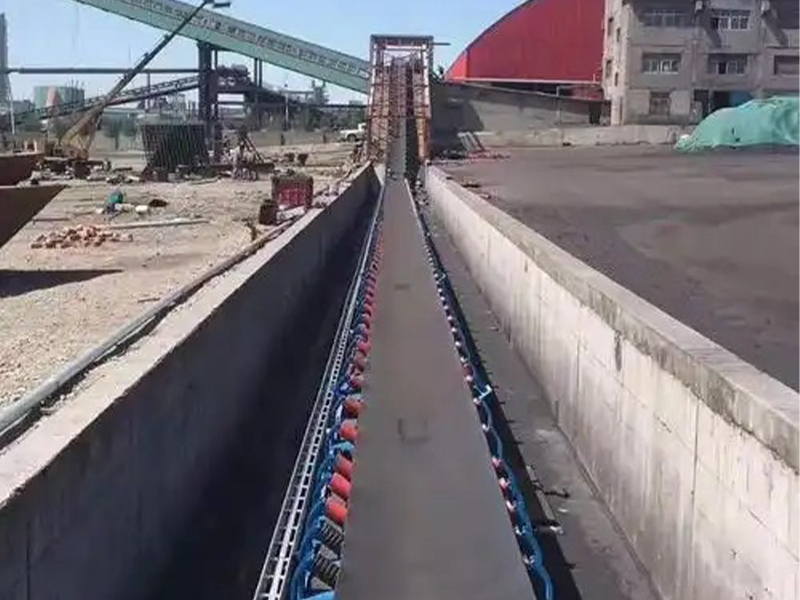
Marine loading terminals operate continuously under humid, corrosive, and windy coastal conditions. High crosswinds push long-span conveyor belts off-center. Our standard self-aligning carrying idlers are hot-dip galvanized and feature double-sided labyrinth grease seals (IP65 classification) to prevent salt water corrosion. The automated pivot mechanism ensures that even under maximum capacity load, any wind-induced belt drift is corrected in seconds, maintaining stable ship-loading speeds.
Moving hot sinter and slag requires heat-resistant conveyor belts and durable structural supports. In these environments, ordinary idler bearings can dry out and lock up. We supply self-aligning carrying idlers with high-temperature grease and heat-shielded pivot bearing blocks. These assemblies withstand operating temperatures up to 200°C without mechanical failure.
Underground mining operations require strict flame-retardant and anti-static performance. Our components feature certified anti-static properties. Jinao self-aligning idlers use non-sparking materials and flame-retardant rubber lagging on the guide rollers to prevent ignition hazards, meeting global mine safety standards.
How Hebei Boao Rubber Technology ensures E-E-A-T reliability standards in every production run.
We operate an independent chemical analysis room and physics laboratory. These facilities inspect all raw materials before processing, ensuring unqualified rubber and steel do not enter production.
Our testing includes tensile strength verification, rubber abrasion resistance measuring, steel pipe thickness analysis, and dynamic radial runout testing for all manufactured rollers.
Our quality control system maintains high manufacturing standards for every product. Through these tests, we supply components that meet international standards (including ISO, DIN, CEMA, and JIS).
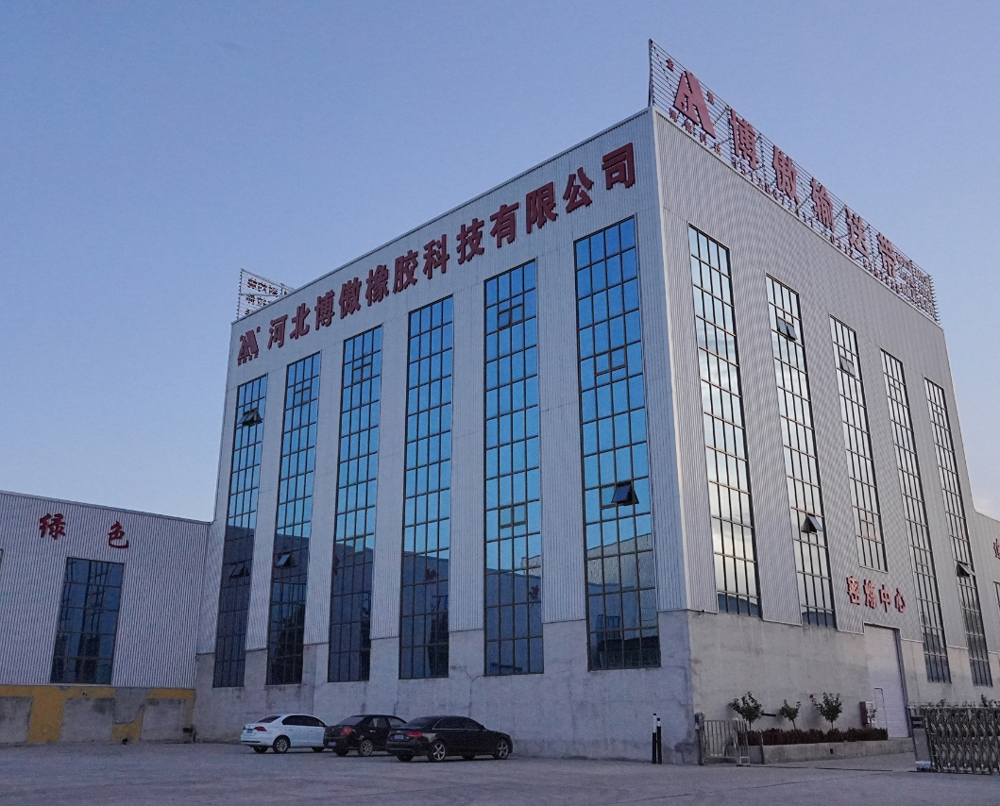
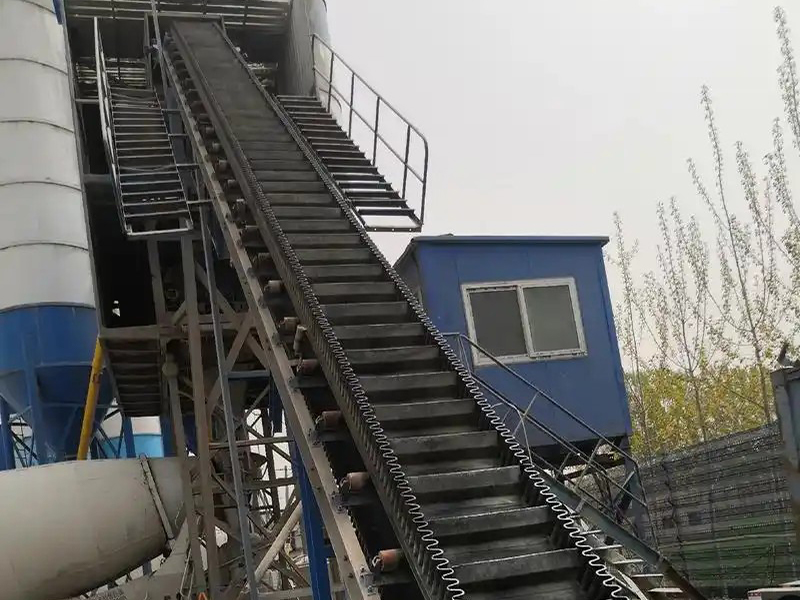
Our solutions are used by heavy industrial enterprises across mining, steel, and power generation sectors.
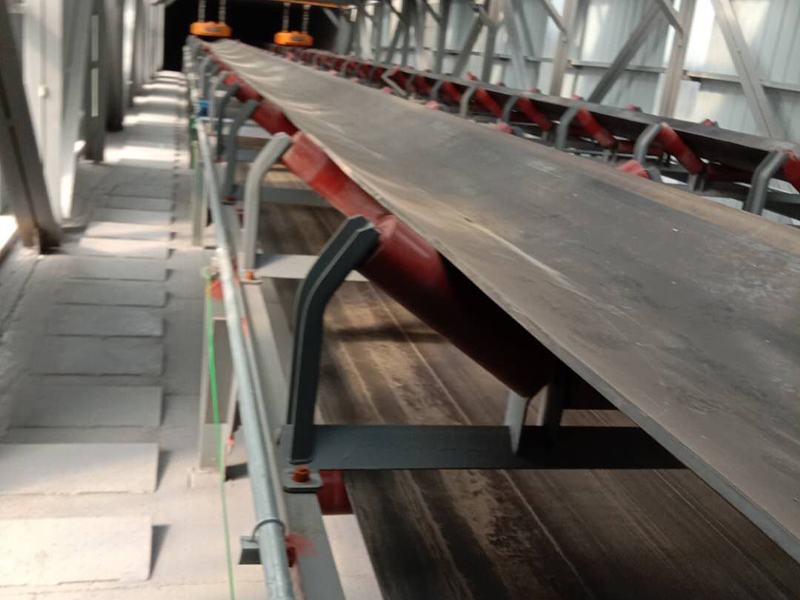
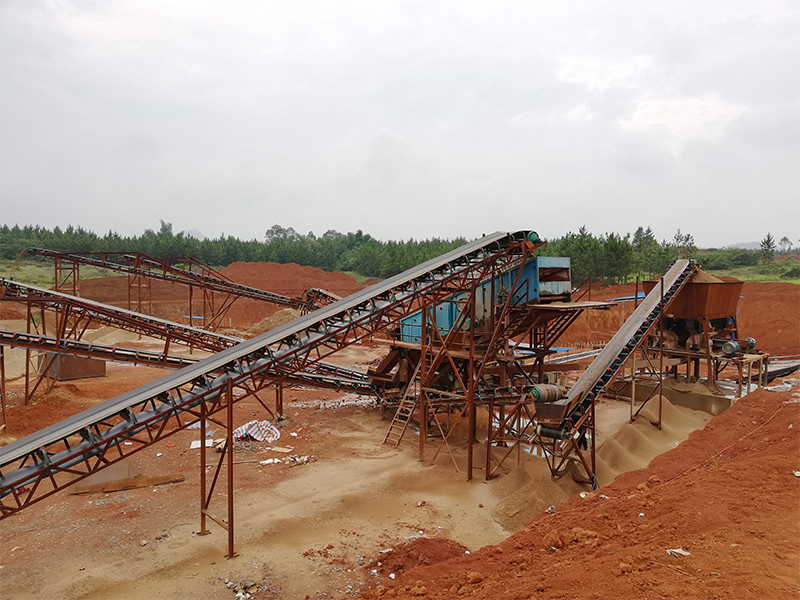
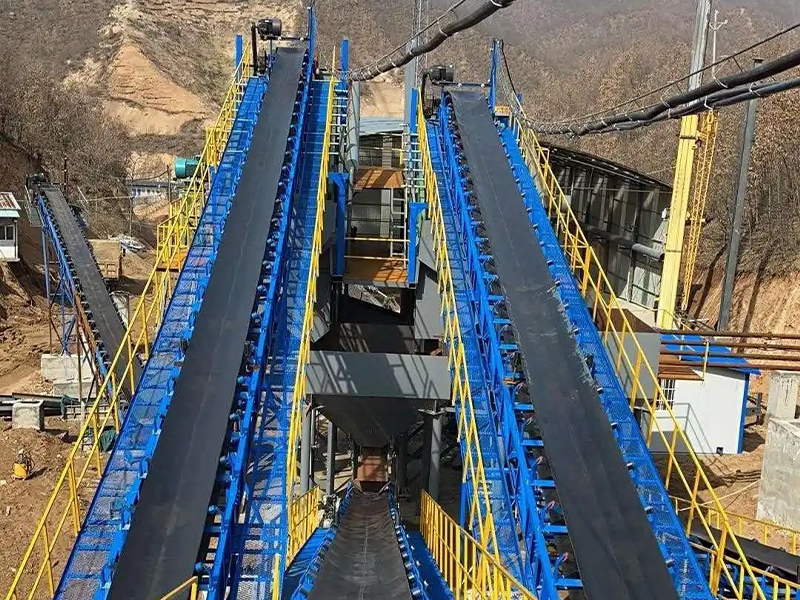
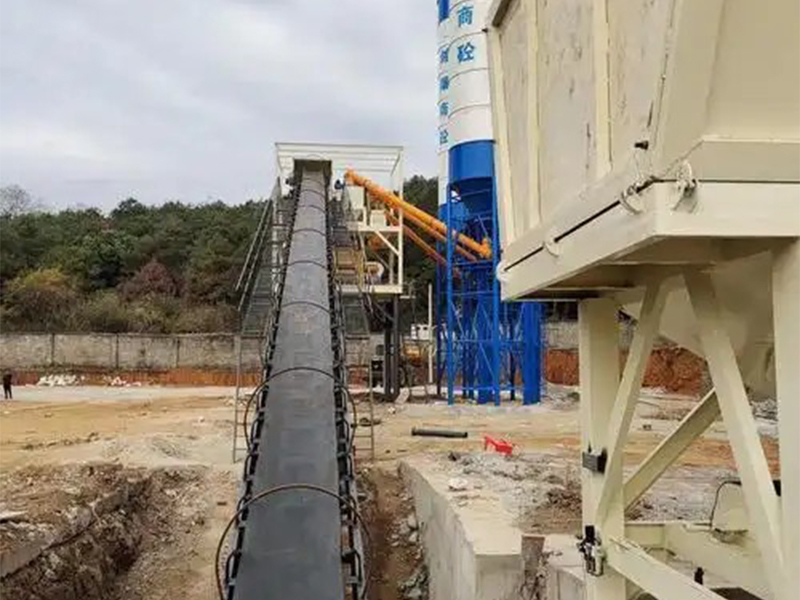
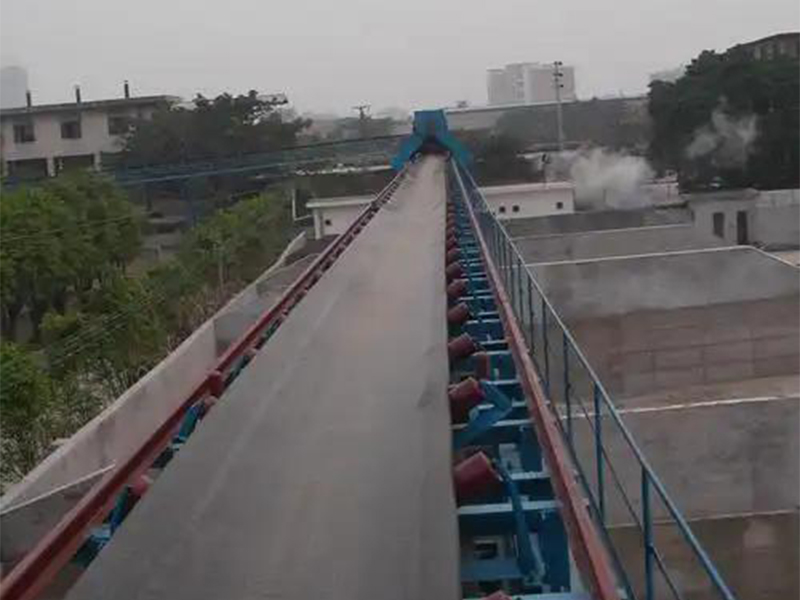
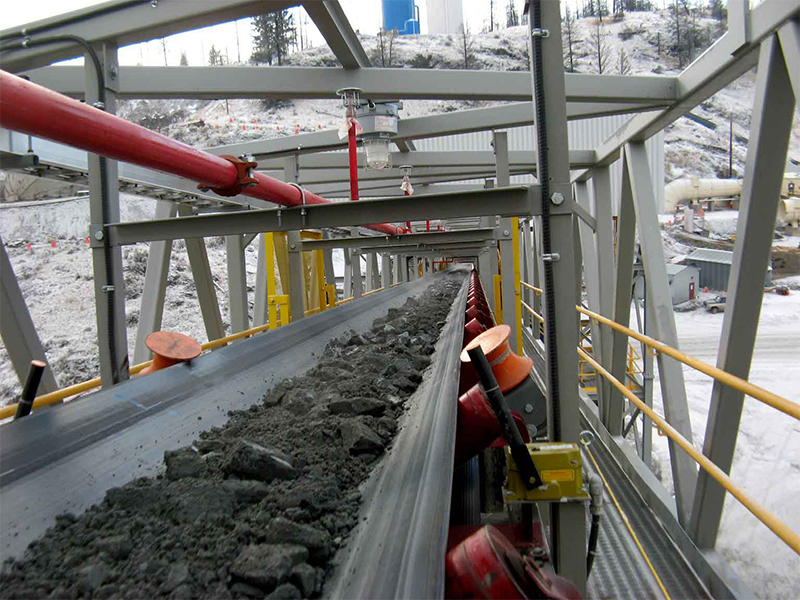
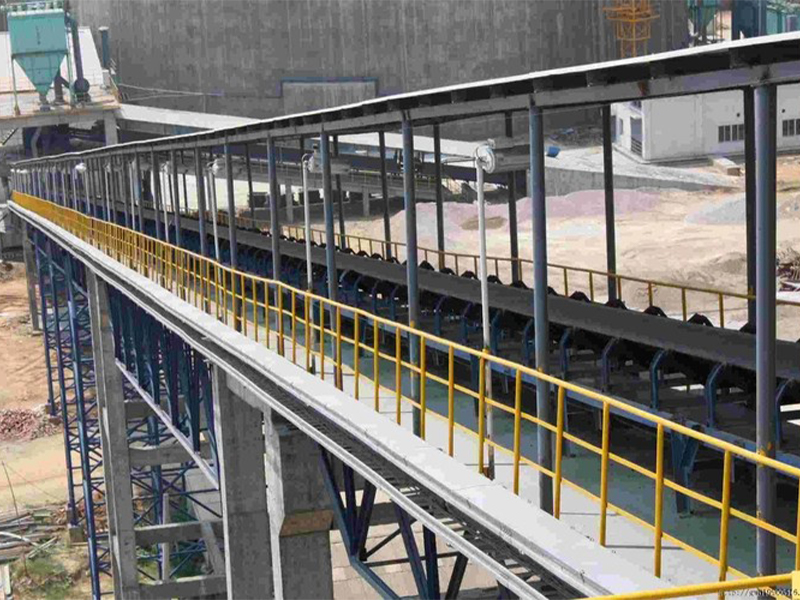
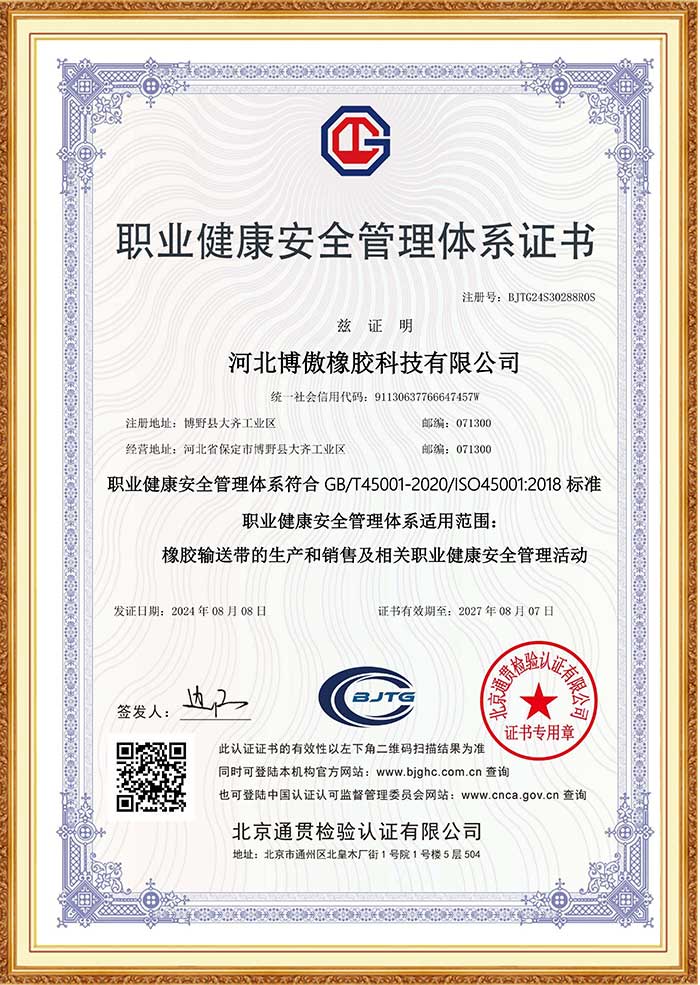
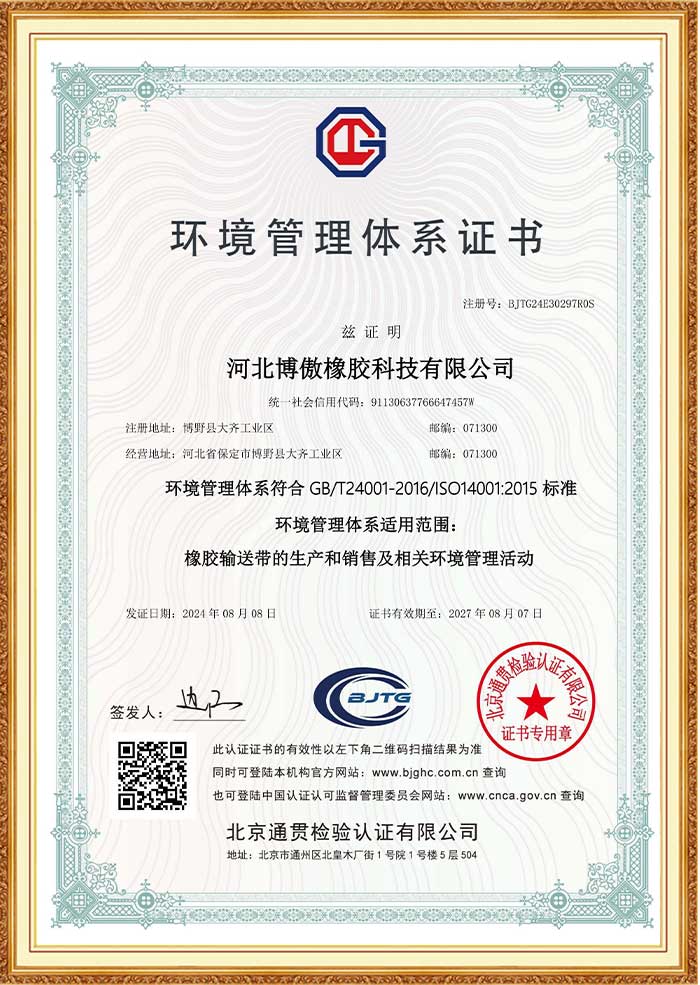
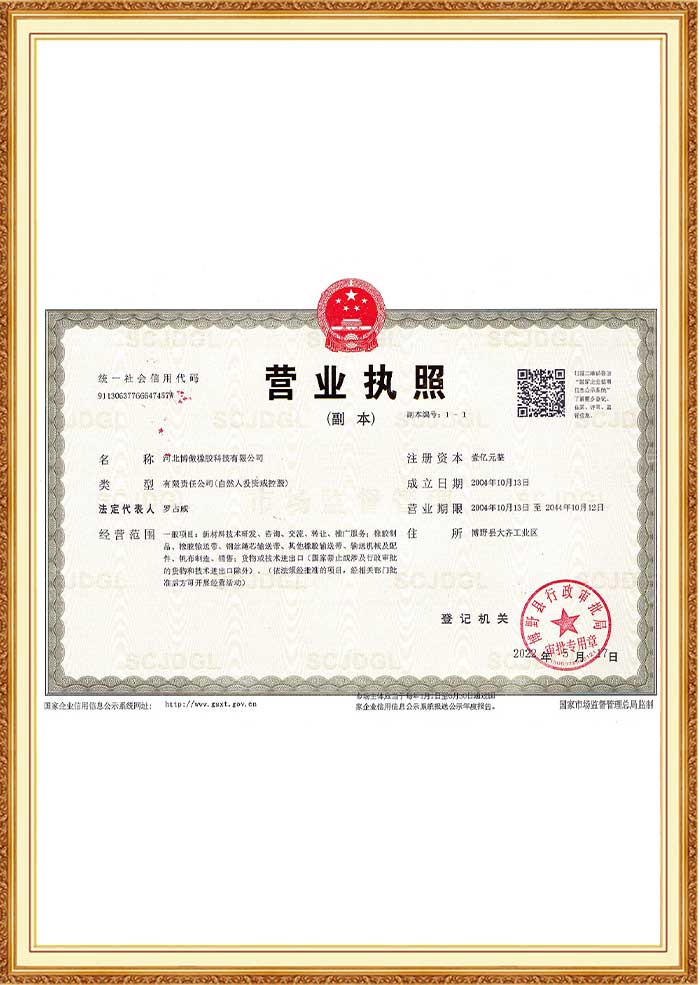
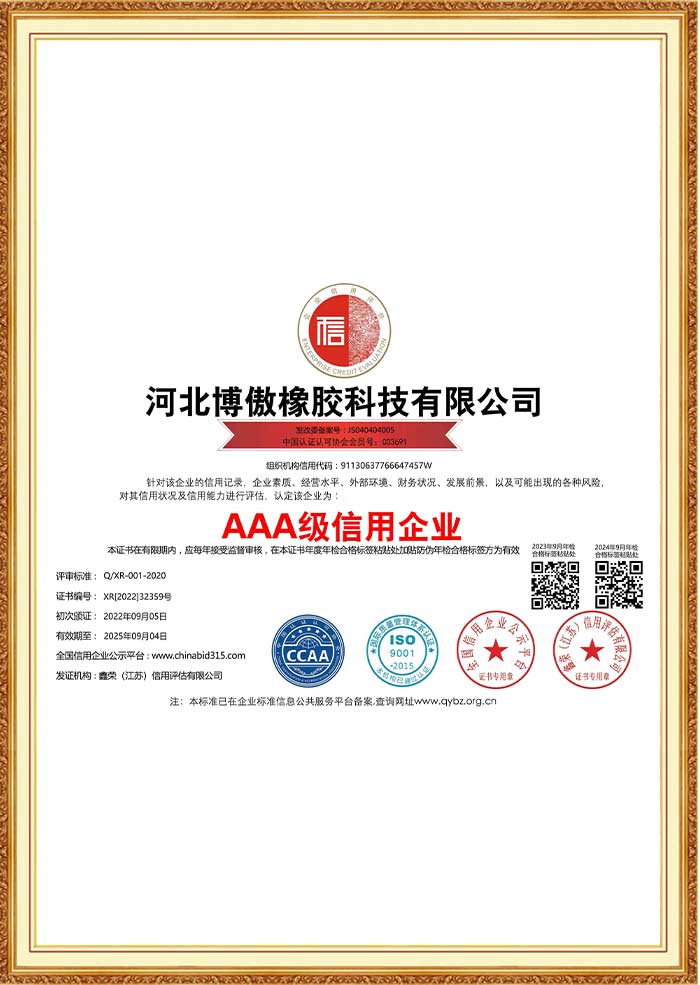
Our engineering and manufacturing standards are verified by international quality control bodies.
Scientific Development Plan
We are researching advanced labyrinth sealing mechanisms that exclude fine dust particles (under 10 microns). Our seal research aims to prolong bearing life in high-abrasion applications like gold mines and cement processing.
We are testing polyurethane coatings for roller shells. Polyurethane offers high abrasion resistance and has a lower coefficient of friction against wet clay, preventing build-up on the roller shell.
Our long-term roadmap includes developing active self-aligning units. These systems will use hydraulic cylinders or electric actuators powered by the conveyor's motion to adjust roller angles, providing precise alignment control for high-speed systems.
System Integration
Hebei Boao Rubber Technology Co., Ltd. supplies integrated bulk handling systems. Rather than sourcing individual components from multiple suppliers, we offer complete conveyor solutions designed to work together.
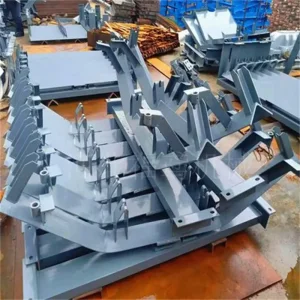
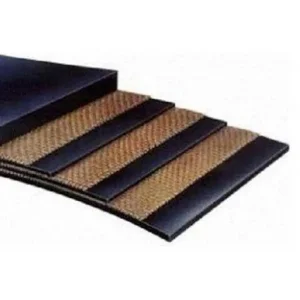
This integrated approach matches conveyor belts (including EP, NN, steel wire, and heat-resistant designs) with matching accessory rollers, impact bars, brackets, and self-aligning components. Choosing matching system components prevents common operational issues, such as mismatched trough angles and uneven tension distribution.
Answers to common technical questions about self-aligning carrying idlers and conveyor belt tracking.
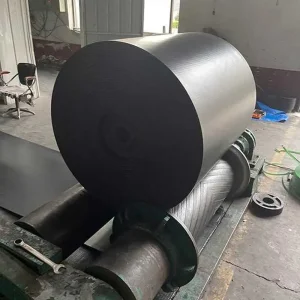
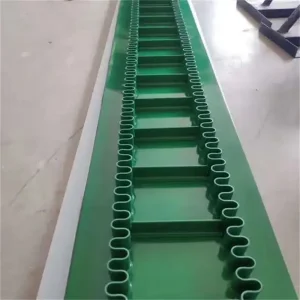
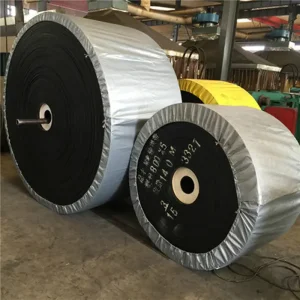
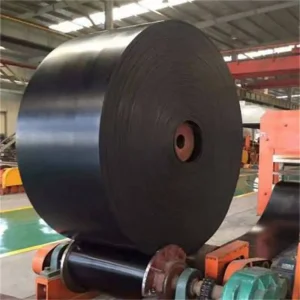
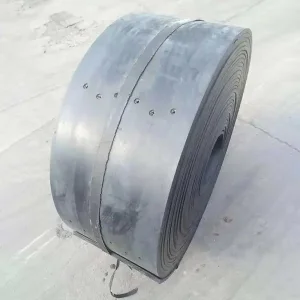
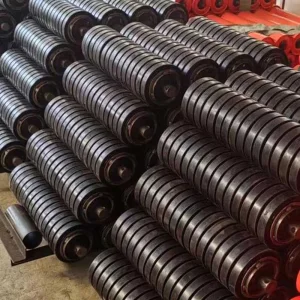
Complete line of conveyor belts and support rollers manufactured at our Baoding facility.
 Boao Rubber