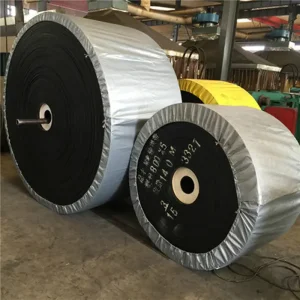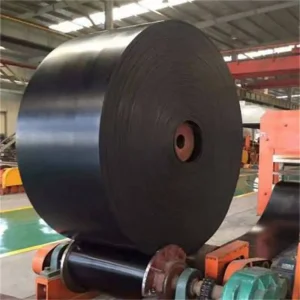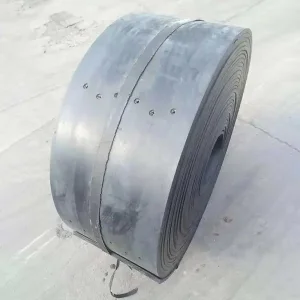
Best Rubber Conveyor Belt Types Manufacturers & Factories

A Comprehensive Engineering Guide to Industrial Carcass Design, Material Selection, and Custom Bulk Handling Solutions

Engineered Conveyor Belt Systems

Explore our premium factory-direct conveyor configurations designed for high-tensile strength, extreme thermal endurance, and abrasion resistance.

22+

Years of Master-Grade Industrial Rubber Vulcanization

Under our flagship "Jinao" brand, Hebei Boao Rubber Technology Co., Ltd. has delivered ISO-certified, heavy-duty conveyor systems engineered to withstand the world's most unforgiving working environments since 2004.

The Technical Evolution of Rubber Conveyor Belts in Heavy-Duty Material Handling

In modern industrial logistics, the selection of the correct rubber conveyor belt type represents a vital decision that directly influences plant uptime, operational safety, and overall lifecycle cost. Standard applications can rely on standard fabrics, but bulk-handling industries operating under abrasive, high-temperature, or toxic chemical conditions require carefully engineered vulcanized carcasses. Hebei Boao Rubber Technology Co., Ltd. has stood at the forefront of this manufacturing transition, innovating specialized compound matrices designed to mitigate mechanical wear and catastrophic structural failures.

Understanding Structural Integrity: EP vs. NN vs. Steel Cord Carcass

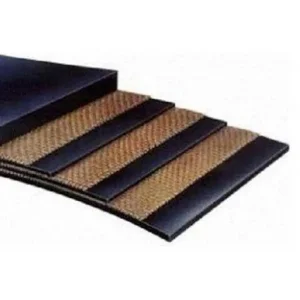
The core tensile load of any industrial conveyor belt is borne by its internal carcass. Selecting between polyester-nylon (EP), nylon-nylon (NN), and steel wire rope core structures determines the elongation properties and maximum operating tension of your conveyor line:

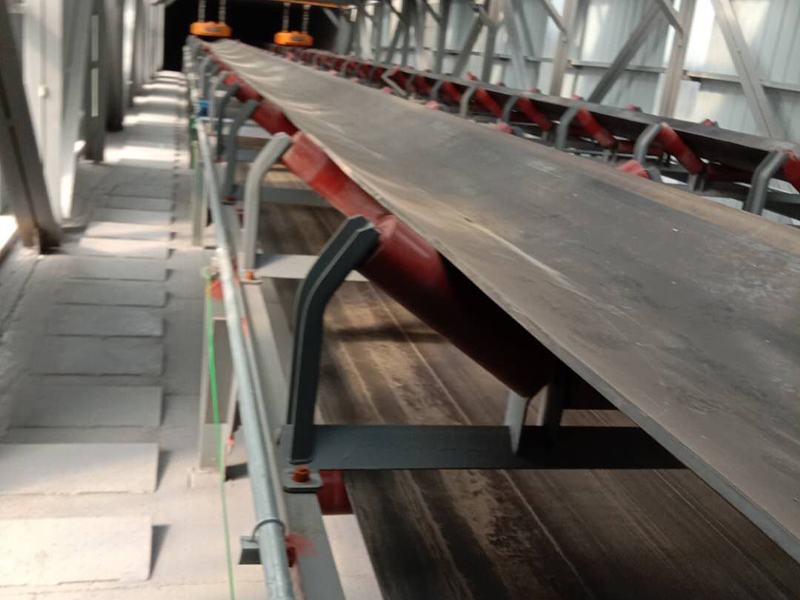
  • EP (Polyester/Nylon) Layered Conveyor Belts: Combining a polyester warp with a polyamide (nylon) fill, EP belts present low longitudinal stretch, excellent water and rot resistance, and outstanding dimensional stability. They serve as the default baseline for medium to long-distance systems.
  • NN (Nylon/Nylon) High-Strength Belts: Featuring nylon fabrics in both directions, NN belts deliver superior elasticity, high impact absorption, and excellent fatigue resistance. They are highly flexible and ideal for heavy-duty systems subjected to sudden impact loads and severe transitions.
  • Steel Wire Rope Core Conveyor Belts: Designed for extreme tensile loads and ultra-long-distance transport. Using high-tensile steel cords embedded in a premium rubber core, these belts yield virtually zero elongation, keeping take-up strokes short and belt tracking highly predictable.
30+
Acres Manufacturing Base
ISO9001
Quality Certified
100%
Raw Material Inspected
24/7
Emergency Tech Support

Comprehensive Rubber Conveyor Belt Selection Matrix

To assist procurement managers and system design engineers, our R&D team has compiled this technical reference guide highlighting application parameters for various belt types:

Belt Class Type Carcass Composition Max Working Temp Primary Industrial Use Cases
Heat-Resistant (HR) EP / Steel Cord Up to 200°C (392°F) Sinter plants, cement clinker transport, chemical processing
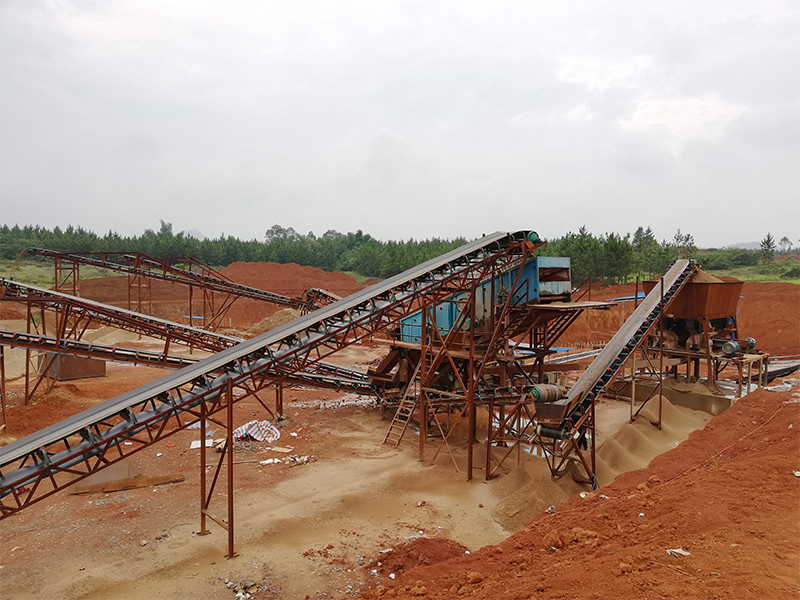
Nylon (NN) Series Polyamide Fabric -20°C to 80°C Quarrying, aggregate handling, mineral processing plants
Steel Wire Rope Core High-Tensile Steel -30°C to 80°C Deep-shaft coal mining, overland cross-country transport
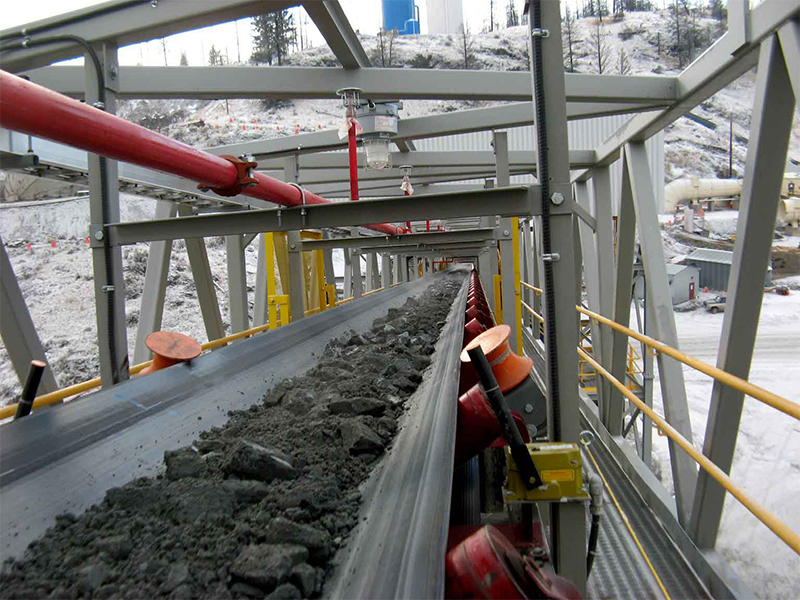
Cold-Resistant Specialized NBR/SBR Down to -50°C (-58°F) Arctic mining operations, outdoor storage ports
Flame Retardant Self-extinguishing PVC/EP -20°C to 70°C Underground coal mines, grain silos, power generation stations
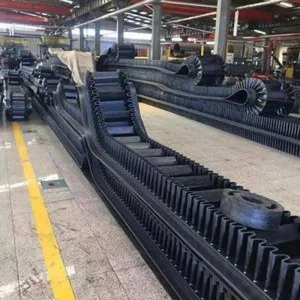
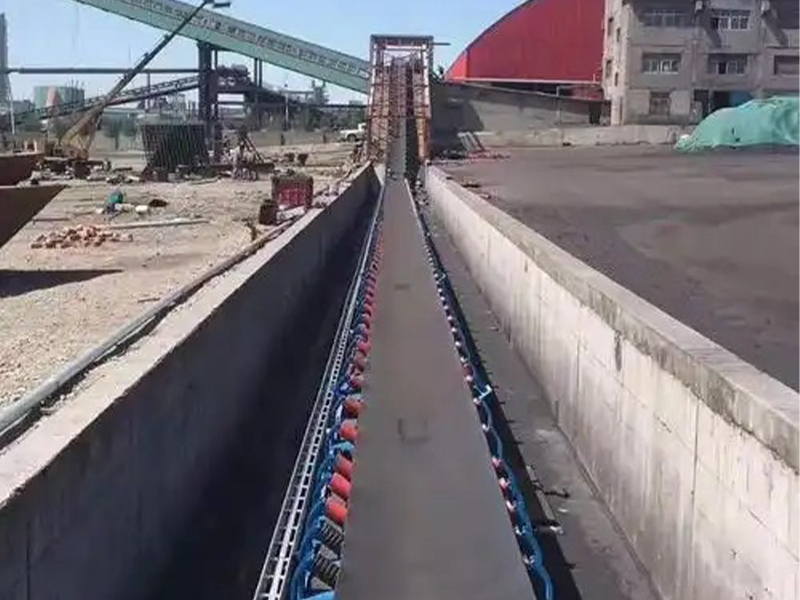
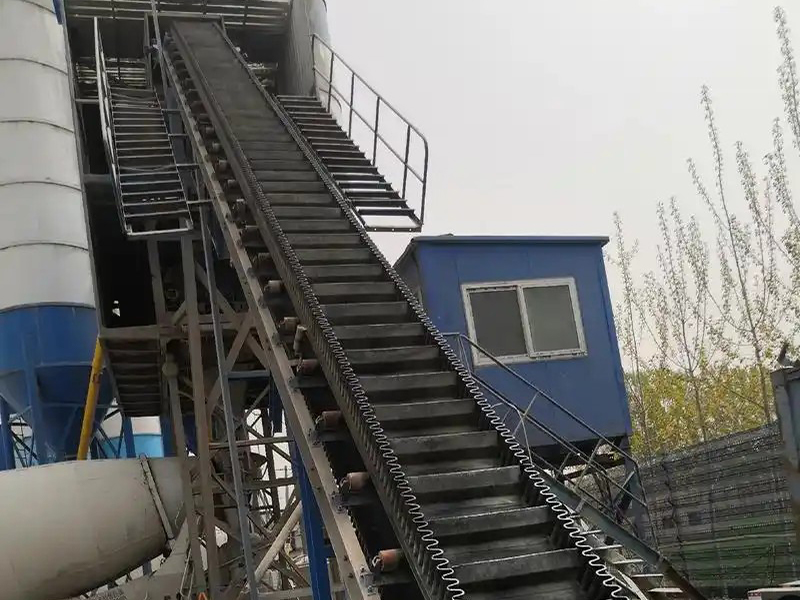
Wavy Edge / Sidewall Cross-Stabilized Base Up to 120°C High-angle vertical lifting, space-restricted industrial plants

Global Procurement Trends & Strategic Sourcing Checklist

Today's global procurement environment demands more than just low-cost unit pricing. Industrial organizations prioritize operational resilience, supply chain safety, and proven compliance with international standards (such as DIN 22102, ISO, AS1332, and MSHA). As modern materials-handling systems run at higher speeds and wider belt spans, procurement managers must evaluate several technical dimensions:

1. Cover Grade Specifications: Matching the rubber cover compound to the material being moved is essential. For highly abrasive ores, specify high-abrasion resistance (e.g., DIN X or Y grades). For handling grain or coal, choose static-conductive and flame-retardant covers to prevent dangerous dust explosions.

2. Edge Construction: Molded edges are vital for wet or corrosive conditions as they seal the carcass from moisture ingress. Cut-edge belts are acceptable for dry, non-corrosive environments but can lead to ply separation if exposed to oil or acid.

3. Splicing & Maintenance Compatibility: High-tensile steel cord and multi-ply EP systems require premium vulcanization kits and expert splicing. A factory that provides matching splice kits and comprehensive site installation guidelines ensures long-term system integrity.

Macro Industrial Solutions: Tailoring Systems for Global Heavy Industry

Different industrial processes impose unique stresses on conveyor components. Here is how Hebei Boao Rubber Technology designs specialized solutions for key sectors:

1. Steel & Metallurgy: Sinter and Clinker Transport

Handling hot materials like iron ore sinter, coke, and cement clinker requires superior thermodynamic resistance. Standard rubber belts quickly harden, crack, and fail when exposed to hot materials. Our heat-resistant conveyor belts use high-grade EPDM and specialized anti-aging compounds to prevent cover degradation, extending operational lifespans under continuous thermal exposure.

2. Coal Mining & Underground Operations

Underground operations prioritize fire safety above all else. Our flame-retardant rubber conveyor belts comply with strict underground safety standards. The self-extinguishing covers prevent flame spread along the belt line, while anti-static additives prevent electrostatic discharge in dust-heavy environments.

3. Ports & Overland Bulk Terminals

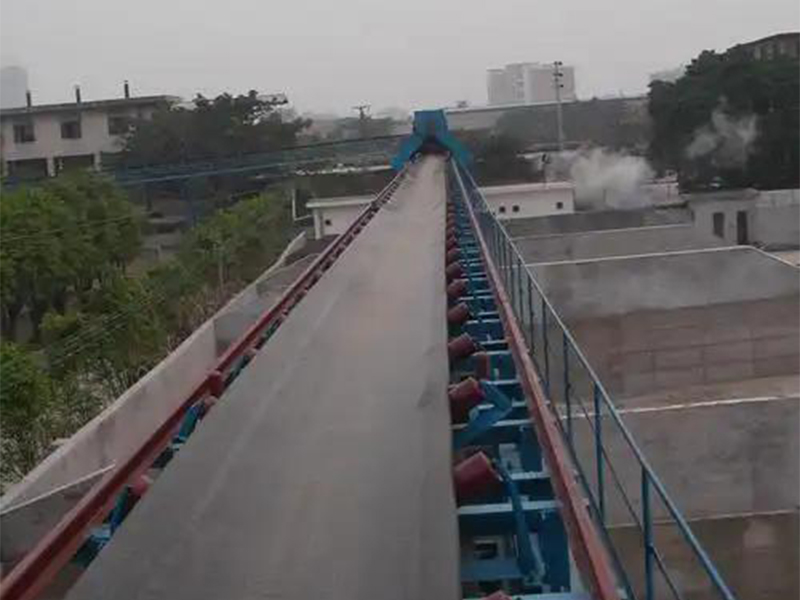
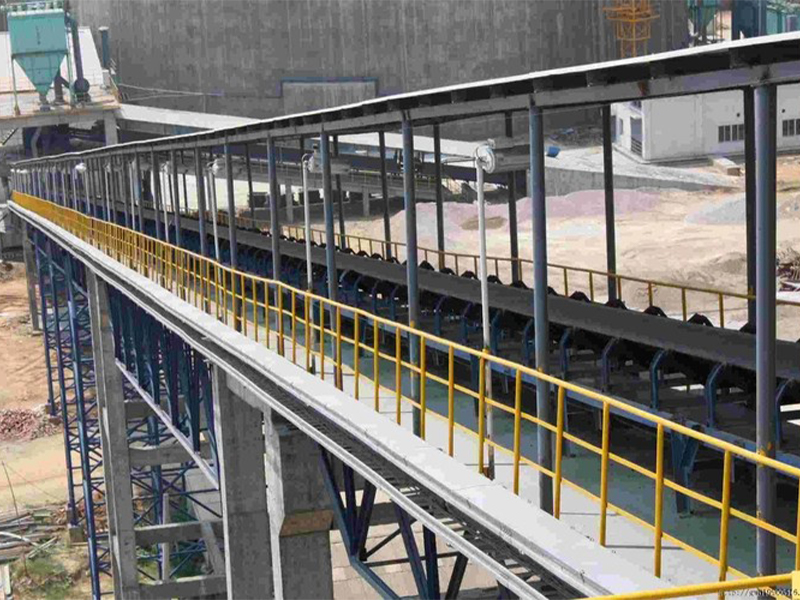
Overland transport over long distances requires high speeds, high tension, and low energy consumption. Our low-rolling-resistance steel cord belts reduce energy consumption by minimizing indentation losses as the belt passes over idlers. This saves significant power on long, high-capacity systems.
Manufacturing Excellence & Factory Capabilities

Hebei Boao Rubber Technology Co., Ltd. integrates research, design, production, and technical service under one roof.

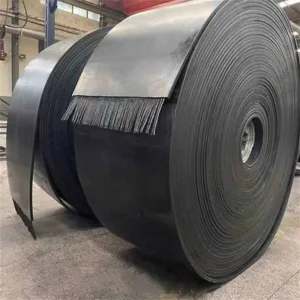
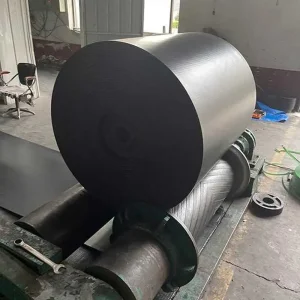
Our modern manufacturing facility covers over 30 acres in the boye County Rubber Industrial Park, Baoding, Hebei Province. Equipped with automated compounding systems, high-precision calenders, wide-plate vulcanizing presses, and a comprehensive raw-material-to-finished-product testing lab, we ensure every roll of "Jinao" brand conveyor belt meets strict quality standards.

Our quality assurance program is supported by an independent chemical analysis lab and a physical testing department. We inspect every batch of incoming raw polymers, reinforce fabric cords, test cover compounds for tensile strength, elongation, and abrasion loss, and run dynamic adhesion tests to ensure the highest ply-bond strength on the market.

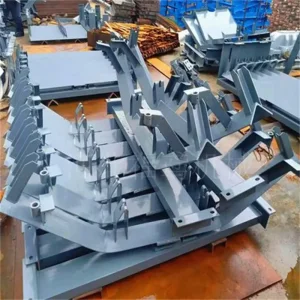
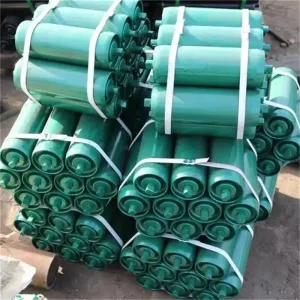
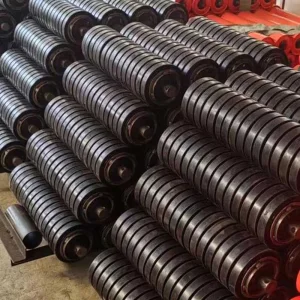
Additionally, we supply a full line of matching conveyor components, including standard and impact idlers, ceramic and rubber pulley lagging, conveyor brackets, and specialized wavy edge sidewall profiles. This allows plants to source complete, compatible conveyor systems from a single manufacturing partner.

Integrated Lifecycle Technical Support

We provide complete lifecycle support to maximize the service life of your conveyor installations.

Custom Engineering

Our engineers design customized compound formulations and carcass layouts to meet your exact operating speeds, load weights, and environmental conditions.

Quality Assurance

Our independent labs test all products before they leave the factory. We issue complete material test reports (MTRs) certifying tensile strength, cover wear, and adhesion values.

On-Site Support & Maintenance

We provide step-by-step splice instructions, hot-vulcanizing materials, and on-site support to minimize downtime during installation and maintenance.

Industry Collaboration & Project Cases

Our "Jinao" brand conveyor systems are used in major industrial facilities worldwide.

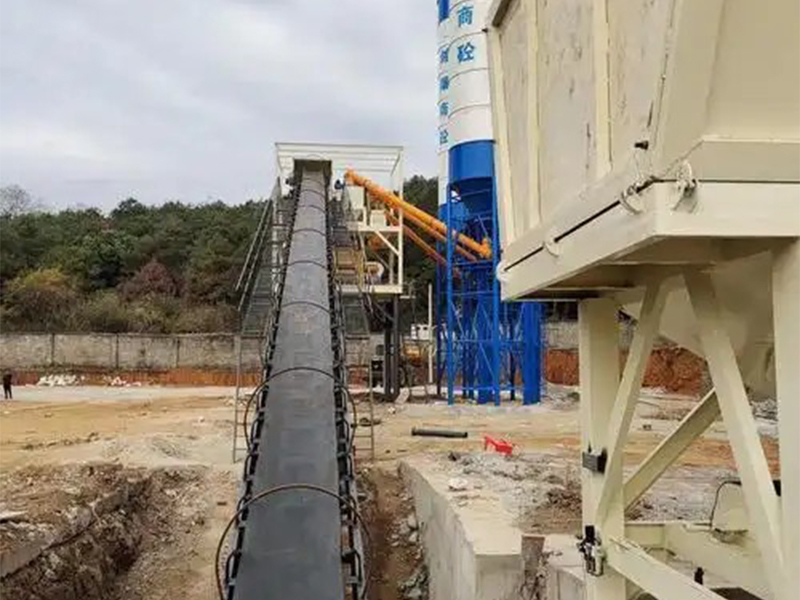
China Railway Group Mixing Plant

China Railway Group Mixing Plant

Conch Cement

Conch Cement

Datong Coal Group

Datong Coal Group

Tsingshan Group

Tsingshan Group

Jidong Cement Group

Jidong Cement Group

Jinmei Group Coal Conveying Line

Jinmei Group Coal Conveying Line

Taihang Steel

Taihang Steel

Puyang Steel Group

Puyang Steel Group

Next-Generation R&D Roadmap & Material Technology

As bulk material handling applications demand higher capacities, faster belt speeds, and longer center distances, traditional rubber conveyor belts face new operational challenges. Hebei Boao Rubber Technology continues to invest in material science to meet these evolving requirements:

1. Eco-friendly Compound Formulations

We are optimizing our vulcanization systems to reduce volatile organic compound (VOC) emissions during production. We are also integrating bio-based raw materials and recycled elastomeric matrices to lower the environmental footprint of our products without sacrificing tensile strength or tear resistance.

2. Energy-Optimized Cover Compounds

In long-distance, overland conveyor systems, the energy required to overcome the indentation of the belt over the idlers represents a major operating cost. Our R&D team is developing low-rolling-resistance rubber compounds that reduce energy loss at idler contact points, lowering system power consumption by up to 12%.

3. Smart, Sensor-Integrated Conveyor Belts

The future of material handling lies in predictive maintenance. We are testing conveyor belts with embedded RFID chips and inductive loops. These smart systems monitor wear, detect longitudinal rips early, and send real-time data to control rooms to prevent catastrophic failures and unplanned downtime.

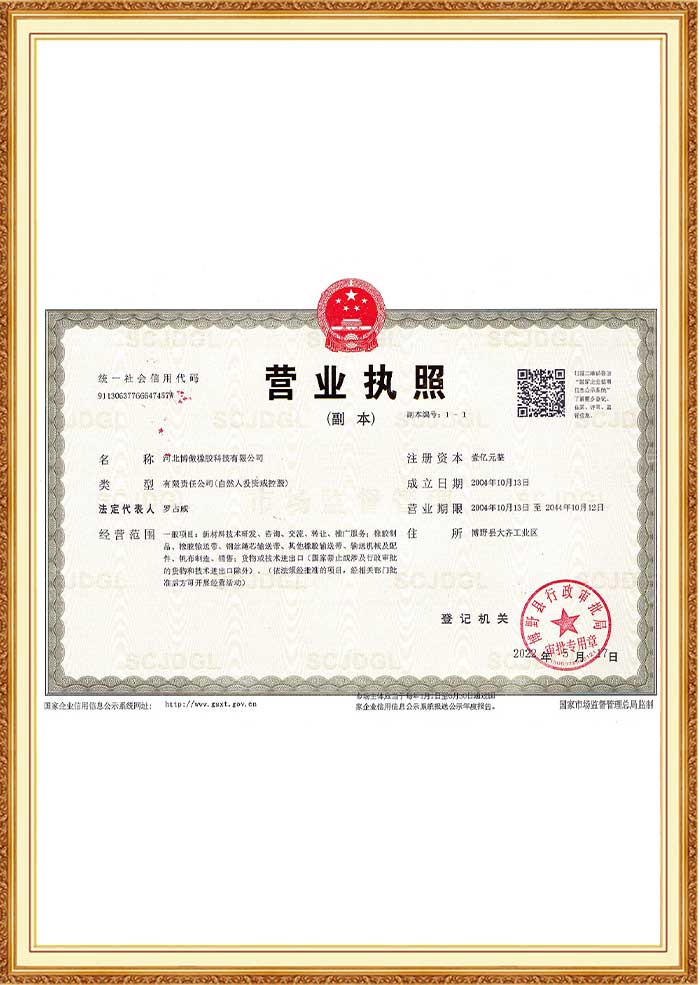
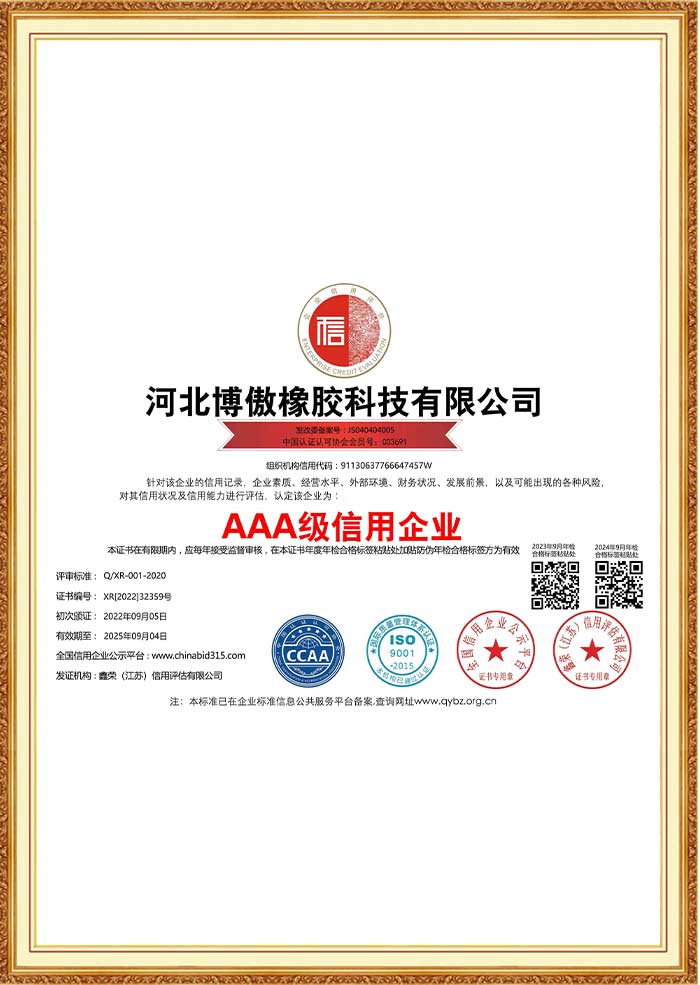
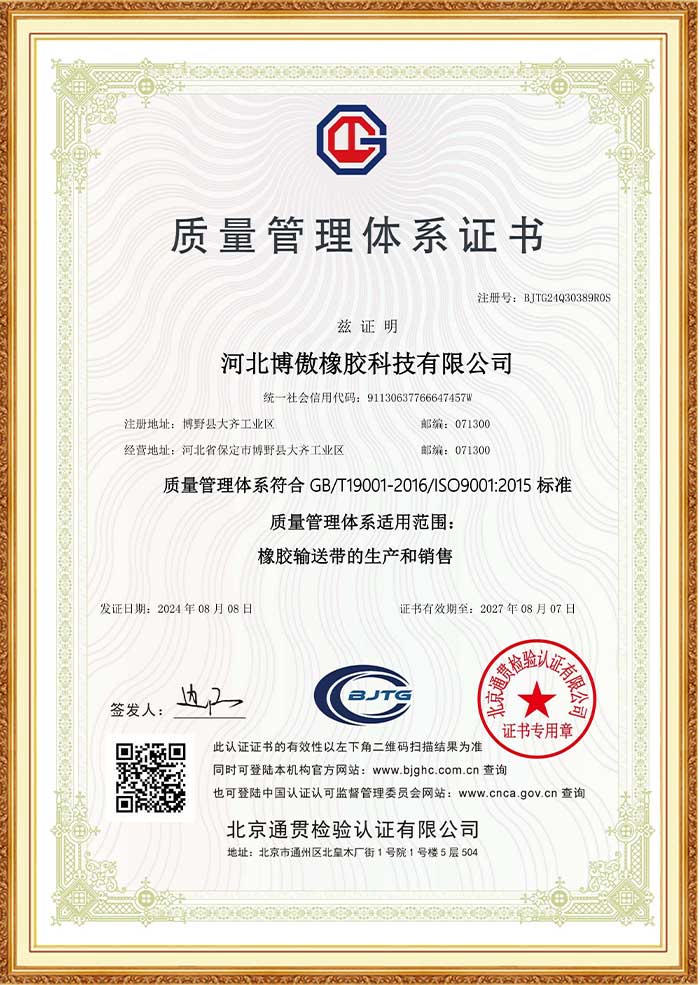
Certified Quality Control Standards

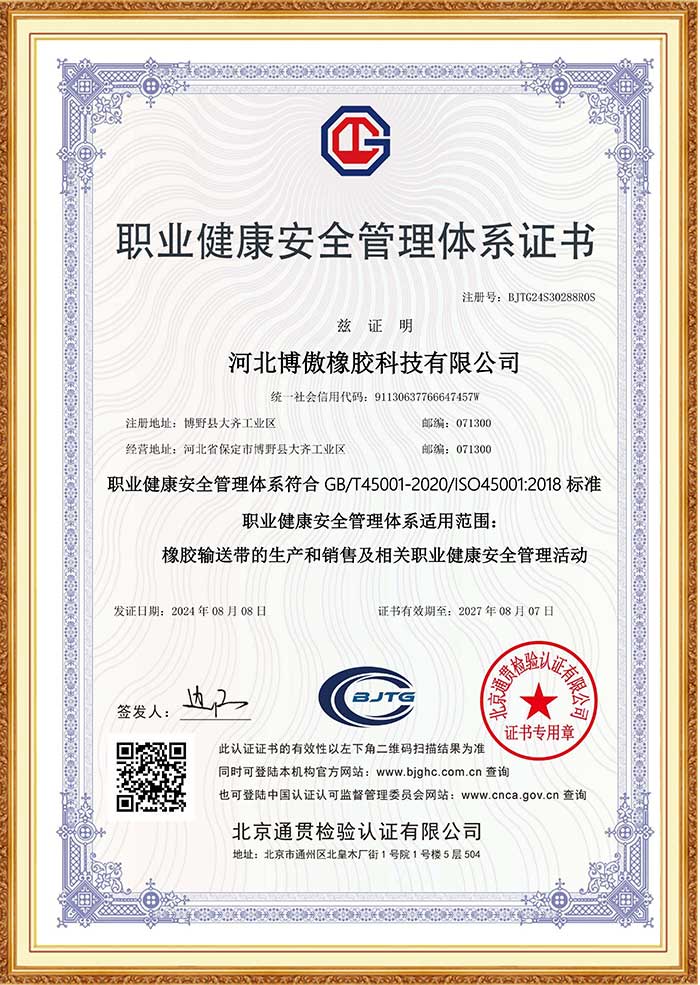
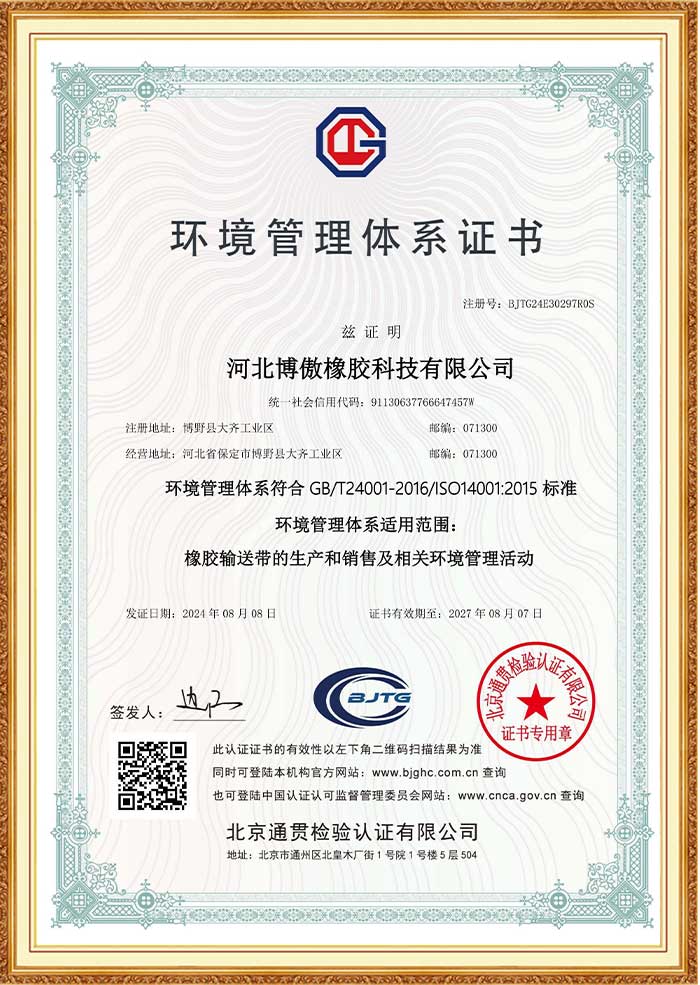
Our manufacturing and testing processes comply with international standards to ensure reliability and performance.

ISO Certification 1
ISO Certification 2
Quality Standard Certificate
Testing Standards Certification
Environmental System Certificate

Expert Q&A: Conveyor Belt Selection & Splicing

Get answers to common technical and procurement questions from our engineering team.

Q1: How does rubber grade affect belt life under highly abrasive conditions?

The cover grade specifies the rubber's wear resistance. For example, DIN X-grade compounds offer excellent resistance to heavy cutting and impact from large, sharp ores, while DIN Y-grade is designed for general abrasive wear. Matching the right cover grade to your material's size, weight, and drop height prevents premature wear and extends service life.

Q2: What are the key differences between EP and NN fabric reinforcement?

EP fabric uses polyester warp fibers and nylon weft fibers, providing high tensile strength with low longitudinal elongation. NN fabric uses nylon in both directions, offering higher elasticity, excellent impact resistance, and superior flexibility. NN belts are ideal for systems with high impact zones or tight troughing angles.

Q3: Can cold-resistant belts be used in high-temperature environments?

No. Cold-resistant belts use specialized polymers designed to remain flexible at sub-zero temperatures (down to -50°C). These compounds degrade and soften rapidly if exposed to temperatures above 80°C. For applications with fluctuating temperatures, contact our engineering team to design a custom compound.

Q4: How does Hebei Boao control the quality of its rubber compounds?

We operate an in-house chemical analysis and physical testing lab. We test every batch of raw rubber for purity, compound density, rheological behavior, and vulcanization speed. We also test finished belts for tensile strength, elongation at break, abrasion loss, and interlayer adhesion to ensure consistent quality.

Q5: What support do you offer for belt installation and splicing?

We provide matching hot vulcanizing materials, tie gums, and splicing cements engineered for our cover compounds. We also offer detailed splicing guidelines, technical manuals, and remote engineering support to ensure your field splices achieve maximum tensile strength.

Need a Custom Conveyor Belt Solution?

Contact our engineering sales team today to discuss your project requirements, request a quote, or get help selecting the right belt configuration for your plant.

Request a Quote Now

Advanced Heavy-Duty Product Series

Explore our specialized range of steel wire core, flame retardant, cold-resistant, and high-angle vertical conveyor configurations.