Explore our elite selection of high-durability, precision-engineered lightweight belts for general packaging, processing, and food-grade handling.
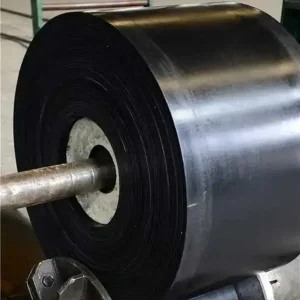
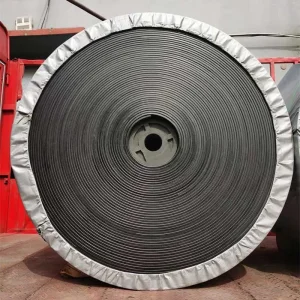
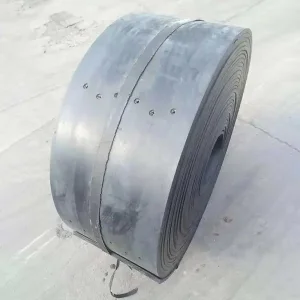
Insights into material sciences, compounding structures, and global supply chain integrations for high-speed, light-duty applications.
In the modern automated world, the role of PVC light-duty conveyor belts has evolved from simple mechanical transport components into highly specialized, intelligent interfaces critical to productivity, compliance, and energy conservation. Lightweight conveyor belts primarily utilize synthetic polymers—predominantly Polyvinyl Chloride (PVC) and Thermoplastic Polyurethane (TPU)—reinforced with high-tensile fabric layers such as Polyester (EP) or Polyamide (NN). Unlike heavy-duty rubber belts designed for bulk mining ores, lightweight belts excel in precision sorting, food processing, logistics packaging, and high-speed manufacturing environments where hygienic control, low noise, low energy footprint, and high lateral stability are non-negotiable parameters.
Information Gain Insight: The choice of a conveyor belt's cover material dictates its surface tension, friction coefficient, and chemical resistance. Under the Google Search Quality guidelines, we highlight that "standardization" is no longer sufficient. Customization—varying the Shore A hardness, introducing flame-retardant elements, and utilizing monofilament yarns to prevent curling—constitutes the technical baseline for modern high-performance light-duty systems.
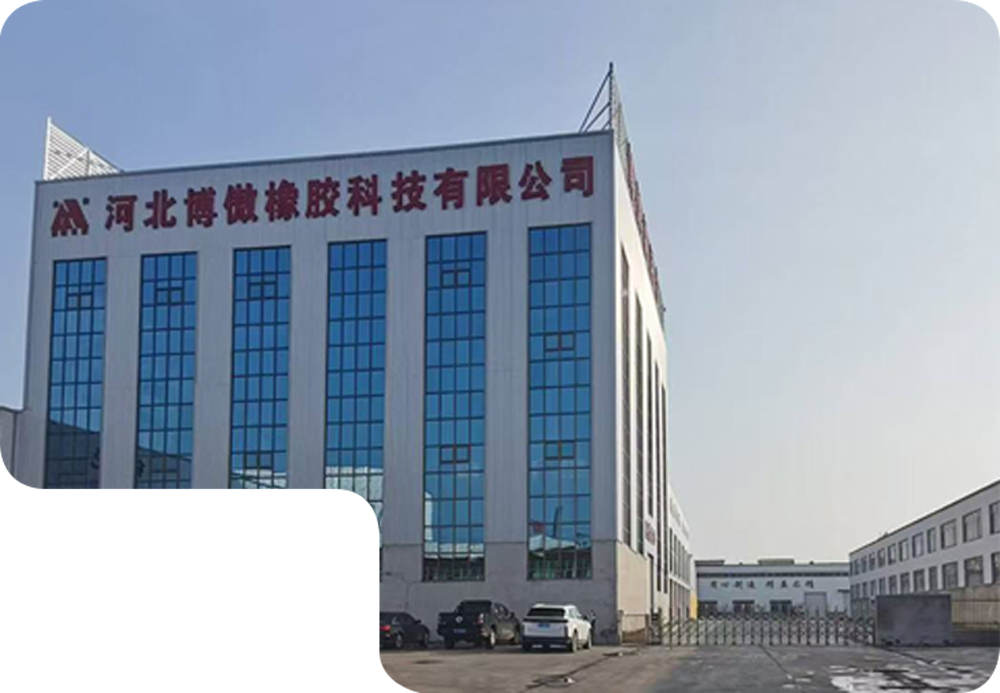
The global demand for light-duty conveyor belts is witnessing unprecedented growth, driven by the exponential expansion of e-commerce fulfillment hubs, automated warehousing, and strict food safety regulations (FDA, EU 10/2011). In North America and Europe, high-speed sorting facilities require lightweight belts capable of running at velocities exceeding 4.5 m/s while maintaining noise emissions below 65 dBA to ensure safe working environments. Meanwhile, the Asia-Pacific region, led by China, continues to dominate production and supply chains, driven by advanced manufacturing clusters like the Boye County Rubber Industrial Park in Baoding, Hebei, where Hebei Boao Rubber Technology Co., Ltd. (brand: "Jinao") manufactures state-of-the-art belting solutions across its 30-acre campus.
Furthermore, sustainability is shaping industrial policies. Global operators are actively replacing heavy, over-engineered rubber conveyor systems with optimized lightweight thermoplastic belts in dry-handling applications. This transition dramatically minimizes structural load on motor drives, yielding immediate energy savings of up to 15-20% and contributing directly to corporate carbon reduction goals.
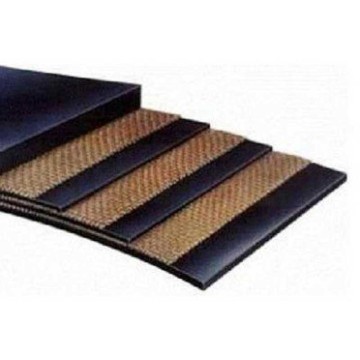
Engineered light-duty conveyor belts rely on multi-layer composite structures designed to survive continuous mechanical stresses. Understanding the polymer morphology is vital for selection:
The structural progression of light-duty belting technologies toward intelligent, eco-friendly systems.
Developing phthalate-free, non-toxic PVC compounds to satisfy evolving EU REACH and FDA regulations. Integration of antimicrobial compounds directly into the polymer matrix to prevent bacterial nesting in food processing lines.
Introduction of low-friction monofilament canvas cores that decrease the sliding friction coefficient against conveyor beds, dramatically reducing electric motor load and carbon footprint.
Developing structural belts embedded with micro-RFID or conductive grid arrays that trigger automated stop protocols during tracking deviations, avoiding total system shutdowns.
How distinct industrial environments dictate specific lightweight and heavy-duty conveyor selections.
Modern distribution warehouses process millions of packages daily. This requires PVC belts with optimized anti-static carbon fabrics to discharge static electricity generated by the continuous friction of plastic packages. Low-noise backing fabrics (often made of brushed polyester) are employed to maintain localized ambient decibels within legal occupational safety limits.
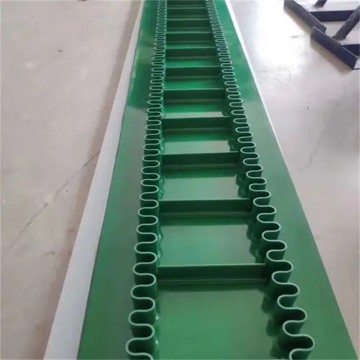
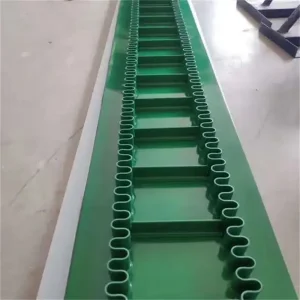
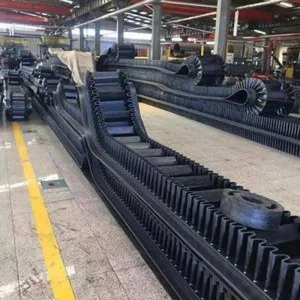
In harvesting and packaging operations, vegetable washdowns expose belts to high humidity and cleaning chemical sprays. Water-resistant, anti-mildew PVC and clean-release PU belts prevent the formation of mold spores. High-frequency welded guide profiles and side walls prevent agricultural produce from spilling or getting crushed in mechanical guide zones.
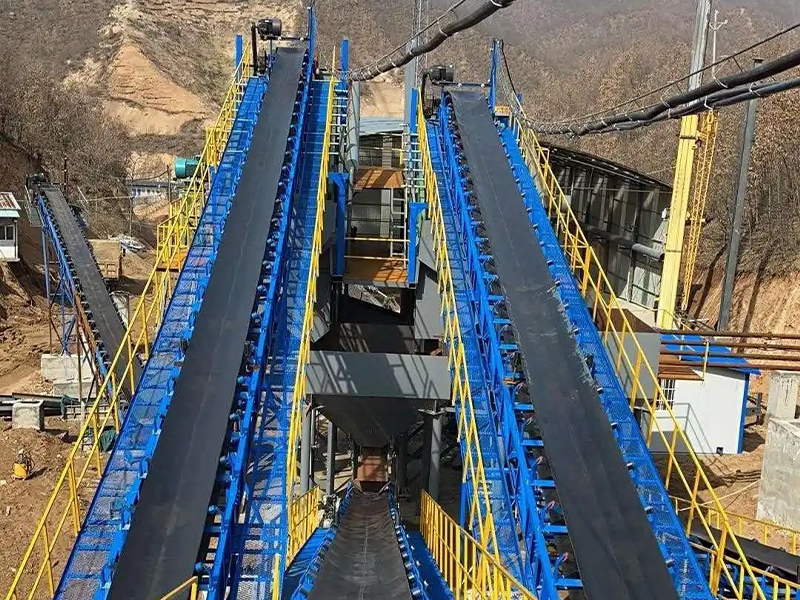
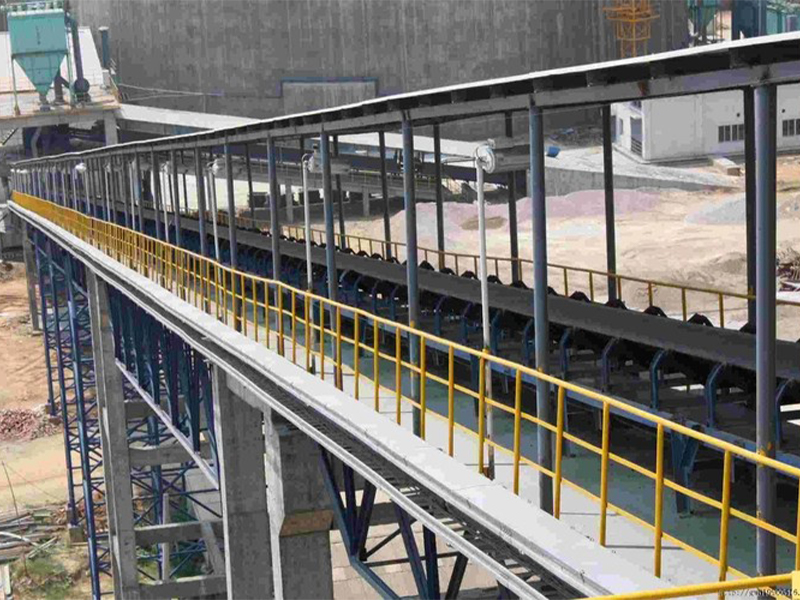
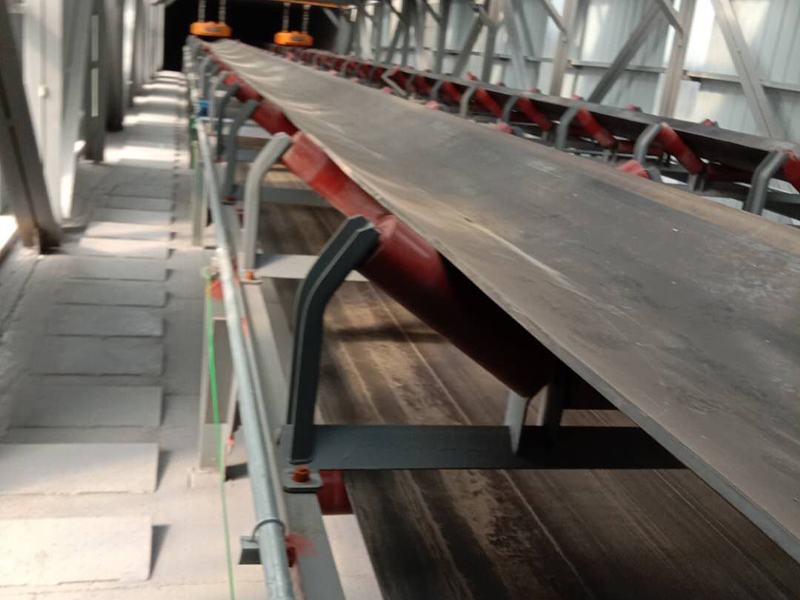
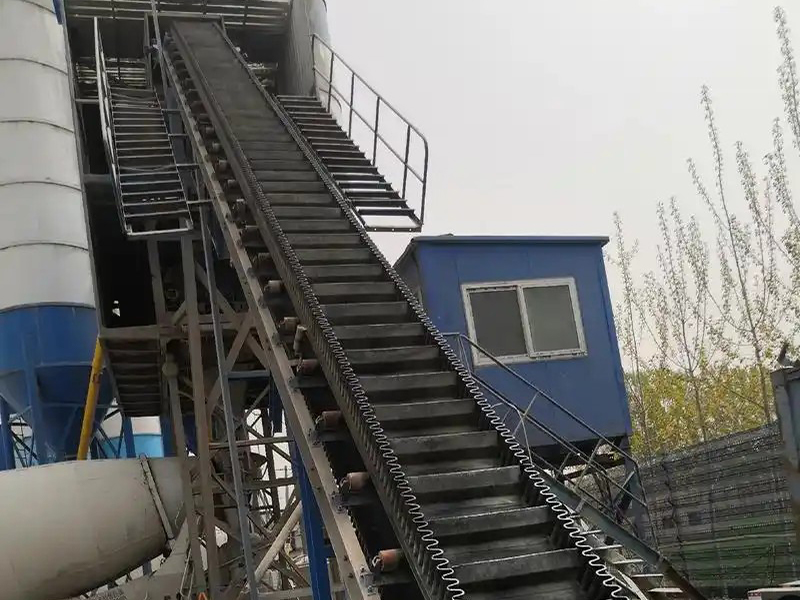
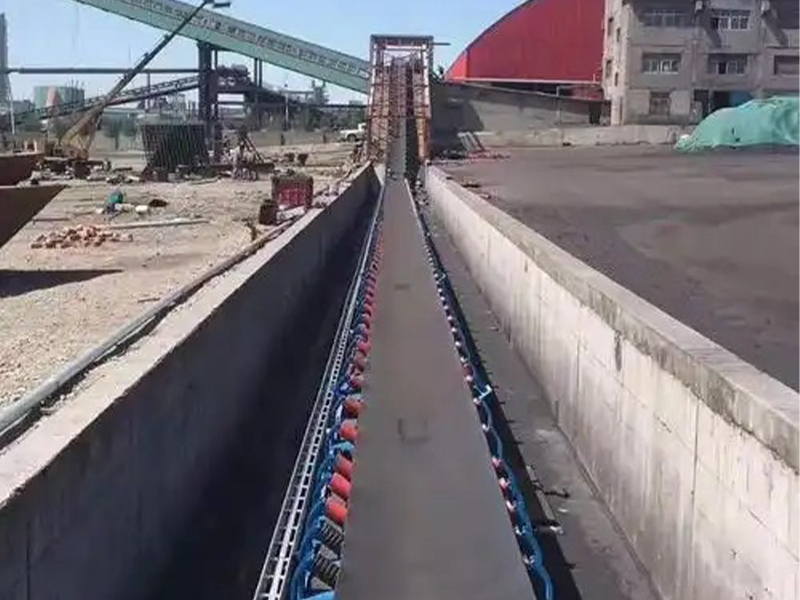
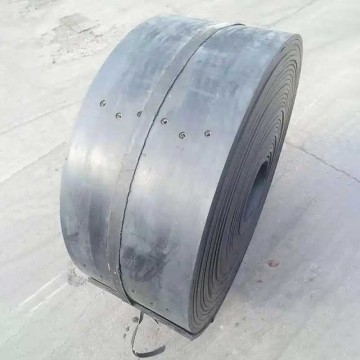
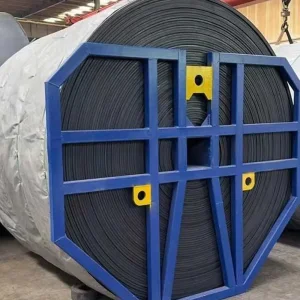
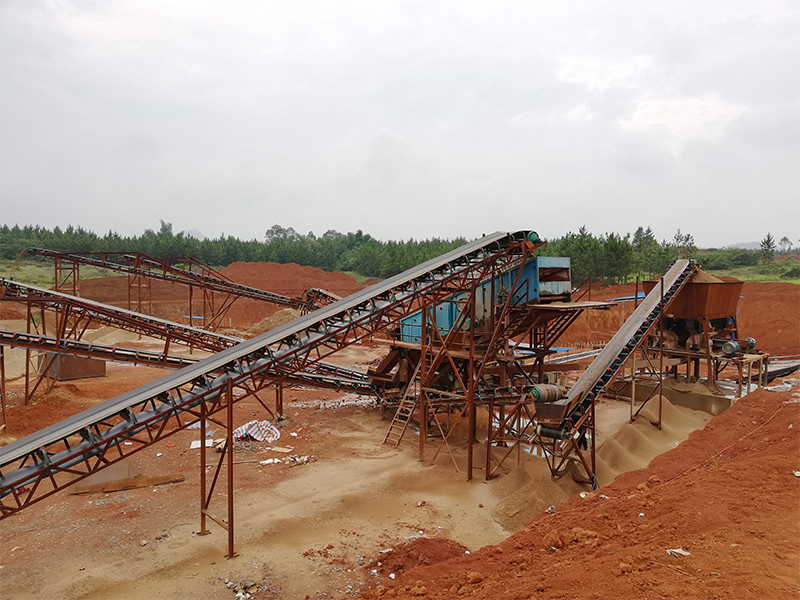
While light-duty systems run cleanly, industrial campuses require cross-system resilience. Where heavy-duty materials (cement, coal clinkers, iron ores) transfer to process plants, composite fabric systems play a crucial role. Specialized anti-tear steel wire rope core belts and acid/alkali resistant rubber covers protect bulk delivery arteries before final product packaging.
Conveying active pharmaceutical ingredients (APIs) or high-grade chemicals requires exceptional chemical inertness. The surface must be non-porous and resistant to aggressive solvents, alcohols, and sanitizers. Belting solutions must prevent particulate shedding, assuring cleanroom environmental classification standards are continuously met.
A deep dive into our ISO-certified facilities, quality laboratories, and processing capabilities.
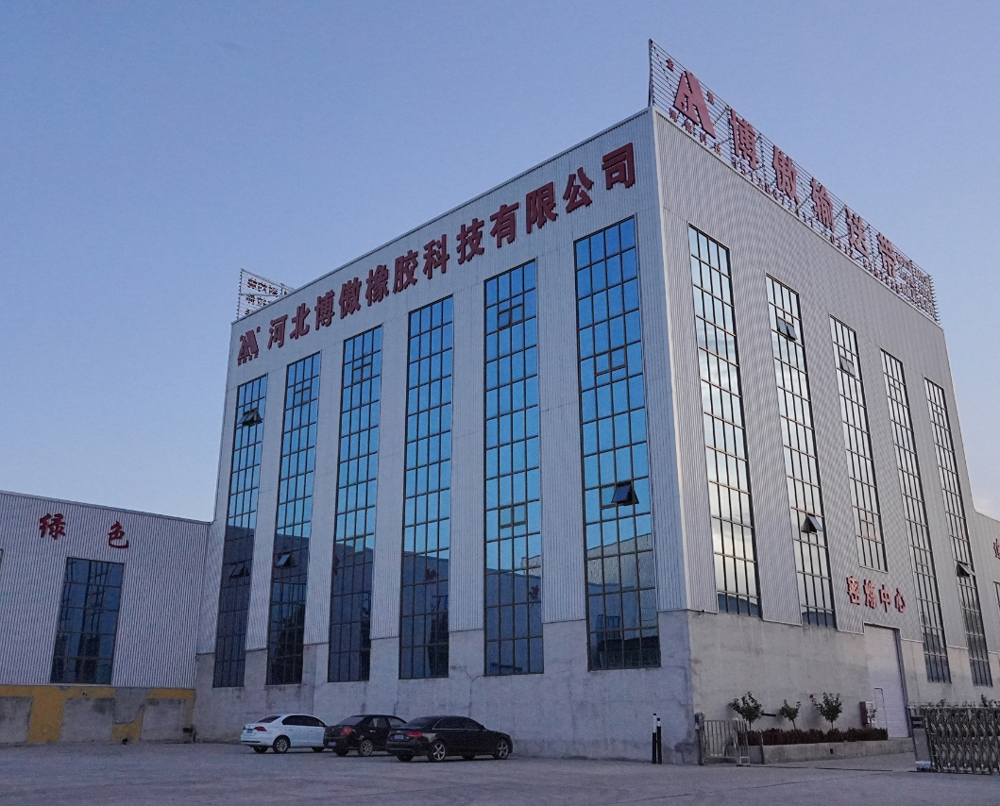
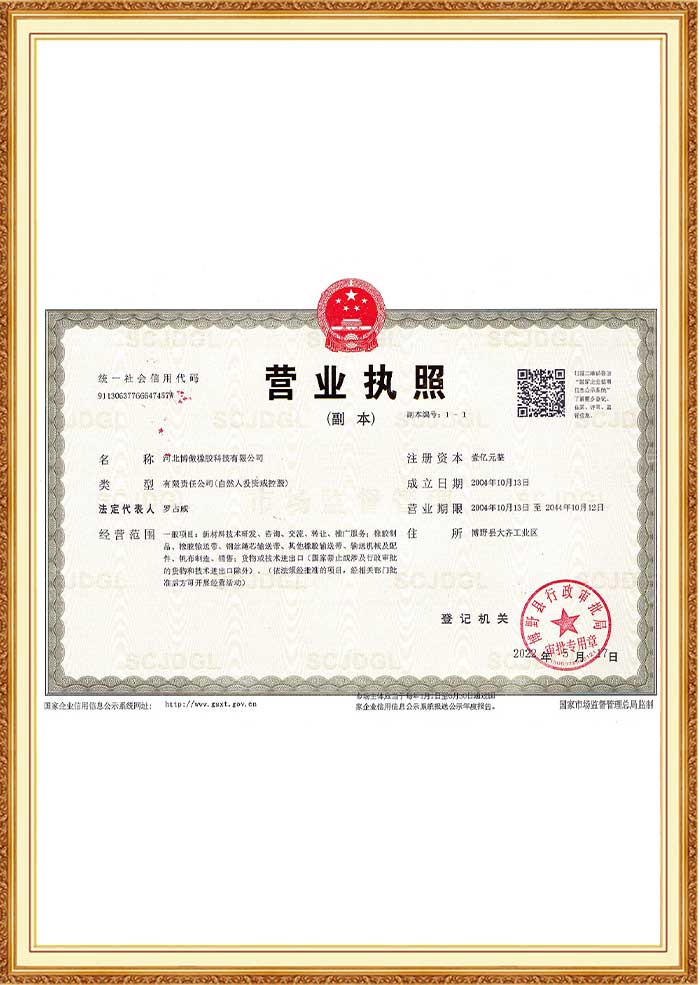
Founded in 2004, Hebei Boao Rubber Technology Co., Ltd. has established a formidable engineering presence at the center of the Boye County Rubber Industrial Park, Baoding, Hebei Province. Over the course of 22 years of technical evolution, the enterprise has developed into a leading Chinese manufacturer that integrates product research and development, polymer design, structural vulcanization, and field services.
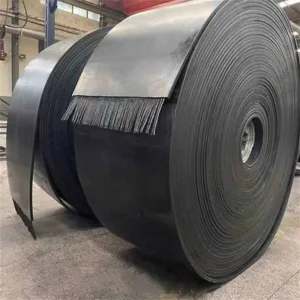
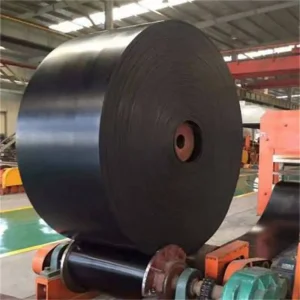
Operating a manufacturing campus of over 30 acres, Hebei Boao supports multiple state-of-the-art production lines for calender rolling, fabric forming, vulcanization, and finished belt profiling. Under the premium "Jinao" brand, our product range encompasses both thermoplastic lightweight belts (PVC, PU, and PE) and heavy-duty compound rubber belts, ensuring we satisfy diverse conveyor specifications across the industry.
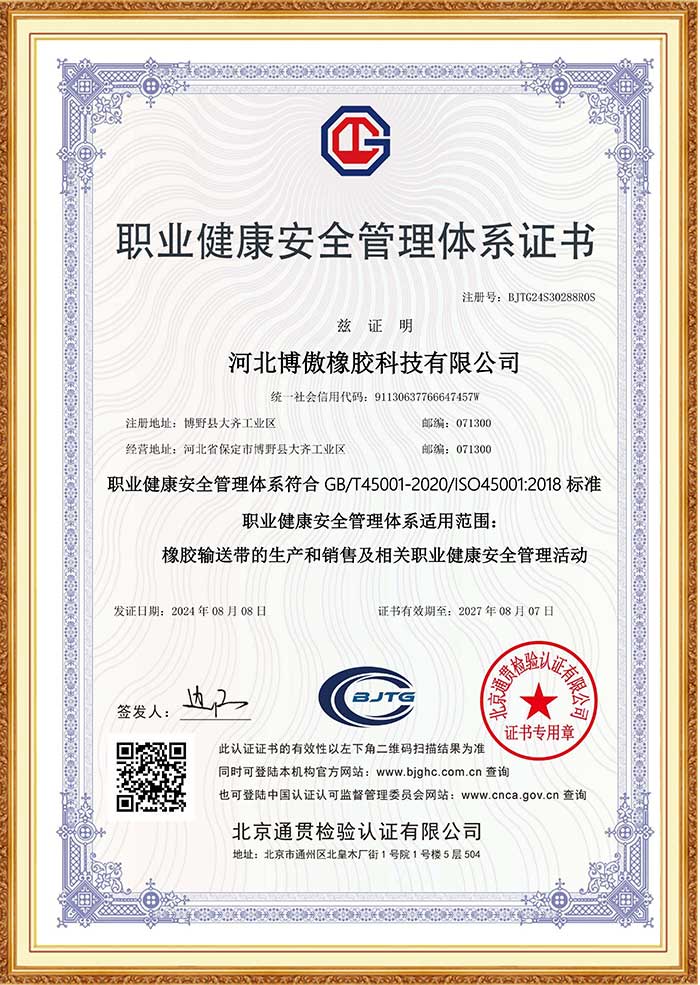
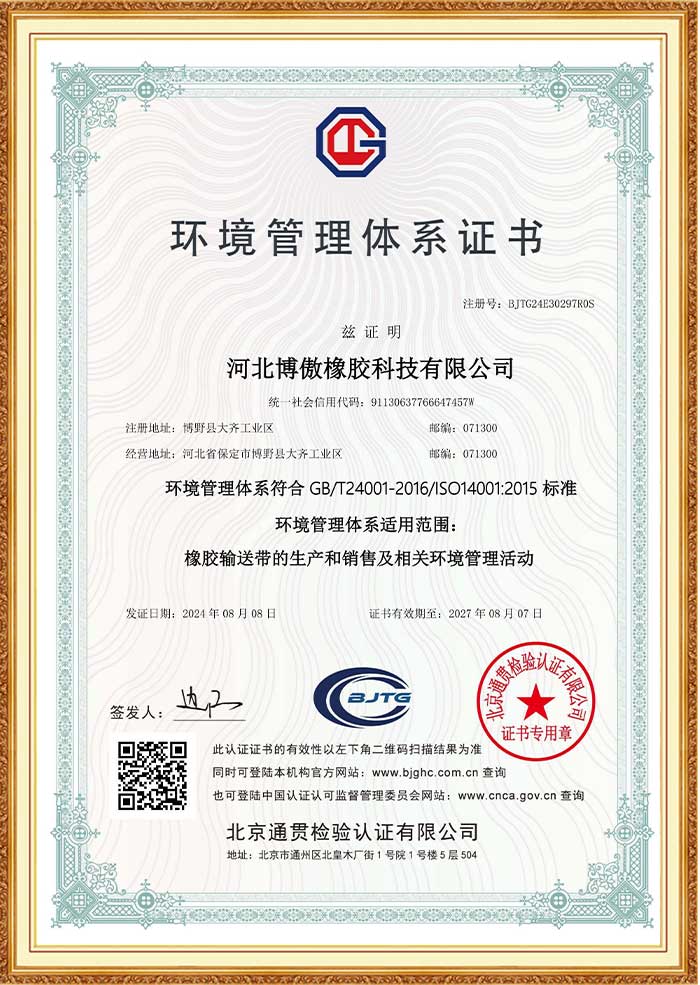
Independent Quality Lab Auditing: Hebei Boao maintains a dedicated chemical analysis suite and a physical testing laboratory. This ensures that from raw polymer receipt to final belt vulcanization, every step is stringently monitored. No unqualified materials enter the production flow, and no output leaves the facility without meeting international standards.
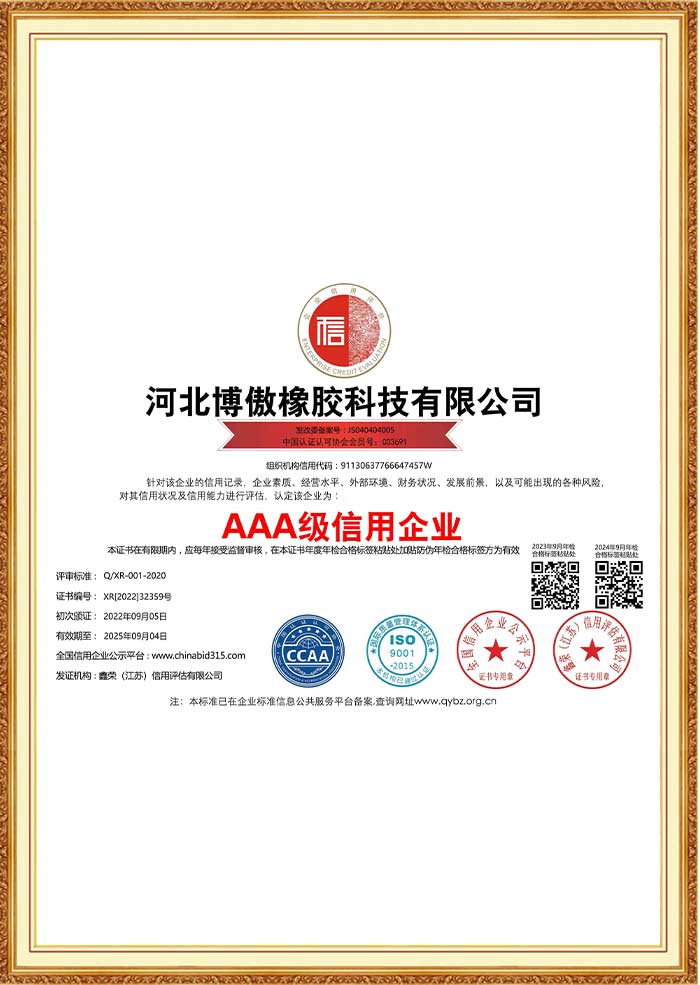
Validated manufacturing processes through certified standards testing.
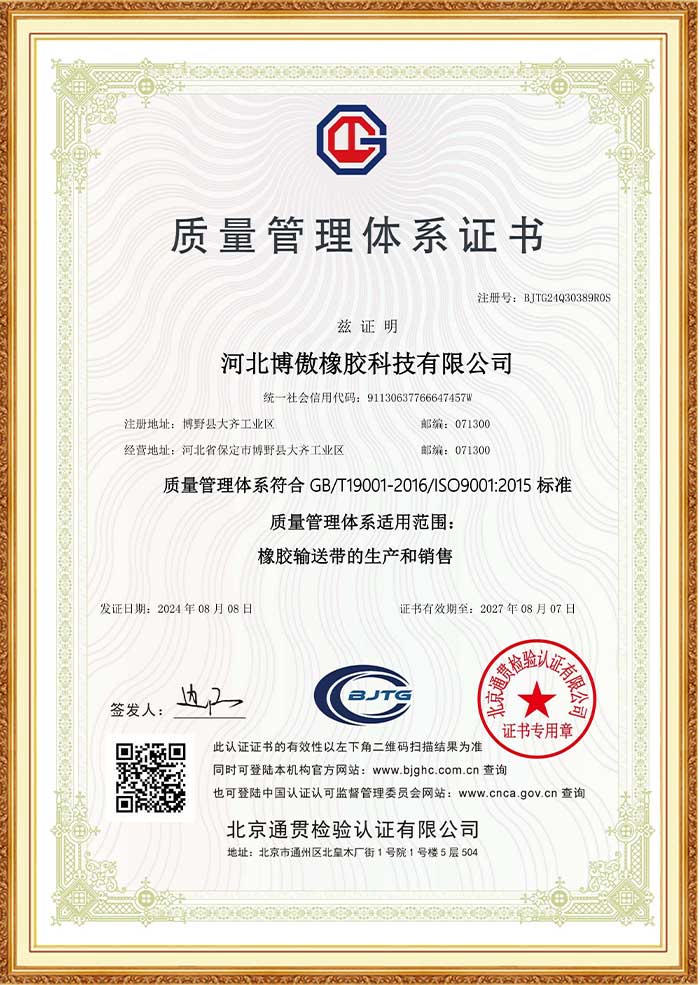
How Hebei Boao ensures uninterrupted operation and lifetime elongation of plant conveyor lines.
We supply complete engineering support to design and retro-fit light-duty belts tailored to your speed, curve radius, and load profile. Laser alignment audits of mechanical frameworks guarantee perfect tracking from day one.
Avoid costly production line downtime. Our program schedules periodic inspections, joint monitoring, and local safety stock storage, ensuring backup belts are ready for immediate installation.
Our mobile technical service teams perform high-precision mechanical fasteners or hot vulcanized endless splicing on-site. Using temperature-controlled mobile presses ensures standard-compliant joint strength.
Our solutions have supported large bulk and lightweight process networks worldwide. Some of our key system integration partners and heavy conveyor cases include:
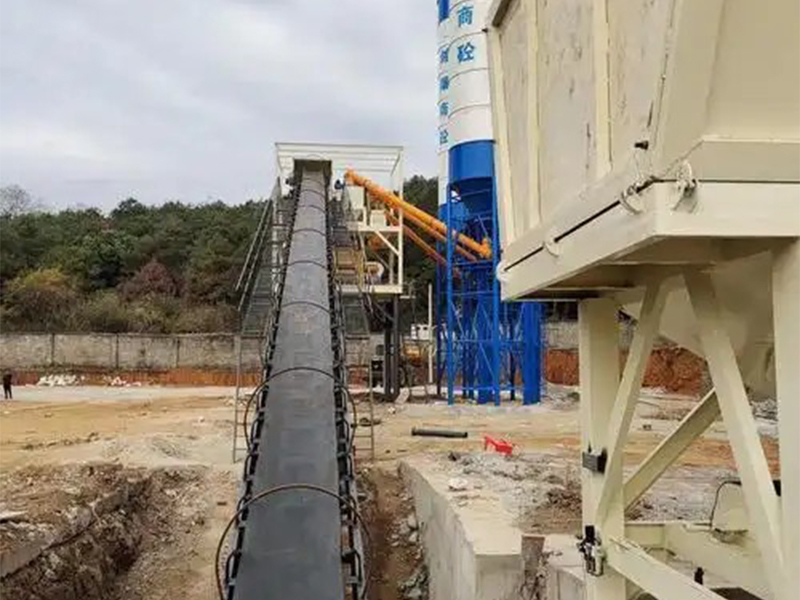
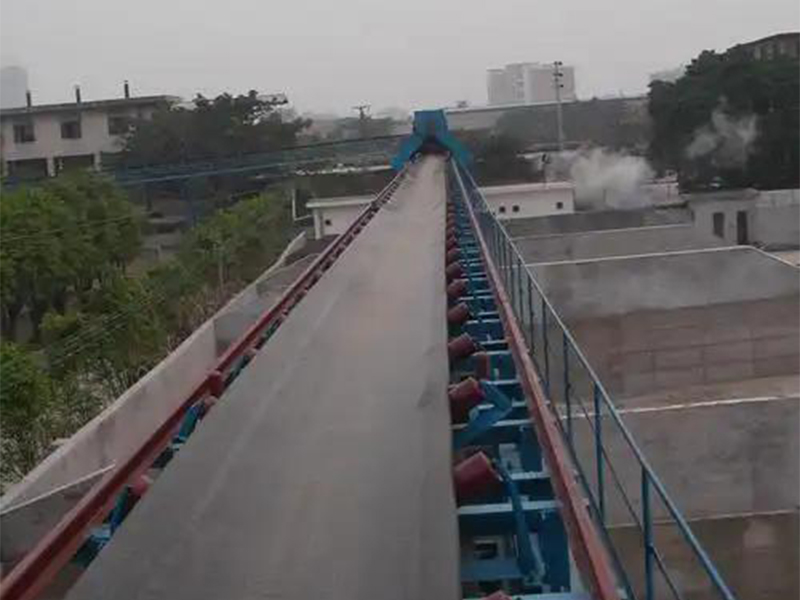
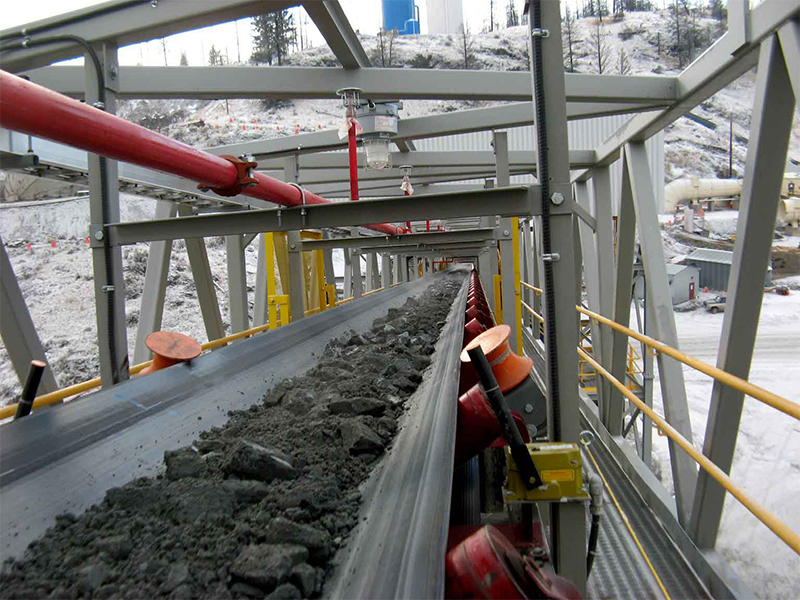
Expert technical insights regarding material specifications, design configurations, and operational longevity.
Explore our specialized heavy-duty conveyor belts, custom profiles, cold-resistant compounds, and mining idler accessories.
 Boao Rubber